



Free written scope consultation - allowances, timeline, and change-order rules on paper before a single trade is scheduled
Styles & brands we work with
- Kitchen remodeling
- Bathroom remodeling
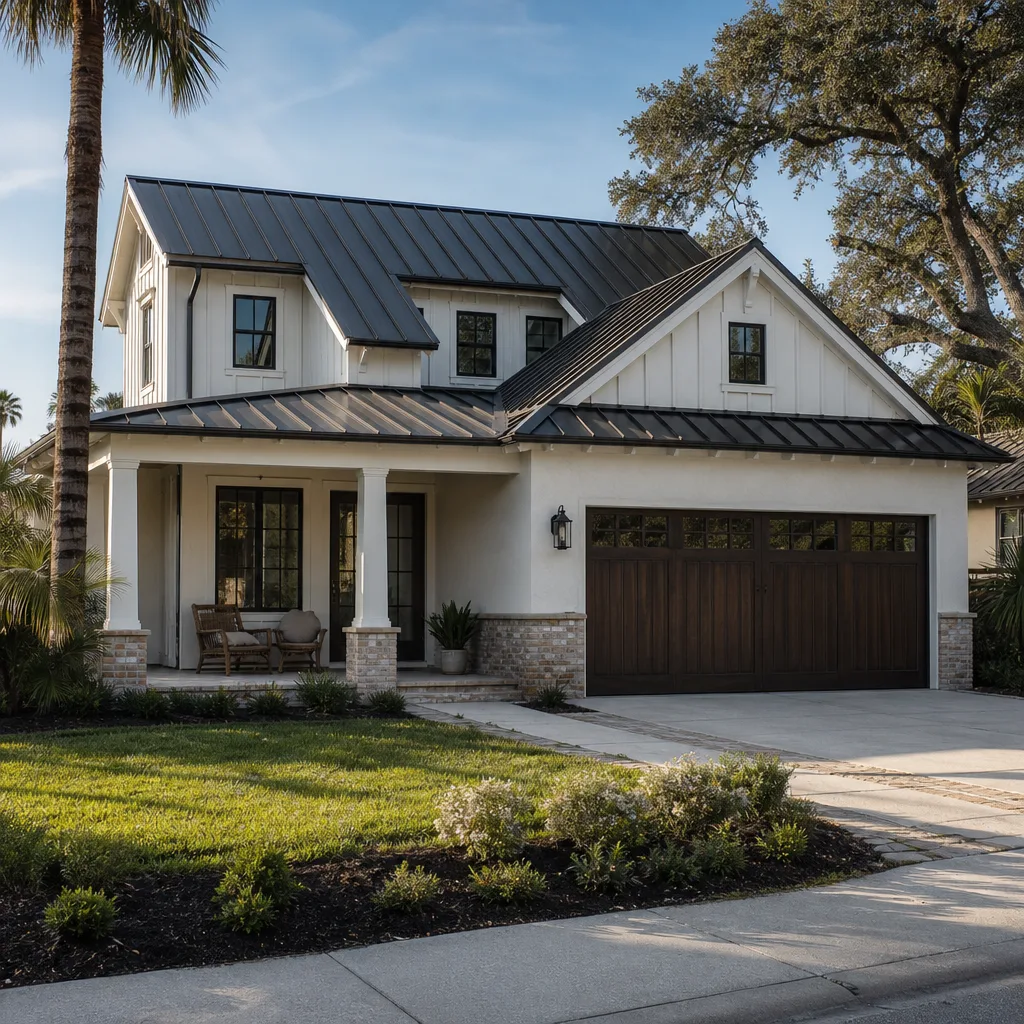
- Home additions & ADU
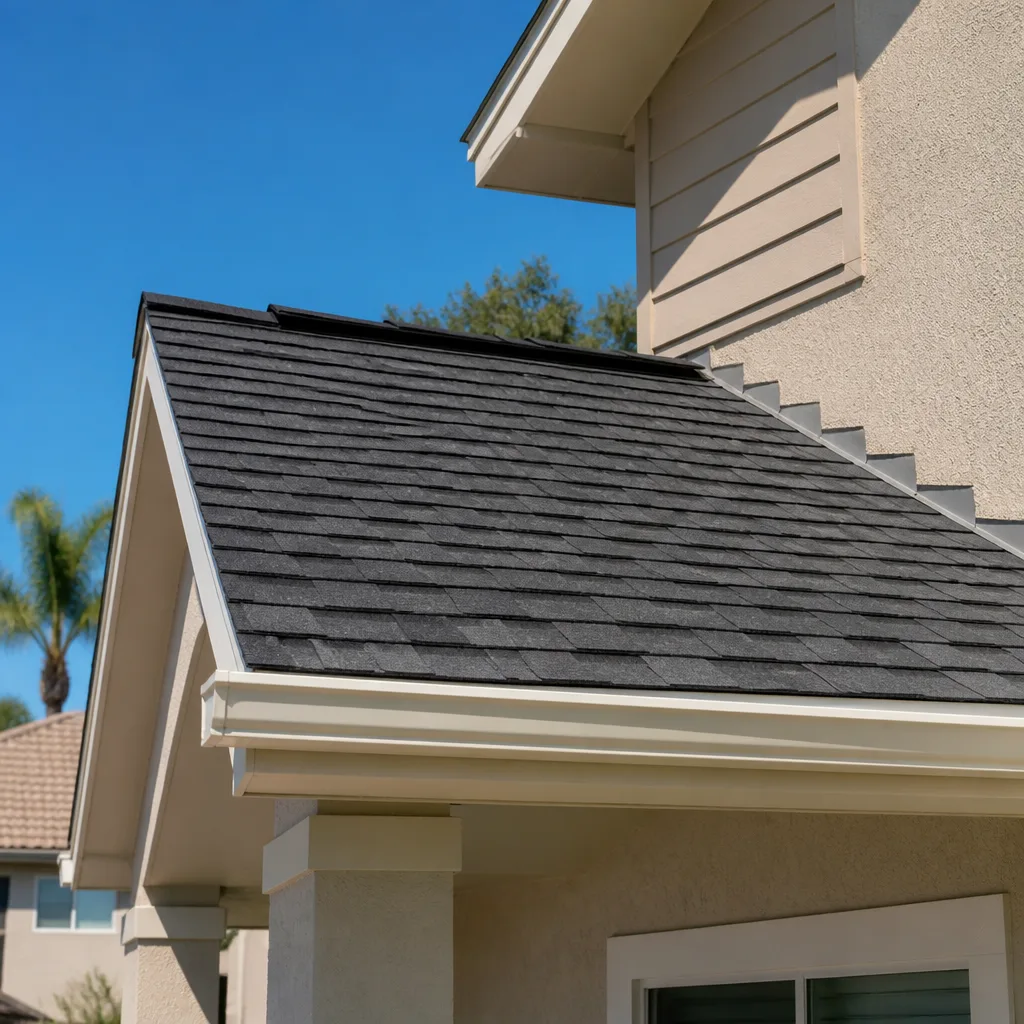
- Roofing
- Windows & doors
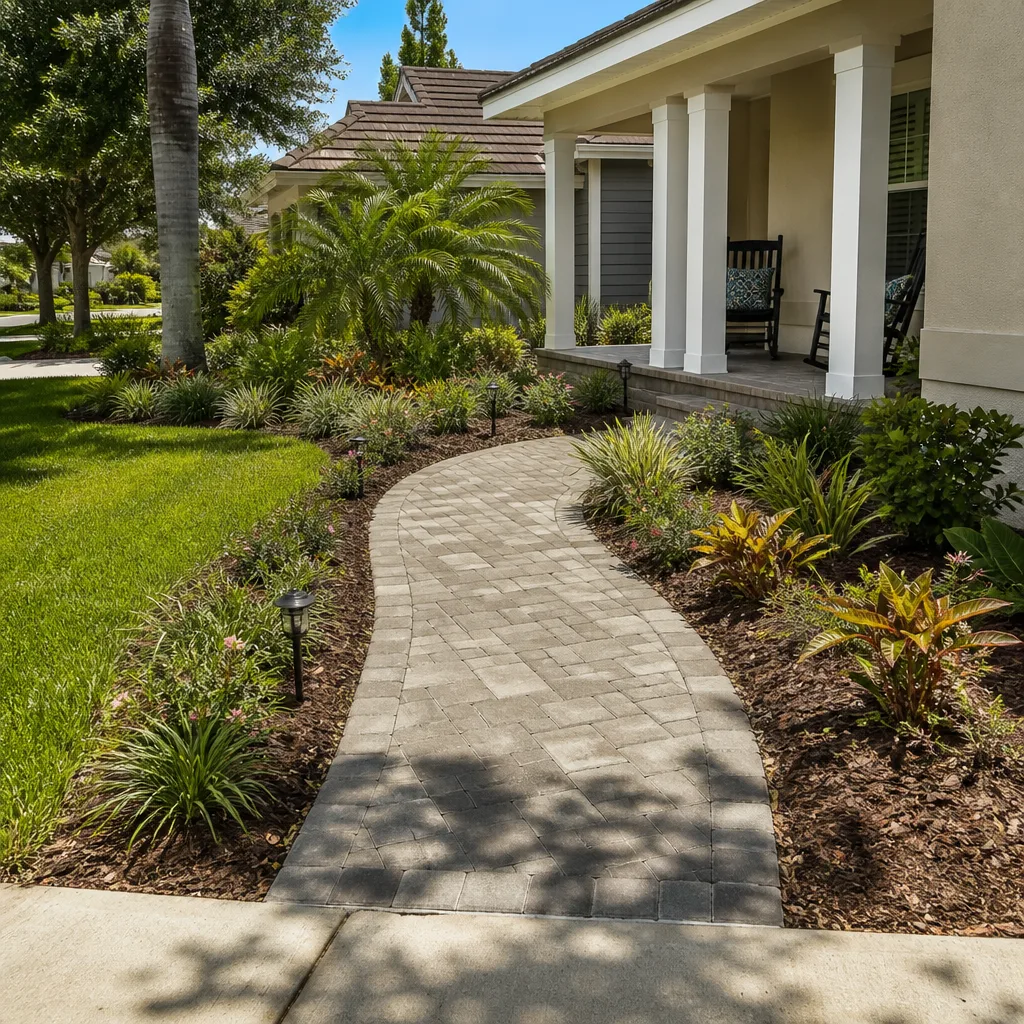
- Driveway & pavers
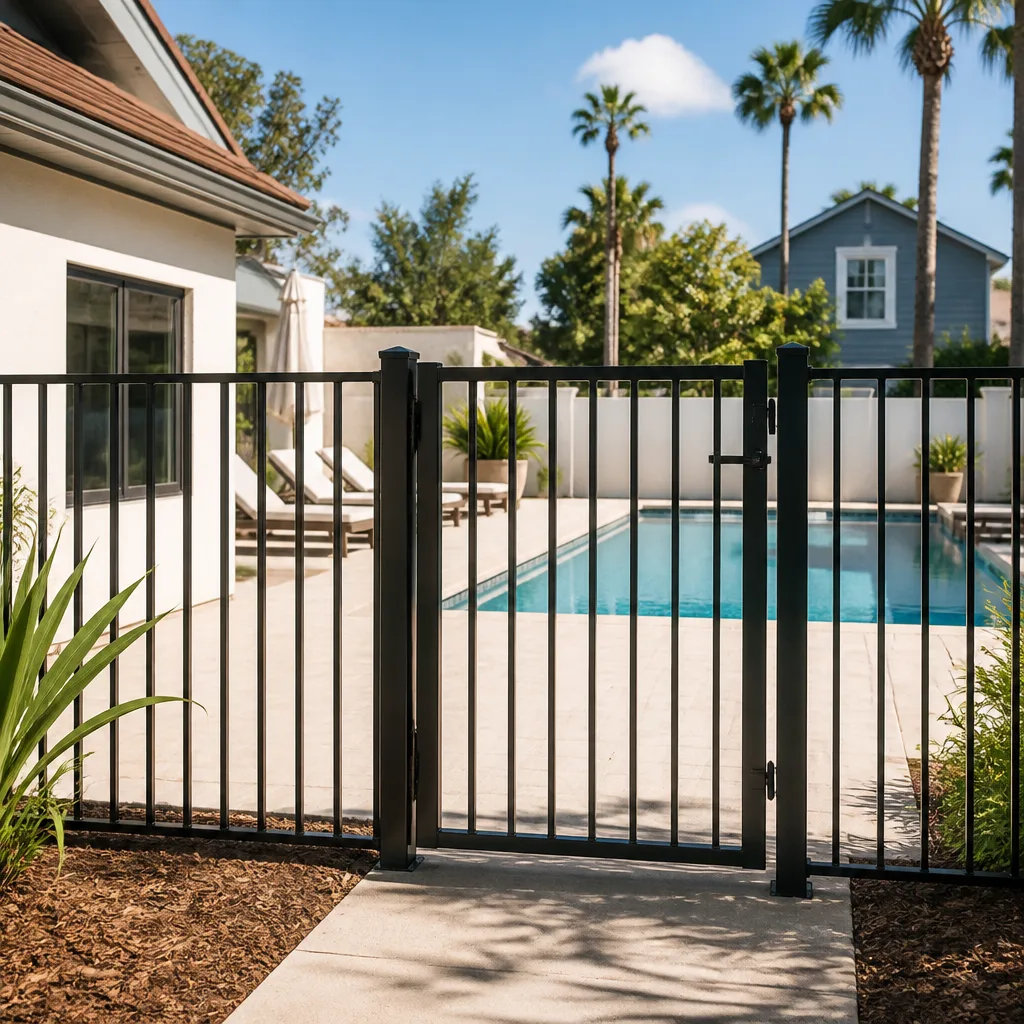
- Fence
See the difference
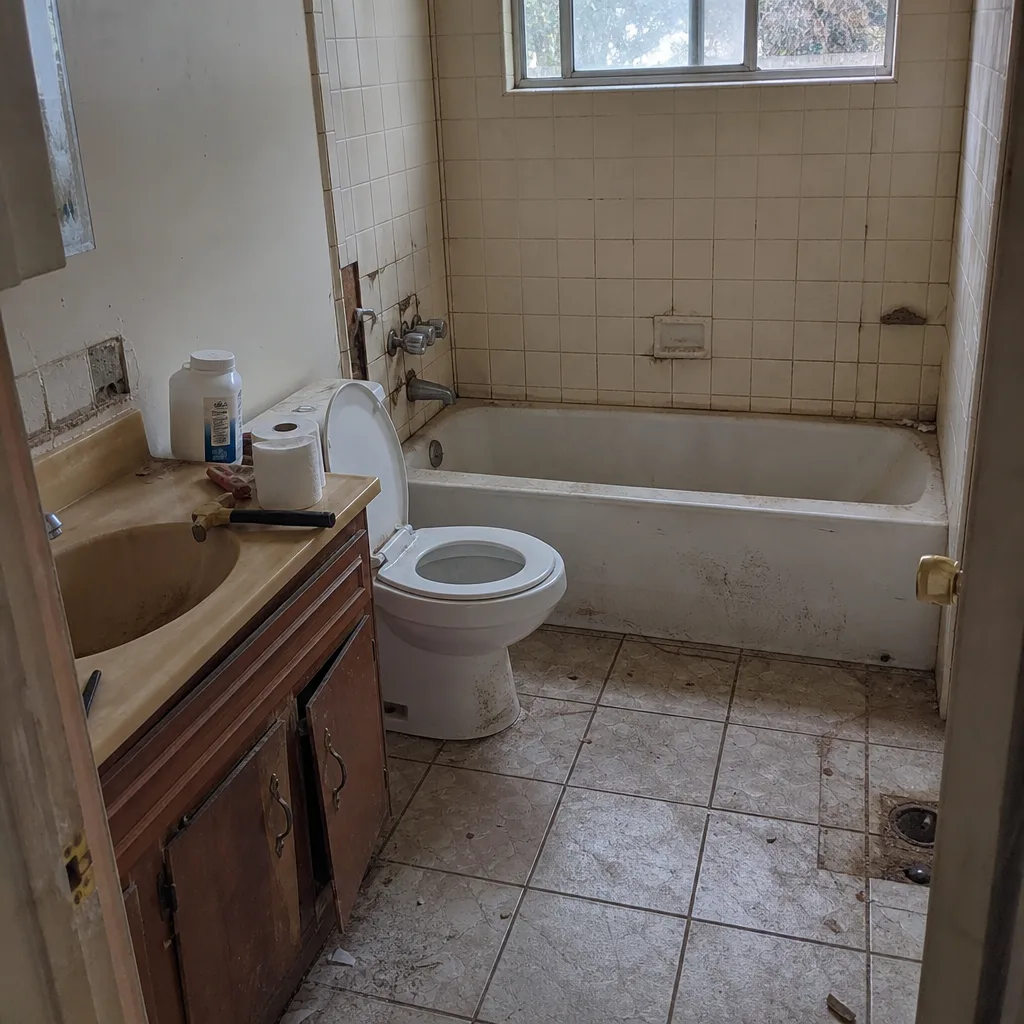 Before
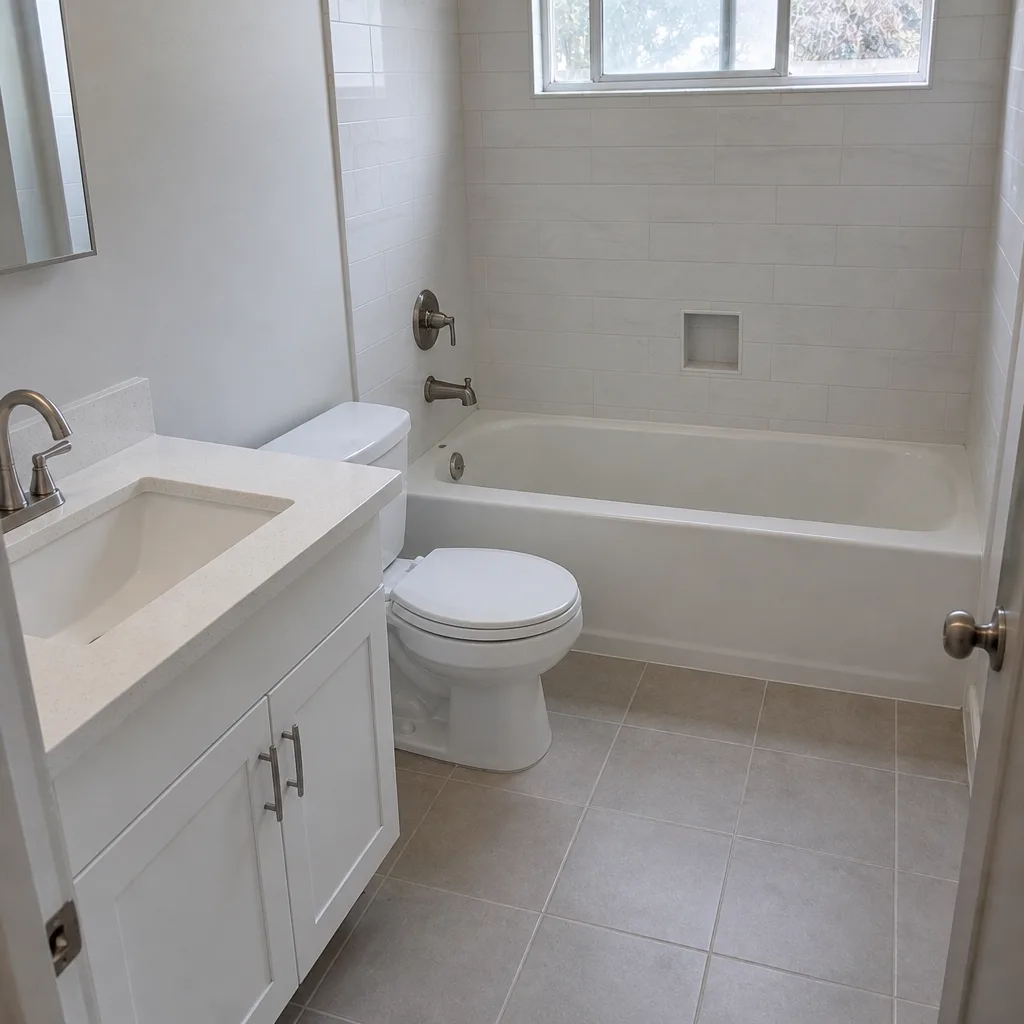 After
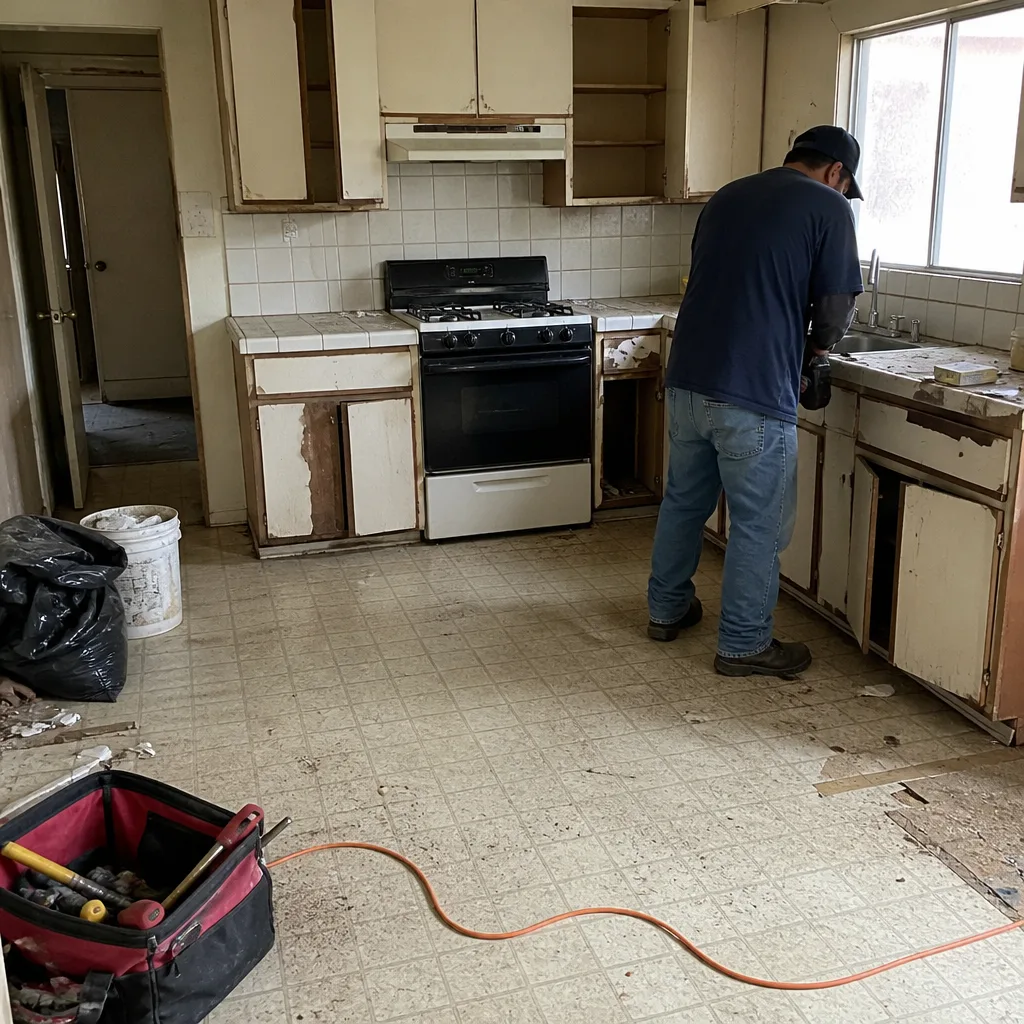 Before
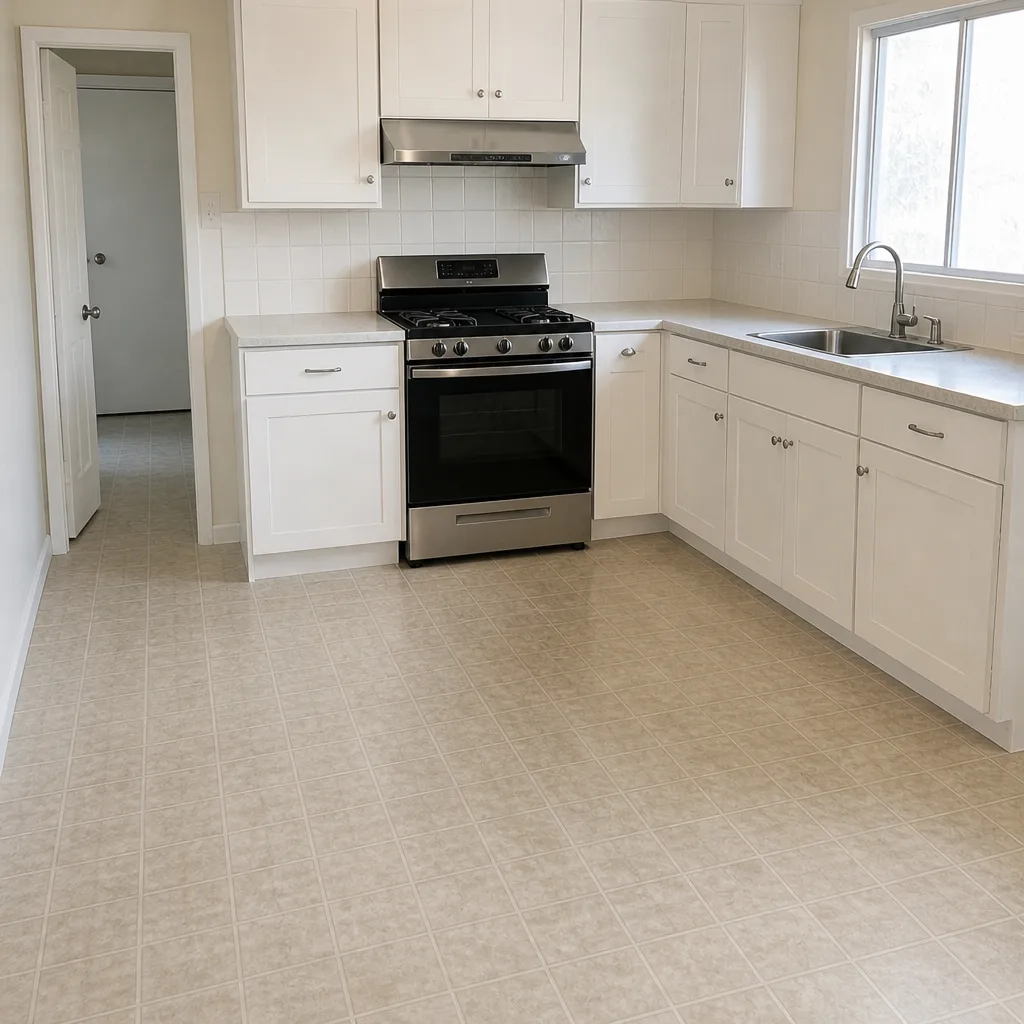 After
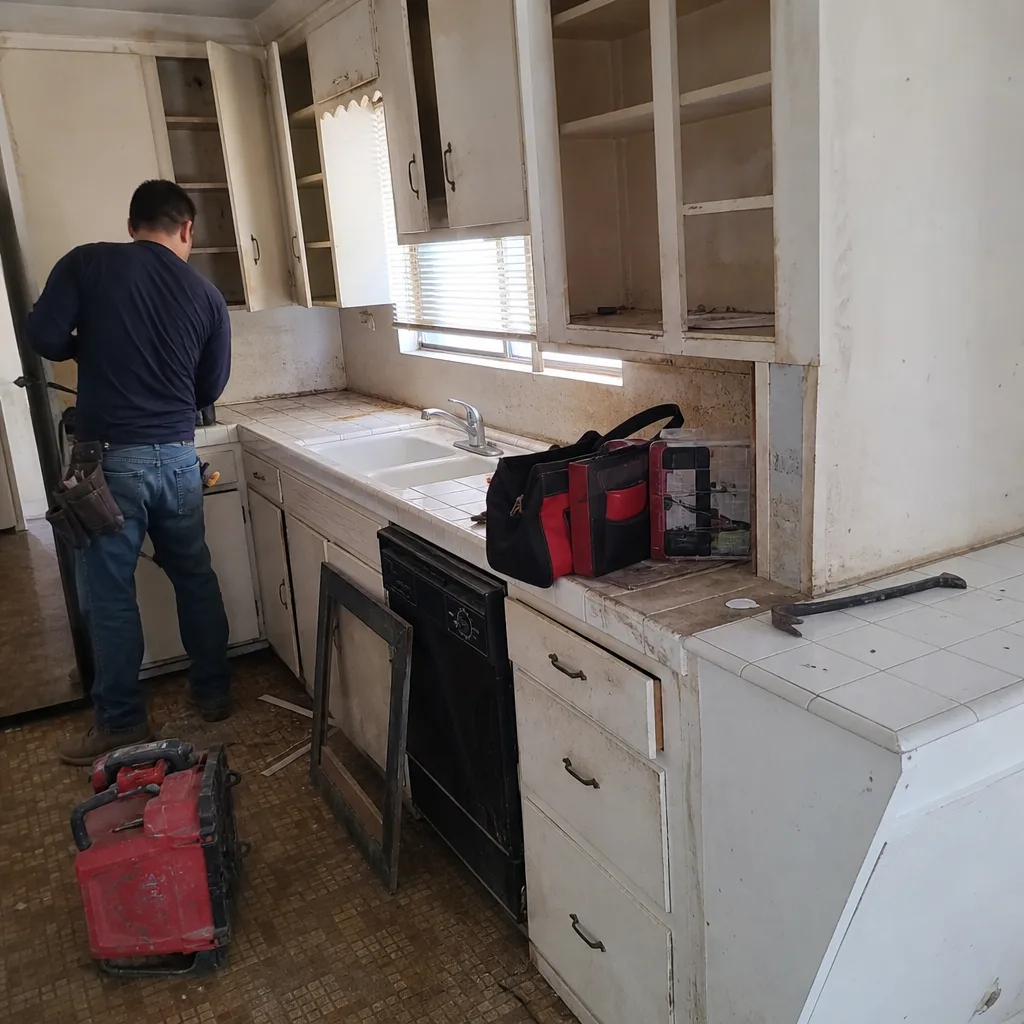 Before
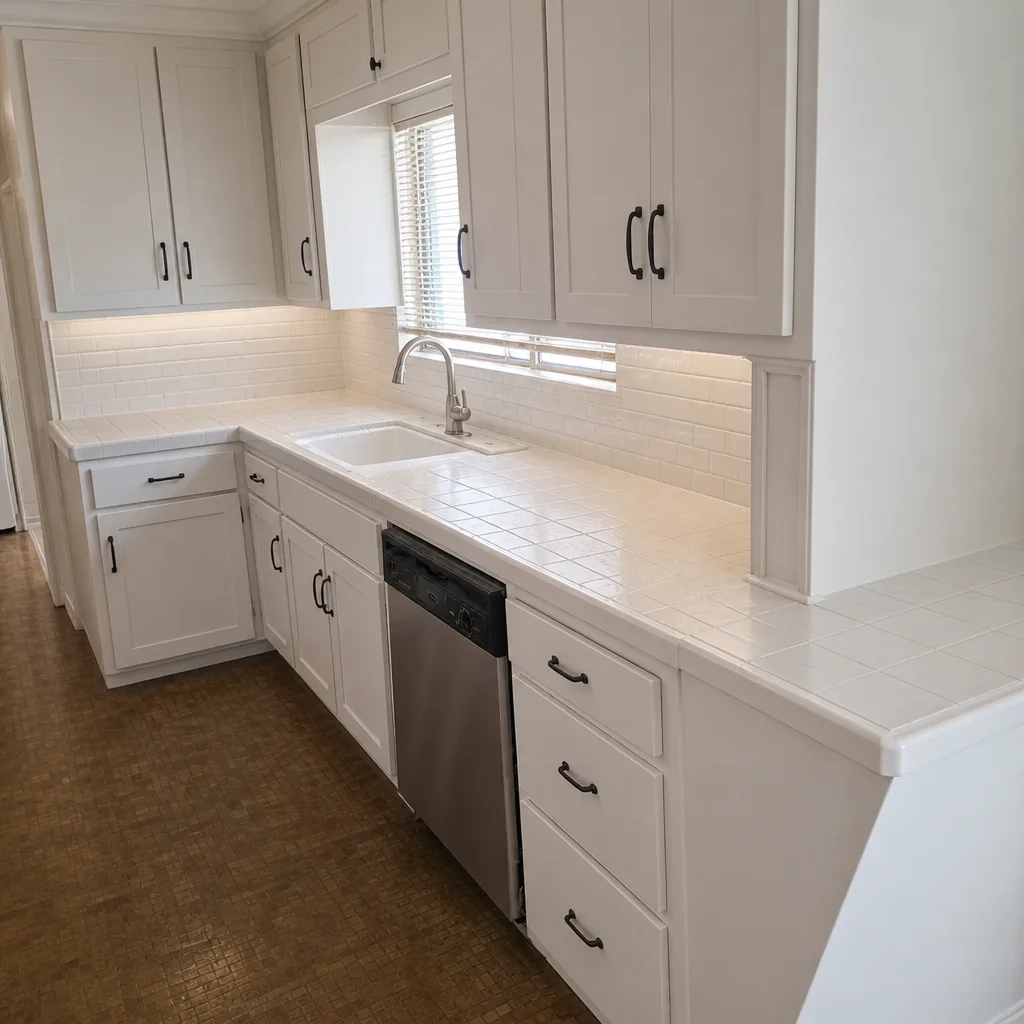 After
How Long Does a Tile Roof Last in West Covina, CA?
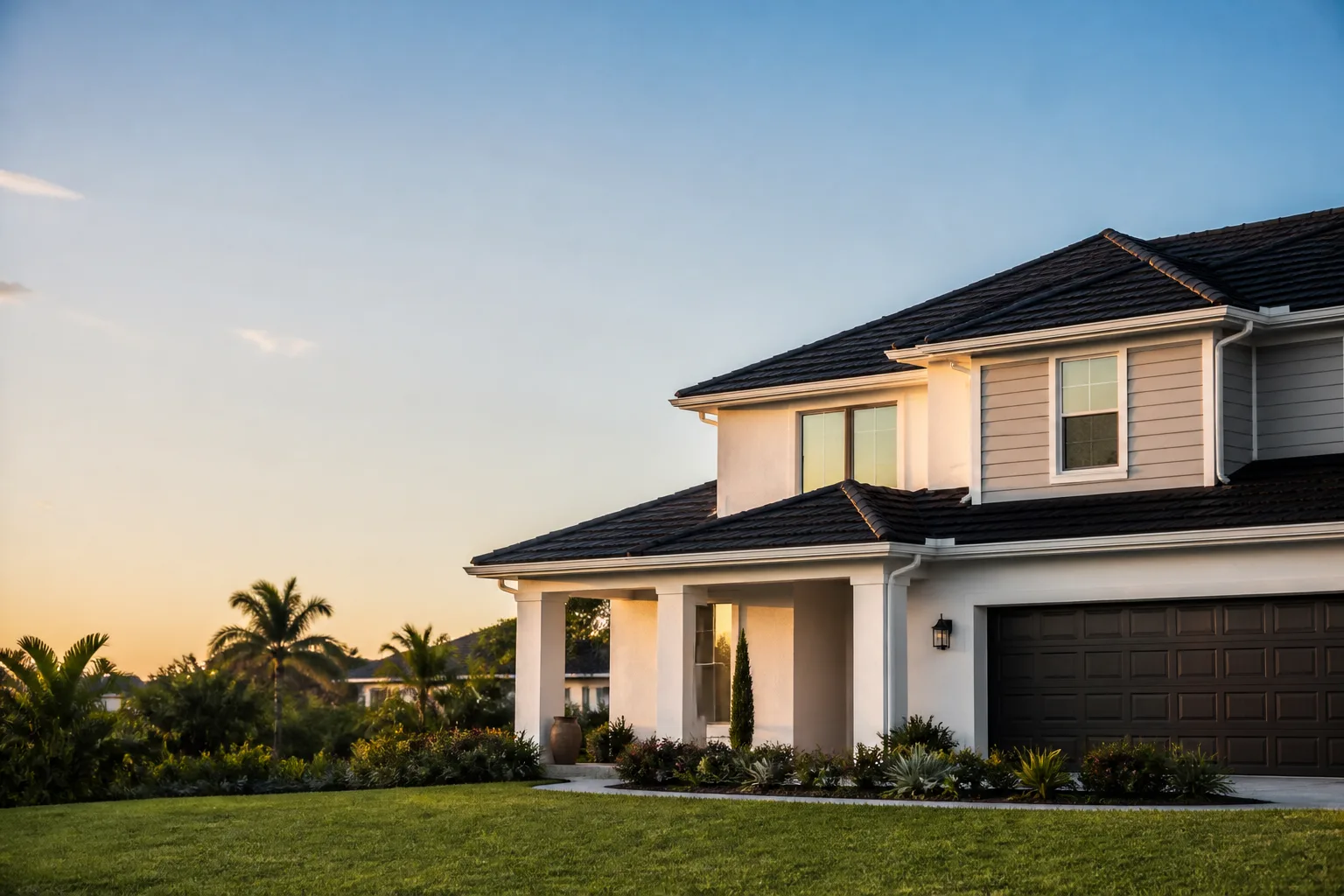
Tile roofs in West Covina usually last 50+ years on the tile itself, but the real answer is that the tile almost always outlives the underlayment beneath it: standard 30-lb felt installed before 2000 lasts roughly 20-25 years in West Covina’s heat and UV conditions, so a 1980s or 1990s roof is likely running on borrowed time under tile that still looks fine. That’s two lifespans, not one. If your home is a mid-century San Gabriel Valley tract with clay tile up top, the layer that’s actually keeping rain out is probably past due, and it can be replaced without a full tear-off.
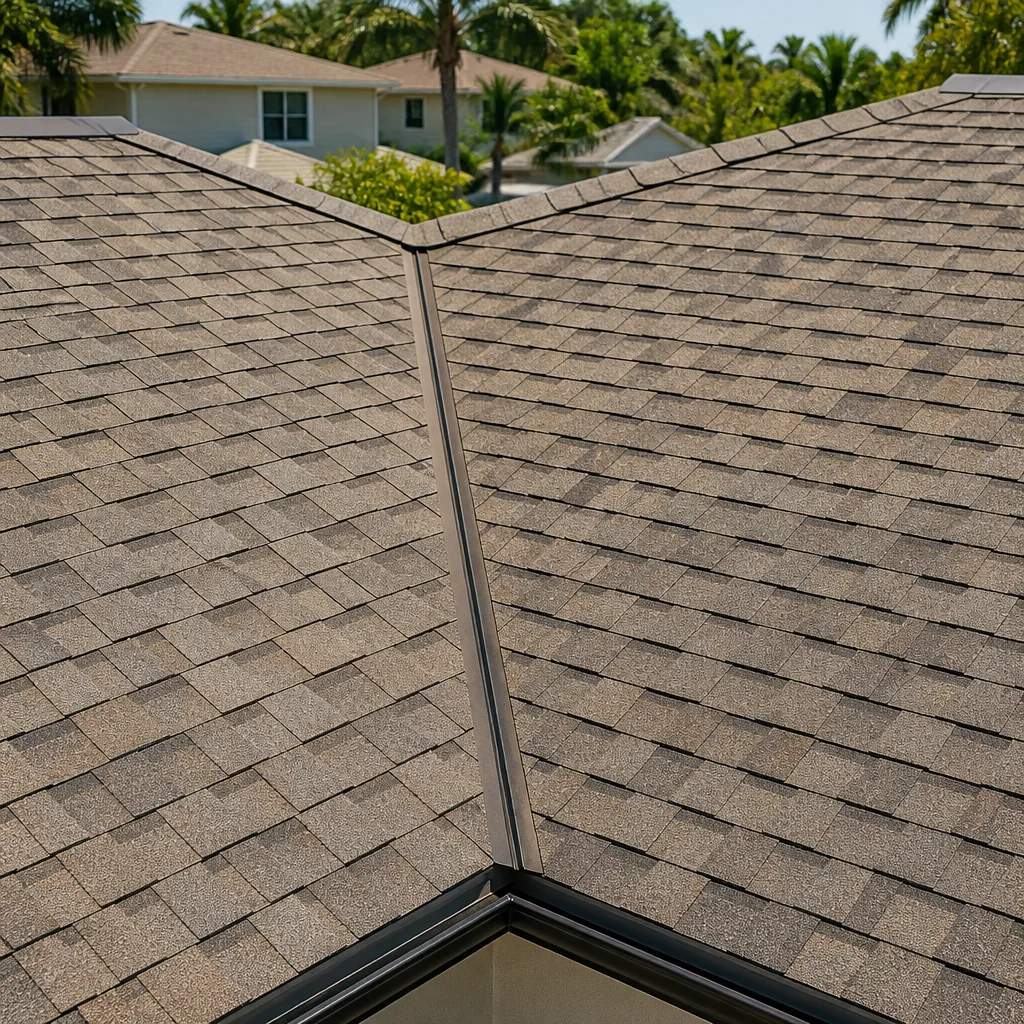
Two clocks are running on every West Covina tile roof
The tile is the part you see. It’s fired clay or concrete, it’s been sitting on homes across the San Gabriel Valley for decades, and under normal conditions it holds up extremely well – cracked pieces and slipped pieces after a Santa Ana wind event are common, but the tile body itself rarely fails on its own. Fifty to a hundred years of service is realistic for good tile.
The underlayment is the part you don’t see. It’s the waterproofing layer between tile and deck, and it’s what actually keeps weather out of your attic. Standard 30-lb felt under tile installed in the 1980s or 1990s has a realistic field life of 20-25 years here, because West Covina summers bake it from above while the tile holds heat against it from below. Once it dries out and cracks, water gets past the tile and through the felt, and you get the telltale sign: a brown ring on the ceiling drywall below a covered patio or the back bedroom, months after the last storm.
Here’s what’s changed. Synthetic underlayments used today are rated 50+ years. For the first time, the assembly lifespan matches the tile’s potential – so a re-underlayment job today sets up a West Covina home for the rest of this half-century. That’s the single most important thing to understand about tile roof lifespan, and most homeowners never get told it.
- Tile body: 50-100 years, weathers slowly, cracks are usually impact or footing damage
- 30-lb felt underlayment: 20-25 years in our climate, less on south-facing planes
- Modern synthetic underlayment: rated 50+ years, the fix that resets the clock
- Terminations (ridges and hips): the first thing to fail after wind, and the cheapest thing to fix early
Why foothill-adjacent West Covina roofs age faster in the valleys
West Covina is a largely built-out, mid-century suburb, and most of the housing went up in the 1950s and 60s – with tile roof tracts clustered in the 1980s and 1990s. Many of those homes sit on the north and south edges of town where the lots climb toward the foothills. That positioning matters more than most people realize.
Pepper trees and eucalyptus drop needles, seed pods, and fine debris. On a roof with any amount of valley flashing – the angled channels where two roof planes meet – that debris collects and stays. It holds moisture against the underlayment, feeds moss, and blocks the drainage path. Blocked valleys accelerate felt deterioration much faster than the field of the roof, and that makes an annual inspection on a West Covina tile roof more impactful than it is on a flat-terrain home in neighboring Covina or Baldwin Park. Take one look at a valley channel on a foothill-adjacent roof after a wet February and you’ll see why.
The same goes for edge and elevation: if your lot is one of the near-creek parcels on swelling clay, the roof deck stays flatter and less stressed, but the eaves take more splash and the flashing at the wall line takes more moisture. It’s the kind of thing our technicians watch for on every job, all backed by our Roofing crew.
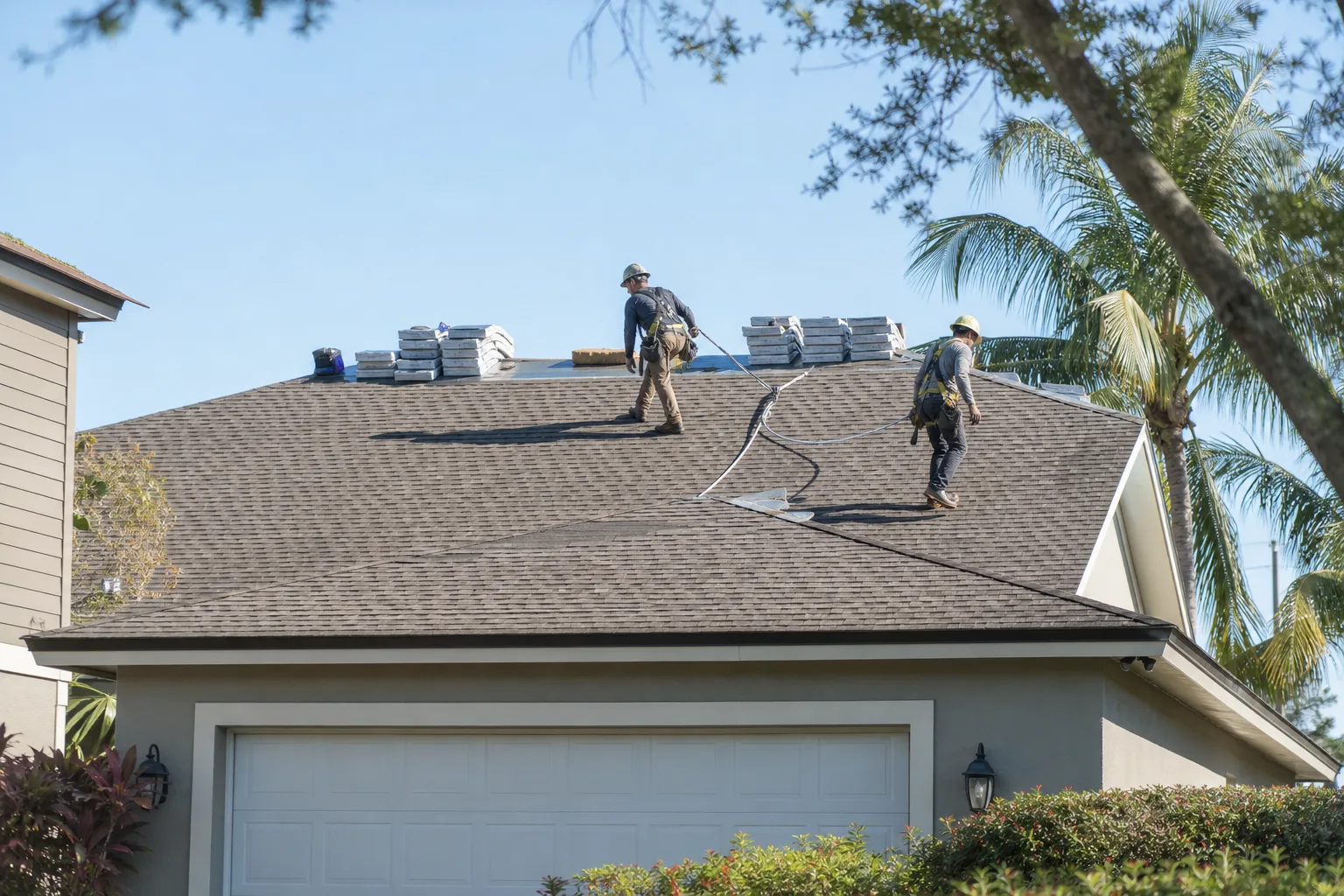
Can you replace the underlayment without replacing the tile?
Yes, and on a structurally sound tile roof it’s almost always the right move. The process is called tile re-underlayment, tile re-set, or a lift-and-lay: crews carefully remove and stack the existing tile, pull the old felt, inspect and repair the deck and flashing, install new synthetic underlayment, then re-set the original tile with new fasteners and re-point the terminations. Done correctly, you get another 50 years of protection out of tile that still has it.
For West Covina tract homes, a tile re-underlayment typically runs $8,000-$15,000 depending on roof pitch, square footage, and tile condition. That’s meaningfully less than tearing off tile, buying new tile, and re-roofing from scratch – which in this market lands in the $8,000-$20,000 range on many homes. For comparison, a straightforward tile roof repair (cracked tiles, slipped pieces, a flashing issue, or a spot of mortar failure) usually runs $600-$2,500.
| Tile roof job in West Covina | Typical cost range |
|---|---|
| Tile roof repair (cracked/slipped tile, flashing, mortar) | $600-$2,500 |
| Tile re-underlayment and re-set (tile stays) | $8,000-$15,000 |
| Full roof replacement | $8,000-$20,000 |
Two rules of thumb: if more than a small share of the tile is cracked or spalled, re-underlayment stops making sense – you’re paying to reset tile that won’t survive another 50 years. And if the deck itself is soft or the framing shows damage, that changes the job entirely. Most of these are decided after an inspection, not over the phone.
The highest-leverage maintenance move on an aging tile roof
Watch the ridges and hips after a Santa Ana wind event. Those are the terminations – the ridge cap and the hip pieces – and they’re set in mortar. When mortar cracks or lifts, tiles slide, and water gets in at exactly the point of highest vulnerability. That isn’t a tile body failure. It’s mortar fatigue, and it’s a repair – not a replacement. Catching it before the next rain is the cheapest and highest-value thing you can do to any aging West Covina tile roof.
This is where a documented guarantee matters, and it’s why Groundwork Construction Co. of West Covina carries the 730-Day Done Right Promise on tile re-underlayment and re-set work, not only on full replacements. The hidden layer that does the waterproofing is the layer most contractors leave unwarranted. If it’s not done right, we make it right – for two years. The same guarantee covers our kitchen work in Caesarstone and Kohler finishes, our window installs, our paver drives, and every other service line.
For the surrounding service area, see our West Covina service area page. For tile roof repair, replacement, or re-underlayment across the same neighborhoods, our crews show up background-checked and in uniform, and they price the job upfront: the number you see is the number you pay. Financing at 0% for 18 months is available, plus $1,000 off projects over $10,000, and calls are answered by a live person 24/7 – including the Saturday night before the next rain.
FAQs
The tile itself is built to last 50+ years, but the 30-lb felt underlayment beneath it on 1980s and 1990s homes lasts about 20-25 years in West Covina’s heat. So the first replacement trigger is usually the underlayment, not the tile – and on a sound tile roof, re-underlayment at $8,000-$15,000 is often the smarter call than full replacement. Call (844) 662-2335 for a free assessment and an exact number for your home.
Yes, when the tile is structurally intact and the deck is sound – re-underlayment is typically a fraction of the cost of replacement and resets the protection clock for 50+ years with modern synthetic underlayment. It stops making sense when the tile itself is heavily cracked or spalled. Our roof inspectors walk the tile and check the deck before they quote the job, and we back the re-underlayment work with the 730-Day Done Right Promise. Call (844) 662-2335 to get it checked.
Most tile roof repairs in West Covina land between $600 and $2,500, and the most common job we see is mortar-set failure at ridges and hips after a wind event, plus cracked or slipped tiles and flashing repairs at valleys and walls. Catch those early and you avoid the bigger underlayment job later. Call (844) 662-2335 for a free, no-pressure estimate.
Once a year, and twice a year on foothill-adjacent lots where pepper trees and eucalyptus drop into the valleys. Debris held in valley channels keeps moisture sitting against the underlayment and speeds its breakdown faster than anything else. A clean valley in October usually means a dry ceiling in February. Call (844) 662-2335 to schedule an inspection.
Contact
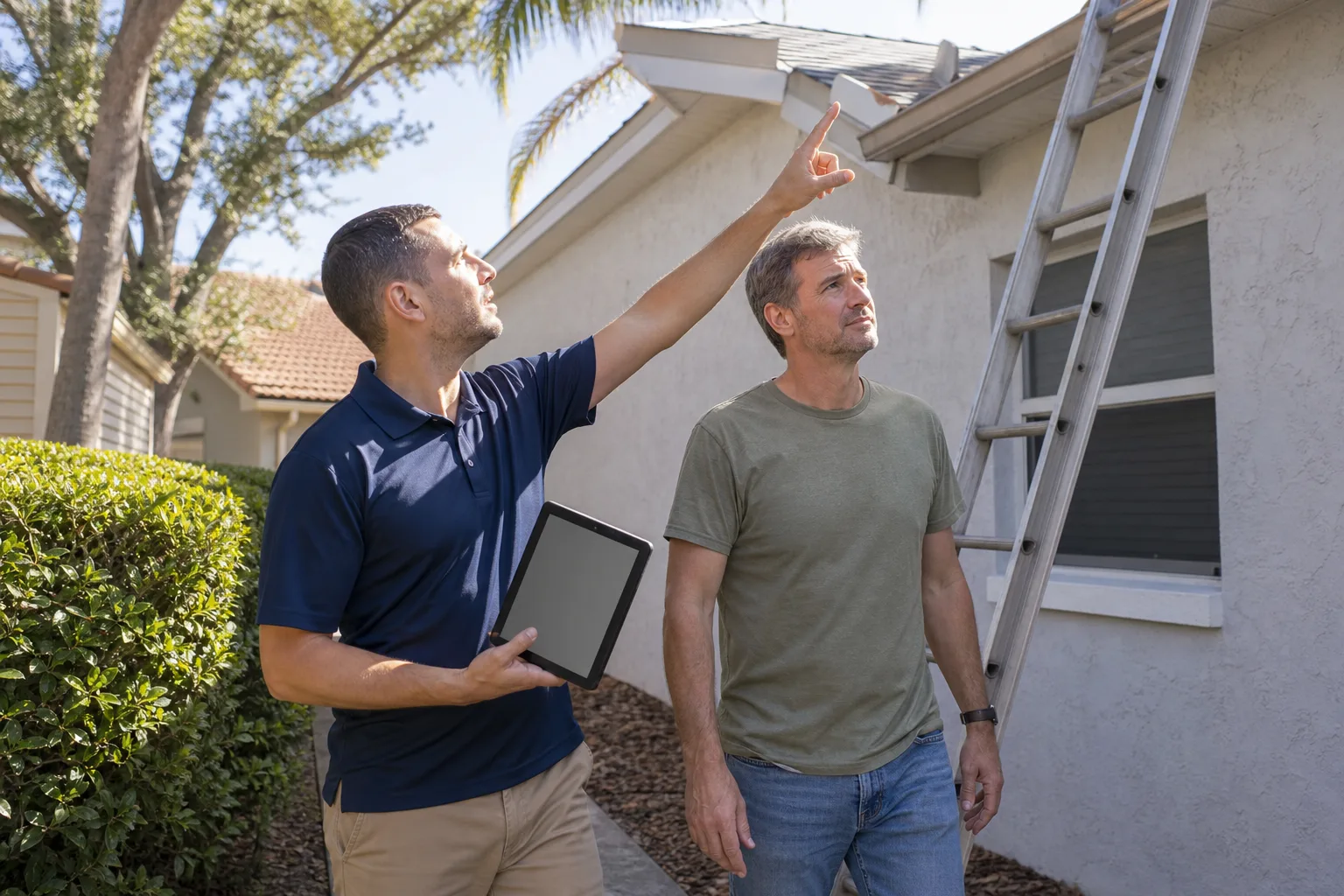
If you’d rather have it looked at than guess from the ground, Groundwork Construction Co. of West Covina offers a no-pressure assessment across West Covina – we’ll tell you whether you’re looking at a repair, a re-underlayment, or a full replacement, and put the number in writing. Call (844) 662-2335 for a free estimate.
Written by the team at Groundwork Construction Co. of West Covina, serving West Covina, CA.