



Free written scope consultation - allowances, timeline, and change-order rules on paper before a single trade is scheduled
Styles & brands we work with
- Kitchen remodeling
- Bathroom remodeling
- Home additions & ADU
- Roofing
- Windows & doors
- Driveway & pavers
- Fence
See the difference
 Before
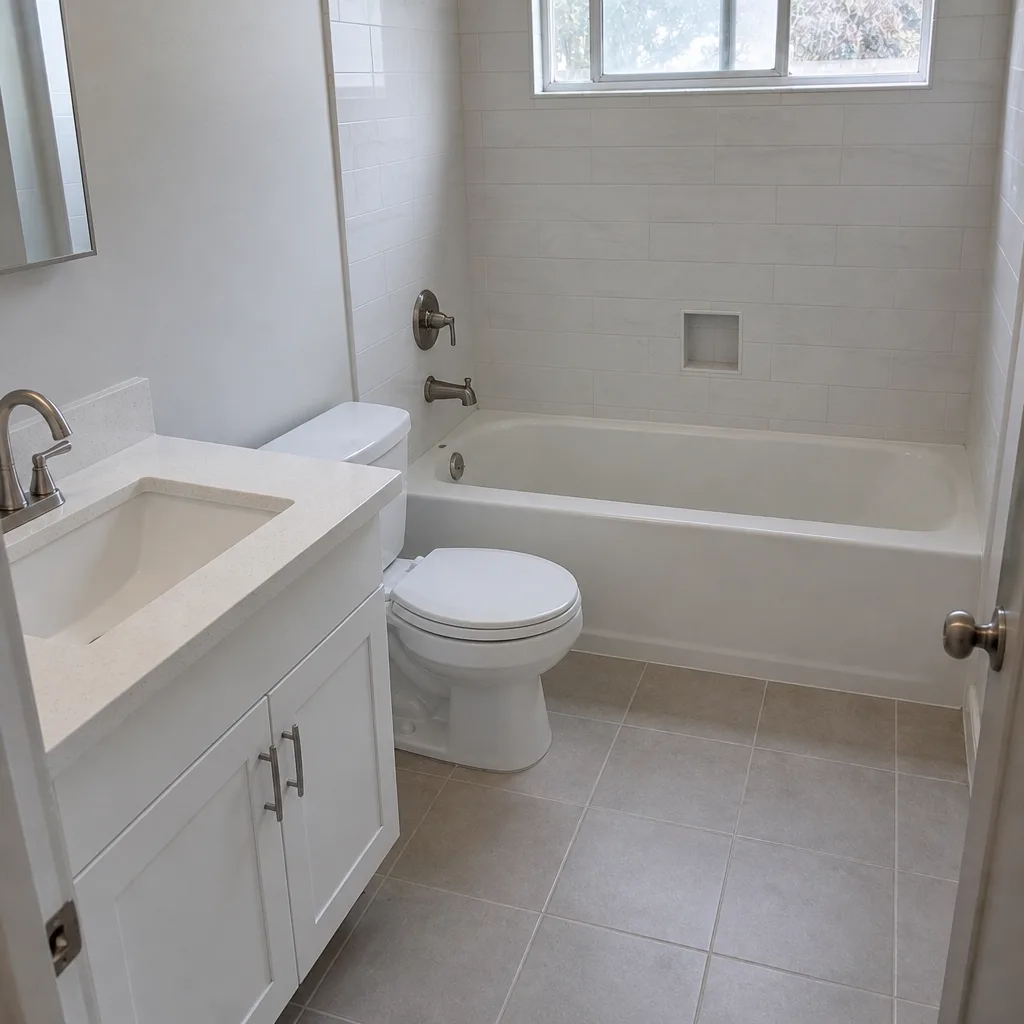 After
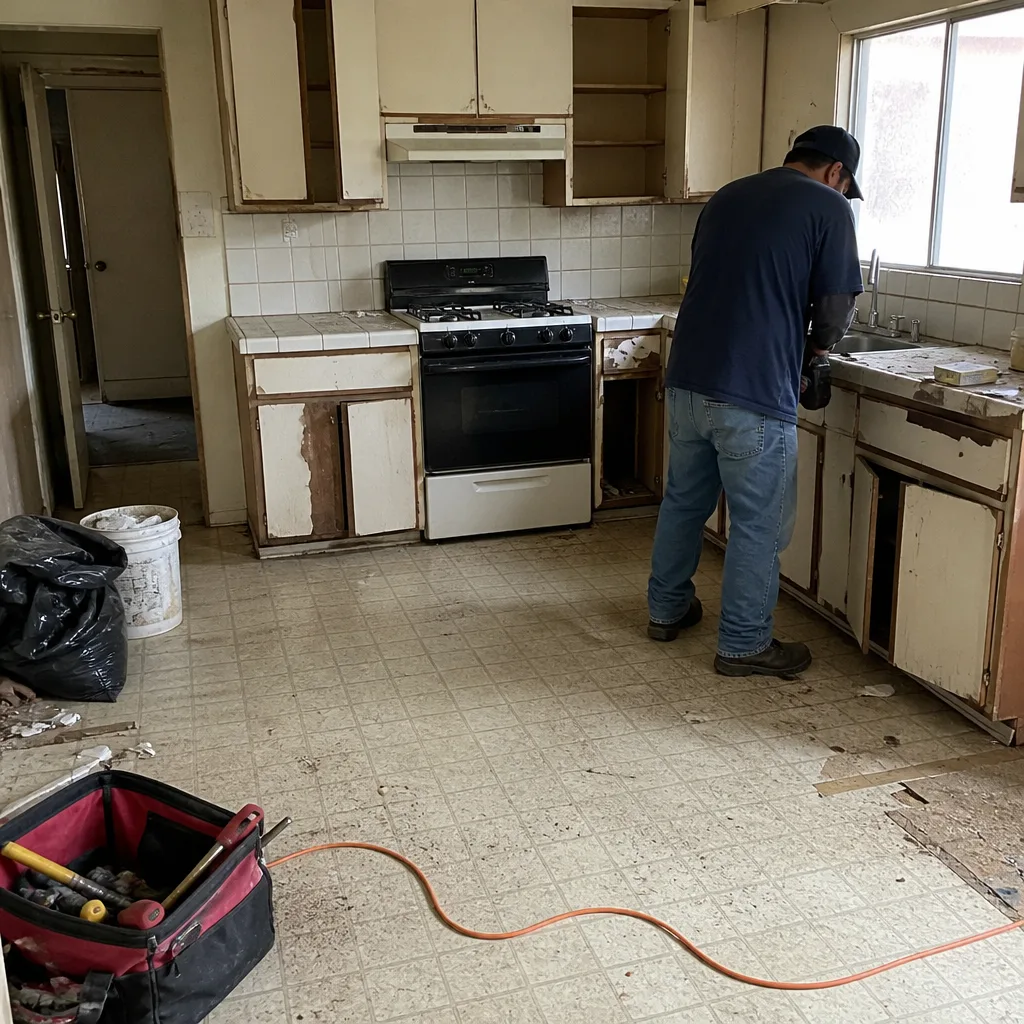 Before
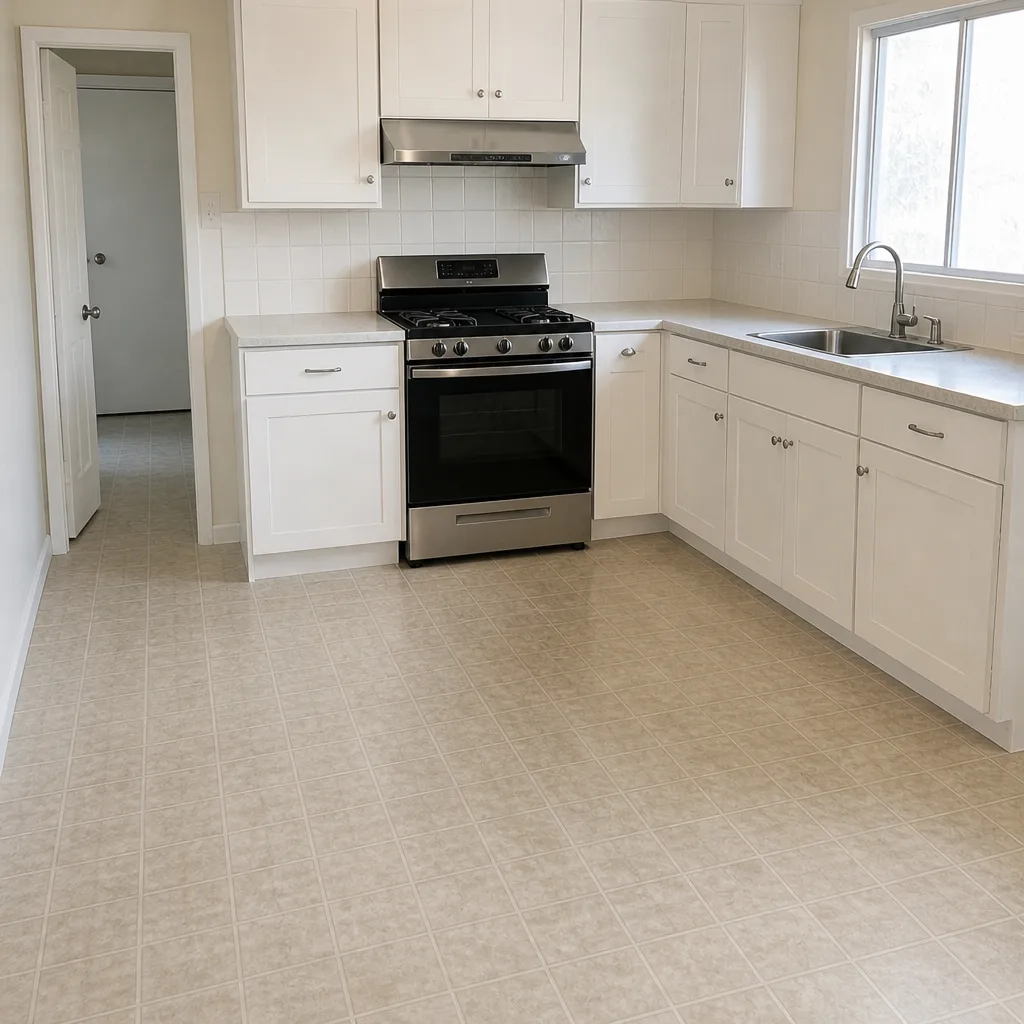 After
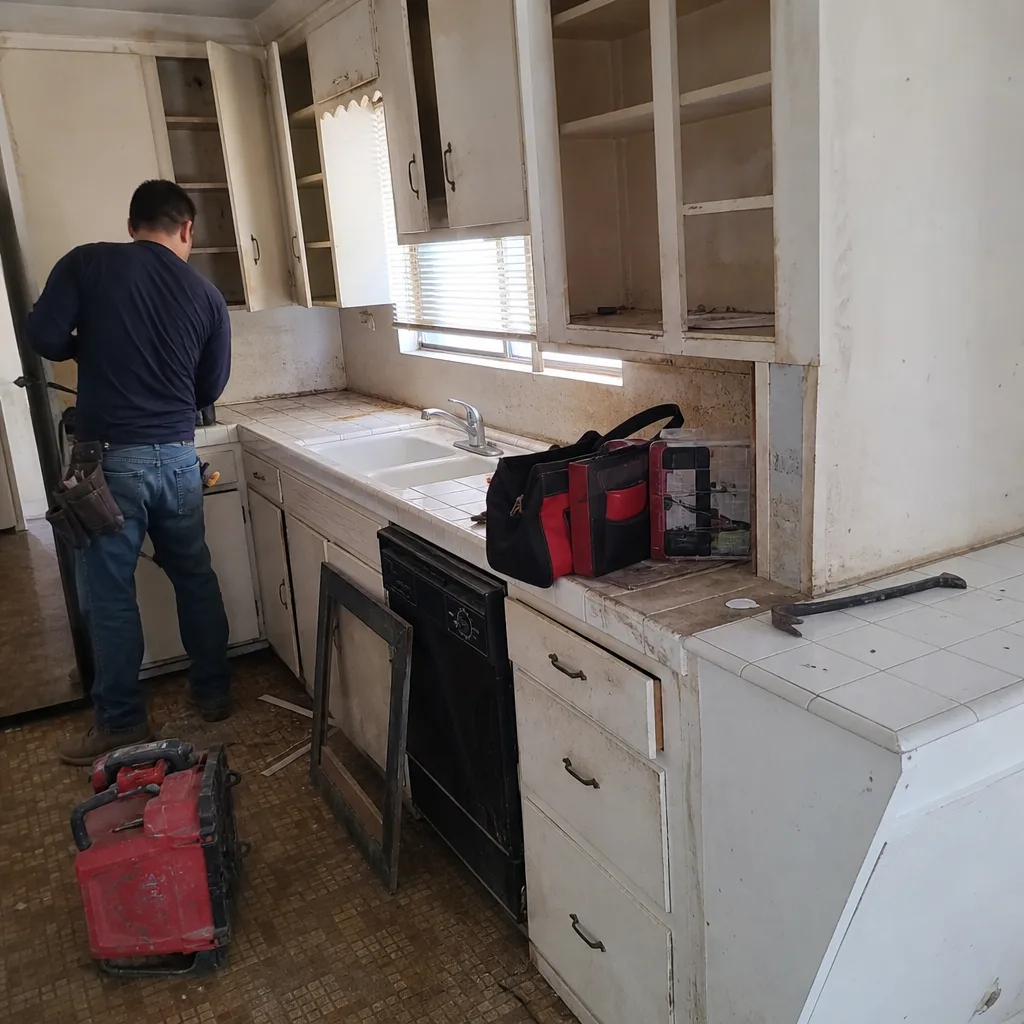 Before
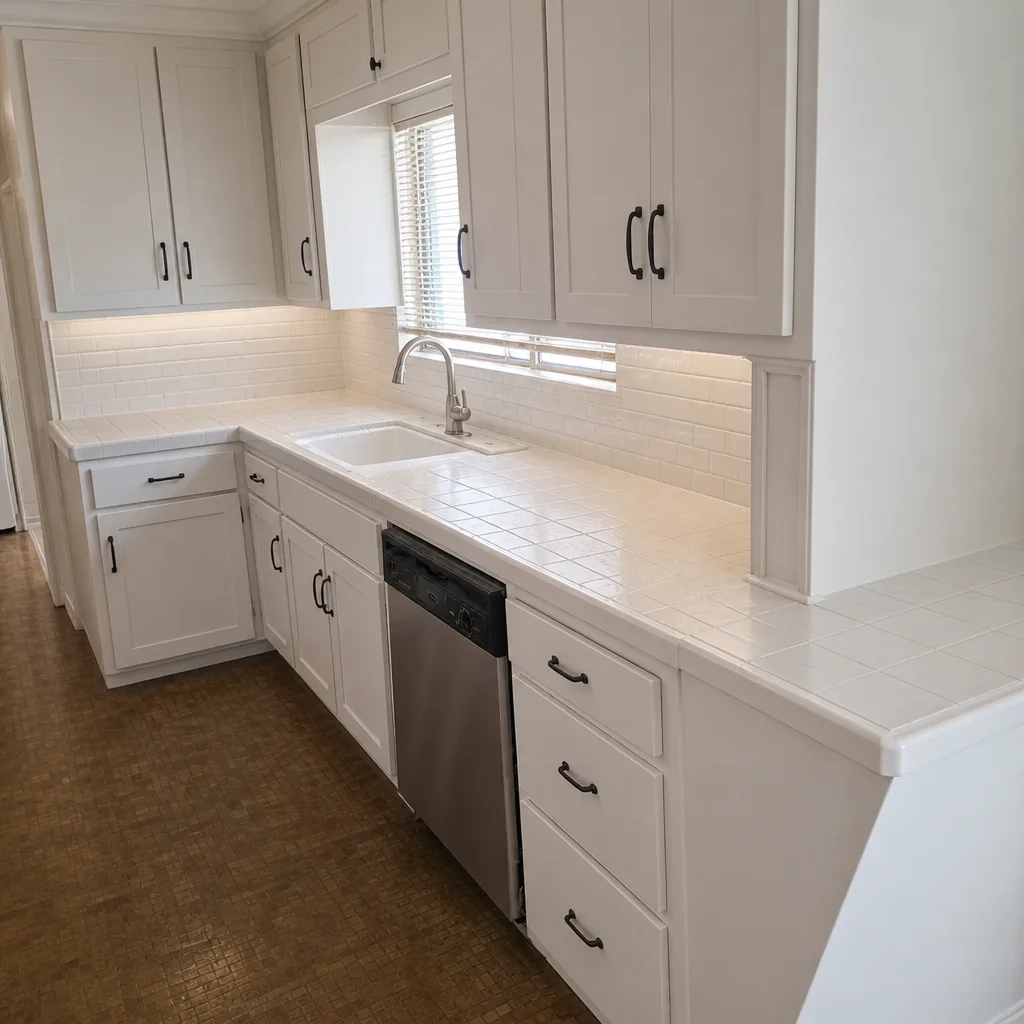 After
How to Find a Roof Leak in West Covina, CA: Trace the Rafter, Don’t Chase the Stain
To find a roof leak in most West Covina homes, don’t look straight up from the ceiling stain. Find the drip point in the attic and trace the water uphill along the rafters and sheathing until the tide mark stops; the actual breach sits at the high end of that trail, often 6-12 feet away from where the water drips through. That single correction saves a lot of frustrated ladder time. On a 1950s wood-frame attic, water enters at the roof, channels laterally down a rafter, and only drips once it hits a gap or a knot, so the wet ceiling below has almost nothing to do with the break above. If the trail disappears into a tight soffit or you can’t get safe attic access, call (844) 662-2335 and our team will dispatch a uniformed technician rather than have you crawling a dark crawlspace in the rain.
Key Takeaways
- Trace the water stain uphill in the attic, not straight up from the ceiling damage.
- On a 4:12 pitch ranch home common in West Covina, that trace can run 8-12 feet along the rafter.
- The two usual entry points are step flashing where a room addition joins the original roofline, and the stucco parapet-to-roof transition on low-slope front sections.
- Dry years hide leaks; a controlled garden-hose test confirms the breach when ordinary rain won’t.
- Roof repair in West Covina typically runs $400-$1,800, depending on the entry point and how much sheathing is damaged.
Why the Ceiling Stain Sits Miles From the Break in West Covina’s 1950s-60s Tract Homes
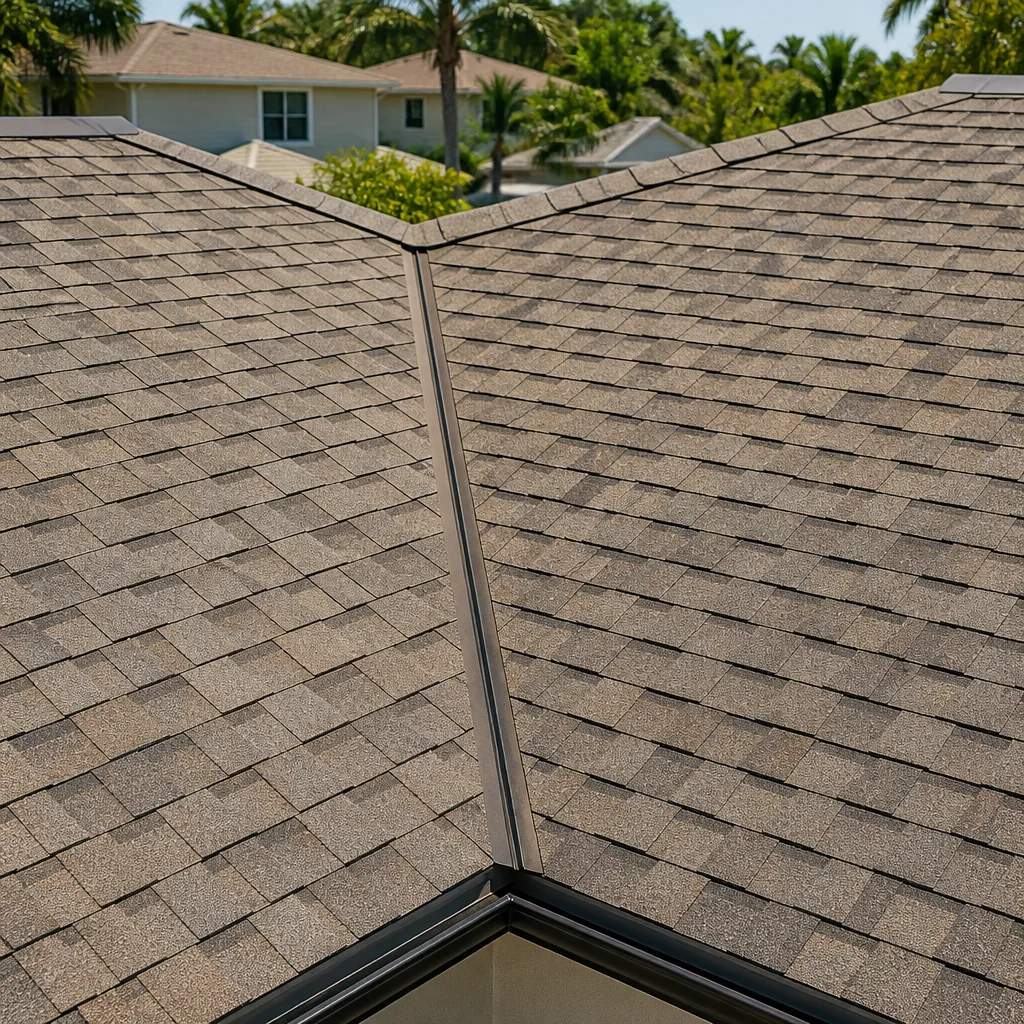
Most of West Covina was built out in the 1950s and 1960s, when crews threw up single-story stucco tracts with wood-frame roof structures and sloped attics. Those homes are efficient, but the framing gives water a long runway. A rafter along a standard 4:12 pitch drops roughly four inches per foot, so once water gets behind the roofing material, it follows the slope of the wood downhill until it finds a crack, a nail pop, or a drywall joint to pass through. The drip appears where the rafter allows it - not where the roofing was breached.
The practical upshot: if your ceiling stain is in a bedroom, the actual hole in the roof might be over the hallway. On many West Covina ranch homes we see a stain trail that runs eight to twelve feet before it exits the sheathing, and the wettest rafter is the one closest to the true break. That’s why chasing the stain upward through the roof from outside is guesswork. Work the trail backward in the attic instead.
The Rafter-Trace Method: How to Follow the Water to the Real Breach
Here’s the sequence we use. It works on any accessible sloped attic in West Covina, but be realistic about head clearance and floor joists - if you’re not comfortable or the attic is packed with insulation and HVAC runs, stop and call a professional. Attic work is a genuine fall and heat-exposure hazard, and one wrong step through drywall (or worse, a rafter gap) is not worth the saved inspection fee.
- Establish the drip point. Go up with a flashlight and find where water is actually coming through the drywall or sheathing, not just the stain on the ceiling below.
- Find the tide mark. Look at the rafter face and the underside of the roof sheathing near the drip. Water leaves a faint outline - a dark or water-stained line, sometimes with a crusty mineral ring.
- Walk it uphill. Follow that line up the slope of the rafter. The breach is at the highest end of the trail, often at the point where the stain stops abruptly.
- Confirm from outside. Once you know roughly where on the roof the break sits, get a ground-level read with binoculars or a camera on a pole before getting on the roof.
What to Look For: The Two Entry Points That Leak Most on West Covina Homes
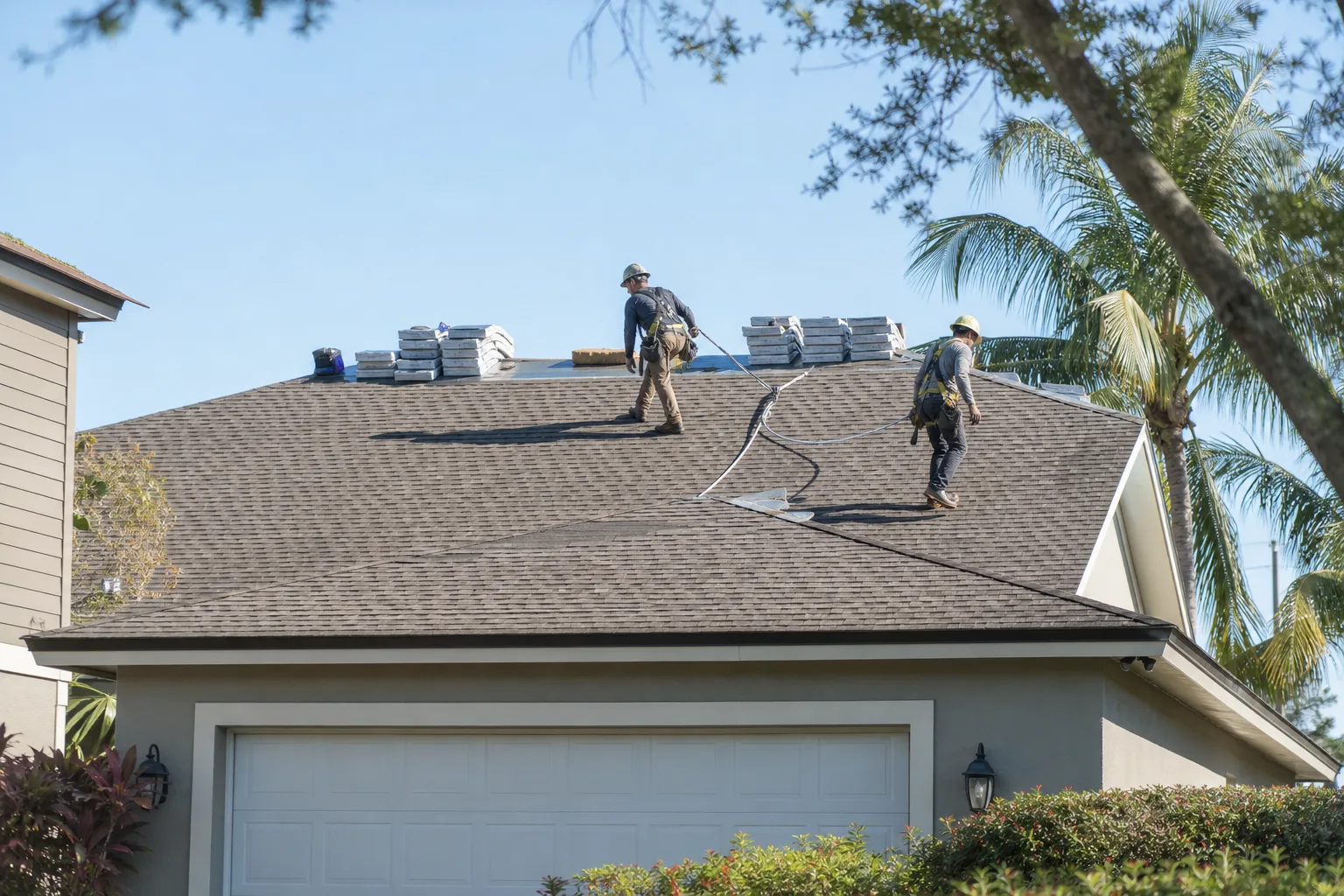
West Covina is a built-out San Gabriel Valley suburb, so most roofing work here is repair and remodeling around existing structures, not new construction. That means the failures cluster in a couple of predictable spots. Compare your attic finding against these.
- Step flashing where an addition meets the original roofline. A lot of West Covina homes had a room addition or family room tacked on in the 1970s or 1980s. The joint between the old and new rooflines relies on step flashing and counter-flashing, and that’s exactly where a hairline gap opens as the two structures settle differently - especially on expansive clay soils that swell and shrink seasonally.
- The stucco parapet-to-roof transition. Homes with low-slope front sections and a stucco parapet often get water intrusion at the base of that stucco wall where it meets the roofing. Stucco cracks, caulk fails, and the flashing behind it corrodes over decades. That’s a slow leak that shows up as a ceiling stain across the room.
If your trace lands elsewhere - a cracked pipe boot, a lifted shingle, a valley - that’s still valuable. Point your roofer at the specific spot instead of a general “somewhere up top,” and the repair stays small. Groundwork works with GAF and CertainTeed products, so when a repair does become a shingle replacement, the materials and the 730-Day Done Right Promise back it in writing.
Why Dry West Covina Years Make Leaks Harder to Find
Here’s the part that trips up a lot of homeowners. A hairline flashing gap that poured water into your ceiling during a heavy El Niño rainstorm may leave no evidence at all during a normal, drier winter. West Covina’s hot, dry summers and mild, low-rain winters mean the roof can pass a visual inspection under ordinary conditions and still leak the moment a real storm hits.
That’s why a “no leak” outcome from a quick eyeball inspection doesn’t mean much. If you’ve had a previous leak, the honest diagnostic is to test the roof under simulated rain - a controlled garden-hose run - not to wait for the next big storm to confirm it. Our technicians have up to 12 years of experience isolating these hard-to-find breaches, and the 730-Day Done Right Promise is one of the longest workmanship guarantees in the residential construction space if a repair doesn’t hold.
The Garden-Hose Test: How to Isolate the Breach Without Flooding the Structure
The hose test helps when the attic trace is ambiguous or when you want to confirm a specific suspect before tearing anything apart. The core principle: test one section at a time, start low, and work uphill. The most common mistake we see is starting at the ridge, which floods multiple roof sections at once and leaves nobody able to tell which one actually leaked.
- Pick the suspect zone based on your attic trace, not the ceiling stain.
- Start at the lowest point of that zone with a gentle hose flow - soak one area for a few minutes.
- Have a partner in the attic watching the suspect rafter the whole time, with a phone or hand signal to confirm a hit.
- Move up one section at a time. Wait before advancing, and stop the instant your partner sees moisture.
- Don’t flood. A steady trickle is enough; a full blast overshoots, gets behind flashing that wasn’t the problem, and creates a false positive that wastes a day.
- Confirm the exact entry once you’ve isolated it, then get it repaired within the week.
If a hose test confirms water coming in at a spot that should be sealed, a competent Roofing crew can usually fix it quickly rather than replace the whole roof. Typical repair pricing for West Covina reflects that:
| Roof work | Typical West Covina cost |
|---|---|
| Roof repair (leak isolation and patch) | $400-$1,800 |
| Tile roof repair | $600-$2,500 |
| Full roof replacement (if the decking is compromised) | $8,000-$20,000 |
| Metal roof installation | $15,000-$40,000 |
Those numbers are upfront pricing, no surprises: the number you see is the number you pay. Repairs of this size rarely need a financing conversation, but for a larger replacement, 0% financing for 18 months and $1,000 off projects over $10,000 apply.
When to Stop Looking and Call a Technician
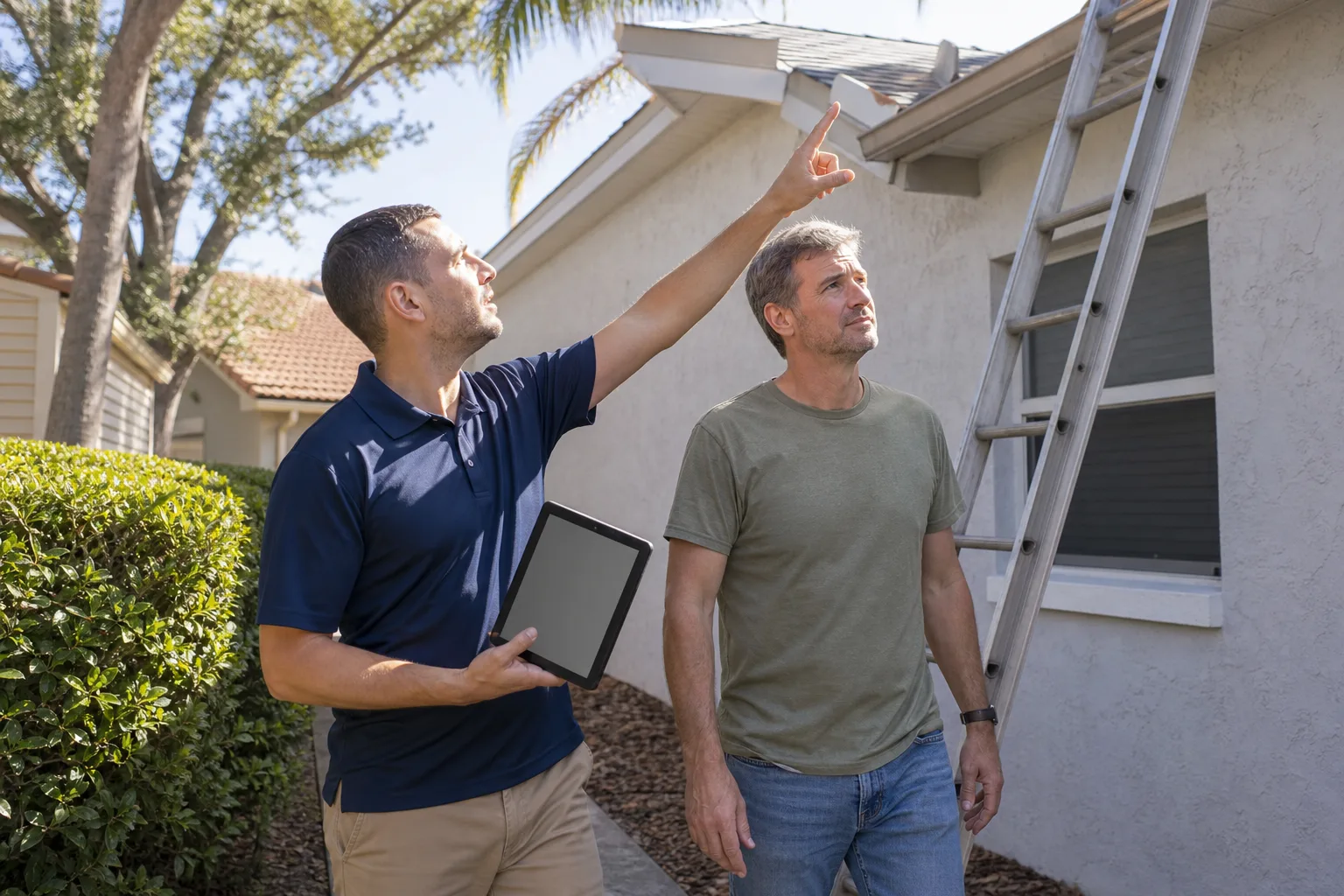
There are conditions that make a DIY trace a bad idea: no attic access, an attic loaded with HVAC and insulation, a multi-level roof, or a leak that only shows up during storms. Those are exactly the cases where West Covina service area residents benefit from a professional diagnostic, and it’s what we do all year. Our call line is answered by a live person 24/7, so you’re not leaving a voicemail at 9 pm on a rainy night wondering if anyone will call back. A uniformed, background-checked technician arrives, isolates the breach, and gives you a written quote before any work begins.
For broader projects (a room addition that needs its flashing redone, an ADU addition tying into the existing roofline), Groundwork Construction Co. of West Covina handles the full scope from foundation to finish line. If you’re weighing a larger roof replacement against patching, that conversation is worth having once you know the real breach point rather than guessing.
FAQs
Roof repair in West Covina typically runs $400-$1,800, depending on the entry point and how much sheathing has to be replaced. Tile roof repair sits at $600-$2,500, and a full replacement (if the decking is compromised) runs $8,000-$20,000. Call (844) 662-2335 for an exact quote - estimates are free.
You can often locate the general area yourself if you have safe attic access by tracing the water stain uphill along the rafters, but a dark, insulated, or packed attic is a fall and heat hazard and is better left to a trained technician. If you can’t do the trace safely, call (844) 662-2335 for a diagnostic.
A hairline flashing gap that leaks during heavy El Niño rain may show no evidence during a normal dry West Covina winter, so a quick check between storms won’t always reveal it. The breach is there; it just needs more water than routine rain delivers to show. Call (844) 662-2335 and we’ll test it under simulated conditions.
Repair is almost always cheaper - $400-$1,800 versus $8,000-$20,000 for a replacement - so long as the breach is isolated and the surrounding material is still sound. If the decking or most of the shingles are failing, replacement becomes the better long-term call, and 0% financing for 18 months makes it manageable. Call (844) 662-2335 to talk it through.
If you’d rather have it looked at, Groundwork Construction Co. of West Covina offers a no-pressure assessment in West Covina - call (844) 662-2335. A live person answers around the clock, and a diagnostic today beats another stained ceiling next winter.
Written by the team at Groundwork Construction Co. of West Covina, serving West Covina, CA.