





Free written scope consultation - allowances, timeline, and change-order rules on paper before a single trade is scheduled
Styles & brands we work with
- Kitchen remodeling
- Bathroom remodeling
- Home additions & ADU
- Roofing
- Windows & doors
- Driveway & pavers
- Fence
See the difference
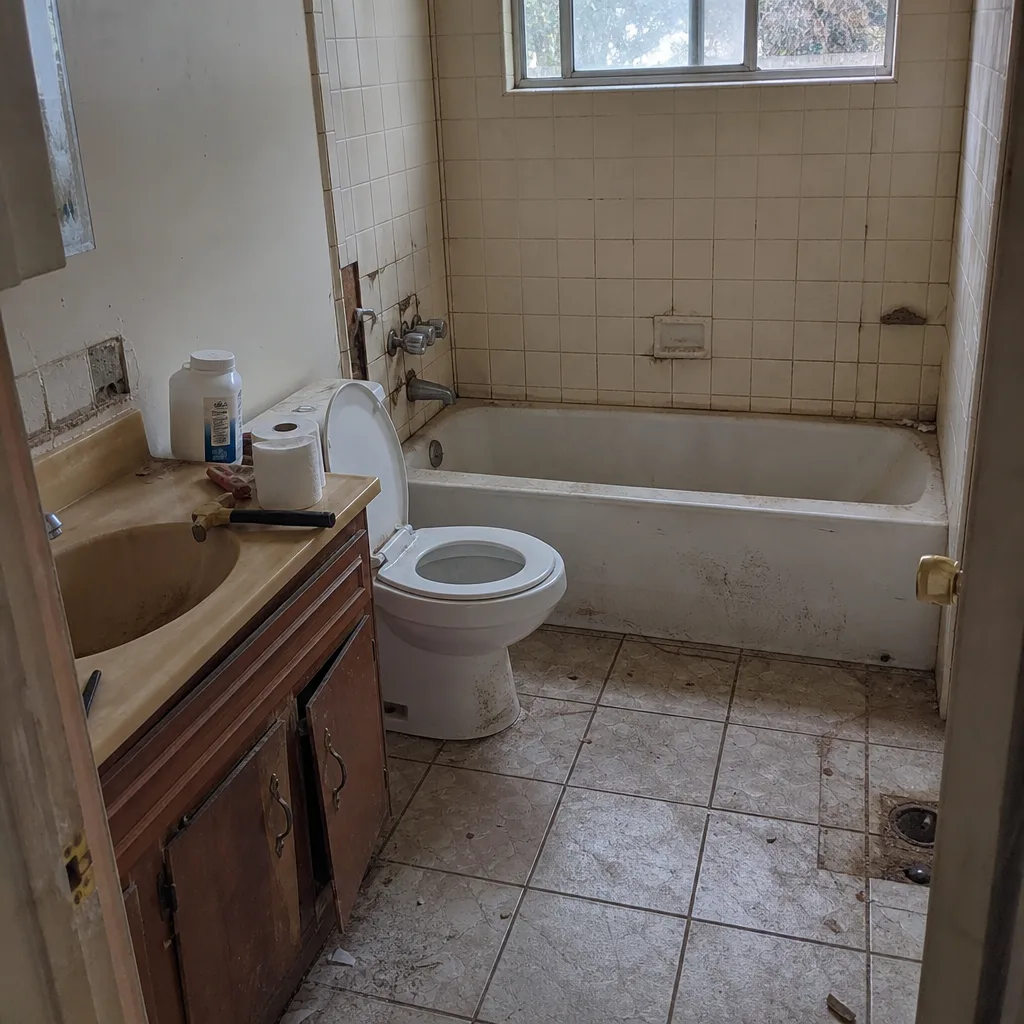 Before
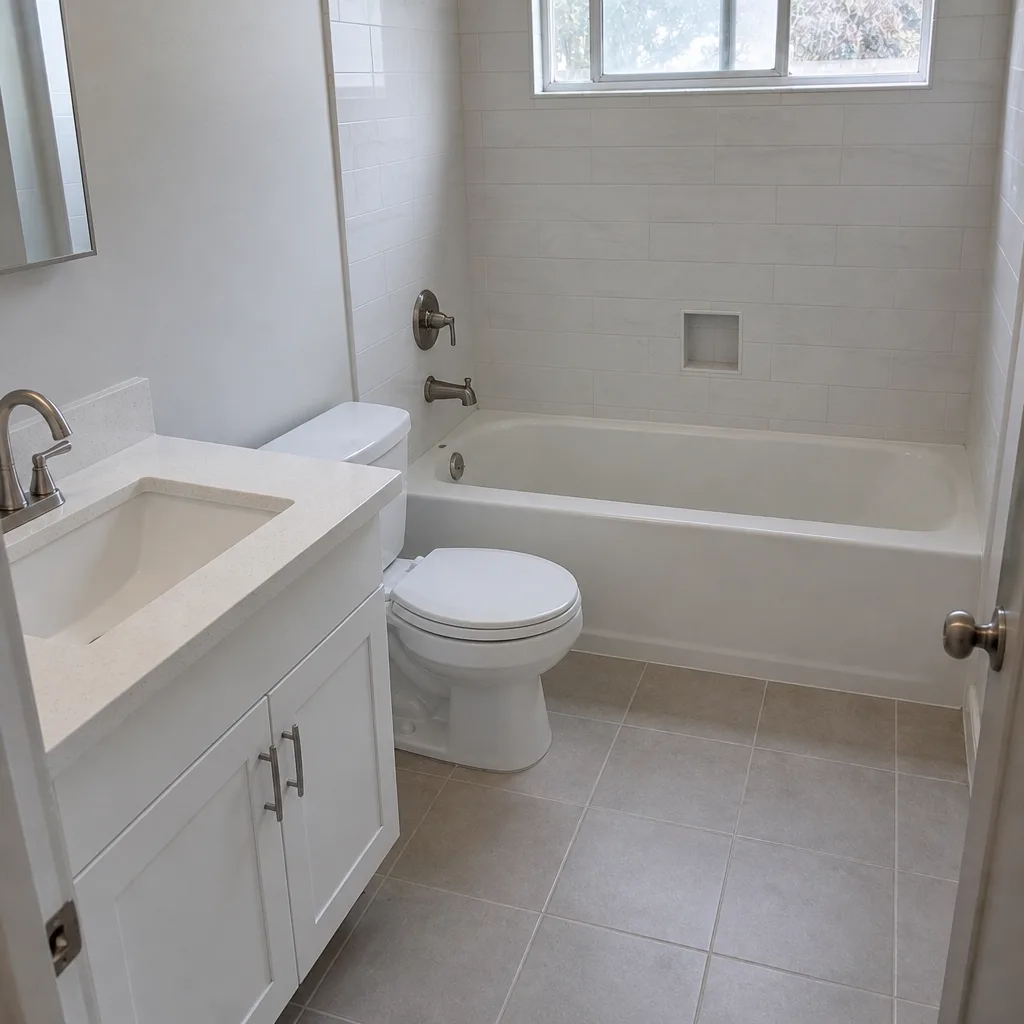 After
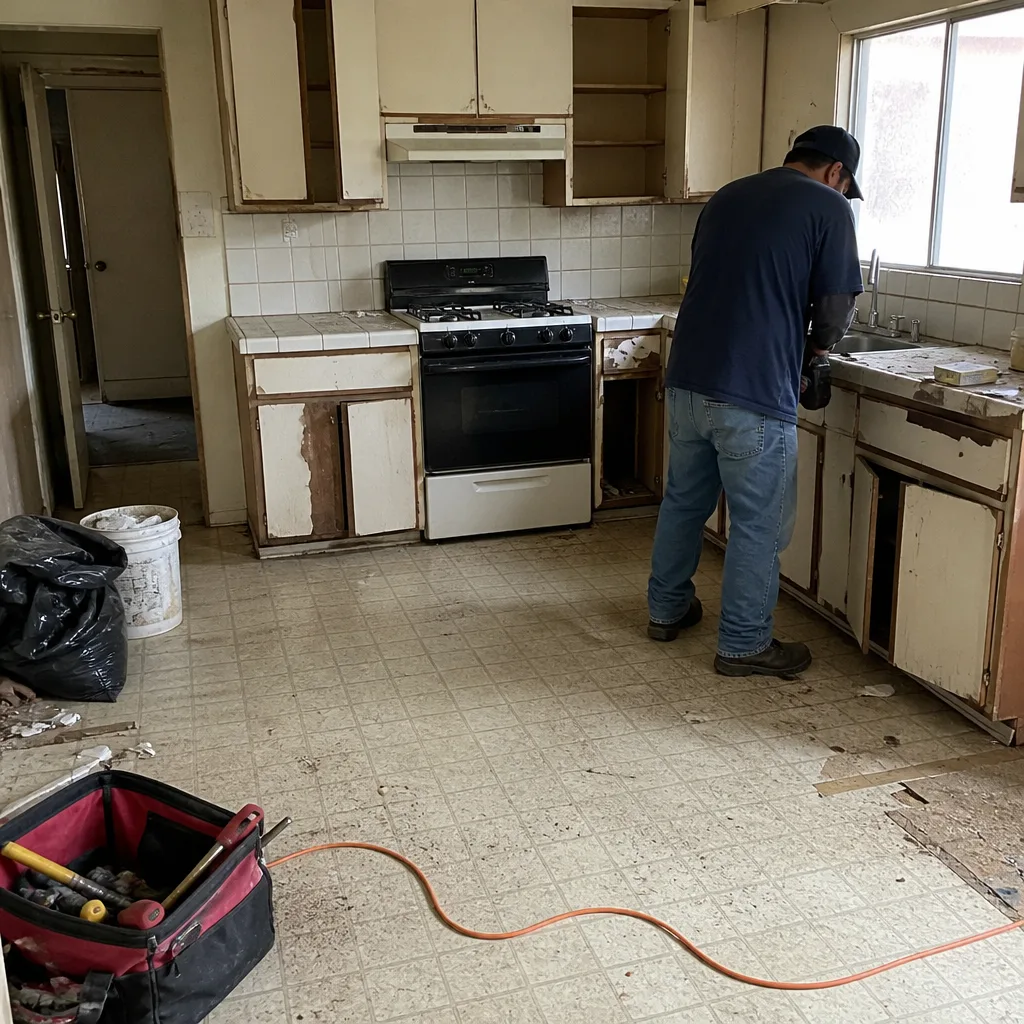 Before
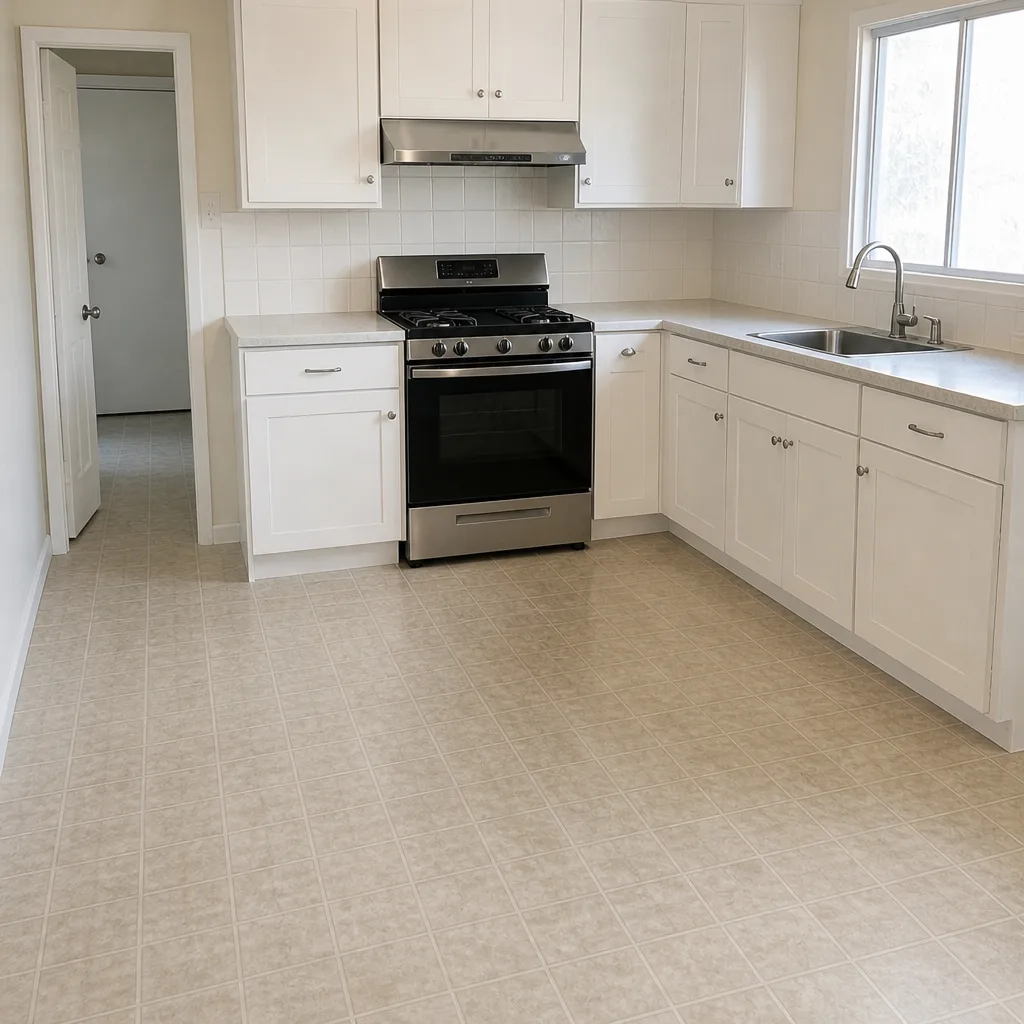 After
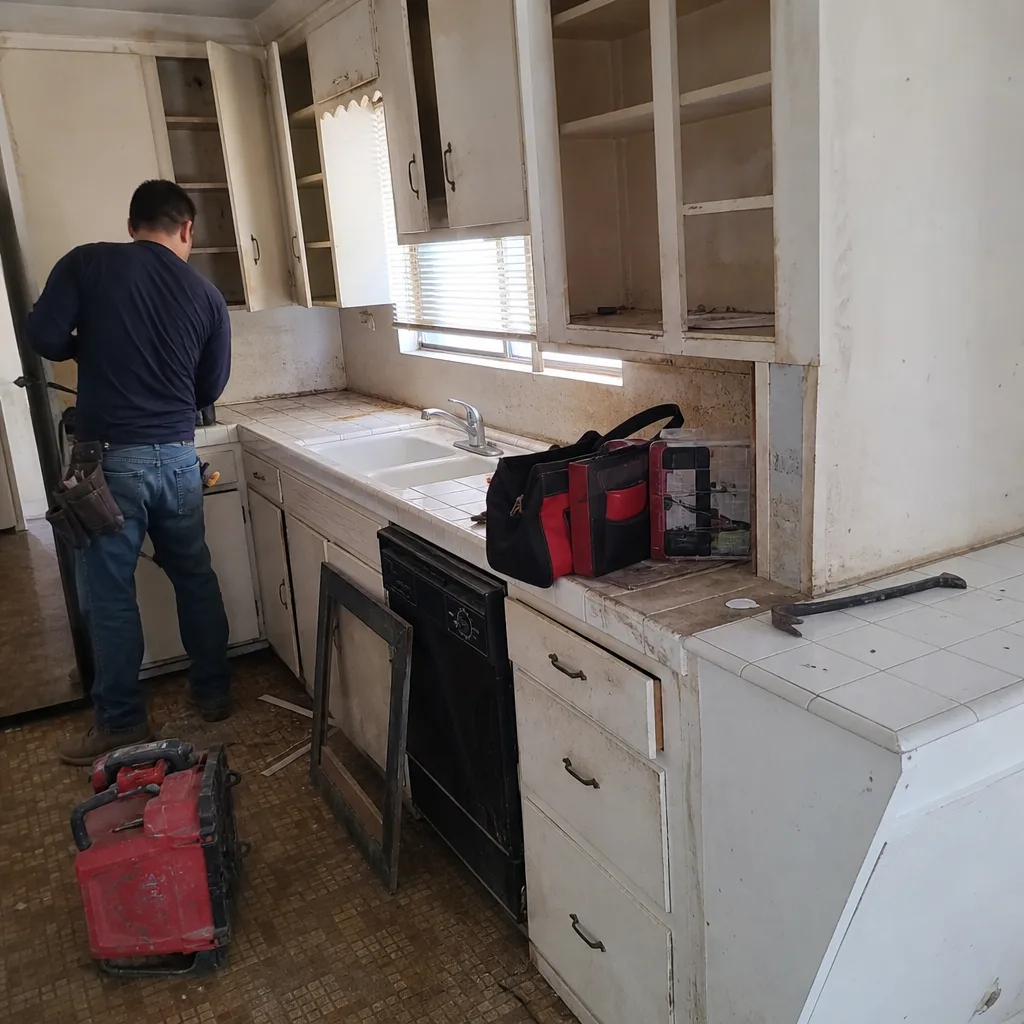 Before
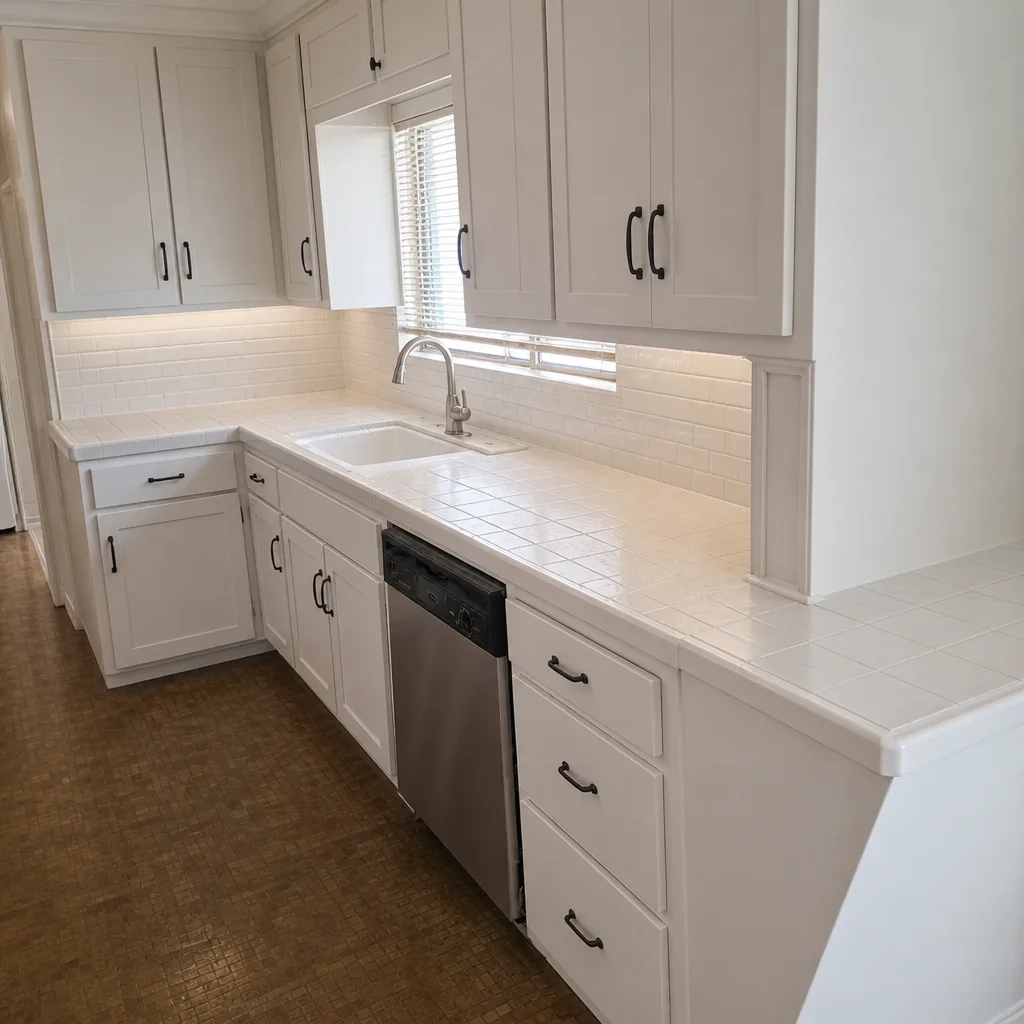 After
How to Clean Gutters in West Covina: The Eucalyptus Pod Problem Nobody Warns You About
Cleaning gutters on a West Covina foothill home means clearing fine eucalyptus pods and packed organic silt, not scooping big leaves. Standard gutter-cleaning advice is written for maple and oak debris, and it fails here. On most West Covina single-story homes, the real clog lives where you can’t see it: inside the 3-inch downspout elbows, which pack solid with small pods and grit long before the gutter itself looks full. You can scoop a channel that looks clean from the ladder and still have water backing up against stucco the next time it rains. If you’d rather not climb up after a Santa Ana wind event, call (844) 662-2335 and we’ll walk you through the safe options.

Why fine debris, not big leaves, is what clogs West Covina gutters
Most of West Covina was built out in the 1950s and 1960s, and the lots closest to the foothills tend to carry older, mature landscaping, including eucalyptus and other canyon-adjacent trees. Those trees drop pods and fine seed material that behave differently from the broad leaves the average gutter guide assumes. The pods are small enough to pass straight through the openings on most standard screen and mesh systems, and dense enough to settle and lock together once they do.
The result is a two-layer problem. From above, the screen looks fine and a quick glance says the gutter is clear. Below the screen, the channel is filling with a gritty sludge, and the first elbow off the downspout is packing into a solid plug. In our experience across West Covina, that invisible elbow clog, not a visibly overflowing run, is what drives most of the overflow calls we get after a storm. No screen on the market filters debris this fine; the only real fix is regular clearing, done before the channel has a chance to seal.
Foothill-adjacent neighborhoods also take the brunt of seasonal wind, and a single strong Santa Ana event can move a season’s worth of fine material onto a roof in an afternoon. That’s the pattern that makes West Covina’s foothill gutters different from flat-lot neighbors in Covina or Baldwin Park, where debris tends to be coarser and screens catch more of it.
A safe cleaning sequence for a 1950s-60s West Covina stucco home
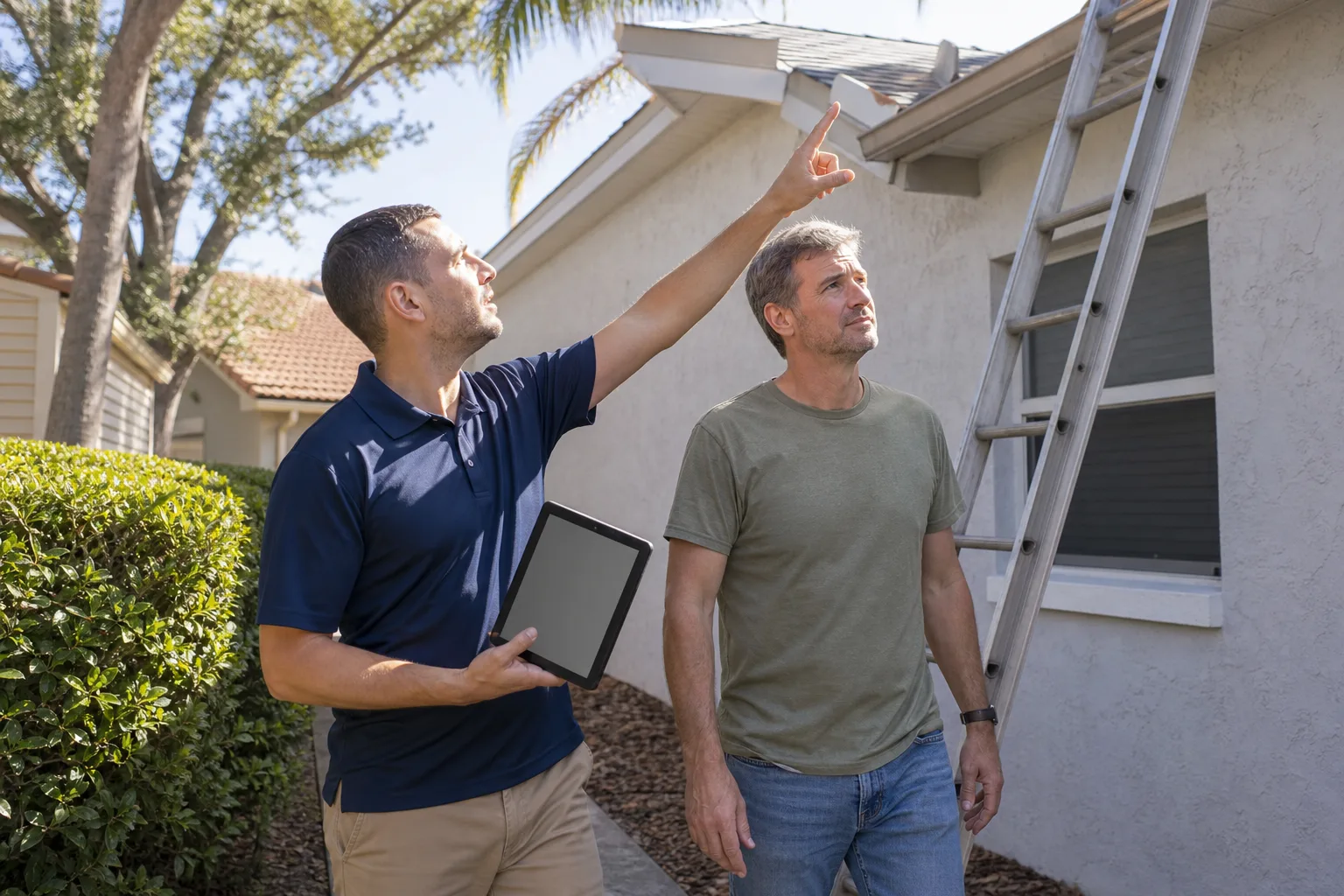
These older single-story homes have stucco walls, wood-frame construction, and gutters that have often been re-hung once or twice over the years. The job isn’t hard, but the order of steps matters, and the ladder placement matters most. If you’re not steady on a ladder, or your roofline runs above one story, this is a job to hand off rather than attempt. Climbing a roof or working a ladder near damaged fasteners is where injuries happen, and we’d rather you call than take that risk.
For a single-story home where it’s genuinely safe to work from a ladder at the gutter line:
- Set the ladder on firm ground, not against the stucco face. Stucco is brittle and cracks under a ladder’s pressure points. Use standoff stabilizers or lean the ladder so it contacts the gutter’s solid fascia edge, not the stucco finish coat.
- Work from the far end toward the downspout. Pushing debris toward the outlet keeps you from re-clogging a run you just cleared, and it keeps the loosened material moving in one direction.
- Scoop the channel, then flush with a pressure nozzle. A garden hose with a narrow nozzle is enough for most West Covina runs. Direct the water down the downspout and watch how it drains.
- Check the elbows you can’t see from above. After flushing, run water at the top of each downspout and confirm it exits cleanly at the bottom. If water backs up at the top, the elbow is packed and needs to be opened and cleared, not just flushed.
- Look behind the fascia at the wall. Peel back a screen edge and check for moisture or staining on the stucco, which signals a chronic overflow in that spot.
That last step is the one most homeowners skip, and on these homes it’s the one that matters most. More on why next.
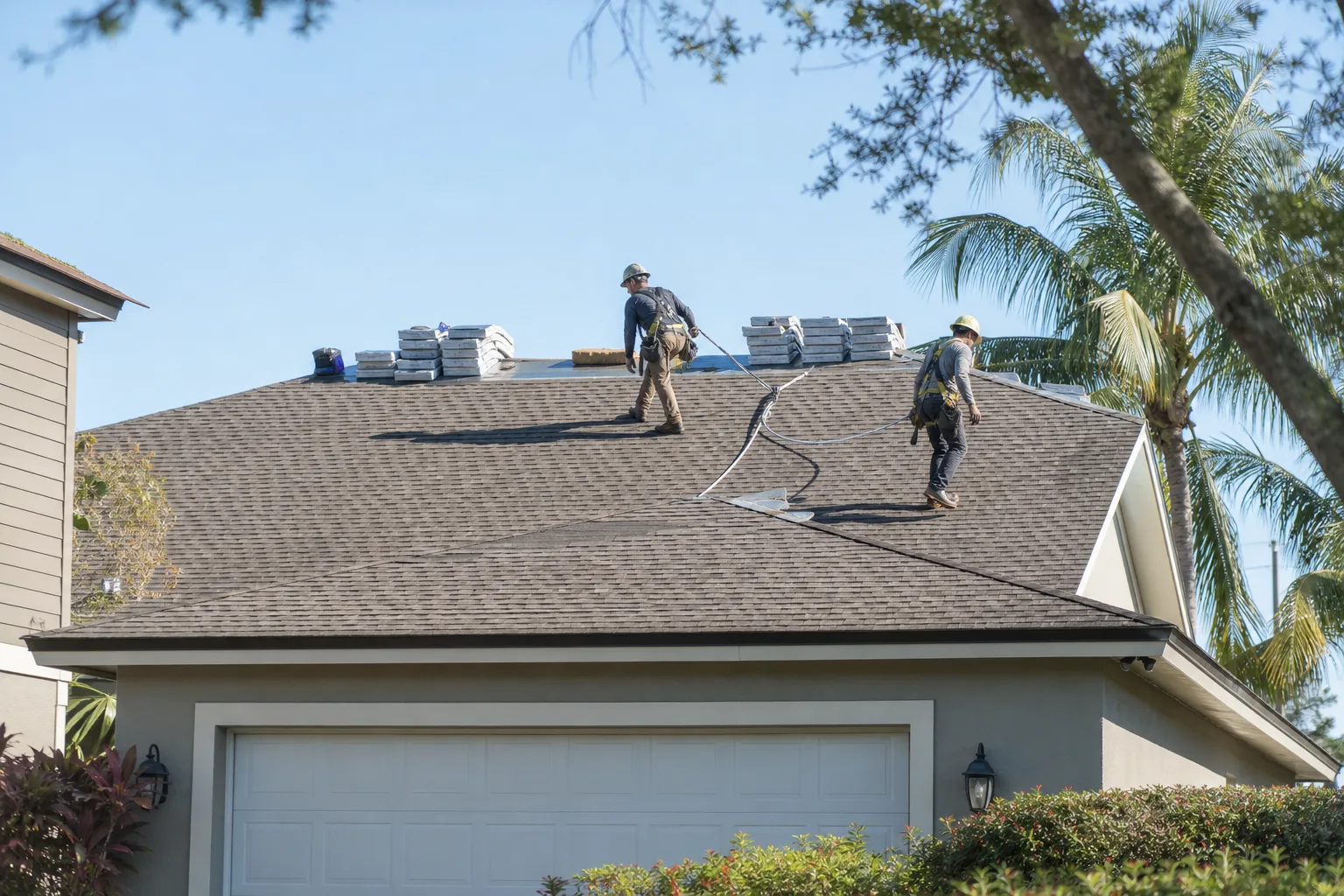
The stucco overflow problem: gutter backup can rot a wall
When a gutter backs up against a stucco wall, water wicks behind the finish coat instead of draining away. On a 1950s or 60s West Covina home, the original building paper behind that stucco has long since degraded, so there’s little left to stop moisture from reaching the wood lath and sheathing. What looks like a small cosmetic stain on the outside can mean soft sheathing behind it. That turns a routine gutter overflow into a wall repair, and sometimes into roof edge and fascia work once the moisture has traveled far enough.
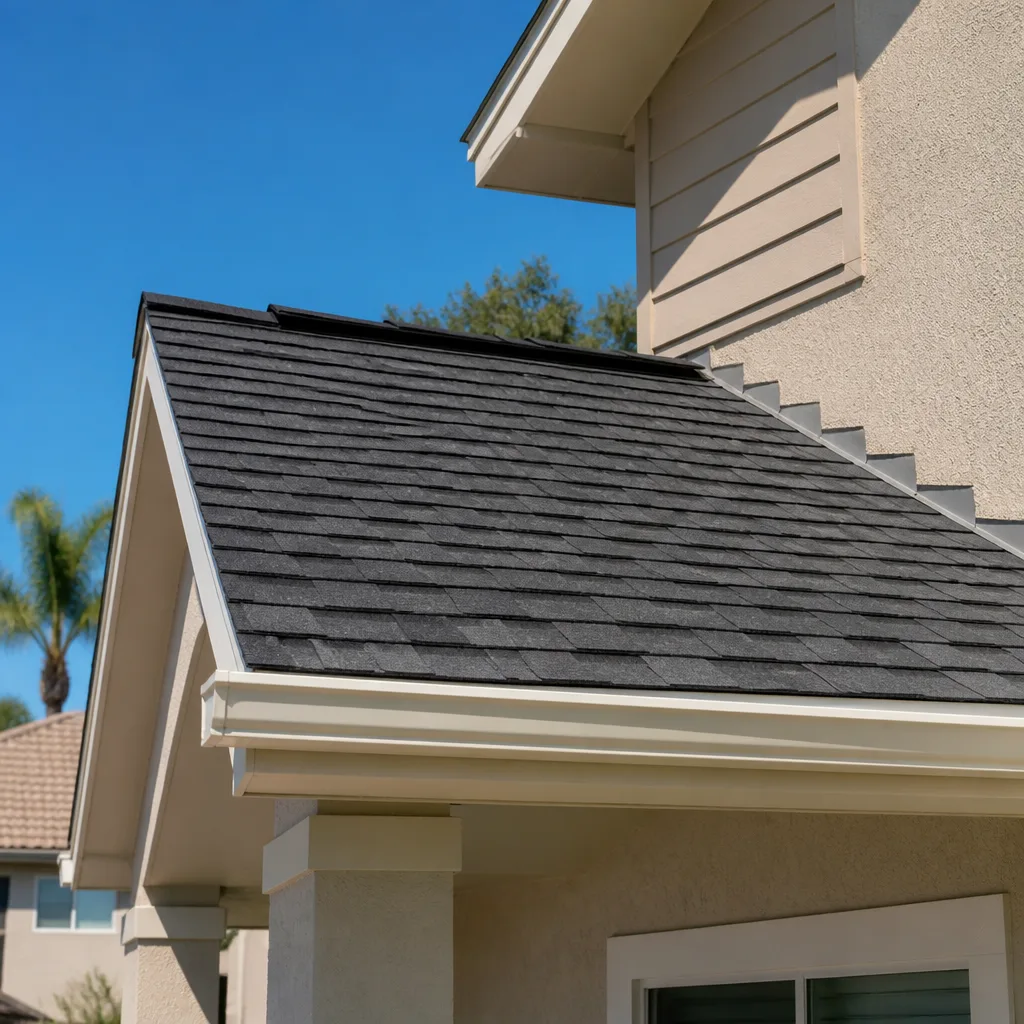
We regularly find exactly this pattern on foothill-adjacent single-story homes: a packed elbow, an overflowing run, and discolored stucco in the same corner. By the time you can see the stain, the wood behind it has usually been wet for more than one season. If your gutters have been overflowing at the same spot for a while, that’s when to have the fascia and stucco edge inspected, not just the gutter cleared. When moisture has reached the roof edge or decking, the repair moves into roofing territory, and our Roofing team can check the fascia, drip edge, and sheathing while the gutters are being serviced.
How often should you clean gutters in West Covina?
Twice a year handles most West Covina homes: once in late October before the winter rain season, and again in March after the last big storm of the year. That schedule matches the local climate, where hot, dry summers give way to mild, wet winters and the occasional strong winter rain that exposes poorly drained sites.
Foothill-adjacent homes with heavy eucalyptus nearby often need a third pass: a downspout flush after any Santa Ana wind event that moves significant debris onto the roof. If you’re unsure whether a wind event warrants it, test the nearest downspout with a hose; if it drains slowly, an elbow is already packing. The October cleaning is the one that protects you, because it clears the channel before the rain arrives, and spring cleaning is the follow-up that catches whatever the winter pushed in.
For homes on older lots, those wet winters also expose site drainage issues that a gutter can’t fix on its own, and the same seasonal rain that stresses a gutter run can show up around the foundation. Homes near the older near-creek lots here often sit on expansive clay that swells and shrinks with the seasons, so a gutter that dumps water at the wrong spot puts more water into that soil right where you least want it. Good downspout routing is part of the fix. When an overflow problem points to fascia, roof edge, or water management, a broader look at the home’s exterior and site drainage helps, and our West Covina service area team can point to the right next step.
When to call a pro instead of climbing the ladder
Cleaning a gutter from a ladder is manageable for a steady homeowner on a safe single-story run. It becomes a call-a-pro job in a few situations: any two-story home, a gutter with damaged fasteners or a partially detached run, a ladder setup with no firm ground, or the telltale stucco staining that says water has already gotten in. Ladder falls and roof-edge work are where gutter cleaning turns genuinely dangerous, and no clogged elbow is worth a fall.
Groundwork Construction Co. of West Covina answers the phone with a live person around the clock. If you discover an overflow during an active rain event, you can reach a real person for advice on interim measures, such as where to direct water and what to check first, before the damage spreads. That kind of call is often the difference between a cleared elbow and a wall repair. Our technicians have up to 12 years of experience, and every project is covered by our 730-Day Done Right Promise, so if work is needed, it’s backed in writing.
Gutter cleaning itself is simple work, but it’s the gateway to the exterior repairs these older homes eventually need. If a service visit turns up fascia, stucco, or roof-edge damage, we handle the repair from foundation to finish line and provide no-hassle upfront pricing, so the number you see is the number you pay.
FAQs
Your screens are catching the big material and letting the fine stuff through. In West Covina, eucalyptus pods and fine seed debris are small enough to pass through most mesh and screen openings, then settle into the channel and pack the downspout elbows. The screen looks clear while the elbow below it is already plugged.
Twice a year is enough for most West Covina homes: late October before the winter rains and again in March after the last major storm. Homes with heavy eucalyptus nearby often need a downspout flush after any big Santa Ana wind event in between.
Cleaning itself is a modest job, but overflow that’s already reached the stucco or fascia is where the cost shows up. On these homes, roof repair runs $400-$1,800, and tile roof repair runs $600-$2,500. If water has been backing up for more than a season, a full roof replacement runs $8,000-$20,000. Call (844) 662-2335 for a free estimate on what your specific overflow has affected; upfront pricing means the quote is the price.
Yes, and it’s the most common hidden cost of a backed-up gutter on a West Covina home. When water overflows against stucco, it wicks behind the finish coat, and on a 1950s or 60s home the original building paper behind that stucco has usually degraded, so there’s little to stop moisture from reaching the wood lath and sheathing and causing rot.
We answer the phone with a live person 24/7, so call (844) 662-2335 and tell us what’s happening. We can advise on interim measures to limit damage during an active rain event, and if the overflow has caused damage, we’ll set up a no-pressure assessment in West Covina.
If you’d rather have it looked at, Groundwork Construction Co. of West Covina offers a no-pressure assessment in West Covina. We’ll check the elbows, the stucco edge, and the fascia, and tell you honestly whether it’s a simple clear or a repair. Call (844) 662-2335 to get on the schedule, and ask about our free project estimate and design consult, $1,000 off projects over $10,000, and 0% financing for 18 months.
Written by the team at Groundwork Construction Co. of West Covina, serving West Covina, CA.