Last updated November 18, 2026


Free written scope consultation - allowances, timeline, and change-order rules on paper before a single trade is scheduled
Windows & Doors Warning Signs Every Homeowner Should Know
A 15% jump in your summer cooling bill with no change in how you run the AC is worth a second look at your window seals before you assume the HVAC is failing. In our experience, failed insulated glass units and hairline air gaps around frames drain energy long before anything is visible to the eye. This guide connects the clues most homeowners miss – bill spikes, paint bubbling, doors that stick only after rain, latches that need two hands – to what’s actually happening inside the wall. You’ll learn how to read those signals in a West Covina home and know when repair stops making sense.
Quick Answer
Windows and doors usually need professional attention when you notice energy bill spikes without behavior changes, water staining or paint bubbling around frames, musty odors after rain, latches that need force to engage, or visible rot and corrosion in the frame material. Any one of these signs is worth a free inspection; two or more together usually mean repair or replacement is the cheaper path over the next few years. Groundwork Construction Co. of West Covina offers free estimates in West Covina, and our technicians have up to 12 years of experience reading exactly these clues.
Styles & brands we work with
- Kitchen remodeling
- Bathroom remodeling
- Home additions & ADU
- Roofing
- Windows & doors
- Driveway & pavers
- Fence
Table of Contents
- Energy-Based Warning Signs You Can Read on Your Utility Bill
- Water Intrusion Before the Leak: The Indicators Most Homeowners Miss
- Security and Operation Warning Signs
- Frame Degradation by Material: Wood, Vinyl, and Aluminum
- Contractor Red Flags in Window and Door Bids
- West Covina-Specific Pressure Points
- A 7-Step Homeowner Inspection You Can Do This Weekend
- Repair or Replace? The Decision Framework
Energy-Based Warning Signs You Can Read on Your Utility Bill
Your utility bill is the earliest warning system a window or door problem has. Glass and frames fail gradually, so the energy penalty creeps up $8, $15, then $40 a month and you adjust your expectations instead of investigating. Here’s how to read the clues.
Start by comparing the same billing period year over year, not month over month. Seasonal swings muddy the picture. Then ask three questions:
- Did you add or change HVAC equipment or thermostat settings? If not, and the bill jumped 10% or more in a comparable season, the envelope is the next suspect.
- Is one room noticeably warmer or cooler than the rest? A single failed IGU (insulated glass unit) or a door threshold gap will show up as a temperature difference you can feel with your hand near the frame.
- Does the bill spike after windy weeks specifically? That’s infiltration – air moving through gaps, not conduction through the glass. In West Covina, the Santa Ana wind events in fall and winter push hard against north and west-facing openings, and a home with poor weatherstripping feels it.
Insulated glass units fail in two common ways. The seal between panes breaks and the argon or krypton fill leaks out, which cuts the insulating value roughly in half without any visible change. Or moisture finds its way into the cavity and you get fogging or a hazy film between the panes. Fogging is easy to spot. Silent seal failure is not – which is why the bill is your best clue. A window that reads noticeably warmer on the interior glass surface than its neighbor, on the same wall, in the same sunlight, is telling you something.
Doors matter just as much. Look at the bottom sweep and the weatherstripping around the jamb. If you can see daylight under a closed door, or feel air moving when you hold the back of your hand near the gap, you’re paying for that. A door that used to seal and no longer does is often a sign the slab has warped, the hinges have sagged, or the threshold has settled. All three are common in older West Covina homes on clay-heavy soil.
Water Intrusion Before the Leak: The Indicators Most Homeowners Miss
Water damage around windows and doors almost never announces itself as a drip. It shows up as small changes at the edges of the opening – paint bubbling at the corners, a soft spot in the drywall a few inches from the casing, a musty smell that appears only after a rain.
Learn to read these in order of how deep the problem has gone:
- Paint bubbling or flaking at the corners of the casing. This is usually the first visible sign. Moisture behind the paint film pushes it off in small blisters. If it’s only at one corner, the sealant at that joint may have failed. If it’s along an entire side, water is likely getting behind the frame.
- Drywall softness inside the room, near the frame. Press gently with a screwdriver handle. A firm thump is fine; a soft, spongy give is not. Soft drywall means water has been working in for weeks or months.
- Discoloration or a faint tide line on the drywall or trim. Water carries minerals and dust; when it dries, it leaves a mark. A brown ring near a sill or under a door threshold is worth investigating immediately.
- Musty odor after rain, especially in bedrooms or near exterior doors. Smell is the most reliable early warning that moisture is trapped in the wall cavity even before anything is visible. If a room smells different on a wet day than a dry one, that’s a signal.
- Staining on stucco or cracking at the exterior caulk line. On the outside, look at the joint between the window frame and the wall. A cracked caulk bead lets water in with every rain. Stucco staining under a window is a strong sign water is tracking behind the wall surface.
What this means structurally: water that gets behind a window or door frame doesn’t just damage the drywall. It wets the sheathing, the framing, and eventually the header above the opening. Soft framing is a load-bearing problem, not a cosmetic one. In West Covina, our dry summers mean a slow leak may only activate a few times a year – which is exactly why it goes unnoticed for so long. Two or three wet seasons of slow intrusion can turn a $500 flashing repair into a $4,000 wall rebuild.
Flashing and pan installation are the two details that prevent this, and they’re the details most likely to be skipped on a fast install. Every window opening should have a properly integrated sill pan and flashing that sheds water to the exterior. If your existing windows were installed without them – common in tract homes from earlier decades – a repair may not fully solve the problem.
Security and Operation Warning Signs
A latch that needs force to engage is not a minor annoyance. It’s a sign the frame, the door, or the strike plate has shifted, and it’s telling you the window or door is no longer fitting the opening it was built for.
Run through this list of operational warning signs. Each one crosses a different line:
- Latches that require force to engage. In West Covina, our inland heat swells wood and vinyl frames; the door that stuck in August may free up in January. If it sticks year-round, the problem is structural, not seasonal.
- A door that doesn’t sit flush with the jamb. Look for a visible gap along one edge when the door is closed. This usually means hinges have sagged, the frame is out of square, or the slab has warped. A sagging door on an exterior wall is also a security issue – the bolt no longer seats fully in the strike plate.
- Windows that won’t lock or that unlock themselves. This crosses from inconvenience to code issue. California requires that egress windows in sleeping rooms open and close without special knowledge or effort; a window that can’t be latched per the manufacturer’s instructions is also a problem for insurance purposes.
- A sliding door that jumps the track or drags. Rollers wear out, but a door that suddenly stops rolling smoothly often means the track has settled. In single-story West Covina homes, patio door tracks are a common trouble spot after heavy rain.
- Locks that feel loose or that turn without resistance. The lock cylinder has worn out, or the mounting screws have stripped out of soft wood. Either one is worth addressing before something happens.
When does an operation issue become a code issue? When the window is in a sleeping room and can’t be opened for emergency egress. When a door no longer latches fully and can’t be secured. When a window that’s supposed to be tempered glass has been replaced with ordinary glass. These aren’t safety suggestions – they’re requirements, and a good installer will catch them during a free assessment.
Frame Degradation by Material: Wood, Vinyl, and Aluminum
Frames fail in different ways depending on what they’re made of. Knowing the language of each material helps you spot trouble early.
Wood Frames
Wood rot starts quietly. The early stages look like slightly darker wood grain and a paint surface that feels soft when you press a fingernail into it. Probe with a screwdriver – if it sinks a quarter inch with light pressure, that’s active rot. Look for it most often at the bottom corners of the frame, under the sill, and around the lock hardware, where water pools. In West Covina, wood windows on the south and west sides of a home take the harshest sun and the most dry/soak cycling, so rot tends to show up there first. Early rot is often fixable with an epoxy fill and proper drainage correction. Once rot reaches the sill plate, replacement is usually the better financial decision.
Vinyl Frames
Vinyl failure telegraphs itself in a few ways. Look for cracks at the welded corners of the frame, which split when the material expands and contracts against a rigid opening. Look for a chalky white residue on the surface after cleaning – that’s UV degradation of the plastic itself. Look for the frame bowing outward in the middle of a long window. Vinyl that separates at the corner joint is no longer holding the glass tight, which means air and water can get behind it. In our experience, vinyl performs well in mild climates but can degrade faster on unshaded south-facing walls in the West Covina heat if the product was under-spec’d.
Aluminum Frames
Aluminum doesn’t rot, but it corrodes, and aluminum conducts heat and cold directly through the frame – making it a poor insulator unless it uses a thermal break. Look for white or chalky oxidation on the surface, dark pitting, and especially corrosion at the bottom of the frame where it meets the sill. Corrosion that reaches the fasteners means the frame is losing its grip on the wall, which is a structural issue because the window is no longer properly anchored. Aluminum frames from the 1970s and 1980s are common in some West Covina neighborhoods, and if the surface is pitted past the anodized finish, refinishing won’t stop the process.
On the material side, we specify Andersen and Marvin windows because their fit tolerances and flashing systems hold up better over time than builder-grade alternatives. Brand partners like these aren’t a selling point by themselves – what matters is that the product is properly matched to the installation details around it.
Contractor Red Flags in Window and Door Bids
You’ve checked the house. Now check the bid. A lot of expensive window and door problems come from bad installation, not bad products, and you can spot a weak installation plan on paper before you sign.
Here’s what to look for – and what should make you pause:
- No product specs. A real bid names the exact window model, U-factor, SHGC (solar heat gain coefficient), and frame material. If your bid just says “vinyl replacement windows” without a model number, you have no way to compare bids or verify what you’re getting.
- No mention of flashing or sill pan. Replacement windows need proper integration with the weather barrier. A bid that talks about installation without mentioning flashing, sill pans, or how the opening gets sealed is skipping the part that actually keeps water out.
- No permits for work that requires them. Window replacement doesn’t always trigger a permit, but structural changes, new openings, and certain energy code upgrades do. A contractor who says “we don’t need permits for anything” is a red flag. A contractor who knows when you do and doesn’t is worse.
- Installers who aren’t background-checked. Windows and doors require installers inside your home for a day or more. You should know who’s coming.
- No written warranty in the bid. The manufacturer’s product warranty and the installer’s workmanship warranty are two different things. Get both in writing before work starts. Ours is the 730-Day Done Right Promise – if it’s not done right, we make it right – because installation mistakes often show up in the second rainy season, not the first week.
- Pressure to sign without a written quote. Upfront pricing means a number in writing, not a ballpark over the phone and a change order later.
If a bid doesn’t specify these details, ask. A good contractor will walk you through the flashing plan, the permit requirements, and the warranty without hesitation.
West Covina-Specific Pressure Points
Every market has its own reasons windows and doors fail early. In West Covina, there are three specific ones worth knowing.
Heat gain and dry-rot cycling. Our inland position means summer temperatures regularly push above 95°F while nights cool into the 60s. That daily swing cycles frames, sealants, and paint more aggressively than a coastal climate. West Covina windows facing south and west cook hottest in the afternoon, which is where we see seal failure and paint peeling first.
Clay-heavy soil. The San Gabriel Valley’s expansive clay soils swell when wet and shrink when dry. That movement shifts door frames out of square and cracks the sealant around window openings. Doors that stick only in the dry season or only in the wet season are reading the soil, not the door.
Santa Ana winds. Fall wind events push dust and grit against weatherstripping and drive rain sideways against north and west-facing windows. Gaps that hide in calm weather open up in a wind event. If you notice drafts on windy days, that’s not a “seasons” issue – it’s a weatherstripping and frame-fit issue.
We see all three patterns across West Covina, from older ranch homes near downtown to newer builds in the southern hills, and they change which warning signs surface first. If you’re also considering a larger envelope project, our team handles home additions and ADU work in West Covina alongside window replacement so the openings and the new framing integrate correctly from the start.
A 7-Step Homeowner Inspection You Can Do This Weekend
You don’t need special tools for most of this – a flashlight, a screwdriver, and a clear afternoon. Do this walk-through once a year, right before rainy season.
- Feel the frames. On a hot day, hold the back of your hand four to six inches from every window’s interior glass. Warm surfaces facing the same direction should feel similar. A clearly warmer window means a failed seal.
- Look for daylight under doors. Close every exterior door and look at the bottom sweep and the sides. Any visible light or felt draft means the seal is gone.
- Check the latches. Every window should lock smoothly without force. Every door should sit flush and latch without a struggle.
- Press the drywall. Near the corners of every window and door, press with the handle of a screwdriver. Any soft give or spongy feel is a water indicator. Look for bubbling paint and tide marks too.
- Smell the air on a wet day. After the first substantial rain, walk each room and notice whether any area smells musty or “closed-in.” A room that smells different from the rest on a wet day is worth investigating.
- Inspect the exterior caulk. Check the joint where the frame meets the wall. Any crack, gap, or peeling bead needs repair before the next rain.
- Probe the frame material. On the bottom corners, especially wood frames, push gently with a screwdriver. Resistance is fine; a soft sink is not.
Make a note of every finding and take photos. When a professional comes out, a clear list and photos will save time and get you a more accurate quote.
Repair or Replace? The Decision Framework
The honest answer to “repair or replace?” depends on three things: how deep the damage goes, how old the product is, and whether the installation was right to begin with.
Here’s how we think through it:
- Repair makes sense when: the damage is limited to one window, the frame is structurally sound, the failure is recent, and the product is still under warranty from a reputable manufacturer. A failed IGU on one window in a set of otherwise healthy windows is a repair. A door that needs a new sweep, a re-hang, or a new set of hinges is a repair.
- Replacement makes sense when: the damage is structural (soft framing, corroded anchoring), multiple windows on the same wall are failing, the product is out of warranty and past its service life, or the original installation skipped flashing and pan details. When you’re replacing, it’s a chance to upgrade to a better performing product – and to match it to trusted brand partners like Andersen or Marvin so the next set lasts longer.
- Partial replacement makes sense more often than full. If one wall is failing and the rest are healthy, we can match the new windows to the existing style and finish. You get the failing windows corrected without paying for windows that still work.
Two more numbers to weigh. First, a properly installed window set should deliver 20 to 30 years of service before replacement makes sense. If your windows were installed within the last decade and something has failed, it’s a sign the installation was wrong, not that the product reached end of life – so the fix should focus on the installation detail. Second, whole-home replacements are a large investment. That’s why we offer 0% financing for 18 months, and $1,000 off projects over $10,000, so the budget conversation stays grounded in real numbers.
If the window and door work is part of a larger project, it pays to think about scope. Our team works across West Covina from foundation to finish line, so a window replacement done alongside fence installation in West Covina or a new driveway and pavers project in West Covina can be coordinated for one schedule and one accountability point.
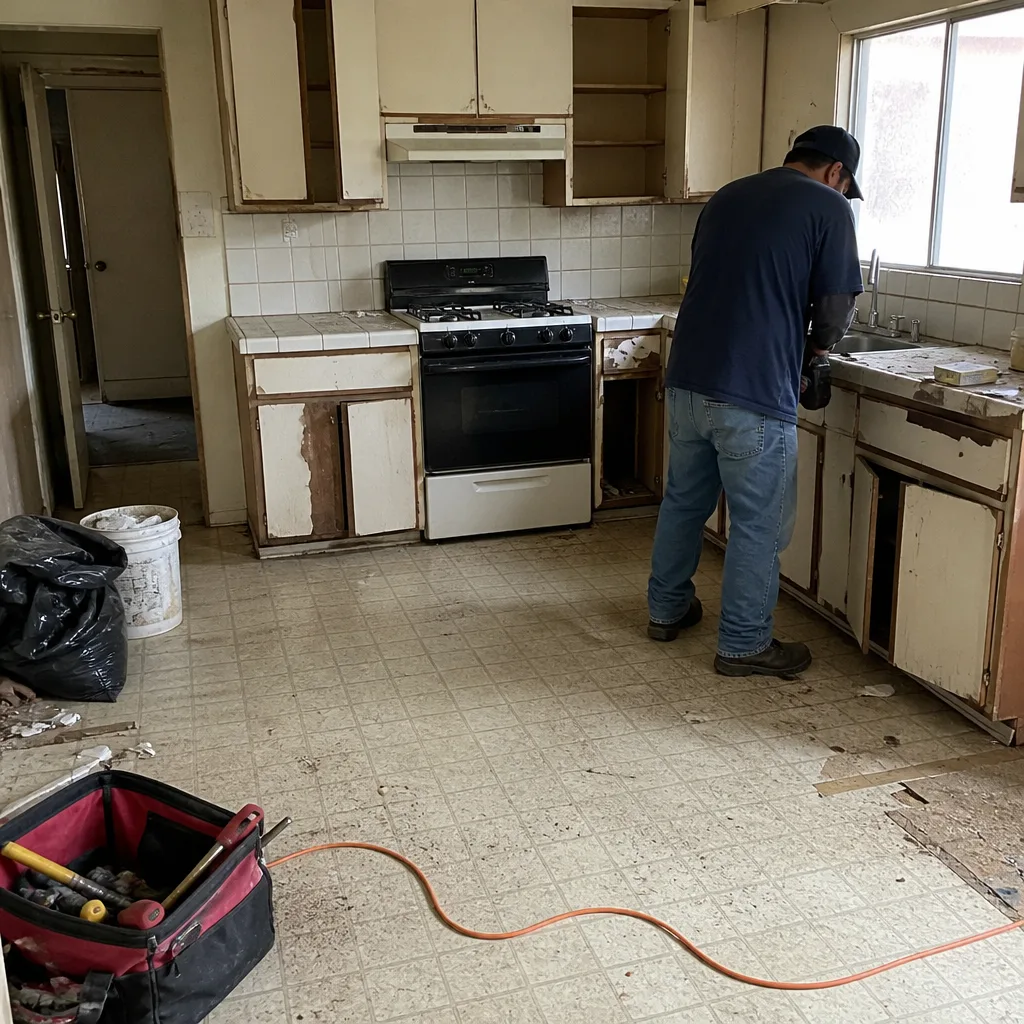
See the difference
 Before
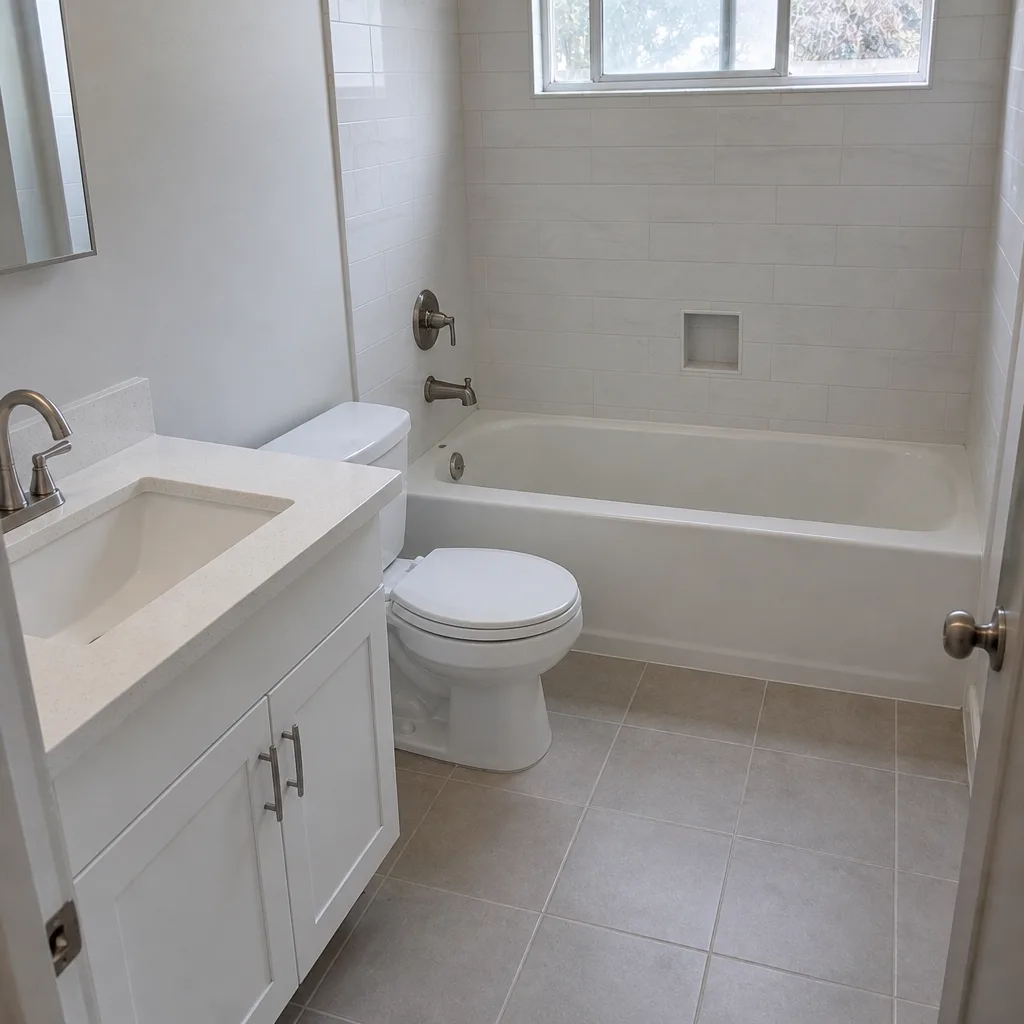 After
 Before
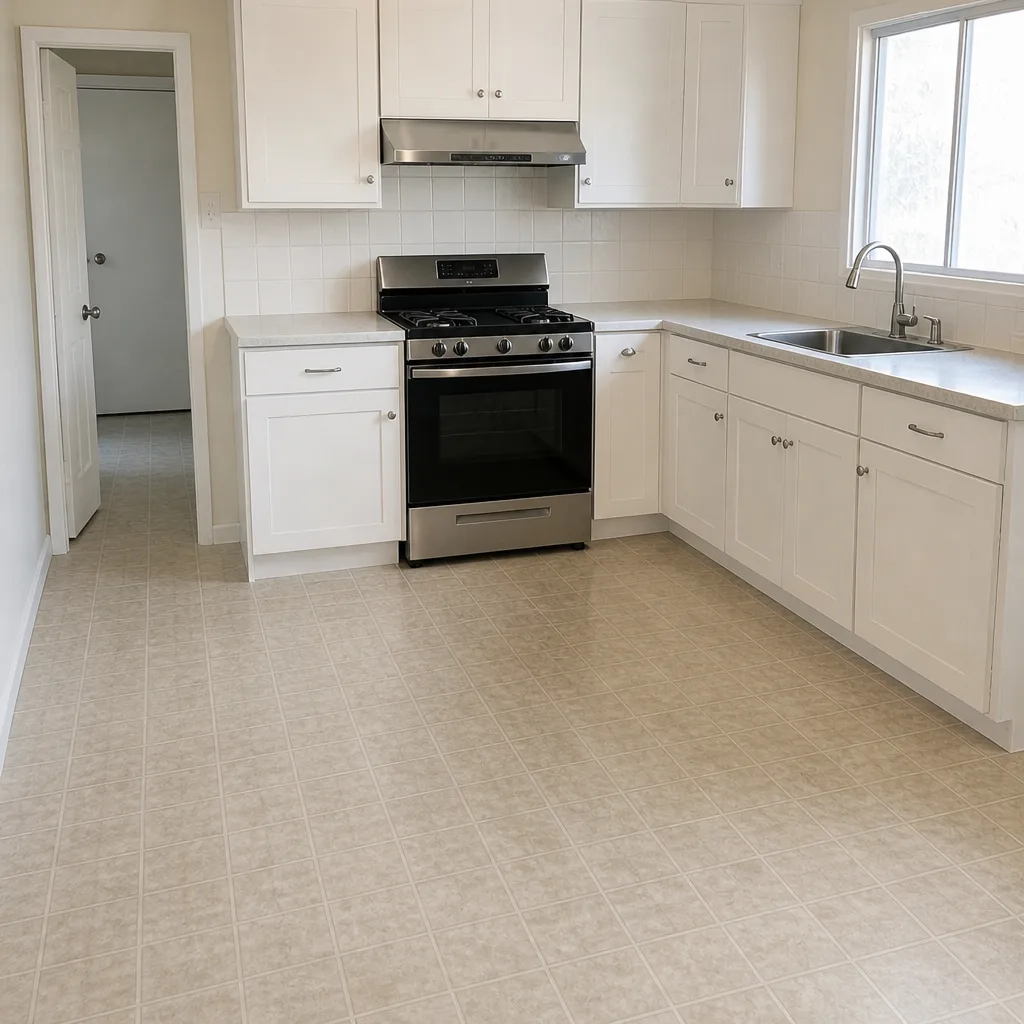 After
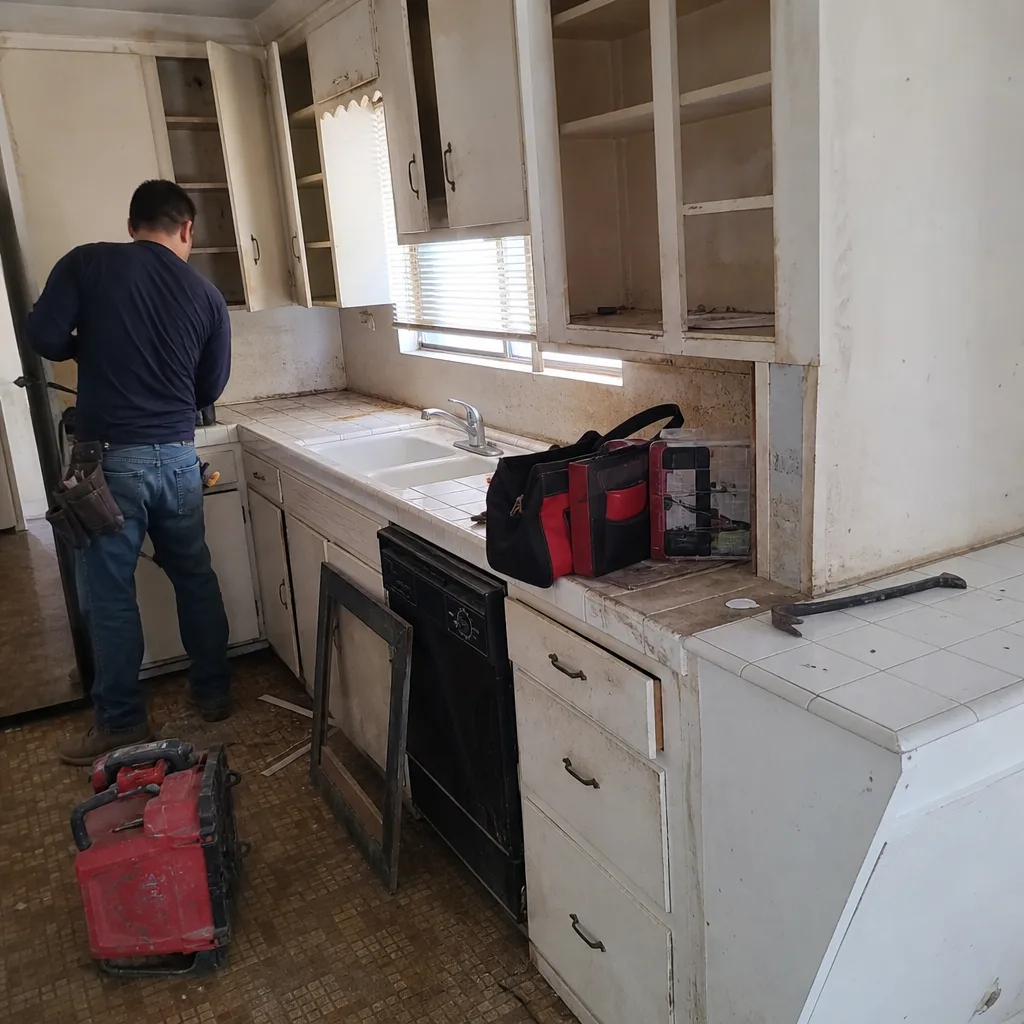 Before
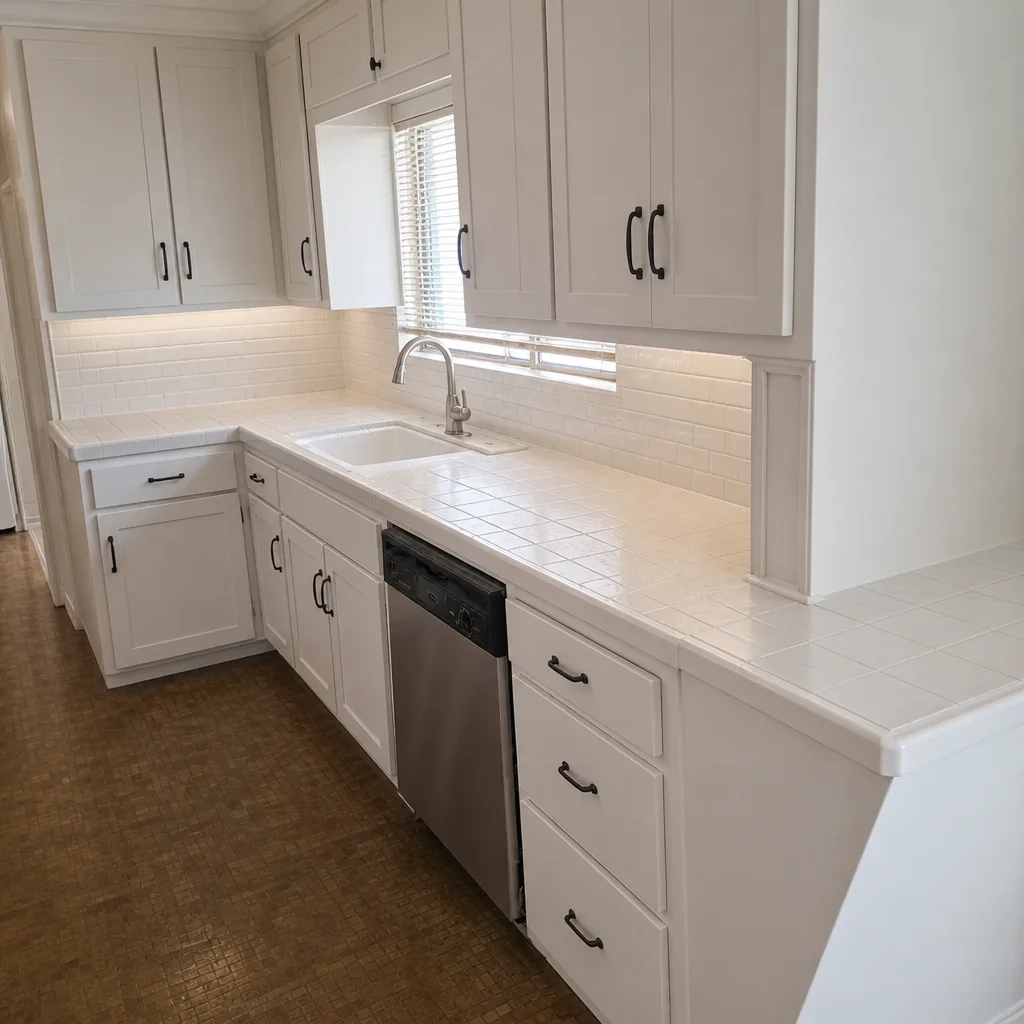 After
Common Mistakes to Avoid
- Blaming the HVAC first. Two sentences: When the summer bill spikes, the natural call is to the HVAC company. In our experience, a 10% jump with no equipment changes often traces back to window seals and door gaps, and an HVAC tune-up won’t fix either one.
- Caulking over water damage without finding the source. Two sentences: A new bead of caulk over a wet joint traps moisture in the wall instead of keeping it out. Always find where water is getting in before you seal it out, or the soft drywall comes back next season.
- Skipping the permit conversation. Two sentences: A contractor who waves off permits without asking what the scope is may not understand the code requirements for your West Covina home. Ask up front, in writing, whether the work needs permits.
- Choosing a bid on price alone. Two sentences: The cheapest bid is often the one without a written product spec, flashing plan, or workmanship warranty. Those details are exactly what determines whether the windows leak in year two.
- Ignoring a single failing window on a set of healthy ones. Two sentences: Matching windows are meant to fail within a few years of each other. If one fails, have the whole set assessed so you’re not back in the same conversation a year from now.
- Assuming a door that sticks in summer is just the weather. Two sentences: West Covina’s heat swells wood and vinyl frames, so some sticking is seasonal. A door that sticks year-round, or that doesn’t latch, is telling you something structural.
- Waiting for a visible leak. Two sentences: Water intrusion shows up as bubbling paint and musty smells months before it shows up as a drip. Waiting for the drip means waiting for wall damage to be serious.
When to Call a Professional
Not everything on this list needs a phone call. But a few do. Call a pro if you’ve got soft drywall near a frame, visible rot in a wood sill, glass fogging on more than one window, a door that no longer latches fully, a window that can’t be opened for emergency escape, or anything that reads like a leak after rain. Call before you seal, caulk, or paint over damage – the wrong move here can hide a problem until it’s expensive.
Groundwork Construction Co. of West Covina offers free estimates in West Covina – call (844) 662-2335. Calls are answered by a live person, 24/7, technicians are background-checked and arrive in uniform, and every project is covered by the 730-Day Done Right Promise.
Frequently Asked Questions
You need replacement when two or more warning signs overlap: fogging between panes, drafts on windy days, water staining or soft drywall near the frame, or frames that no longer hold glass tight. One failed IGU can be repaired on its own; multiple failures on the same wall usually mean the whole set is due. Call (844) 662-2335 for a free estimate and an honest read on repair versus replace.
Because the failure is usually in the building envelope, not the HVAC equipment. Failed IGU seals quietly cut insulation value in half, and air gaps around frames let hot West Covina air infiltrate while you’re paying to cool it. Compare the same billing period year over year with no HVAC changes; a 10% or more jump points at the windows and doors. Our free estimate includes a frame-by-frame look at where the bill is leaking.
Yes – and it usually does. Water finds its way through cracked caulk, failed flashing, or unpanned sills during rain, then evaporates slowly between storms. The clues are bubbling paint, drywall softness, and a musty smell after rain, not a drip inside the room. A professional inspection using a moisture meter finds it before it grows.
Some summer sticking is normal in West Covina because heat swells wood and vinyl frames and our clay-heavy soil shifts under the foundation. If the door sticks year-round, doesn’t latch without force, or visibly doesn’t sit flush, the problem is warping, sagging hinges, or a frame out of square – and it’s worth a free estimate before it becomes a security concern.
Sometimes. Straight replacement with like-for-like sizes and energy ratings often doesn’t trigger a permit, but structural changes, new openings, and certain energy code upgrades do. The real warning sign is a contractor who says “we don’t need permits for anything” without asking what your project involves. Ask up front, get the answer in writing, and expect the permit cost in the bid, not added later.
Ask four: which exact window model and U-factor you’re getting, how they’ll flash and pan the opening, whether the work needs a permit, and what the workmanship warranty covers and for how long. A good contractor answers all four without hesitation. If a bid lacks any of those details, ask for a written line-item quote before you sign anything.
The Bottom Line
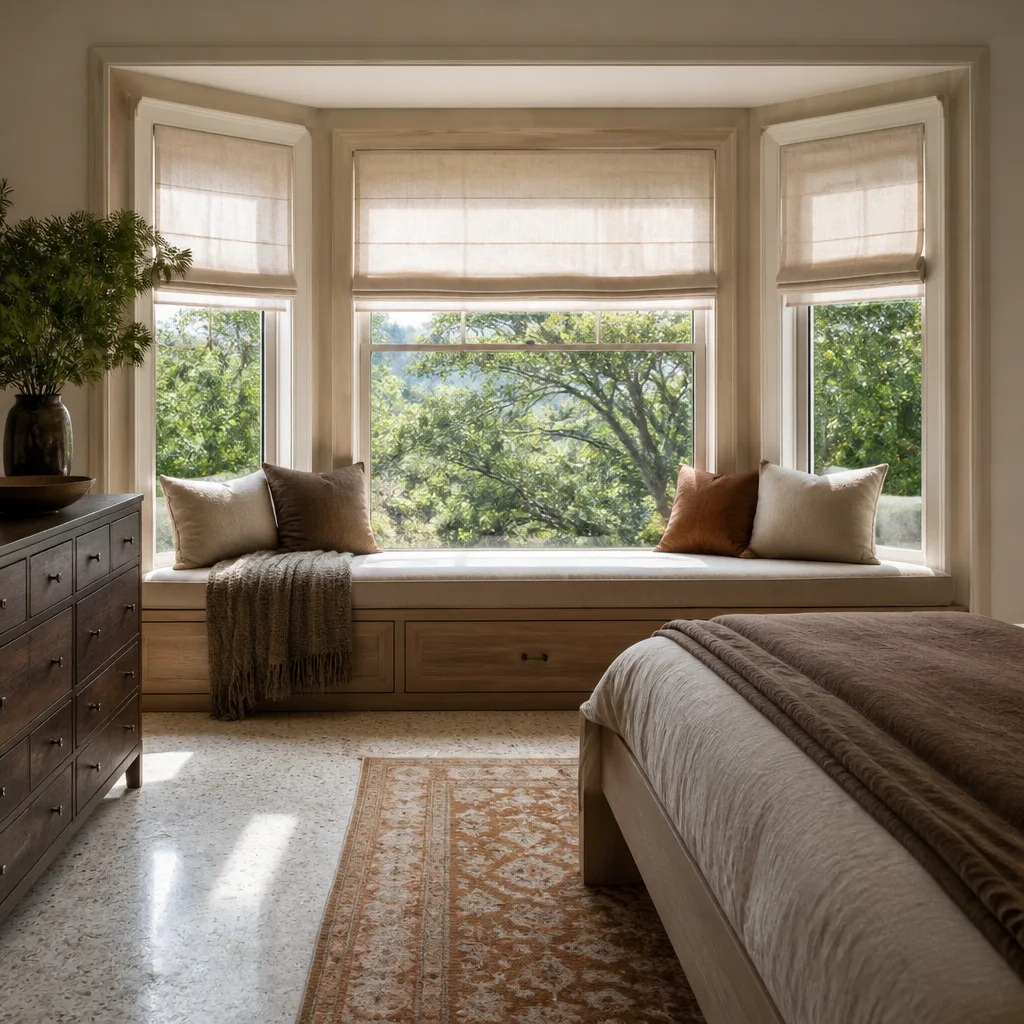
Window and door failures are rarely visible from the glass. Read them from your utility bill year over year, from paint bubbling and musty smells after rain, from latches that need force, and from the material-specific clues in the frame itself – early wood rot, vinyl corner cracks, aluminum corrosion at the sill. Then read the bid the same way: exact product specs, flashing and sill pan, permits where required, and a written workmanship warranty. Repair makes sense for isolated failures; replacement makes sense when the damage is structural or several openings on the same wall are failing. Either way, catching it early is the whole game, and a free estimate is cheaper than the wall rebuild that follows a missed leak.
If your home is showing two or more of the signs in this guide, call (844) 662-2335 to schedule your free estimate with Groundwork Construction Co. of West Covina. A live person answers 24/7, our technicians have up to 12 years of experience, and every job is backed by the 730-Day Done Right Promise with upfront pricing and no change-order surprises.
Written by the team at Groundwork Construction Co. of West Covina.