Last updated November 18, 2026







Free written scope consultation - allowances, timeline, and change-order rules on paper before a single trade is scheduled
Bathroom Remodeling Warning Signs Every Homeowner Should Know
If your contractor reacts to a request for a written scope of work by telling you “that’s not how we work,” that’s not a personality difference. It’s a business model built on ambiguity, and the ambiguity costs you money. Bathroom remodels go wrong quietly. The warning signs rarely announce themselves with a bang; they show up as a quote that keeps growing after signature, a schedule that slips a week at a time, or grout lines that look acceptable on day one and fail by month four. This guide teaches West Covina homeowners to read the job itself, not just the invoice, so you can catch problems while they’re still cheap to fix and know when the person running your project is protecting themselves instead of your home.
Quick Answer
The clearest warning signs of a bathroom remodel going wrong are a quote with no line items, pressure to skip permits, a deposit request above 10% upfront in California, and a contractor who discourages questions. On site, watch for demolition that starts before a written scope is signed, rough-in plumbing that isn’t inspected, and tile set with visible lippage or inconsistent spacing before grout goes down. If any of these appear in the first two weeks, slow the project down and get everything documented in writing before another payment changes hands.
Styles & brands we work with
- Kitchen remodeling
- Bathroom remodeling
- Home additions & ADU
- Roofing
- Windows & doors
- Driveway & pavers
- Fence
Table of Contents
- Pre-Contract Warning Signs: What the Quote Is Telling You
- The Permit Dodge: Why It Matters More Than You Think
- On-Site Warning Signs You Can Spot Without Construction Expertise
- Reading Tile Work Before Grout Goes Down
- Contract Language That Protects the Contractor, Not You
- Post-Completion Warning Signs in the First 90 Days
- What a Realistic Bathroom Remodel Budget Looks Like in West Covina
- Common Mistakes to Avoid
Pre-Contract Warning Signs: What the Quote Is Telling You
The most expensive mistakes in a bathroom remodel happen before a single tile is ordered. They happen in the quote. A legitimate bid for a West Covina bathroom is a document you can hold next to another bid and compare line by line: demolition, rough plumbing, electrical, waterproofing, tile, fixtures, labor. If the number you’re handed is a single lump sum with a handshake attached, you can’t compare it to anything, and the contractor knows it.
Here’s what a quote with no line items actually signals: the contractor hasn’t priced the work, or has priced it loosely enough to adjust mid-project. Both mean you’re carrying the risk. When the drywall comes down and the subfloor turns out to be soft from a slow leak, a line-item quote shows you what the repair costs and why. A lump sum shows you a new number and a shrug.
Watch for these pre-contract red flags:
- No line items. One number for the entire bathroom, with no breakdown of labor, materials, or allowances. Ask for it in writing. If you get resistance, walk.
- Allowances that are set below market. A $400 tile allowance sounds fine until you learn the tile you actually want runs $900. Ask what happens when you exceed the allowance and get the answer in writing.
- Deposit above 10%. California law (Business and Professions Code Section 7159.5) limits down payments on home improvement contracts to 10% of the contract price or $1,000, whichever is less. A contractor asking for 30% or 50% upfront is either undercapitalized or planning to use your money to finish someone else’s job.
- Pressure to skip permits. “We don’t need a permit for a bathroom.” In West Covina, most bathroom remodels that move plumbing or electrical fixtures require a permit from the city’s Building Division. A contractor dodging permits is dodging inspection, and inspection is the only independent check on the work behind your walls.
- No written contract, or a contract you can’t read before signing. In California, home improvement contracts over $500 must be written and must contain specific disclosures. A verbal agreement for a $30,000 bathroom isn’t a shortcut; it’s a forfeited legal position.
The pattern behind all of these is the same: the contractor wants the deal closed before you have the information to evaluate it. That works for them. It doesn’t work for you.
The Permit Dodge: Why It Matters More Than You Think
When a contractor tells you permits are a waste of time and money, they’re telling you something true from their perspective. Permits cost them time. They cost them inspection risk. What they cost you is different: an unpermitted bathroom remodel can complicate a future sale, may need to be opened up and inspected retroactively, and leaves you with no independent record that the plumbing, electrical, and waterproofing behind the walls were done to code.
In West Covina, bathroom remodels that involve moving or adding plumbing fixtures, relocating electrical outlets or lighting, or adding ventilation typically require permits. The City of West Covina contracts with outside agencies for building plan review and inspection, and the process exists specifically to protect you. A licensed contractor files for the permit, coordinates the inspections, and turns over the final signed inspection card at closeout. If you never see that card, ask why.
The inspections themselves matter as a sequence:
- Rough plumbing inspection happens after pipes are run but before drywall covers them. This is when leaks and improper slope get caught.
- Rough electrical inspection happens after wiring is run and before walls close. This is when GFCI protection, dedicated circuits, and vent fan wiring get verified.
- Waterproofing inspection (where required) happens after the shower pan liner or membrane is installed but before tile.
- Final inspection happens after the last fixture is set. The signed card is your proof of compliance.
If your contractor schedules the final inspection only, that’s not a real inspection. It’s a formality that skips the stages that actually catch problems. Work covered by drywall without a rough-in inspection is work nobody has verified, and the cost to open it back up comes out of your pocket, not theirs.
On-Site Warning Signs You Can Spot Without Construction Expertise
You don’t need a construction background to read a job site. You need to know what normal looks like and what departure from normal looks like. Most homeowners who get burned had a nagging feeling in the first week and talked themselves out of it.
You can observe these warning signs during demolition and rough-in without stepping past the doorway:
- Demolition starts before a signed scope exists. If the crew is pulling tile on day one and you’re still hashing out what’s included, the schedule is already ahead of the paperwork, and that never ends well.
- No dust containment. A competent crew seals off the bathroom doorway with plastic and zip walls, lays protective floor covering along the path to the exit, and keeps the rest of the house livable. A crew that tracks demo debris through your hallway is telling you how they treat the parts of the job you can’t see.
- Water shutoff isn’t located and tagged before demo. This gets skipped constantly. If a supply line fails mid-demo and nobody knows where the main shutoff is, the damage compounds by the minute.
- Debris piles instead of gets hauled. A working job has a haul-away rhythm. A stalled job has a pile that grows for a week. Stalled sites mean the crew is stretched across too many jobs, and yours is not the priority.
- No visible documentation of supplies. Tile, waterproofing membrane, plumbing rough-in materials, and fixtures should be arriving on a schedule that matches the job. If nothing shows up after demo, the purchasing hasn’t happened, and there’s a cash flow question behind it.
- The same person is doing plumbing, electrical, and tile. A bathroom requires licensed plumbing and often licensed electrical work, plus skilled tile and waterproofing. One person doing all of it is either overextended or cutting corners on the trades that require licensing to do legally.
None of these individually means the project is doomed. Together, or in clusters, they mean you should be asking direct questions and getting direct, written answers before you release the next payment. In our experience across West Covina projects, the jobs that went wrong in the second half were showing strain in the first two weeks; the homeowners just weren’t reading the signals because nobody had told them what to look for.
Reading Tile Work Before Grout Goes Down
Tile is the most photographed part of a bathroom remodel and the hardest to evaluate, because it can look fine in a photo and be failing underfoot. The good news is that the most important quality check happens before grout goes in, and you can do most of it with a flashlight, a straightedge, and your hand.
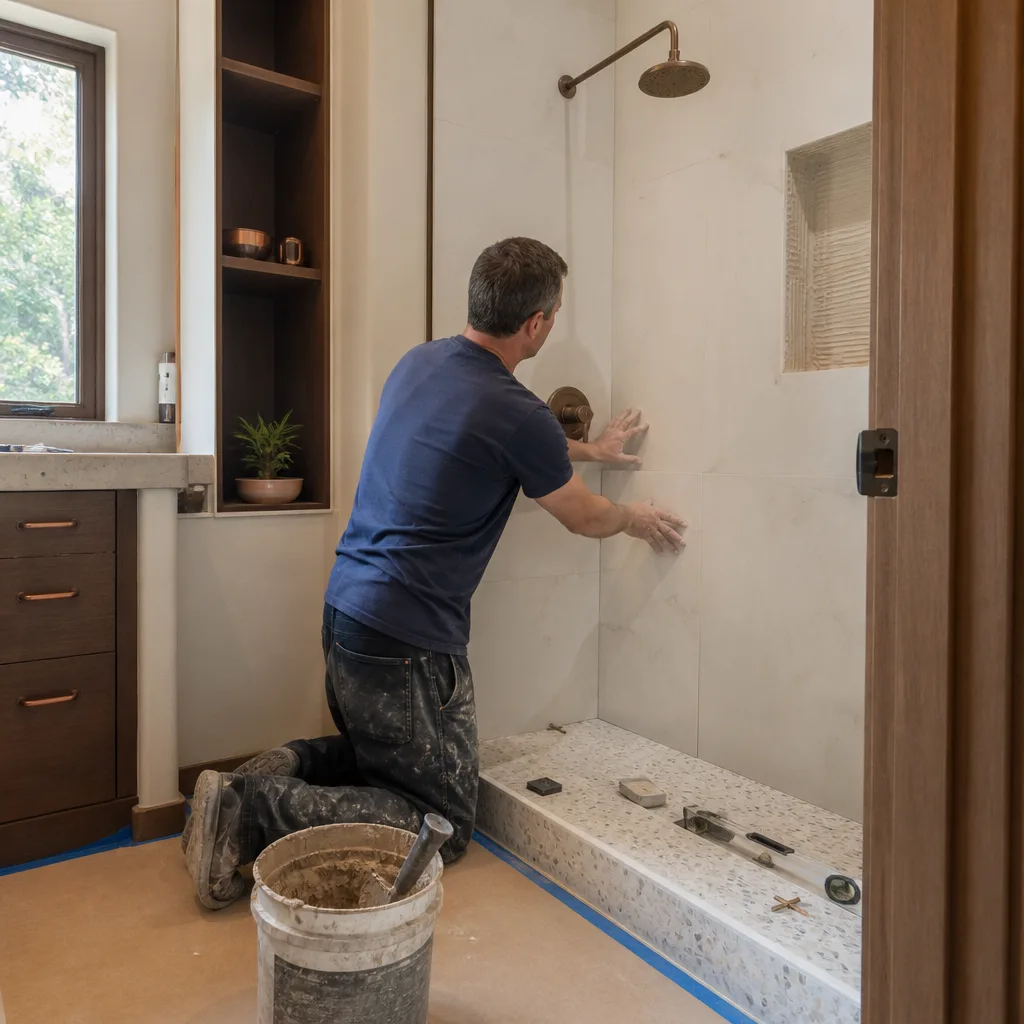
Lippage is the term for one tile edge sitting higher than the adjacent tile edge. A tiny amount (roughly 1/32 of an inch on standard tile, more on large-format) is normal. A noticeable step, or a row that catches your fingernail as you drag across, is a problem. That’s what tile setters call a “tent” in the making, and a tent means the tile will eventually de-bond from the substrate. Grout can hide lippage for a while. It cannot fix it.
Here’s what to check on the day before grout:
- Run your hand across the field. Flat is the baseline. If a tile edge catches your palm or a fingernail, note it and ask the setter to reset that tile before grout.
- Look at the joint spacing. Joints should be consistent in width across the whole wall or floor. If one section has tighter spacing than another, the layout drifted and the setter was trying to absorb the error at the end of the row. That forces a badly sized cut tile in a visible spot.
- Check pattern alignment at wall corners. A mitered edge should continue the pattern cleanly. If the tile at the corner doesn’t line up with the intended layout, the setter didn’t plan the row spacing from both directions.
- Look at the substrate. Tile set over drywall in a shower is a failure waiting to happen. The correct assembly is cement board or a bonded waterproofing membrane over a properly sloped pan. Ask what’s behind the tile, and ask to see the waterproofing before tile goes on.
- Check the niche and bench. Water is patient. A niche that slopes toward the wall, or a bench with a flat top instead of a slight pitch, means water pools, sealant fails, and the repair is expensive.
- Look at the floor drain pitch. Drop a marble on the shower floor; it should roll toward the drain from every direction. If it sits still, water will sit still, and standing water against the pan is a slow-failure setup.
Tile that fails these checks on day one fails on month six or year two, usually after the warranty conversation has gotten fuzzy. Fixing it before grout costs the contractor a reset tile and a half day of labor. Fixing it after closing costs you a tear-out.
Contract Language That Protects the Contractor, Not You
Read the contract with one question in mind: when something goes wrong, whose problem is it? Every clause either protects you or protects the contractor. A well-written contract protects you on the things you can’t control and protects the contractor on the things you can, like showing up on time and paying per the schedule.
Watch for these specific phrases, because each one shifts risk from the contractor to you:
- “Change orders at the contractor’s discretion” or “time and materials.” This language lets the contractor decide, without your approval, that a situation requires more money. It’s the single most common way a fixed bid becomes a moving target.
- “Allowances are estimates and may be adjusted.” Defensible on the surface, dangerous in practice if the allowance was set artificially low to win the bid. Ask for the number, then ask what tile, fixtures, and vanity that number actually buys.
- “Contractor is not responsible for damage to adjacent surfaces.” Some adjacent damage is unavoidable (drywall around a shower, in particular). Blanket language that covers everything means the trail of damaged mudwork, broken baseboards, and chipped flooring in the hallway is on you.
- “Final payment due upon substantial completion.” “Substantial completion” is a term that means whatever the contract defines it to mean. Get a written definition: what’s done, what’s inspected, what’s signed off. If it’s vague, you’ll be paying before the job is finished.
- “Arbitration required; no attorney fees.” Arbitration isn’t inherently bad, but a one-sided arbitration clause that also strips your right to attorney fees when you win is a clause written by the contractor’s lawyer for the contractor.
- No workmanship warranty in writing, or a warranty that excludes everything you’d actually call about. Look for the term in writing. A one-year workmanship warranty that excludes waterproofing, tile, and plumbing is close to no warranty at all.
A written, itemized scope of work with a defined change-order process, a fixed schedule with defined milestones, and a workmanship warranty you can point to is what a serious contractor hands you. When we put together a bid for a West Covina bathroom, we do it line by line because that’s the only way a homeowner can compare it to anything. The alternative is asking you to trust a number you can’t evaluate.
Post-Completion Warning Signs in the First 90 Days
The bathroom looks great on move-in day. It’s the following three months that separate a real build from a cosmetic one. West Covina’s climate runs a distinct dry season and a cool, damp winter, and the humidity cycling through a bathroom between those seasons stresses every joint, every seal, and every material connection. What looks stable in July can telegraph its future in October.
Here’s what to watch for, and what each sign usually means:
Efflorescence. That white, chalky film on grout or tile isn’t dirt. It’s salt migrating to the surface as moisture moves through the assembly. In a shower, it’s a moisture problem, often from a missing or failed waterproofing layer behind the tile or a pan that doesn’t drain properly. Clean it once and see if it returns. If it comes back within a few weeks, you have a moisture issue that needs to be diagnosed, not scrubbed.[^1]
Grout cracking at corners and changes of plane. Grout in the interior corners of a shower and where the wall meets the floor always cracks eventually; those corners are supposed to be filled with flexible sealant, not grout, precisely because movement is expected. If a contractor ran rigid grout into those joints, expect cracking. If the cracks are wider than hairline or running through the field (not just the corners), that’s a different story: it can signal substrate movement or a pan that’s flexing, and it deserves a call.
Door and drawer misalignment after the first humidity cycle. Cabinet doors and drawers that lined up perfectly on install often don’t after a season of moisture cycling. A small adjustment by the manufacturer’s own tolerances is common and easy to correct. Doors that bind, drawers that stick, and hinges that pull out of the box are a sign the cabinet wasn’t properly installed, anchored, or adjusted, and that’s on the contractor to fix, not on you.
Loose or hollow-sounding tile. Tap the floor and walls with the handle of a screwdriver. Tap a few spots every few weeks. A hollow sound means the tile isn’t bonded to the substrate, usually from thin-set that skinned over before the tile was set, or improper back-buttering on large-format tile. A hollow tile will eventually come loose, and once one goes, the fix is rarely one tile.
A rocking toilet. A toilet that rocks or shows water staining at the base means the flange or wax ring wasn’t installed correctly, or the floor is soft underneath. This one compounds quickly. Water finds the subfloor, and the subfloor finds your ceiling below.
Recurring sealant failure at the sink and tub edges. Sealant fails eventually everywhere. Failing within three months means the surface wasn’t prepped correctly or the wrong sealant was used. The fix is cheap. The reason it’s happening is what you’re paying attention to.
What a Realistic Bathroom Remodel Budget Looks Like in West Covina
Bathroom remodel costs in West Covina run along a wide range depending on the scope and the material choices, and the fastest way to catch a bad quote is to know what the real numbers look like. A tight, cosmetic refresh (new vanity, faucet, paint, and flooring) sits at the low end. A full gut remodel with relocated plumbing, new tile throughout, and a new shower assembly sits at the high end and can run well past it if structural repairs surface during demo.
Keep these anchors in mind when you compare bids:
- Cosmetic refresh: typically the lowest tier, with existing layout and plumbing untouched.
- Mid-scope remodel: new tile, new vanity, fixture replacement, often same footprint. This is the most common single-bathroom project in West Covina.
- Full gut remodel: relocated plumbing and electrical, new waterproofing throughout, custom tile, new shower valve and drain, sometimes structural repair. Priced at a premium for a reason.
If your bid comes in dramatically below the others for the same written scope, the difference is being made up somewhere. Sometimes it’s a lower overhead. Often it’s a missing allowance, an unpermitted scope, or an assumption that the subfloor and framing are fine when nobody has opened the walls yet. Ask directly: what happens to the price if the water damage behind the tub is worse than expected? A confident answer with a defined change-order process tells you more about the contractor than the number on the page.
If you’re looking at a full-scope renovation that goes beyond the bathroom into a larger footprint, it’s worth understanding how a larger project is scoped before you sign anything. A Groundwork Construction Co. of West Covina home page covers the full service lineup, and the Home Additions & ADU in West Covina guide shows what realistic structural scope looks like. For a project with a driveway or paver reset happening at the same time as the bath, the Driveway & Pavers in West Covina guide is a useful reference for how hardscape bids should be itemized.
Common Mistakes to Avoid
- Signing a lump-sum bid because it was the lowest. The lowest bid on a bathroom remodel is often the one with the most room to grow. Get three line-item bids and compare the line items, not the totals.
- Skipping the rough-in inspections to keep the schedule moving. Every hour saved by going straight to drywall is a potential tear-out later. The inspection exists to catch the problems that hide behind tile, and it’s cheaper now than at closeout.
- Choosing tile before choosing a waterproofing system. The tile is what you see; the waterproofing is what protects your house. Ask what’s behind the tile before you shop for tile.
- Letting demo start before the scope is written. A contractor who starts tearing out before the paperwork is signed is already defining the terms for you. Do not release a deposit until the contract is signed, itemized, and your questions are answered in writing.
- Paying the next milestone because the crew showed up, not because the milestone was completed. Schedule payments to milestones: demo complete, rough-in inspected, tile complete, final walkthrough. Not “week three.”
- Not asking who’s doing the plumbing and electrical. In California, plumbing and electrical work requires a licensed trade. A general contractor can’t legally sign off on a plumber’s work as if it were their own. Ask for the licensing on each trade.
- Accepting an unbranded, unmarked crew. A crew that shows up in an unmarked van and no visible identification makes it impossible for you to know who’s in your home. Background-checked, uniformed technicians are the baseline, not the upgrade.
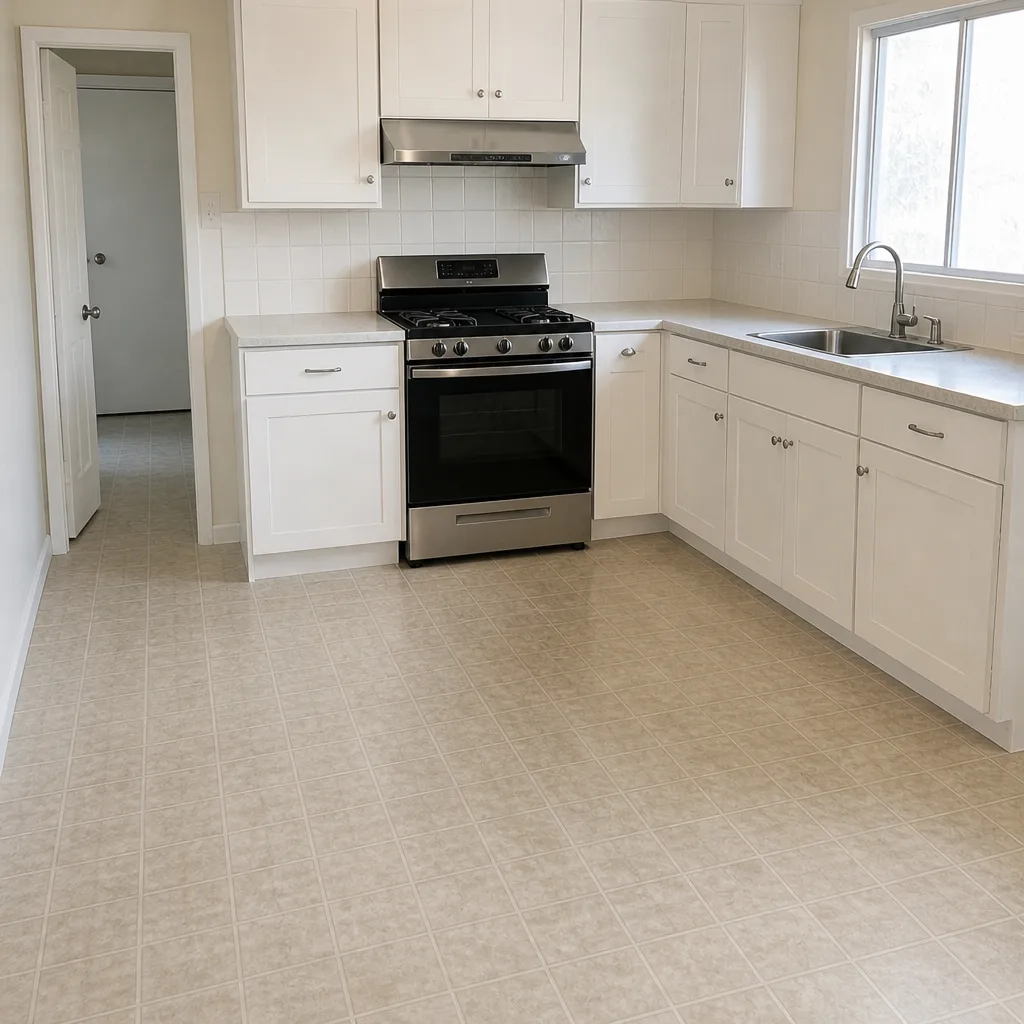
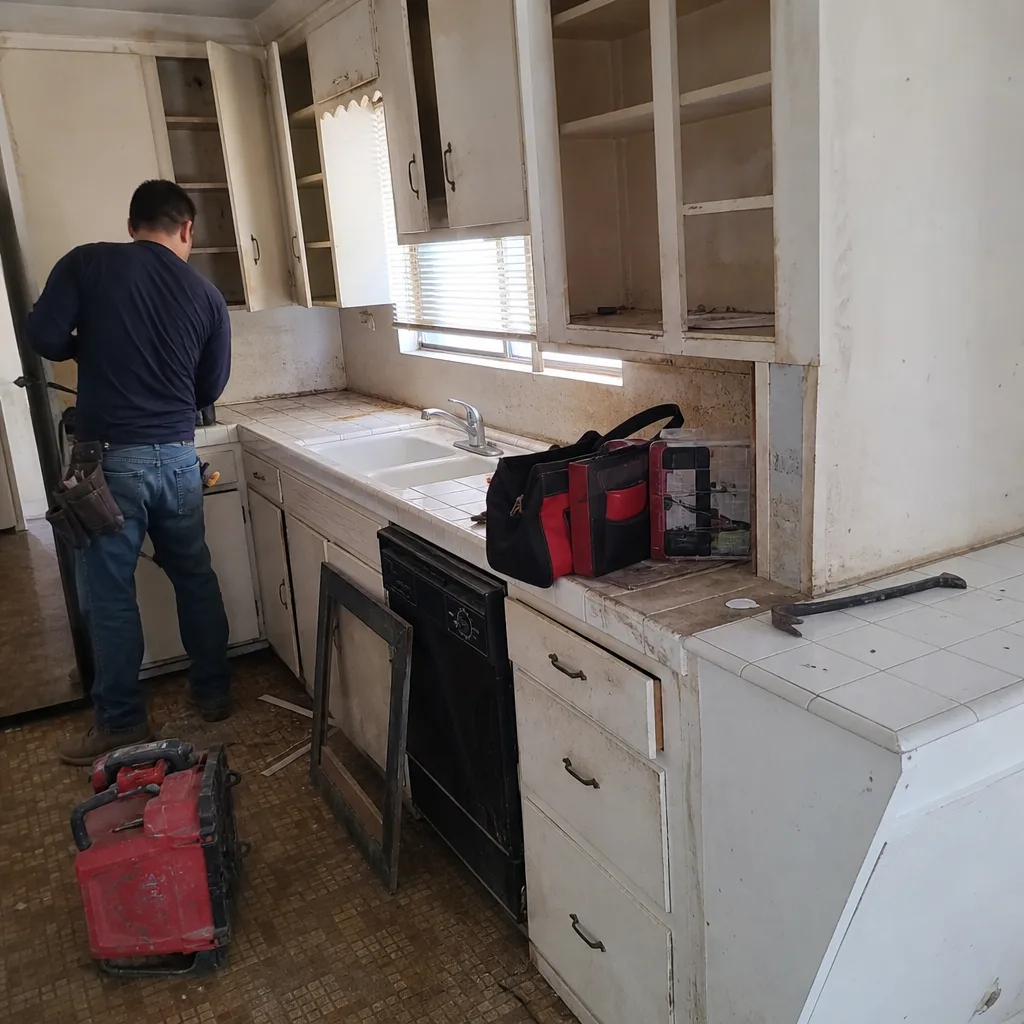
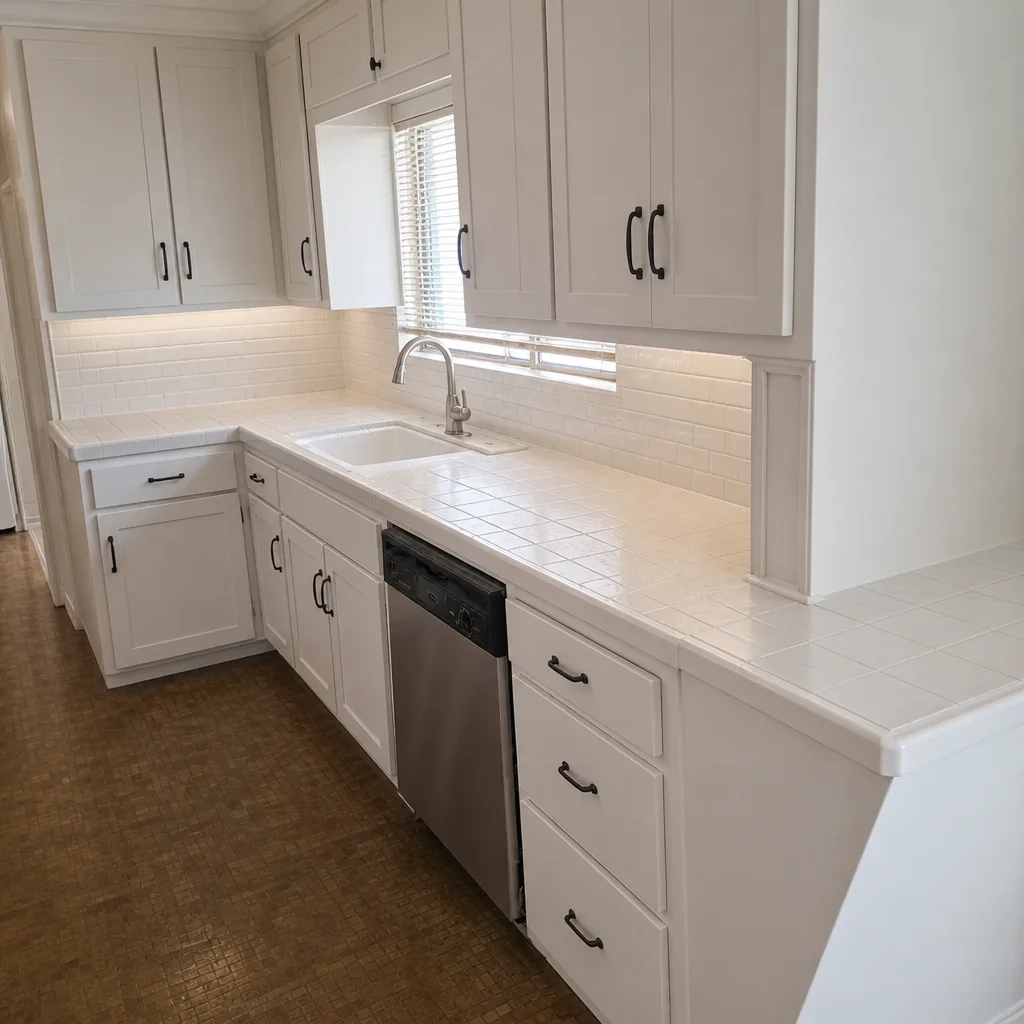
See the difference
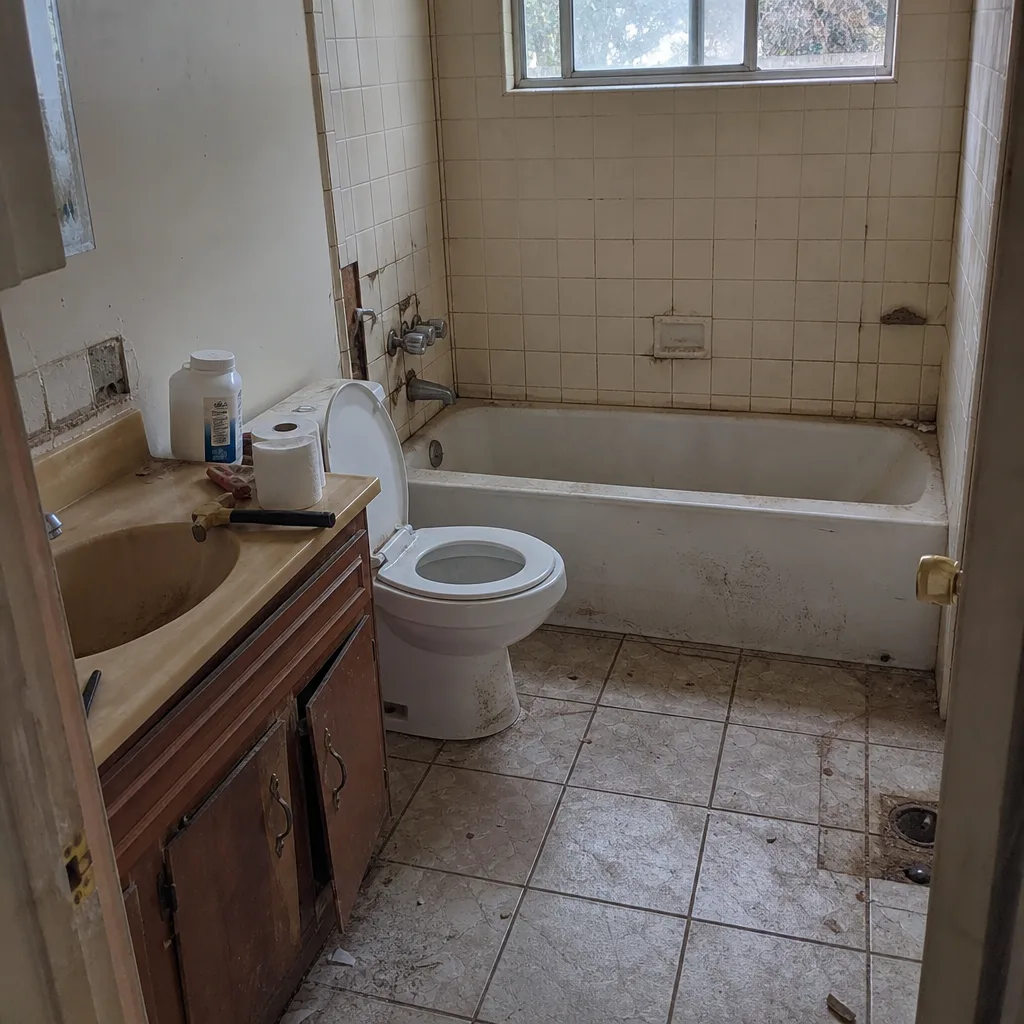 Before
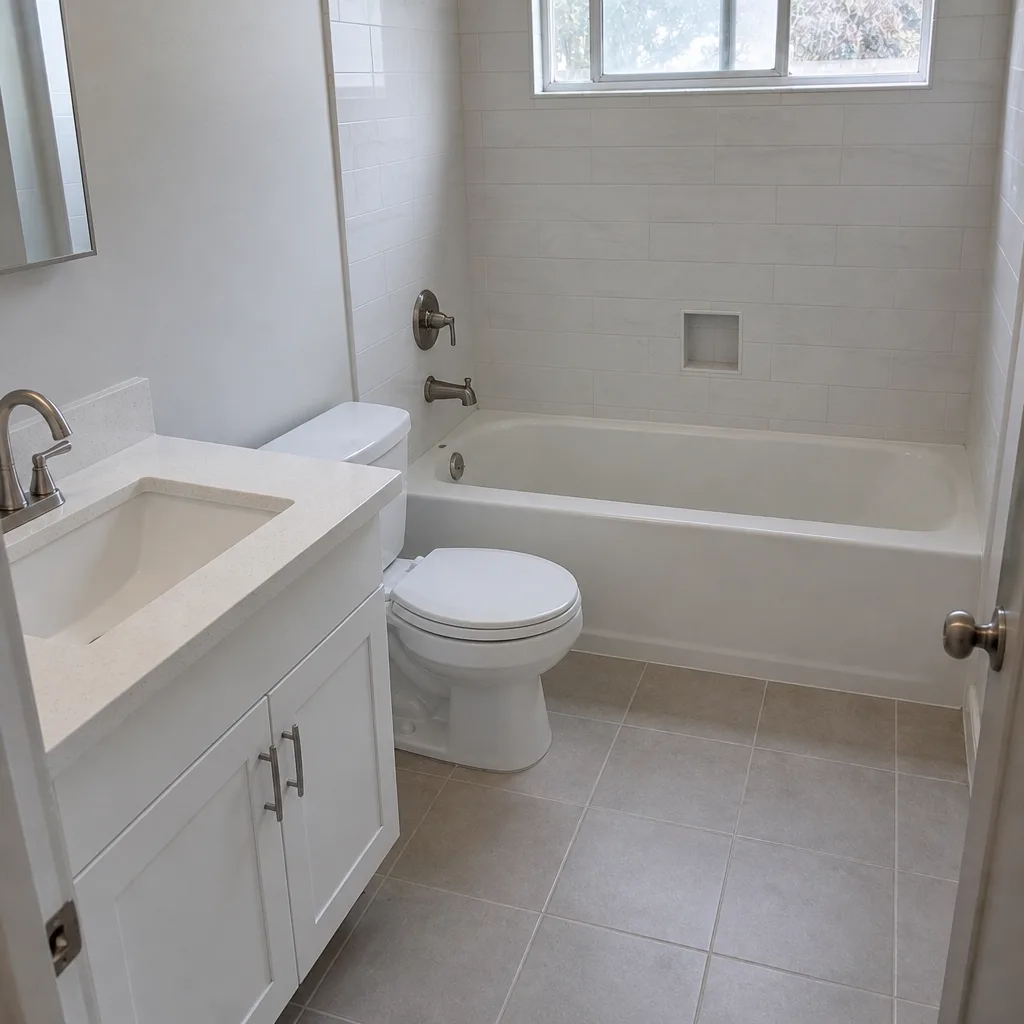 After
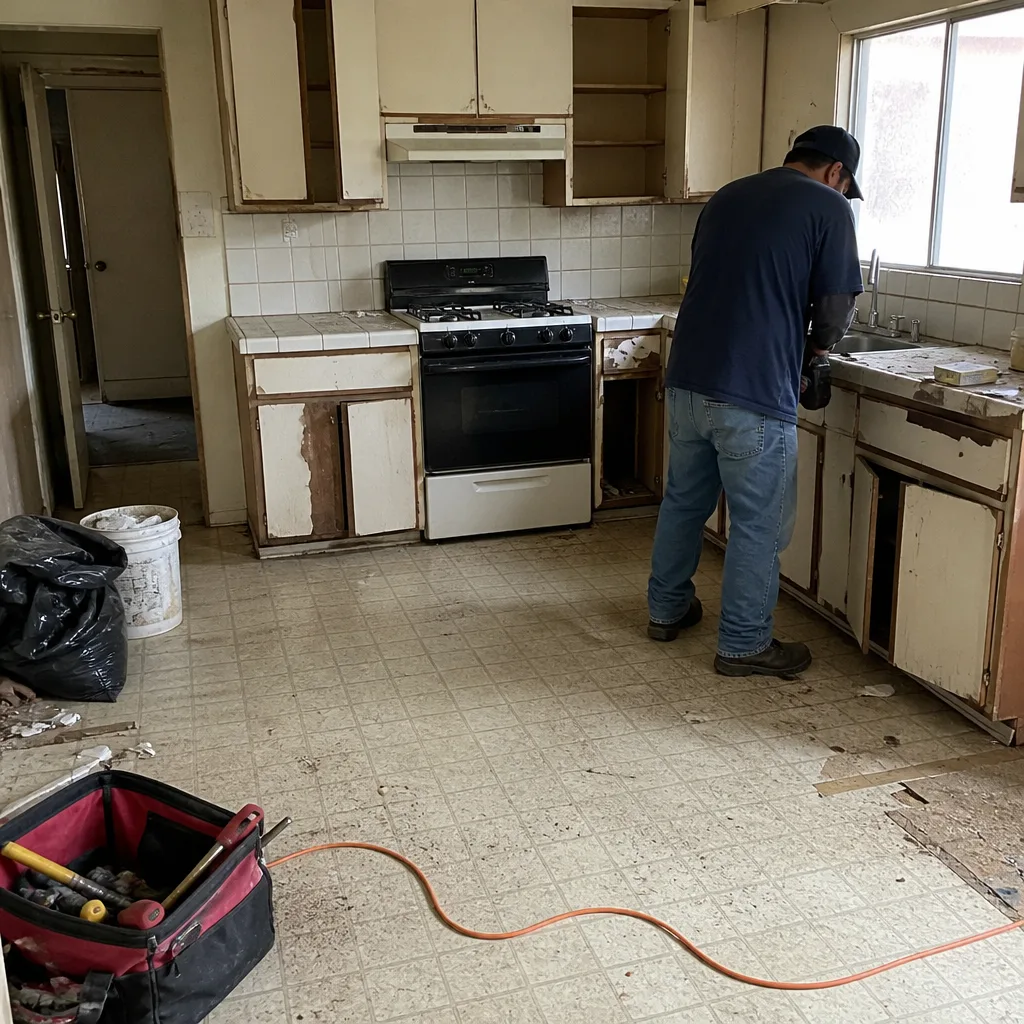 Before
 After
 Before
 After
When to Call a Professional
Call a professional when the warning signs start arriving in clusters, when the contractor refuses to put the scope in writing, when a permit is being dodged, or when the work has already stalled for a week with no written schedule. Call when you’ve seen lippage or a hollow tile and the setter wants to grout over it. Call when the efflorescence comes back, when the grout cracks wider than a hairline, or when the toilet starts to rock. These are all the kind of signals that deserve an independent professional set of eyes before another payment changes hands. Groundwork Construction Co. of West Covina offers free estimates in West Covina, and a written, line-item bid you can compare alongside whatever else you’ve been handed. Call (844) 662-2335.
Frequently Asked Questions
A single lump-sum number with no line items is the biggest red flag in a bathroom quote. It means you can’t compare the bid to any other bid, you can’t see how much is going to materials versus labor, and the contractor has built in room to adjust the price after demo without your approval. Ask for a written, itemized scope of work before signing anything. If you don’t get it, call (844) 662-2335 for a free estimate with line-item pricing.
No. California Business and Professions Code Section 7159.5 limits the down payment on a home improvement contract to 10% of the contract price or $1,000, whichever is less. A contractor asking for 30% or 50% upfront is violating the statute, and it usually signals that the money is being used to fund other projects. If you’re being pushed toward a larger deposit in West Covina, get a second bid and call (844) 662-2335 for a free estimate.
Run your hand across the field: flat is the baseline, and any tile edge that catches your fingernail is lippage that needs to be reset before grout. Then check joint spacing for consistency, look at pattern alignment at wall corners, and drop a marble on the shower floor to confirm it rolls toward the drain from every direction. If any of these checks fail, ask the setter to fix them before grouting. Call us at (844) 662-2335 if you want an independent look at a job in progress.
Efflorescence on new grout is a moisture indicator, not a cosmetic issue. In West Covina’s climate, a bathroom that cycles between damp winters and dry summers stresses the assembly, and white chalky film coming back within a few weeks of cleaning means moisture is moving through the tile system. The cause is usually missing or failed waterproofing behind the tile or a shower pan that doesn’t drain properly. Get it diagnosed before the repair gets expensive. Call (844) 662-2335 for a free estimate on the diagnostic and repair.
Most do. Bathroom remodels in West Covina that move or add plumbing fixtures, relocate electrical outlets or lighting, or add ventilation typically require a permit through the city’s Building Division. The permit process generates the rough-in and final inspections that are your only independent verification of the work behind the walls. A contractor who discourages permits is a contractor discouraging inspection. If you’re being told a permit isn’t needed, call (844) 662-2335 for a free second opinion.
A cosmetic refresh can finish in a couple of weeks; a mid-scope remodel typically runs four to six weeks; a full gut remodel with relocated plumbing and a custom shower usually runs six to ten weeks. The single biggest driver of schedule slipping is demo revealing problems the contractor didn’t plan for: soft subfloor, hidden leaks, or out-of-code framing. A written schedule with defined milestones, plus a defined change-order process, is how you keep the job on track. Call (844) 662-2335 for a free estimate and a written schedule.
The Bottom Line
The warning signs of a failing bathroom remodel are readable, and they show up early. A quote with no line items, a request for more than 10% upfront, a contractor discouraging permits, a crew that starts demo before the scope is signed: these aren’t personality quirks. They’re a business model that puts the risk on you. On site, the signals are lippage before grout, inconsistent joint spacing, and skipped rough-in inspections. After completion, efflorescence, corner grout cracking, and misaligned cabinet doors tell you whether the build behind the surface is real. Read the job, not just the invoice, and ask for everything in writing. That’s the difference between a bathroom that holds up for fifteen years and one you’re tearing out in three.
Groundwork Construction Co. of West Covina builds bathrooms the same way we’ve built every project: from foundation to finish line, with a curated set of brand partners like Wellborn and Cambria in the bathroom and kitchen, a 730-Day Done Right Promise on the workmanship, and background-checked, uniformed technicians on every job. Our technicians have up to 12 years of experience, and pricing is upfront: the number you see is the number you pay, with 0% financing for 18 months and $1,000 off projects over $10,000 available. We pull permits, pass inspections, and hand you the signed card at closeout. Call (844) 662-2335 to schedule your free estimate and design consult. Calls are answered by a live person, 24/7, so you’re not waiting until Monday to get a straight answer about your bathroom.
Written by the team at Groundwork Construction Co. of West Covina.
[^1]: This is a general statement about efflorescence behavior; specific diagnoses require an on-site evaluation.