
Free written scope consultation - allowances, timeline, and change-order rules on paper before a single trade is scheduled
Chain Link Fence in La Verne, CA: What It Costs and How Long It Takes
A chain link fence in La Verne typically runs $3,500 to $9,000 for a standard residential lot, and most jobs are finished in three to five working days. The number moves with linear footage, height, gate count, and how much old fencing has to come out first. If you’re pricing a chain link fence in La Verne right now, call (844) 662-2335 and we’ll walk your property, measure the run, and hand you a written line-item estimate before you commit to anything.
How We Build a Chain Link Fence in La Verne, Start to Finish
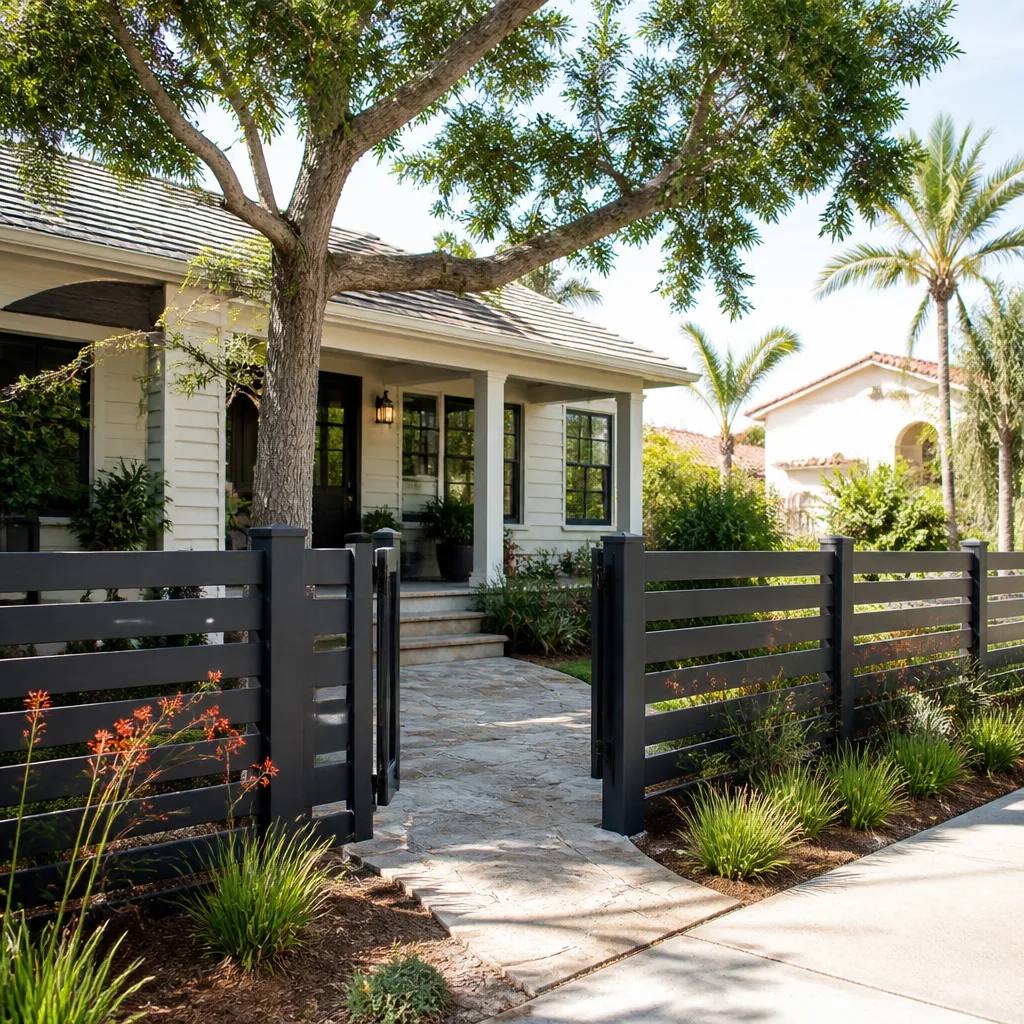
Chain link looks simple from the street. It isn’t. A fence that sags or leans after one Santa Ana wind season was built by someone who skipped steps, and we don’t skip them.
Day 1: Walk the line and locate everything underground
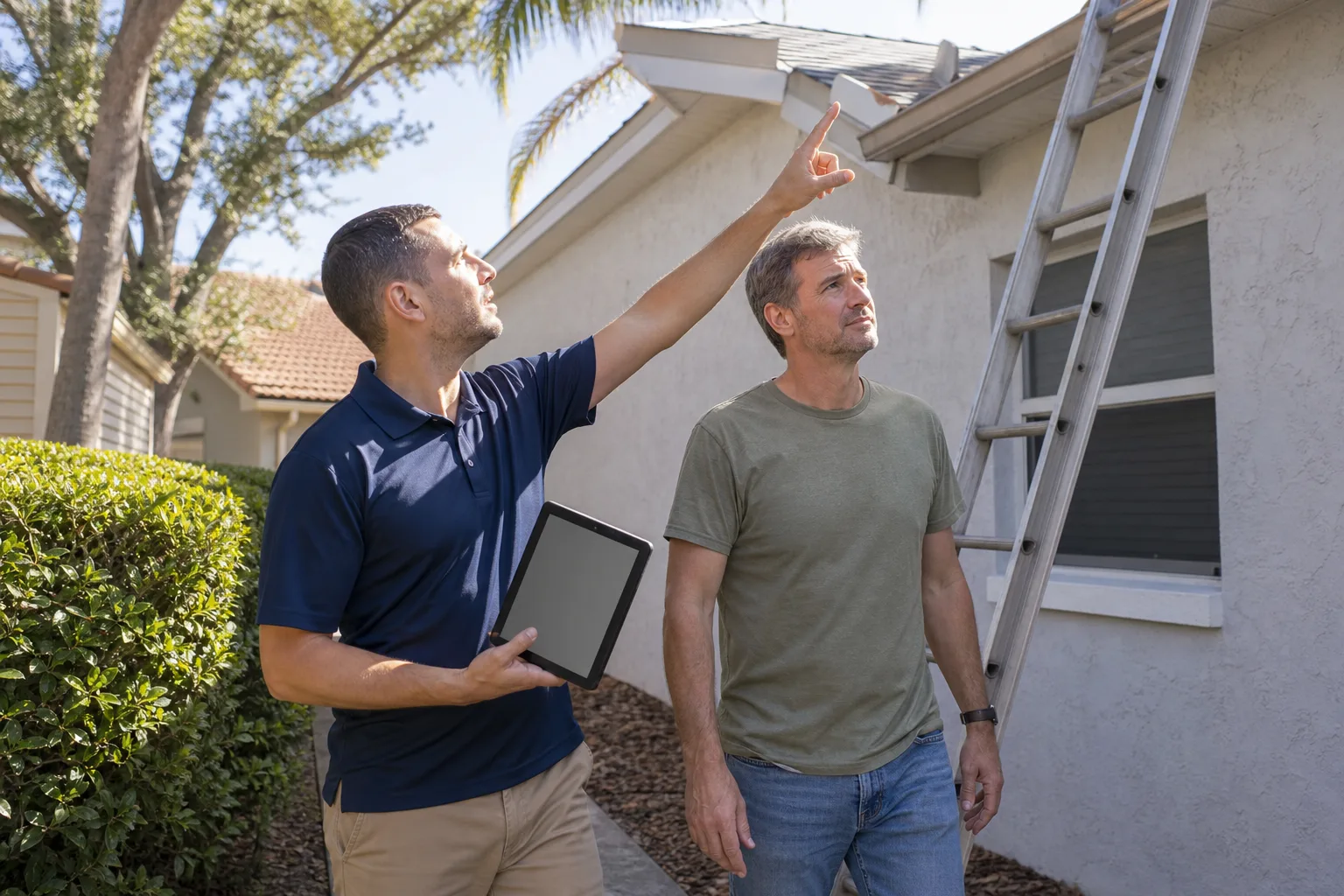
Before a shovel touches dirt, we call for utility locating across the entire run. On older La Verne lots with mature landscaping, irrigation lines and old galvanized stubs run in directions nobody documents. We mark the corners, confirm setbacks, and settle gate placement with you on site, because that’s the one decision that’s expensive to change later. This visit runs two to three hours.
Day 1 – 2: Demo and prep
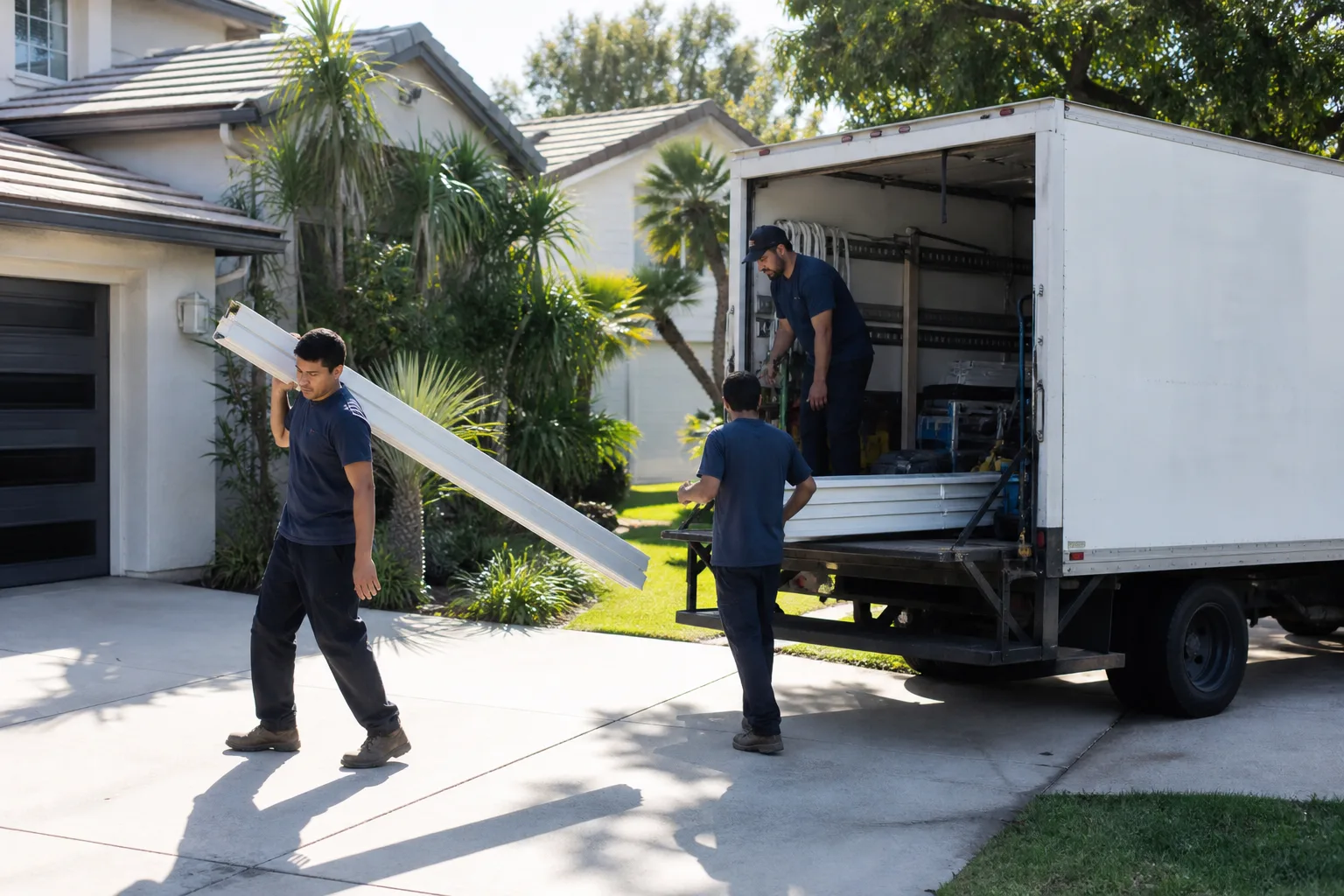
Old chain link, rotted wood posts, and concrete footings come out first. Posts set in concrete get pulled or cut at grade and the holes re-dug. If the existing fence is sound, we cap and reuse posts where geometry allows, which saves you money. Everything gets stacked and hauled off the same day, so your yard isn’t a debris field overnight.
Day 2 – 3: Set posts and pour footings
This is where the wind resistance lives. Terminal posts, corner posts, and gate posts get larger-diameter pipe and bigger footings than line posts, because those are the points that take the load when wind pushes on a long run. We set line posts on a consistent 8 to 10 foot spacing, plumb them, and pour concrete footings below the typical frost line depth for the valley floor. Footings cure before any tension goes on the fabric.
Day 3 – 4: Rails, fabric, and tension
Top rail goes in with sleeve couplings, the fabric gets stretched with a tension bar and stretcher rather than hand-pulled, and the bottom gets a tension wire instead of a bottom rail if you’re watching budget. Barbed wire and privacy slats, if you’re adding them, go on last. We tension to the point of a taut, dead-flat fabric with no oil-canning between posts.
Day 4 – 5: Gates, hardware, cleanup
Gate swings, latch alignment, and self-closing hardware get set and tested by hand, several times, in front of you. If this is part of a bigger project, it’s often the last piece after the Fence Installation in La Verne scope is planned out. Final walkthrough, then we grade the disturbed strip and leave the site clean.
Styles & brands we work with
- Kitchen remodeling
- Bathroom remodeling
- Home additions & ADU
- Roofing
- Windows & doors
- Driveway & pavers
- Fence
The Chain Link Options You’ll Actually Choose Between
Most homeowners spend their decisions in four places. Here’s the honest trade-off on each.
- Fabric gauge and coating. Standard residential is 11.5-gauge galvanized; 9-gauge is heavier, tighter, and lasts noticeably longer but adds cost across the whole run. Vinyl-coated fabric (usually green or black) costs more upfront and hides the fence visually against landscaping far better than bare galvanized.
- Height. Four feet is the common residential default. Five feet is the common step up where dogs or kids are the concern. Six feet and above is where both cost and local scrutiny climb, and where you should expect to talk setback with the city before we order material.
- Posts and framing. Schedule 40 pipe is the upgrade over standard line-post weight and holds up better to long spans and gate loading. A top rail with a tension wire bottom is the budget-friendly standard; full top and bottom rail is stiffer and cleaner looking but costs more.
- Gates. Walk gates and drive gates are priced separately, and drive gates get heavier frames and often a drop rod or caster. If you’re adding a gate for vehicle access, decide now, not after footings are poured.
For anyone layering in a backyard structure or separate unit behind the fence line, ADU Site Prep & Utilities in La Verne is a common pairing, since both trades need the same utility locating and grading work before anything goes in the ground. Recent accessory builds from Boxabl and Mighty Buildings have also made backyard layouts a real planning conversation, and fence placement usually gets decided alongside them.
What Chain Link Fence Costs in La Verne, CA
For a typical residential lot in La Verne, expect $3,500 to $9,000 installed. Here’s the line-item view of what’s inside that number.
| Item | Typical range |
|---|---|
| Standard residential run, 4 ft, galvanized, top rail | $2,200 – $4,800 |
| Heavier 9-gauge or vinyl-coated fabric upgrade | $600 – $1,800 added |
| Height upgrade to 5 – 6 ft | $400 – $1,500 added |
| Walk gates and drive gates, installed | $350 – $1,200 each |
| Demo and haul-away of existing fence | $300 – $900 |
| Privacy slats or windscreen | $4 – $9 per linear foot |
| Full project range, most La Verne residential jobs | $3,500 – $9,000 |
Four variables push a job toward the top of that range. Linear footage is the obvious one. Then existing condition, because a fence line with mature trees, tree roots, or an old concrete mow strip means slower digging and sometimes a jackhammer. Gate count and gate width add hardware and heavier framing. Height and material grade stack on top of each other. And permit scope is the wildcard, since a taller fence on a corner or view lot can pull in extra review.
A written estimate from us covers posts, fabric, hardware, concrete, and haul-away as separate lines. It won’t hide a mobilization fee or a dumpster charge. What it usually doesn’t include: removing large trees or stumps in the fence line, retaining wall work where the grade drops steeply, and gas or electrical relocation if a utility line sits where a post needs to go. We flag those before work starts, not after. That’s what “upfront pricing, no surprises” means in practice, and every job is backed by our 730-Day Done Right Promise.
See the difference
 Before
 After
 Before
 After
 Before
 After
What La Verne Homes Specifically Do to This Job
Where a chain link fence goes in matters as much as how it’s built. The older core of La Verne, from the historic downtown through the University of La Verne neighborhood, is mostly 1920s to 1950s ranch and Craftsman housing on raised foundations with mature trees and settled soils. Out there, posts often hit old concrete walk edges, irrigation runs, and root systems, so we plan for slower digging and budget a little extra prep. Closer to the foothills, where newer custom homes climb the slopes, the challenge flips: wind exposure is higher and grade drops fast, so post spacing tightens and retaining or stepped fencing becomes part of the conversation.
Exterior work in the downtown and University area can also require design review on top of a standard permit, so we check the requirement against your address before material gets ordered rather than after. That single step saves weeks. And because summer heat and Santa Ana wind events both hammer this valley, we spec heavier corner and terminal posts on any long, exposed run, which is the difference between a fence that stays plumb and one that leans by the third season. We plan every chain link fence in La Verne around the specific address, not a generic template.
Serving La Verne, CA – Our Local Coverage Area
We serve La Verne and nearby communities. Use the map below to see the area we cover. If you’re nearby, we can almost certainly help.
Frequently Asked – Chain Link Fence in La Verne

Most residential chain link fence jobs here take three to five working days from demo to final walkthrough. A short run with good soil and no old fence to remove can finish in two. Heavy demo, tree roots, or a long run with multiple gates push it toward the five-day end, and we tell you which one you’re looking at before we start.
Often no for a standard residential-height fence, but it depends on height, corner lots, and whether your property sits in an area with design review or HOA requirements. We check your specific address against the city’s rules and the HOA’s CC&Rs before ordering anything, so a surprise stop-work order never happens mid-job. Call (844) 662-2335 and we’ll tell you what your address needs.
In most cases yes. We locate utilities first, then work around irrigation lines and existing plumbing rather than through them. If a post needs to move to clear a line, we adjust the layout on site, and you approve the change before we pour. Large trees and stumps in the fence line need separate removal, which we’ll quote upfront.
Plan on roughly $25 to $50 per linear foot installed for a standard residential run, depending on height, gauge, and coating. Gates, demo, and privacy slats are priced separately. Whole-project totals for La Verne land between $3,500 and $9,000 for most residential lots, and estimates from us are free.
Our chain link fence installs are covered by the 730-Day Done Right Promise: if it’s not done right, we make it right. That covers workmanship like posts that shift, fabric that sags, and gates that hang wrong after settling. Manufacturer coverage on the steel itself runs longer, and we’ll walk you through what’s what in writing.
Get Your Chain Link Fence Estimate in La Verne
We’ll come out, measure the run, check setbacks and any design review requirement for your address, and leave you with a written line-item estimate for your chain link fence in La Verne. Free, no obligation, and the number doesn’t change once work starts. If your project also touches doors or fencing at the house itself, Door Installation in La Verne pairs naturally with the work. See our broader Fence Installation service or the full La Verne coverage area. Call (844) 662-2335 to schedule your free estimate.
Written by the team at Groundwork Construction Co..