Last updated November 18, 2026
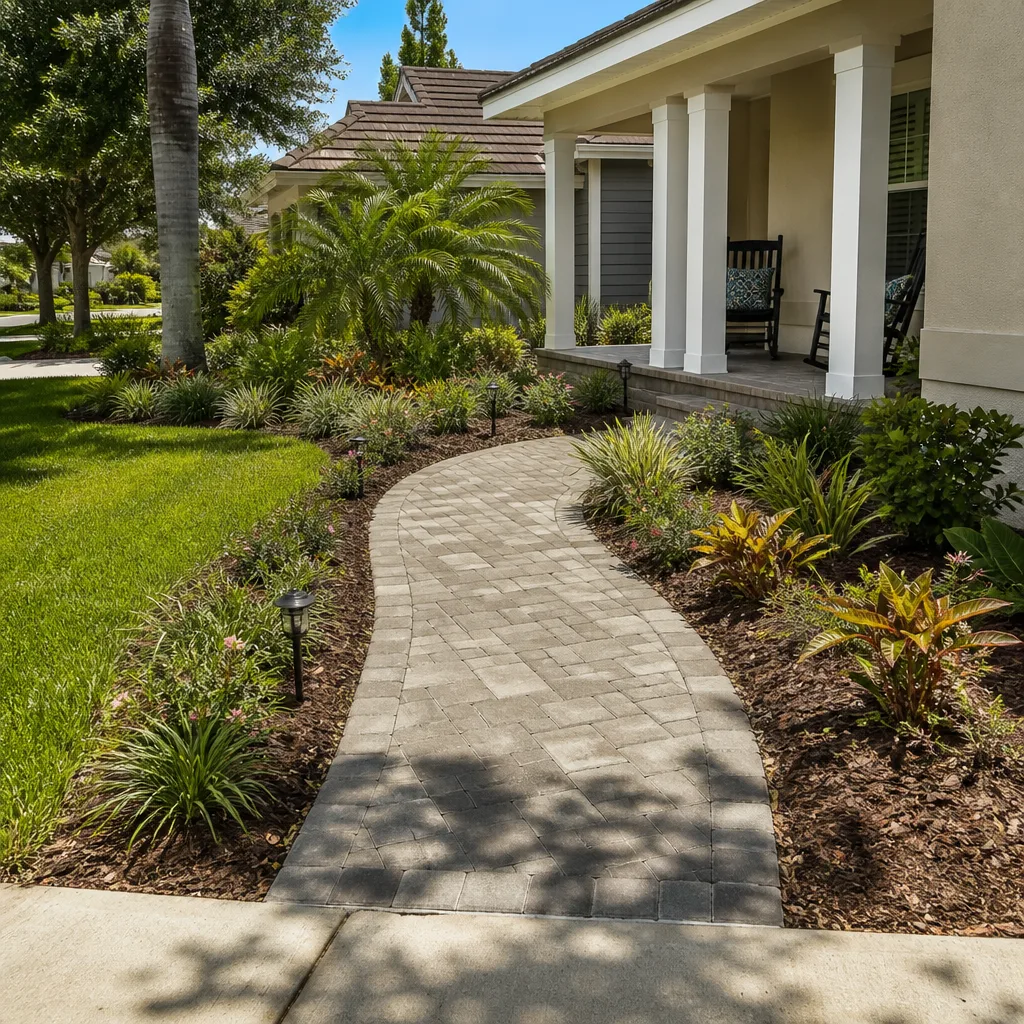



Free written scope consultation - allowances, timeline, and change-order rules on paper before a single trade is scheduled
Construction Warning Signs: A West Covina Homeowner’s Reference Guide
A hairline crack in a driveway is usually nothing. A hairline crack running parallel to the garage foundation with a slight vertical offset is a different conversation entirely, and most homeowners can’t tell the difference until someone shows them what to look for. That gap in knowledge is where small repairs quietly become five-figure projects. In our experience working properties across West Covina, the expensive failures we get called out to fix almost always had a visible warning stage months earlier, back when the fix cost hundreds instead of thousands. This guide teaches you to read your own property the way a contractor reads it, so you catch problems while they’re still cheap.
Quick Answer
Construction warning signs on a West Covina home fall into three categories: structural movement (cracks with offset, sticking doors, sloping floors), water and drainage failure (pooling, staining, saturated soil along the foundation), and workmanship defects (settled flatwork, uneven grout, improper hardscape slope). Most of these are visible to a homeowner with a trained eye and a tape measure, and catching them early is the difference between a $400 repair and a $14,000 rebuild.
Styles & brands we work with
- Kitchen remodeling
- Bathroom remodeling
- Home additions & ADU
- Roofing
- Windows & doors
- Driveway & pavers
- Fence
Table of Contents
- Cosmetic vs. Structural Cracking: How to Tell the Difference
- Drainage Warning Signs in West Covina Yards
- What Deferred Maintenance Actually Looks Like
- Workmanship Warning Signs You Can Spot Before a Project Is Finished
- How to Document and Photograph Warning Signs
- Trade-by-Trade Checklist: Roof, Windows, Concrete, Fence
- Seasonal Patterns Specific to West Covina
Cosmetic vs. Structural Cracking: How to Tell the Difference
Not every crack is a crisis. Concrete shrinks as it cures, stucco flexes with temperature swings, and masonry mortar develops fine lines over time. The question isn’t whether you have cracks. It’s whether the cracks are moving. A cosmetic crack is one that appeared early, stopped growing, and hasn’t changed width or position. A structural crack is one that’s actively widening, has visible offset (one side of the crack sits higher or lower than the other), or runs in a pattern that follows forces rather than surface texture.
The patterns matter more than the width. Here’s what to watch for:
- Hairline shrinkage cracks in a driveway or patio: typically cosmetic. They appear as a spiderweb or short random lines, especially on the surface only, and don’t have offset.
- Diagonal cracks at corners of windows or doors in stucco: these often indicate movement at the framing or foundation, especially when they repeat on multiple openings.
- Cracks running parallel to a foundation wall with vertical offset: this is the pattern we flag most urgently. It signals differential settlement, where one part of the slab or footing is dropping relative to another.
- Stair-step cracks in brick or block: mortar joints cracking in a staircase pattern usually follow the path of least resistance in a moving wall.
- Any crack wider than a quarter inch, or one you can fit a coin into: worth a professional look regardless of pattern.
The measurement trick: mark both ends of a crack with a pencil and write the date next to each mark. Check it again in 30 days. If the crack has grown to touch or pass the marks, it’s active. Width change of even 1/16 inch over a month is a data point a contractor needs.
What we see specifically in West Covina
Much of West Covina’s housing stock went up in the 1950s through the 1970s, and a lot of it sits on expansive clay soils that swell when wet and shrink when dry. That soil behavior produces a specific crack pattern: seasonal movement that opens in late summer and closes after winter rains. A crack that cycles open and closed year after year without ever fully closing back is a slow structural signal, not a cosmetic one. In neighborhoods like Shadow Oak and the streets off Cortez Park, we regularly see this pattern on older slab-on-grade homes, and it’s often paired with sticking interior doors that only stick in dry months.
Drainage Warning Signs in West Covina Yards
Water does more damage to West Covina properties than almost anything else, and it does it slowly enough that homeowners miss the progression. The core principle: water should leave your property quickly and never sit against the foundation, a retaining wall, or the base of a fence. When it can’t, it finds the weakest point and works on it for years.
Walk your property after a real rain and look for these signals:
- Pooling that lasts more than 24 hours. A puddle that’s gone by morning is fine. Water still standing two days later means the grade is flat or negative in that spot.
- Muddy or eroded soil lines along the foundation. This is evidence that roof runoff is dumping directly at the base of the house rather than being carried away.
- Efflorescence. That white, chalky powder on concrete, stucco, or masonry is salt pushed to the surface by moisture moving through the material. It’s a moisture signal, not a stain.
- Soft or spongy ground near a downspout. If your heel sinks, the subgrade is saturated, and repeated saturation under flatwork leads to settlement.
- Water stains on the inside of the garage wall or at the base of exterior walls. By the time you see interior staining, the water has been traveling for a while.
- Heaved or dipping sections of driveway or walkway. Flatwork that has moved unevenly is usually sitting on soil that’s been alternately soaked and dried.
West Covina sits in a basin with hillside neighborhoods to the north and flatter areas to the south, so drainage problems aren’t uniform across the city. On sloped lots off Cameron and in the hillside areas, the issue is usually water running onto a property from above, which means the fix is often a swale, a retaining element, or a redirect at the property line. On flatter lots, the issue is more often poor positive drainage away from the structure. If your hardscape has started to shift, that’s a good moment to look at Driveway & Pavers in West Covina as a redesign opportunity rather than a patch, because re-grading under new pavers fixes the cause instead of covering it.
What Deferred Maintenance Actually Looks Like
Deferred maintenance is a chain reaction, not a single event. Every skipped repair creates conditions for the next, and the sequence is predictable enough that we can usually tell from a walkthrough which stage a property is in. Here’s the visual progression most homeowners don’t recognize until it’s advanced.
- Stage 1: The first visible symptom. A cracked caulk joint, a lifted shingle, a small stain on a ceiling, a gate that drags. Individually these look minor, and they are, at this stage. Cost to fix: often under $500.
- Stage 2: Secondary damage. The caulk joint lets water into the wall assembly; the lifted shingle becomes a leak that reaches the sheathing; the dragging gate tears its hinges out of the post. Now you’re repairing a component, not a cosmetic item. Cost: $800 to $3,000.
- Stage 3: Hidden damage. Water has been entering for a season or more. You’re looking at rotted framing, delaminated roof decking, or a fence post that’s gone soft below grade. The visible damage is a fraction of the real scope. Cost: several thousand, and often more.
- Stage 4: Structural compromise. The damaged component is now affecting what it supports. A rotted post takes the fence panel with it. A compromised roof section loads the framing differently. A soft fascia board opens the rafter ends to rot. Cost: significant, and the work touches multiple trades.
In West Covina, the fastest deferred-maintenance chain we see runs through fences and roofs. A wood fence post that’s gone soft at the base after a wet winter is a small problem until a wind event takes the panel down. That’s why we often tell homeowners that a fence inspection after the rainy season is cheaper than a fence replacement in the fall. The transition from a repair-replace decision to a full rebuild is exactly what Fence Installation in West Covina addresses, and catching it at stage 2 keeps you out of stage 3 and 4 entirely.
Workmanship Warning Signs You Can Spot Before a Project Is Finished
You don’t need to be a contractor to evaluate workmanship. You need to know where to look and what “right” looks like. The window between a project’s midpoint and its closeout is when most defects are still correctable at no cost to you, so this is the phase to pay attention.
Fresh flatwork and pavers
- Ponding after the first watering or rain. New concrete or pavers should drain. Standing water in a low spot within days of installation means the subgrade wasn’t graded correctly, and it won’t fix itself.
- Uneven control joint lines or a joint that runs off course. Joints that wander or don’t line up across slabs are a sign of rushed layout.
- Settlement within the first month. A paver that’s dipping or rocking while the rest of the field is level is a base compaction issue.
- Grout or joint sand washing out immediately. New installs should hold their joint material through normal weather.
Tile and grout
- Inconsistent grout line width. Grout lines should be uniform. Visible variation across a wall or floor means the layout wasn’t planned or the tile wasn’t set evenly.
- Lippage. Run your hand flat across tile joints. A tile edge that catches your palm is a lippage problem and a future trip hazard.
- Hollow-sounding tile. Tap a few tiles with a plastic tool. A dead thud instead of a sharp click means the tile isn’t fully bonded and may come loose.
Hardscape slope
Paved surfaces, patios, and walkways all need positive slope away from structures. The rule of thumb many crews use is a minimum 2% slope on new hardscape, meaning about a quarter inch of fall per foot of run. If water runs back toward the house rather than away, the slope is wrong, and no amount of surface sealing will fix it.
Exterior caulking and trim
Caulk lines should be continuous, tooled, and bonded to both surfaces. If you can see gaps, runs, or caulk that’s already pulling away within weeks of installation, the prep was rushed. This is the exact joint that starts the deferred-maintenance chain described above.
How to Document and Photograph Warning Signs
Good documentation turns “something looks off” into an assessment a contractor can respond to the same day. It also protects you if a warranty claim or insurance conversation ever comes up. The method is simple, and it takes about ten minutes per concern.
- Wide shot first. Take a photo showing the whole wall, roof section, or driveway so the location is obvious. Include recognizable context like a downspout, window, or corner.
- Mid shot. Move closer and capture the specific area of concern along with surrounding material so the scale is readable.
- Close-up with a scale reference. Take a final photo with a coin, ruler, or tape measure laid next to the crack or flaw. A photo of a quarter next to a crack is worth ten photos without one.
- Measure and record. Note the width and length in a text note or email to yourself, along with the date. “Crack at NE corner of garage, 1/8 inch wide, 18 inches long, dated March 3” is the kind of note that lets a contractor diagnose remotely.
- Mark and date the cracks. Pencil a short perpendicular line at both ends of the crack with the date written beside each. Photograph the marks. This creates a measurement record you can compare in 30 and 60 days.
- Record water behavior, not just water damage. A short video of water flowing during a rain event is often more diagnostic than a photo of a stain afterward.
When you call, share the photos. A contractor who knows what to look for can usually tell you from three good photos whether a crack is cosmetic or whether a site visit is warranted, and that saves everyone a trip. For a comprehensive assessment across roof, windows, hardscape, and structure at once, a single free estimate visit from Groundwork Construction Co. of West Covina home lets one team read the whole property instead of fixing issues trade by trade.
Trade-by-Trade Checklist: Roof, Windows, Concrete, Fence
Different components fail in different ways, and the warning signs cluster by trade. Here’s the short list we’d hand a West Covina homeowner who wanted to walk their property once a quarter.
Roof
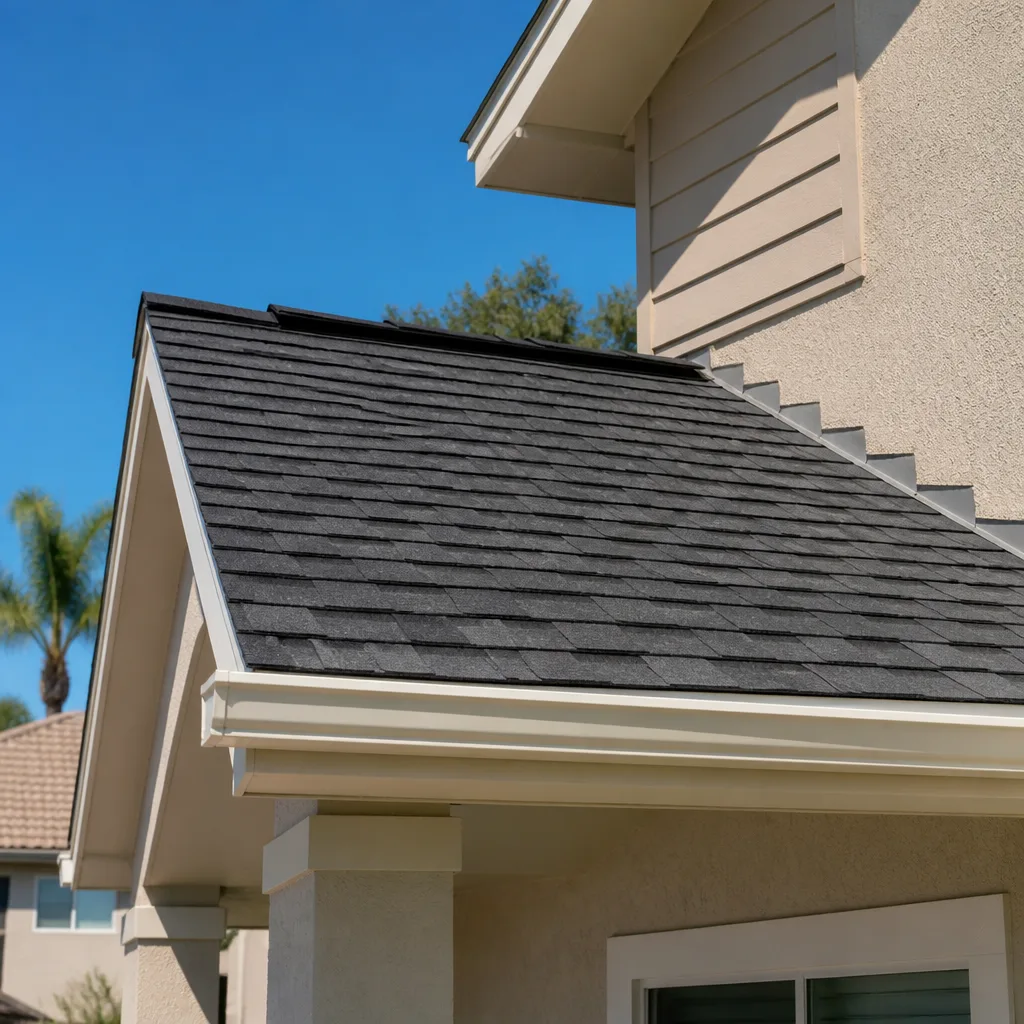
- Lifted, curling, or missing shingles on the south and west-facing slopes, where UV exposure is highest.
- Granule accumulation in gutters. Heavy granule loss is a shingle-age signal.
- Dark streaks or moss on north-facing slopes: often algae or trapped moisture from poor attic ventilation.
- Staining on the underside of roof sheathing in the attic after a rain. A GAF or Owens Corning shingle system installed correctly should stay dry, and if it doesn’t, the flashing or underlayment is the suspect.
Windows and doors
- Moisture between panes on a dual-pane unit means the seal has failed and the insulating value is gone.
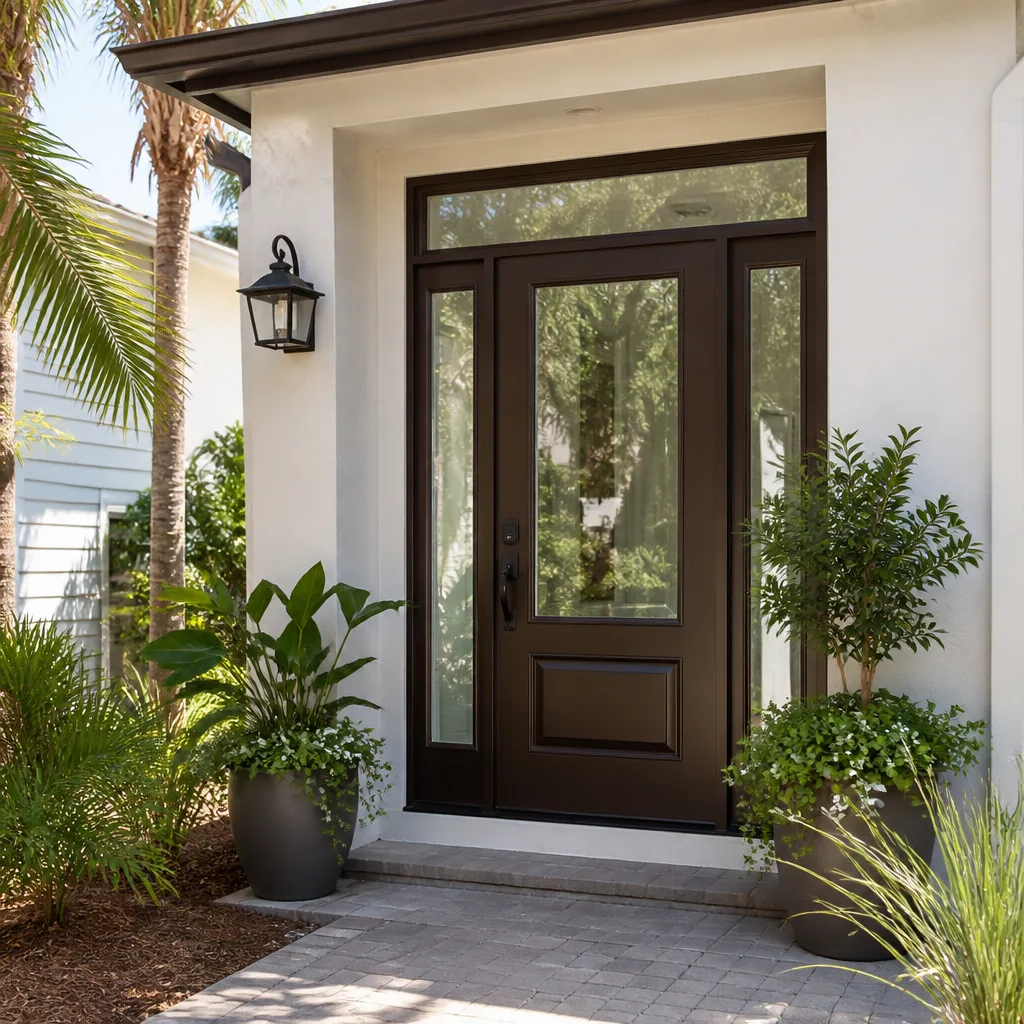
- Sticking or hard-to-latch windows generally signal a shifting frame, which comes back to movement in the wall or foundation.
- Condensation inside the glass on cold mornings is normal; condensation between the panes is not.
- Drafts around a closed window mean the weatherstripping or the seal is compromised. Quality units from makers like ES Windows or ECO Window Systems are built for California climate loads; when they fail, it’s usually installation or a seal, not the unit.
Concrete and masonry
- Map cracking (spiderweb): usually cosmetic surface shrinkage.
- Offset cracks: movement, worth assessment.
- White efflorescence: active moisture path.
- Spalling (flaking surface): usually freeze-thaw or water intrusion, and it exposes rebar on structural concrete.
Fence
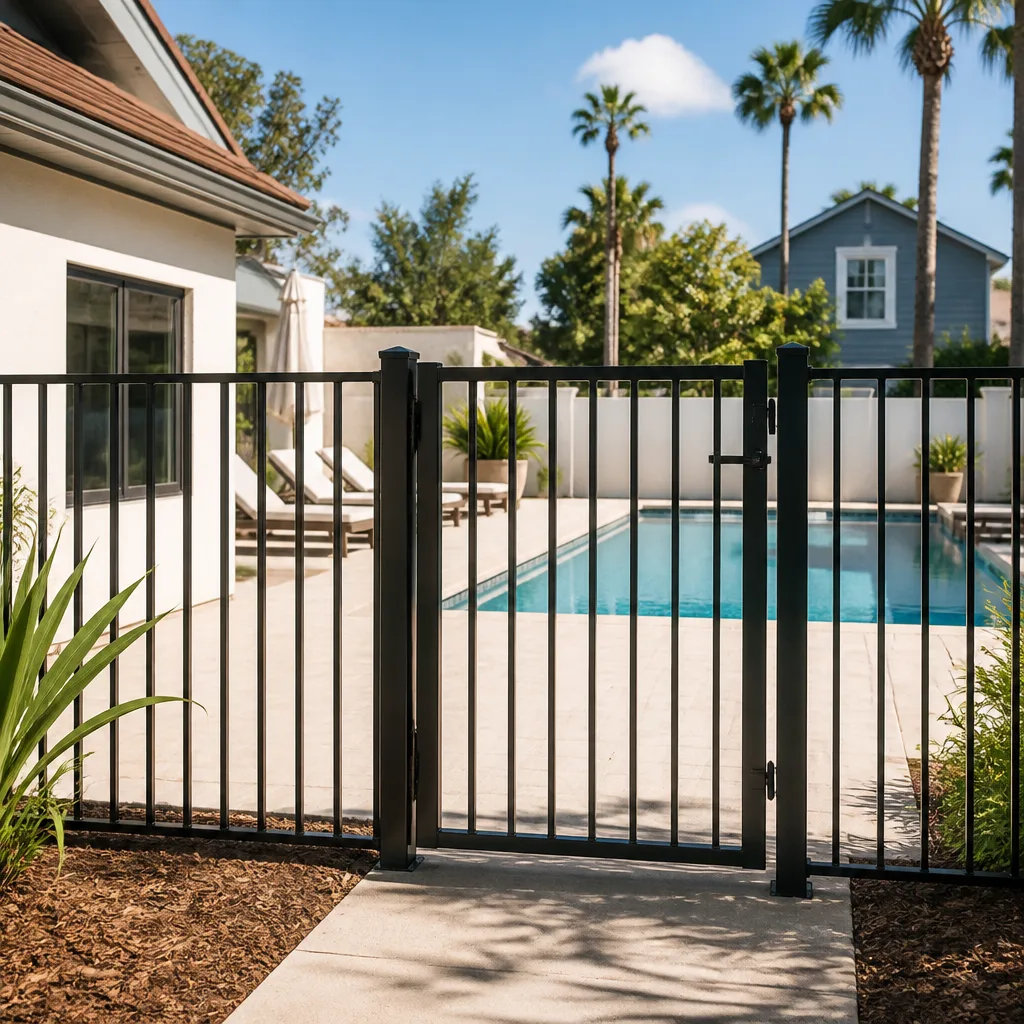
- Posts that move when you push them. A post that rocks in its footing is on its way out.
- Rotten wood at the base, where soil contact and moisture do the most work.
- Leaning panels after a wind event. If the fence was built with proper post depth and concrete footings, it should hold through the wind loads West Covina sees.
- Rust-through on metal components at hinges and latches.
Seasonal Patterns Specific to West Covina
West Covina’s climate runs hot and dry through summer, with the rain concentrated into a wet season from late fall through early spring. That cycle produces a specific rhythm of warnings that homeowners should track on a calendar rather than waiting to notice.
In late summer, after months of dry heat, expansive clay soil shrinks. That’s when seasonal cracks open, doors stick in their frames, and small gaps appear at exterior caulk joints. These often close again with winter moisture, which is why a fall inspection should be paired with a spring inspection to see what closed and what didn’t. Cracks that never close back are the ones to get assessed.
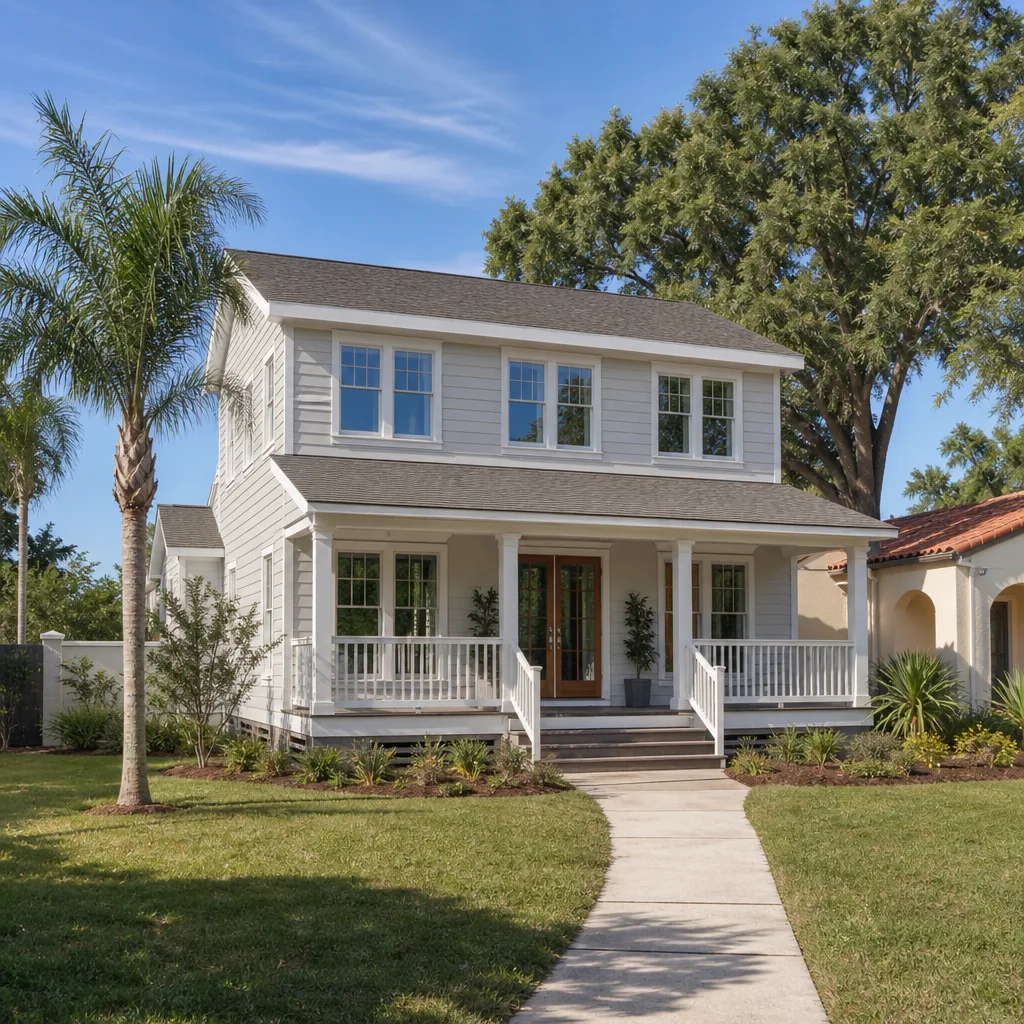
After the first substantial rain of the season, walk the property. This is when you see where water actually goes rather than where you assumed it went. Pooling, gutter overflow, and runoff against the foundation all become visible in that first wet week. If you’re planning a larger project like an addition or ADU, this seasonal walk-through also tells you something important about lot grading before you build. A Home Additions & ADU in West Covina project that ignores a drainage problem on the lot is a project that inherits it, and grading corrections are far cheaper before a foundation goes in than after.
Wind events, which hit the area in fall and winter, are the final seasonal test. Fences, roof edges, and window seals all take their hardest beating then. A post-wind walk with a camera is the cheapest inspection you’ll ever do.
Common Mistakes to Avoid
- Caulking over a crack that’s still moving. A caulk joint over an active crack hides it and fails within a season. Mark the crack, measure it, and find out why it’s moving before you seal it.
- Assuming a crack is cosmetic because it’s narrow. Width and movement are different variables. A quarter-inch crack that’s been stable for years is less concerning than a 1/16-inch crack that grew over two months.
- Ignoring interior door sticking that only happens in dry weather. In West Covina’s older housing stock, seasonal sticking is one of the earliest signals of slab movement. If a door sticks every August, note it and mention it during any estimate visit.
- Landscaping right up to the foundation and then watering heavily. Dense planting against exterior walls keeps moisture against the foundation year-round. It’s one of the most common things we see that quietly accelerates settlement.
- Relying on memory. “The crack looked about like that a year ago” is not a documented measurement. The pencil-and-date method costs nothing and gives a contractor real data.
- Calling three contractors and comparing bids without asking what each scope actually includes. A bid without a detailed scope can’t be compared to another, and the cheaper bid is often cheaper because something got left out.
- Postponing the “small” fix until the bigger project. That’s how a $400 repair becomes part of a $14,000 project. Do the small fix when it’s small.
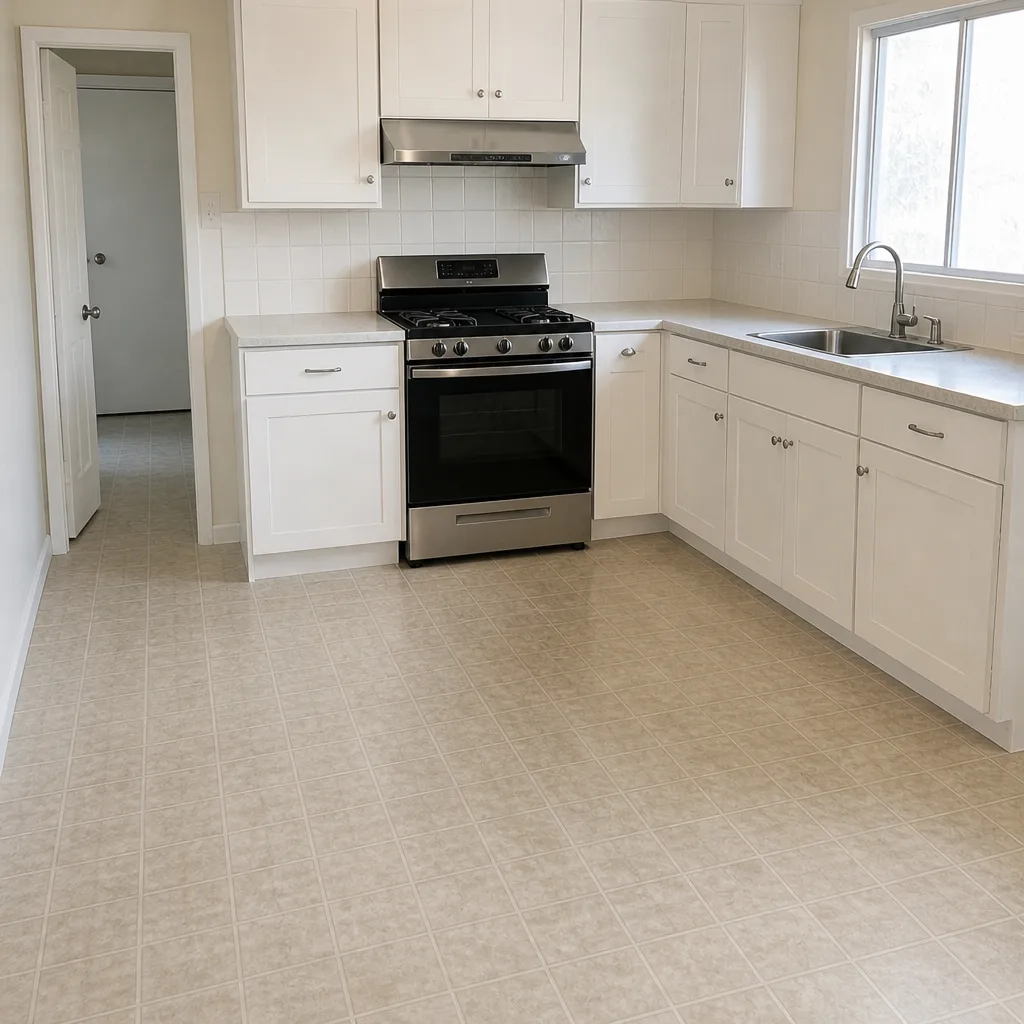
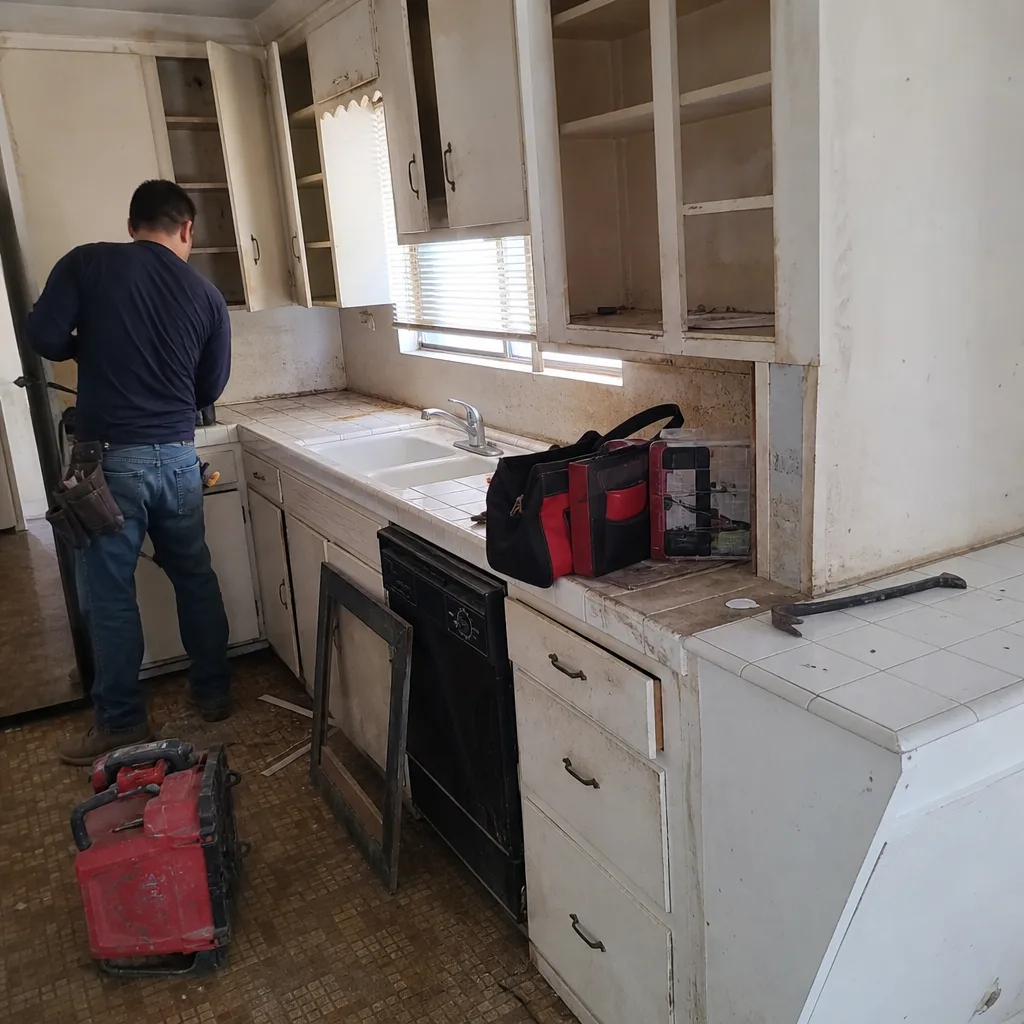
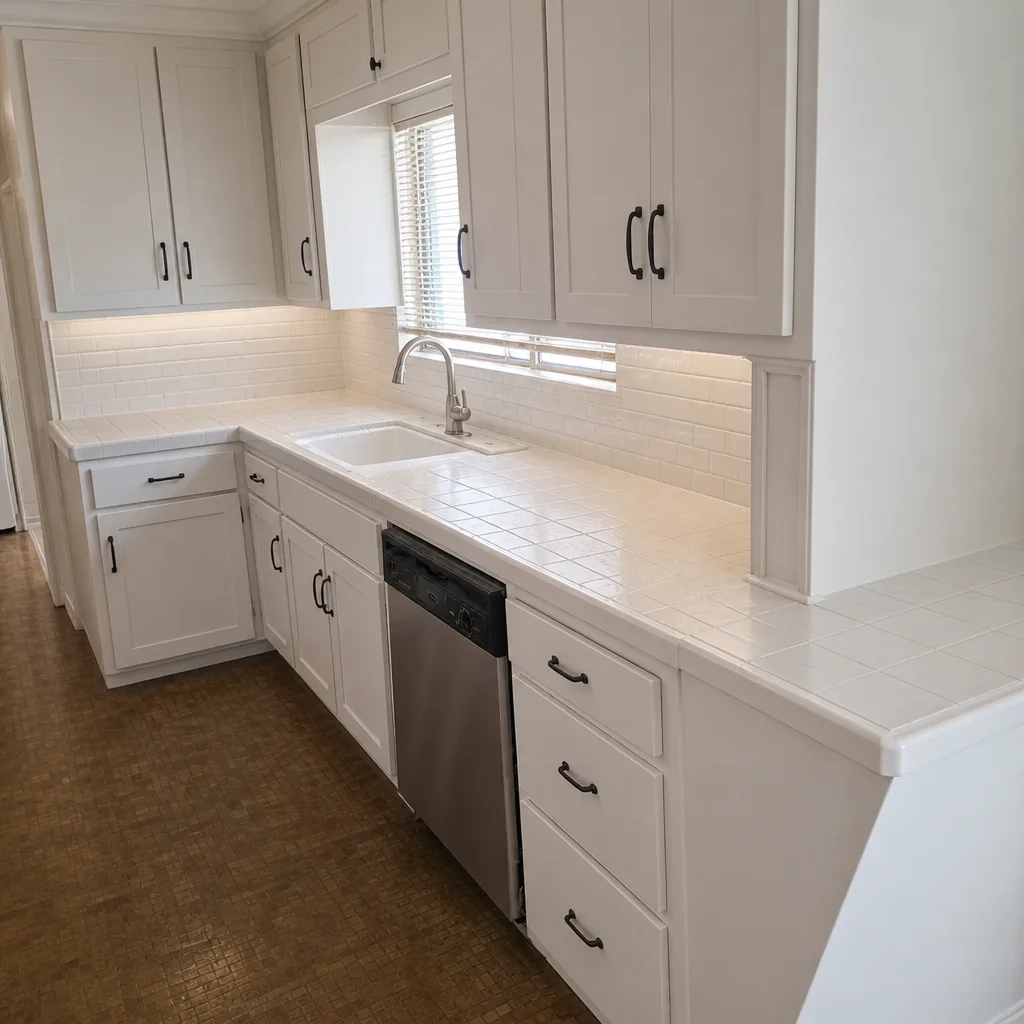
See the difference
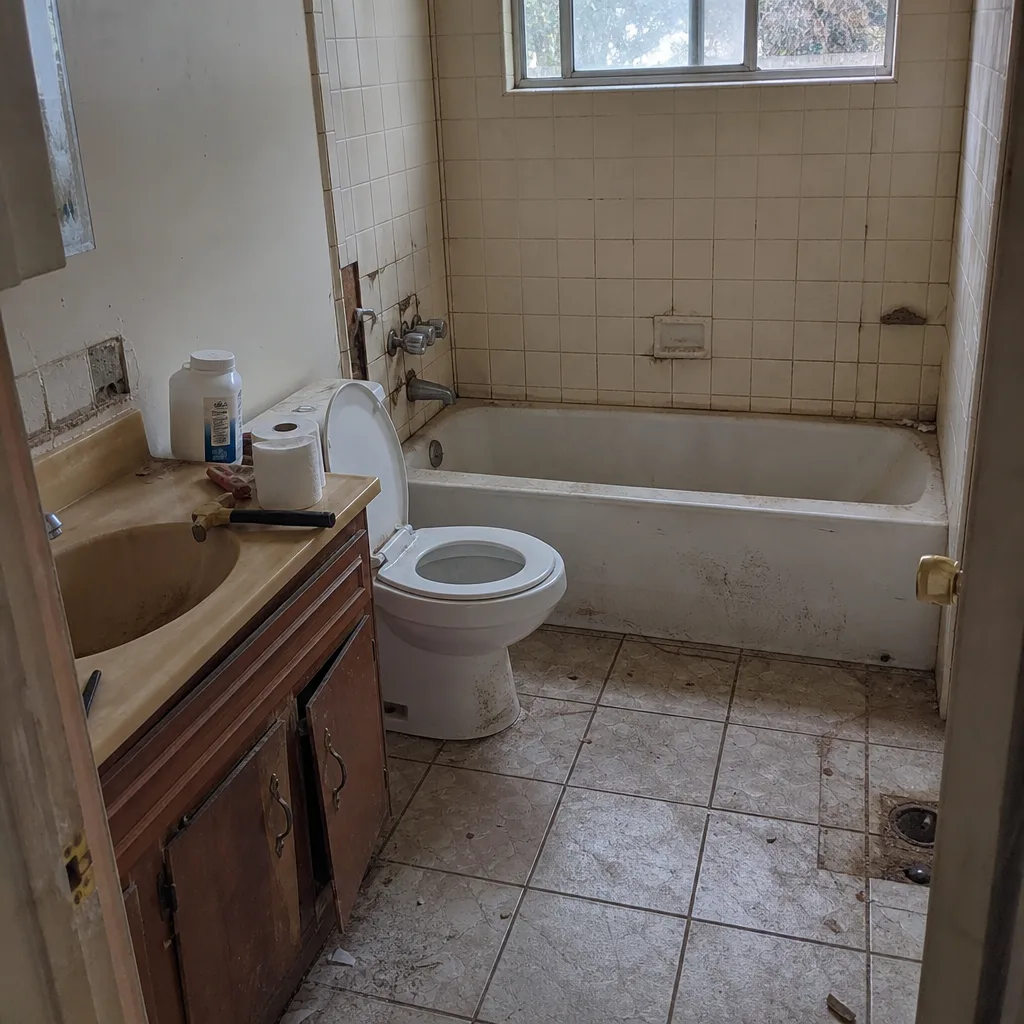 Before
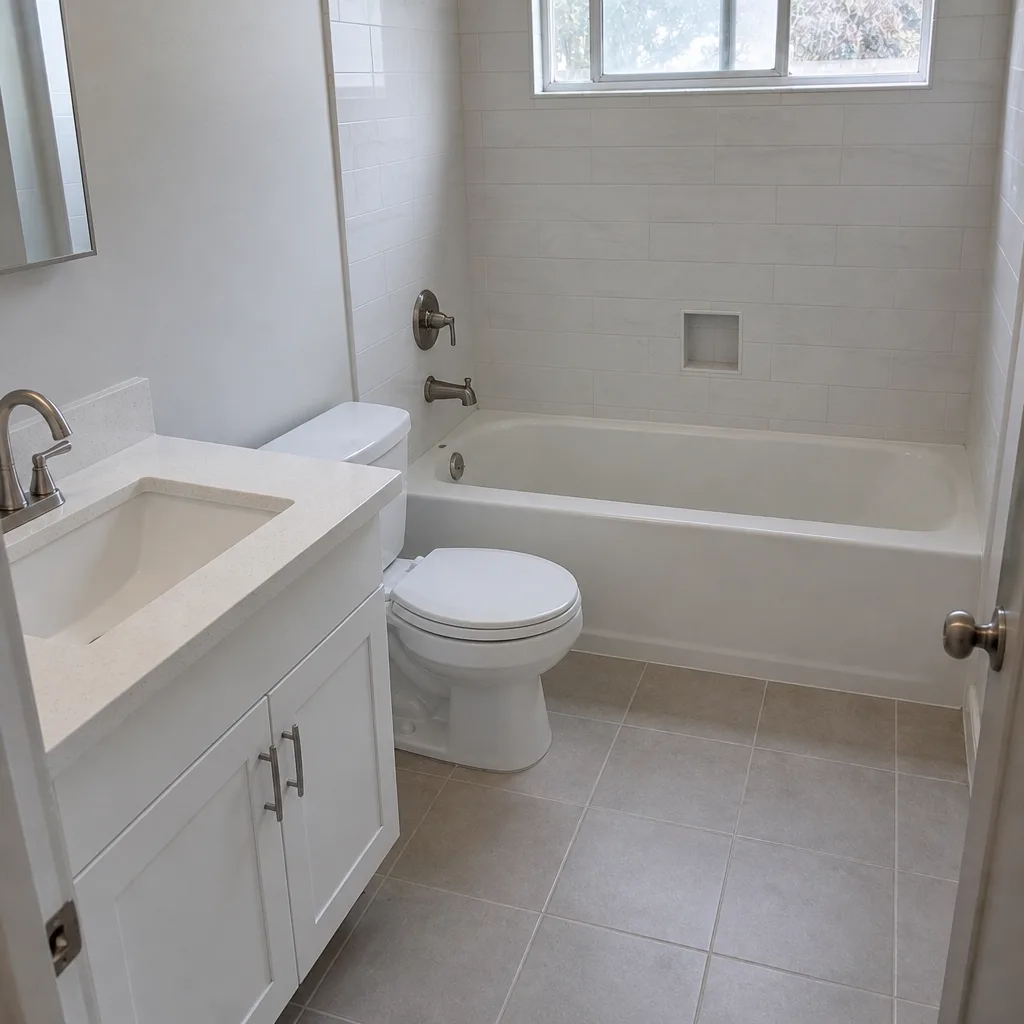 After
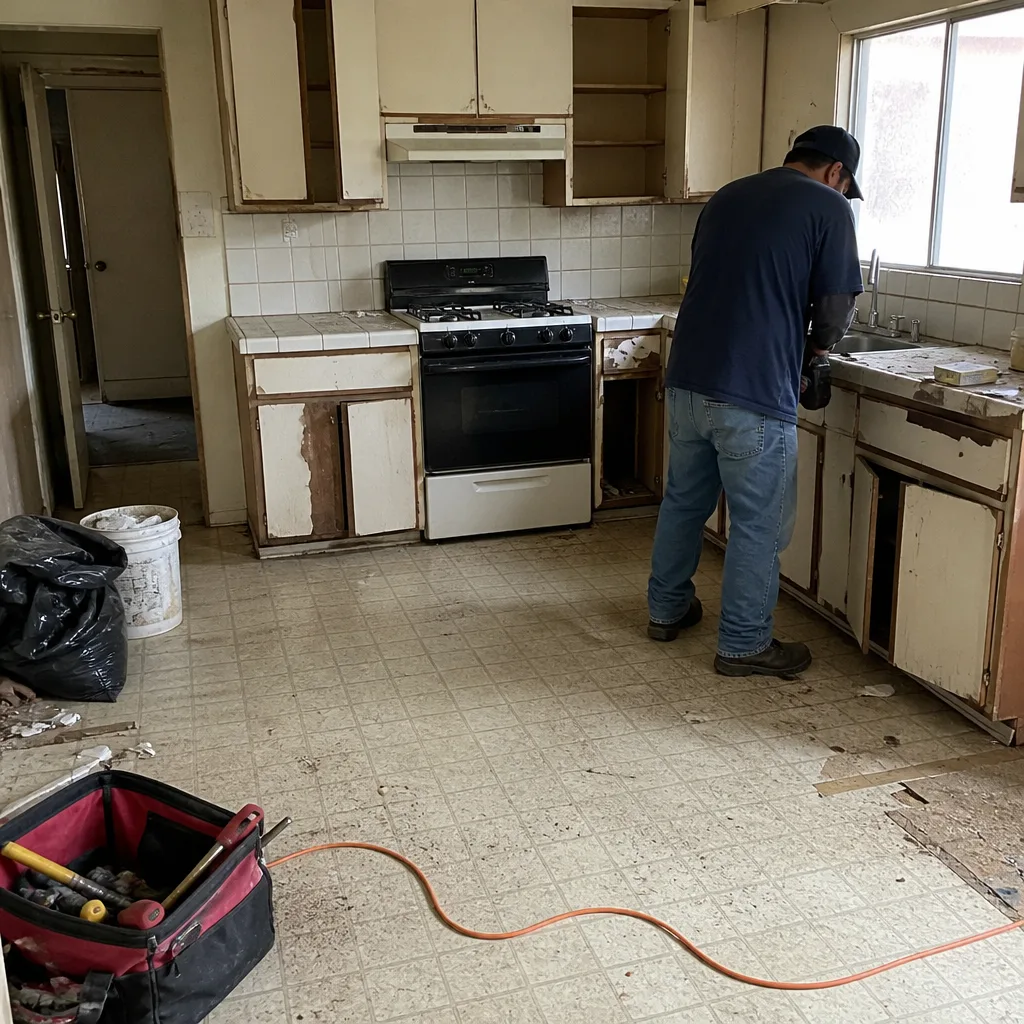 Before
 After
 Before
 After
When to Call a Professional
Some warning signs are genuinely a homeowner’s job: small cosmetic caulk lines, a loose fence picket, granule loss in gutters. Other signs need a trained eye. Call a professional when a crack has visible offset or is actively growing, when water is pooling against a structure after a rain, when interior doors or windows stick seasonally, when you see efflorescence or interior staining that has no obvious source, or when fresh flatwork has settled within the first month. On any roof, window, or concrete work that involves height or structural load, stay off the ladder and out of the repair; a fall or a structural misjudgment isn’t worth the attempted savings. Groundwork Construction Co. of West Covina offers free estimates in West Covina. Call (844) 662-2335 and a live person will answer, any hour of any day.
Frequently Asked Questions
A cosmetic crack is narrow, has no vertical offset between the two sides, and hasn’t changed width over months. A structural crack has offset, runs in a pattern that follows a wall or corner, or continues to widen. Mark both ends with a date and check in 30 days; if it’s grown, get it assessed.
Standing water that’s gone within 24 hours is usually fine. Water still pooling after two days means the grade is flat or negative in that spot, and it will eventually find its way under your flatwork or against your foundation. West Covina’s clay soils make slow drainage more of an issue than in sandier areas, and it’s worth correcting before it becomes structural.
Efflorescence is the white chalky powder left behind when moisture moves through concrete, stucco, or masonry and pushes salts to the surface. It’s a moisture signal. If it’s isolated and you can brush it off, treat it as a mild concern and find the water source; if it returns after a rain or spreads, bring in a professional to trace where the water is coming from.
Yes. An estimate is free and it converts “something looks off” into a documented diagnosis and a scoped set of numbers. That information lets you plan, prioritize, and compare properly when you’re ready. You’ll get more useful value from one onsite assessment than from a dozen opinions from neighbors.
Usually, yes. The three biggest early signals are ponding on fresh flatwork, inconsistent grout line width, and improper slope on hardscape that sends water toward the house. Any of those appearing in the first weeks means the work needs to be corrected before closeout, and a written 730-Day Done Right Promise should make that correction the contractor’s responsibility, not yours.
Walk the fence line and press on each post. A post that rocks in its footing, or one with visible rot at the base, is the most likely point of failure after a wind event. Then check roof edges and window seals. Ten minutes with a camera after the wind is the cheapest inspection you’ll do all year.
The Bottom Line
Construction failure is almost never sudden. It’s a sequence of visible warnings, and the difference between a $400 repair and a $14,000 project is whether the homeowner or the contractor catches the sequence at stage 1. Mark your cracks, walk your property after the first real rain, press on your fence posts after a wind event, and photograph your concerns with scale and a date. Those habits put you in a position to get an accurate assessment from any contractor you call, and they give a professional the data to tell you whether you’re looking at a repair or something bigger. Groundwork Construction Co. of West Covina answers calls with a live person 24/7, and our technicians bring up to 12 years of hands-on experience to every assessment, backed by our 730-Day Done Right Promise and upfront pricing with no surprises.
Call (844) 662-2335 to schedule your free estimate in West Covina. We’ll walk the property with you, photograph and document what we find, and put real numbers in front of you so you can decide with your eyes open. Right now, new customers get $1,000 off projects over $10,000 with 0% financing for 18 months available.
Written by the team at Groundwork Construction Co. of West Covina.