Last updated November 18, 2026

Free written scope consultation - allowances, timeline, and change-order rules on paper before a single trade is scheduled
Home Additions & ADU Warning Signs Every Homeowner Should Know
A contractor who submits plans without a licensed structural engineer’s stamp on an addition project isn’t cutting a corner – they’re setting you up for a failed inspection, a redesign cost, and a three-month delay that lands entirely on you. We’ve watched homeowners lose tens of thousands of dollars not because a crew swung a hammer wrong, but because nobody read the front end of the project. The contract, the drawings, the allowances, the subcontractor list – that’s where the real money is won and lost. This guide teaches you to audit that phase before a single board is cut, with West Covina specifics you won’t find in a generic checklist.
Quick Answer
The biggest warning signs on an addition or ADU project show up before construction ever starts: plans without a licensed structural engineer’s stamp, contracts missing lien releases and milestone-tied payments, vague “allowances” that balloon your budget, and a general contractor who can’t name their framing, electrical, or plumbing subs. In West Covina, verify the contractor’s CSLB license, liability insurance, and workers’ comp status before signing – a 10-minute check protects you from mechanic’s liens on your own property.
Styles & brands we work with
- Kitchen remodeling
- Bathroom remodeling
- Home additions & ADU
- Roofing
- Windows & doors
- Driveway & pavers
- Fence
Table of Contents
- What a legitimate set of construction documents looks like (and why sketch-and-build fails)
- How to read an addition contract for the language that protects you
- The subcontractor questions that separate real builders from order-takers
- Red flags during active construction: skipped inspections and covered framing
- How to verify a California contractor in under 10 minutes
- West Covina-specific pitfalls: climate, soils, and the ADU market
- The full red-flag checklist before you sign
What a Legitimate Set of Construction Documents Looks Like (and Why Sketch-and-Build Fails)
A real addition or ADU submission isn’t a floor plan drawn on a napkin with a promise to “figure out the details in the field.” A legitimate construction document set for a West Covina project includes architectural drawings, a structural package stamped by a licensed structural engineer, a title-24 energy compliance report, and a site plan showing setbacks and grading. Anything less is a sketch-and-build approach, and it guarantees Requests for Information (RFIs) and change orders once the walls open up.
Here’s what should be in the folder before you sign anything:
- Architectural drawings at a consistent scale (typically 1/4″ = 1′-0″), with room dimensions, door and window schedules, and ceiling heights called out.
- Structural plans with a licensed California structural engineer’s stamp and signature, covering foundations, framing, shear walls, and connection details.
- Title-24 energy report showing insulation values, window U-factors, and HVAC sizing for the addition.
- Site and grading plan with property lines, setbacks, and drainage direction – critical on the sloped lots you find in the hills above West Covina.
- Electrical, plumbing, and mechanical drawings showing fixture locations, panel capacity, and venting – not a note that says “per code.”
When a GC hands you a plan set missing the structural stamp, ask why. In our experience, the answer is almost always that they plan to pull a permit off a lesser set and reconcile later – a pattern that surfaces as a plan-check rejection, a redraw fee, and a schedule slip measured in months.
How to Read an Addition Contract for the Language That Protects You
The clauses that protect a homeowner are the ones a weak contractor leaves out. A real addition contract names a payment schedule tied to inspection milestones, includes conditional lien releases from the GC and every sub, and defines what each “allowance” covers and how overages are priced. If the contract hides the number until the end, it isn’t upfront pricing – it’s a placeholder for a surprise.
Read for these five things, in this order:
- Payment schedule tied to milestones. Money should release at agreed checkpoints – foundation inspection passed, rough framing complete, final inspection signed off – not on a calendar or a percentage-of-completion guess. A large deposit with no milestone structure is a red flag.
- Lien releases. Every payment to the GC should come with a conditional waiver and release from that GC and, as payments flow down, from each subcontractor and supplier. Without these, an unpaid framer can record a mechanic’s lien against your West Covina property even though you paid the GC in full.
- Allowances defined in dollars and scope. An allowance is a budget placeholder – for tile, fixtures, or windows – and it only works if the contract says what the allowance buys and how overages get priced. A $5,000 tile allowance with no square footage attached means you find out in month three that it covers a bathroom half the size of yours.
- Change-order procedure in writing. No work should proceed and no charge should accrue without a signed change order stating scope, price, and time impact. Verbal “we’ll figure it out” is where budgets die.
- Warranty terms in writing. Look for a specific workmanship guarantee period – we back every project with our 730-Day Done Right Promise, one of the longest workmanship guarantees in residential construction, and the contract should state the term in writing, not in a brochure.
One more: check who holds the permit. The permit should be pulled in the licensed contractor’s name, not yours, so the inspection record and liability stay with them.
The Subcontractor Questions That Separate Real Builders from Order-Takers
A general contractor who can’t name their framing, electrical, and plumbing subs on request is telling you they staff jobs by phone the week of. For an addition or ADU – a project that requires rough framing, rough electrical, rough plumbing, and rough mechanical to work together before drywall – that’s a coordination failure waiting to happen. Ask for the sub list in writing before you sign, and expect an answer.
Here’s what to ask, and what a good answer sounds like:
- “Who’s the framing sub, and have they worked on a project like this?” A real answer names a company and a foreman with addition experience. A vague answer is a warning.
- “Who pulls the electrical permit, and are they licensed?” The electrical sub needs their own California license for their scope. No exceptions on an ADU – the panel, service, and any subpanel work all get inspected.
- “Are the plumbing and mechanical subs doing rough-in before the framing inspection?” Sequence matters: rough plumbing and rough electrical are inspected while the walls are open, so the subs must be coordinated with the framing stage, not brought in after.
- “Will the same crew be here next week?” Crew continuity on an addition is a quality signal. If the answer is “whoever’s available,” expect inconsistencies between trades that surface at final inspection.
- “Are your subs insured, and will you provide their certificates?” The GC’s insurance doesn’t automatically cover a sub’s workers. Ask for certificates of insurance and workers’ comp for each trade.
When we onboard a West Covina addition, we name the trades involved and put the scope in writing. If a GC can’t do that, you’re not hiring a builder – you’re hiring a dispatcher.
Red Flags During Active Construction: Skipped Inspections and Covered Framing
The most expensive active-construction mistake is a wall that gets covered before the rough-in inspection passes. Once drywall is up, the inspector can’t verify framing, plumbing, electrical, or mechanical rough-in, and the correction path involves opening the wall – at your cost and schedule. Watch for poured concrete without inspector sign-off, framing sheathed and drywalled before the rough-in inspection sticker, and a GC who says “we’ll get the inspection on the final.”
Here’s the sequence on a properly run California addition:
- Foundation inspection – rebar and forms inspected before the concrete pour. Nothing gets poured until the inspector signs off.
- Rough framing inspection – after framing, before any sheathing or drywall.
- Rough electrical, plumbing, and mechanical – all inspected while walls are open. Rough electrical and plumbing are often combined, but the key is they happen before insulation.
- Insulation inspection – verifies the Title-24 values are actually in the wall.
- Drywall and finish – then, at the end, the final inspection across all trades, including smoke and CO alarms, water heater strapping, and emergency egress.
Ask for the inspection card and check it against the schedule every week. Any skipped inspection on that card is a problem you inherit, and it can hold up your certificate of occupancy – which is the document that lets you legally occupy the ADU.
How to Verify a California Contractor in Under 10 Minutes (and Why It Protects You from Liens)
Verifying a contractor in California takes about ten minutes and protects you from mechanic’s liens on your own home. You check three things: the CSLB license (active, in the right classification, with no disciplinary actions), liability insurance, and workers’ comp (or a valid exemption if they have no employees). If a contractor can’t produce any of the three, the risk shifts to you.
Run these checks in order:
- CSLB license lookup. Go to the Contractors State License Board website, search by license number or business name, and confirm the license is active, the classification covers additions (a General Building “B” license typically covers an addition or ADU), and there are no suspensions or citations on the record.
- Liability insurance. Request a certificate of insurance showing general liability coverage, with you named as certificate holder. Call the insurer to confirm the policy is active – certificates expire silently.
- Workers’ comp. Ask for the certificate or the exemption. On an addition with multiple trades, workers’ comp protects you if a sub’s employee is injured on your property.
- Bond. California requires a contractor’s bond, and the CSLB record shows it. A lapsed bond is a red flag.
Here’s why it matters: a mechanic’s lien attaches to the property, not the person. If a GC doesn’t pay a sub or supplier, that sub can record a lien against your West Covina house even though you wrote the check. Verifying insurance and license won’t stop a lien by itself, but it’s the first layer – the second is the conditional lien release on every payment, described in the contract section above.
West Covina-Specific Pitfalls: Climate, Soils, and the ADU Market
West Covina has a few local realities that change how an addition or ADU gets planned. The San Gabriel Valley heat means Title-24 compliance for HVAC sizing and insulation is stricter than a coastal build – a system designed for a mild climate won’t keep an ADU comfortable in a West Covina August. Clay-heavy soils in parts of the valley affect foundation design, and the sloped lots in the hills above town call for grading and drainage planning that flat-lot builders skip.
On the ADU side, West Covina has been an active market for backyard units and garage conversions, and that demand means two things for you: more contractors offering ADU services, and more of them arriving without the design-and-engineering depth an ADU requires. Prefabs like Abodu, Cover, Dvele, and Mighty Buildings have made ADU planning more accessible, but the site work – foundation, utilities, grading, and final inspection – still has to be handled locally by a licensed contractor. The factory delivers the shell; somebody has to make the site and the permits line up.
Three West Covina-specific questions to ask:
- “Have you pulled an ADU permit in West Covina before?” The answer tells you whether your GC knows the local plan-check process, not just the state rules.
- “How are you handling the utility trench and the panel capacity for this unit?” An ADU needs its own electrical service capacity, and a West Covina panel upgrade is a permitted scope.
- “What’s the drainage plan for the site?” On a hillside lot, this is a foundation and neighbor-relations question.
We handle additions and ADUs from foundation to finish line as a single scope, so the permit, the framing, the utilities, and the final inspection are coordinated by one team – see our Home Additions & ADU in West Covina page for the local scope.
The Full Red-Flag Checklist Before You Sign
The pattern across every expensive addition mistake is the same: the warning appeared in the paperwork, and nobody was looking. Walk through this list with the contract and the plan set open on the table, not after the foundation is poured.
- Plans without a licensed structural engineer’s stamp. A real addition needs one. No stamp, no sign.
- No Title-24 energy report. Your addition will fail plan check without it, and the delay is on you.
- Vague or missing allowances. If the contract doesn’t say what an allowance buys, it doesn’t protect you.
- No milestone-tied payment schedule. Large deposits with no milestones are a cash-flow risk you don’t need to accept.
- No lien release language. Every payment should come with a conditional waiver and release – from the GC and each sub.
- Subs who can’t be named. Ask for the framing, electrical, and plumbing subcontractors in writing before you sign.
- No inspection schedule. You should be able to see the inspection card plan from day one, not at the final.
- Warranty terms that live only in the brochure. The workmanship guarantee period should be in the contract, not implied.
- No CSLB verification. If you haven’t checked the license, insurance, and workers’ comp status yourself, you haven’t verified your contractor.
None of these checks take more than an afternoon. They save months.
Common Mistakes to Avoid
- Signing on a handshake with a deposit. A large upfront check with no milestone structure ties your money to a schedule you don’t control. Get the payment schedule in writing before money moves.
- Treating allowances like fixed prices. An allowance is a placeholder. On a West Covina bathroom addition, an allowance with no square footage attached is the most common way budgets blow up in month three.
- Assuming the GC’s insurance covers the subs. It usually doesn’t. Ask for certificates of insurance for each trade – framing, electrical, plumbing, mechanical – and keep them in your project file.
- Letting the crew drywall before the rough-in inspection. Once the walls close, the inspector can’t verify rough electrical and plumbing, and the correction path involves opening the wall – at your cost, not the GC’s.
- Pouring concrete without inspector sign-off. On foundations and slabs, the inspector signs off on rebar and forms before the pour. A “we’ll get it on the final” answer is a red flag.
- Skipping the CSLB check because the contractor “came recommended.” Referrals are a good start, not a license check. Run the three-step verification yourself – it takes ten minutes and it’s your property on the line.
- Choosing the lowest bid without reading it. The lowest bid is often the one with the most allowances and the least detail. Compare line-by-line scope, not the bottom number.
We’ve seen each of these play out on West Covina additions. They’re preventable, and the fix is almost always in the paperwork.
See the difference
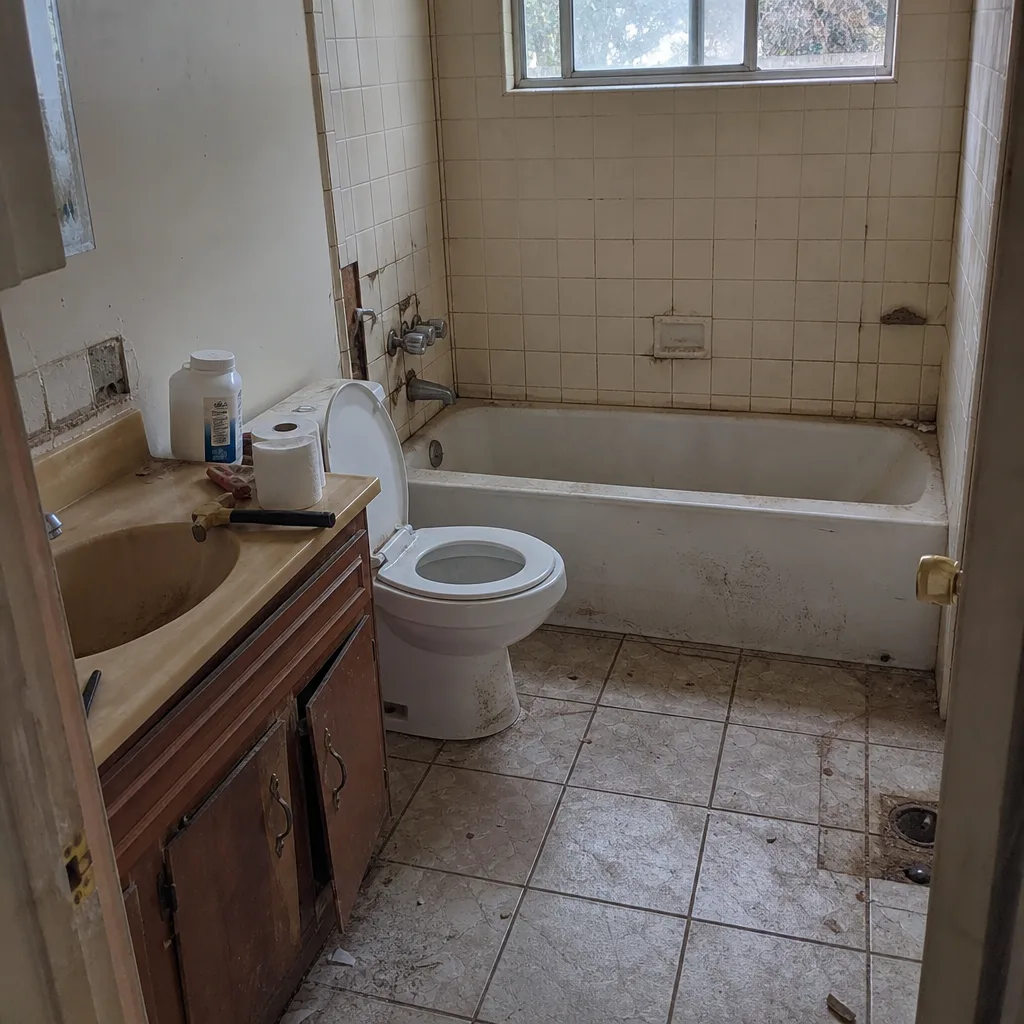 Before
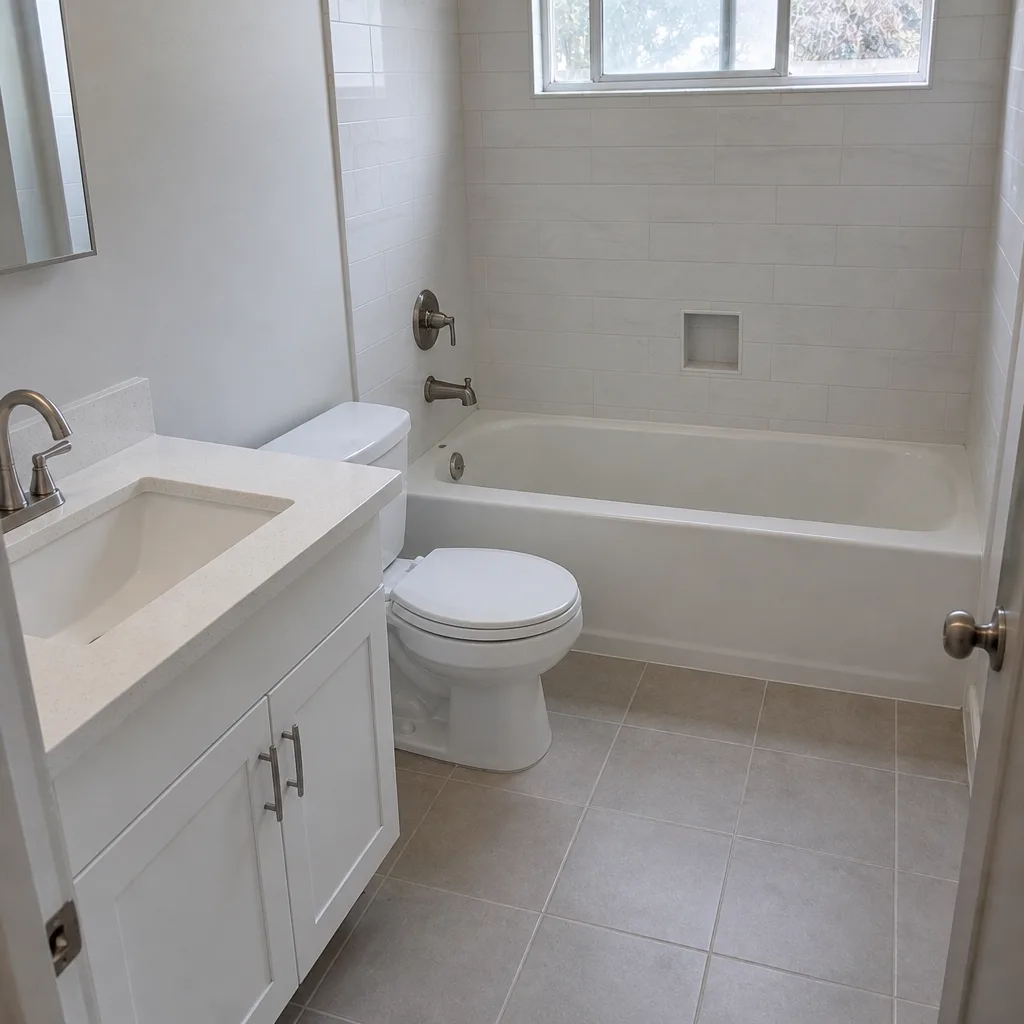 After
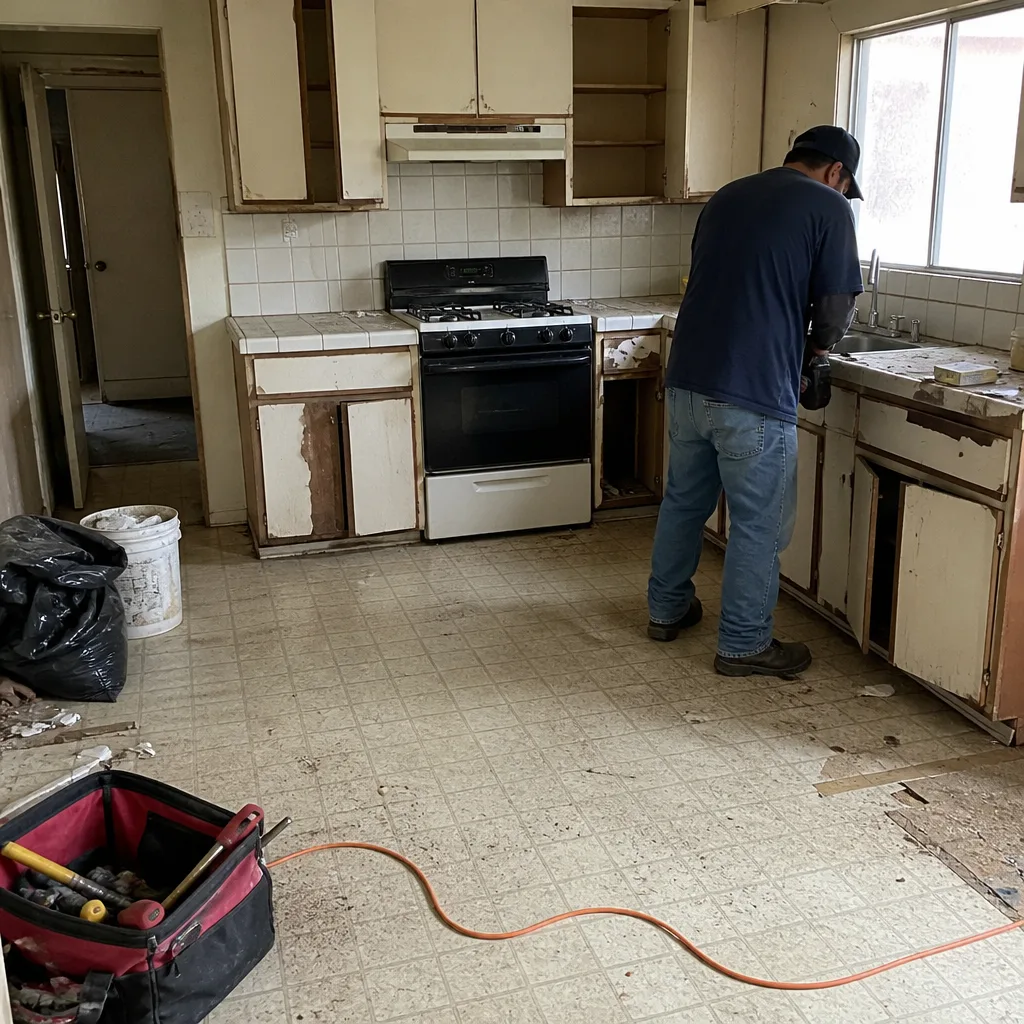 Before
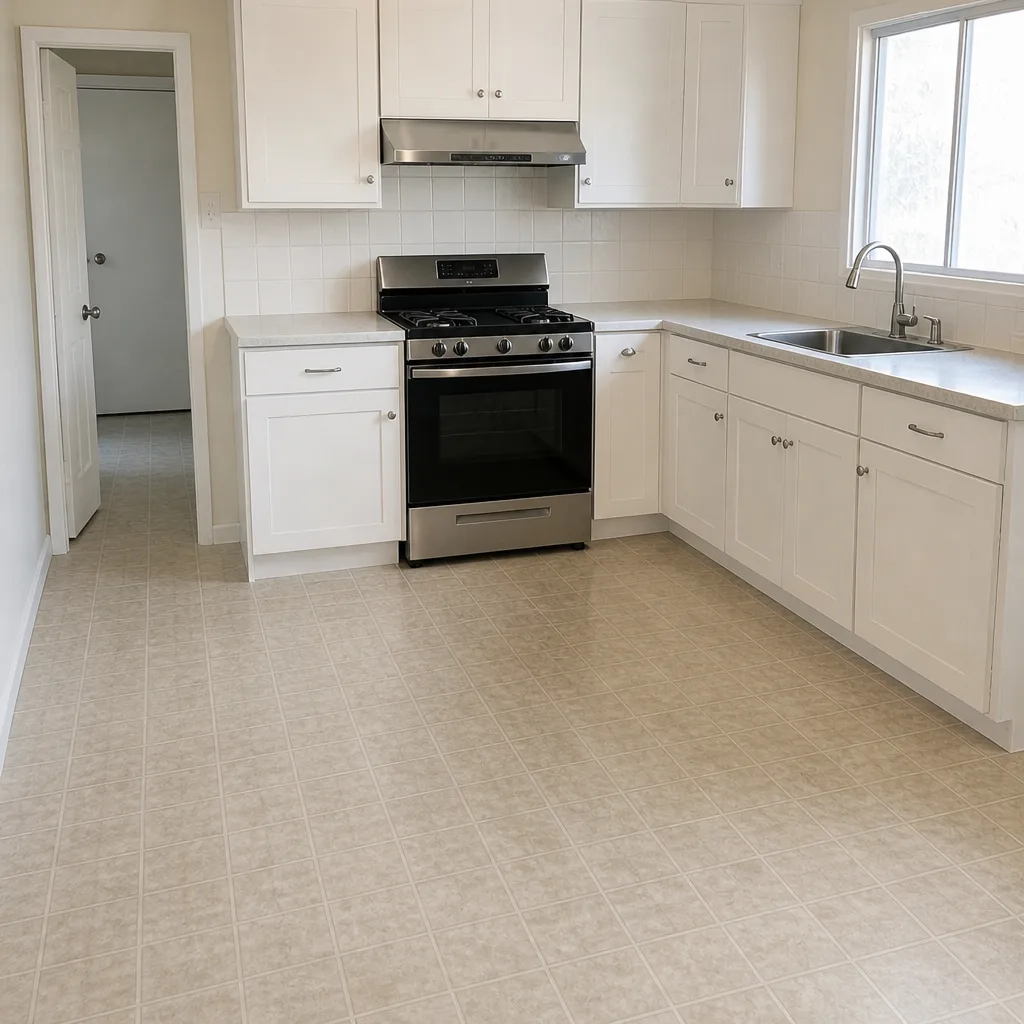 After
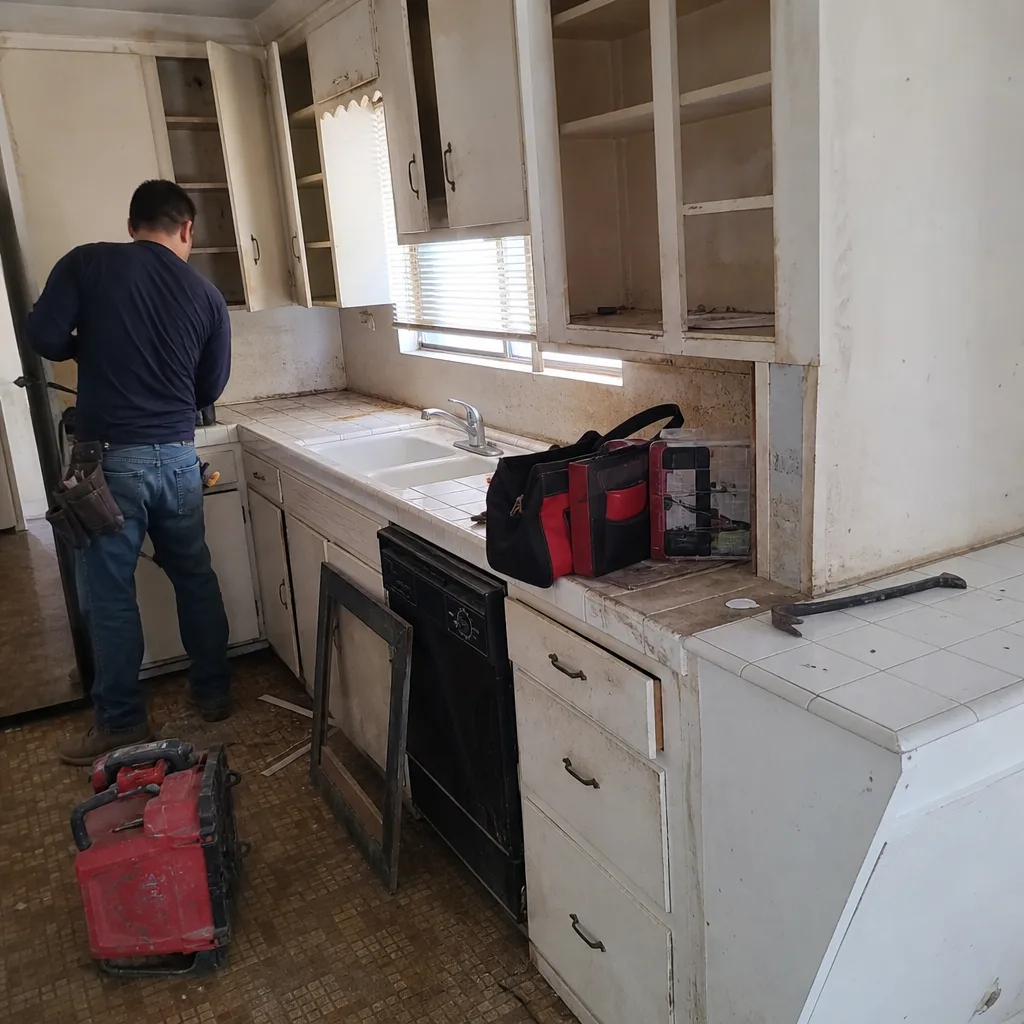 Before
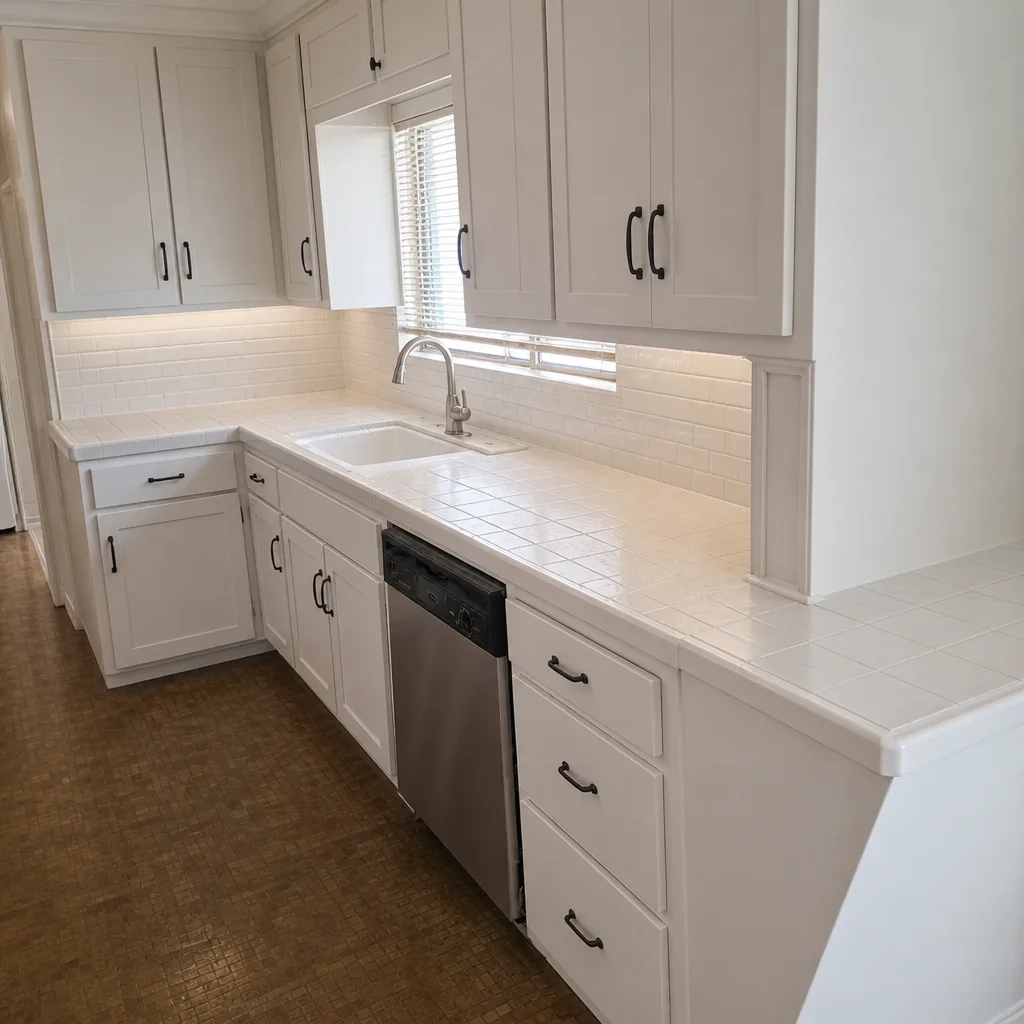 After
When to Call a Professional
Call a licensed contractor for any addition or ADU project that involves structural framing, a foundation, electrical service changes, or a permit – and especially when the plan set comes back without a structural stamp, when a contract lacks lien releases or milestone payments, or when a GC can’t name their framing, electrical, or plumbing subs on request. These are signs the project will cost more and take longer than the bid says. If a crew is drywalling over an uninspected rough-in, stop the work and get a licensed professional involved before the wall closes. We offer free estimates in West Covina with written, line-item scope and one clear number – call (844) 662-2335 to schedule yours.
Frequently Asked Questions
The biggest warning sign is a plan set without a licensed structural engineer’s stamp. On any addition or ADU in West Covina, the structural package is a plan-check requirement, and a GC who submits without it is setting you up for a failed inspection and a multi-month redesign delay that lands on your schedule and your budget. Call (844) 662-2335 for a free estimate if you want a second set of eyes on your documents.
Look up the contractor on the Contractors State License Board (CSLB) website to confirm the license is active, classified for your scope, and free of disciplinary actions, then request certificates of insurance for liability and workers’ comp. It takes about ten minutes and it protects you from mechanic’s liens recorded against your property by unpaid subs. Call (844) 662-2335 for a free estimate if you’d like to talk through what to look for.
A strong addition contract names a payment schedule tied to inspection milestones, includes conditional lien releases from the GC and every subcontractor, defines each allowance in dollars and scope, and states the workmanship warranty period in writing. If the contract leaves any of those out, ask for them as written amendments before you sign. Call (844) 662-2335 for a free estimate with a written, line-item scope.
Allowances cause overruns because they’re budget placeholders, not fixed prices – and when the contract doesn’t specify what the allowance buys, every fixture, tile, and window becomes a change order. Insist the allowance state a dollar amount and a defined scope. Call (844) 662-2335 for a free estimate built on fixed pricing with no-hassle upfront pricing.
No. Prefab ADU brands like Abodu, Cover, Dvele, and Mighty Buildings provide the structure, but the site work – foundation, utility trench, panel capacity, grading, drainage, and final inspection – still has to be handled by a licensed local contractor who knows West Covina’s permitting process. Call (844) 662-2335 for a free estimate if you’re weighing a prefab unit against a site-built ADU.
The price shouldn’t change for the scope you agreed to – the changes come from allowances, undefined scope, and change orders not captured in the contract. A written, line-item scope with milestone payments and defined allowances prevents the surprise. Call (844) 662-2335 for a free estimate with fixed pricing, no change orders for the agreed scope, and a written workmanship guarantee.
The Bottom Line
The most expensive addition and ADU mistakes are buried in the contract and the design, long before a crew shows up. Stamp or no stamp, lien releases or none, named subs or “whoever’s available,” milestone payments or a blank check – those four decisions determine whether your West Covina project stays on budget or eats three months of your life. Audit the front end. Verify the license in ten minutes. Read the allowances. Ask for the sub list in writing. Homeowners who do that skip the job-site crises entirely and get a project that’s built to last, backed in writing.
We answer the phone with a live person, 24/7, and we don’t send crews in unmarked vans – every technician is background-checked and arrives in uniform. From foundation to finish line, our scope covers the whole project, and our 730-Day Done Right Promise means if it’s not done right, we make it right.
Ready to talk scope and a real number? If you’re also planning other site work around the addition, our guides on Driveway & Pavers in West Covina and Fence Installation in West Covina cover the parallel projects we handle. Start at our Groundwork Construction Co. of West Covina home page, or call us at (844) 662-2335 for a free estimate – the number you see is the number you pay, and the design consult is on us.
Written by the team at Groundwork Construction Co. of West Covina.