Last updated November 18, 2026
Free written scope consultation - allowances, timeline, and change-order rules on paper before a single trade is scheduled
DIY vs Professional Home Additions & ADU: What’s Safe to Do Yourself
California lets you pull your own building permit as an owner-builder. It also makes you the person legally responsible for every trade that works under that permit – the electrician, the plumber, the framer, all of them. Most homeowners don’t find that out until a buyer’s lender asks for the closed-out permit file and there’s a gap in it. This guide draws a hard line between the work you can legally and safely own on an addition or ADU, and the work that has to be in licensed hands. We’ll cover what West Covina’s owner-builder rules actually allow, how to run the real DIY math after tool rental and failed inspections, and a three-question test to decide before you pick up a hammer.
Quick Answer
On an addition or ADU, the work that’s genuinely safe for a skilled homeowner is finish work: interior painting, trim and baseboards, cabinet installation, insulation, and landscaping around the new structure. Framing, electrical, plumbing, gas, and anything structural belong in licensed hands, because a failed rough inspection or a load calculation error costs more to undo than you saved doing it. The practical rule we use in West Covina: if the work gets buried behind drywall or inspected before it’s covered, hire it out.
Styles & brands we work with
- Kitchen remodeling
- Bathroom remodeling
- Home additions & ADU
- Roofing
- Windows & doors
- Driveway & pavers
- Fence
Table of Contents
- What California’s Owner-Builder Permit Actually Allows
- The Scope Breakdown: What’s Yours, What Isn’t
- Work That’s Genuinely Safe and Cost-Effective for a Skilled Homeowner
- How to Calculate Your Real DIY Savings
- The Hidden Liability of Unpermitted DIY
- The Go/No-Go Framework: Three Questions Before You Start
- Common Mistakes to Avoid
- Frequently Asked Questions
What California’s Owner-Builder Permit Actually Allows
An owner-builder permit in California lets a homeowner act as their own general contractor on a property they’ll occupy. That means you can pull the permit in your name, hire subcontractors, and schedule inspections yourself. What it does not mean is that you become exempt from licensing rules for the trades. Electrical, plumbing, mechanical, and structural work still has to be done by or under the direction of a licensed professional in nearly every case. The owner-builder route changes who’s responsible for the project, not who’s allowed to do the wiring.
Here’s the part that surprises people. When you pull an owner-builder permit, you’re signing on as the responsible party for the entire scope – including work performed by subcontractors you hire. If a sub you brought in does substandard plumbing and it fails inspection twice, the re-inspection fees, the tear-out, and the correction all land on the permit holder. That’s you. In our experience around West Covina, the homeowners who get into trouble are the ones who assumed “owner-builder” was a license to subcontract everything and pocket the general contractor’s markup. It works – until something fails and there’s nobody contractually on the hook but the owner.
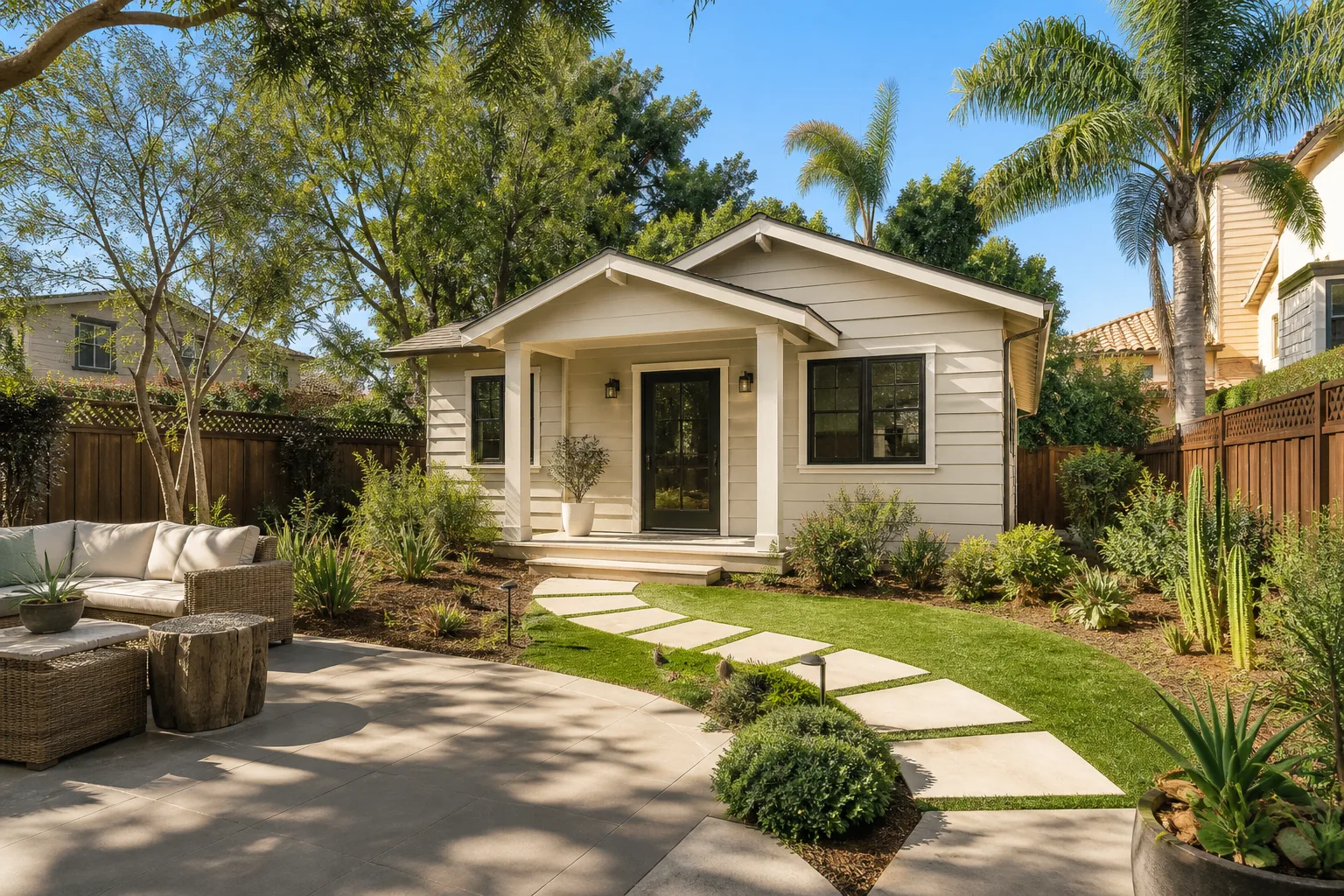
ADUs add a layer. California has pushed hard to make accessory dwelling units easier to permit, and West Covina has its own local standards on setbacks, height, and parking that sit on top of the state rules. If you’re building a detached ADU in a West Covina neighborhood like South Hills or along the Cameron Park area, you’re dealing with a full set of inspections: foundation, framing, rough electrical, rough plumbing, insulation, drywall, final. Each one is a gate. Miss one and the certificate of occupancy doesn’t get issued, which means you can’t legally rent the unit or count it as living space.
- You can pull the permit on a home you occupy, in your own name.
- You can hire and schedule subcontractors for licensed trades.
- You can’t self-perform electrical, plumbing, or gas work on most permitted scopes without a license.
- You carry liability for every trade working under your permit.
- You own the inspection failures – fees, tear-out, and delays included.
If what you actually want is a finished, permitted addition without managing the permit file yourself, a full-scope partner handles the sequence from foundation to finish line. Groundwork Construction Co. of West Covina builds Home Additions & ADU in West Covina under a single permit and a single warranty, which is the opposite of stitching six separate subs together under your own name.
The Scope Breakdown: What’s Yours, What Isn’t
Sort every task on your addition into one of three buckets: yours, licensed-only, and never-touch. Getting this sorted before you start is the whole game. Here’s how the scope categories shake out on a typical West Covina addition or ADU.
Framing and structural work
Structural framing, shear walls, header sizing, and foundation work are licensed-only. This isn’t a gray area. Load calculations and seismic detailing for a West Covina addition have to satisfy the California Residential Code, and a framing error doesn’t show up as a crooked wall – it shows up as a failed shear inspection or, worse, a structural problem you can’t see. We’ve seen homeowners frame a wall opening 6 inches wider than the plans called for, which failed framing inspection and forced a re-engineer and a re-frame. The savings vanished in a week.
Electrical
Licensed-only, with almost no exceptions on a permitted addition. Rough electrical, panel work, and any new circuits have to be done by a licensed electrician and inspected before the walls close. This is also a genuine safety item. Working inside a live panel or pulling new circuits without the training is how people get seriously hurt. If your ADU needs a panel upgrade to carry the load, that’s an electrician’s call, not a homeowner’s weekend project.
Plumbing and gas
Licensed-only. Supply lines, drain-waste-vent, water heater connections, and any gas line work for the ADU kitchen or laundry are all permitted and inspected. Gas work specifically is dangerous and is not a DIY category under any circumstances. A slow drain leak behind finished drywall in a new addition can rot framing for a year before you notice it.
Finish work
This is where homeowners actually win. Painting, trim carpentry, baseboards, door hanging, cabinet installation, tile, and landscaping around the new structure are safe to own if you have the skills. They’re also the tasks where your labor genuinely replaces paid labor dollar for dollar, because there’s no inspection gate and no buried consequence if you take an extra weekend.
Work That’s Genuinely Safe and Cost-Effective for a Skilled Homeowner
The work worth doing yourself is the work that’s visible, reversible, and not inspected before it’s covered. Here’s the short list we’d hand a capable homeowner in West Covina who wants to put sweat equity into an addition or ADU.
- Interior painting and prep. A 500-square-foot ADU runs several gallons of paint and a lot of masking. Doing it yourself is real money back, and a mistake is a repaint, not a failed inspection.
- Insulation. Batting walls before drywall is straightforward, and it’s a genuine comfort and energy item in West Covina’s inland heat. Just follow the plan’s R-value and don’t compress the batts.
- Trim, baseboard, and door casing. Finish carpentry is the highest-skill DIY task on the list, but it’s also the most forgiving – a bad miter is a $4 piece of trim, not a re-inspection.
- Cabinet and shelving installation in the ADU kitchenette. Hanging cabinets is safe work as long as the blocking is already in the framed wall. If you’re anchoring into drywall alone, stop and get backing installed first.
- Tile and backsplash. Cosmetic, reversible, and no permit gate. This is a genuine savings item.
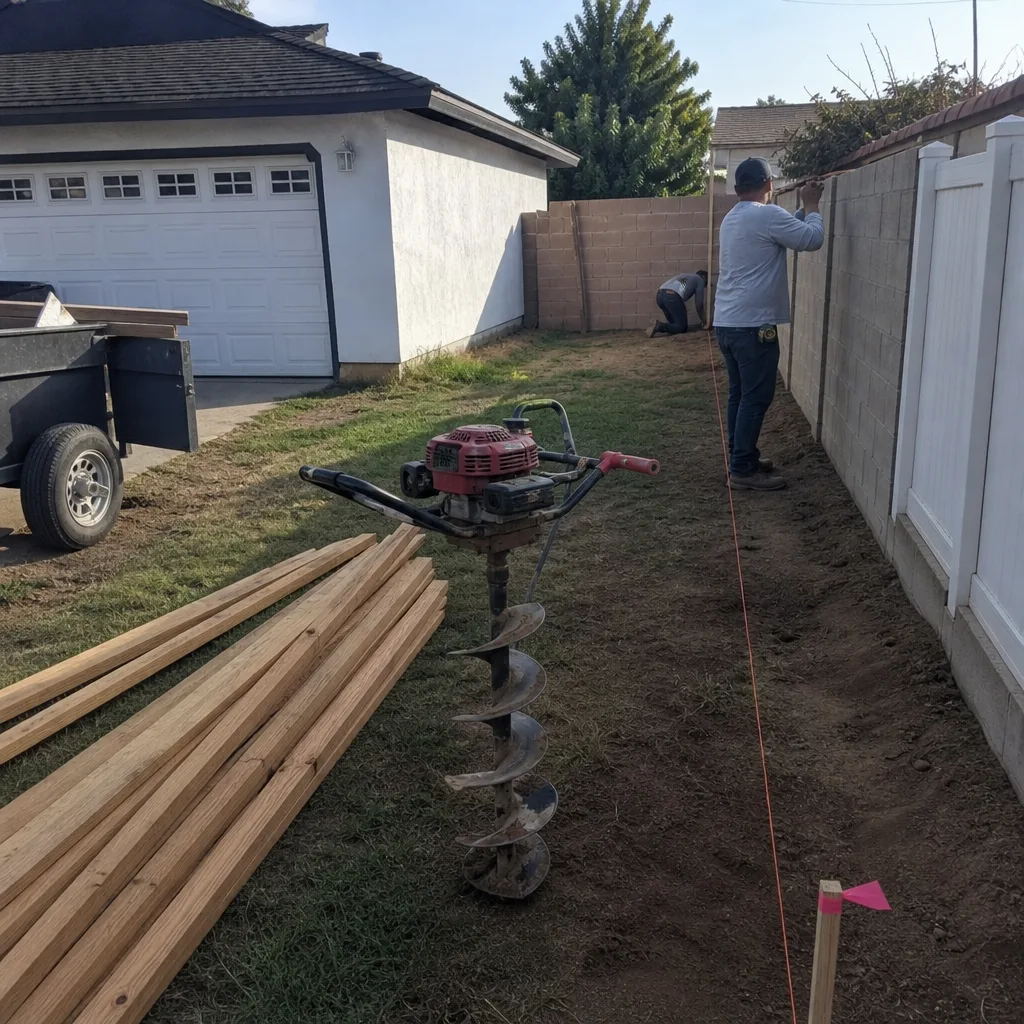
- Landscaping around the new addition. Grading that sheds water away from the foundation, planting, and hardscape finishing are safe to own. Keep the grading sloped away from the structure – poor drainage against a new foundation is one of the few DIY landscaping mistakes that causes real damage.
The through-line: every item above is finish work. None of it gets buried behind an inspection. If a task requires a permit signature before you can cover it up, it’s not on this list, and it shouldn’t be.
How to Calculate Your Real DIY Savings
Most homeowners compare the contractor’s line-item price to zero. That’s not the math. The real comparison is the contractor’s price against your out-of-pocket costs plus your time at an honest hourly rate. Run it properly and the savings shrink fast on anything but finish work.
Here’s the calculation we walk through with West Covina homeowners who are debating an owner-builder addition:
- Start with the contractor’s line-item price for that scope. Ask for it broken out. A written line-item quote makes this possible; a lump-sum bid doesn’t.
- Add tool rental and purchases. A tile saw, a framing nailer, a compactor for grading – rentals add up over a multi-week project. Budget them before you commit.
- Add material waste. A first-time tiler wastes 15-20% on cuts. An experienced crew wastes 5%. That waste is a real cost you’re absorbing.
- Add re-inspection fees for any failed rough work. If you self-perform something that fails, you pay the re-inspection and the tear-out. This is the number that kills DIY savings on structural and mechanical scope.
- Add your time at an honest rate. If your weekend is worth $60 an hour to you, a 40-hour task costs $2,400 in labor you’re donating. Be honest about this line.
- Subtract the total from the contractor’s price. If the difference is under about 15%, the risk usually isn’t worth it on permitted scope.
Run this on painting an ADU and the DIY savings are clear and real. Run it on framing, and between the tool rental, the waste, and the probability of a failed inspection, the “savings” are frequently negative. We’ve watched homeowners spend more undoing rough work than the licensed trade would have charged to do it right the first time.
The Hidden Liability of Unpermitted DIY
Unpermitted work inside an addition is the quiet problem that surfaces years later. It’s not a code-enforcement story most of the time – it’s a resale story, an insurance story, and a financing story all at once.
Homeowner’s insurance
If your policy covers the structure and a fire or water claim traces back to unpermitted electrical or plumbing, the carrier can reduce or deny the claim. That’s the risk most homeowners don’t price in. A permitted, inspected addition is insurable without argument. An unpermitted one hands the adjuster a reason to push back on the exact claim you bought insurance for.
Lender appraisals and financing
An appraiser values permitted, legal living space. An unpermitted ADU or addition doesn’t get counted the same way, and some lenders won’t finance a purchase where the square footage doesn’t match the permit record. That’s a real hit at resale. The buyer’s lender asks for the permit file, the file is short, and the deal either dies or gets renegotiated.
Disclosure obligations at resale
California’s transfer disclosure requirements put the burden on the seller to disclose known unpermitted work. You can’t quietly pass it along. A buyer who discovers unpermitted structural or electrical work after closing has a legal path back to you. That’s the exposure the owner-builder permit creates and doesn’t advertise.
- Insurance: claims tied to unpermitted work can be reduced or denied.
- Appraisal: unpermitted square footage is often valued differently or excluded.
- Financing: buyers can lose their loan over a short permit file.
- Disclosure: you’re required to disclose known unpermitted work at sale.
- Liability: an owner-builder permit makes you the responsible party for every trade under it.
The Go/No-Go Framework: Three Questions Before You Start
Before you touch any part of an addition or ADU project, answer three questions honestly. If you can’t answer all three cleanly, the scope belongs in professional hands.
1. Will this work require an inspection before it’s covered up?
If yes, that scope is not a DIY candidate, no matter how capable you are. Rough framing, rough electrical, rough plumbing, and insulation all get inspected before drywall. There’s no version of self-performing those where a failed inspection doesn’t cost you real money and time. Finish work doesn’t have that gate – which is exactly why it’s the safe side of the line.
2. Can I name the licensed trade responsible for this if something goes wrong?
If you’re going to self-perform or subcontract a task, you need to be able to say who’s accountable when it fails. On an owner-builder permit, that person is you. If you’re not prepared to carry that liability through a resale, a claim, or a buyer’s lender, hand the scope to a professional whose name is on the contract and whose license backs the work.
3. Does the math still work after tools, waste, and my time at an honest rate?
Run the calculation above on the specific task. Be honest about waste and time. If the net savings are under about 15% of the contractor’s price on permitted scope, or negative, the answer is done. Finish work usually clears this bar easily. Rough work usually doesn’t.
That’s the whole framework. It’s not about whether you’re handy – plenty of West Covina homeowners are genuinely skilled. It’s about whether the work you do yourself can be cleanly owned after an inspection and a resale, without costing more than you saved.
Common Mistakes to Avoid
- Pulling an owner-builder permit and treating it like a GC license. It isn’t one. You’re allowed to manage the project, not to self-perform licensed trades, and you become the responsible party for everyone working under the permit.
- Assuming West Covina’s ADU rules match the state minimums. Local standards on setbacks, height, and parking layer on top of the state ADU law. Check the West Covina standards before you sketch a layout, not after.
- Framing a wall opening off-plan. A 6-inch change to a header size can fail framing inspection and force a re-engineer. We’ve seen it cost more to correct than the entire framing line item would have.
- Self-performing rough electrical to save a few thousand. It’s licensed-only scope, it gets inspected, and working a panel live is genuinely dangerous. This is the one line item never worth diying.
- Ignoring drainage around a new foundation. West Covina’s inland heat and winter rain swings punish grading that doesn’t shed water away from the structure. Fix the slope before you plant.
- Skipping the re-inspection budget. If any rough work fails, you pay for the re-inspection and the tear-out. Homeowners who don’t budget for it get stuck mid-project with the walls open.
- Waving off the resale consequence. Unpermitted work inside an addition comes back at disclosure, appraisal, and insurance. It’s the cost most homeowners never price in until they sell.
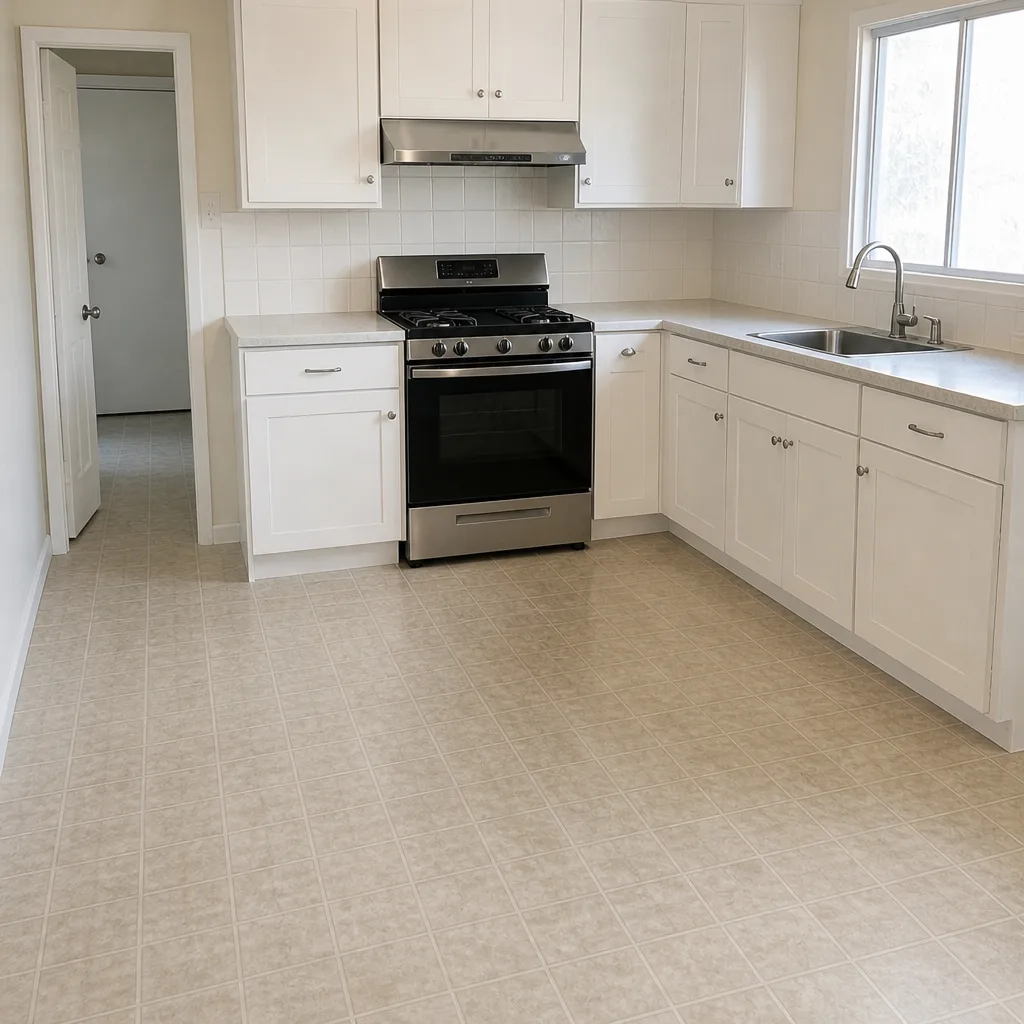
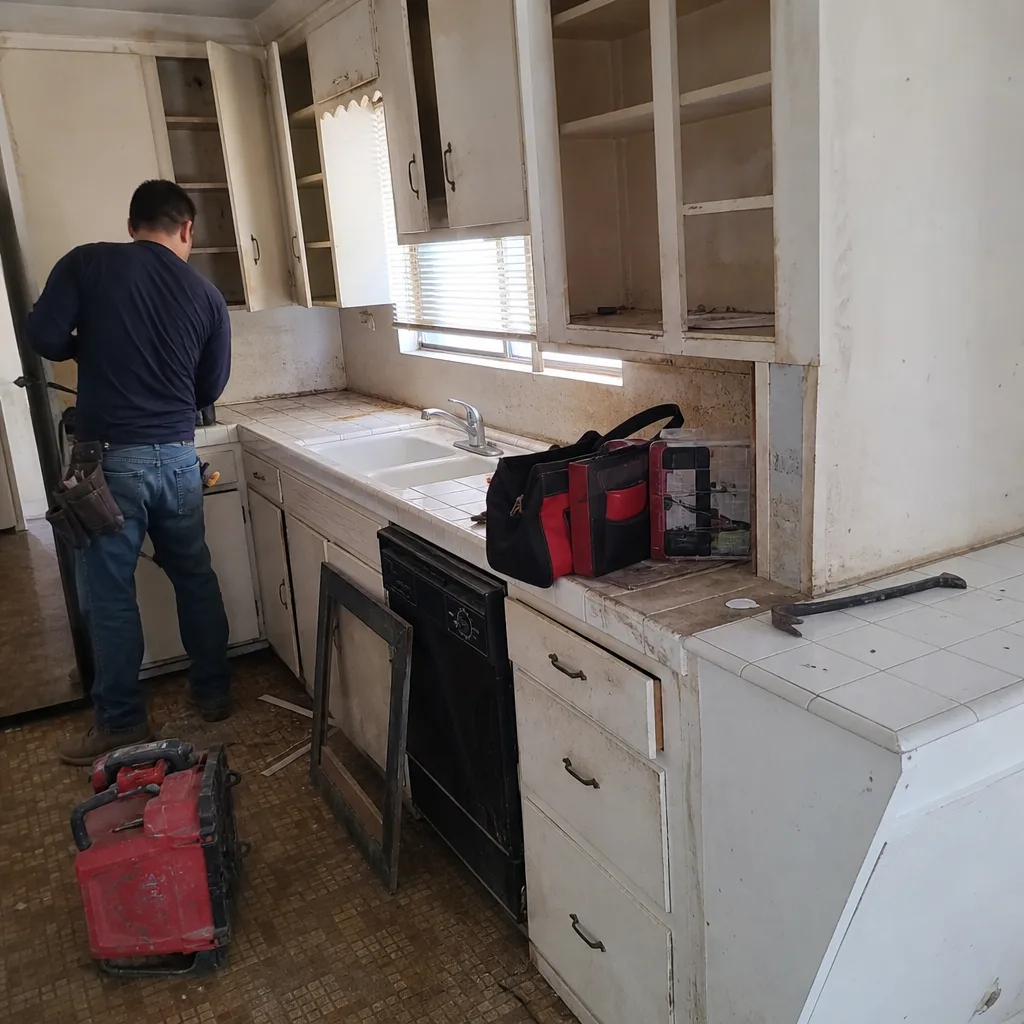
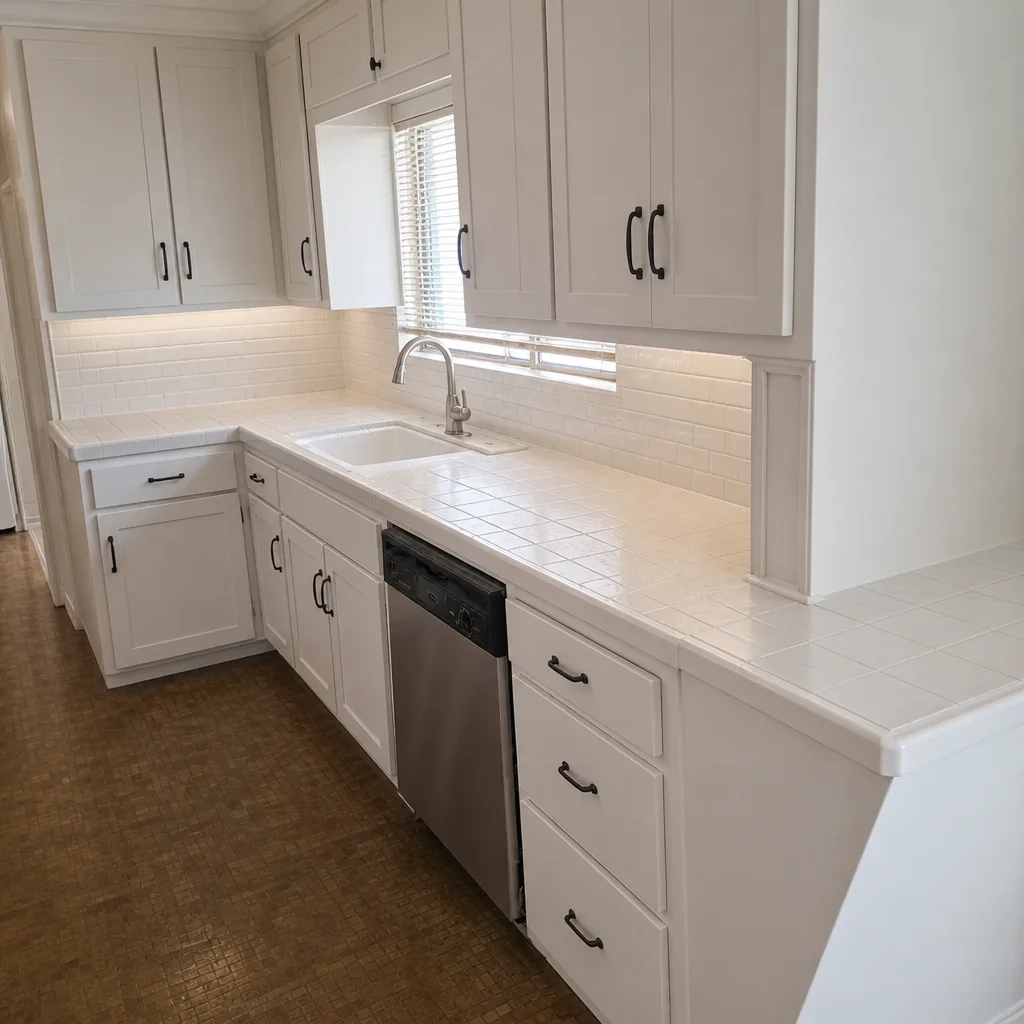
See the difference
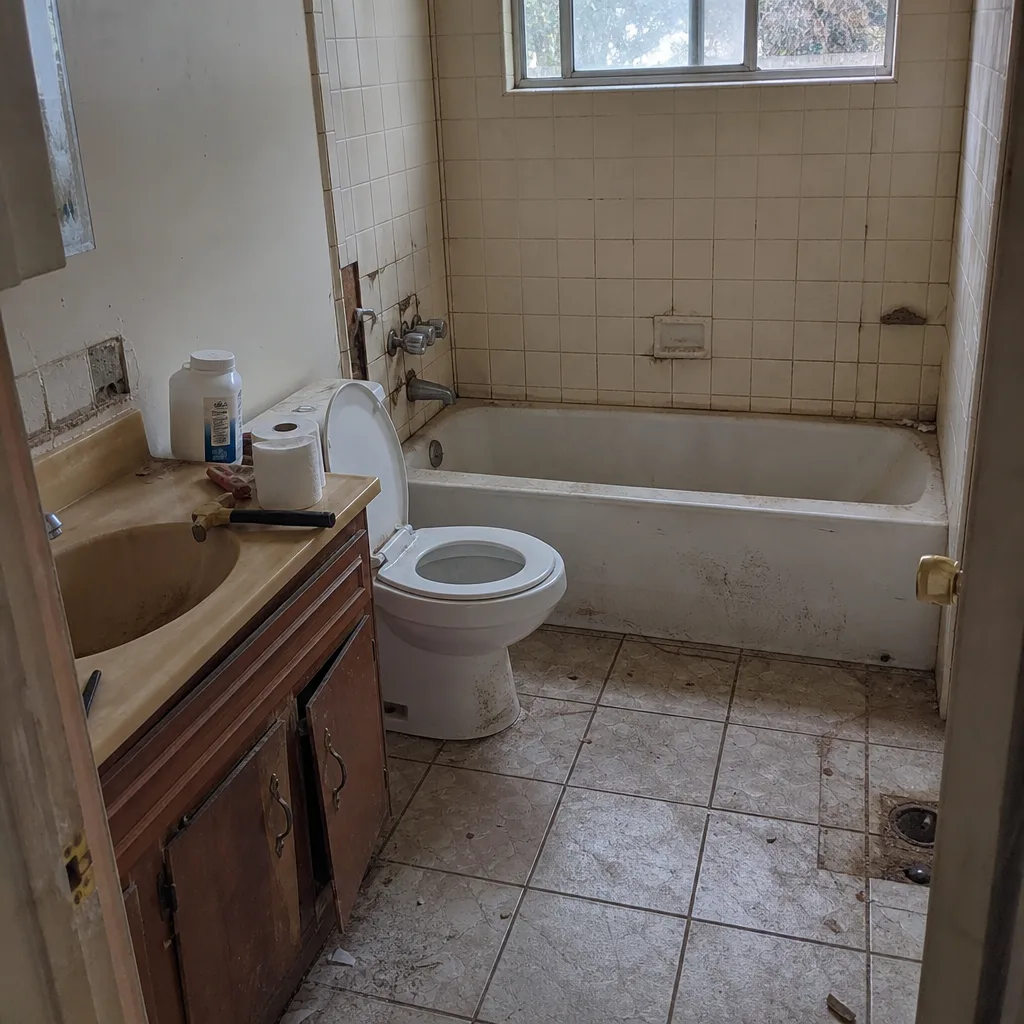 Before
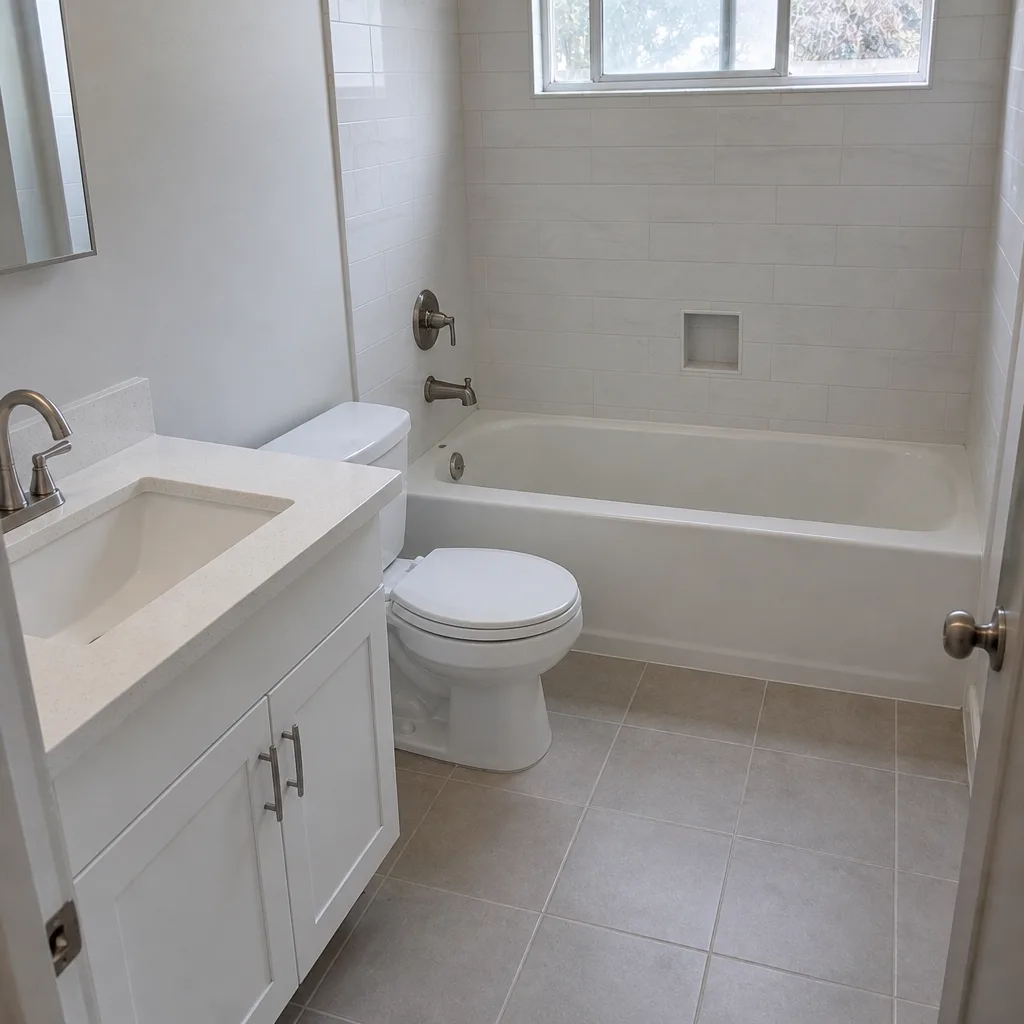 After
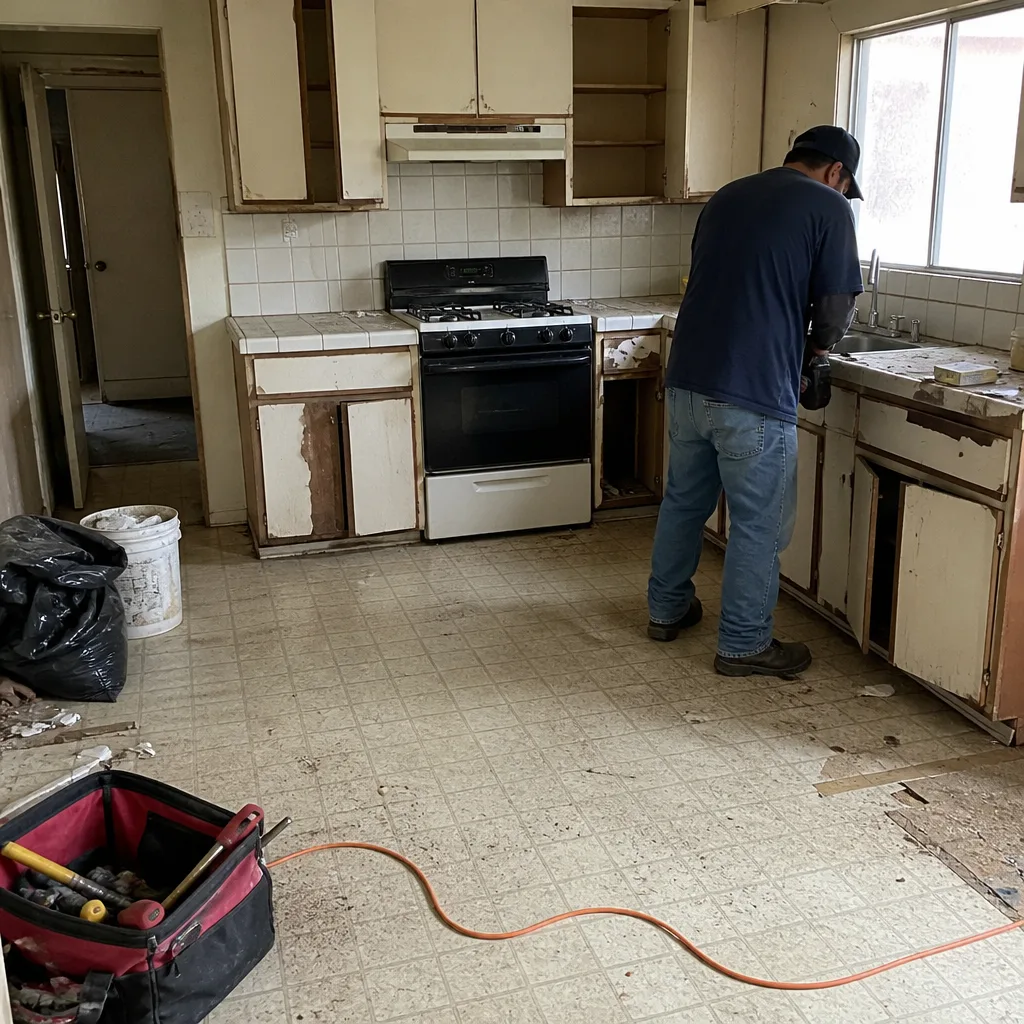 Before
 After
 Before
 After
When to Call a Professional
The moment a task requires an inspection before it’s covered, or the moment it involves electrical, plumbing, gas, or structural scope, call a professional. That’s the line. It includes any framing, any new circuit or panel work, any gas line for the ADU kitchen or laundry, foundation and slab work, and the permit sequence itself if you don’t want to manage it. It also includes anything you’re unsure about with West Covina’s local standards – a professional who’s permitted additions in the area knows where the local rules are stricter than the state minimums. Groundwork Construction Co. of West Covina offers free estimates in West Covina – call (844) 662-2335. We handle the full scope from foundation to finish line and back the workmanship with the 730-Day Done Right Promise, so if something isn’t right, we make it right.
Frequently Asked Questions
Yes. As long as you own and occupy the property, California’s owner-builder rules allow you to pull the permit in your own name and manage the project. What the permit doesn’t do is exempt the licensed trades – electrical, plumbing, gas, and structural work still have to be performed by licensed professionals, and you become the responsible party for everyone working under your permit. Call us at (844) 662-2335 if you want to talk through whether the owner-builder route is a fit for your project, and we’ll give you a straight answer.
Finish work: interior painting, trim and baseboard, tile, cabinet installation where the blocking is already in the wall, insulation, and landscaping around the structure. These are the tasks with no inspection gate and no buried consequence if you take an extra weekend. Framing, electrical, plumbing, and gas are licensed-only. Learning the difference before you start is what protects the project budget.
On painting, trim, tile, and landscaping, the savings are real and often run into the thousands on a typical West Covina ADU – but only after you subtract tool rental, material waste, and your time at an honest hourly rate. Run the math on the specific tasks before you commit, because a first-time tiler wastes 15-20% on cuts while an experienced crew wastes 5%. If you want a line-item quote on the professional side to compare against, we’ll send one – just call (844) 662-2335.
It can. If a fire or water claim traces back to unpermitted electrical or plumbing work, the carrier can reduce or deny the claim. It also shows up at resale – an appraiser values permitted, legal living space differently, and a short permit file can derail a buyer’s financing. That’s the hidden cost most homeowners don’t discover until they try to sell. If you’re unsure whether your project has a permit gap, call us and we’ll help you sort out what’s actually on the record.
It depends on the scope, but a permitted addition is usually faster than an owner-builder project run around a full-time job, because the permit sequence – foundation, framing, rough inspections, insulation, drywall, final – has to move in order and stalls when pieces are done piecemeal. A licensed professional moves that sequence without the gaps that come from fitting work around weekends. Call (844) 662-2335 for a free estimate and design consult and we’ll map the realistic timeline for your West Covina property.
No. Finish work – painting, trim, tile, finish carpentry, landscaping, and often cabinet installation – doesn’t require a licensed trade. But anything that gets inspected before it’s covered up does, and that includes framing, electrical, plumbing, gas, and foundation work. The practical line: if the work gets buried behind drywall or needs a signature before you can cover it, hire it out. Call (844) 662-2335 to talk through which parts of your project can stay in your hands.
The Bottom Line
The owner-builder permit in California lets you pull your own permit and manage your own addition or ADU project. It doesn’t let you self-perform licensed trades, and it makes you the responsible party for everyone who works under your name. The safe, genuine DIY savings are in finish work – painting, trim, tile, insulation, and landscaping – where there’s no inspection gate and no buried consequence. Framing, electrical, plumbing, gas, and structural work belong in licensed hands, because undoing a failed inspection costs more than doing it right the first time. That’s the line. Stay on the finish side of it, run the real math, and the project holds together at resale.
If you want the full-scope version of that – one contractor, one permit, one warranty from foundation to finish line – Groundwork Construction Co. of West Covina builds additions and ADUs across West Covina under background-checked, uniformed technicians and the 730-Day Done Right Promise. Upfront pricing, no surprises, and a live person answers the phone 24/7. We also handle the surrounding finish work through Driveway & Pavers in West Covina and Fence Installation in West Covina using trusted brands like Master Halco and Ameristar, so the exterior of your addition finishes as cleanly as the inside. Start at our Groundwork Construction Co. of West Covina home page to see the full service line, then call (844) 662-2335 for a free project estimate and design consult. The number you see is the number you pay – and the warranty is in writing.
Written by the team at Groundwork Construction Co. of West Covina.