Last updated November 18, 2026
Free written scope consultation - allowances, timeline, and change-order rules on paper before a single trade is scheduled
The Complete Fence Installation Guide for West Covina Homeowners
Roughly one in four fence installations in California ends in a neighbor dispute, a permit violation, or a full re-install within five years. That number holds up in our experience around West Covina, and it’s the reason we wrote this guide. Almost none of those failures come from bad lumber or lazy crews. They come from decisions made before the first post goes in the ground: an unverified property line, a missing permit, an HOA color that gets rejected after materials are already paid for, a footing set too shallow for the wind that funnels through the San Gabriel Valley.
West Covina sits in a particular pocket of LA County. Inland enough to bake in summer, close enough to the Cajon Pass wind corridor that Santa Ana events hammer exposed fences, and built on soil that ranges from sandy fill to hard clay depending on which tract you’re in. A guide written for the country as a whole won’t help you here. This one is. We’ll walk through West Covina’s height and setback rules, how wood, vinyl, aluminum, and block wall actually hold up under local conditions, property line verification, HOA review, and footing depth. In our experience, getting those five things right is the difference between a fence that lasts twenty years and one that’s leaning by year four.
Quick Answer
Fence installation in West Covina generally requires a building permit for anything over six feet, must respect a six-foot rear and side yard height limit, and needs footing depth that accounts for local wind load rather than a flat rule of thumb. Most residential fences run from roughly $35 to $95 per linear foot installed depending on material, and the process takes one to three days on a typical lot. The two things that sink projects here are unverified property lines and HOA approval obtained after materials are ordered. Call (844) 662-2335 for a free estimate and a written, line-item quote.
Styles & brands we work with
- Kitchen remodeling
- Bathroom remodeling
- Home additions & ADU
- Roofing
- Windows & doors
- Driveway & pavers
- Fence
Table of Contents
- West Covina Fence Height Limits, Setbacks, and Permit Rules
- Wood, Vinyl, Aluminum, or Block Wall: What Actually Survives West Covina Weather
- Verifying Your Property Line Before You Build
- HOA Fence Rules in West Covina Neighborhoods and How to Get Approval
- Post Footing Depth for West Covina Soil and Wind Load
- What Fence Installation Costs in West Covina
- The Installation Process, Step by Step
- Common Mistakes to Avoid
West Covina Fence Height Limits, Setbacks, and Permit Rules
The first thing to settle is how tall your fence can legally be and whether you need a permit before you touch a shovel. West Covina’s municipal code follows the common California pattern, but the details trip people up.
In most single-family residential zones, fences in the rear and side yards are limited to six feet in height. In the front yard, the limit is typically three feet unless you’re inside a designated view-obscuring zone. A front-yard fence taller than the standard limit generally requires a permit and sometimes a variance. Anything over six feet in the side or rear yard requires a building permit and, in many lots, a planning review to confirm it isn’t blocking sight lines or drainage. A retaining wall that holds back soil is a separate category with its own engineering threshold, usually measured somewhere around four feet of retained dirt before structural calculations are required.
Setbacks matter too. Fences need to respect any easement running along the back of your lot, and West Covina has plenty of older tracts where a utility easement sits a few feet inside the property line. Building over an easement can force you to tear the fence out later at a utility’s request.
- Rear and side yard: six feet typical maximum without a permit
- Front yard: three feet typical maximum unless a stricter lot-by-lot rule applies
- Anything over six feet: building permit required
- Corner lots: tighter sight-distance limits near intersections
- Easements: verify before you build – a fence on an easement may have to come down
Pull your zoning designation and any overlay district before you finalize a design. When you’re ready, thefence installation in West Covina page lays out the practical steps and what a permit-ready plan looks like.
Wood, Vinyl, Aluminum, or Block Wall: What Actually Survives West Covina Weather
We get asked constantly which material is “best.” There’s no single answer, because West Covina’s climate punishes each material differently. You’re dealing with strong inland summer heat, high UV, and periodic Santa Ana wind events that can carry gusts well into the range that snaps a poorly braced post. Here’s how the four main options hold up.
Wood
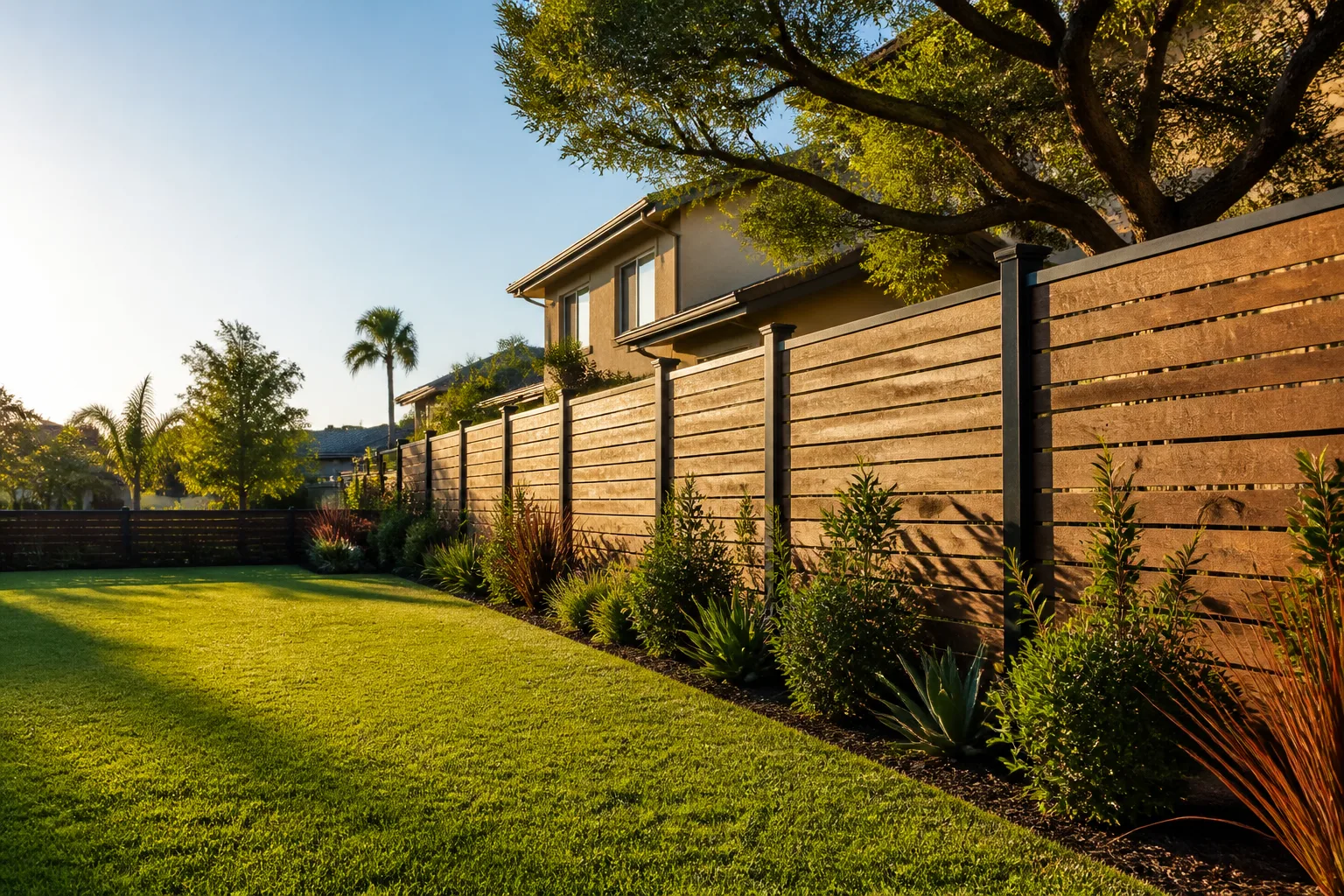
Wood is the default for a reason: it’s affordable, easy to repair, and looks right on the mid-century and ranch tracts that cover much of West Covina. The downside is UV and moisture cycling. Untreated or lightly treated pine in direct summer sun will gray and check within a few years. Cedar and pressure-treated lumber go longer. Our advice: choose a species with real UV tolerance, seal it on a schedule, and budget for re-staining every few years. Wood fences here typically run fifteen to twenty years before major sections need replacing, longer if you keep up on finish.
Vinyl
Vinyl shrugs off UV and moisture and never needs staining, which makes it attractive in a high-sun market like West Covina. It stays clean and holds color. The catch is heat and wind. Cheaper vinyl gets brittle in extreme summer temperatures and can crack under wind load if the posts aren’t spec’d right. Specify a thicker gauge and a reinforced post for exposed runs, and vinyl will give you twenty to thirty years. It also handles the fading issue the inland sun throws at older, thinner product much better than it used to.
Aluminum
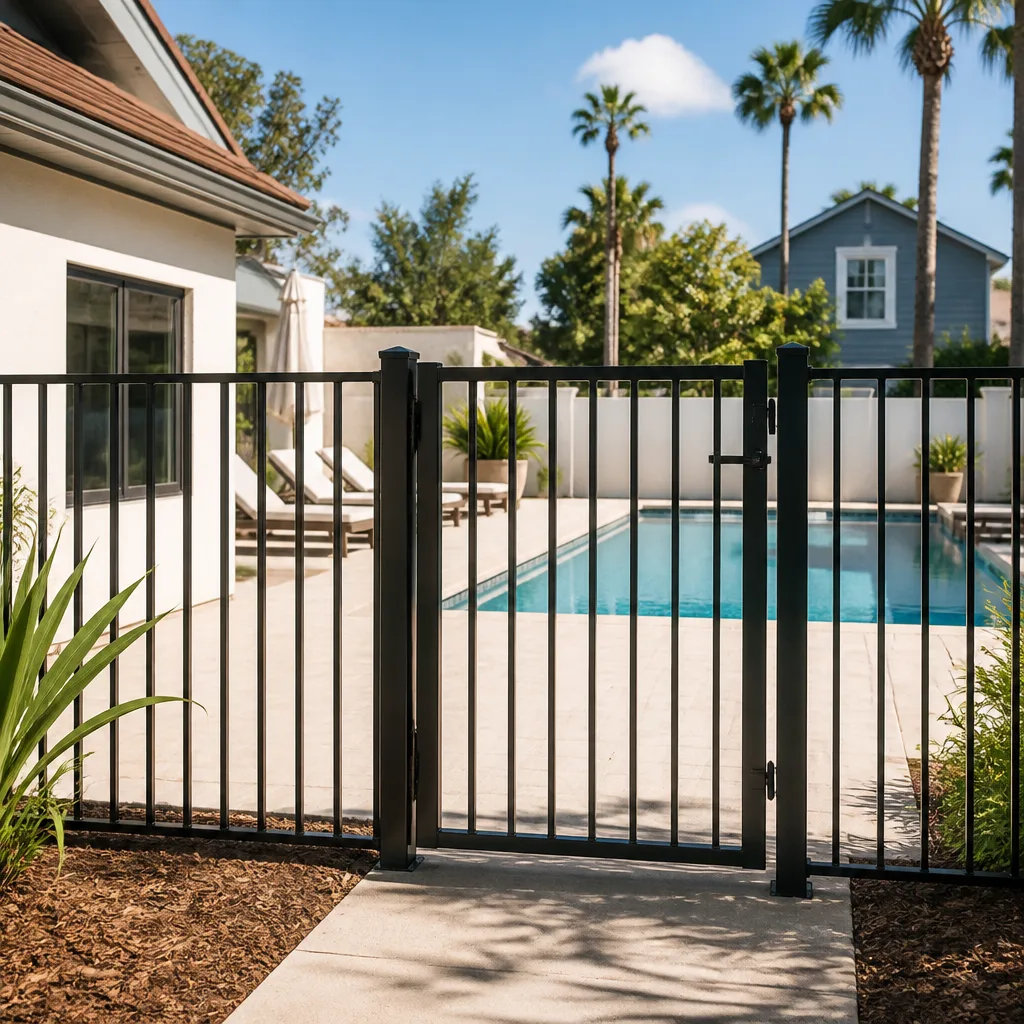
Aluminum is the workhorse for anyone who wants a low-maintenance, wind-tolerant fence. Powder-coated aluminum resists rust, needs no upkeep, and holds up to Santa Ana gusts better than wood because it’s rigid and doesn’t absorb moisture. It’s the best choice for pool barriers and decorative front-yard fencing. It won’t give you the privacy of wood or vinyl on its own, but with slats or panels it can.
Block Wall
Block wall (concrete masonry) is the heavyweight, and in parts of West Covina you’ll see it holding the property line across the back of older lots. It’s the most durable option by a wide margin – thirty to fifty years or more – and it’s excellent at screening sound and holding up to wind. The tradeoffs are cost, the permit and engineering steps above four feet, and the fact that it needs proper footing and, on tall runs, vertical steel reinforcement. A well-built block wall is a permanent asset. A block wall poured on a bad footing is a leaning liability.
| Material | Typical lifespan here | Wind resistance | UV/heat | Maintenance |
|---|---|---|---|---|
| Wood | 15-20 years | Moderate | Needs seal/stain | Regular |
| Vinyl | 20-30 years | Good if spec’d right | Excellent | Minimal |
| Aluminum | 25-30+ years | Excellent | Excellent | None |
| Block wall | 30-50+ years | Excellent | Excellent | None once built |
Whichever you pick, the materials brand matters. We work with established manufacturers, and for setting posts we use a proven concrete mix like Sakrete because a footing is only as good as the material in it.
Verifying Your Property Line Before You Build
This is the single most expensive mistake in the list. If your fence crosses onto a neighbor’s lot, you can be ordered to remove it, and in California a neighbor can sometimes claim adverse possession or quiet title if a fence sits in the wrong spot long enough. Getting this right before you build costs a few hundred dollars. Getting it wrong costs thousands.
- Find your recorded lot survey. Most West Covina homeowners received one at closing. It shows the lot dimensions, any easements, and the setback lines. Dig it out of your closing documents first.
- Pull LA County Assessor records. The assessor’s parcel map shows your lot’s recorded boundaries. It won’t give you precise on-the-ground measurements, but it confirms the shape and any unusual lot lines.
- Look for existing monuments and corner markers. Older tracts often have a rebar pin or a stamped cap at the corners. If you find one, do not remove it or pour concrete over it.
- Hire a licensed land surveyor if anything is unclear. A survey will stake your line on the ground and give you a signed record. If your neighbor’s fence already looks off, this is non-negotiable.
- Talk to your neighbor before construction. A five-minute conversation about where the fence will run prevents most disputes. Get it in writing if there’s any disagreement.
One local note: many West Covina lots were built in the 1950s and 1960s, and decades of landscaping, additions, and repaving have shifted what “looks like” the line. Don’t trust the old fence’s position. Trust the survey.
HOA Fence Rules in West Covina Neighborhoods and How to Get Approval
Large parts of West Covina fall inside planned communities and HOAs, and their rules on fences are often stricter than the city’s. This is where a lot of projects stall: a homeowner picks a fence, buys the material, and then finds out the architectural committee requires a specific color, a specific material, and a specific height – and won’t approve the design they already paid for.
Common HOA fence rules in West Covina neighborhoods include:
- Approved material lists. Many associations restrict fencing to specific wood species, vinyl in designated colors, or wrought-iron-style aluminum. Some prohibit chain link entirely.
- Color standards. Earth tones and specific paint or stain colors are common requirements. Your HOA’s design guidelines will list exact colors, often matching the original tract palette.
- Height caps. Many HOAs cap fences lower than the city does – often five feet in visible areas.
- Architectural review submission. Most require a submission with a drawing, material samples, color swatches, and sometimes a site plan showing the fence location.
- Approval before installation. Committees typically reject any fence built before approval, even if it matches the standard.
The safe process is simple: read your CC&Rs and design guidelines, submit the application with samples and a drawing, and get written approval before you order anything. If you’re unsure which rules apply, ask the management company for the current architectural guidelines. Budget two to six weeks for review. For a full walkthrough of the build itself, see our guide on Groundwork Construction Co. of West Covina home.
Post Footing Depth for West Covina Soil and Wind Load
Here’s where most online fence guides fall flat. They tell you to bury a post one-third of its above-ground length – the “one-third rule.” For a six-foot fence, that’s two feet. In West Covina’s wind corridor, two feet is often not enough.
Footing depth has to account for two forces: soil bearing and wind. West Covina’s soil varies widely. Some neighborhoods sit on sandy fill that drains well but holds a post loosely. Others sit on expansive or hard clay that shifts with the wet-dry cycle and can heave a shallow footing. Add in Santa Ana wind events that funnel through the valley and you get lateral loads on a fence that a one-size rule ignores.
What a proper footing looks like in our experience:
- Depth: three feet or deeper for a six-foot fence in exposed spots, and deeper over sandy or expansive soil. Don’t cut this to hit a price.
- Bell the base: widening the bottom of the hole gives the concrete an anchor against upward and lateral movement.
- Concrete, not dirt: fill the hole with a proper concrete mix and crown it at the top so water runs off the post, not into it.
- Post spacing: tighter spacing holds up better under wind. Wider spacing saves posts but loads each one more.
- Bracing during cure: and backfill done right so the post isn’t pushed out of plumb before the concrete sets.
If your fence runs along an exposed ridge line, sits in a wind gap between homes, or is a tall solid-panel design, engineer the footings for the actual load. This is a job where a mistake shows up years later as a leaning run, and it’s worth doing right the first time. Our Driveway & Pavers in West Covina page covers the same base-and-soil discipline that applies to any hardscaping work.
What Fence Installation Costs in West Covina
Cost depends on material, height, length, removal of the old fence, and site access. Here are the ranges we see for West Covina homes, installed. These are ballparks for planning – a written quote will pin your number.
| Line item | Typical range |
|---|---|
| Wood privacy fence, 6 ft | $40 – $70 per linear foot |
| Vinyl fence, 6 ft | $45 – $85 per linear foot |
| Aluminum fence | $50 – $95 per linear foot |
| Block wall (masonry) | $60 – $120+ per linear foot |
| Old fence removal and haul-away | $4 – $12 per linear foot |
| Permit fees (when required) | varies by scope; often a few hundred dollars |
| Land survey (if needed) | several hundred dollars |
For a typical West Covina lot with around 150 linear feet of fence, that lands somewhere in the $6,000 to $13,000 range for a wood or vinyl fence including removal. Block wall and taller runs go higher. Two things drive cost more than anything else: the length and the footing spec. Cutting corners on footings saves money upfront and costs more later when a run leans and has to be rebuilt. Our Home Additions & ADU in West Covina project page shows the same approach to upfront pricing we apply to fences.
The Installation Process, Step by Step
Here’s how a properly run West Covina fence project moves from first call to finished line.
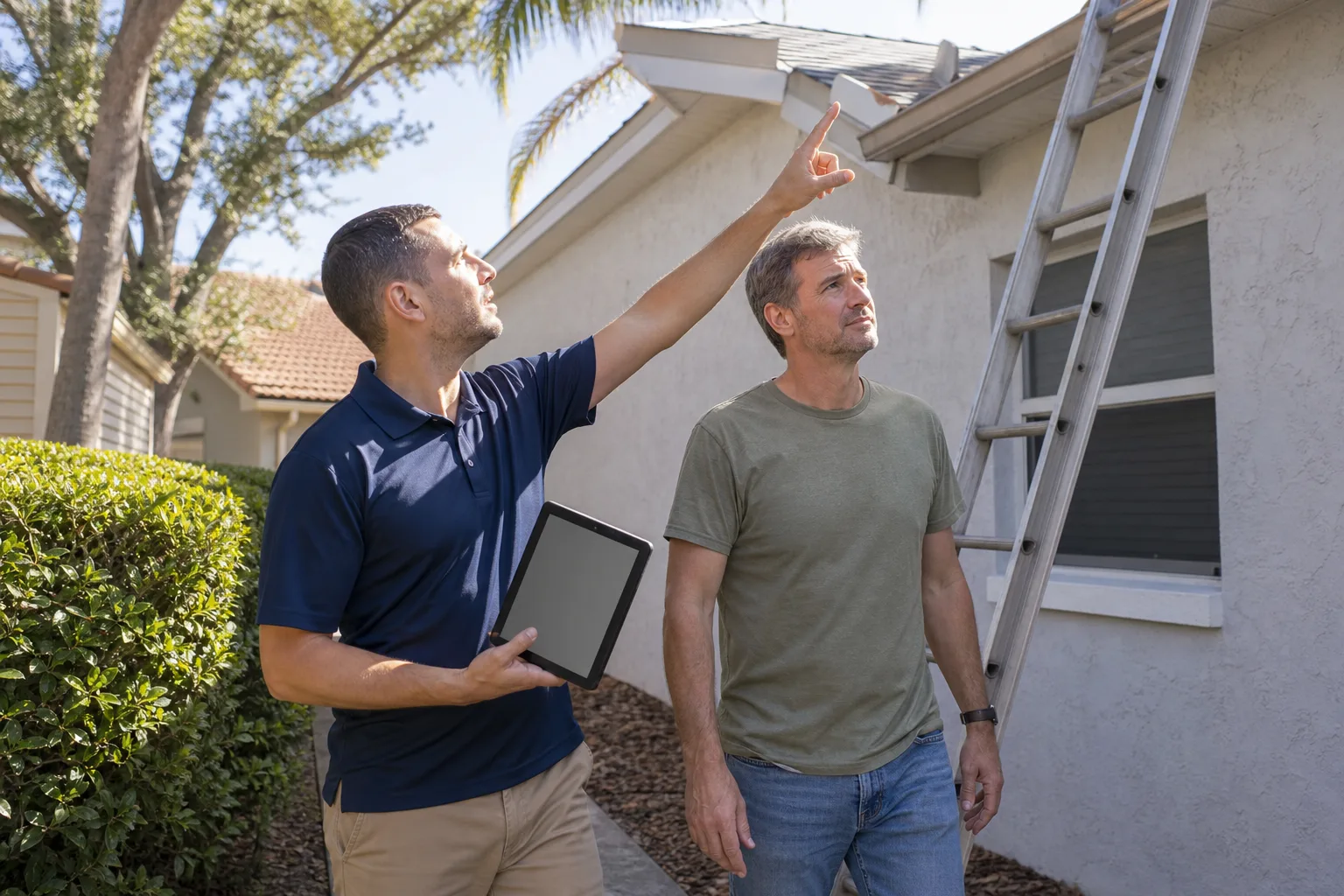
- Free estimate and site walk. We measure the run, look at soil, access, and existing fence condition, and give you a written line-item quote. You get the number in writing before anyone swings a hammer.
- Permit and HOA check. We confirm height limits, permit requirements, and HOA guidelines for your lot and submit any applications or drawings needed.
- Property line verification. We confirm the fence runs inside your line, clear of easements, using your survey or a new one if needed.
- Mark-out and utility locating. Before digging, the line is marked on the ground and underground utilities are located so posts don’t hit a line.
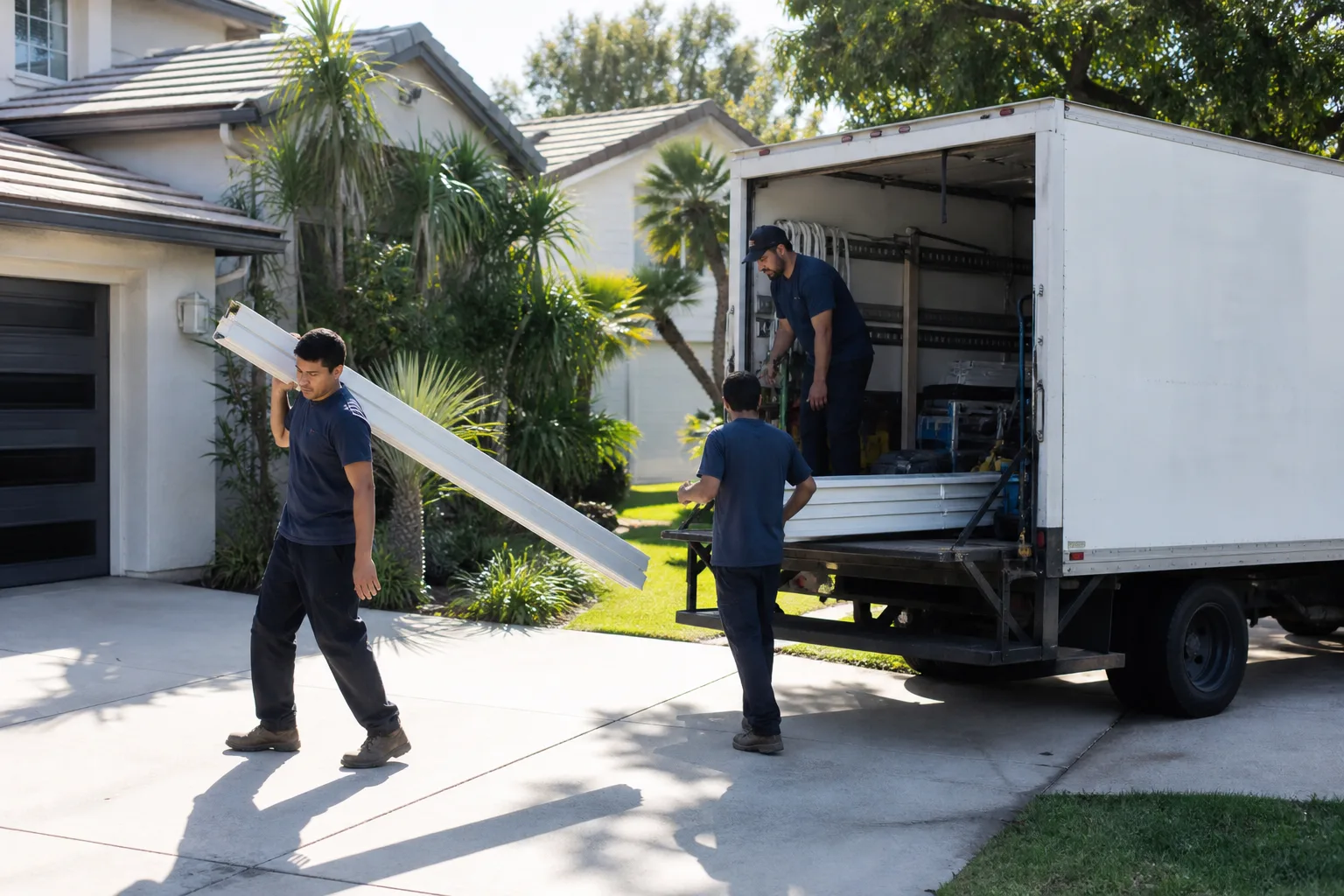
- Demo and haul-away. The old fence comes out and gets hauled off. The site is left clean each day.
- Post holes and footings. Holes are dug to the correct depth for soil and wind, footings are set in concrete with a belled base, and posts are braced while they cure.
- Panels, rails, and gates. Panels and rails go up, the gate is hung and adjusted, and hardware is checked for swing and latch.
- Final walkthrough. We walk the line with you, check plumb and finish, and hand over documentation. Every job is covered by the 730-Day Done Right Promise – if it’s not done right, we make it right.
Common Mistakes to Avoid
- Building on the wrong side of the property line. Without a survey or a documented conversation with your neighbor, you risk removal and a legal fight. Confirm the line first.
- Ordering materials before HOA approval. Architectural committees in West Covina HOAs reject designs regularly. You can’t return a custom fence. Get written approval first.
- Skipping the permit on a tall fence. Anything over six feet in most West Covina zones needs one. An unpermitted fence can complicate a future sale and can be ordered down.
- Using the one-third rule for footings. Two-foot depths on a six-foot fence in West Covina’s wind corridor fail. Use three feet minimum in exposed spots, deeper over loose or expansive soil.
- Ignoring the drainage on your lot. A solid fence across a natural drainage path can pool water against your foundation or a neighbor’s. Don’t block a flow line without a plan.
- Picking material by price alone. A cheaper fence that grays and leans in five years costs more than a better one that lasts twenty. Match the material to sun exposure and wind.
- Forgetting your neighbors entirely. A quick conversation prevents most disputes. In California, a fence on or near the line often triggers shared-cost questions; settle them before construction.
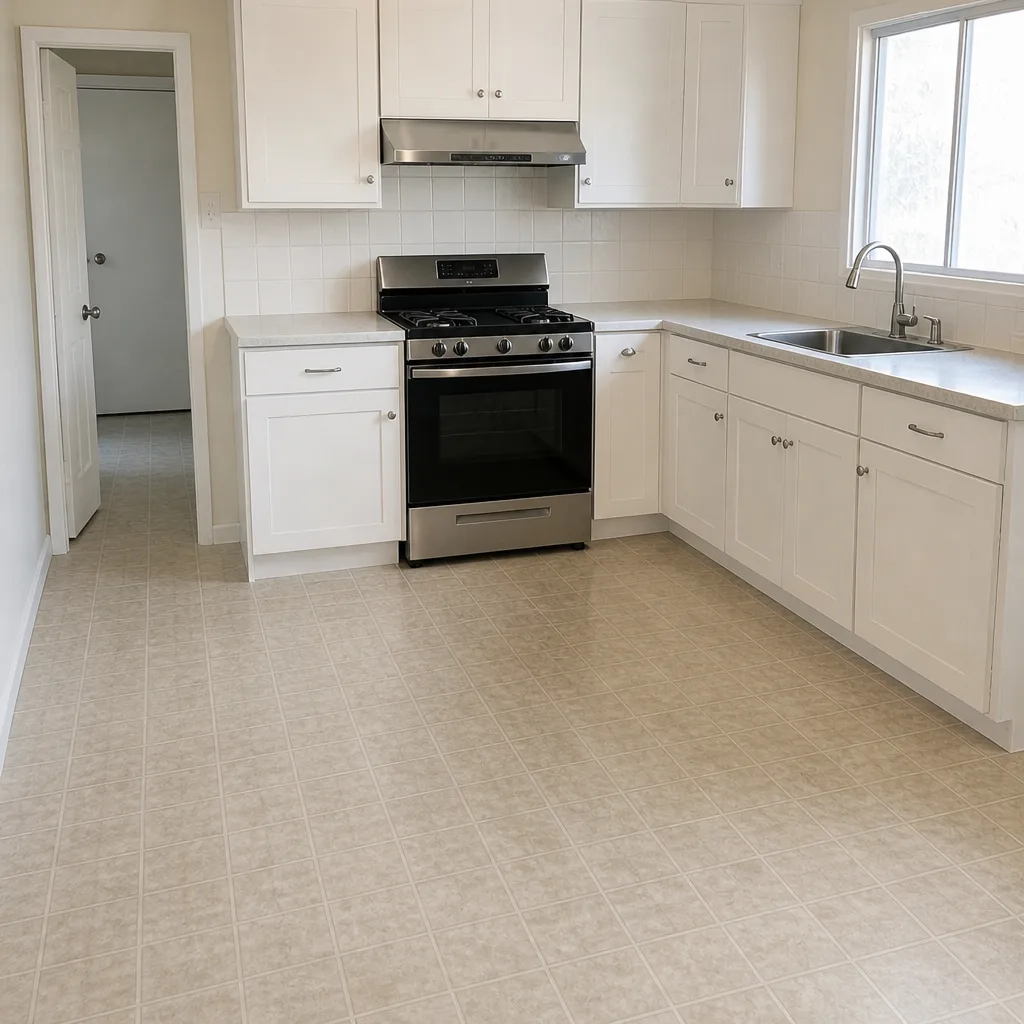
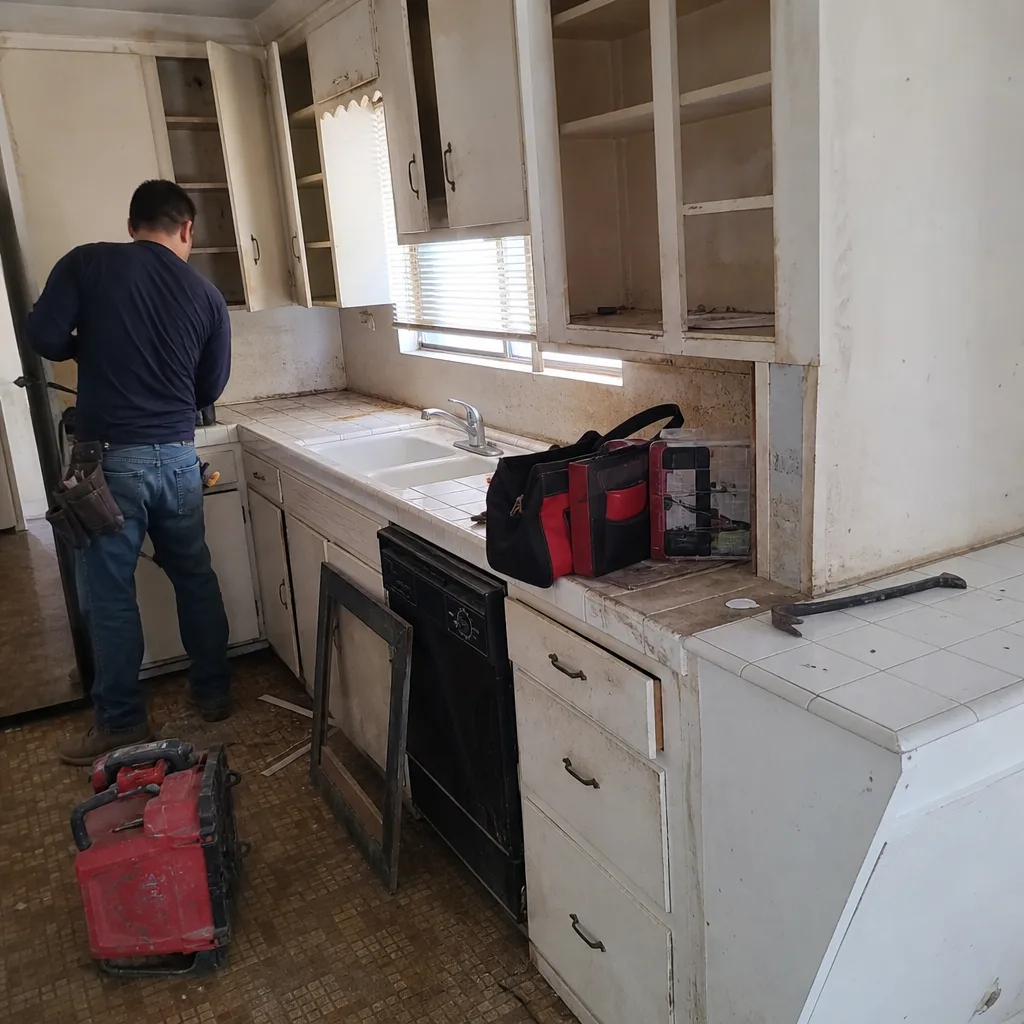
See the difference
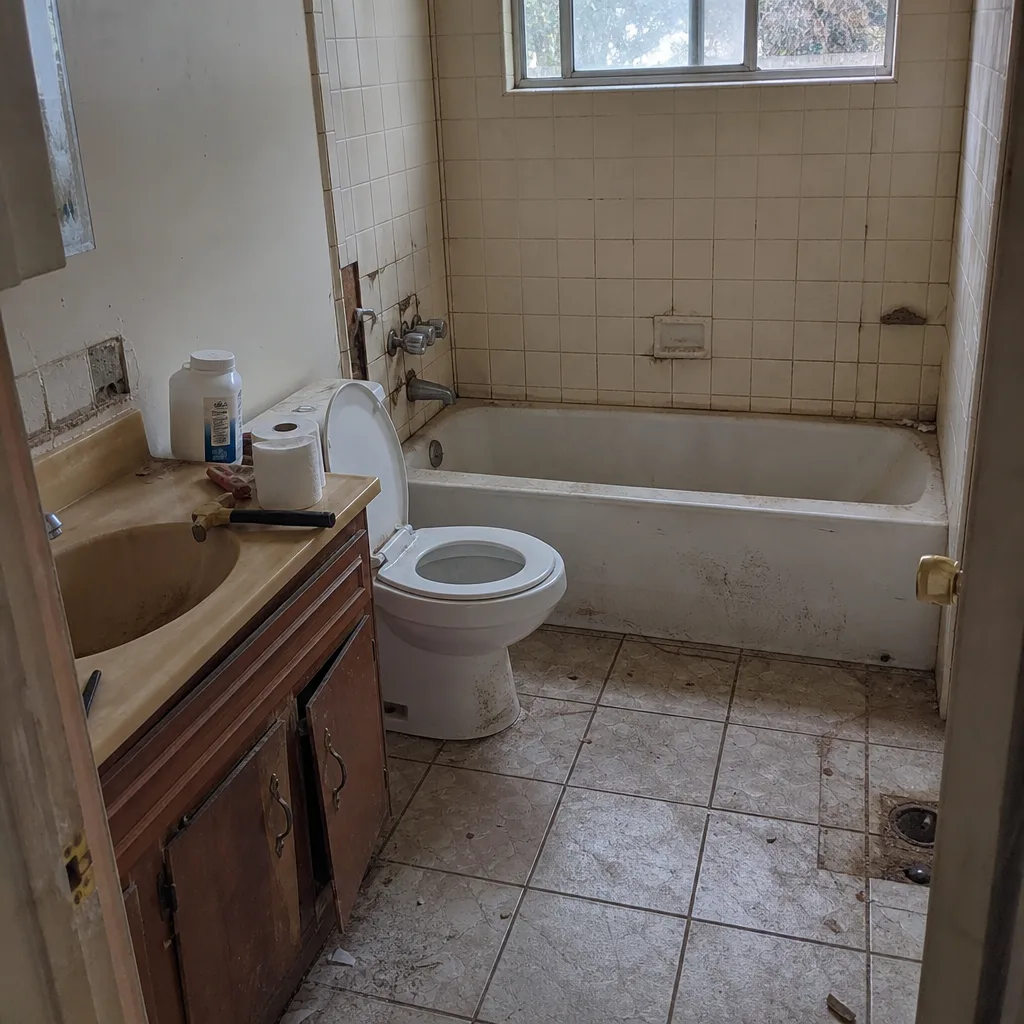 Before
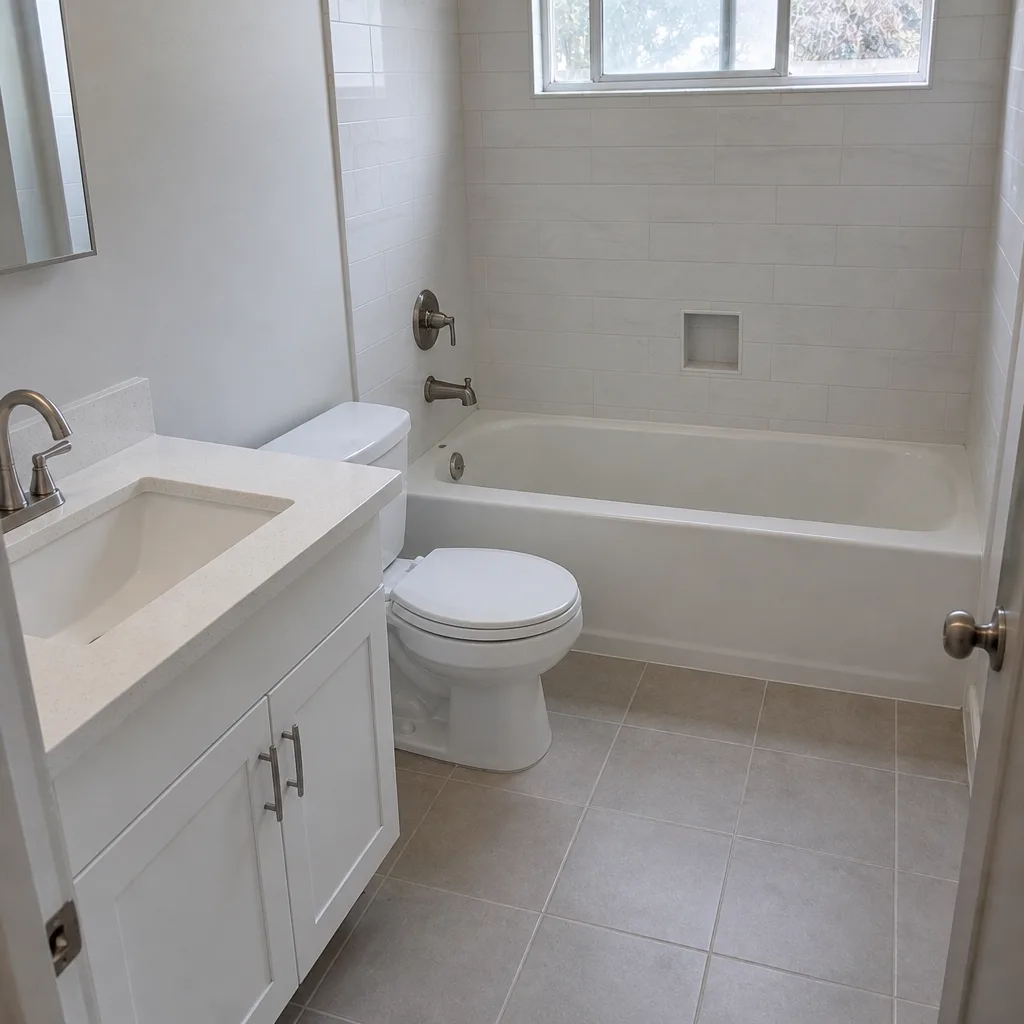 After
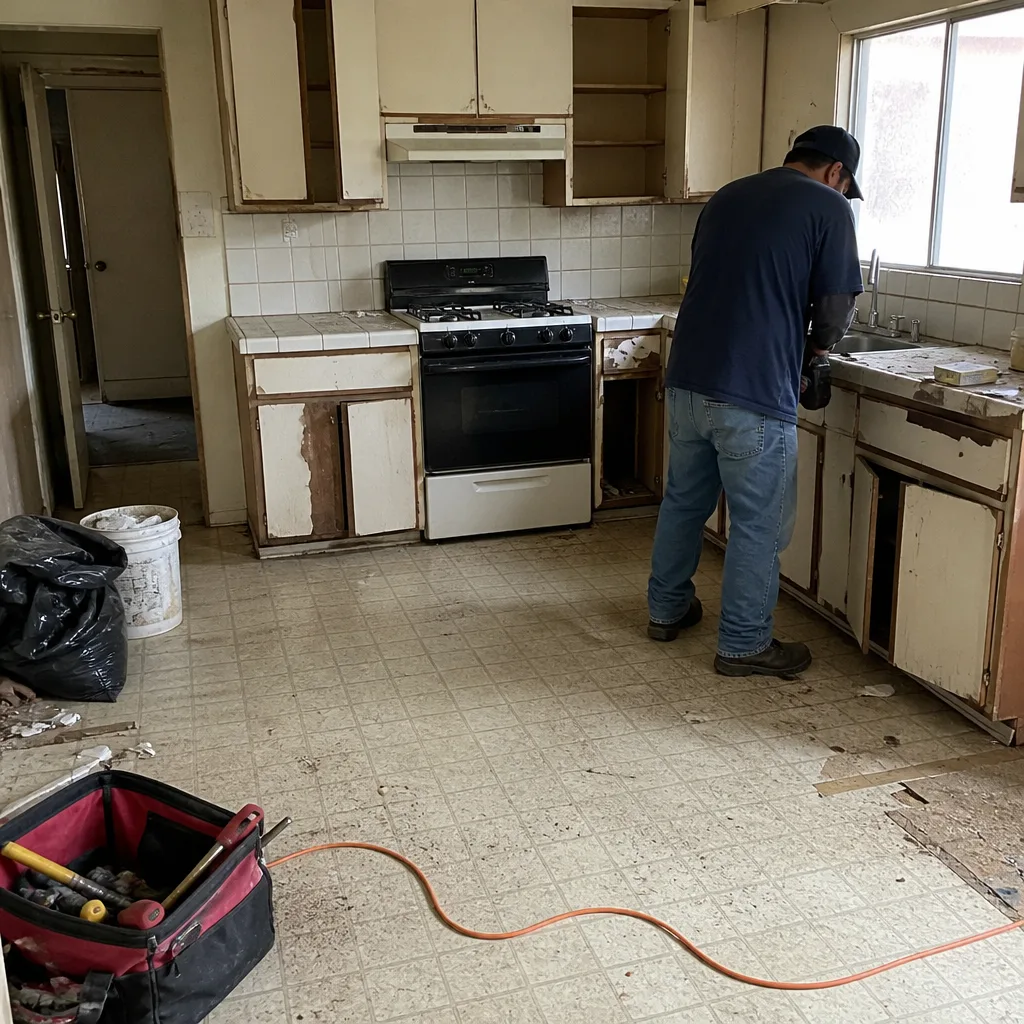 Before
 After
 Before
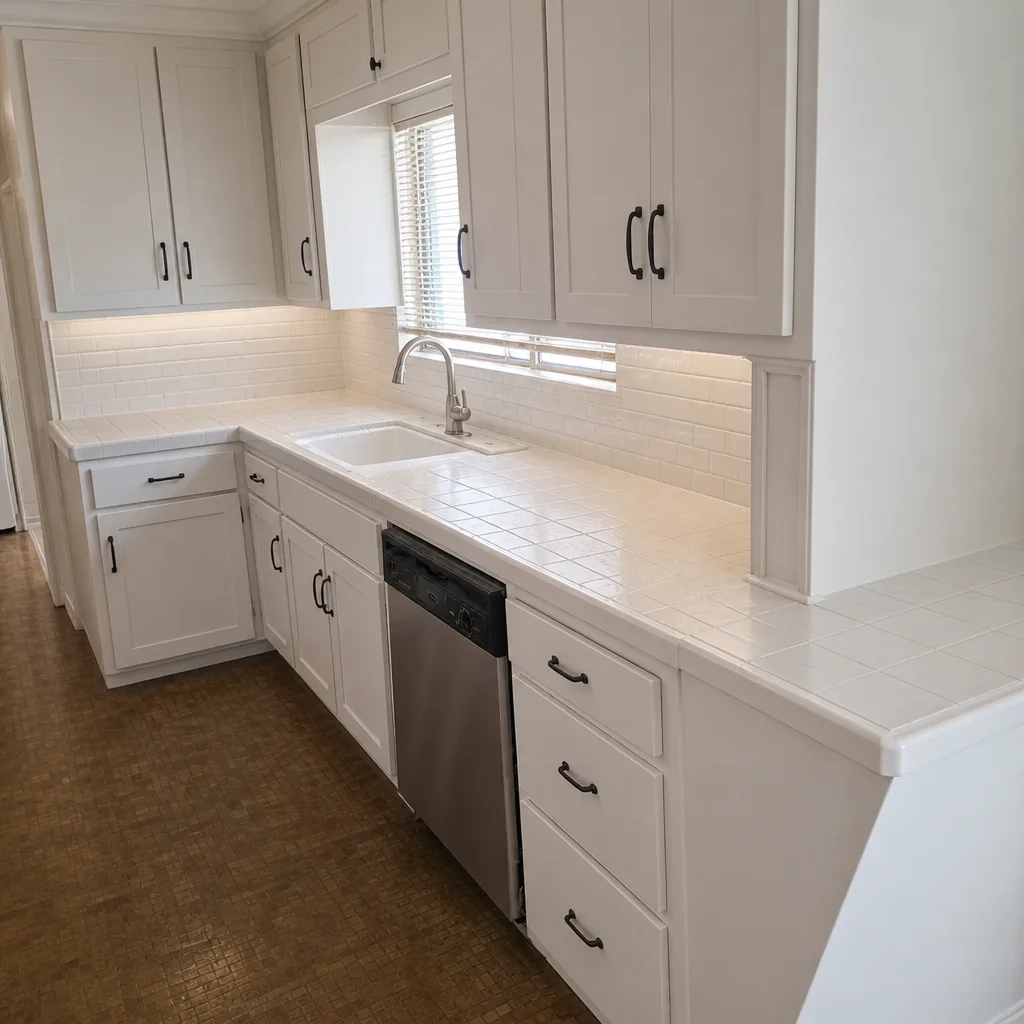 After
When to Call a Professional
Some fence work is a reasonable weekend project. But several situations in West Covina call for a licensed, insured contractor. If your fence needs a permit, runs over six feet, sits on a block wall or retaining structure, involves an unclear property line, or crosses an easement, get a pro involved. The same goes if your lot is exposed to Santa Ana wind and you’re running a tall solid panel, or if soil is loose or shifting. Post framing is the kind of work where you can’t see the failure for a season or two. It only shows up later as a leaning fence. We can check the ground first – Groundwork Construction Co. of West Covina offers free estimates in West Covina. Call (844) 662-2335. We answer with a live person, 24/7, and every job is backed by the 730-Day Done Right Promise.
Frequently Asked Questions
Most West Covina fence projects run from roughly $35 to $95 per linear foot installed, depending on material and height. A typical 150-foot lot with a six-foot wood or vinyl fence, including removal, usually lands between $6,000 and $13,000. Block wall and taller runs cost more. Call (844) 662-2335 for an exact quote – estimates are free and we put the number in writing.
In most West Covina residential zones, a fence over six feet in the rear or side yard requires a building permit, and front-yard fences are tighter at typically three feet. Setback, easement, and sight-distance rules apply too. We’ll confirm the exact rules for your lot and handle the permit application. Call (844) 662-2335 to get started.
Plan on three feet or deeper for a six-foot fence, deeper in sandy or expansive soil and in exposed wind corridors. The one-third rule (two feet for a six-foot fence) is often too shallow here given Santa Ana wind loads. A belled concrete footing and tighter post spacing make a real difference. Call (844) 662-2335 and we’ll spec it for your lot.
It depends on your goals. Vinyl and aluminum hold up best to UV and wind with minimal upkeep; wood is affordable and repairable but needs regular sealing; block wall is the most durable and longest-lived at the highest cost. For exposed, windy runs, aluminum and well-spec’d vinyl perform best. Call (844) 662-2335 for a free consult on your specific site.
No. The quote you get is the number you pay – no surprises once the work is underway. We provide written, line-item pricing upfront, and if conditions change something, we discuss it with you before any extra work is done. Call (844) 662-2335 for a free written estimate.
Read your CC&Rs and design guidelines first, then submit a drawing with material samples and color swatches to the architectural committee and get written approval before you order anything. Many West Covina HOAs cap fence height below the city limit and restrict materials and colors, so approval before purchase saves you from a rejected, unreturnable order. Call (844) 662-2335 and we can help you put the submission together.
The Bottom Line
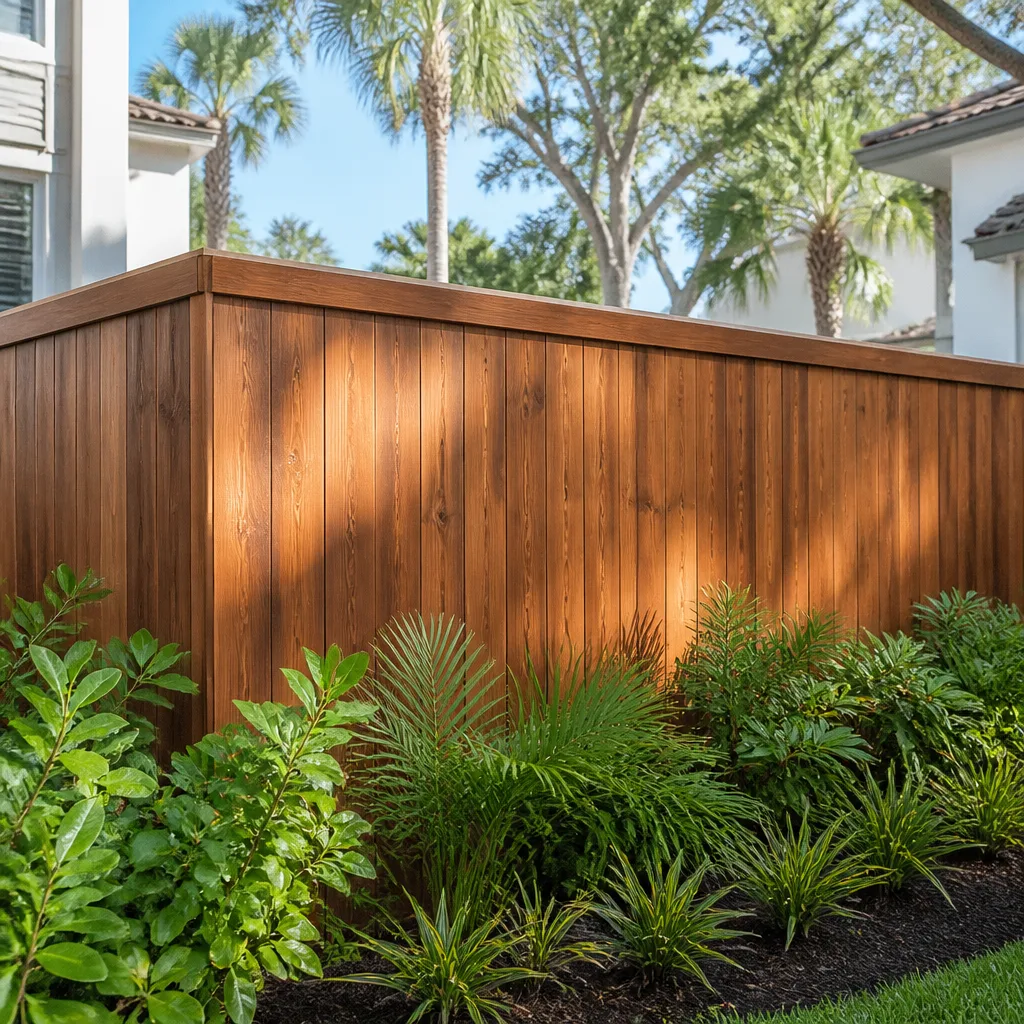
A fence in West Covina is a structural decision, not just a cosmetic one. Get the property line right, confirm the permit and HOA rules for your lot, match the material to your sun and wind exposure, and don’t skimp on footings. Those four moves prevent the neighbor disputes, permit violations, and premature re-installs that hit a third of California fence projects. Upfront pricing, a written line-item quote, and a two-year-plus workmanship guarantee turn a risky job into a known one. Our technicians have up to 12 years of experience on everything from wood privacy runs to block walls. Call (844) 662-2335 for a free estimate in West Covina – a live person answers 24 hours a day, and every project is covered by the 730-Day Done Right Promise.
Written by the team at Groundwork Construction Co. of West Covina.