Last updated November 18, 2026
Free written scope consultation - allowances, timeline, and change-order rules on paper before a single trade is scheduled
The Complete Guide to Construction in West Covina
Here’s the surprise most contractors won’t put in writing: a typical West Covina remodel runs through two separate review cycles at the city, and the gap between them alone can add three to six weeks to your timeline. That single unknown has wrecked more project schedules than rain, supply shortages, or a slow concrete pour ever did. Homeowners who plan for it finish on budget. The ones who treated West Covina like “just another San Gabriel Valley suburb” find out the hard way after the plans are drawn. This guide maps the actual terrain: permits, hillside soil, HOA jurisdiction, licensing, and how to read a bid so nothing surprises you.
Quick Answer
Construction in West Covina runs slower and more layered than most of the San Gabriel Valley because the city uses a two-step plan review (typically adding 3 – 6 weeks), hillside lots in the foothills require engineered grading, and many neighborhoods layer HOA approval on top of city permits. Budget a realistic 4 – 8 week front end for permitting alone on a typical remodel, and get your HOA sign-off before you pull a city permit. Plan for those three things and the rest of a West Covina project behaves predictably.
Styles & brands we work with
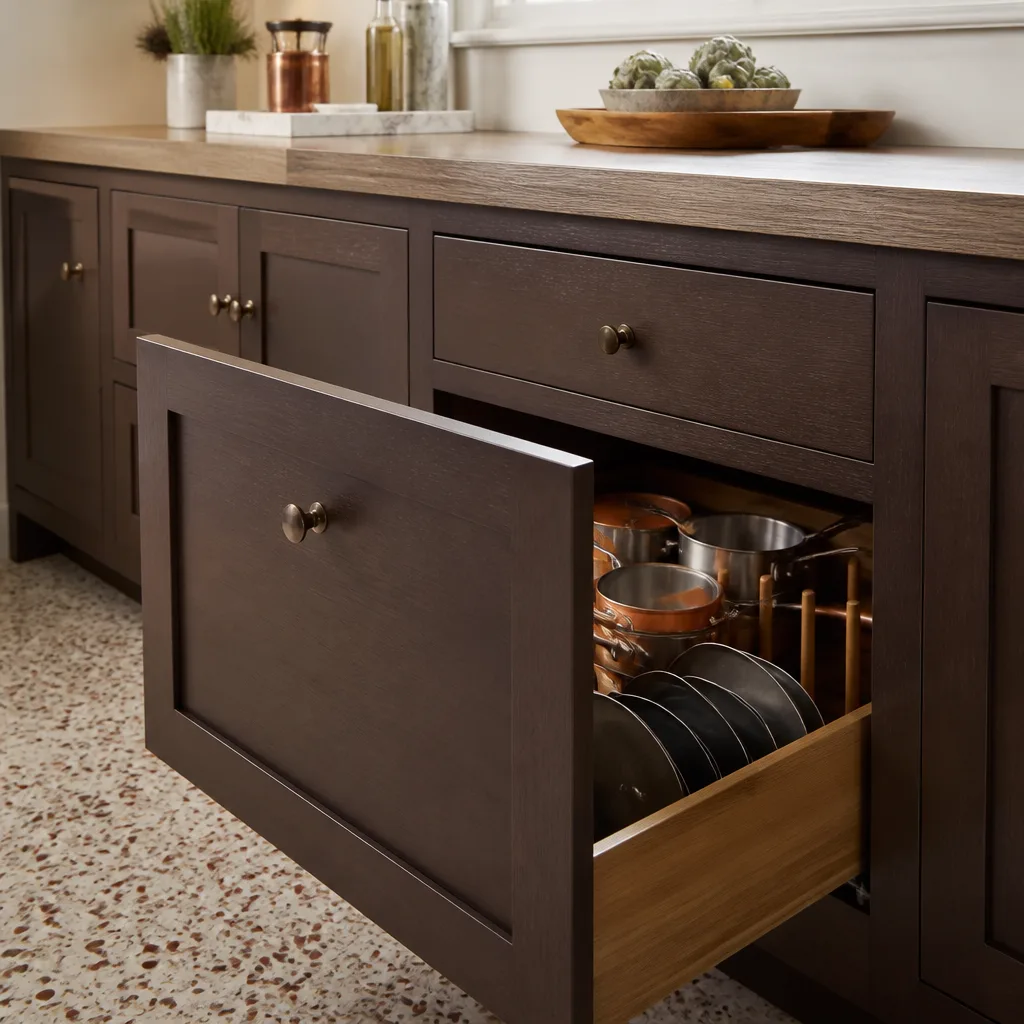
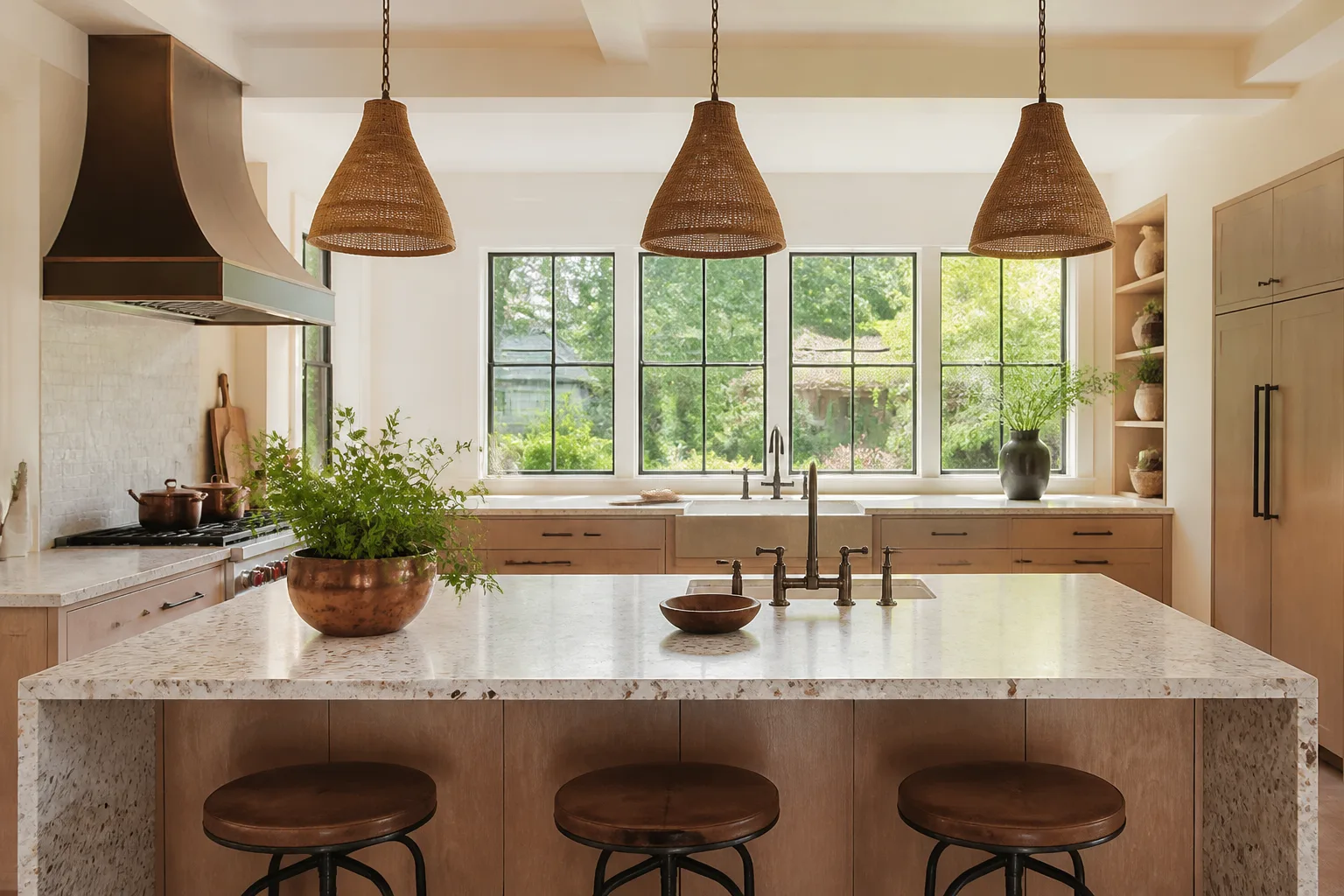
- Kitchen remodeling
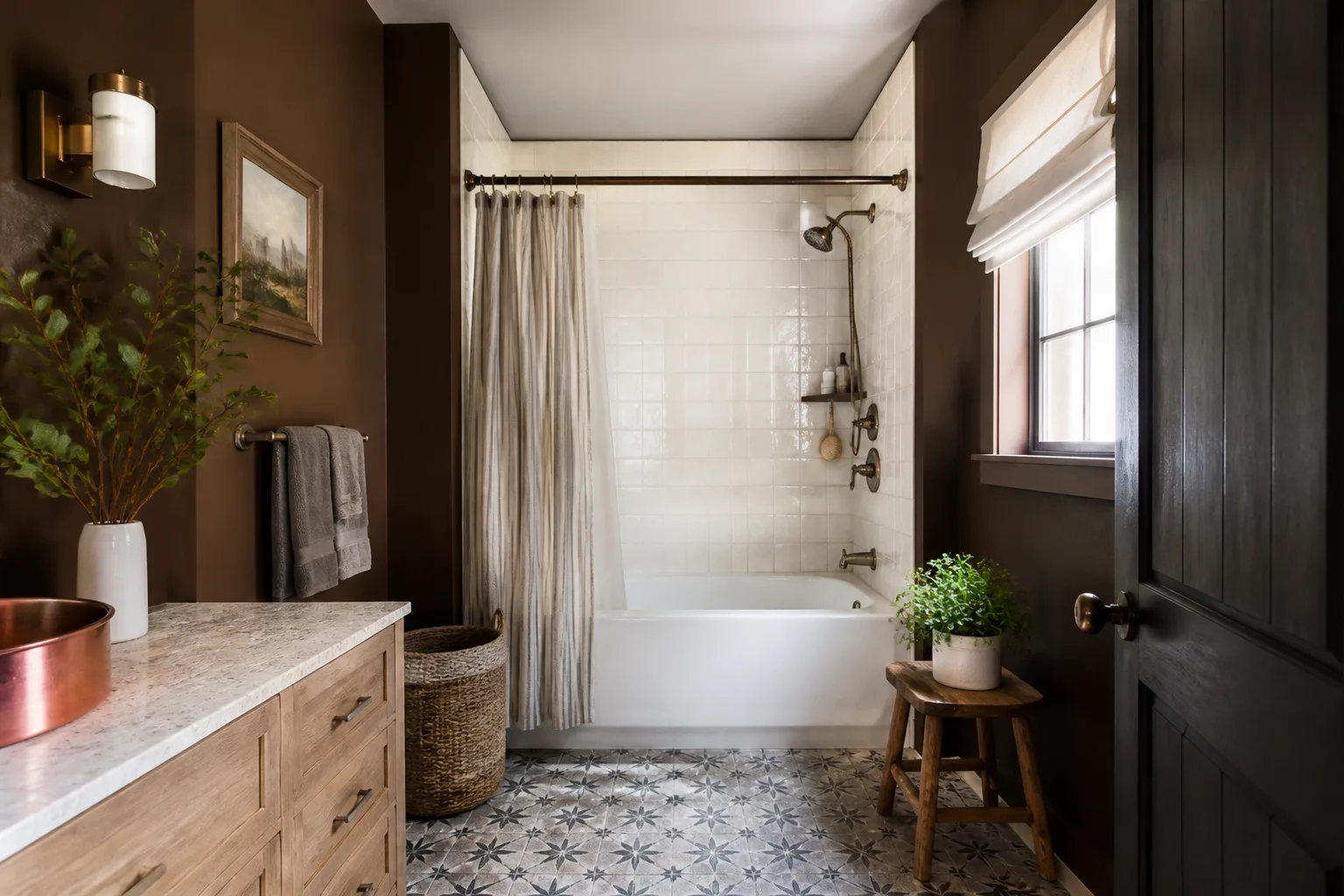
- Bathroom remodeling
- Home additions & ADU
- Roofing
- Windows & doors
- Driveway & pavers
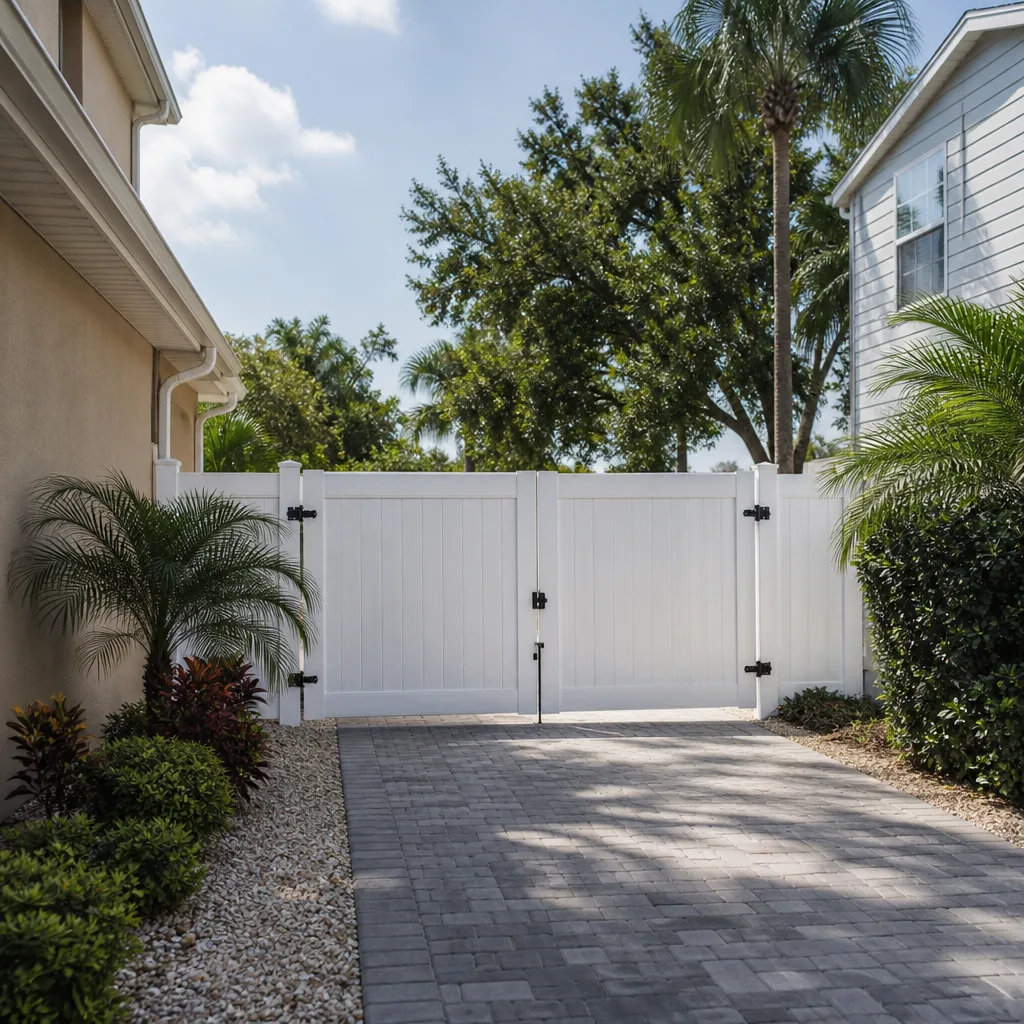
- Fence
Table of Contents
- How West Covina’s Permit Process Differs From Neighboring SGV Cities
- Soil and Grading in the West Covina Foothills
- HOA Jurisdiction and What to Get Approved First
- Licensed Specialty Subs vs. General Contractor Scope Under California Law
- How to Read a West Covina Project Bid
- Project Types and What Drives Cost in West Covina
- San Gabriel Valley Climate and Material Choices
How West Covina’s Permit Process Differs From Neighboring SGV Cities
The single biggest timeline difference in West Covina is the two-step review. The city’s plan check runs in phases, and the gap between your first correction notice and the final sign-off is where schedules go to die. Neighboring cities in the San Gabriel Valley often move plans through a flatter, single-pass review for straightforward residential work. West Covina’s structure adds a checkpoint. That’s not a knock on the city; it’s how you should plan.
In our experience, a kitchen or bathroom remodel that ruffles exterior walls or moves plumbing lands in a 4 – 8 week permitting window from the day you submit. Additions, ADUs, and anything touching grading or structural framing run longer. Here’s how to plan around it:
- Submit a complete package the first time. Missing energy-compliance forms (Title 24) or incomplete site plans are the number-one cause of a correction cycle. One correction cycle can add two to three weeks.
- Expect the second review. Build a 3 – 6 week buffer between your first submittal and final sign-off. Many contractors skip this and then “discover” the delay after you’ve signed.
- Get your structural and grading sheets engineered up front if you’re in the foothills. West Covina plan checkers will ask, and retrofitting a package mid-review costs you a full cycle.
- Ask for a pre-submittal meeting on anything larger than a like-for-like replacement. A fifteen-minute conversation with the counter staff can save you a full round of corrections.
The takeaway: if a contractor quotes you a two-week approval on a West Covina remodel, ask them to put that in the contract. We’ve watched enough schedules slip to know that buffer is real, and it should be in your plan from day one, not discovered after the demo.
Soil and Grading in the West Covina Foothills
West Covina isn’t flat. Drive from the valley floor up toward the South Hills and you’ll cross a gradient of soil conditions in a single mile. Lower lots hold expansive clay soils that swell when wet and shrink when dry. Foothill lots climb into decomposed granite, slope stability issues, and drainage that has to be engineered, not improvised. That difference affects foundation type, flatwork (driveways, patios, walkways), and retaining walls more than most homeowners expect.
For flatwork in the valley, we’re regularly specifying a thicker slab with a properly compacted base and control joints placed for the local clay cycle. At the base of the South Hills, we’ve seen driveways crack within two years when the contractor laid a standard four-inch slab with no base prep. Foothill lots get a different conversation entirely. Anything on a slope over a certain grade needs a soils report, engineered footings, and a drainage plan that pushes water away from the structure.
- Expansive clay lots: plan for reinforced slabs, proper base compaction, and joint spacing designed for the local shrink-swell cycle.
- Foothill grade lots: get a geotechnical report before pouring anything; standard flatwork failures up here are almost always a drainage problem, not a concrete problem.
- Retaining walls: anything over roughly four feet tall involves engineering and, in most cases, a permit. A wall that fails because it was built as a decorative feature can take a driveway with it.
- Drainage: West Covina’s winter rain arrives in concentrated bursts, not slow drizzle. Route water deliberately.
When you’re ready to price flatwork, this is where a proper Driveway & Pavers in West Covina conversation matters. The material and base prep decisions made before the first truck arrives are the ones that decide how the surface performs a decade from now.
HOA Jurisdiction and What to Get Approved First
Many West Covina neighborhoods carry an HOA on top of city jurisdiction, and the order in which you get approvals matters far more than most homeowners realize. Here’s the rule: get your HOA approval before you pull a city permit. If you do it backward and the HOA asks for a change (fence height, roof color, exterior paint, addition footprint), you can end up re-submitting to the city with a revised plan. That’s a full second plan-check cycle wasted.
The overlap is especially common in the planned communities scattered across the newer portions of West Covina, and the architectural review boards there can be detailed. Roofing replacements that seem straightforward often require a color and material submittal to the HOA even when the city doesn’t care. Fencing is another consistent sticking point: the city has a height limit, and your HOA may add tighter rules on top.
- Read the CC&Rs before you design. Fencing, roof material, exterior colors, and sometimes even window manufacturer are governed.
- Submit to the HOA architectural committee first. Get written approval in hand.
- Then pull the city permit with the approved plans.
- Keep both sign-offs on file. When you sell, buyers and their inspectors will ask for them.
That said, we’ve run enough West Covina projects to know the process is manageable when it’s sequenced right. HOA density is a reality of living in the city, but it’s not a stopping point. Get the approvals in the right order and the project just moves. The Fence Installation in West Covina process is a good example: we start with the CC&R review before a single post goes in the ground.
Licensed Specialty Subs vs. General Contractor Scope Under California Law
California contracting law draws a clear line between what a specialty contractor can do and what a general contractor covers. Getting this wrong in West Covina means work that should have been done by a licensed specialty sub, a permit pulled under the wrong classification, or worse, a contractor performing work they aren’t licensed for. The state Business and Professions Code (Contractors State License Board territory) doesn’t take that lightly.
Here’s the practical breakdown for a West Covina homeowner:
- General contractor scope: whole-project work that touches multiple trades, structural framing, and coordination of the job. A general contractor can perform and subcontract the trades covered in a typical remodel.
- Specialty contractor scope: single-trade work like roofing, electrical, plumbing, HVAC, and fencing. These trades require licensed specialty contractors, and each carries its own license classification.
- No license, no work: any job over $500 in labor and materials requires a CSLB-licensed contractor. Unlicensed work is a liability that sits on your property records, not theirs.
- Permits tied to licensed trades: electrical, gas, and structural scope must be pulled and performed by the appropriately licensed contractor. When a project crosses into dangerous trades like electrical panel work, gas line routing, or high-tension garage-door springs and cables, that’s a real injury and fire hazard; it should be handled by a trained, licensed professional, full stop.
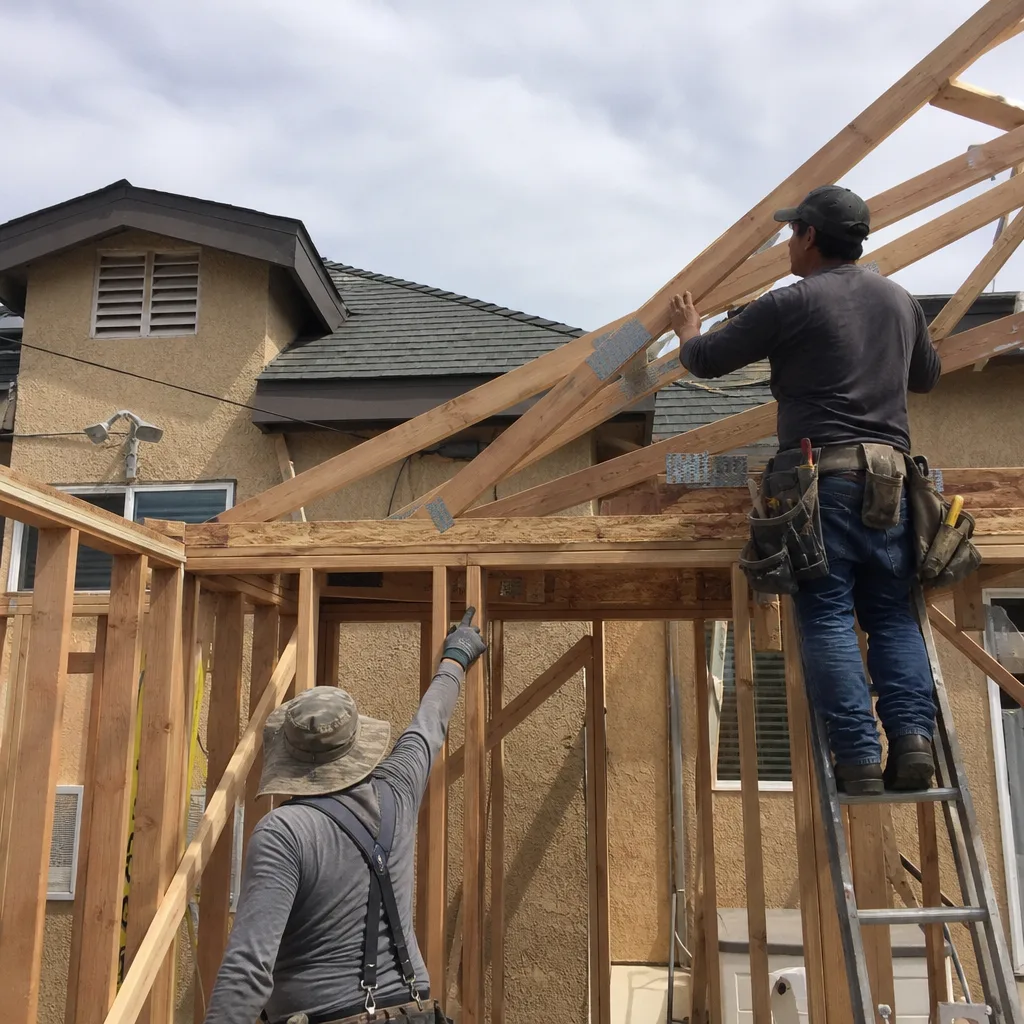
For built-in additions and ADUs, the licensing question gets more involved. The Home Additions & ADU in West Covina work involves structural, electrical, plumbing, and mechanical scope, which means a general contractor coordinates a licensed crew across every trade. That coordination is what keeps your inspections passing and your permit clean. A homeowner trying to personally play GC across four trades usually loses weeks to scheduling and eats the mistakes themselves.
How to Read a West Covina Project Bid
Most bid problems in West Covina aren’t about the total number at the bottom. They’re about what’s missing from the middle. Two bids can look nearly identical on the final line and mean completely different things once a contractor opens a wall and finds something unexpected. Here’s what to actually look for before you sign anything:
- Permit line item. Is the permit fee and plan-check cost included, or is that “handled by the homeowner”? A bid without it isn’t a lower bid, it’s an incomplete one.
- Change-order language. How does the contractor price a change once the job starts? A fixed price with an “unforeseen conditions” clause is fair; a bid with no defined change-order process is a red flag.
- Material specifications. Brand, model, and finish should be written down, not “as discussed.” When the contractor is choosing between KraftMaid and Cambria or a generic cabinet line, the spec on paper protects your budget.
- Exclusions. The best bids tell you what’s not included. If the contractor isn’t transparent about exclusions, they’ve moved that risk onto your side of the table.
- Warranty. Written workmanship warranty period, in the contract, with an expiry date. Ask what happens at the twelve-month mark, not just at completion.
- Scheduling terms. Start date, milestone dates, and what triggers a delay notice. Without these, “three weeks” is meaningless.
The bid that scares most homeowners isn’t the high one. It’s the low one missing the permit line and material spec. When a quote looks $15,000 cheaper than the others, find out what walked off the page. No-hassle, upfront pricing means the number you see is the number you pay, and that only works when the scope is fully itemized. Look for a written, line-by-line scope with a defined fixed price, not a topline total with an asterisk.
Project Types and What Drives Cost in West Covina
Cost in West Covina tracks similar to the rest of the San Gabriel Valley, but the local variables shift the numbers in ways a generic national average misses. Foothill grading, HOA review time, and clay-soil foundation work show up on the invoice. Here’s roughly what to plan for, because vague bids are where homeowners get burned:
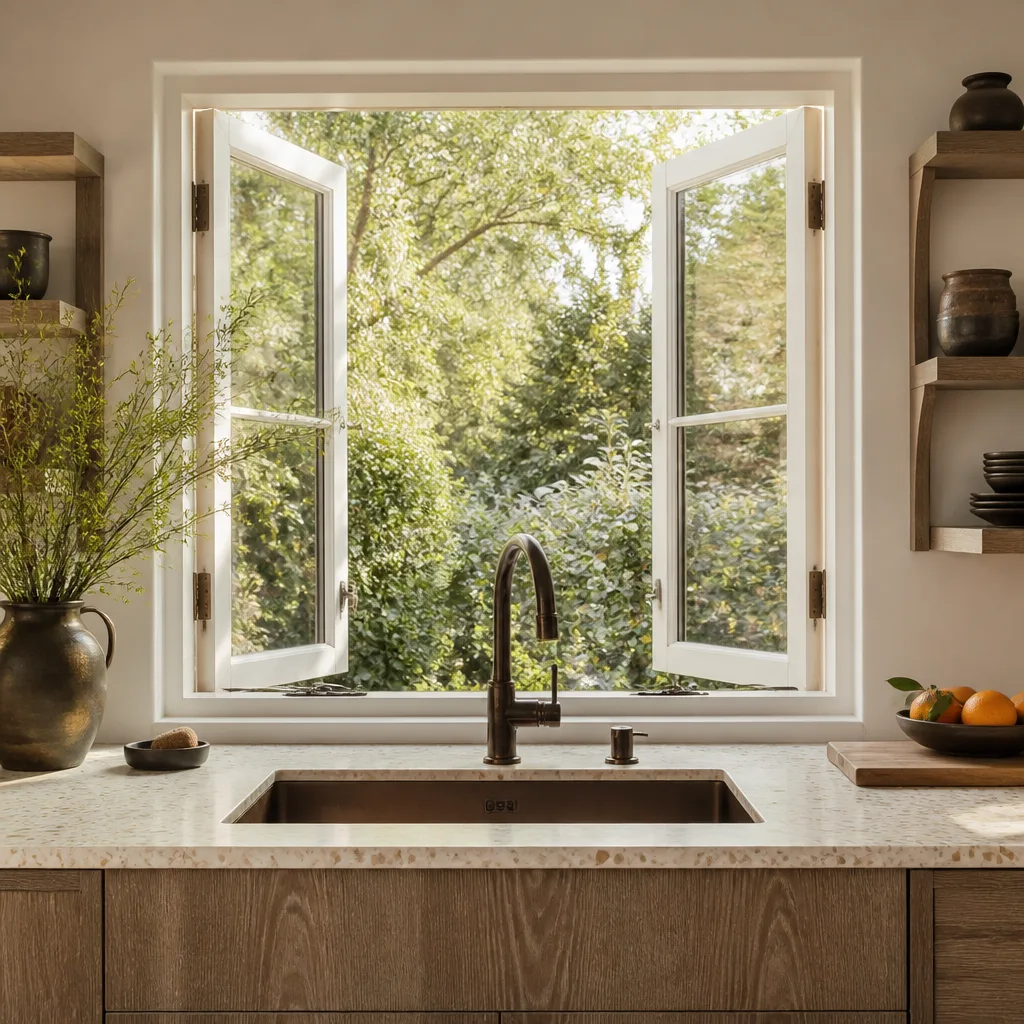
- Kitchen remodeling: mid-range to premium depending on whether walls move and whether you’re choosing cabinet lines like KraftMaid and stone surfaces like Cambria. A layout change triggers more plumbing and electrical, which is the driver most kitchens underestimate.
- Bathroom remodeling: moving a shower or tub to a new wall is the biggest cost lever. Tile choices and fixture brands (think Grohe-level fittings) sit next to labor in the budget, and both matter for longevity.
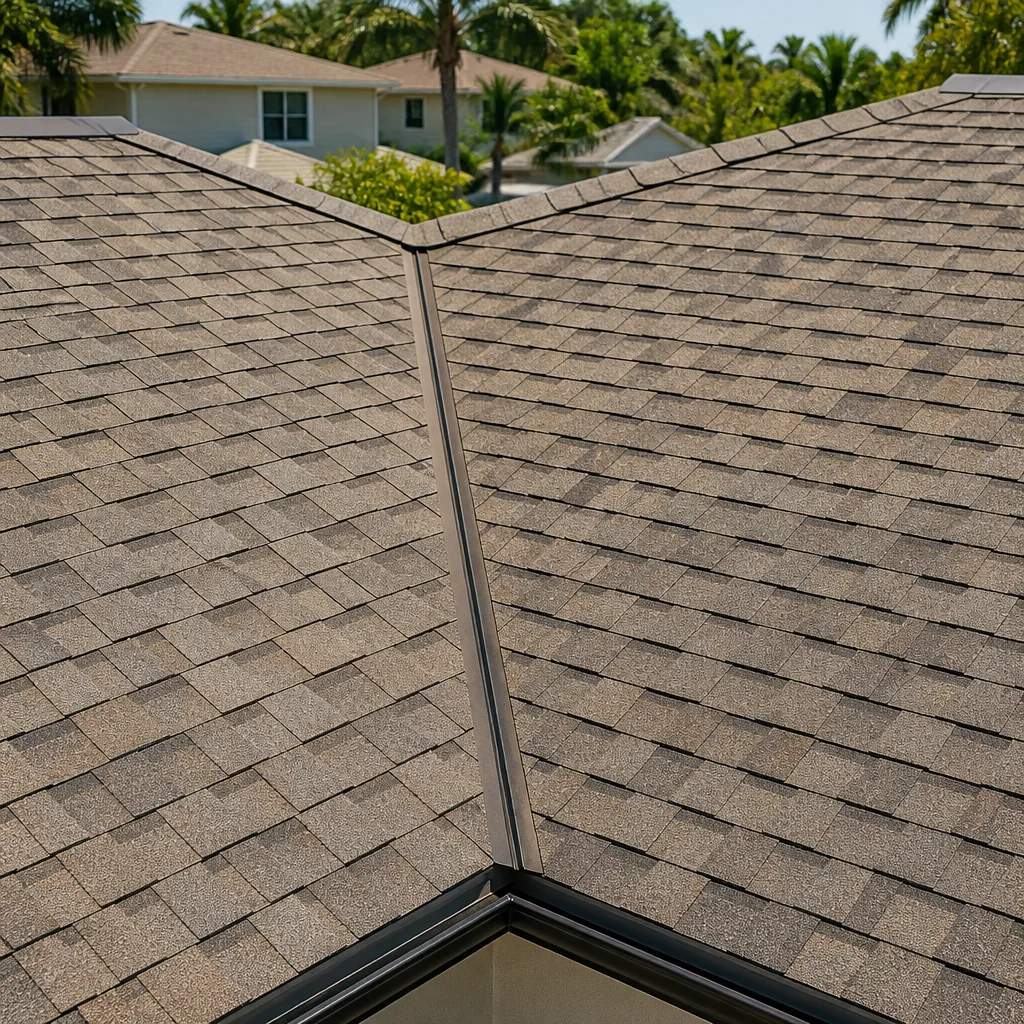
- Roof replacement: brand-partnered systems from GAF or CertainTeed carry the warranty you’d actually want on a West Covina roof, and the installation detail is where the quality lives. The material matters; the installation matters more.
- Windows and doors: West Covina’s heat and the foothill sun exposure make glass specification a real decision, not an upsell. Energy performance and HOA color approval both come into play.
- Driveway and pavers: flatwork depends heavily on subgrade and drainage. A standard slab on a poorly prepped base is the classic short-term savings, long-term cost.
- Home additions and ADUs: foundation, grading, and a full design-and-permit cycle; plan nine or more months for a detached ADU from first sketch to final inspection in most cases.
One reality about large-scale projects: nobody is remodeling a kitchen or building an ADU in a day, and anyone claiming otherwise is telling you something about their bid. What you can control is the pricing process. A free estimate and design consult up front, a written scope, and a fixed price is the combination that lets you plan a five-figure project without anxiety.
San Gabriel Valley Climate and Material Choices
West Covina’s climate is a low-key design constraint that gets skipped in most planning conversations. The city sits in the San Gabriel Valley with hot summer afternoons, a winter rainy season that arrives in concentrated storms, and a foothill sun that hits the south-facing side of a roof or wall harder than the valley floor does. Those variables push material choices in directions a homeowner moving from a cooler climate won’t expect.
For roofing, UV exposure and summer heat argue for reflective or high-performance shingle lines and proper attic ventilation, because a West Covina attic in July is an oven that shortens roof life and drives up cooling costs. For windows, a south or west exposure benefits from better solar performance even if the rest of the house doesn’t need it. For driveways and patios, the season matters too: near a storm season, a rushed concrete pour is a cracked surface waiting to happen, so we schedule around the forecast, not against it. For exterior fencing, dry-season sun bleaches wood and stresses vinyl; material selection should account for it.
The common thread: in West Covina, the climate drives material decisions more than most contractors let on. Roofs that should last twenty years don’t when ventilation is skipped. Windows that looked fine on a spec sheet underperform on a west-facing wall. Flatwork that should be done once gets poured wrong. That’s not a pitch; it’s the pattern we see in this city, and knowing it saves you money over the life of the project.
Common Mistakes to Avoid
- Pulling your city permit before HOA approval. Sequencing it backward in a West Covina planned community means re-submitting to the city if the architectural committee asks for a change. Get HOA sign-off first, every time.
- Assuming a two-week permit approval. The West Covina two-step review adds 3 – 6 weeks on a typical remodel. Build that buffer into your plan; a schedule without it is a schedule that slips.
- Skipping the geotechnical report on a foothill lot. Building on grade in the South Hills foothills without soils engineering is how foundation work ends up getting redone. The report is cheap insurance against a repair that isn’t.
- Choosing the lowest bid without reading the exclusions. The lowest number is usually the one missing the permit line or a material spec. Find out what’s not included before you sign, not after.
- Pouring flatwork without a proper base. On West Covina’s expansive clay, a standard slab with no base prep cracks early. Whether it’s a driveway or a patio, the base work is the thing you don’t see, and the thing that decides how long it lasts.
- Treating special trades as DIY. Electrical panel work, gas lines, and high-tension garage springs and cables are dangerous; they need a licensed professional, not a weekend project. That’s not legal caution, it’s a real injury and fire risk.
- Accepting a handshake and a text-message warranty. Get the workmanship warranty written into the contract with an expiry date. A verbal promise over the phone isn’t an enforceable guarantee.
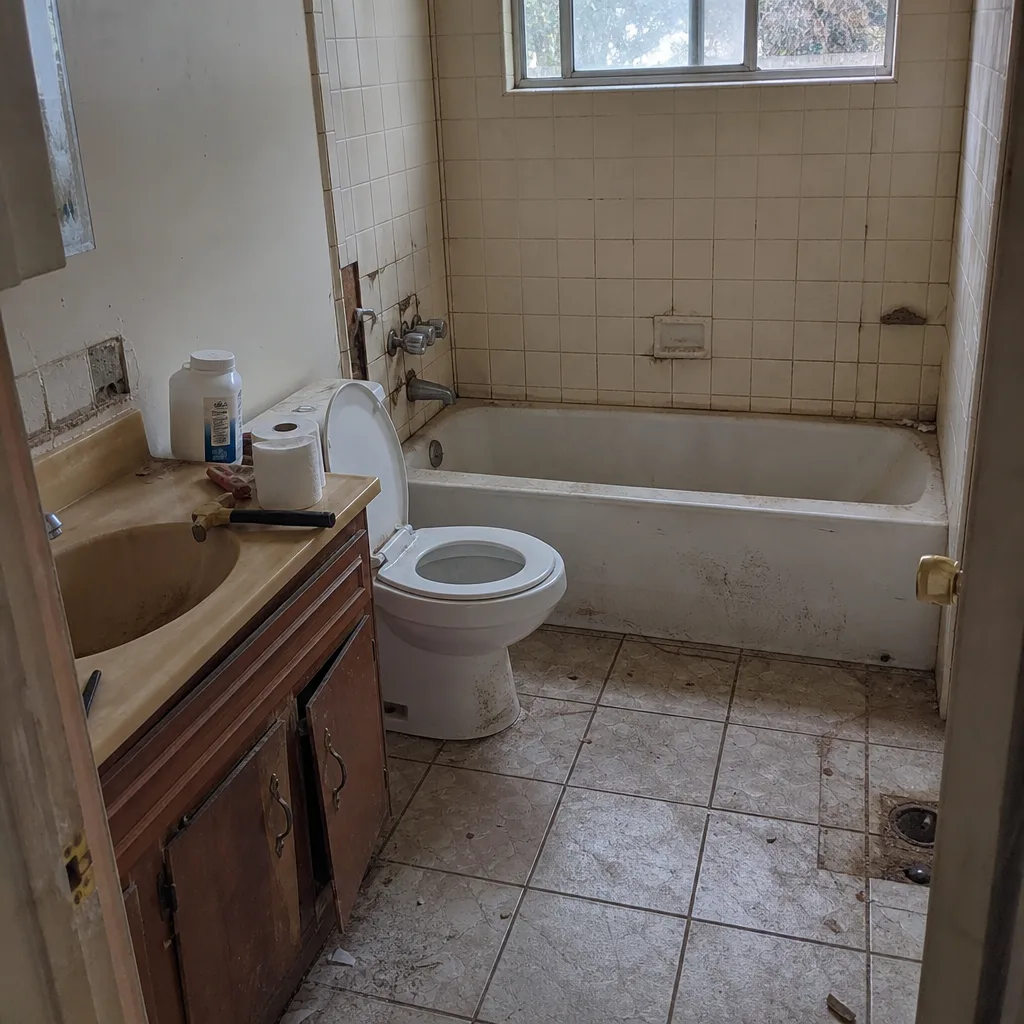
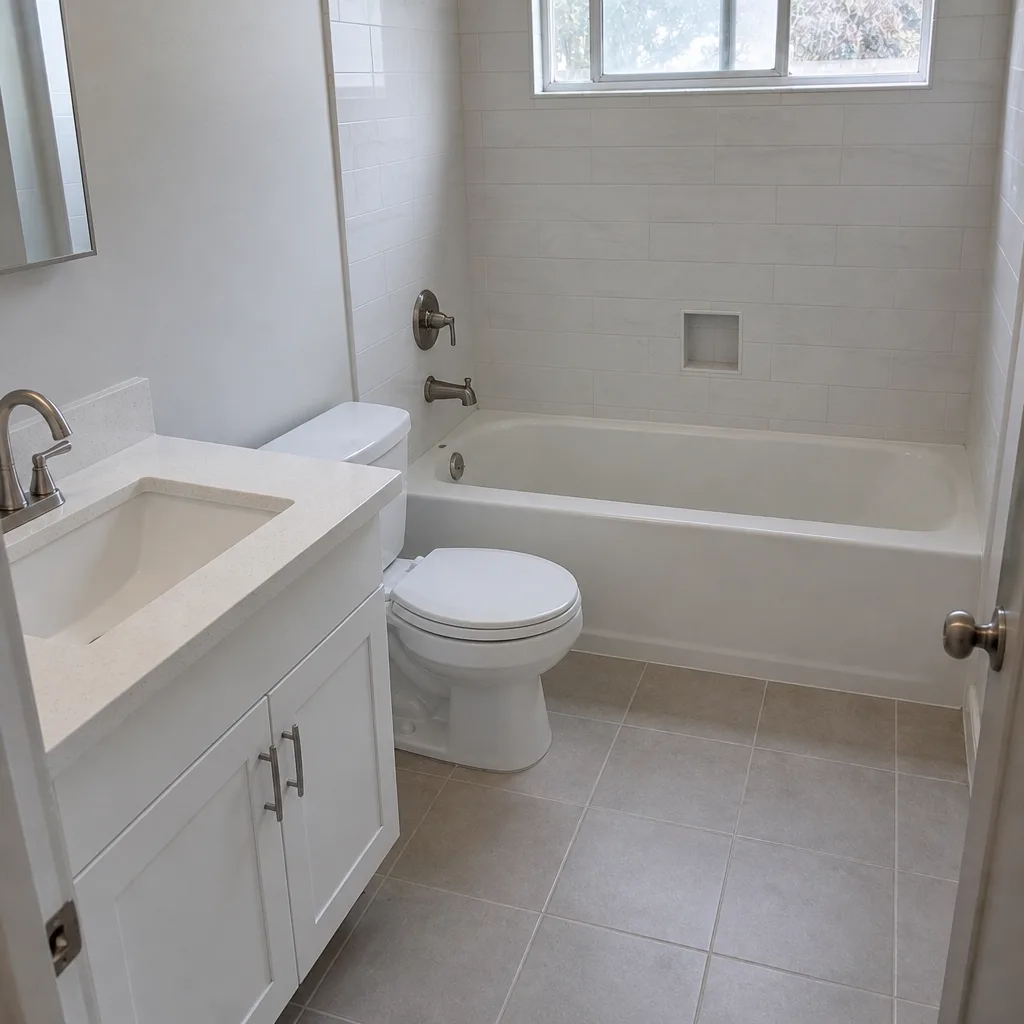
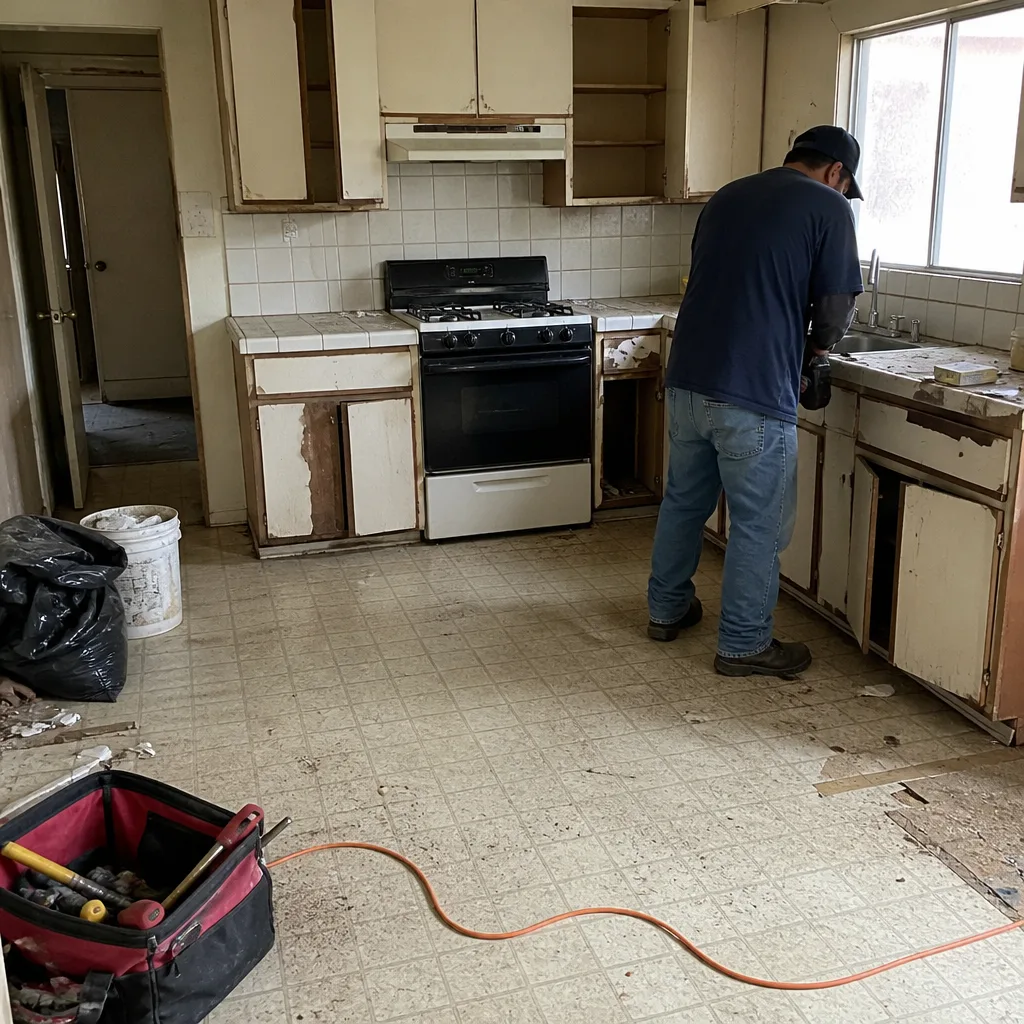
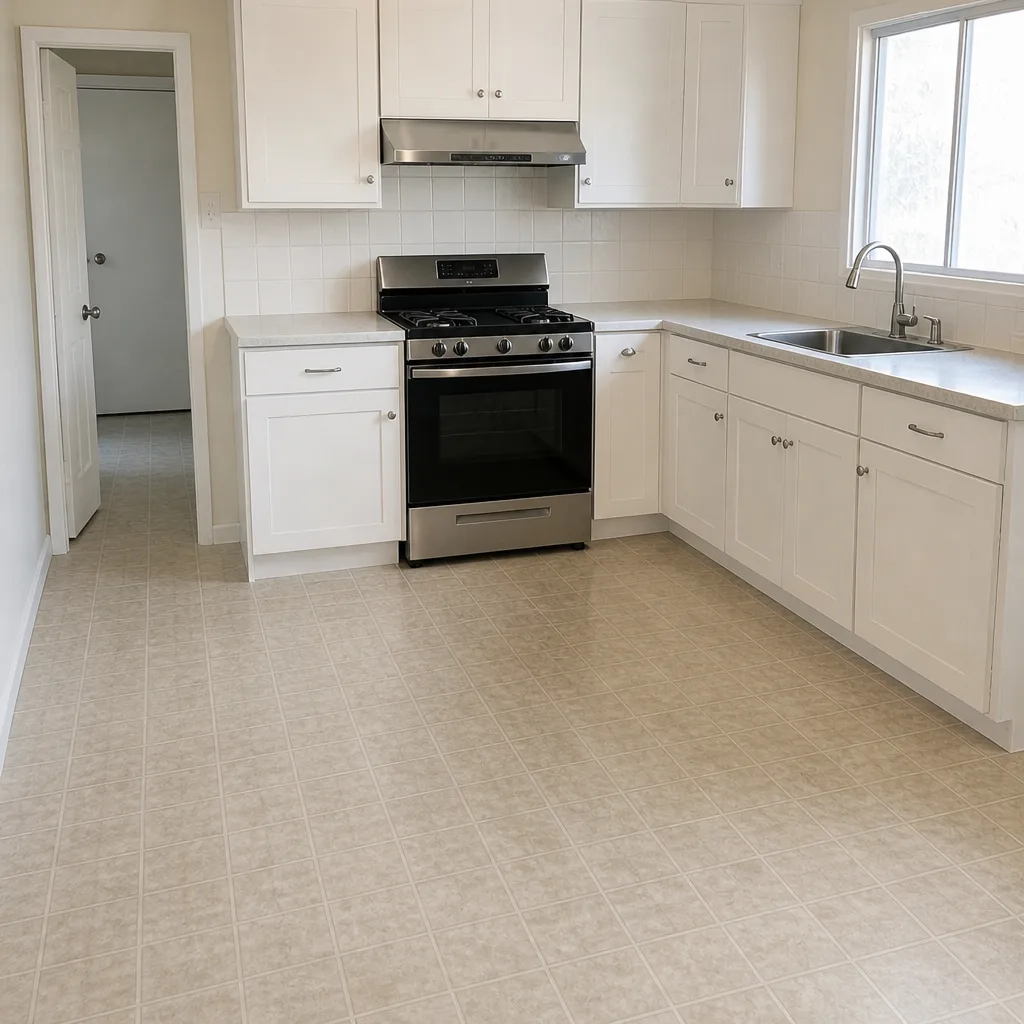
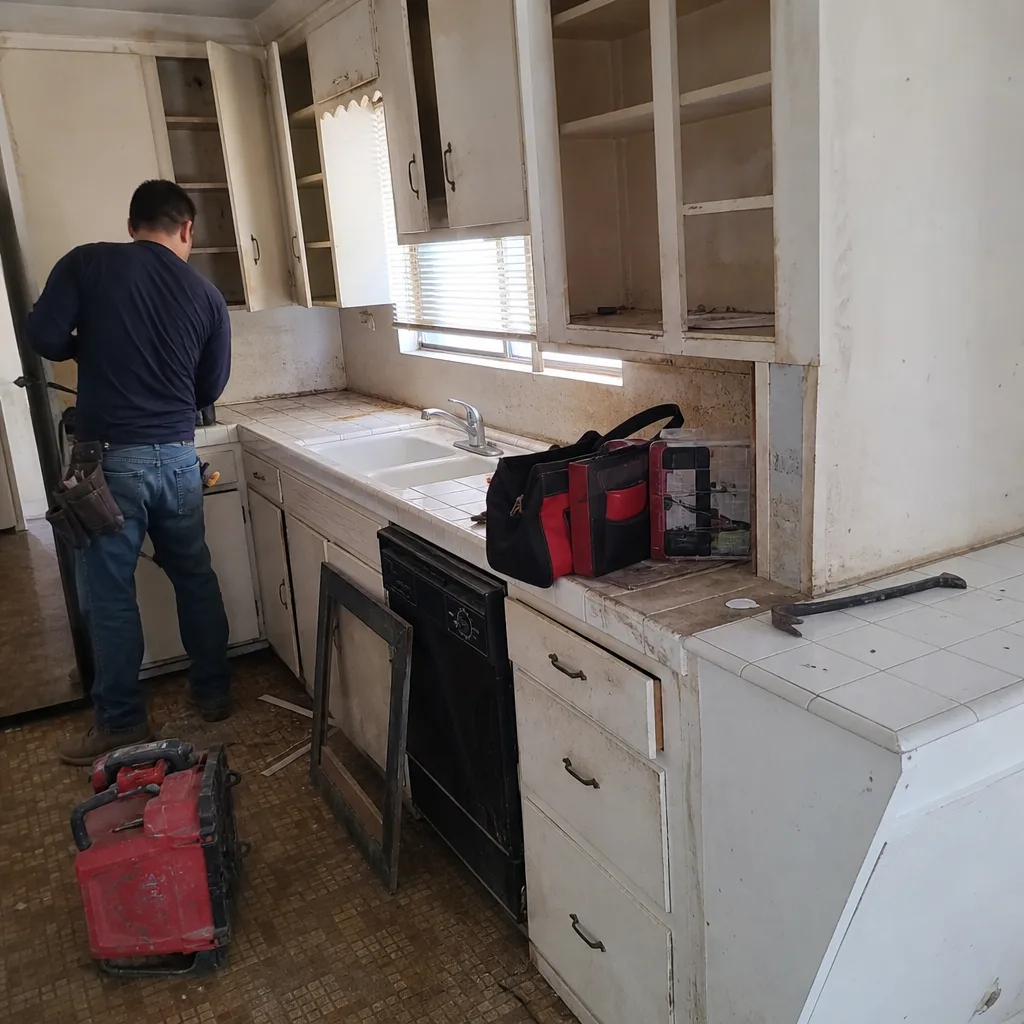
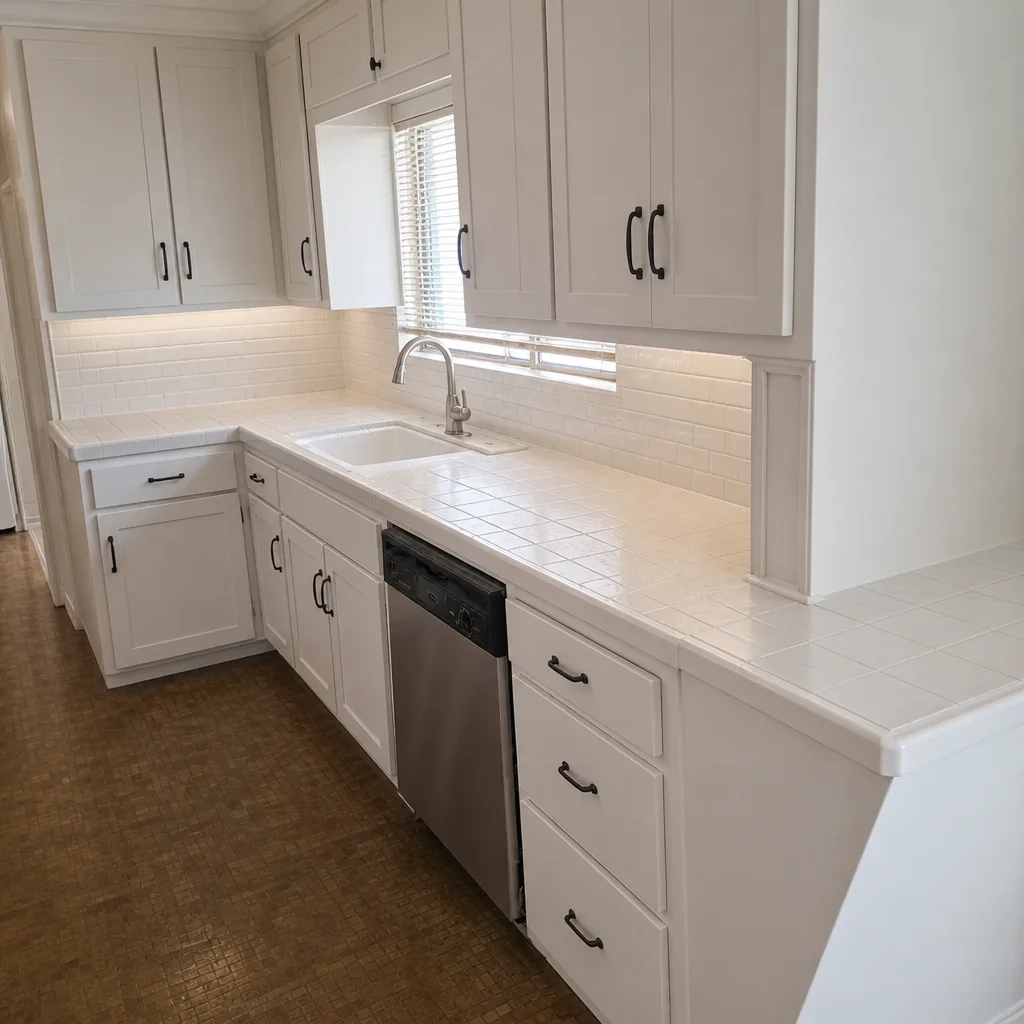
See the difference
 Before
 After
 Before
 After
 Before
 After
When to Call a Professional
Some jobs belong to you: a fixture swap, a fresh coat of paint, a closet rod. Other jobs in West Covina should trigger a call before you touch a tool. Anything involving structural walls, a hillside foundation, a permit, or a special trade (electrical, plumbing, gas, roofing) is a call. Anything large enough to require a design package (an addition, an ADU, a whole-kitchen gut) is a call. And any job where two bids came in wildly different is a signal you need a third, and that third should be someone willing to put the scope in writing. When that’s the case, we’re here to help: Groundwork Construction Co. of West Covina offers free estimates in West Covina, with a written line-item scope, so you can compare apples to apples before you commit. Call (844) 662-2335.
Frequently Asked Questions
A straightforward residential remodel in West Covina typically runs 4 – 8 weeks from submittal to permit issuance, and larger work like additions runs longer. Plan for the city’s two-step plan review, which adds 3 – 6 weeks versus single-pass review, and submit a complete package (including Title 24 energy forms and site plans) to avoid correction cycles. Call (844) 662-2335 for a free estimate and we’ll walk you through the realistic timeline for your project.
Yes, in most West Covina neighborhoods with an HOA, get architectural committee approval before you pull the city permit. Doing it backward risks re-submitting to the city if the HOA asks for a change, which adds a full plan-check cycle. Start with the CC&Rs, get written HOA approval, then submit to the city with approved plans. For a free estimate on the work itself, call (844) 662-2335.
West Covina kitchen remodels vary widely based on layout changes, cabinet brand, and material choices, so the honest answer is that you need a written scope to get a real number. The biggest cost lever is whether walls or plumbing move. A mid-range kitchen that keeps the plumbing in place is a very different budget than a full gut with a relocated sink. Call (844) 662-2335 for a free estimate with a line-item written scope.
A specialty contractor handles a single licensed trade (roofing, electrical, plumbing, HVAC), while a general contractor coordinates the whole project across multiple trades. California law requires a CSLB license for any job over $500 in labor and materials, and permits for special trades must be pulled and performed by the appropriately licensed contractor. For whole-project work, call (844) 662-2335 for a free estimate.
It shouldn’t if the bid is written properly. A fair contract uses a fixed price with a defined change-order process for genuine unforeseen conditions (like finding hidden rot inside a wall), and it itemizes the scope, material spec, permits, and exclusions up front. If your bid has no change-order language or no material spec, that’s the red flag. Call (844) 662-2335 for a free estimate with upfront, no-surprise pricing and a written scope.
In most cases on a sloped lot in the West Covina foothills, yes; the city will ask for it and the geotechnical report drives your foundation design. Skipping it is how foundation work gets redone. On the valley floor with expansive clay, the design is different but the conversation about proper base and footing still matters. Call (844) 662-2335 for a free estimate and we’ll tell you what your specific lot needs.
The Bottom Line
West Covina construction rewards homeowners who plan around the local realities instead of the national averages. Two-step permit review, foothill soil and grading, HOA jurisdiction stacked on top of city review, and clear licensing on special trades: those are the four variables that separate a smooth project from a costly one. Get the order right (HOA first, city second, licensed trades throughout), read your bid line by line, and don’t skip the soils report on a sloped lot. Do that, and the project stays on the rails. Want a written, line-item scope you can actually compare? Start with a free estimate from Groundwork Construction Co. of West Covina home and let’s map your project.
Written by the team at Groundwork Construction Co. of West Covina.