Last updated November 18, 2026
Free written scope consultation - allowances, timeline, and change-order rules on paper before a single trade is scheduled
Choosing the Right Construction Brand: A Buyer’s Guide for West Covina
Most contractors list “name brand materials” in their marketing without specifying which brands, what tier within those brands, or why the product was chosen for your specific climate and application. That vagueness is usually intentional. It leaves room to swap a premium shingle for a builder-grade one, a cast-acrylic tub for a fiberglass shell, a solid-core door for a hollow one, and to call all of it “name brand” without ever lying on paper. In West Covina, where summer UV pounds south- and west-facing roofs and temperature swings stress every exterior seam, the gap between a brand and a brand’s bottom tier is where money quietly disappears. This guide shows you how to read a bid, question a contractor’s sourcing, and judge materials by warranty language rather than logos, so the products on your property match the price you agreed to pay.
Quick Answer
The right construction brand is the one whose top-tier product line is specified by name in your contract, matched to West Covina’s climate, and backed by a manufacturer warranty you’ve actually read. Brand reputation matters far less than three things: whether a licensed contractor installs the product correctly, whether the specific line is spelled out in writing, and whether the contract locks out substitutions. A skilled installer using premium materials outlasts a mediocre installer using the best product on the market, every time.
Styles & brands we work with
- Kitchen remodeling
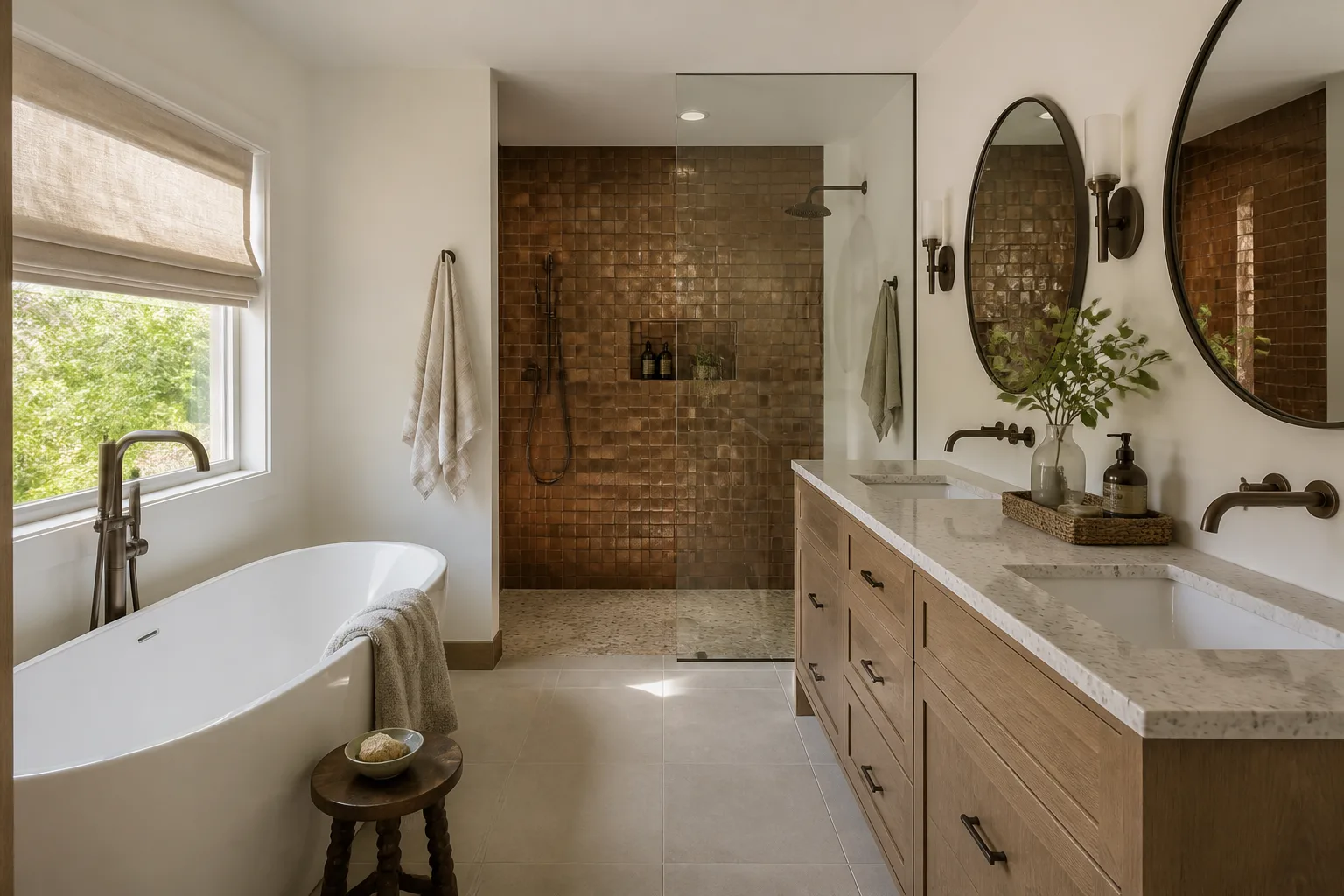
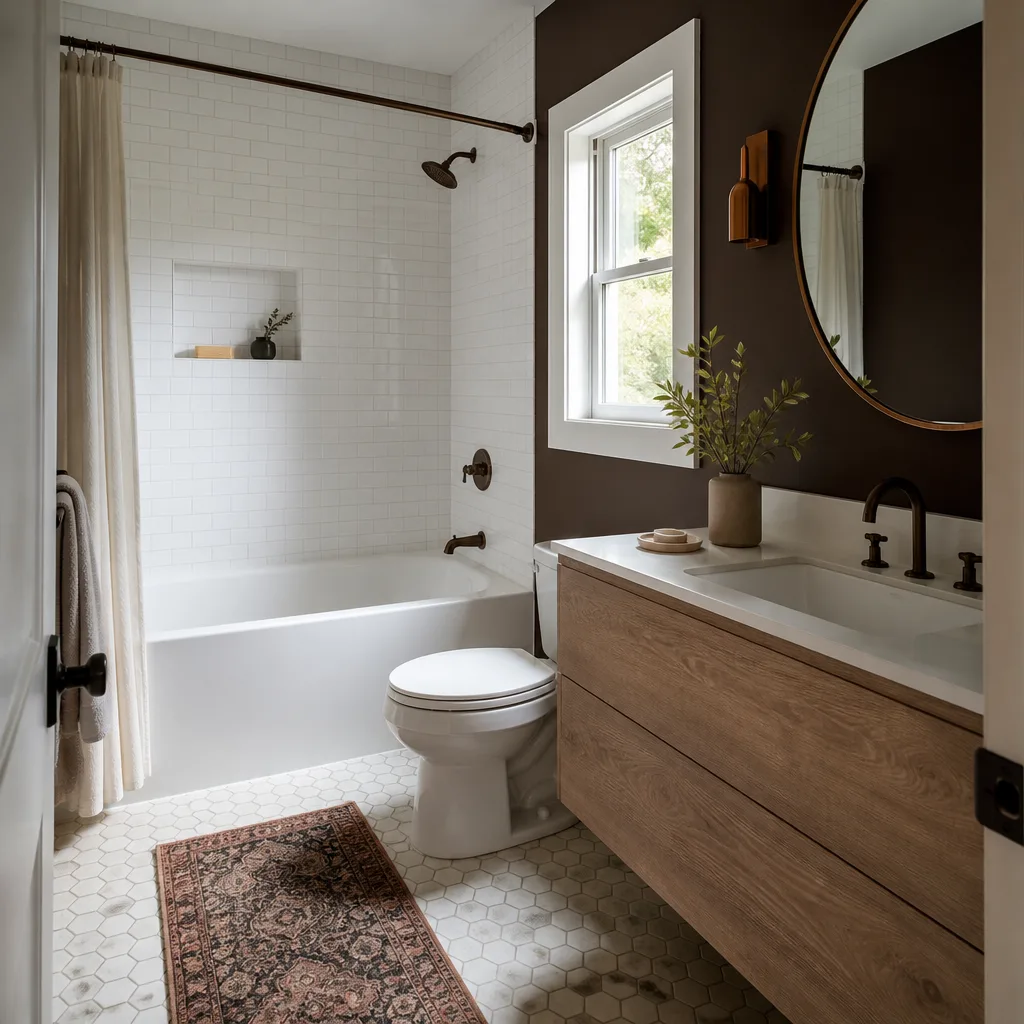
- Bathroom remodeling
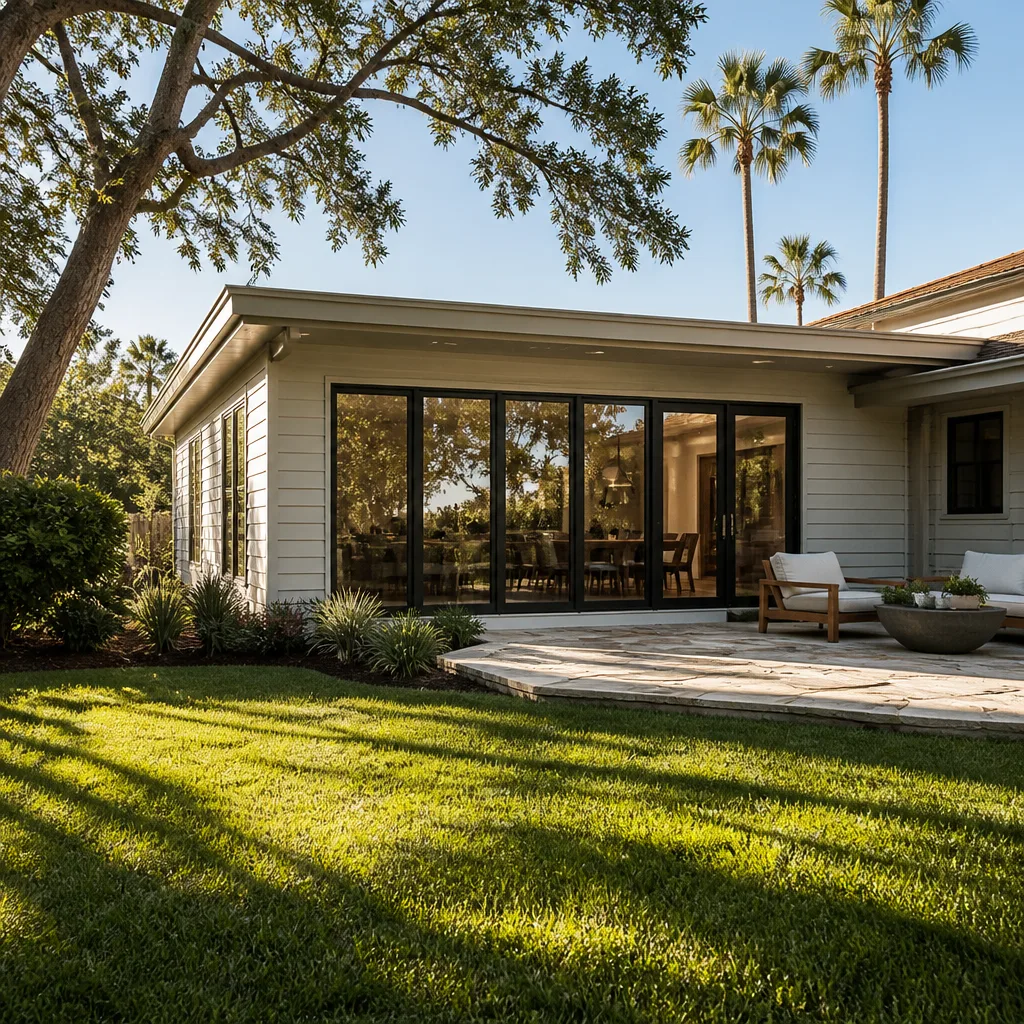
- Home additions & ADU
- Roofing
- Windows & doors
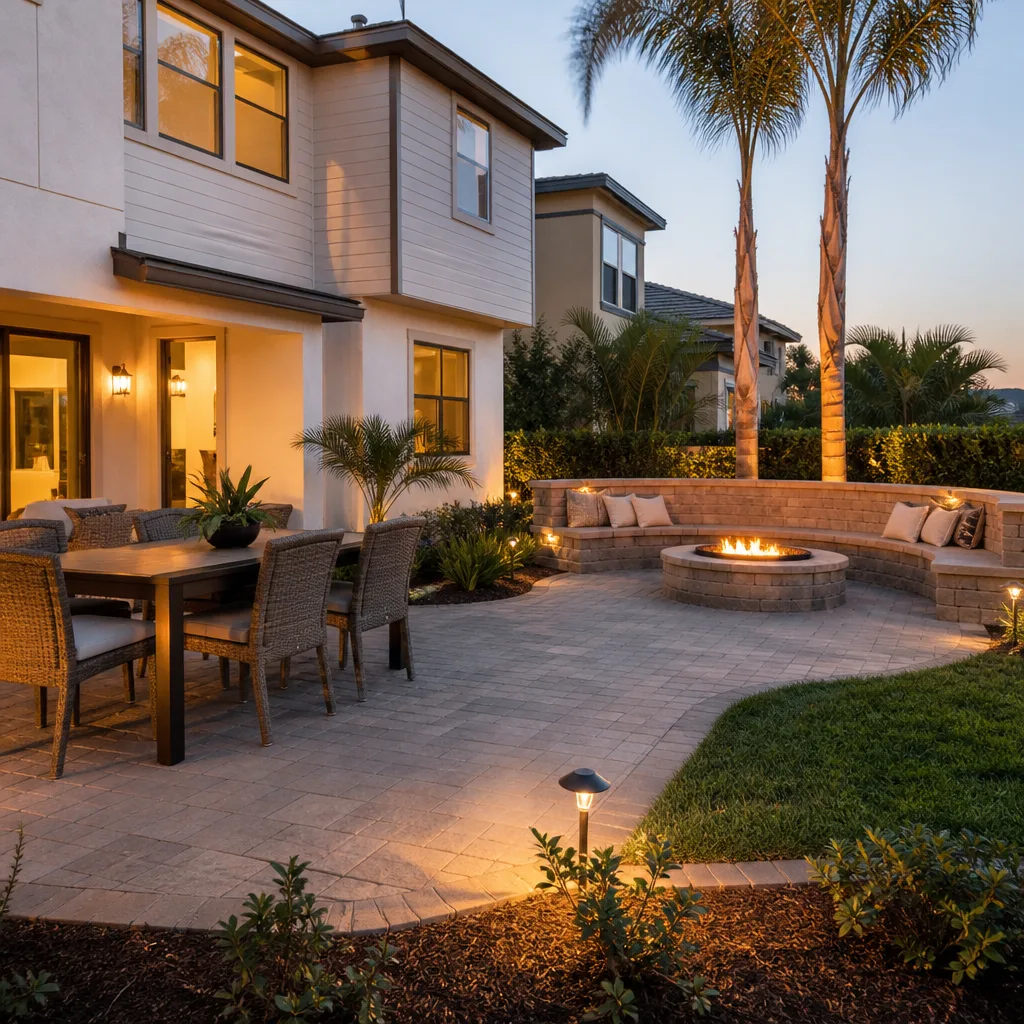
- Driveway & pavers
- Fence
Table of Contents
- Why warranty terms beat brand reputation
- Brands live in tiers – and the tier matters more than the logo
- Where brand actually pays off (and where it doesn’t)
- How West Covina’s climate should shape your material choices
- Questions to ask about product sourcing and substitution
- What contractor brand partnerships actually signal
- How to read a bid for brand language: a step-by-step process
- What your contract should say about materials
Why Warranty Terms Beat Brand Reputation
A recognized name on a product is a promise from a marketing department. A manufacturer warranty is a promise with legal teeth. Homeowners in West Covina routinely ask us which brand of roofing, window, or flooring we recommend, and the honest first answer is: it depends on which warranty you’re willing to enforce, with what paperwork, and after what installation conditions.
Manufacturer warranties across construction categories follow a predictable pattern, and knowing it protects you.
- Coverage length varies wildly within one brand. A single roofing brand might sell a 25-year shingle, a 30-year architectural shingle, and a lifetime-rated premium line. The number in the marketing is often the longest warranty on the most expensive tier, not the product you were quoted.
- Labor is almost never covered. Most material warranties cover the product itself and exclude the cost to remove and reinstall it. That’s why workmanship coverage – our 730-Day Done Right Promise is one example – often protects the homeowner more in the first two years than the manufacturer’s lifetime promise does in year fifteen.
- Voiding conditions are buried. Warranties routinely exclude damage from poor ventilation, installation outside manufacturer spec, non-approved fasteners, or failure to use matching accessory products. A premium shingle nailed through the wrong underlayment is a voided warranty.
- Transferability clauses matter at resale. Some warranties transfer to a new owner within a limited window; others don’t transfer at all. Ask.
Read the actual warranty document before signing – not the brochure summary. Look for exclusions on “consequential damages,” ventilation requirements, and what proof of professional installation the manufacturer requires. If the contractor won’t hand over the document before you sign, that’s your answer about how they’ll handle claims afterward.
Brands Live in Tiers – and the Tier Matters More Than the Logo
Every major construction brand sells multiple product lines at multiple price and quality points. A brand name on a bid tells you almost nothing unless it also names the line, the model, and the specification. This is the single most common point of confusion in the remodeling market, and it’s a legitimate reason to be skeptical.
Consider kitchens. A brand like Wellborn manufactures semi-custom cabinetry across multiple door styles, box constructions, and finish tiers. Cambria, Silestone, and Caesarstone are all premium quartz names, but within each of those brands there are collections with different thickness options, edge profiles, and installation requirements. “Quartz countertops” in a bid can mean a stocked remnant or a special-order slab – a materials swing that runs into the thousands before labor.
Here’s how to make brand tiers work for you:
- Ask for the exact product line and model number in writing for every specified material – cabinetry, countertop collection, roofing shingle line, window series, siding profile.
- Ask what the manufacturer’s own tier hierarchy looks like. A reputable contractor can explain the difference between the budget line and the premium line in the same brand, and why the specified line was chosen for your application.
- Ask what “or equal” means in fine print. Substitution clauses let a contractor swap a specified product for a different one they consider equivalent – a definition only they control. Buyers in West Covina should demand that “equal” means a documented, like-for-like manufacturer spec, not a cheaper product.
- Demand a written change order with a price credit any time a specified brand is swapped for a lower-tier one.
When we quote a kitchen, the bid names the cabinet brand and line, the countertop collection and thickness, and the appliance brand and model. The number you see is the number you pay, and if the product changes, the paperwork changes with it.
Where Brand Actually Pays Off (and Where It Doesn’t)
Brand spending does not protect your home equally across every product category. Some products have real engineering, testing, and warranty depth behind the brand premium. Others are commodities dressed in marketing, where you can spend 40 percent more for a name and get essentially the same product performance. Knowing the difference lets you direct your budget toward the products that earn it.
Here’s the practical split in our experience:
- Meaningful brand differentiation: Roofing shingles and underlayment systems (manufacturer installation specs and warranty tiers are real and enforceable), windows and doors (frame construction, glass coatings, and hardware quality differ genuinely between brands like Andersen and Pella), exterior siding (James Hardie’s fiber cement formulation and its warranty program are engineered, not cosmetic), and paving stones (Belgard’s product engineering and install tolerances show up over a decade of ground movement).
- Moderate differentiation: Kitchen and bath fixtures (Kohler’s cast-iron vs. their acrylic tubs are meaningfully different products – specify the material, not just the brand), cabinetry hardware, plumbing trim.
- Where brand is mostly marketing: Fasteners, caulk, grout, adhesives, and many interior trim products. In these categories, the specification and the installation technique matter far more than the label. A commodity caulk correctly applied is better than a premium caulk applied over a wet joint.
Where you should spend the brand money: any product exposed to sun, weather, and structural movement. Where you can be lenient on brand: interior commodities where skilled installation carries the day. Your contractor should be able to explain this split for your specific project, not just hand you a list of logos.
How West Covina’s Climate Should Shape Your Material Choices
Generic brand guides don’t address climate, and that omission costs West Covina homeowners money. West Covina sits in the eastern San Gabriel Valley, east of the 57 and north of the 10, where summer temperatures routinely push past 95 degrees and the UV index runs high through most of the year. That pattern places specific demands on building products, and it should influence which brand line you pick, not just which brand.
What this climate actually asks of your materials:
- Roofs take sustained UV and thermal cycling. Dark asphalt shingles absorb severe heat in a West Covina summer, and the alternating expansion and contraction of the roof deck stresses seams and flashing. A shingle line rated for high solar exposure and installed with correct ventilation is worth more here than a marginally cheaper product. Roof failures in this market often trace to ventilation and flashing, not the shingle itself – so the brand of the shingle only helps if the install system is complete.
- Low humidity accelerates paint and finish degradation on exterior wood. Trim, fascia, and fences near West Covina’s Santa Ana wind corridors dry and crack faster than in coastal climates. A premium fiber cement exterior (James Hardie is the benchmark) earns its money in this region in ways it may not in a wetter market.
- Temperature swings stress windows and door seals. A window brand with a strong glass coating program and quality weatherstripping performs measurably better in the San Gabriel Valley’s daily swing than a bargain unit that loosens in year three.
- Pavers and driveway hardscape experience ground movement and solar weathering. Paver base preparation and the paver manufacturer’s installation spec matter even more than the surface look. A premium paver installed on a thin base fails; the reverse approach often holds.
- Dust and dry-season conditions stress exterior paint and sealants. Specify exterior-grade products with UV stability, and ask what the contractor uses on transitions.
When you evaluate a West Covina bid, ask the contractor directly: “Will this specific brand line hold up against eastern San Gabriel Valley UV and temperature swing, or is this a product chosen for price?” That question separates a professional from a salesman. If you’re planning exterior work, our team writing on Groundwork Construction Co. of West Covina home covers how we approach these rooms of our service here.
Questions to Ask About Product Sourcing and Substitution
The best defense against brand-swapping is a set of questions asked before you sign, with answers you put in writing. Ask these in the interview phase, not after the crew shows up with different boxes.
- “Which brands do you work with as a preferred supplier, and why those brands for my project?” A real answer names brands, names the tier, and gives a reason tied to your application (climate, code, family use). A vague answer – “we use only the best” – is a signal.
- “Are the material lines in this bid top-tier within their brand, or entry tier?” Make them say it plainly.
- “What’s your substitution policy, and how do I get price credit if a lower-tier product is substituted?” If the contract allows substitutions at the contractor’s discretion without a credit, push back.
- “Can I see the manufacturer’s warranty document before I sign?” No is not an answer you should accept.
- “What happens if a specified product is discontinued or back-ordered?” The answer should be a documented, equal-or-better replacement, with your approval and a change order.
- “Are these products in stock with your supplier, or is the lead time a risk?” Some premium lines in this region carry 4-8 week lead times on kitchens and windows; knowing this before you sign matters.
- “Who is your local supplier for this product in the San Gabriel Valley – and will you list the product codes?” Local supplier references are verifiable.
Our team uses a curated set of verified brand partners across every trade – including names like GAF, CertainTeed, Andersen, Pella, James Hardie, Belgard, Kohler, and KraftMaid – and every quote names the line, not just the logo. That transparency exists so you can check our work, not so you have to trust a paragraph.
What Contractor Brand Partnerships Actually Signal
A manufacturer programs exist to protect their product reputation. That means manufacturers who certify installers vet them on paperwork, insurance, training, and installation quality. When you see a contractor advertising a manufacturer certification, the certification usually means something specific: the manufacturer has been willing to attach their name to that contractor’s work.
This is a real proxy for accountability, and one of the few marketing claims you can independently verify. Here’s how to read it:
- Ask whether it’s a certification, a dealer agreement, or a supplier account. These are three different relationships. A supplier account just means they can buy the product. A certification means they’ve been trained and audited against the manufacturer’s installation spec.
- Ask what training the certification requires and whether it’s current. Recertification requirements vary by brand and category.
- Cross-check the manufacturer’s own installer directory. Most large brands (roofing, windows, siding) publish installer directories. If the contractor claims a certification, find them in it.
- Understand the warranty difference. Certified installers often unlock a longer manufacturer warranty tier or an enhanced extended warranty. That’s a concrete benefit worth money, not a marketing nicety.
Manufacturers will not certify installers they’d be embarrassed to be associated with. That’s a useful filter for a homeowner who’s been burned before by a crew that vanished mid-project. When a West Covina homeowner asks us why we publish our brand partners, the honest answer is: the partners themselves got to decide whether they wanted to be associated with our work first.
How to Read a Bid for Brand Language: A Step-by-Step Process
Most material surprises hide in bids that were never designed to be read closely. Here’s a repeatable process you can apply to any contractor’s proposal before signing.
- Highlight every brand name in the document. If a bid says “premium shingles” or “quality quartz” with no brand, that’s a gap. If it names a brand but no line or model, that’s a gap too.
- Check whether the brand named is a premium tier or an entry tier. Look up the product line yourself. Most manufacturers publish their tier structure. Ten minutes of research is worth thousands.
- Find the “materials and substitutions” clause. Note whether it allows substitution “at contractor’s discretion,” and whether a price credit is guaranteed for a downgrade. If it doesn’t spell out the credit, ask for it in writing.
- Match accessory and system products to the primary product brand or spec. Roofing underlayment, flashing, and fasteners should be specified by name too. Windows need the correct flashing and sealant. Kitchens need the cabinet brand matched to countertop thickess and edge profile.
- Cross-reference the specified products against the quote’s line-item pricing. If the price of a “premium” line is dramatically lower than market, something is off in the tier or the source.
- Ask for the manufacturer warranty document for every major specified product. Attach it to the contract or keep it in your project file.
- Confirm the change-order process in writing before you sign. It should require your approval, with pricing, for any material swap.
Apply this to your kitchen, bath, roof, or window bid in West Covina and you’ll catch most of the material risk before it’s on your house. Our team writing on Home Additions & ADU in West Covina uses the same process on larger structural projects, where material specification mistakes are far more expensive to fix.
What Your Contract Should Say About Materials
A contract that specifies brands and tiers is worth more than a promise. Here’s what should be in yours before you sign.
- Named brands and product line/model numbers for every primary material – roof, siding, windows, cabinetry, countertops, fixtures, pavers, fencing.
- Named accessory and system products for the primary product, where the manufacturer installation spec requires them (underlayment, flashing, sealants).
- A substitution clause with an equal-or-better standard and a price credit mechanism for downgrades.
- The manufacturer warranty documents attached, with the specific tier clearly identified.
- A workmanship warranty stated in writing with duration, not just a verbal promise. Our 730-Day Done Right Promise is written into every contract – built to last, backed in writing.
- Specifications for method-critical products – roof ventilation, window flashing, paver base – because these are where material warranties and workmanship warranties both fail.
- The permit responsibility in writing, with the contractor pulling permits and passing inspections. This is a compliance signal that the material specification meets local code for West Covina.
Those seven items give you real enforcement power. If a contractor won’t put them in writing, the material risk never transferred from them to you, and that’s exactly the position you want to reverse before signing anything.
Common Mistakes to Avoid
- Accepting vague “name brand” claims without tier or product line. A brand logo is not a specification. Demand the exact product line and model number in writing before you sign.
- Assuming the warranty covers labor. Most manufacturer warranties exclude the cost to remove and reinstall a defective product. Workmanship coverage is what actually protects you in the first two to three years.
- Judging a product by brand instead of climate fit. In West Covina’s high-UV, low-humidity inland climate, the wrong product line from a great brand will age worse than a mid-tier product chosen for the application.
- Signing a “contractor discretion” substitution clause without a credit. This one clause can quietly downgrade every product on your property. Get it out of the contract or negotiate an equal-or-better standard with pricing.
- Skipping accessory product specification. Roofing without specified underlayment, windows without specified flashing, and pavers without a specified base are the most common source of premature failure in the region.
- Not verifying manufacturer certifications. A claimed certification is easy to check against the manufacturer’s installer directory. If it’s not there, it’s marketing.
- Not asking about lead times before signing. Premium lines on kitchens, windows, and siding often carry 4-8 week lead times in this market. A contractor who doesn’t mention this is either guessing or has a stock source you should ask about.
If you’re evaluating a driveway or hardscape project, our team writing on Driveway & Pavers in West Covina walks through the same bid-reading process on a product category where brand and base-prep matter differently. And on perimeter projects, Fence Installation in West Covina covers the fence-specific material and wind-loading questions.
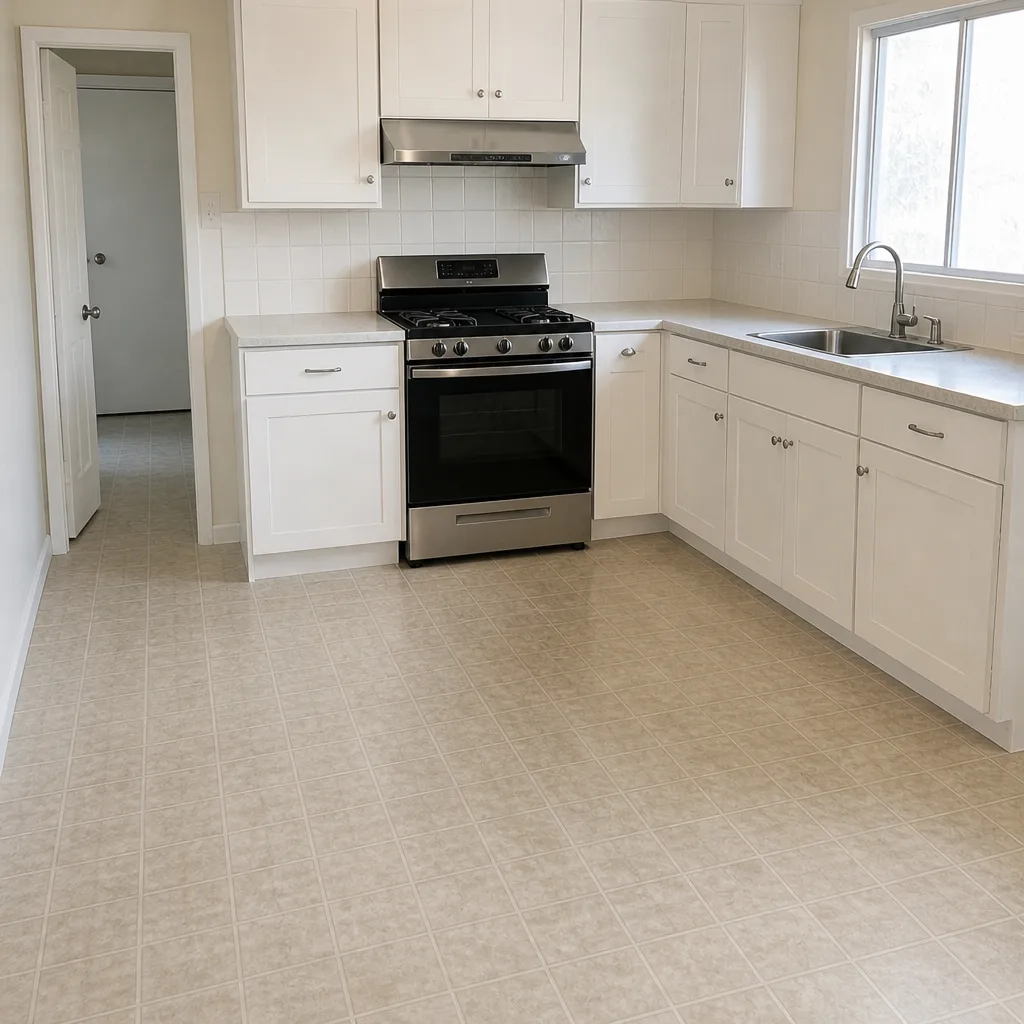
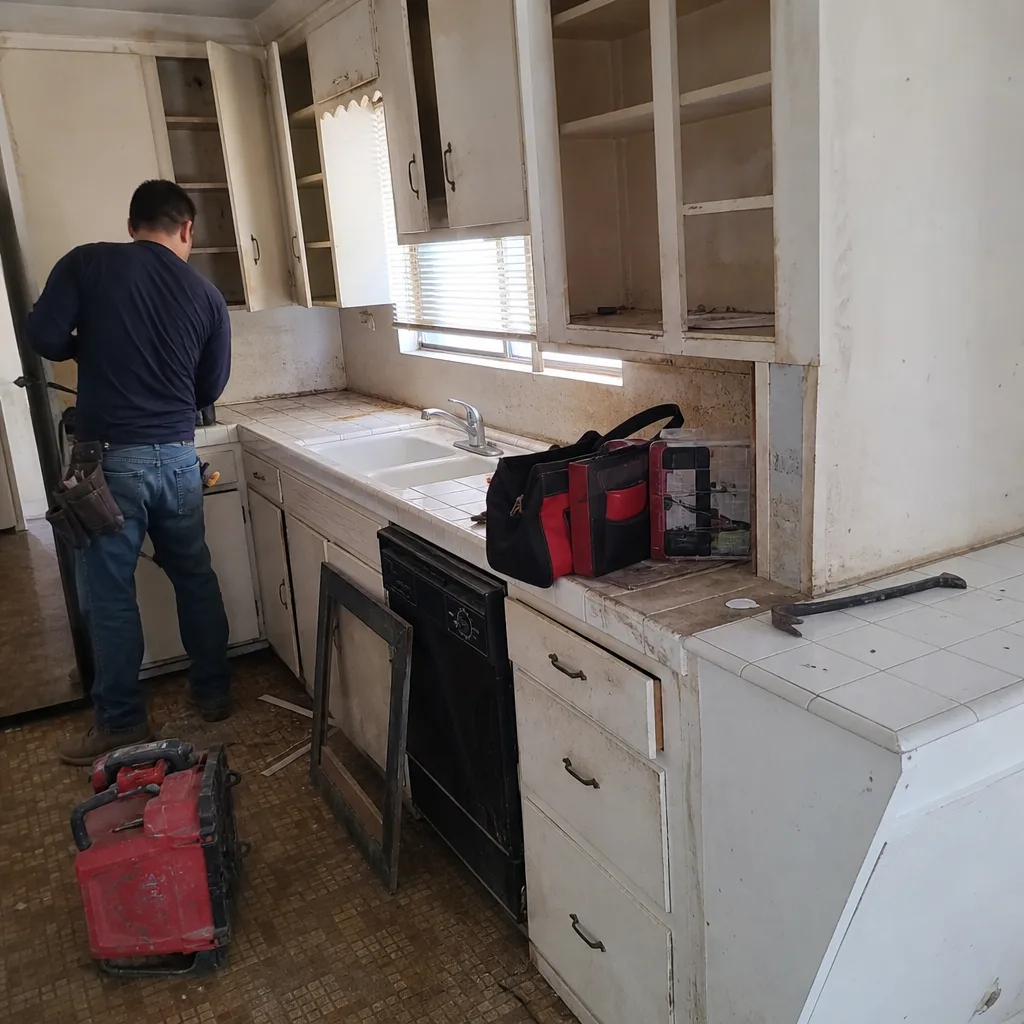
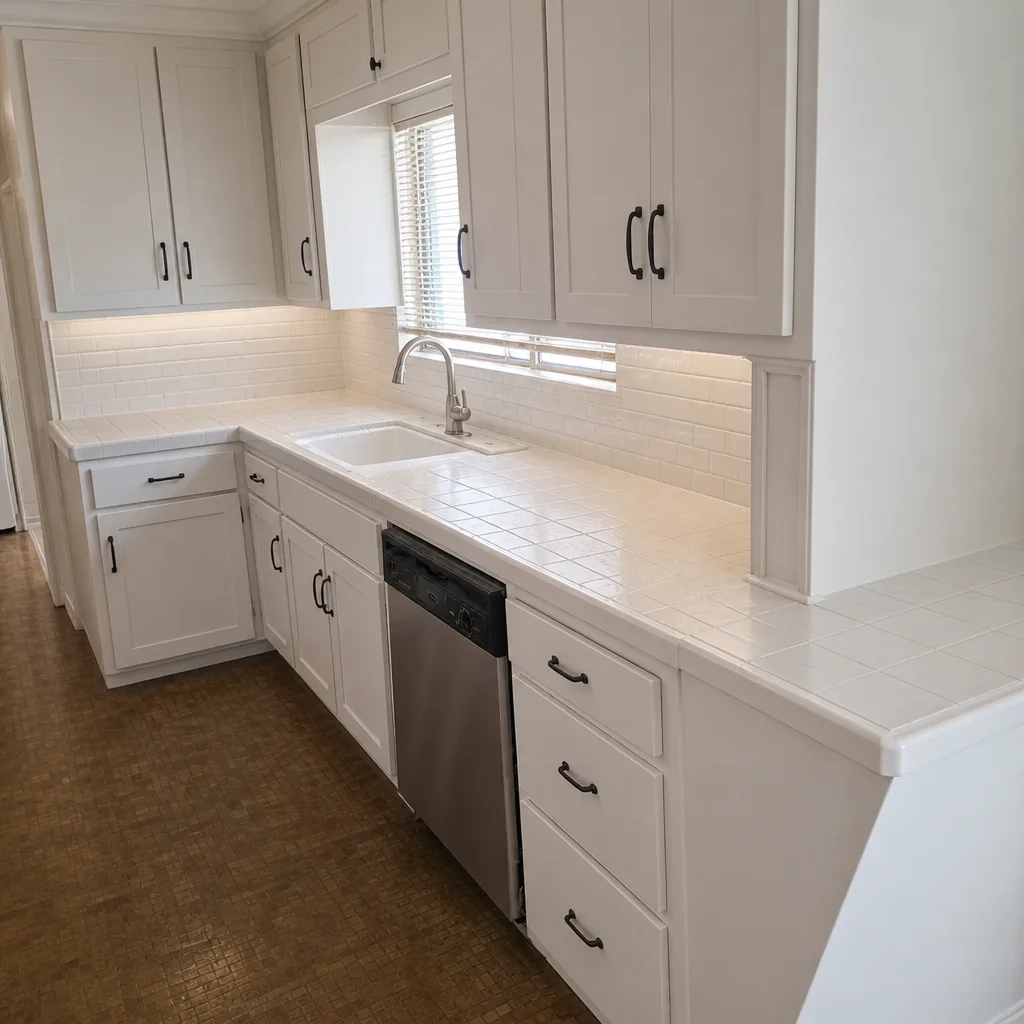
See the difference
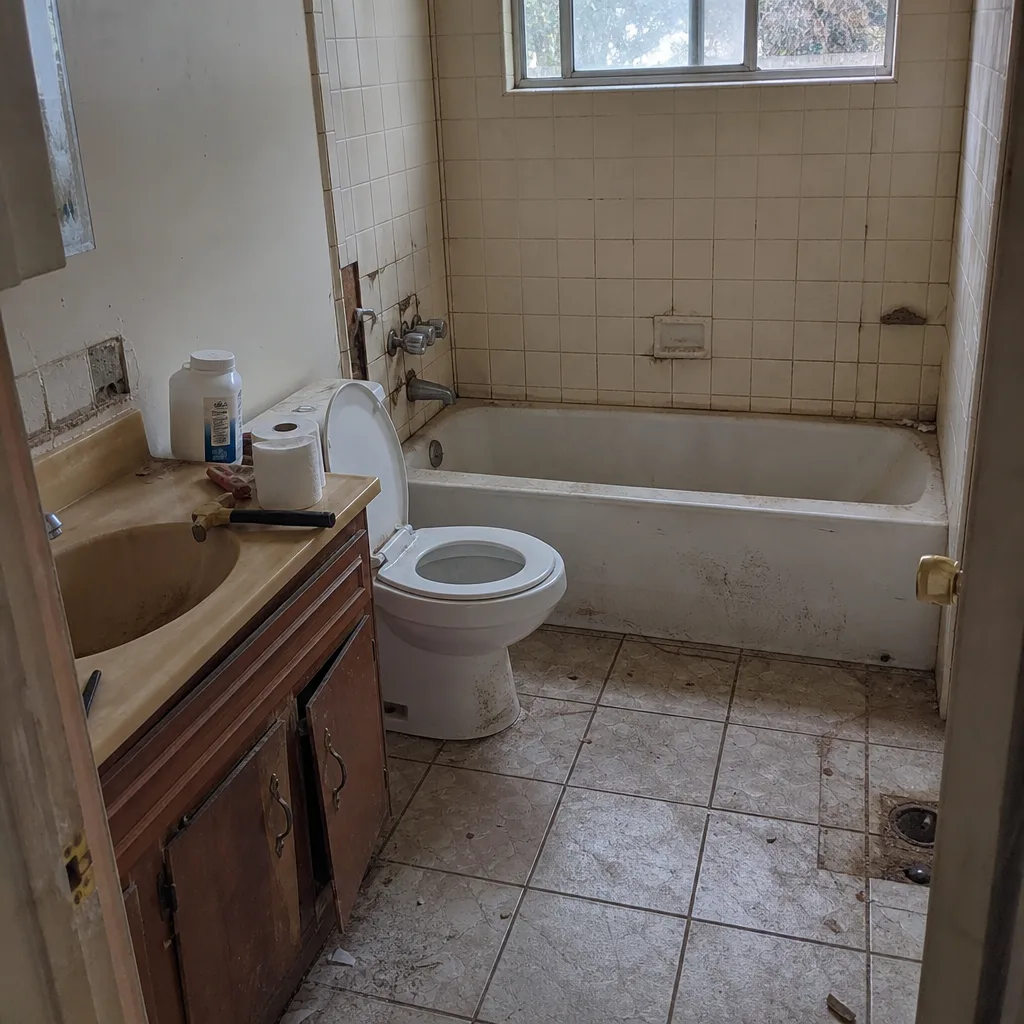 Before
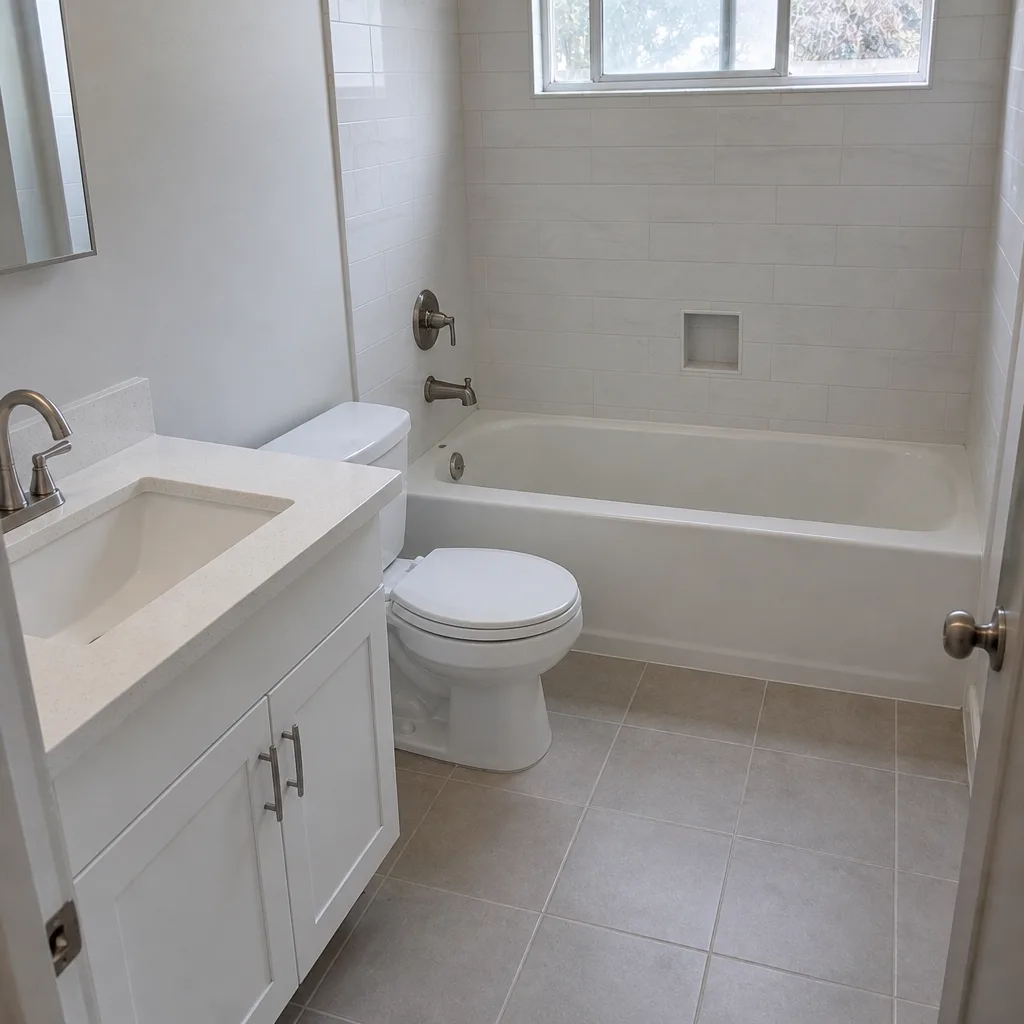 After
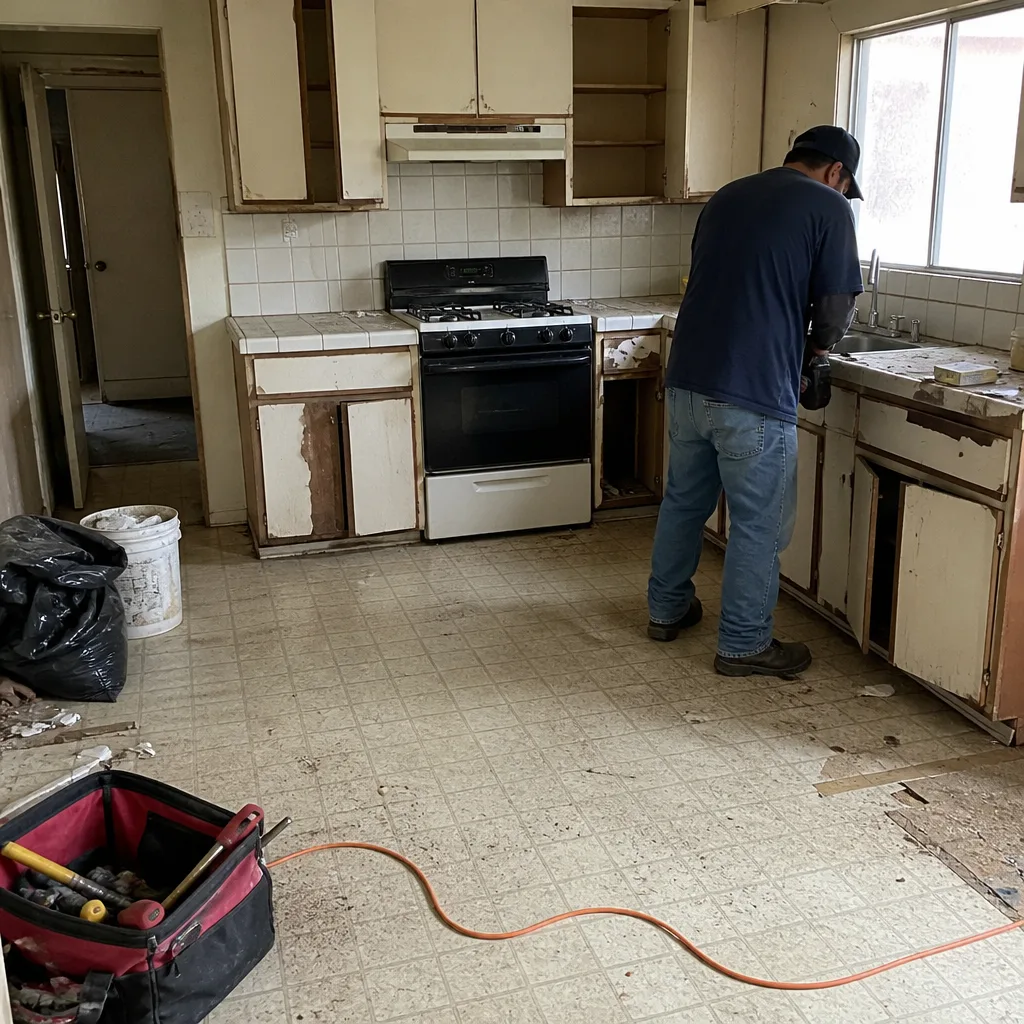 Before
 After
 Before
 After
When to Call a Professional
Material specification is not a do-it-yourself exercise, and some of it is genuinely dangerous. Get a professional when:
- Roof or exterior work is involved. Roofing is height work, and the installation system (ventilation, flashing, underlayment) is what actually protects the warranty. Do not attempt repairs or spec material on a roof yourself.
- The project involves gas, electrical, or structural work. Kitchens and bathrooms almost always do. These are trades where the wrong product – a mismatched valve, a non-listed electrical component – is a safety hazard, not a style choice.
- A manufacturer warranty is at stake. Manufacturer warranties on roofing, windows, and siding typically require installation by a certified or licensed professional. A DIY install voids the exact warranty you paid extra for.
- You’ve been burned before and want the risk transferred. A written workmanship warranty is the cleanest way to shift that risk.
Groundwork Construction Co. of West Covina offers free estimates in West Covina – call (844) 662-2335. We name the product line on every bid, pull the permits, and back the work in writing for 730 days.
Frequently Asked Questions
Look at the manufacturer’s own tier structure. Every major brand sells multiple product lines. If the contractor’s bid names the brand but not the line, ask what tier it is and compare the product’s warranty tier to the brand’s premium line. Where the brand premium shows up concretely – a longer manufacturer warranty on a specific certified installation, a real glass coating program, a documented product engineering spec – it’s earned. Where you can’t find a measurable difference beyond the marketing, you’re paying for a logo.
Roofing, windows, exterior siding, and paving stones matter most in this climate because they face sustained UV and thermal cycling. West Covina’s high summer UV and the daily temperature swing of the eastern San Gabriel Valley stress exterior products harder than interior finishes. Names like GAF and CertainTeed on roofs, Andersen and Pella in windows, James Hardie in siding, and Belgard in pavers are worth the research because the brand line and its warranty program show up concretely over a decade of use. Kitchens and baths matter too, but the tier question inside a given brand usually matters more than the logo itself. Call (844) 662-2335 for an exact material clause on your project – estimates are free.
No, if the contract names the product line and includes a substitution clause requiring your written approval. Upfront pricing, no surprises is a commitment, not a slogan. Ask to see their change-order process before you sign. Anything they won’t put in writing isn’t a guarantee, it’s a hope.
Yes. We pull the permits and pass the inspections on projects that require them, and the permit process is a real check that the specified materials meet local code. Material specifications and permit requirements interact – roofing underlayment, window safety glazing, and exterior fire-resistance ratings are all code-driven. A contractor planning to skip the permit is often planning to skip a material specification too. Call (844) 662-2335 to discuss permit scope on your project.
A real manufacturer warranty is a legal document with exclusions, conditions, and a claims process. It typically covers the product itself against manufacturing defects, requires professional installation to a written spec, and excludes labor and consequential damage. Read it before you sign, and keep it with your contract. If the contractor won’t hand over the document, that’s a sign the “brand warranty” was marketing rather than the contract you’re subject to.
A reputable contractor provides a documented equal-or-better replacement, with your written approval and a change order. Ask about this before signing, and confirm that the “or equal” definition is set by manufacturer specification, not contractor discretion. Premium lines can carry 4-8 week lead times in this market, so asking about lead time before signing is fair. If the answer is “we’ll figure it out,” push back, and call (844) 662-2335 if you want a contractor who writes that policy into the contract.
The Bottom Line
Brand selection is where West Covina homeowners spend the least time and absorb the most risk. The right product is the one whose tier and model are named in your contract, matched to this climate’s UV and temperature swing, covered by a warranty you’ve read, and installed by a licensed contractor using the manufacturer’s spec. Workmanship protects you in the first 730 days; the manufacturer warranty protects you in the decade after. Get both in writing, verify the certifications, and buy the product line, not the logo. Built to last, backed in writing – that’s the standard the bid should meet before you sign.
Contact
If you’re planning a kitchen, bathroom, roof, window, addition, or exterior project in West Covina, we’ll put our material specification in writing with the exact product line, pull the permits, and back the work for 730 days. Calls are answered by a live person around the clock, technicians are background-checked and arrive in uniform, and free estimates and a design consult come with no pressure. Call (844) 662-2335 to schedule your free estimate and design consult, and we’ll walk you through every brand and tier going on your property before you sign anything.
Written by the team at Groundwork Construction Co. of West Covina.