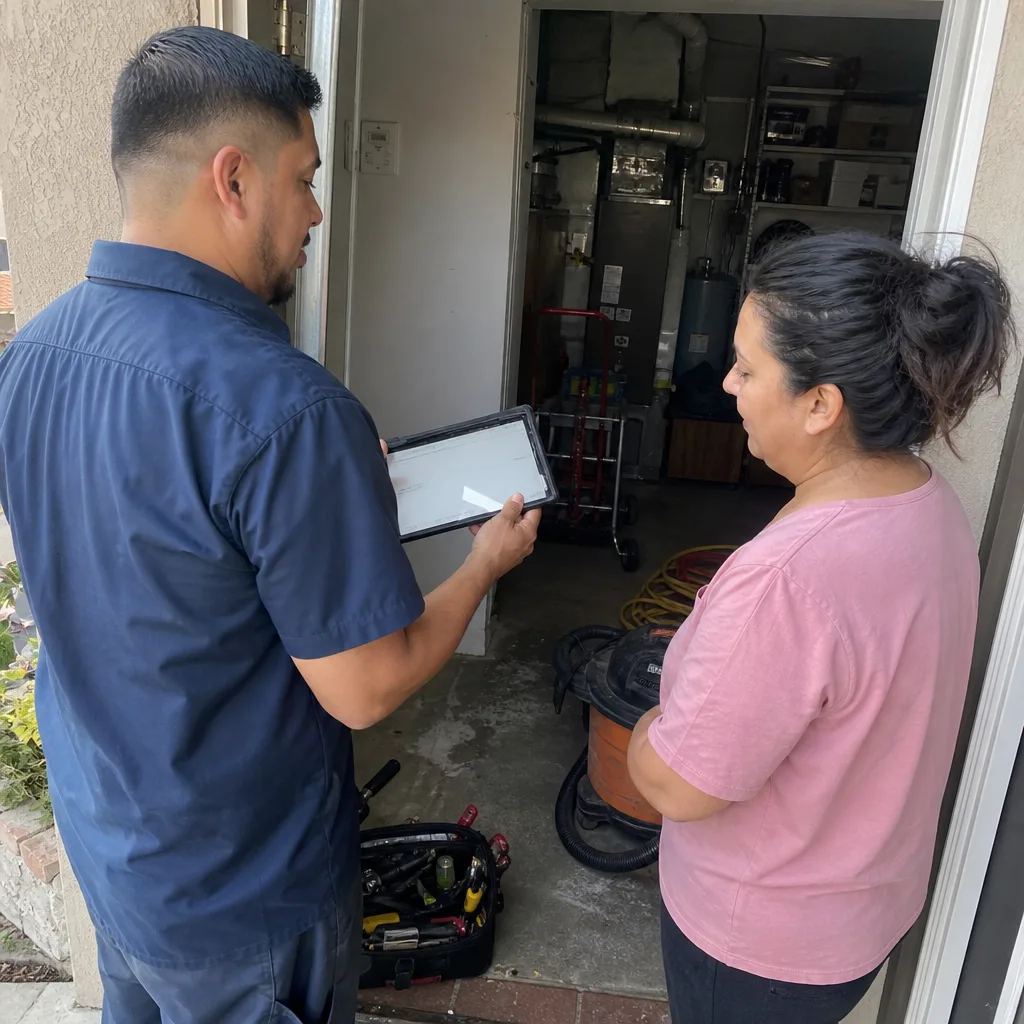
Last updated November 18, 2026
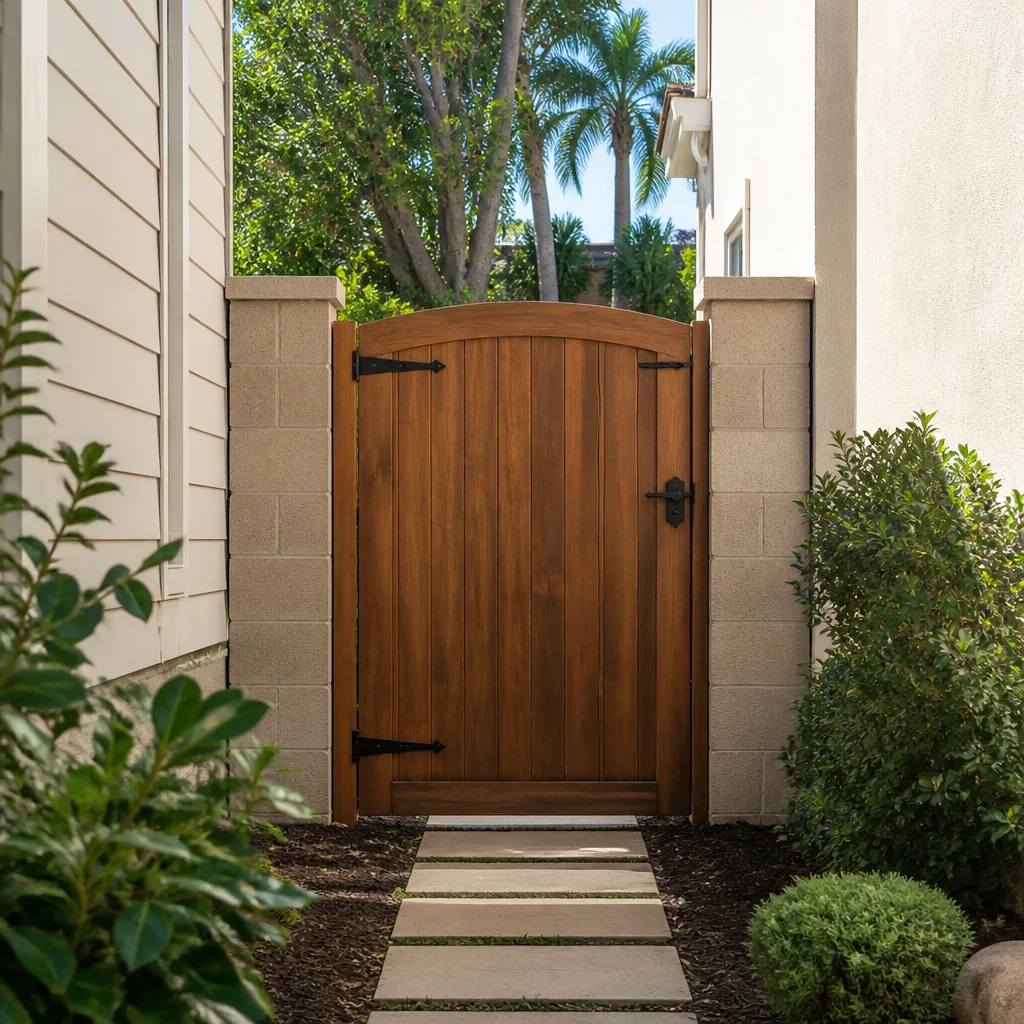
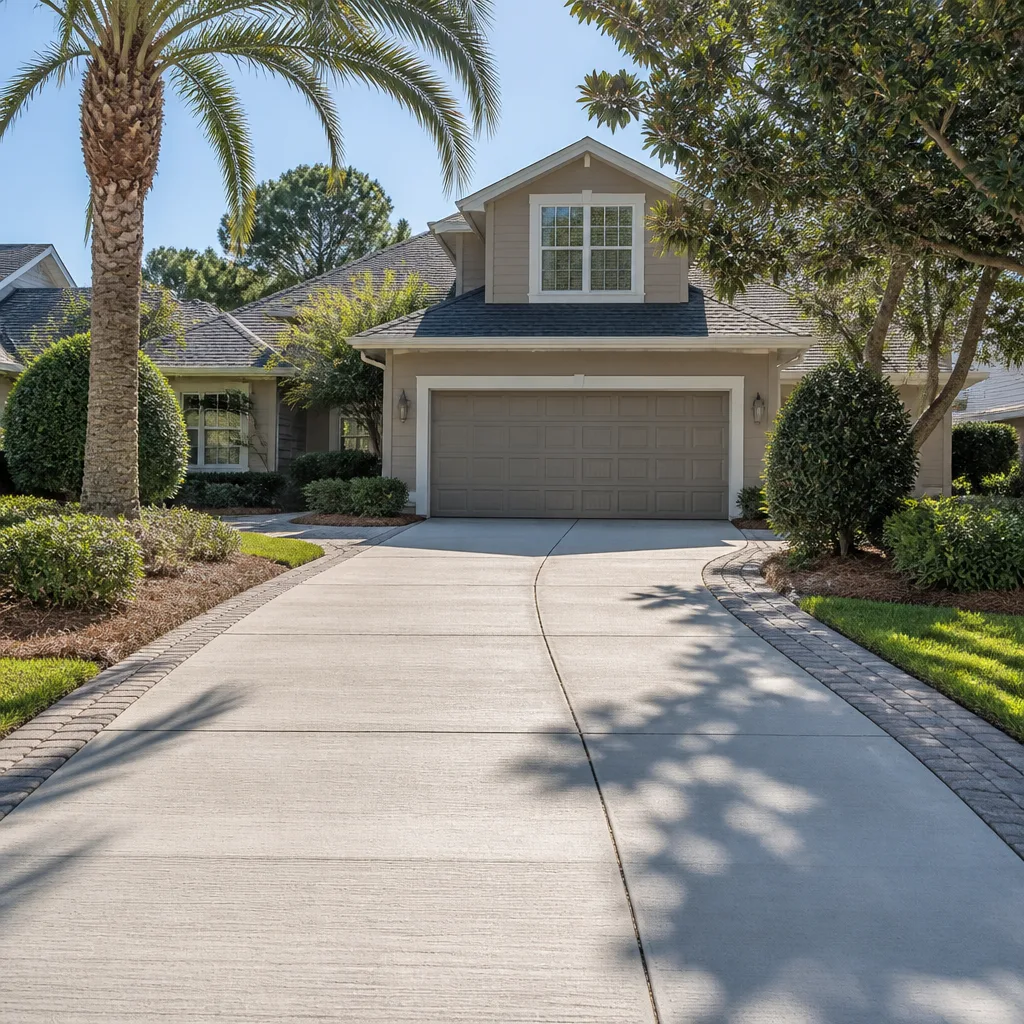

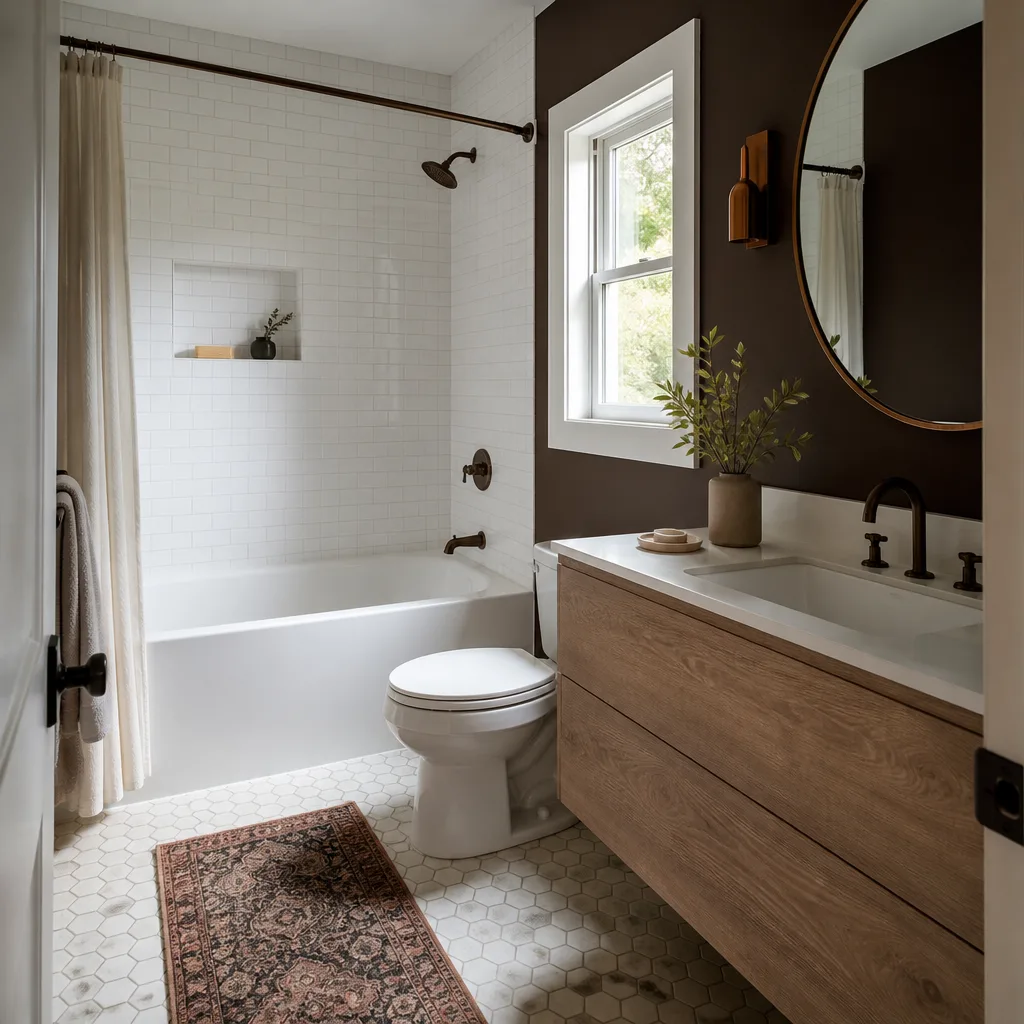
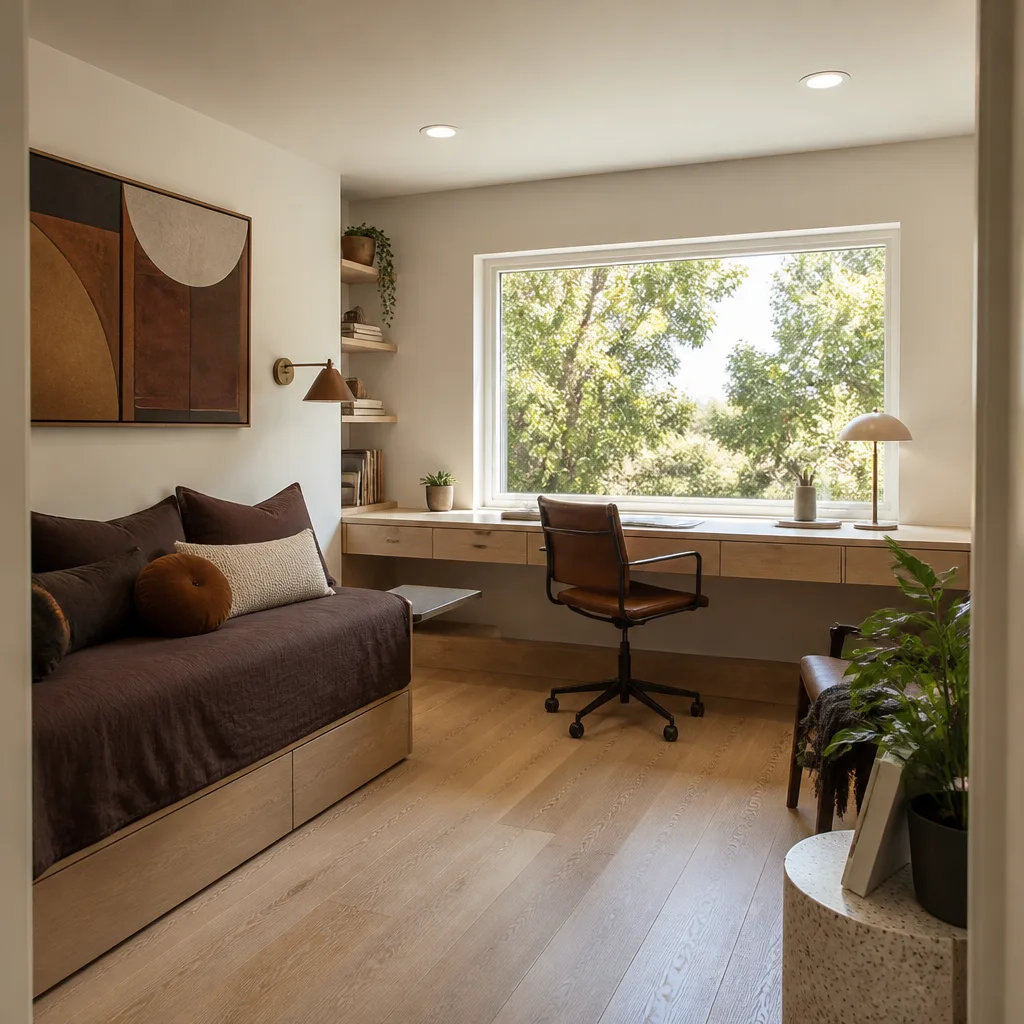
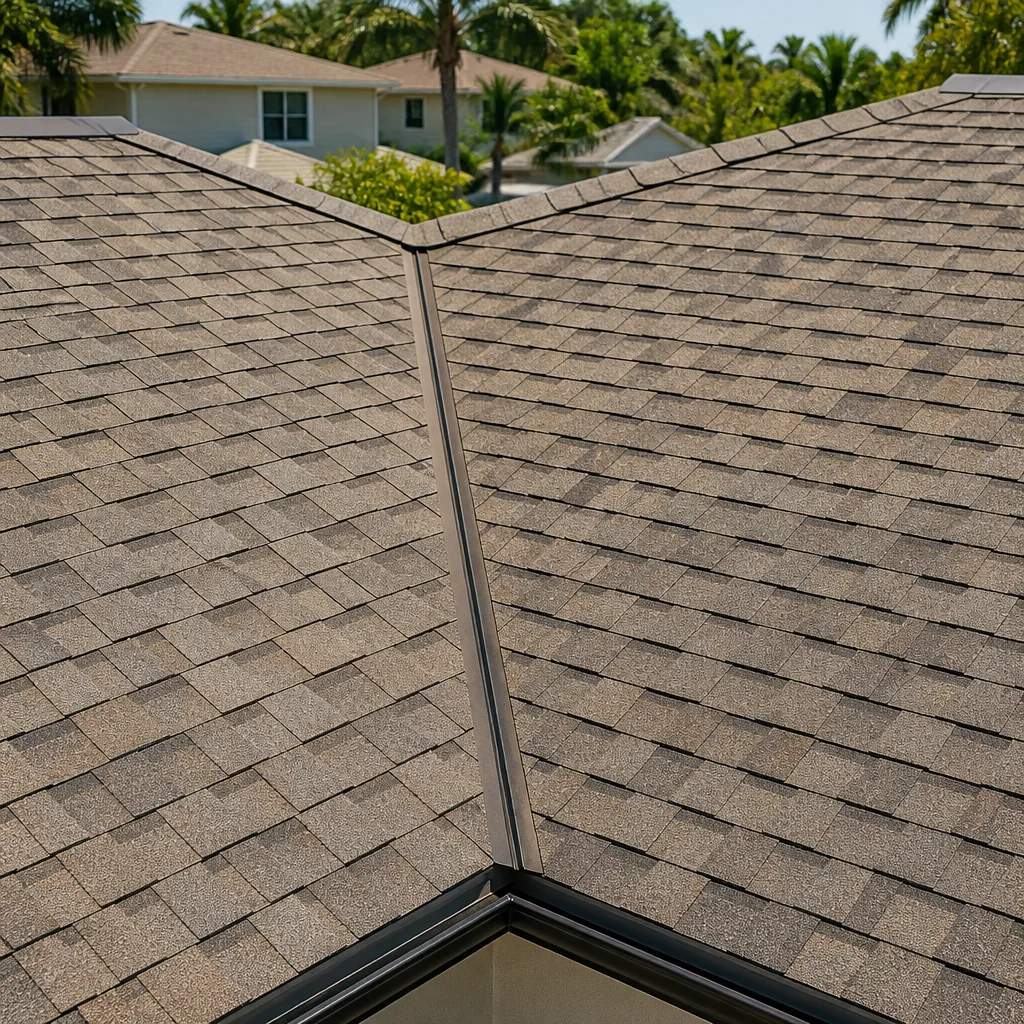
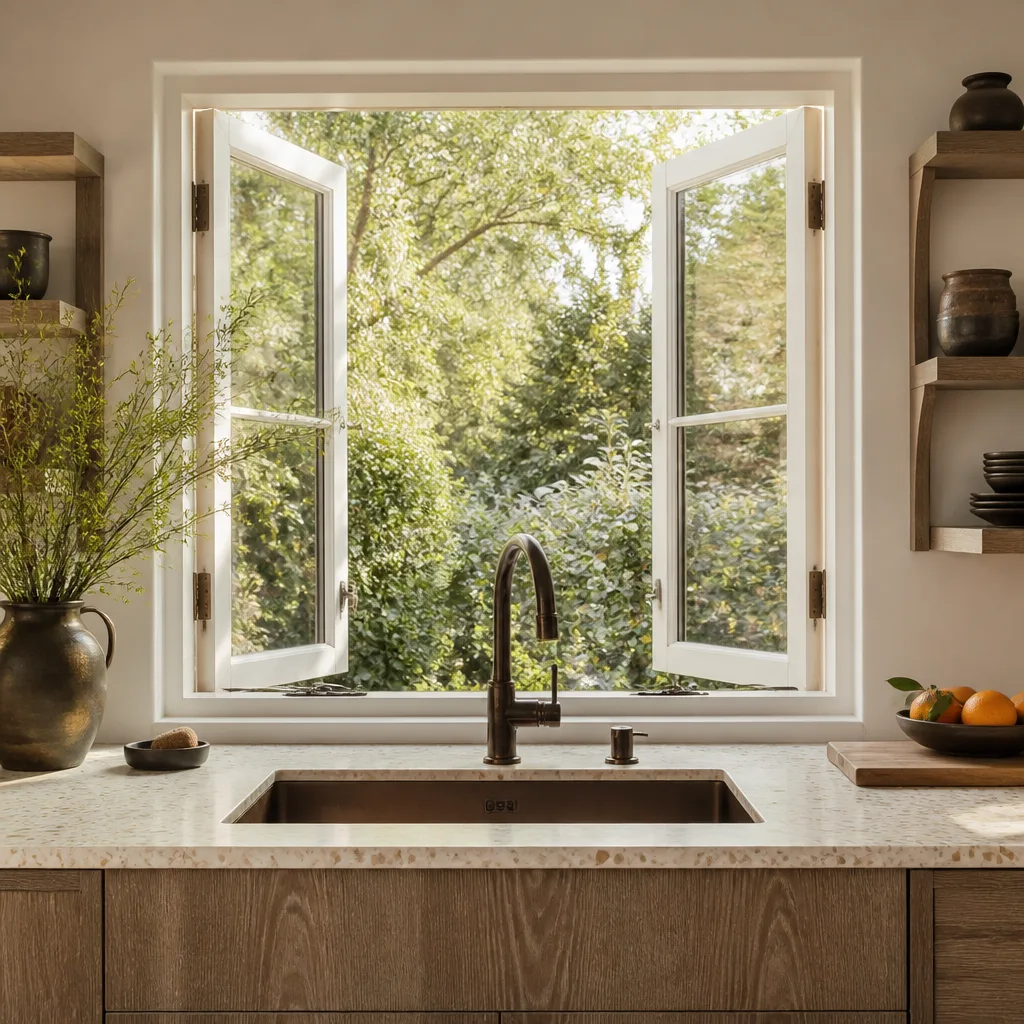
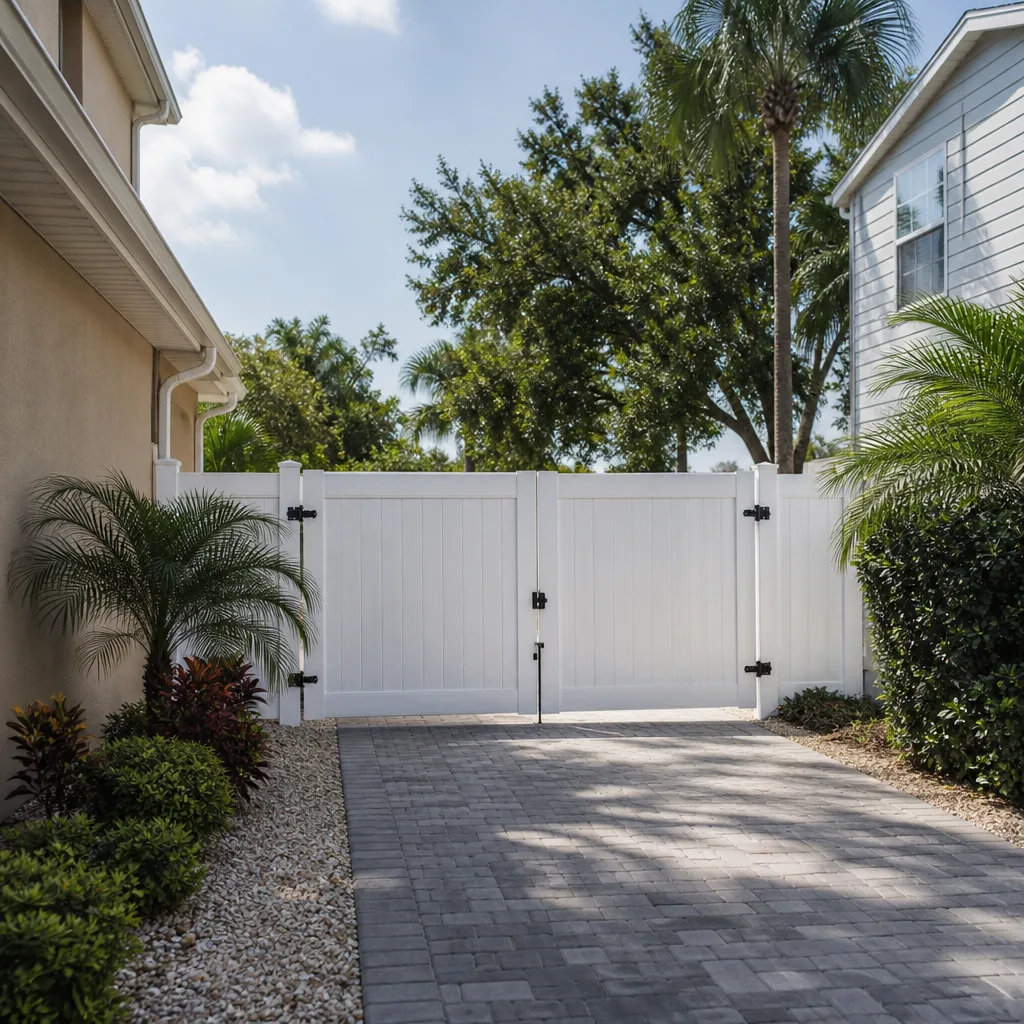
Free written scope consultation - allowances, timeline, and change-order rules on paper before a single trade is scheduled
DIY vs Professional Construction: The West Covina Homeowner’s Decision Guide
Here’s the conversation no YouTube tutorial has: a West Covina homeowner who builds a paver patio without a permit isn’t just risking a fine. If that patio later causes water to pool against the foundation and the slab cracks, your homeowner’s insurance carrier can point to the unpermitted work and decline the claim. The project you saved $2,400 on becomes the reason a $19,000 repair isn’t covered, and the fine was never the real exposure. In a city where code enforcement runs through Los Angeles County systems and inspections are triggered at sale, the DIY versus professional question stops being about skill. It’s about permit exposure, warranty liability, and what your policy does when unpermitted work surfaces. This guide walks through which West Covina projects you can legally build yourself, how disclosure and title insurance actually work in Los Angeles County, and where DIY genuinely saves money instead of quietly transferring risk onto your equity.
Quick Answer
In West Covina, cosmetic and maintenance work (painting, cabinet refacing, landscaping, swapping fixtures) is genuinely owner-buildable and doesn’t require a contractor. Anything structural, electrical, plumbing, roofing, gas-related, or tied to a new addition requires a licensed contractor and a city permit, and doing it yourself unpermitted is where homeowners lose money at resale and risk a denied insurance claim. Professional work costs more upfront but carries a license, a permit trail, and a written warranty; DIY only saves money when the scope stays inside the cosmetic and maintenance boundary.
Styles & brands we work with
- Kitchen remodeling
- Bathroom remodeling
- Home additions & ADU
- Roofing
- Windows & doors
- Driveway & pavers
- Fence
Table of Contents
- What West Covina Law Actually Requires (and What It Doesn’t)
- How Unpermitted Work Affects Resale and Title Insurance in LA County
- The Real Cost Comparison: DIY Materials vs. Professional Bid
- The Insurance Question No Tutorial Covers
- Where DIY Genuinely Makes Sense in West Covina
- How to Be a Smart Owner-Manager on a Professional Project
- West Covina Climate and Geography: What It Does to Your Scope
- A Decision Framework You Can Actually Use
What West Covina Law Actually Requires (and What It Doesn’t)
California’s Business and Professions Code is blunt: any project over $500 in combined labor and materials that touches a regulated system requires a licensed contractor. West Covina enforces that through its own building division and the Los Angeles County Building Code, which adopts the current California Building Standards Code. That $500 threshold is a legal line, not a suggestion, and it’s the single most misunderstood number in home improvement. Most homeowners who get into trouble cross it without realizing it, because the materials cost is usually the visible part and labor is the invisible part that pushes them over.
Here’s the split that matters for a West Covina project, broken down by whether a license and permit are legally in play:
Requires a licensed contractor and a city permit:
- Any structural change, including removing a load-bearing wall in a 1960s ranch home common across West Covina’s older tracts
- Electrical work beyond swapping a light fixture or outlet cover
- Plumbing beyond replacing a faucet or a toilet tank
- Roof replacement or any structural roof repair
- Gas line work, water heater replacement, and HVAC refrigerant work
- Fence installation over six feet, and any fence on a property line
- Driveway, paver, and hardscape work that alters drainage or grade
- Any addition, ADU, or square-footage change
Genuinely owner-buildable in West Covina:
- Interior and exterior painting
- Cabinet refacing, hardware swaps, and countertop replacement (not fabrication)
- Landscaping, planting, and non-structural garden walls under three feet
- Flooring over an existing subfloor (laminate, LVP, carpet tile)
- Bathroom fan and light fixture swaps on existing wiring
- Pressure washing, gutter cleaning, and caulking maintenance
- Fence staining and repair of an existing permitted fence
For anything in the first list, we’ve watched homeowners try to manage the permit themselves and hit a wall on inspection because the work was performed by an unlicensed helper who then disappeared. A permit isn’t paperwork. It’s the trigger that gets your work inspected and documented, and that documentation is what protects you later. From foundation to finish line, a licensed contractor pulls the permit, schedules the inspections, and holds the accountability that a homeowner cannot self-issue. For West Covina additions and ADU work specifically, this is non-negotiable, and it’s why we walk every homeowner through the permit scope before the first shovel hits dirt.
How Unpermitted Work Affects Resale and Title Insurance in LA County
California law requires sellers to disclose known material defects and any work done without permits on a Transfer Disclosure Statement. This isn’t optional, and it isn’t something a realtor can quietly smooth over. When you list a West Covina home, the buyer’s inspector will compare the county assessor’s records against what’s actually built. Unpermitted additions, converted garages, and patios disappear from assessor records, and the gap is the first thing a buyer’s agent flags in escrow. In Los Angeles County, that disclosure can kill a deal or reopen price negotiations because buyers discount unpermitted work heavily, often by more than the cost of the project itself.
The title insurance piece is where most homeowners get surprised, and it’s worth understanding clearly:
- Title insurance protects against ownership and encumbrance claims, not against building code violations. A clean title doesn’t mean clean permits, and a title company won’t vouch for unpermitted construction.
- Lender underwriters for buyer financing will order a permit history check on virtually every LA County purchase. If the assessor shows a garage and the seller markets an ADU in its place, the lender can require the work be retroactively permitted or the square footage be excluded from value.
- Retroactive permitting is possible but expensive. The city may require plan review, structural engineering, and demolition to expose framing for inspection. That escalated cost is paid by whoever owns the property when the issue surfaces, often the seller after the deal is in motion.
- Disclosure failures can become legal exposure. A seller who knew about unpermitted work and didn’t disclose it can face buyer claims after close. That’s a cost far beyond a $400 permit.
In our experience across West Covina, the resale hit from unpermitted work runs wider than the original cost of the project. A garage conversion done without permits might have saved a previous owner $18,000. When it surfaces in escrow, the buyer’s lender can demand a $9,000 retroactive permit and inspection process, and the seller absorbs it under negotiation pressure. That’s the arithmetic nobody shows you in a home improvement video.
The Real Cost Comparison: DIY Materials vs. Professional Bid
The naive DIY math compares materials against a contractor’s total bid and concludes DIY wins by 60%. That math ignores four costs that almost always appear: permit fees, tool rentals, disposal, and the realistic probability of a redo. Run the full number and the gap narrows sharply, and on anything structural, it can invert entirely. Professional bids include a licensed contractor’s overhead, insurance, permit handling, and warranty, and that overhead is exactly what covers the costs a homeowner underestimates.
Here’s how the line items actually compare for a typical West Covina scope:
| Cost category | DIY | Professional |
|---|---|---|
| Materials | $1,800 – $3,400 typical for a mid-size project | Similar or 5 – 15% lower via contractor pricing |
| Tool rental | $180 – $600 for specialty tools | Included |
| Permit and inspection fees | $0 if skipped, but risk is retained; $250 – $900 if pulled correctly | $250 – $900, handled by contractor |
| Dumpster and disposal | $380 – $750 | Included |
| Labor | Your weekends, typically 2 – 4x the professional estimate | Bid-based, fixed with a written contract |
| Realistic redo probability | High on anything regulated | Covered by written warranty |
| Warranty coverage | None | Written workmanship guarantee |
The labor estimate is where the honest math lives. A West Covina homeowner planning a weekend paver job over a 300-square-foot area will typically spend three weekends on prep and two more on the actual install once compaction, base depth, and drainage slope are done to code. The professional bid consolidates that into a two-day window. If those weekends are worth $1,800 to you at your hourly rate, the “savings” from DIY were imaginary. Where DIY genuinely wins is on cosmetic scope with low redo probability: painting, refacing, landscaping, and maintenance. There, the material-to-labor ratio stays favorable and the failure cost is cosmetic.
The Insurance Question No Tutorial Covers
Homeowners insurance carriers in California are much more attentive to unpermitted work than they were a decade ago, and West Covina sits squarely in the post-wildfire, post-claim market where underwriting scrutiny tightened. If you build a deck, install a hardscape surface that alters drainage, or finish a bathroom yourself and something fails, the carrier’s adjuster will ask two questions: was the work permitted, and who performed it. If the answer is “nobody licensed, no permit,” coverage on the resulting damage is very likely to be denied or heavily reduced.
A few things worth knowing:
- Policies exclude “faulty workmanship” broadly. If your own install is the cause, the exclusion applies to the resulting damage, not just the failed component.
- Water intrusion from a bad DIY drainage job is the highest-frequency example we see. A paver or hardscape job that pools water against a West Covina stucco wall can cause mold and structural rot, and the carrier is likely to decline the interior remediation because the cause was unpermitted construction.
- Concealed damage from unpermitted electrical or plumbing is worse. A roof leak from a DIY patch, or a slow plumbing leak behind drywall, will be inspected for permit history before a large payout.
- Documented, permitted, licensed work is the standard a carrier expects. A licensed contractor’s signed documentation, inspection records, and written warranty are the trail that keeps a large claim alive.
We’ve had West Covina clients come to us after an insurance denial on a bathroom they’d finished themselves two years earlier. The adjuster’s reason was simple: no permit, no licensed trade, manufacturer warranty voided by improper installation. The repair, plus the insurance loss, plus the cost of doing the work again properly, came out to well over what the professional bid had been originally. Insured and documented isn’t a slogan in that scenario. It’s the difference between a claim that closes and a claim that doesn’t.
Where DIY Genuinely Makes Sense in West Covina
We root for homeowners who want to be involved. Every hour of skilled prep work a West Covina homeowner takes on reduces the professional scope, and that reduces the bid. The key is choosing which hours, because a homeowner who takes on the wrong task costs more time in rework than they saved. Here’s where DIY is a real win, and where it quietly becomes a liability.
Maintenance and cosmetic (owner-buildable, real savings):
- Exterior painting on stucco homes common across West Covina neighborhoods near Cortez Park and the South Hills area
- Replacing outdated kitchen and bath hardware, faucets, and light fixtures
- Pressure washing driveways, patios, and fences before a professional job starts
- Cabinet repainting or refacing
- Landscaping, planting, and mulching (with drip irrigation added professionally)
- Replacing dated flooring over a solid subfloor
Prep labor that reduces professional scope and cost:
- Demo and haul-away. On a bathroom or kitchen remodel, controlled demolition done before the crew arrives can shave a measurable amount off labor. We specify the boundary between “remove” and “leave alone” upfront, and that line matters more than the effort itself.
- Site prep for hardscape. Clearing a patio or driveway area, removing plant material, and pulling up existing surface before a professional hardscape install reduces the demo line item directly.
- Material staging. Homeowners who handle material selection and delivery coordination keep a professional crew on the install instead of on trips to the supplier. On projects like Driveway & Pavers in West Covina, this alone can meaningfully reduce schedule and cost.
- Painting after install. If the crew hands off a finished drywall surface, a homeowner can take on the painting and cross it off the bid.
Where DIY quietly becomes a liability even though it feels doable:
- Anything near the panel, the gas line, or the roof plane
- Any drainage alteration to a slope or grade
- Fence installation on a property line (boundary disputes plus permit rules)
- Any product installation that voids a manufacturer warranty if not done by a certified installer (many windows and roof products carry this clause, and we specify certified installers on every job for exactly that reason)
How to Be a Smart Owner-Manager on a Professional Project
The most common failure mode on a West Covina professional project isn’t a bad contractor. It’s an unclear homeowner. Over-involved (micromanaging a licensed crew’s methods) and under-involved (not making decisions on time) both cost money, and they cost it in change orders, delays, and scope confusion. The middle path is being a decisive owner-manager: you make the choices and the contractor executes them. When you do that with a reputable company, the result is faster and cheaper than either extreme.
Here’s the playbook we recommend to every West Covina homeowner before signing:
- Write down the scope in plain language. Not “renovate the kitchen.” Instead: replace cabinets, change countertop to quartz, install new sink and faucet, reroute the under-sink drain, keep appliances. Specificity kills change orders because it forces a specific bid.
- Lock the finish schedule before demolition. Choose tile, paint, cabinetry, and fixtures before work begins. Late material picks are the #1 cause of schedule slips on kitchen and bath projects in West Covina, and every slip has a labor cost attached.
- Confirm the permit scope in writing. The bid should name which permits the contractor will pull and which inspections will happen. Anything silent on permits is a red flag.
- Set decision deadlines with your contractor. Agree on the day each choice is due. If a decision arrives late, that’s the homeowner’s delay, not the contractor’s, and it becomes a change order.
- Delegate the technical method. Once you’ve specified the outcome and the materials, trust the licensed installers on how it gets built. Reversing an in-progress install to “try,” then changing your mind, is the fastest way to add a week.
- Attend the walkthroughs, not the daily work. Show up for the pre-construction walk and the final walk, not every hour. This keeps the working relationship constructive and keeps the crew on the install.
- Keep a written record of change orders. Any change after the contract is signed should be agreed in writing with a price before it happens. This is a mutually protective practice and it’s how we run every job.
For larger scopes like an ADU or addition, owner-manager discipline matters even more because the timeline is longer and the decisions are bigger. If you’re exploring that territory, our Home Additions & ADU in West Covina page lays out the permitting and build sequence in detail. The homeowners who do this well plan the decision calendar before the first permit is filed and treat their own role as a project board, not a construction crew.
West Covina Climate and Geography: What It Does to Your Scope
West Covina sits in the eastern San Gabriel Valley with hot inland summers, dry autumns, and winter rain that arrives in concentrated bursts rather than steady drizzle. That climate pattern is what makes drainage the highest-stakes variable in any hardscape or roofing decision, and it’s the reason the DIY cost math looks different here than in wetter or more temperate areas. Homeowners in the older single-story tracts of West Covina have a specific exposure: shallow slopes, clay-heavy soils near the base of the South Hills, and stucco walls that don’t tolerate prolonged moisture contact.
The practical climate considerations we’ve seen across West Covina projects:
- Concentrated winter rain demands proper drainage on every hardscape job. A paver patio installed without engineered slope to a drainage point will pond during the first heavy storm, and the water heads straight for the foundation. We see this failure most on DIY hardscape jobs, and the resulting stucco and interior repair dwarfs the cost of doing it right.
- Summer heat affects roofing and exterior work. Asphalt shingles and exterior paint behave differently at 100°F than at 75°F. Timing matters, and a professional schedule buys you installation under the right temperatures for the material. That’s part of why we specify GAF and CertainTeed products installed by certified crews on West Covina roofs.
- Clay soil shifts. West Covina’s soils expand and contract seasonally. Pavers and driveways installed without the proper aggregate base depth will heave and crack within a few seasons. Base depth is invisible in the finished job and is where DIY shortcuts most often happen. For the details on correct base prep, see our Driveway & Pavers in West Covina page.
- Dry seasonal winds add roof and fence stress. Wind uplift and fence lean are common across West Covina properties after Santa Ana events, and correct fastening and anchor depth are code requirements, not optional upgrades. Our Fence Installation in West Covina guide covers what anchor depth actually means for wind load.
- Wildfire-adjacent insurance scrutiny. Carriers in the San Gabriel Valley now require documented, permitted work as a baseline for coverage on any large structural project. That’s a climate-driven change, and it raises the cost of unpermitted DIY work in West Covina specifically.
None of this means DIY doesn’t make sense. It means the DIY decision has to be made with the local climate in view, not against a generic national tutorial. A cosmetic refresh of a West Covina kitchen is a great DIY candidate in any climate. A paver patio is not, because the failure mode here is the wetter climate’s failure mode and it lands on your foundation.
A Decision Framework You Can Actually Use
Strip away the marketing and the DIY debate comes down to four questions worth answering honestly before you pick up a tool. Each has a clear right answer for West Covina. If you can answer all four without hedging, you’ve decided. If you’re hedging on any of them, the professional route is the safer call and probably the cheaper one when you account for what could go wrong.
- Does the project touch a regulated system? Electrical, plumbing, gas, structural, roofing. If yes, hire licensed. No exceptions in West Covina.
- Does the project cross the $500 labor-and-materials threshold? If yes, the state expects a licensed contractor. If you’re close to the line, treat it as over and use a professional.
- If this fails in five years, does it become a $500 fix or a $15,000 fix? Cosmetic failures are cheap. Drainage, structural, roof, and code failures are not. The probability of failure times the failure cost is the honest number to compare against the professional bid.
- Do you need a paper trail for insurance or resale? If you plan to sell within ten years, or if your carrier is scrutinizing your policy, documented licensed work is the only version of the project that survives underwriting.
We’ve seen West Covina homeowners use this framework well. They DIY their kitchen refacing, their landscaping, and their prep labor, and they hire us for the roof, the addition, the hardscape, and anything on the panel. That split usually saves them 15-25% off the all-professional bid without exposing them to a single permit, insurance, or resale risk. From foundation to finish line, it’s the same discipline a good owner-manager applies to any scope.
Common Mistakes to Avoid
- Skipping the permit to “save time.” In West Covina, the permit wait is measured in weeks, but the retroactive permit penalty at resale is measured in months and thousands of dollars. Pull the permit and schedule the inspection; it’s the cheapest risk transfer available.
- Believing the $500 threshold is a suggestion. California treats it as a legal line. A homeowner who crosses it as an unlicensed owner-builder of a general project can face a stop-work order and reversal costs that far exceed the original scope.
- Installing hardscape without engineered drainage on a slope. West Covina’s concentrated winter rain turns a DIY paver shortcut into foundation water intrusion within one or two seasons. This is the single most expensive DIY mistake we see locally.
- Buying windows or roofing products from a supplier that voids the warranty without certified installation. Many manufacturers specify certified installers, and a DIY install of a premium window brand can leave you with zero warranty coverage if it fails. We specify certified installers on every window and door project, often working with CWS and ES Windows products specifically because the certification requirement is clear and enforceable.
- Choosing materials after demolition starts. Material delays are the top cause of schedule slips on West Covina kitchen and bath remodels, and the labor cost of a stalled crew is paid by the homeowner. Select finishes before the first hammer swings.
- Reversing in-progress work to “try something else.” Homeowners who reverse a professional install mid-project typically add 5-10 days of schedule and a change order. Make decisions once and commit.
- Assuming your homeowner’s policy covers DIY-related damage. It almost certainly doesn’t cover faulty workmanship, and the resulting damage from an unpermitted install can fall outside coverage entirely. Verify with your carrier how your policy treats unpermitted work before you decide.
See the difference
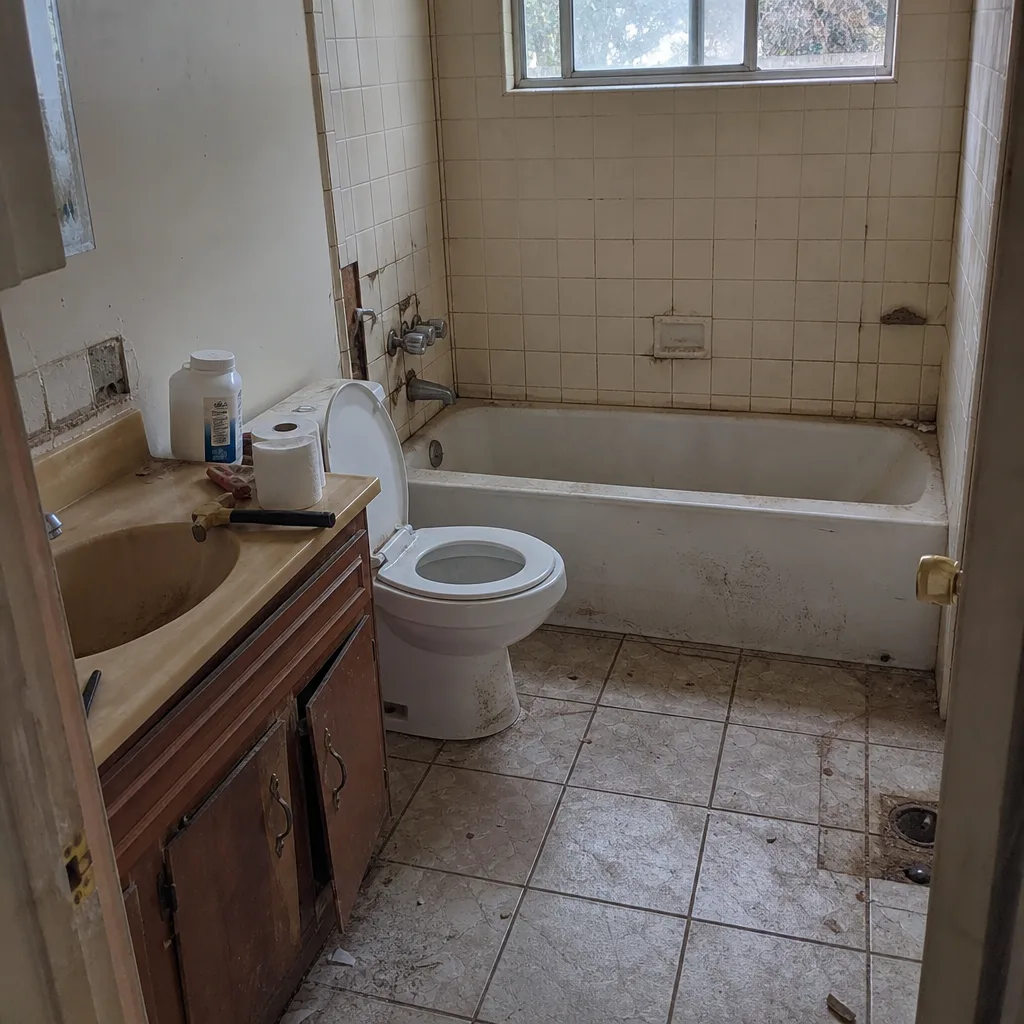 Before
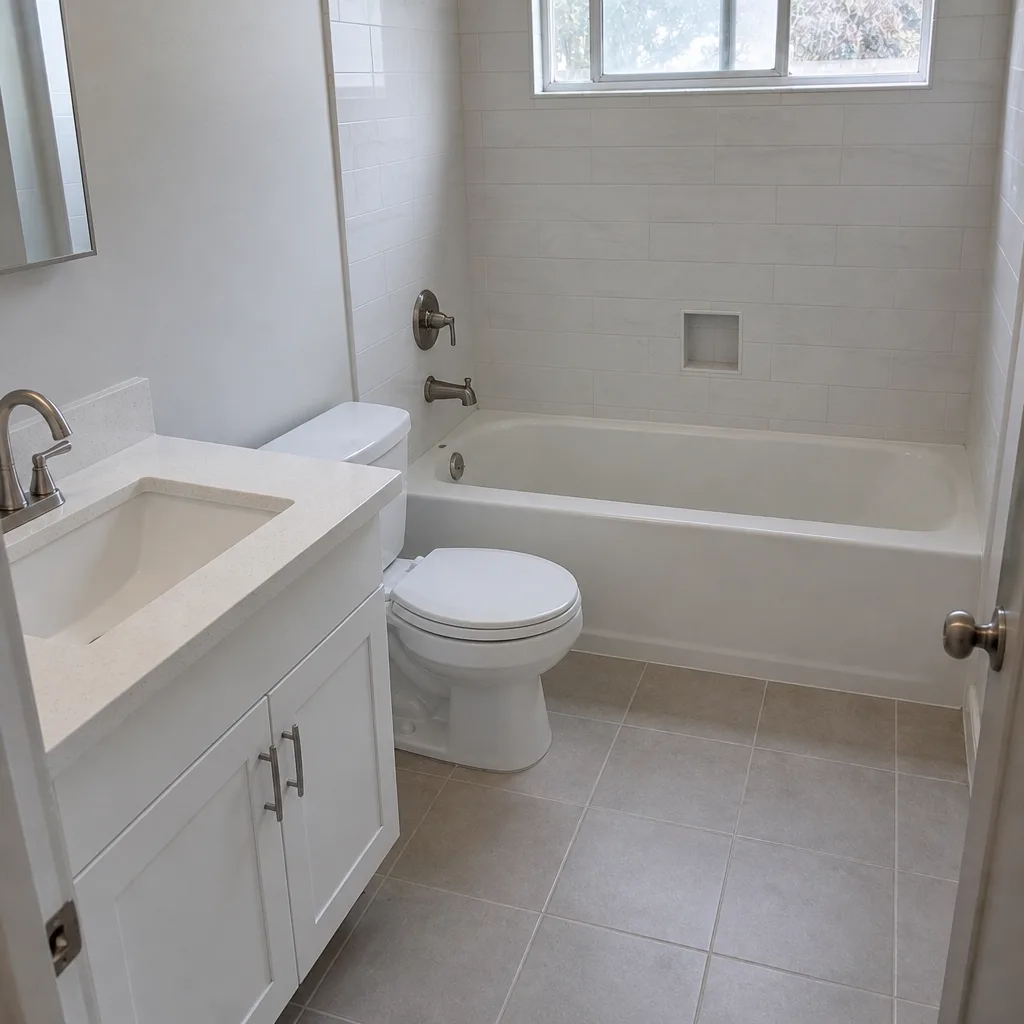 After
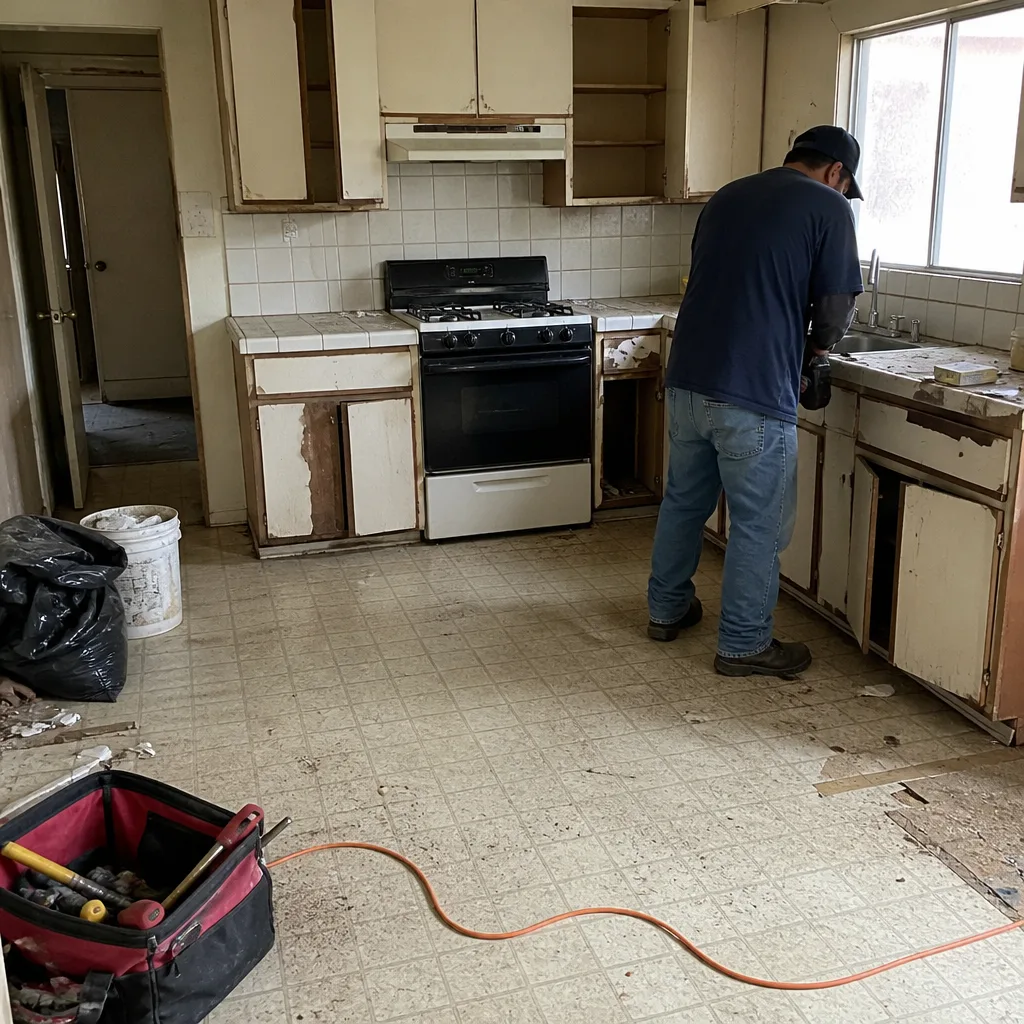 Before
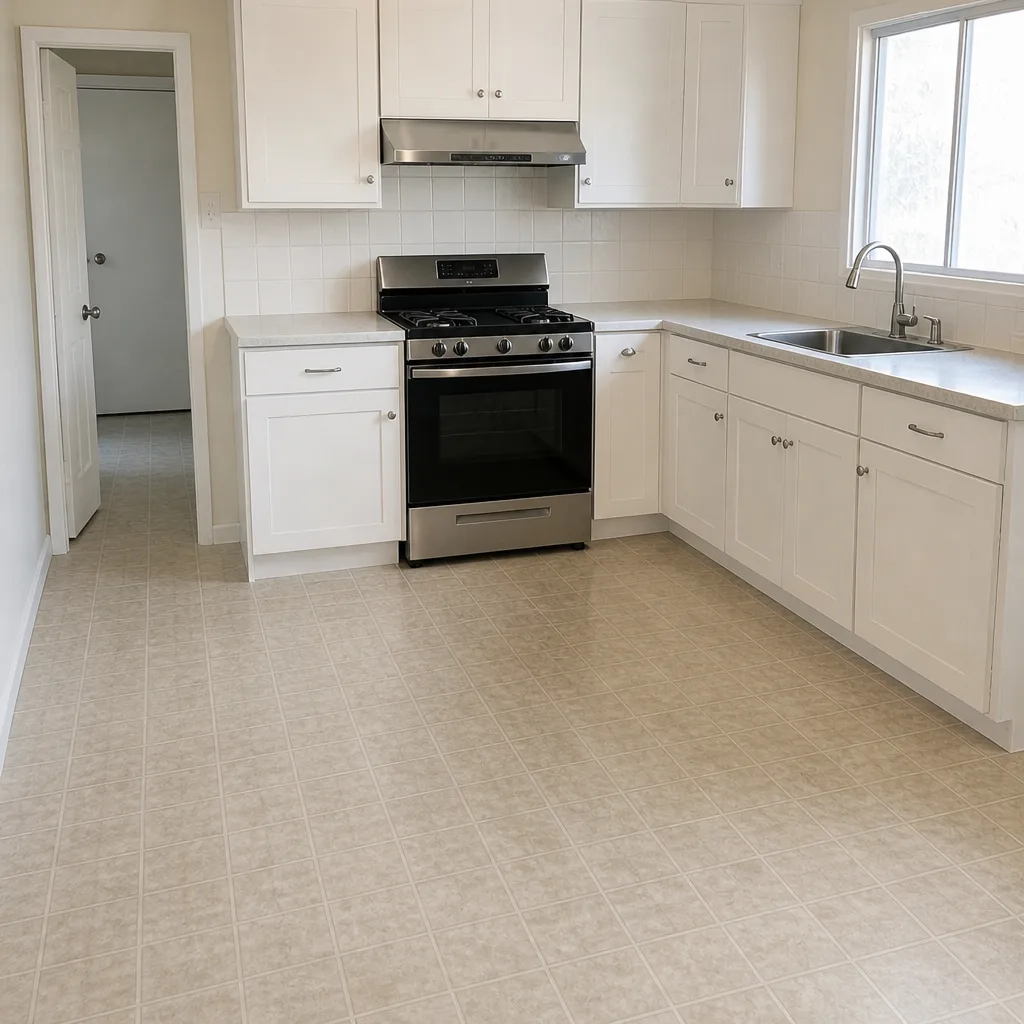 After
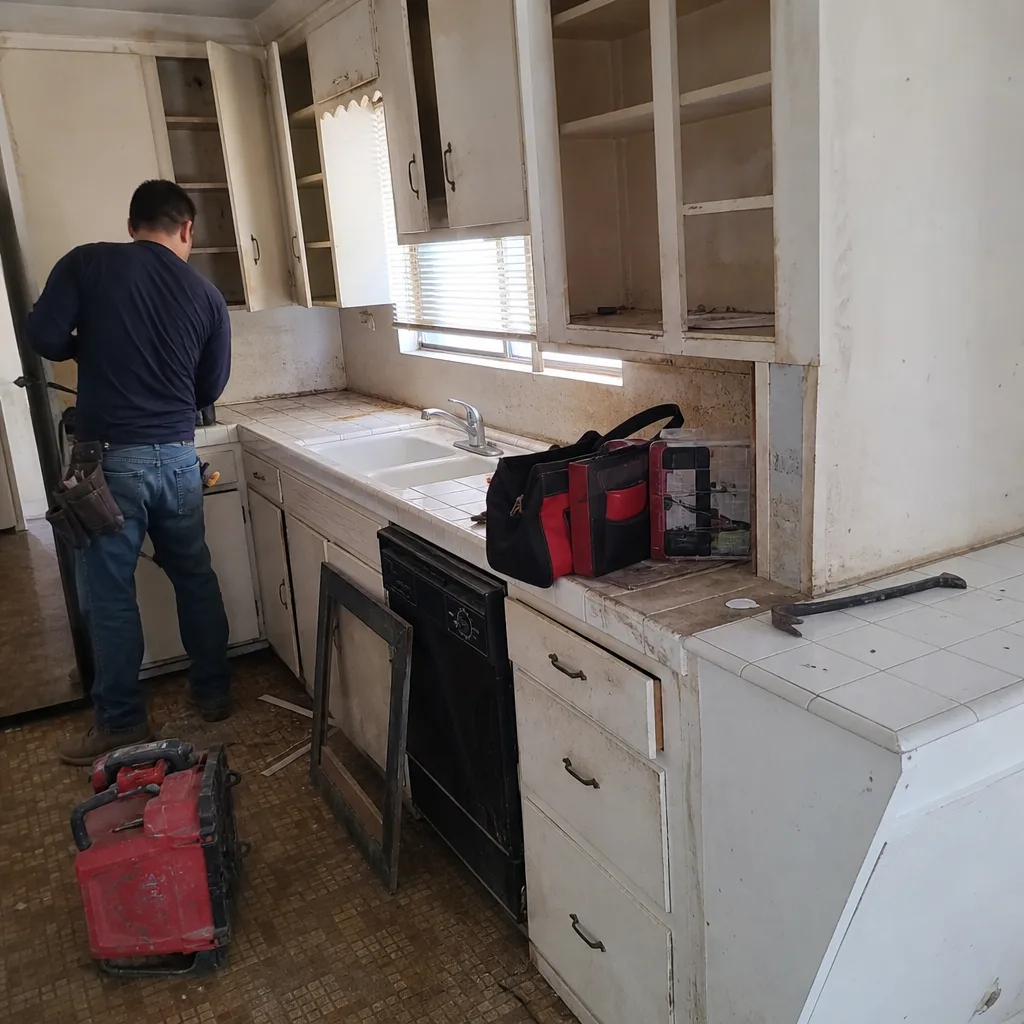 Before
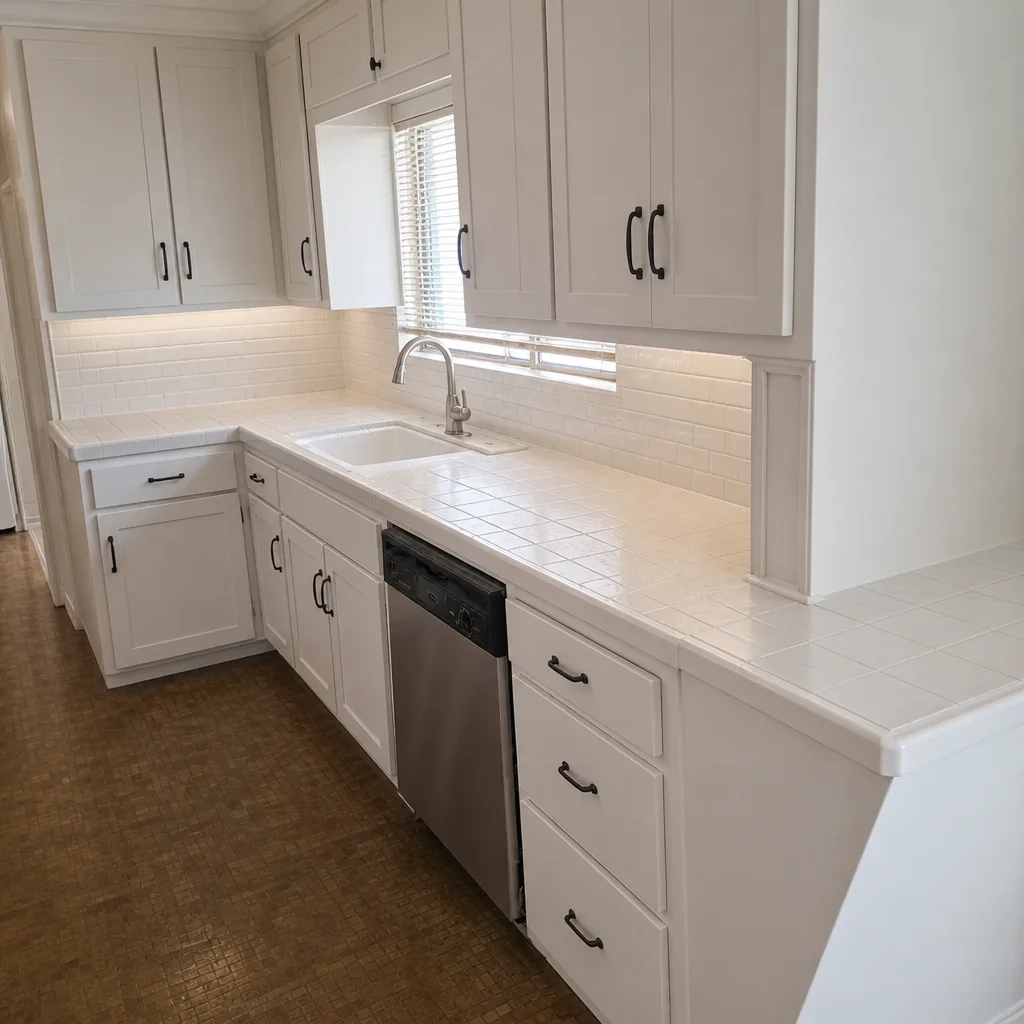 After
When to Call a Professional
Call a professional for anything that touches the electrical panel, the gas line, the roof plane, the structural envelope, or the drainage of your property. In West Covina, that covers roof replacement, any addition or ADU, kitchen and bath remodels that move walls or plumbing, driveway and paver installs, fence installation on a property line, and all window and door replacement. It also covers any project where you plan to sell within the next decade, because resale disclosure and lender underwriting will check for permits. Groundwork Construction Co. of West Covina offers free estimates in West Covina – call (844) 662-2335 to schedule yours, and we’ll walk the scope, the permits, and the warranty in writing before you commit to anything. Every project is covered by our 730-Day Done Right Promise, calls are answered by a live person 24/7, and pricing is upfront with no surprises.
Frequently Asked Questions

Yes. Any hardscape that alters drainage or grade on a West Covina property typically requires a permit, because the city wants to verify that water flows away from the structure, not toward it. Skipping the permit also means your homeowner’s insurer can deny a claim if the hardscape later causes foundation water damage. Call (844) 662-2335 to schedule a free estimate and we’ll confirm exactly what your scope requires.
California allows an owner-builder exemption for a home you live in, but it’s narrow. It doesn’t cover structural, electrical, plumbing, or gas work without a licensed trade performing it, it doesn’t cover anything you’ll sell in the near term, and it doesn’t shift warranty or insurance risk off your shoulders. For any structural or systems work in West Covina, hire a licensed contractor. Call (844) 662-2335 for a free estimate if you want to compare costs.
It can void coverage on the resulting damage, even if the policy itself stays in force. Carriers exclude faulty workmanship, and an adjuster who finds unpermitted construction connected to a claim will typically deny the resulting repair. The safest path in Los Angeles County is documented, permitted, licensed work – and that’s what every Groundwork project delivers, backed by our 730-Day Done Right Promise.
DIY is only cheaper if the scope stays strictly cosmetic. On a West Covina kitchen, DIY refacing, painting, and hardware swaps do save real money, but the moment you touch plumbing, gas, electrical, or layout, DIY stops being cheaper once permits, inspection, tool rental, and redo probability are counted. A professional bid on a full kitchen remodel is fixed and written, and the 0% financing for 18 months plus $1,000 off projects over $10,000 makes it more reachable than most homeowners expect. Call (844) 662-2335 for a free design consult and a line-item quote.
You’re legally required to disclose it on the Transfer Disclosure Statement, and the buyer’s lender will ask for permit history during underwriting. In practice, unpermitted work either kills the deal, reopens price negotiations, or forces you to retroactively permit it under time pressure – all three of which cost far more than doing the work correctly the first time. Call (844) 662-2335 if you want to pre-emptively permit or correct existing unpermitted work before listing.
Cosmetic and maintenance work is genuinely owner-buildable: interior and exterior painting, cabinet refacing, flooring over a solid subfloor, landscaping, pressure washing, and fixture swaps on existing wiring. Everything else – roofing, electrical, plumbing, gas, structural, fence installation, hardscape, additions, and window/door replacement – requires a licensed contractor and permits in West Covina. If your project sits anywhere near that line, call (844) 662-2335 for a free honest read on what your specific scope requires.
The Bottom Line
The DIY versus professional decision in West Covina isn’t about skill. It’s about permit exposure, warranty, insurance, and resale. DIY work that stays cosmetic and maintenance-only is genuinely cheaper and worth doing. Everything structural, electrical, plumbing, gas, roofing, hardscape, or addition-related should be done by a licensed contractor with permits pulled, inspections passed, and a written warranty attached. The savings from skipping that step are imaginary once you count what the risk actually costs. Use the four-question framework, plan your decisions as an owner-manager, keep the cosmetic work for yourself, and hire the rest. That split saves real money without transferring risk onto your equity.
Groundwork Construction Co. of West Covina connects West Covina homeowners with independent, licensed local professionals who pull permits, pass inspections, and back their work in writing. Every project carries our 730-Day Done Right Promise, technicians are background-checked and arrive in uniform, and pricing is upfront with no surprises – $1,000 off projects over $10,000 and 0% financing for 18 months are available now. Call (844) 662-2335 for a free estimate and a live person, any hour of any day. From foundation to finish line, we’re the partner who shows up and answers the phone.
Written by the team at Groundwork Construction Co. of West Covina.