Free written scope consultation - allowances, timeline, and change-order rules on paper before a single trade is scheduled
Styles & brands we work with
- Kitchen remodeling
- Bathroom remodeling
- Home additions & ADU
- Roofing
- Windows & doors
- Driveway & pavers
- Fence
See the difference
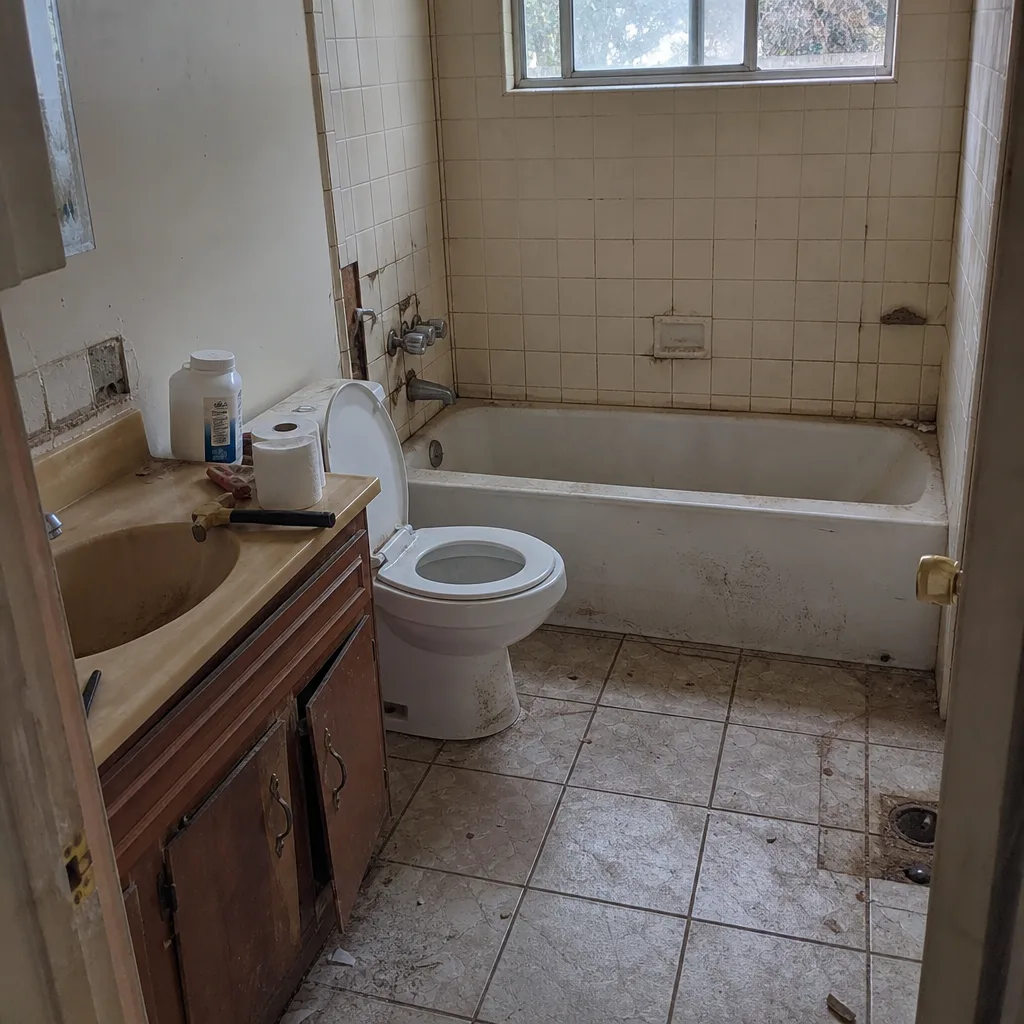 Before
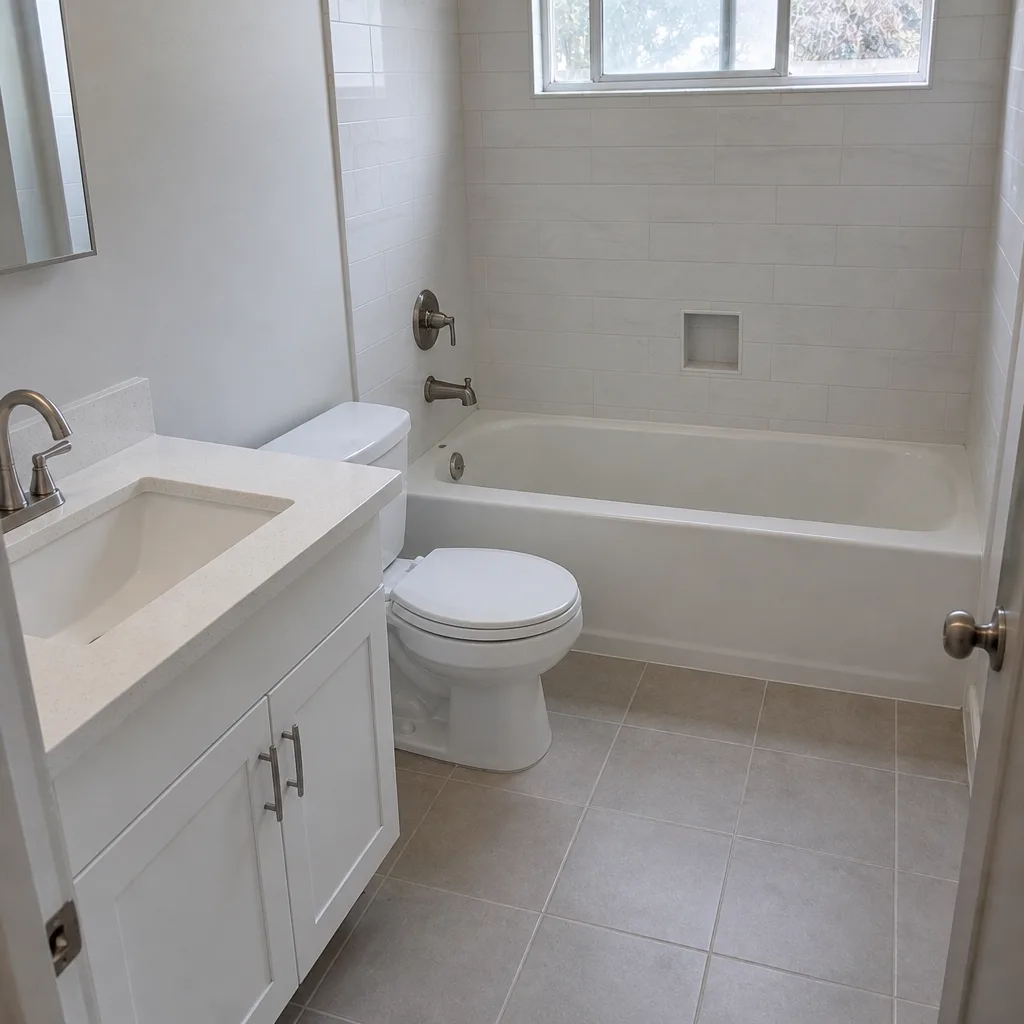 After
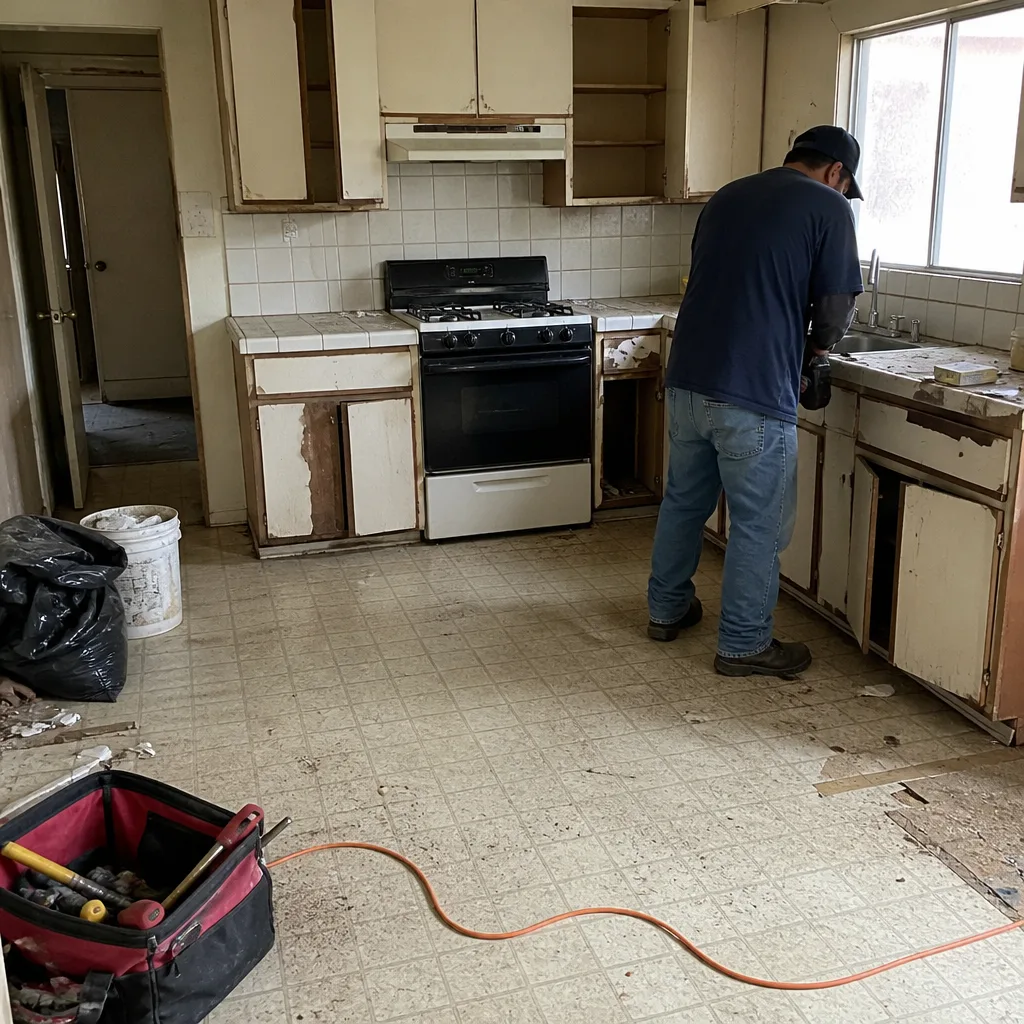 Before
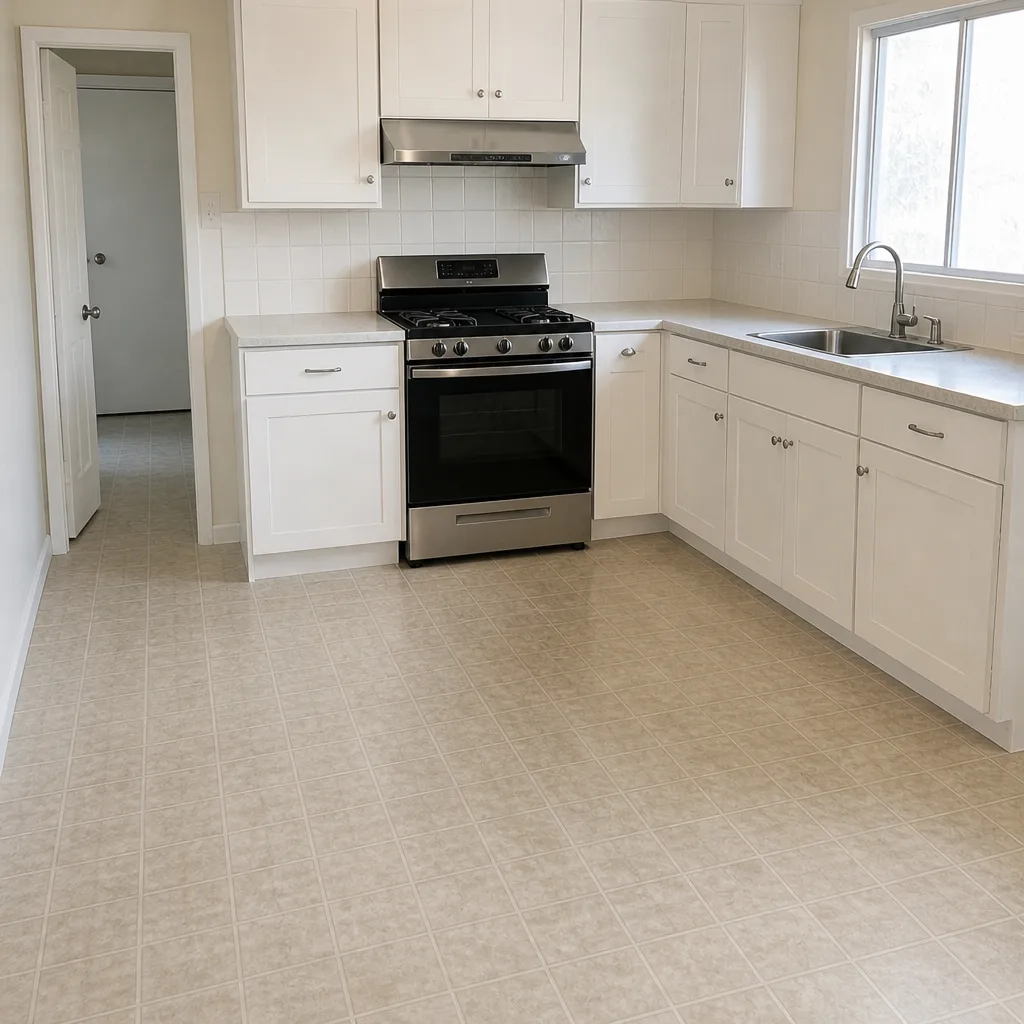 After
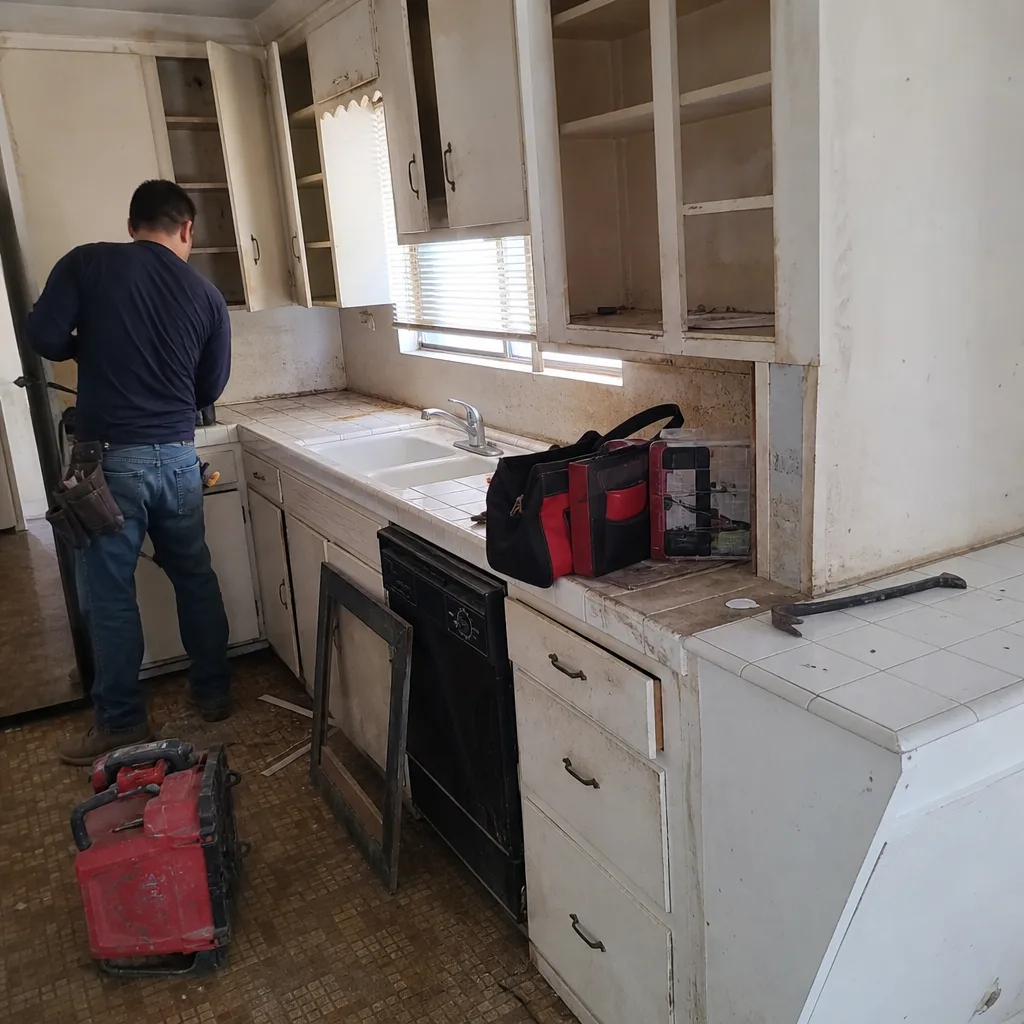 Before
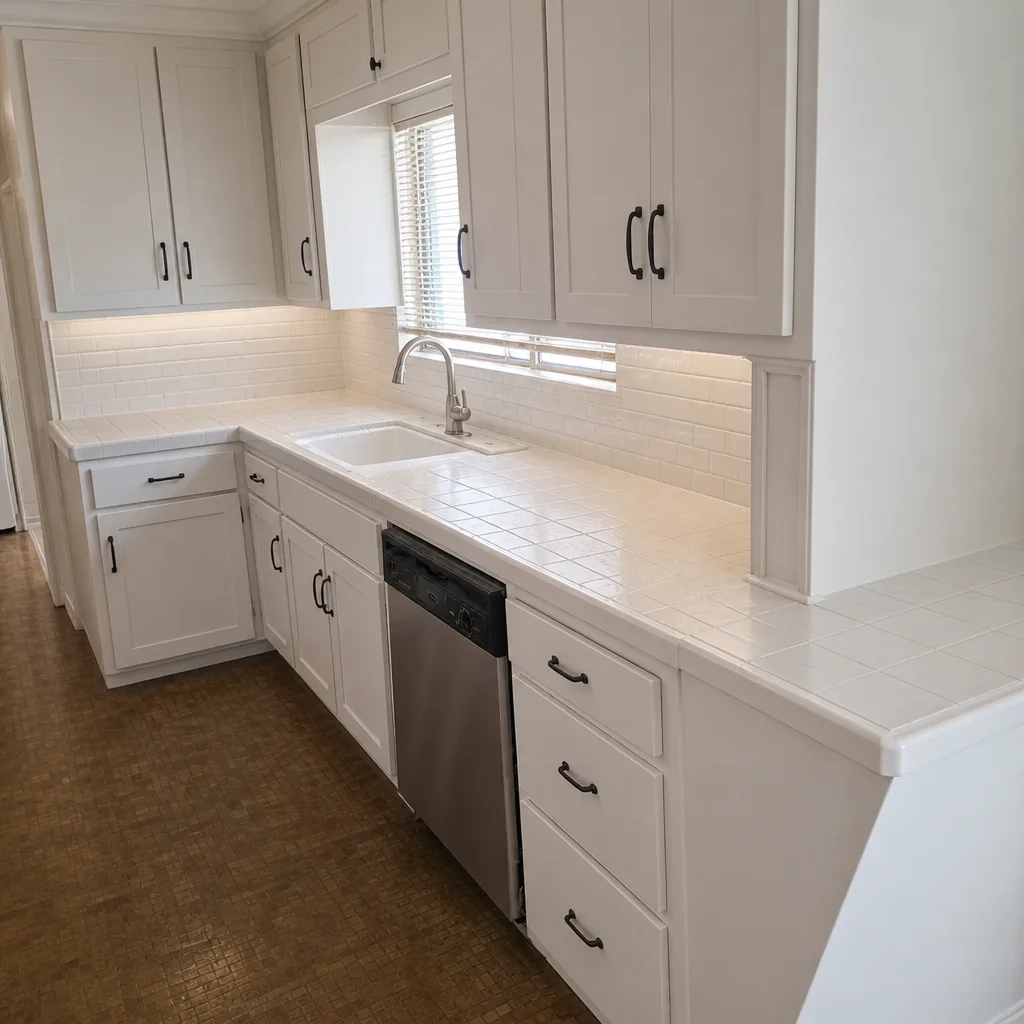 After
What Is a Miami-Dade NOA? A Straight Answer for West Covina Homeowners
A Miami-Dade NOA is a Notice of Acceptance issued by Miami-Dade County’s Product Control Section in Florida. It’s a local jurisdiction approval confirming a building product (most often windows, doors, or shutters) passed the county’s High-Velocity Hurricane Zone impact and pressure testing. It is not a federal certification, not a national building code designation, and not what a West Covina building inspector looks for when signing off on your window permit. If a salesperson in West Covina opens with “Miami-Dade approved” and stops there, that’s a marketing signal, not a permit-ready one. Call Groundwork Construction Co. of West Covina at (844) 662-2335 if you want to know exactly what your project needs.
Why a Florida County Approval Shows Up in a West Covina Sales Pitch
Here’s the part most consumer-facing content skips: NOA isn’t issued by a testing lab or a federal agency. It’s issued by one county in one state, under that county’s own building code. The reason it travels as a selling point is that Miami-Dade HVHZ testing is genuinely brutal. Products earn an NOA by surviving large-missile impact, cyclic pressure, and water infiltration protocols that most national standards don’t demand.
So when a manufacturer says “Miami-Dade NOA,” what they’re really telling you is: this product has been pushed hard and survived. That’s a legitimate quality signal. It says something about the glass, the frame, and the hardware. It does not say the product is compliant with California’s Energy Code or that it belongs on a West Covina foothill parcel without further verification.
Our technicians have up to 12 years of experience installing windows and doors that pass California’s permitting process, and the pattern holds: a strong product spec sheet is a starting point, not a finish line.
What Actually Governs a Window Installation in West Covina
West Covina is a mid-century San Gabriel Valley suburb, and most of its housing was built during the 1950s and 60s. Because the city is largely built out, replacement and remodel work dominates the permit counter, not new subdivisions. When Groundwork pulls a building permit for a window replacement on a West Covina home, the Building and Safety inspector is verifying three things. NOA status is not one of them.
- NFRC ratings. Your window must carry a National Fenestration Rating Council label. Inspectors and Title 24 compliance software both reference those certified U-factor and Solar Heat Gain Coefficient values.
- Title 24 compliance. California’s Energy Code sets maximum U-factor and SHGC based on climate zone. The wrong glass package can fail inspection even if the frame is premium.
- WUI applicability. If the parcel sits in a Wildland-Urban Interface zone, Chapter 7A of the California Building Code applies. That’s an ember-resistance standard. Foothill parcels in West Covina can trigger it, and it’s a separate evaluation entirely from NOA’s wind-and-water protocol.
Notice the pattern. NOA is tested against hurricane wind and debris impact. Title 24 is tested against heat gain. WUI is tested against ember intrusion and radiant exposure. Three different questions. A product can be outstanding at one and unproven on another.
Common Local Scenarios We See in West Covina
A foothill home with a sun-baked rear elevation
West Covina’s hot, dry summers do real work on west- and south-facing glass. When we specify replacement windows on those elevations, SHGC becomes the number that matters most. Getting the right glass package here reduces afternoon heat gain more than any hurricane rating ever will.
A 1962 tract home that still has original aluminum sliding windows
Those windows are common in West Covina’s older tracts. When they come out, the rough opening is often a different dimension than the new unit, which means framing and flashing become part of the job. Proper flashing is the detail that prevents water intrusion during winter rains, and it’s where cheap installations fail years later.
A homeowner sold “the strongest window made” without a permit conversation
We get this call regularly. The product is fine. The paperwork is the problem. A West Covina replacement window project without a permit creates a problem at resale and can void coverage. Our approach pairs premium brand partners like Andersen and Therma-Tru with the compliance documentation the city actually requires.
Does a Miami-Dade NOA Make a Window Better for a West Covina Home?
Sometimes, yes. A product tested to HVHZ standards tends to have stiffer frames and better hardware, and that translates to durability. Those qualities matter in a place that gets Santa Ana wind events and hot summers.
But the honest answer is that impact-rated glass is usually overkill for a West Covina installation, and it’s often the wrong place to spend your money. A better allocation is a properly specified Title 24 glass package, correct flashing, and a clean permit. Here’s how the numbers typically shape up for standard (non-impact) vs. impact-rated projects in West Covina:
| Project | Typical West Covina Range |
|---|---|
| Window Replacement (standard, whole project) | $4,500-$15,000 |
| Impact Window Installation (whole project) | $8,000-$25,000 |
That gap is worth understanding before a check gets written. Our team can tell you today whether the expense is justified by the specific parcel’s WUI status or whether a Title 24-compliant standard unit is the better call. We bring the full scope of our Windows & Doors expertise to that conversation, and we back the work with the 730-Day Done Right Promise.
How to Reframe the Question You Ask a Window Company
Instead of “Is it Miami-Dade approved?” ask these three questions. Each one maps to something a West Covina inspector will actually check.
- “Can you show me the NFRC label and the certified U-factor and SHGC for this unit?” If the answer is vague, the product spec is unresolved.
- “Does this project require a Title 24 compliance calculation, and have you run it?” Any replacement window project in West Covina triggers this review.
- “Is my parcel in a WUI zone, and does Chapter 7A apply?” This is a site-specific question. It’s why we look up the parcel before quoting, whether we recommend a Barrette, ViewLux, or Therma-Tru product for the job.
An NOA is a bonus data point. It tells you the product has survived extreme testing. It does not replace the three answers above, and no reputable installer should let you believe it does. That’s not a knock on Florida. It’s just that your West Covina permit inspector answers to California’s code, not Broward County’s.
If you’re planning a window replacement, the same discipline applies to the rest of the project. Take a look at our West Covina service area page to see how we approach the full range of work in the city, and see the wider scope of what we build from our home page.
FAQs
A Miami-Dade NOA is a Notice of Acceptance from Miami-Dade County in Florida, certifying a product passed that county’s hurricane-zone testing. It is not required for a permitted window installation in West Covina. What your permit requires is Title 24 compliance and, on foothill parcels, WUI compliance under California Building Code Chapter 7A. If you’re unsure what applies to your property, call (844) 662-2335 for a free estimate - we’ll sort it out.
Often, yes. Products with an NOA have survived impact and cyclic pressure testing beyond what most residential windows face, and that usually means stiffer frames and better hardware. But stronger isn’t the same as compliant, and for most West Covina homes, a Title 24-specified glass package is the more relevant performance decision. Our team can compare the options side by side - the consultation is free.
Standard window replacement runs $4,500-$15,000, and impact window installation runs $8,000-$25,000. The spread depends on how many openings, the frame material, and whether WUI compliance is required. Groundwork offers upfront pricing so the number you see is the number you pay, plus $1,000 off projects over $10,000 and 0% financing for 18 months. Call (844) 662-2335 for an exact quote.
Replacement windows almost always require a permit, and West Covina’s Building and Safety department will inspect for Title 24 compliance and, on applicable parcels, WUI requirements. We handle the permit process for you, so you’re not managing the paperwork. Estimates are free if you want to know what your project needs before committing - call (844) 662-2335 anytime. A live person answers around the clock.
If you’d rather have it looked at, Groundwork Construction Co. of West Covina offers a no-pressure assessment in West Covina - call (844) 662-2335. Every project is backed by our 730-Day Done Right Promise and upfront pricing with no surprises.
Written by the team at Groundwork Construction Co. of West Covina, serving West Covina, CA.