Free written scope consultation - allowances, timeline, and change-order rules on paper before a single trade is scheduled
Styles & brands we work with
- Kitchen remodeling
- Bathroom remodeling
- Home additions & ADU
- Roofing
- Windows & doors
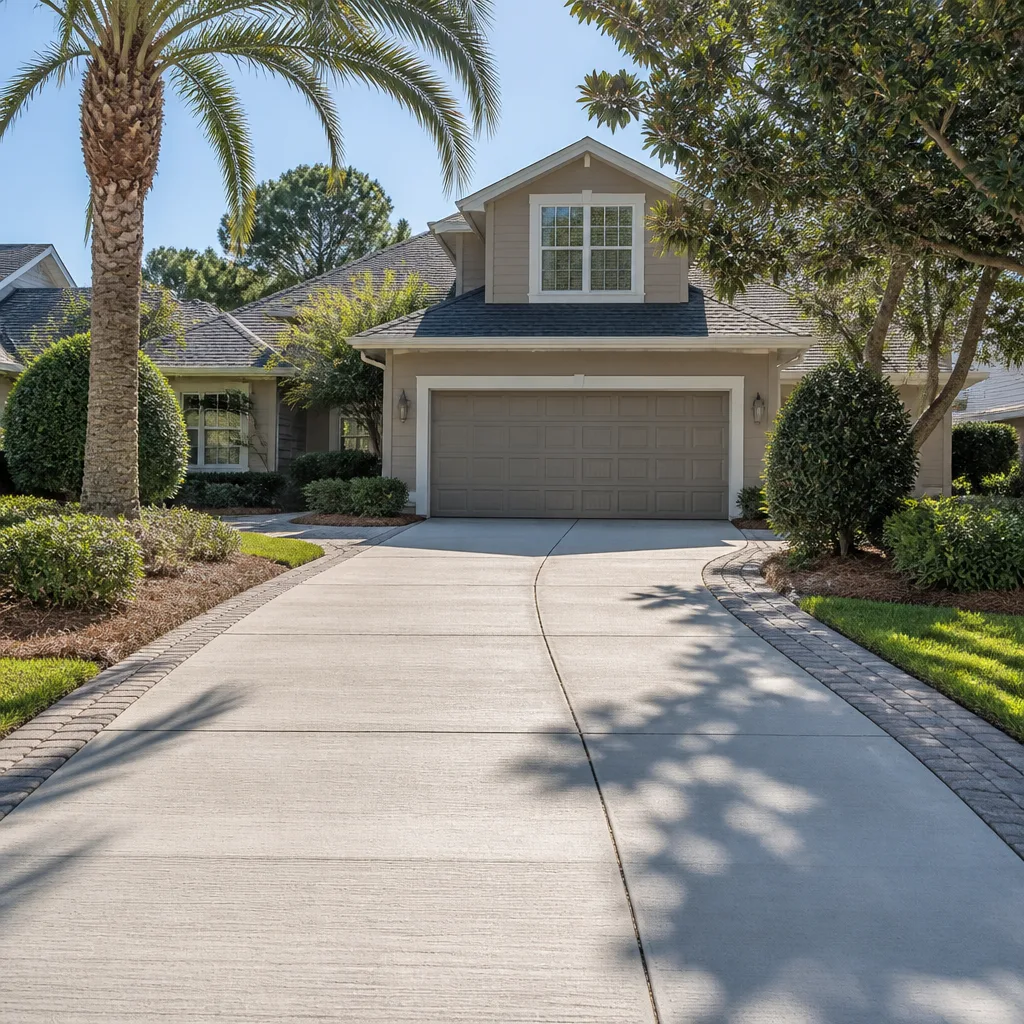
- Driveway & pavers
- Fence
See the difference
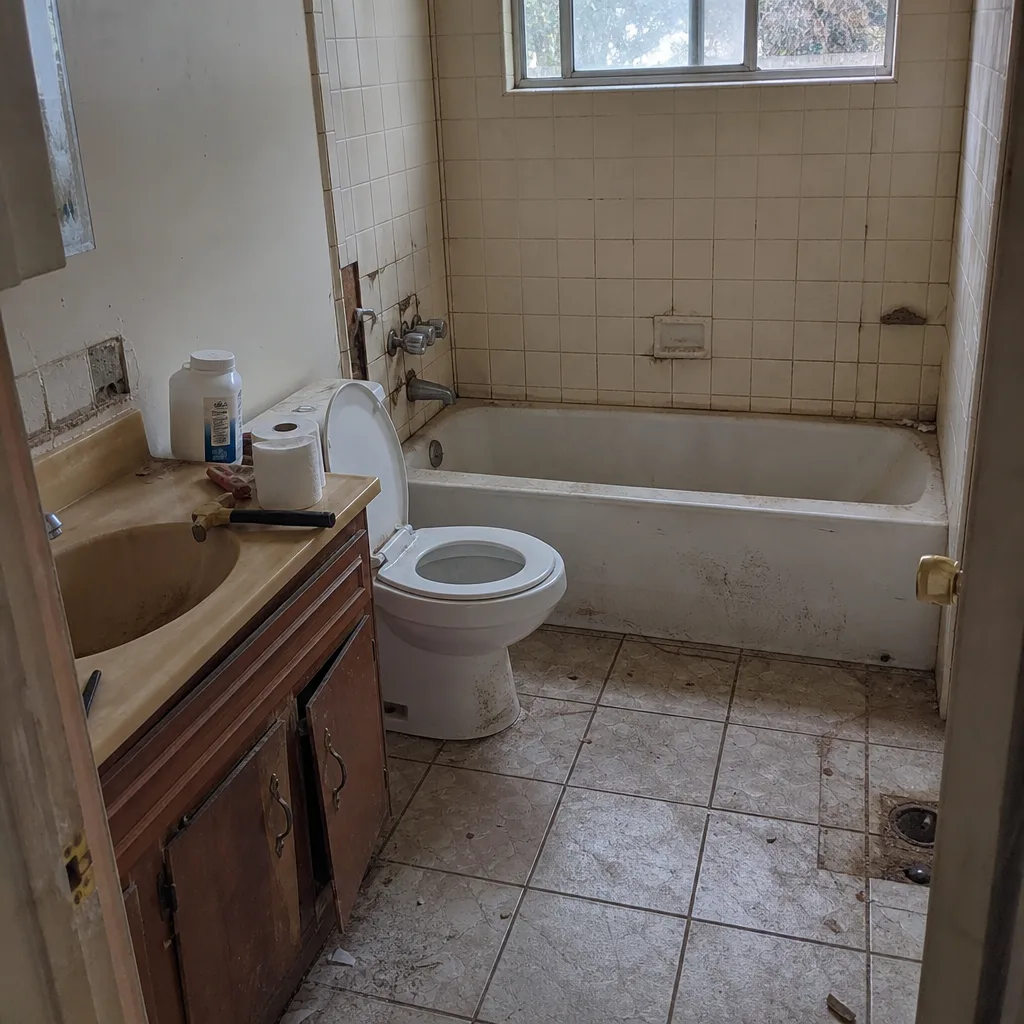 Before
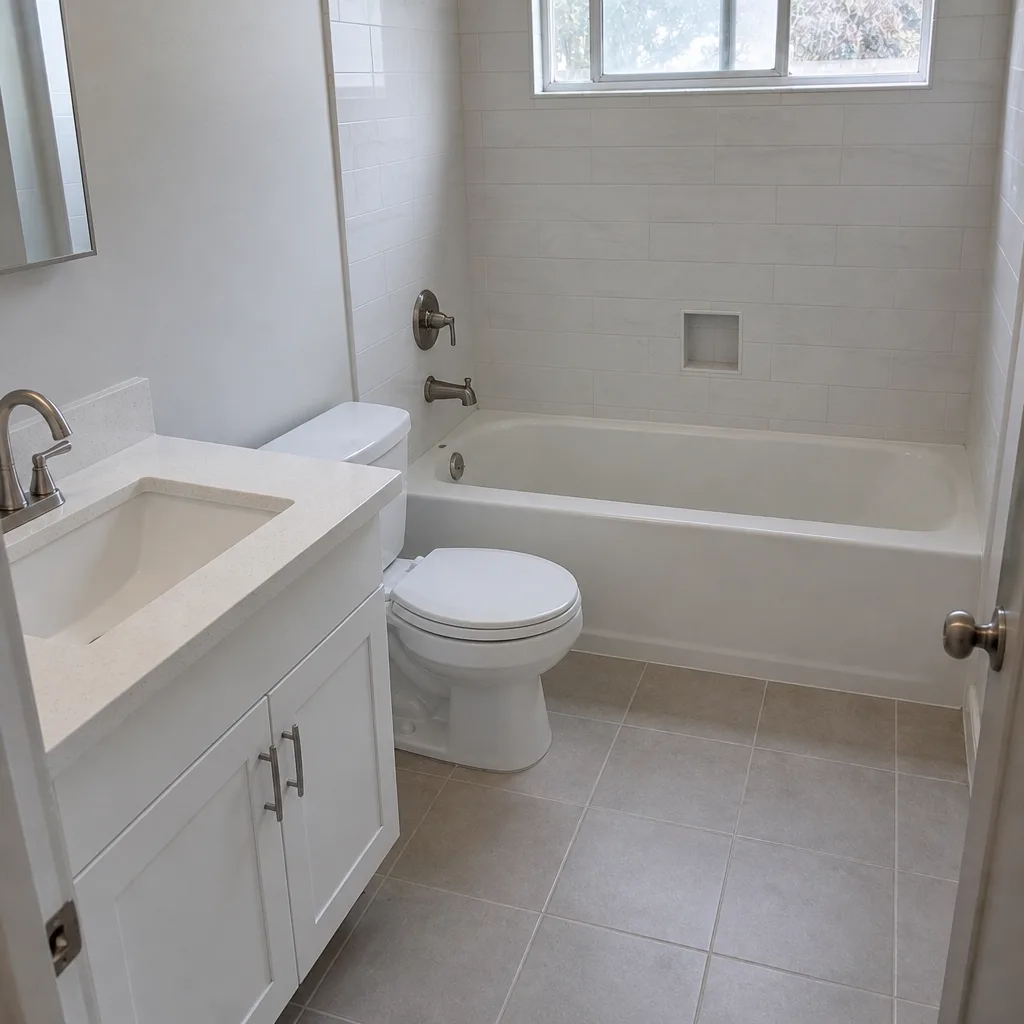 After
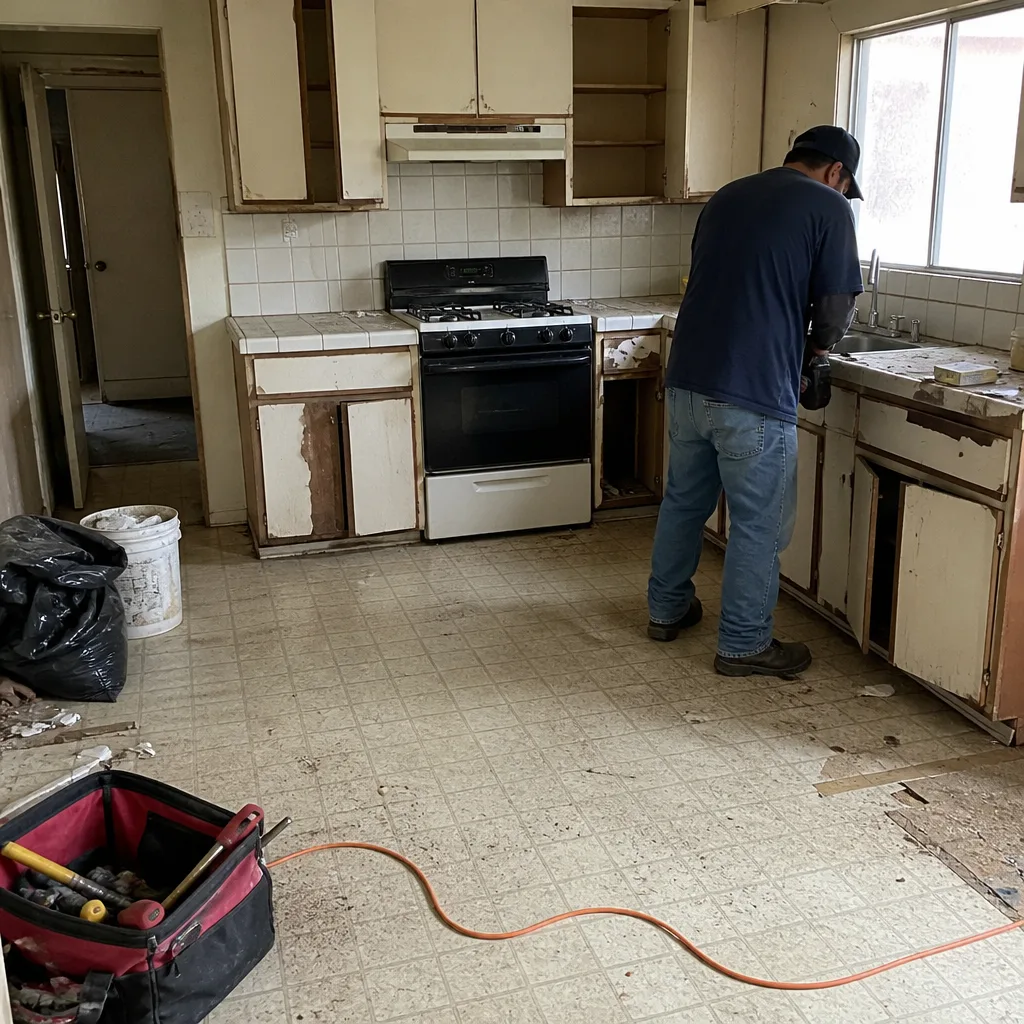 Before
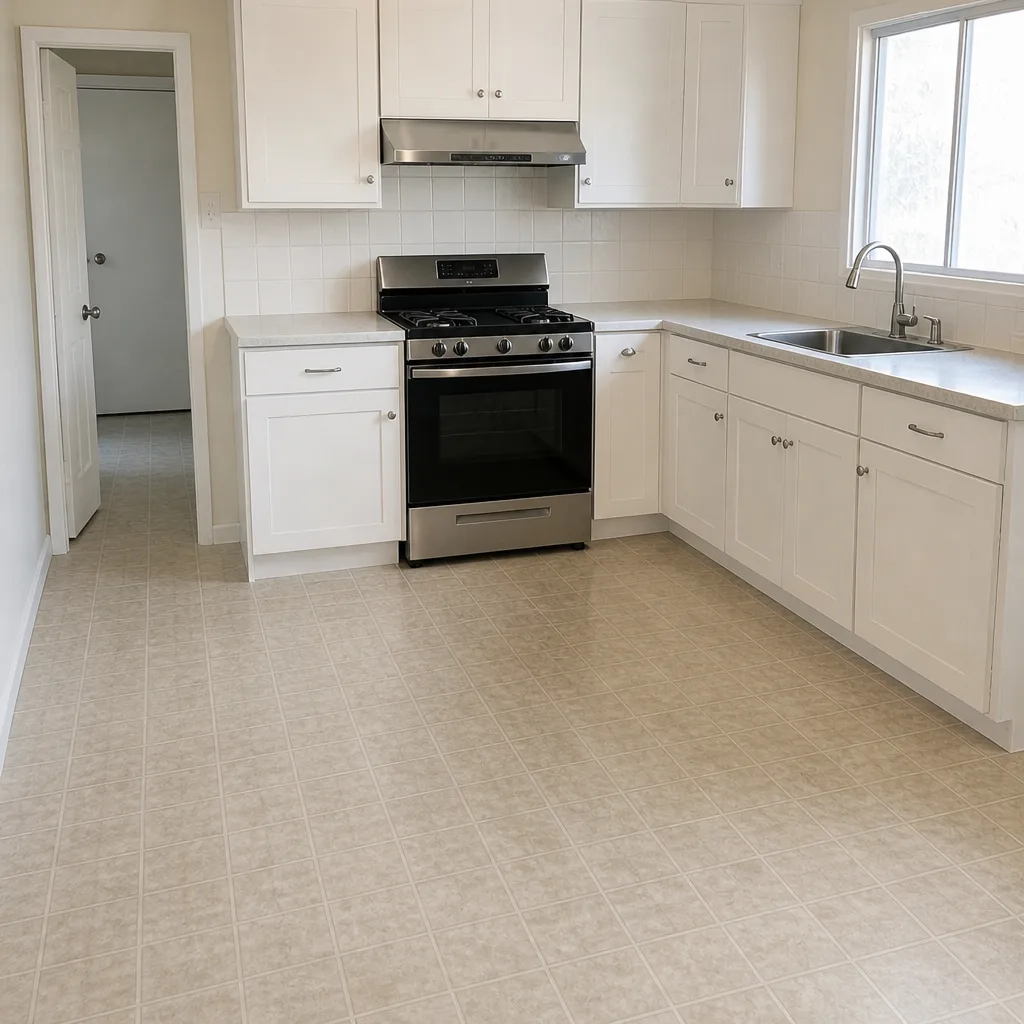 After
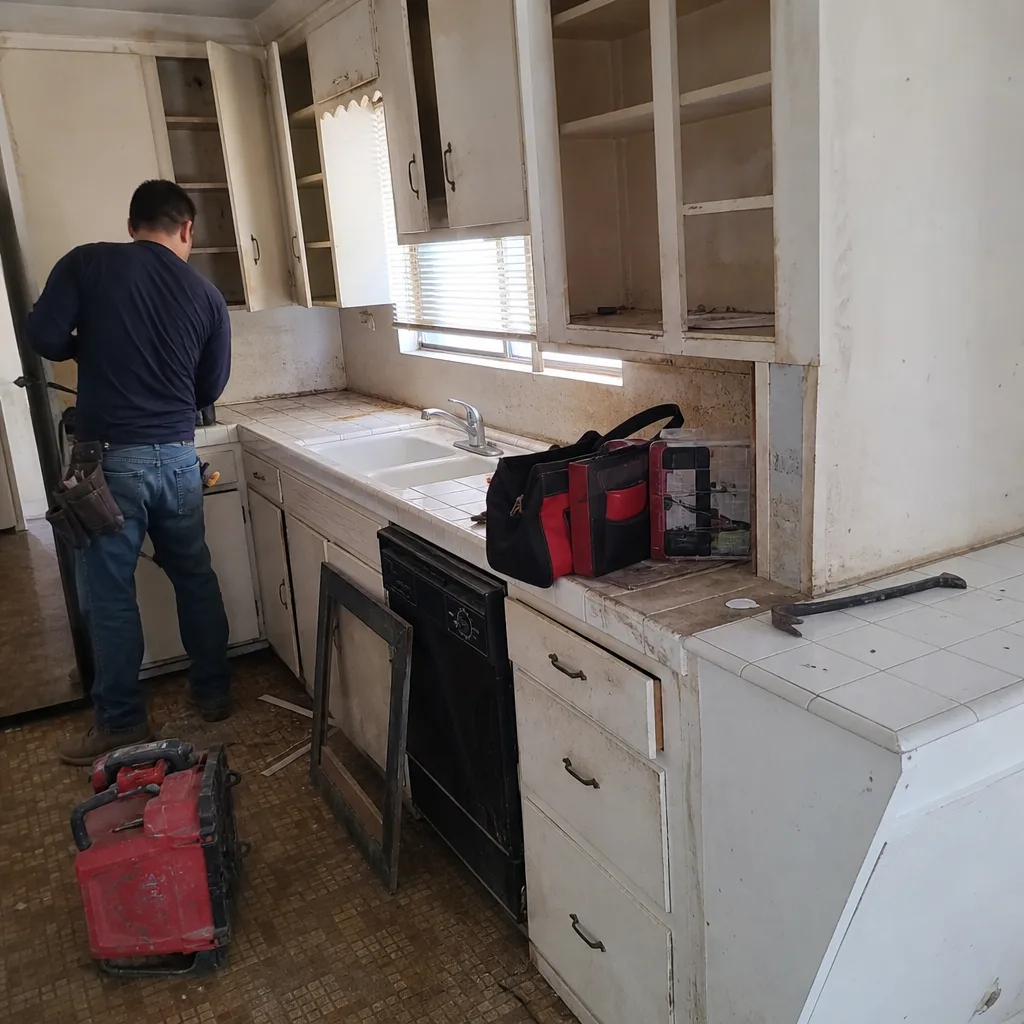 Before
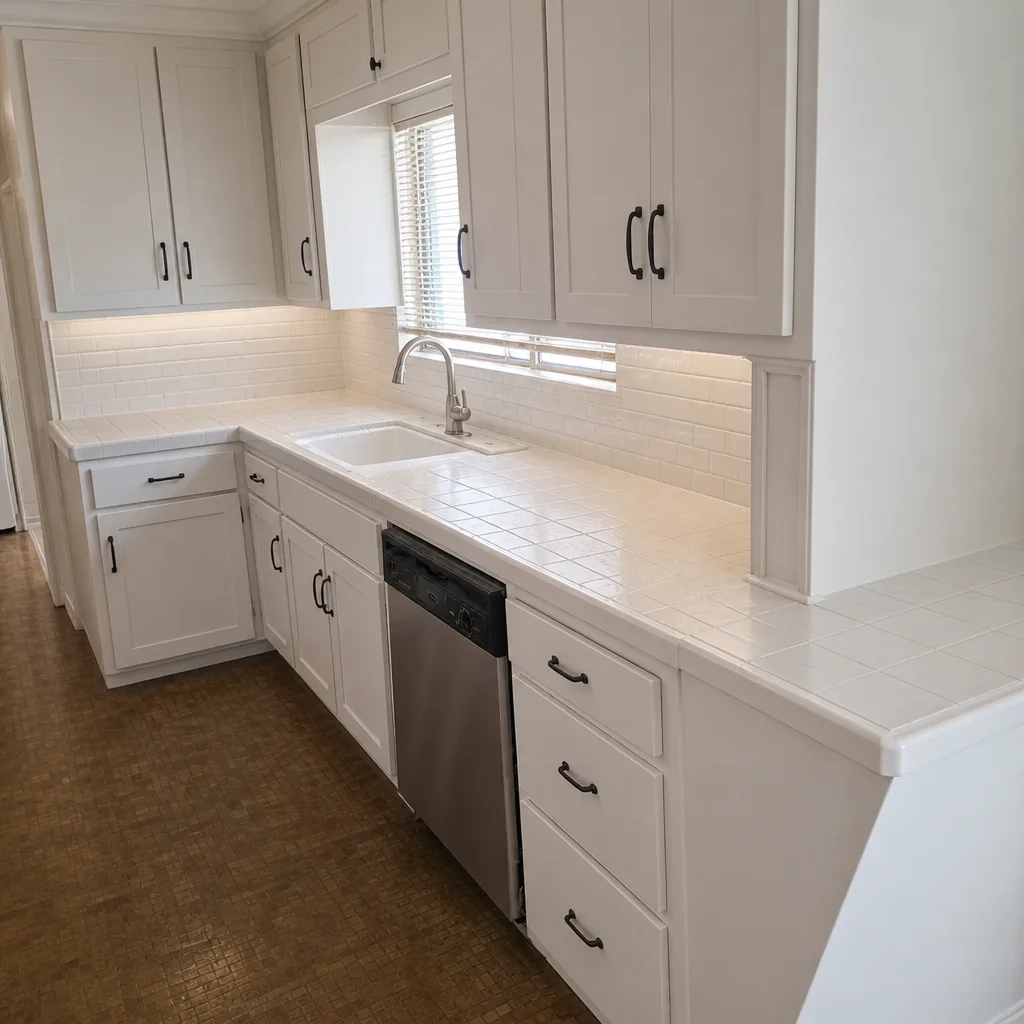 After
Roof Replacement Cost in West Covina, CA: What You’ll Actually Pay
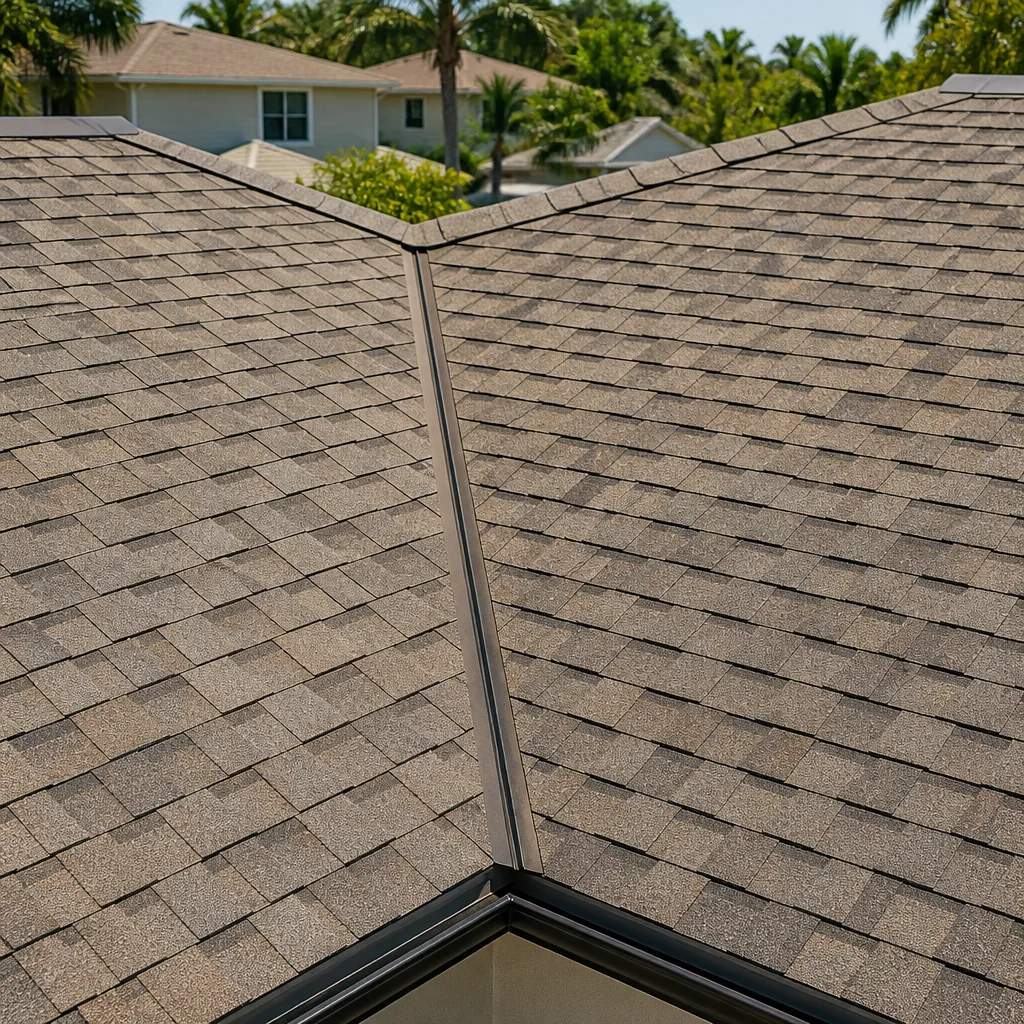
A roof replacement in West Covina runs $8,000 to $20,000 for most homes, with typical mid-range jobs landing around $12,000 to $16,000. That range assumes a standard asphalt shingle system on a 1,500 to 2,000 square foot ranch home. Homes in the northern foothill zones inside the High Fire Hazard Severity Zone can climb higher because the law narrows your material choices. Call (844) 662-2335 for a free estimate and a written number you can hold us to.
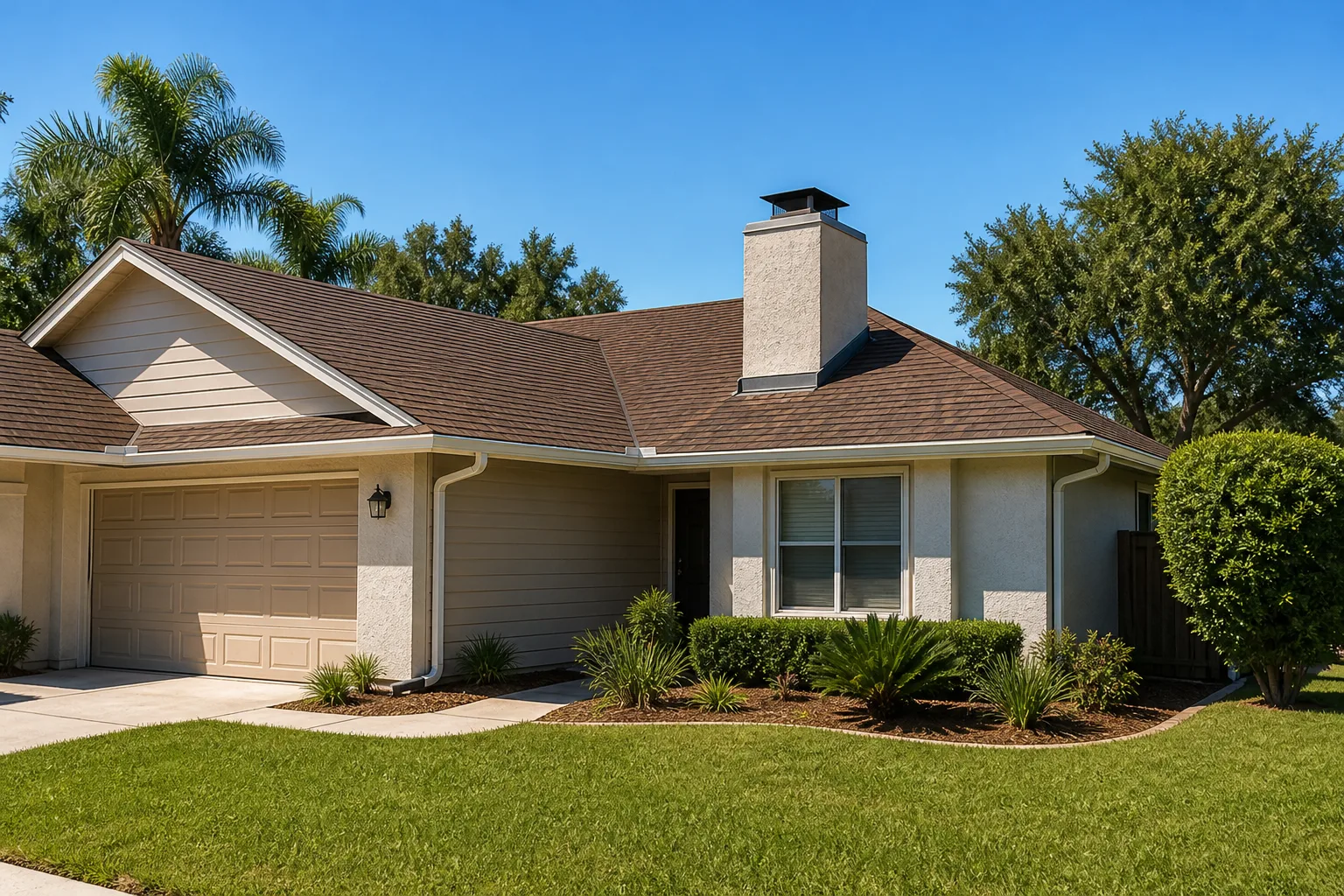
Most West Covina homes are 1950s and 1960s single-story tract houses with stucco walls and wood-frame construction. Those roofs are reaching the end of a second or third cycle now, and a lot of them fail in the same predictable places. We’ll explain what drives the price, why the foothills cost more, and how the installation details that matter in this climate get skipped on low bids.
Why Your West Covina Address Changes the Price
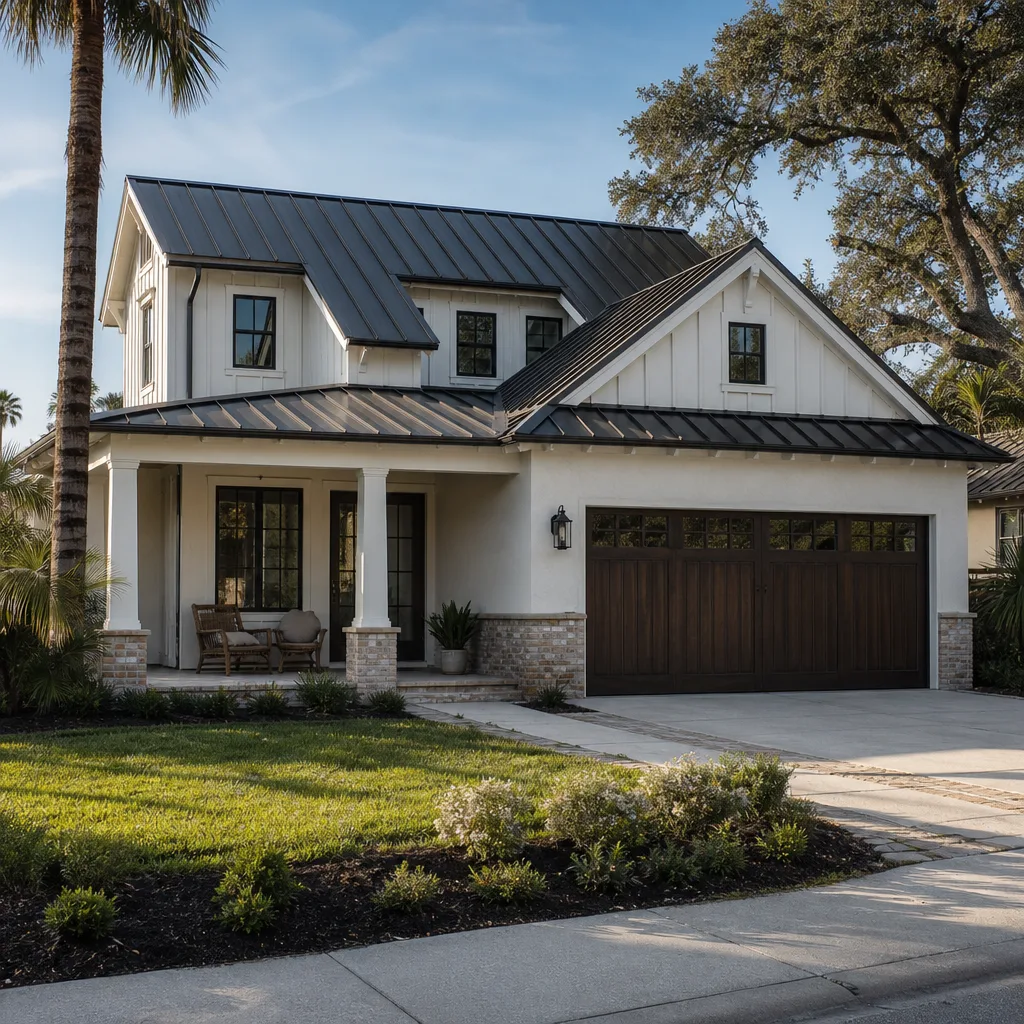
If your home sits north of Amar Road toward the Puente Hills, there’s a real chance your property falls inside a California High Fire Hazard Severity Zone. That designation doesn’t just affect your insurance premium. It legally requires a Class A fire-rated roofing assembly when you replace your roof, which removes budget shingles from the conversation before you’ve even started shopping.
California Building Code Section R902 governs fire classification for roof coverings, and the requirement applies by zone classification. In practice, a Class A assembly means a rated covering plus the underlayment and component specs the manufacturer lists for that rating. The catch: passing a Class A test doesn’t mean you can swap out the underlayment or skip an edge component and keep the rating. The system has to be installed as tested. That’s where material pricing diverges.
Here’s how the material picture shifts:
- Standard zones: entry-level three-tab asphalt shingles and basic organic felt underlayment are legal and inexpensive.
- HFHSZ (Class A required): architectural shingles with a rated synthetic underlayment, or Class A-rated clay or concrete tile, plus listed edge metal and ridge components. Budget shingles are off the table.
- The premium: expect roughly 10 to 25 percent more on material and detailing in the foothill zones compared to a comparable flatland job in Covina or Baldwin Park.
When a bid for a foothill home comes in suspiciously low, ask for the manufacturer’s Class A system documentation. A roofer who can’t produce it is either quoting you a non-compliant roof or planning to cut corners once the permit is pulled.
Material Choices That Hold Up in the San Gabriel Valley
GAF and Owens Corning both make Class A-rated shingle systems that satisfy HFHSZ code without special ordering, which matters because a special-order roof adds weeks to your schedule and usually a freight charge. Both carry manufacturer warranties, and both publish installation specs for wind uplift that make sense for Santa Ana wind events.
The Santa Ana wind load is the reason we spec a 6-nail fastening pattern rather than 4-nail on standard West Covina roofs. Four nails per shingle is legal under many basic requirements, but it leaves less uplift resistance when those dry, gusting winds funnel through the valley. Six-nail installation costs a little more in labor and hits a higher wind rating. Low-bid roofers skip it because it’s invisible after the job is done. It’s also exactly the kind of detail that separates a roof that lasts from one that starts lifting at the eaves after the first big wind.
| Line item | Typical range |
|---|---|
| Full roof replacement (standard asphalt, most West Covina homes) | $8,000 - $20,000 |
| Class A upgrade premium in foothill HFHSZ zones | +10% to +25% over standard |
| Tear-off and disposal of existing layers | included in most replacement quotes |
| Roof repair (isolated leaks, flashing, storm damage) | $400 - $1,800 |
| Tile roof repair (cracked or slipped tiles) | $600 - $2,500 |
| Metal roof installation (standing seam) | $15,000 - $40,000 |
| Sheathing replacement (rot found during tear-off) | billed per sheet, quoted upfront |
That metal roof number covers the full range we see: a modest panel system on a small footprint up to a premium standing seam roof with complex valleys and penetrations. If you’re comparing that against a shingle job, it helps to think in decades. Metal costs more now and lasts considerably longer, which is why some homeowners near the Puente Hills foothills go that direction. See our full Roofing services for the systems we install.
Why We Install in Seasons, Not Just on Convenience
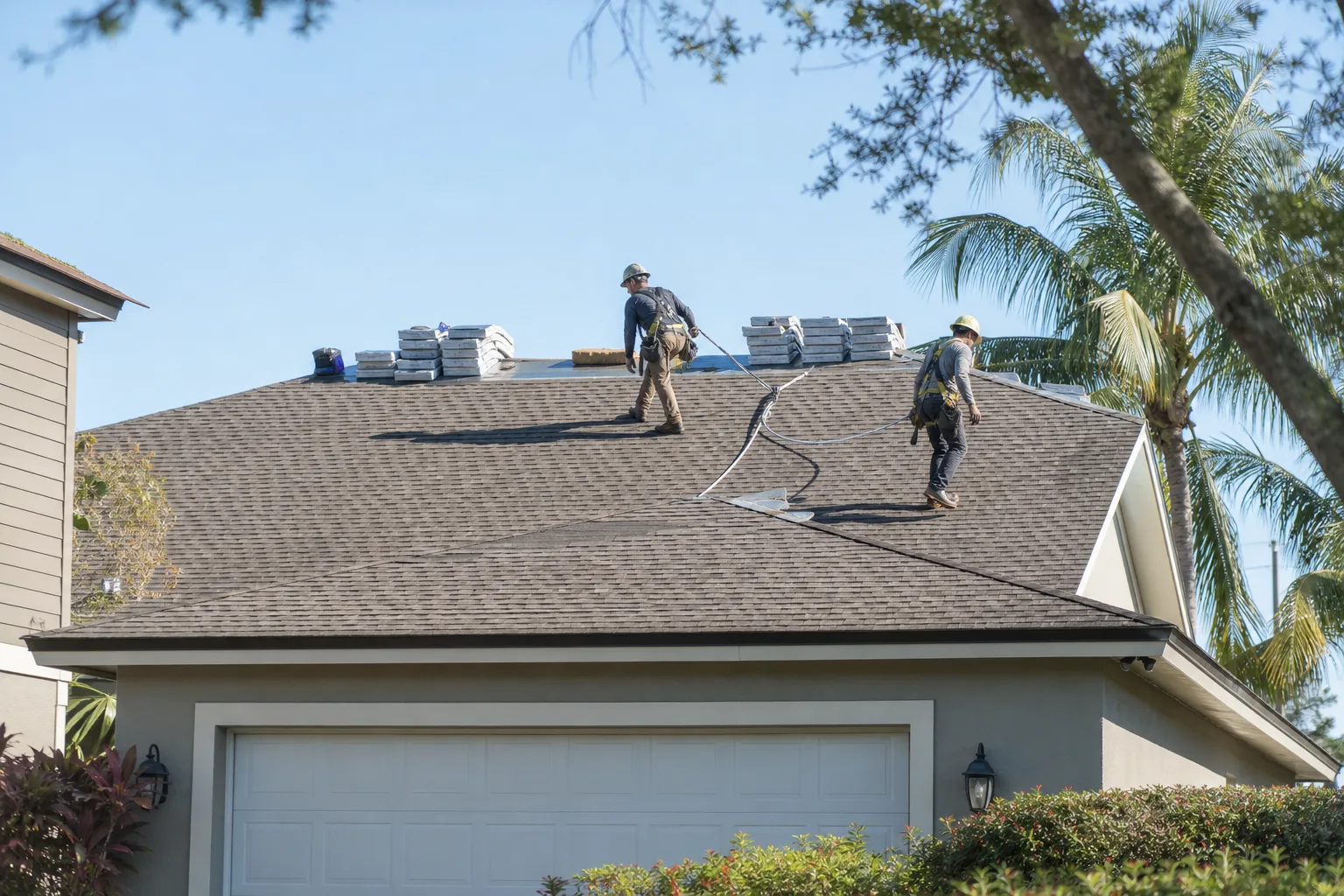
San Gabriel Valley summers push past 95°F on a regular basis, and that heat changes how a roof should be installed. Asphalt sealant strips need direct sun to activate, but the adhesive and concrete work around the roof have temperature thresholds. Too hot and shingles can scuff or tear as they’re walked in. Too cold and the sealant won’t bond. We schedule around those windows instead of forcing a crew onto a roof at the worst hour because the calendar says so.
Here’s what we see in practice, working the neighborhoods across West Covina:
In the older tracts near Cameron Park and the flats south of the 10, the original sheathing and flashing have often been through several patch jobs. Spring dry-rot shows up around chimney and skylight penetrations because those are the seams where decades of winter rain found a way in. We budget for sheathing replacement per sheet so a roofer doesn’t stop mid-job and hand you a surprise change order.
On the near-creek and hillside lots toward the foothills, expansive clay soil swells and shrinks seasonally. That movement can rack a roof structure over time, so a replacement there sometimes reveals framing that needs attention before new shingles go down. A roofer who doesn’t check for that is selling you a new surface on a moving frame.
What the 730-Day Done Right Promise Means on a Roof
The first two rainy seasons after a roof replacement are when installation defects show themselves, and that timing is exactly why the 730-Day Done Right Promise matters here. If it’s not done right, we make it right. Two years of workmanship coverage on a roof is rare in this industry, and it means a leak that appears after the second winter is our problem, not a fine print you have to argue about.
Our technicians have up to 12 years of experience, they’re background-checked and arrive in uniform, and every project is priced upfront with no hidden surprises. The company also offers $1,000 off projects over $10,000 and 0% financing for 18 months, which turns a large roof job into a manageable monthly figure. Calls are answered by a live person 24/7, including weekends when a storm has you staring at a ceiling stain at 10 p.m. Groundwork Construction Co. of West Covina works with GAF, Owens Corning, CertainTeed, and other vetted brands, so you’re choosing quality, not just whatever’s in stock.
Frequently Asked Questions
Most West Covina roof replacements cost between $8,000 and $20,000, with mid-range jobs typically falling around $12,000 to $16,000 depending on square footage, material, and whether the home is in a foothill fire zone. Homes requiring a Class A assembly north of Amar Road can run 10 to 25 percent higher on materials. Call (844) 662-2335 for a free, no-pressure estimate with an upfront number.
Repair is cheaper in the short run and often the right call when damage is isolated, but once a roof is past 20 years old or leaking in more than one spot, replacement usually wins on total cost. Typical repairs run $400 to $1,800, while a replacement runs $8,000 to $20,000. Patching a worn roof repeatedly just buys time. Call us and we’ll tell you honestly which one you’re facing, with no upcharge for the advice.
Yes, usually by 10 to 25 percent in materials and detailing, because a High Fire Hazard Severity Zone requires a Class A-rated assembly under California Building Code Section R902, and budget shingles no longer qualify. That means rated shingles with the listed underlayment and components, installed as a tested system. We’ll verify your zone during the free estimate and quote the compliant spec so there are no surprises.
We answer live around the clock, so call (844) 662-2335 and we’ll get eyes on an active leak as fast as we can, with emergency availability when storms hit the San Gabriel Valley. A quick assessment gets a tarp on if needed and a real repair plan in writing. Estimates are free, and the first step is a phone call, not a voicemail box.
Get Your Roof Priced Right
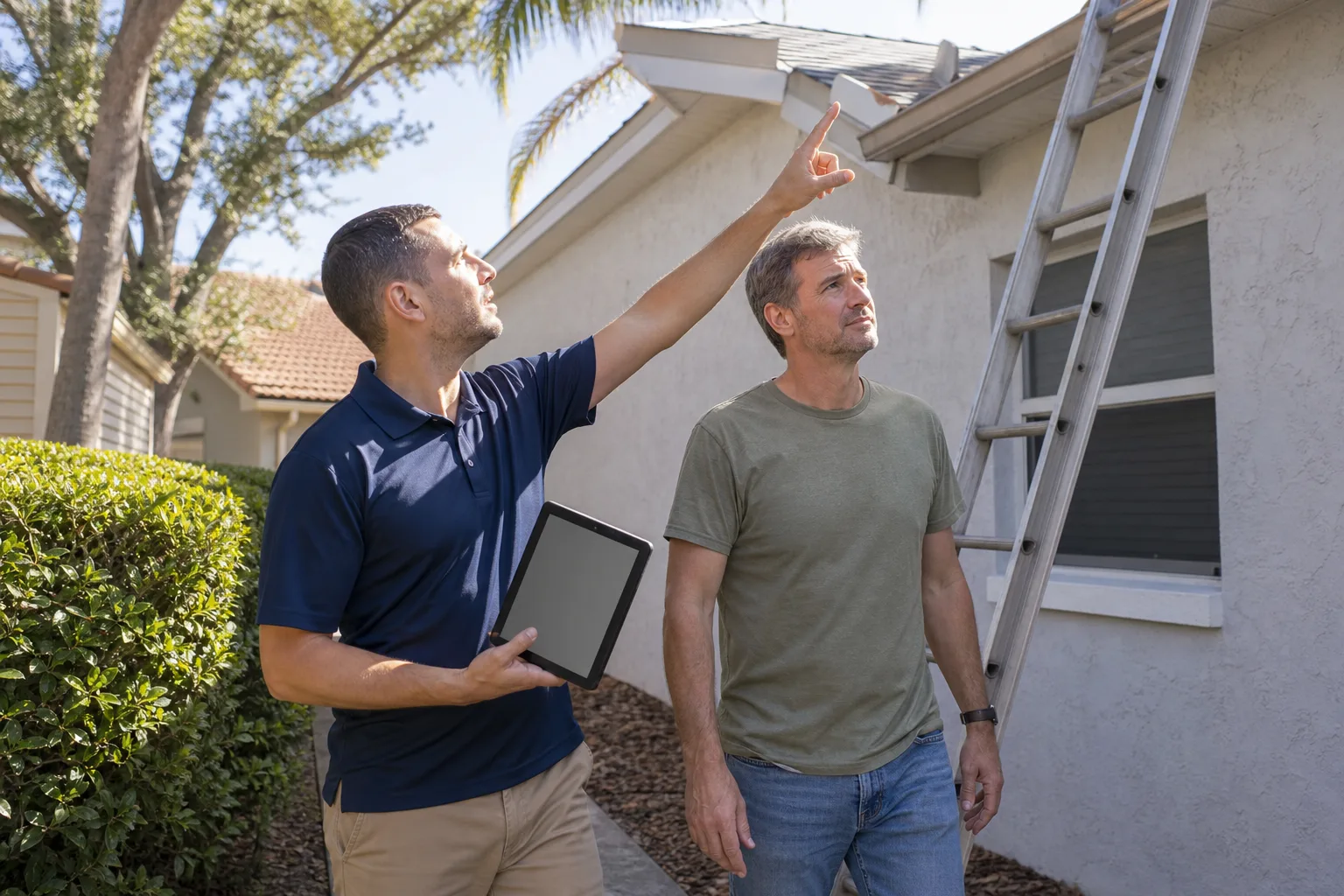
Start with a free estimate and a design consult, a written upfront number, and a roof built to the code your address actually falls under. We’ll walk the roof with you, show you what we see, and quote the compliant spec so the price you’re given is the price you pay. Call (844) 662-2335 today. Our team at Groundwork Construction Co. is ready to help homeowners across our West Covina service area get a roof that lasts.
Written by the team at Groundwork Construction Co. of West Covina, serving West Covina, CA.
What Our Customers Say
"Change orders were written down and priced before the work happened, every single time. No surprise at the end."
- Keisha Robinson"He pulled the permits himself, scheduled every sub and ran the inspections. I made one decision a week and otherwise stayed out of it, which is exactly what I was paying for."
- Robert Sullivan"We lived in the house through the whole thing. He kept the dust wall up, cleaned every Friday, and made sure we always had a working bathroom."
- Craig Whitaker