Free written scope consultation - allowances, timeline, and change-order rules on paper before a single trade is scheduled
Styles & brands we work with
- Kitchen remodeling
- Bathroom remodeling
- Home additions & ADU
- Roofing
- Windows & doors
- Driveway & pavers
- Fence
See the difference
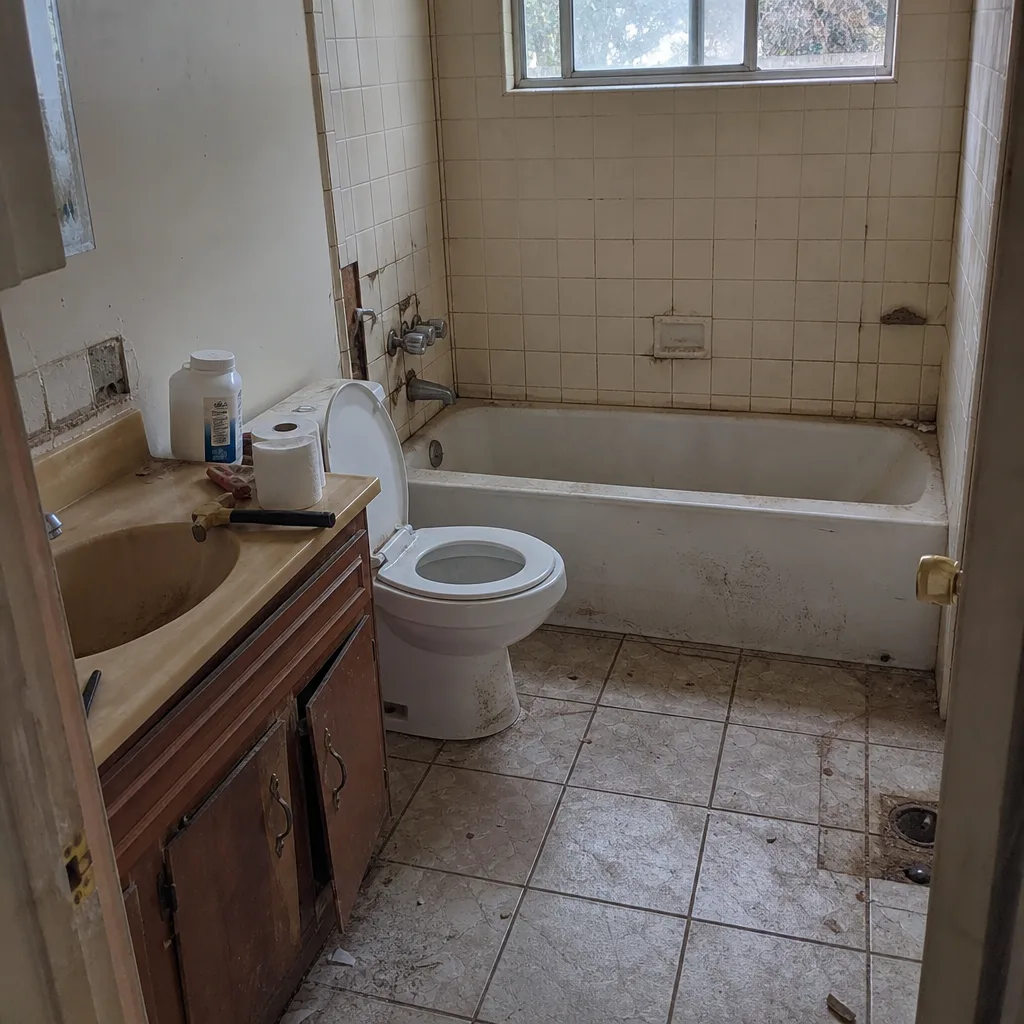 Before
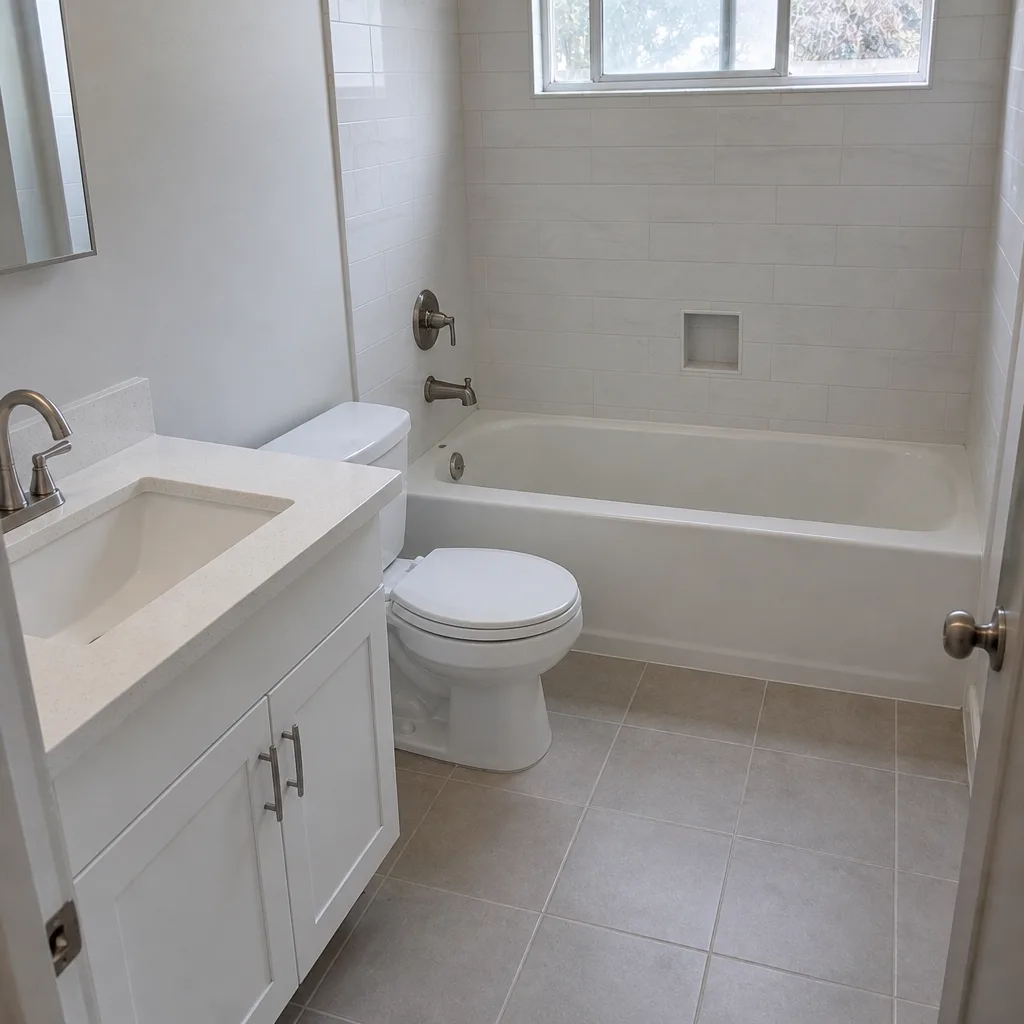 After
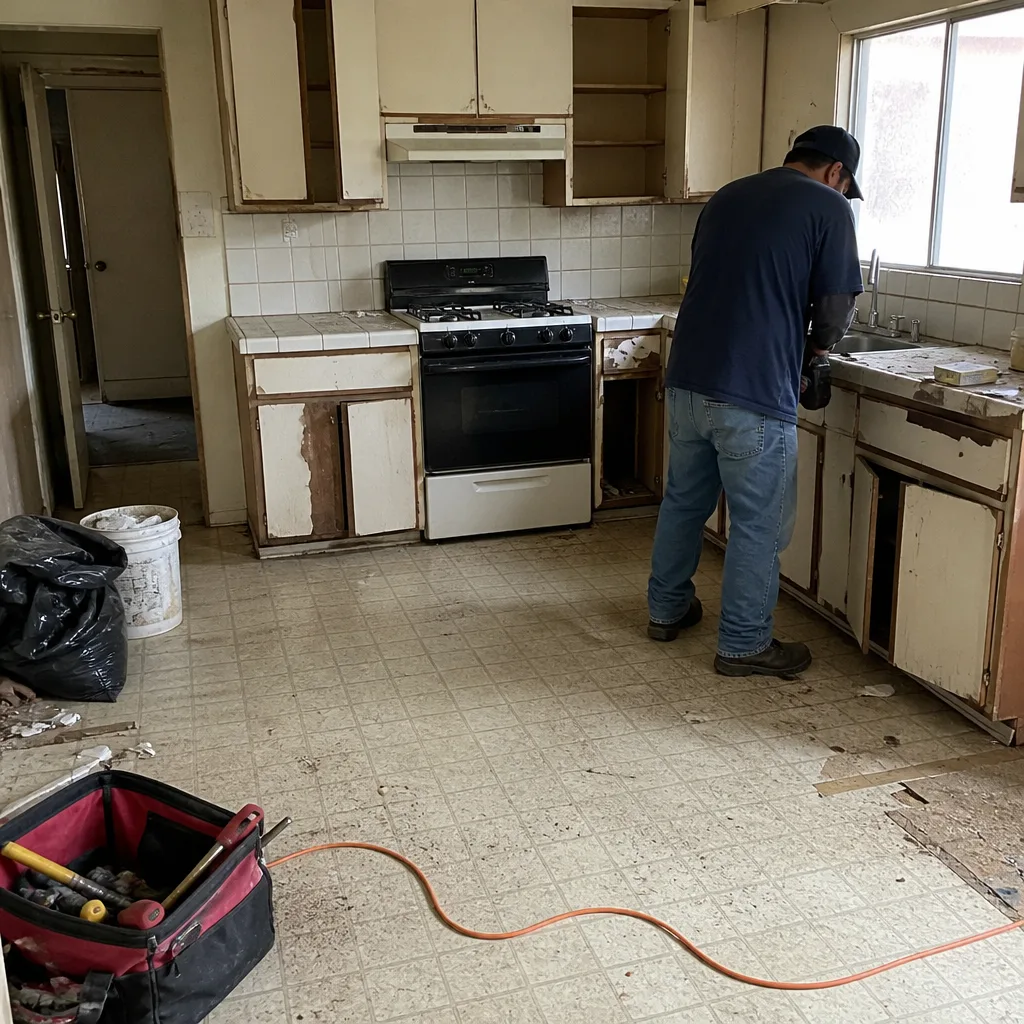 Before
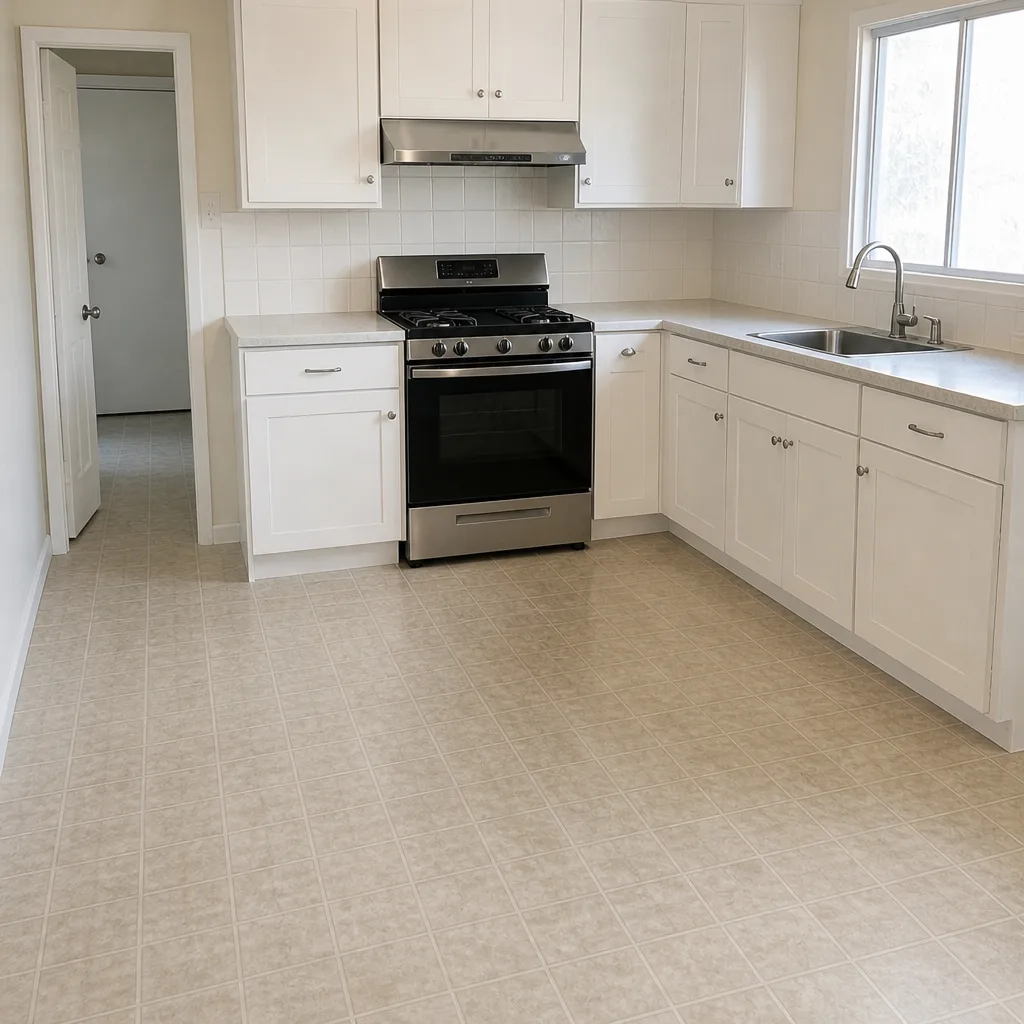 After
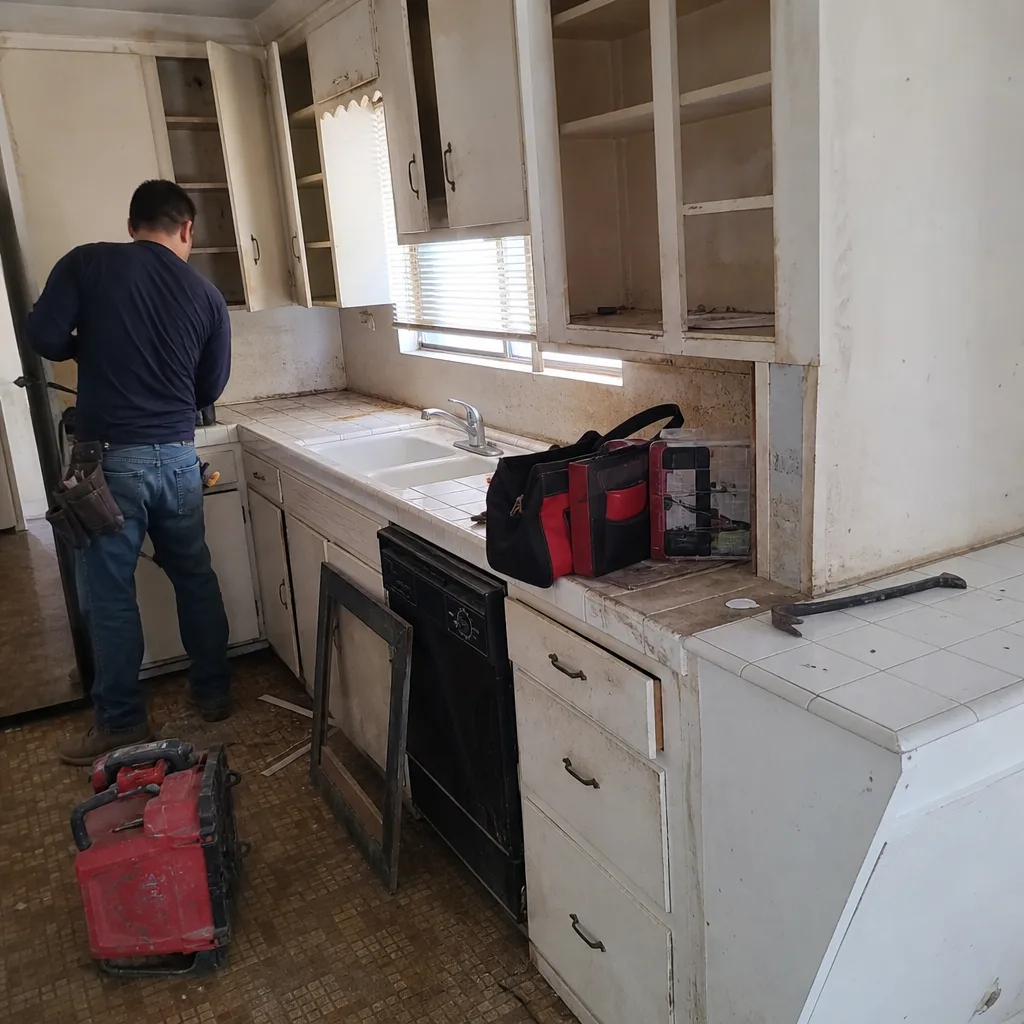 Before
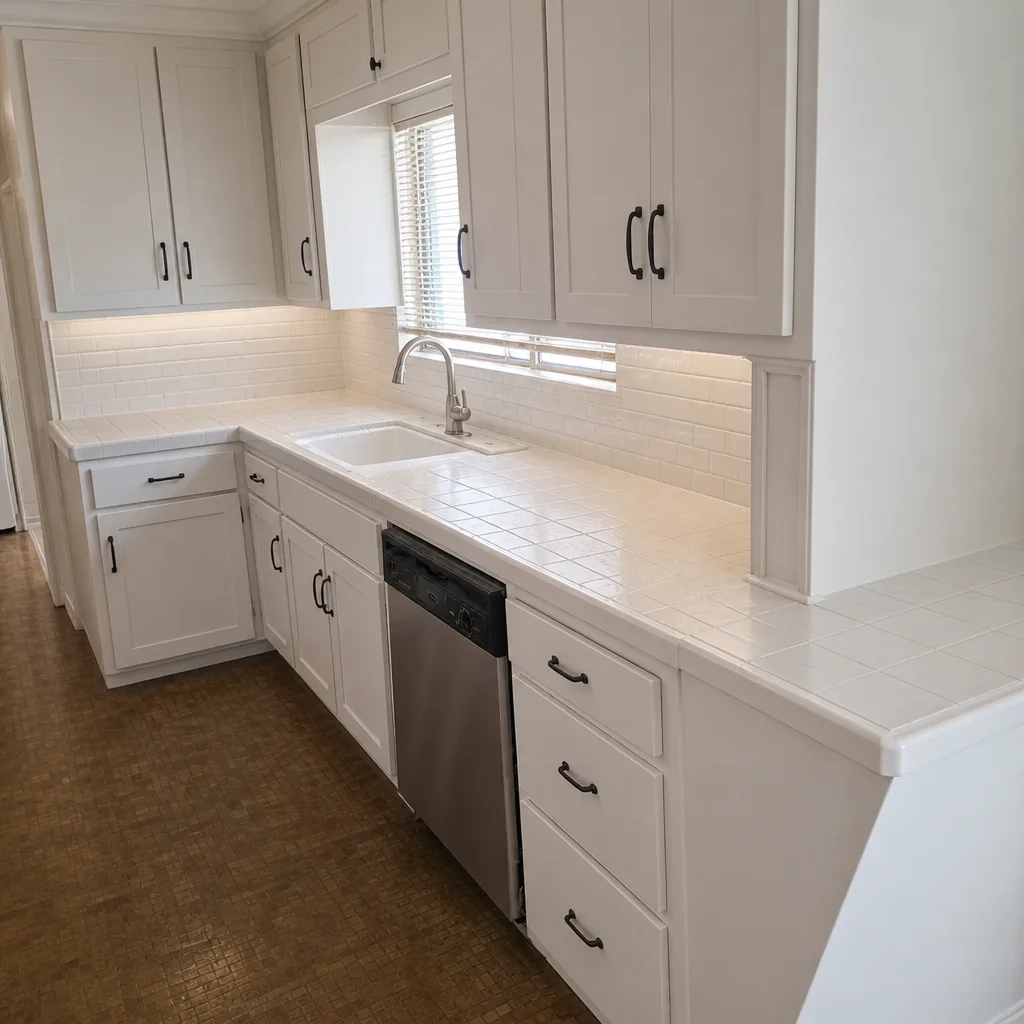 After
Vinyl vs Aluminum Fence in West Covina: Pick Aluminum Unless You Need a Solid Privacy Run
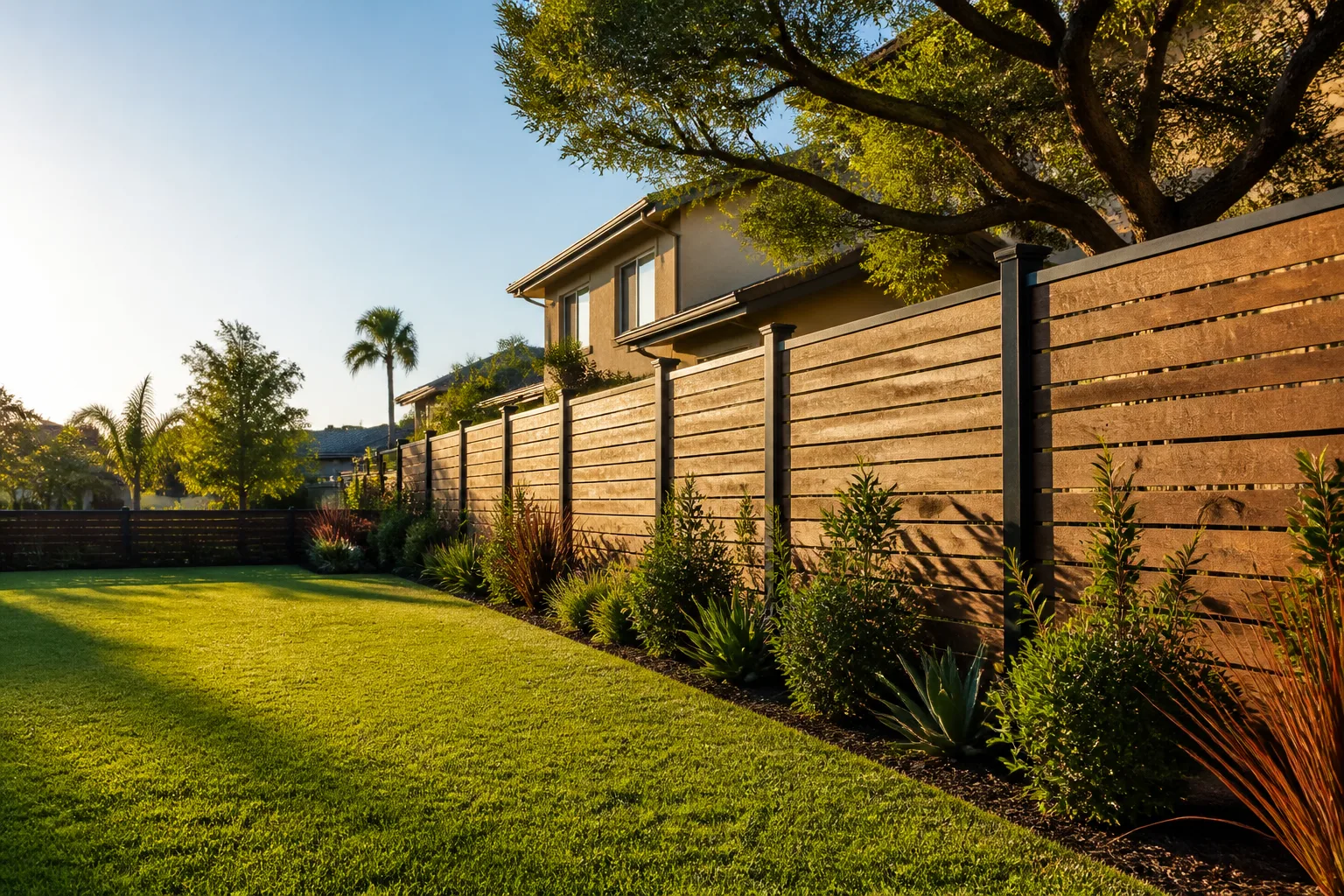
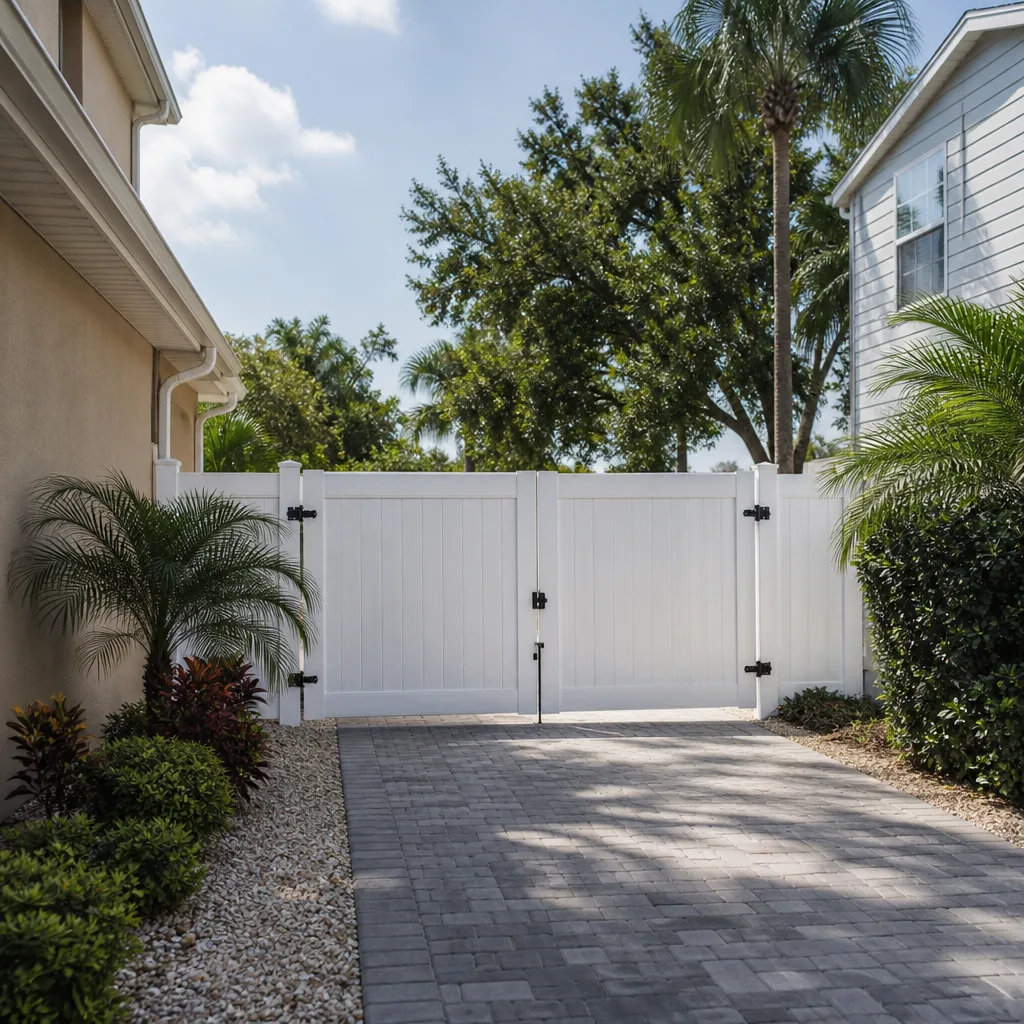
Choose aluminum for front yards, pool enclosures, driveway gates and any decorative run, and choose vinyl only when you want solid backyard privacy and the fence will be installed with a proper heat-expansion allowance. Both materials are sold as maintenance-free, but in West Covina they fail in opposite ways: vinyl carries a heat problem in 95°F+ summers, and aluminum carries a soil problem on the clay and drainage-swale lots this city is full of. If you want a no-pressure walk of the property before deciding, call Groundwork Construction Co. of West Covina at (844) 662-2335 and we’ll tell you honestly which side of that line your fence falls on.
What actually breaks in West Covina, and where
Most of West Covina was built out in the 1950s and 60s, which matters more than people expect when they’re choosing a fence. The lot lines are long and the side yards tight. Plenty of these homes sit on near-creek and low-lying parcels where expansive clay swells in winter rains and shrinks through the hot, dry summer. That soil behavior is the single biggest variable in whether your fence looks new in year eight or leans and rusts in year five.
So here’s the honest map of failure modes by location on the property.
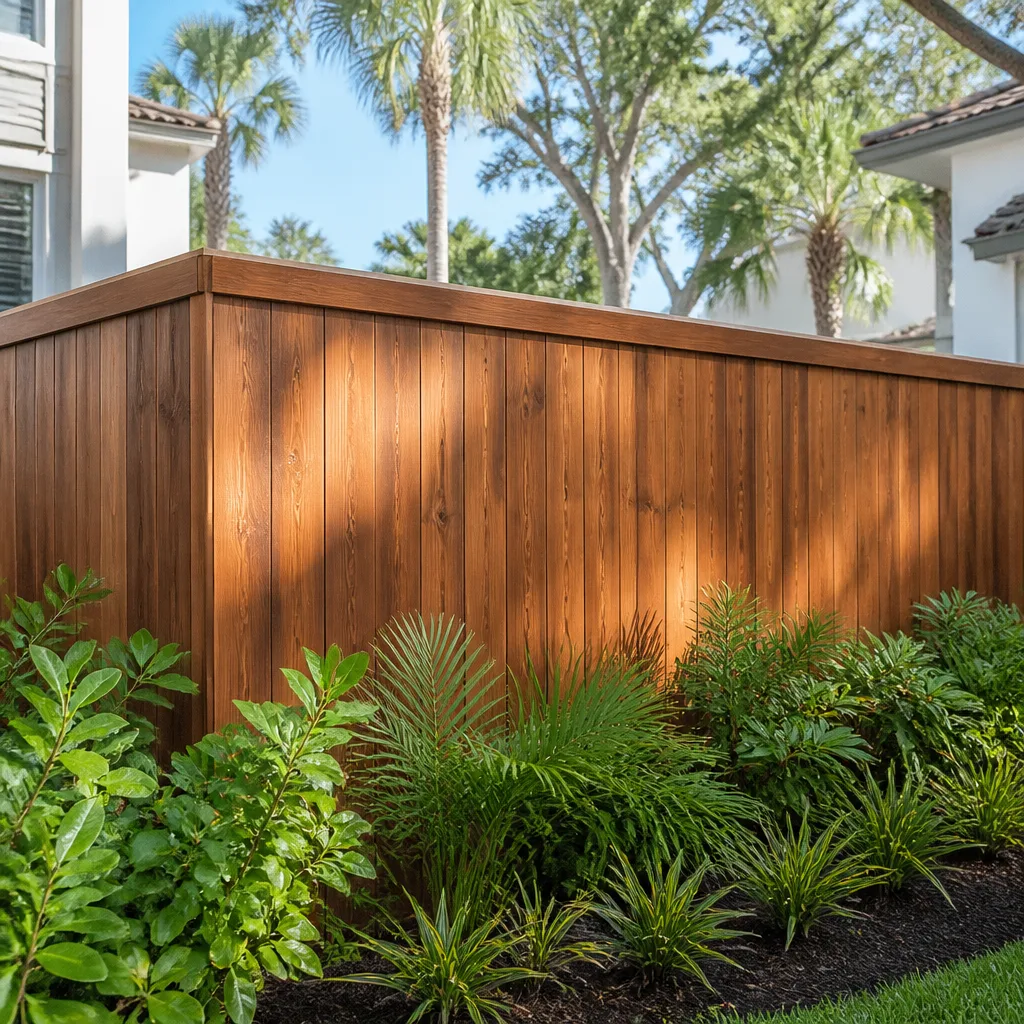
- South- or west-facing backyard privacy run: this is where vinyl gets tested hardest. That exposure takes the full afternoon sun through July and August, and if the panels were installed tight against the posts with no room to move, or if the PVC is a bargain formulation, you’ll see warping, oil-canning and chalky fading inside three summers in the San Gabriel Valley.
- Low-lying lots near a drainage swale or the San Jose Creek corridor: this is where aluminum gets tested. Water sits at the post bases longer, and that’s exactly where corrosion starts. On drier, higher ground the same fence lasts decades.
- Foothill-adjacent neighborhoods: Santa Ana wind events hit lateral loads that vinyl’s flexibility handles poorly over sustained gusts. Aluminum’s heavier-gauge posts hold their line.
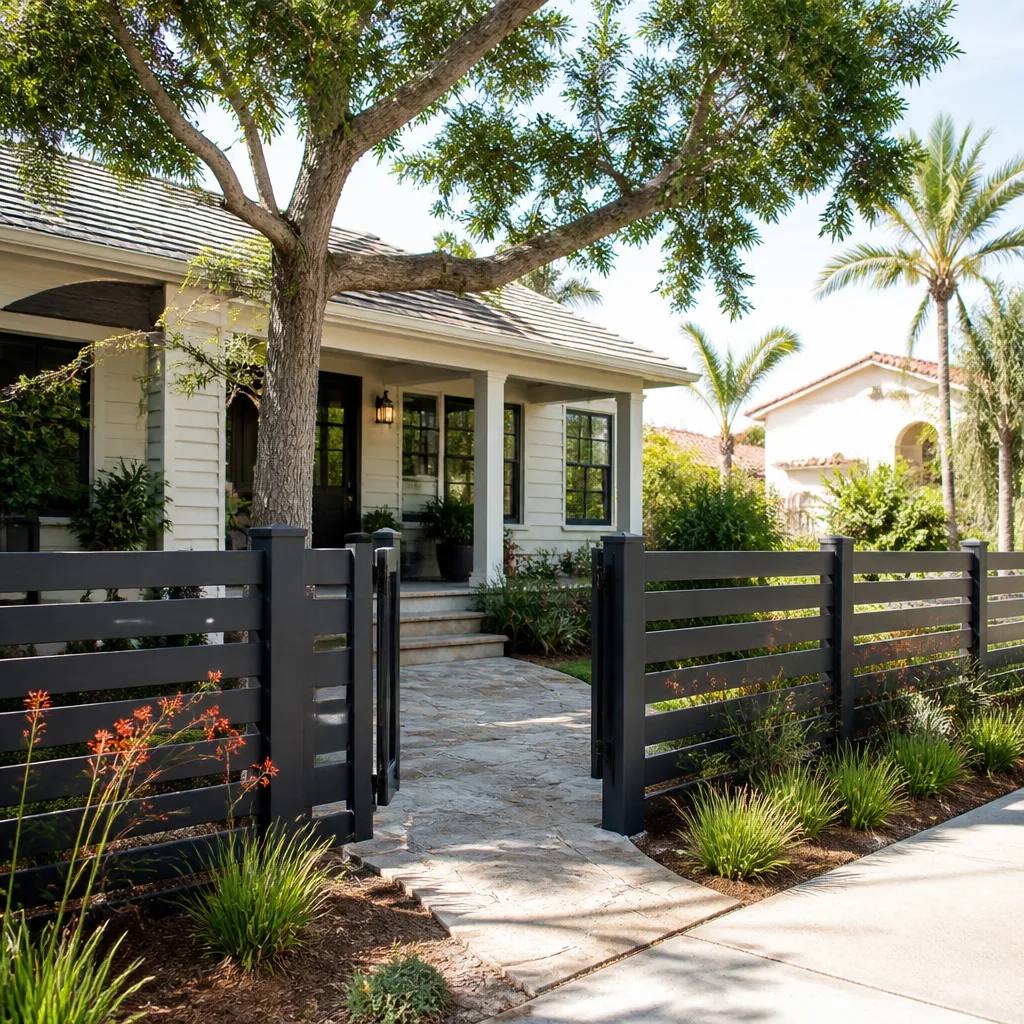
- Front yards and pool fences: appearance carries more weight than raw privacy, which tilts the decision toward aluminum regardless of soil.
One West Covina detail worth knowing before you buy: the UV package in the vinyl. Premium extruded vinyl uses titanium dioxide UV inhibitors as part of the formulation, and those keep color integrity in a high-solar-gain climate. Bargain vinyl often skips or reduces them. You won’t see the difference on the showroom sample. You’ll see it on the west wall of a backyard after three summers. Ask what UV stabilization the product uses, and if the answer is vague, treat that as an answer.
Wind load: aluminum’s clearest advantage
Aluminum wins the wind test, and it’s not close in foothill-adjacent West Covina neighborhoods. Heavier-gauge aluminum posts and rails resist sustained lateral load better than vinyl in Santa Ana wind conditions, where 60+ mph gusts are realistic rather than theoretical. Vinyl’s flexibility is genuinely useful when ground moves a little after heavy winter rain, because it bends and recovers instead of cracking. But a flexible panel in a sustained gust is a sail, and once a vinyl run racks out of plumb it rarely sits true again without rebuilding sections.
Aluminum holds dimensional stability through both the heat and the wind. That’s the reason it edges ahead for anything the eye rests on: a semi-open pool enclosure, a decorative front-yard run, a driveway gate. Those applications reward a product that keeps its shape and its finish for the long haul.
Cost in West Covina, honestly
Aluminum typically runs $10 to $20 more per linear foot than vinyl once installation is included. Here’s what that looks like at the project level in West Covina, with upfront pricing on the number you see being the number you pay:
| Fence type | Installed range (West Covina) | Best application |
|---|---|---|
| Vinyl fence installation | $3,500-$9,000 | Solid backyard privacy runs |
| Aluminum fence installation | $4,000-$10,000 | Front yard, pool, driveway gates, decorative runs |
The premium is worth paying when appearance retention and dimensional stability are the point. For a utility privacy fence in the backyard, driven mainly by “I don’t want to see the neighbor’s shed,” vinyl at a lower number per foot usually makes more sense, provided it’s installed with expansion allowance and a real UV-stabilized formulation. Spending the aluminum premium on a privacy run you’ll conceal with landscaping anyway is money that doesn’t come back.
Whichever material you pick, the fence is only as good as the post setting. On West Covina’s expansive clay, that often means deeper footings than a flat-terrain installer would pour by default. Ask. It’s the most useful question you can ask any fence contractor in this city.
Common local scenarios we run into
A 1960s tract home on a corner lot with a long west side yard. The neighbor’s fence is failing on the sun side. We usually steer these to aluminum, because that run takes the worst of the afternoon heat and the material that ignores heat keeps its finish.
A near-creek parcel with a soggy back corner after winter rains. Aluminum at the wet end will corrode at the base faster than on the rest of the property. Here the recommendation often splits: aluminum at the front, vinyl or a post-base detail suited to wet ground at the back.
A pool enclosure behind a 1950s stucco rancher. Aluminum, nearly always. The code-driven height and gate requirements pair with an appearance you’ll actually want to look at from the kitchen window.
A driveway gate for a household running two vehicles in and out daily. Aluminum’s dimensional stability wins again. A vinyl gate sags under its own weight in heat faster than a properly framed aluminum gate.
We keep vetted fence products in both categories specifically rated for inland Southern California conditions, not whatever the distributor had in stock when the quote went out. That curation is the same philosophy we bring to home remodeling and roofing projects across the trade, where brand partners like GAF and CertainTeed get chosen for climate fit rather than availability.
How the installation decision gets made
Our technicians have up to 12 years of experience setting fence, and the first thing an experienced installer does on a West Covina lot is look at the ground, not the catalog. Where’s the sun exposure? Where does water pool after a January rain? What’s the existing soil like at the post line? Those answers drive the recommendation more than the price sheet does.
Every fence project we do is covered by the 730-Day Done Right Promise. If it’s not right, we make it right. That’s one of the longest workmanship guarantees in the residential construction space, and it applies whether you go vinyl or aluminum. You can read more about our full scope on the Fence Installation page, including how we handle pool-code and property-line requirements for the Fence Installation in West Covina we do every week.
Pricing is upfront and no-hassle, and new projects over $10,000 qualify for $1,000 off, with 0% financing for 18 months available to spread the cost. Calls are answered by a live person 24/7, so if a fence panel blows down during a Santa Ana event, you’re talking to a person and not a voicemail box until Monday. Technicians are background-checked and arrive in uniform.
FAQs
Aluminum is the better all-around choice for front yards, pool fences, gates and decorative runs, while vinyl is the better value for solid backyard privacy. In West Covina’s heat and clay, the deciding factor is where the fence sits on the lot and how much sun and groundwater it will face. Call (844) 662-2335 for a free walkthrough and a straight recommendation.
Vinyl fence installation in West Covina runs $3,500-$9,000, and aluminum runs $4,000-$10,000 for comparable runs. Aluminum typically costs $10 to $20 more per linear foot installed. Pricing depends on total linear feet, height, gate count and post-footing depth on your soil. Call (844) 662-2335 for an exact quote; estimates are free and there’s no pressure to book.
It can, particularly on south- or west-facing runs where the panels take full afternoon sun through 95°F+ summers. Two things prevent it: a premium vinyl with titanium dioxide UV inhibitors in the formulation, and an installation that leaves proper expansion allowance between panels and posts. Bargain vinyl installed tight warps and chalks within about three summers. Call (844) 662-2335 and we’ll tell you honestly whether vinyl is safe on your specific exposure.
Aluminum doesn’t rust the way steel does, but it does corrode at the post bases on low-lying lots near drainage swales and the San Jose Creek corridor where water sits. On drier, higher sites it’s not a practical concern. If your back corner stays wet after winter rains, that’s the spot to plan for, and it may mean a different material or post detail. Call (844) 662-2335 to have your site assessed before you commit.
If you’d rather have it looked at, Groundwork Construction Co. of West Covina offers a no-pressure assessment in West Covina. We’ll walk the property, look at the sun exposure and the soil, and tell you which material belongs where. Call (844) 662-2335 for a free estimate.
Written by the team at Groundwork Construction Co. of West Covina, serving West Covina, CA.