





Free written scope consultation - allowances, timeline, and change-order rules on paper before a single trade is scheduled
Styles & brands we work with
- Kitchen remodeling
- Bathroom remodeling
- Home additions & ADU
- Roofing
- Windows & doors
- Driveway & pavers
- Fence
See the difference
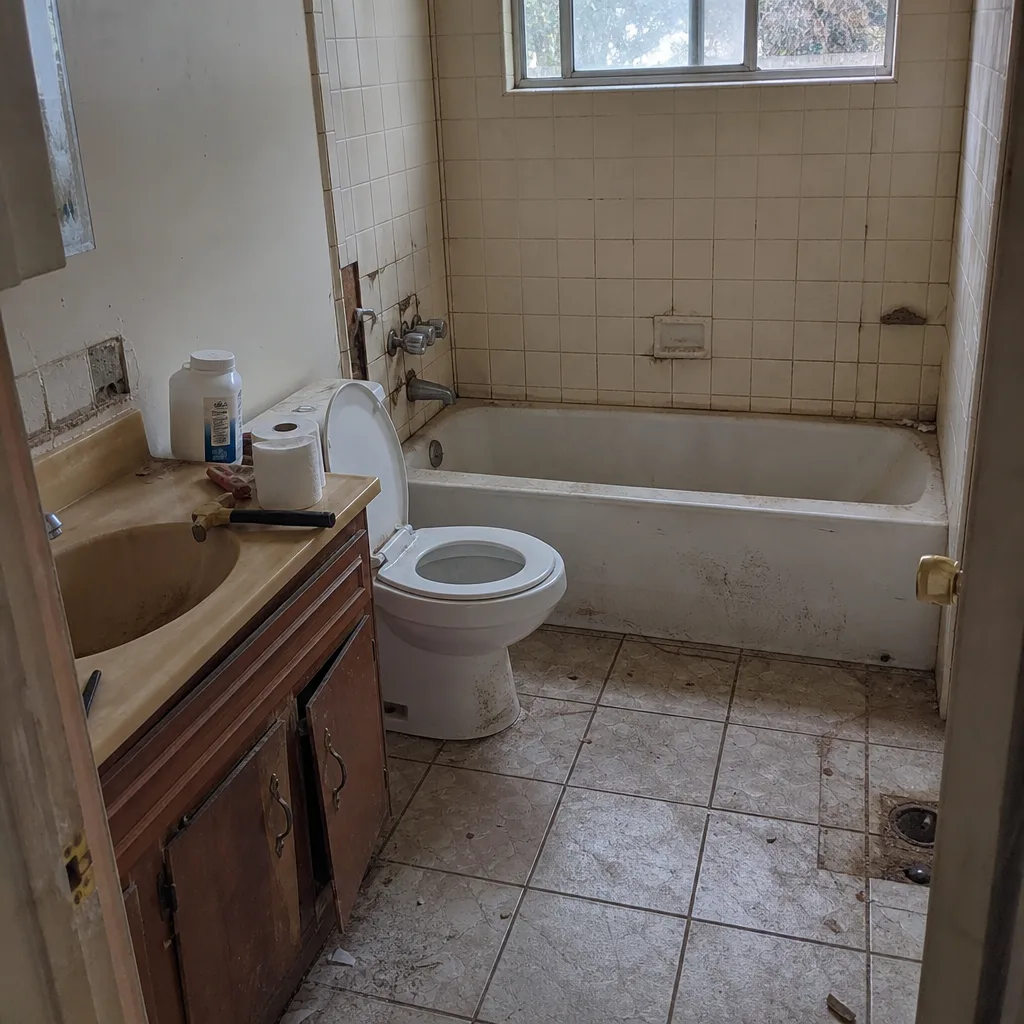 Before
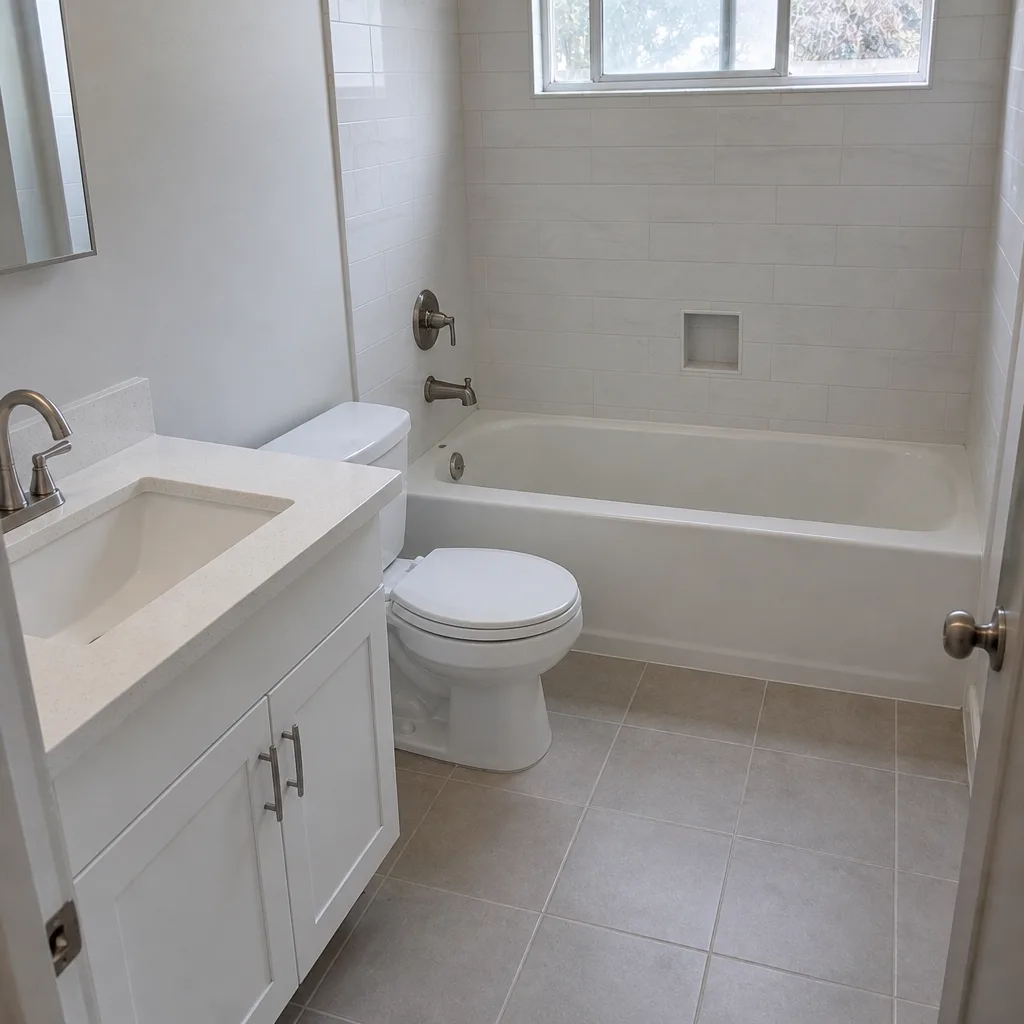 After
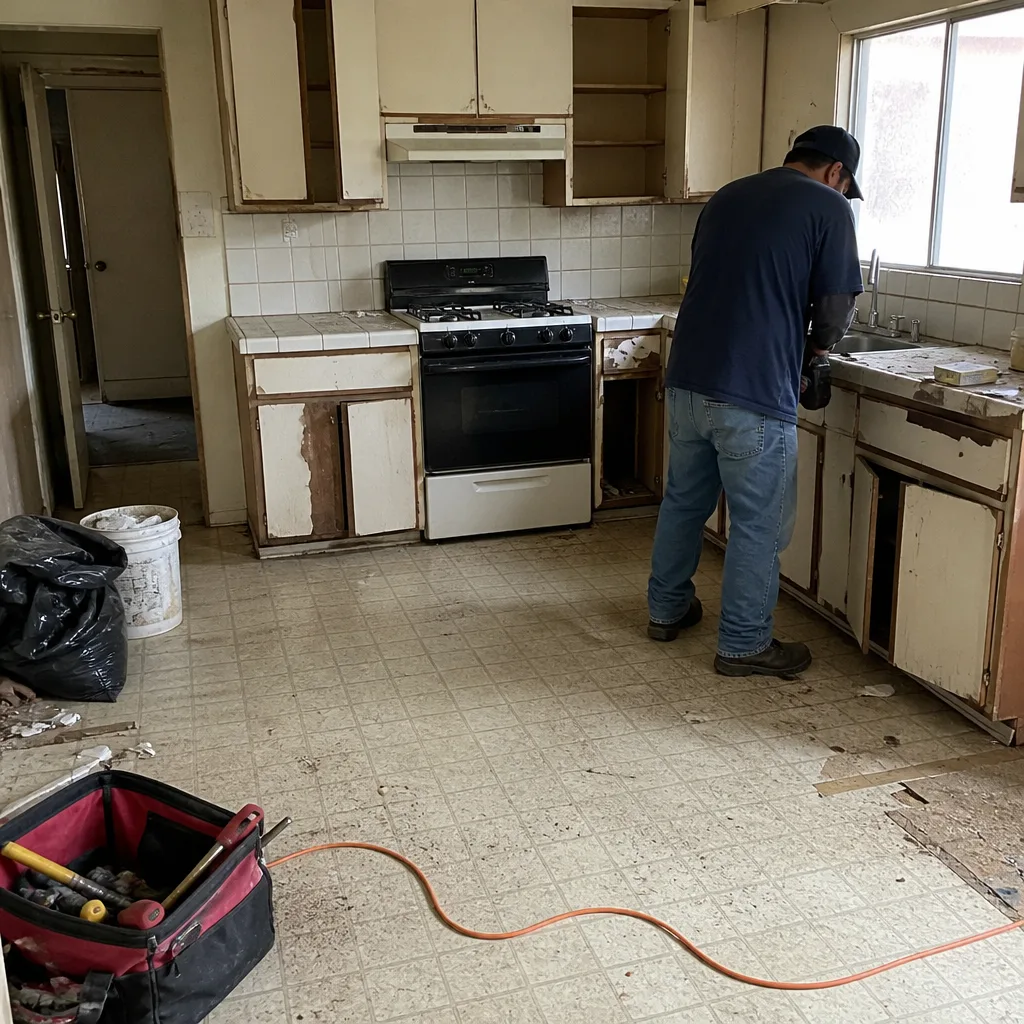 Before
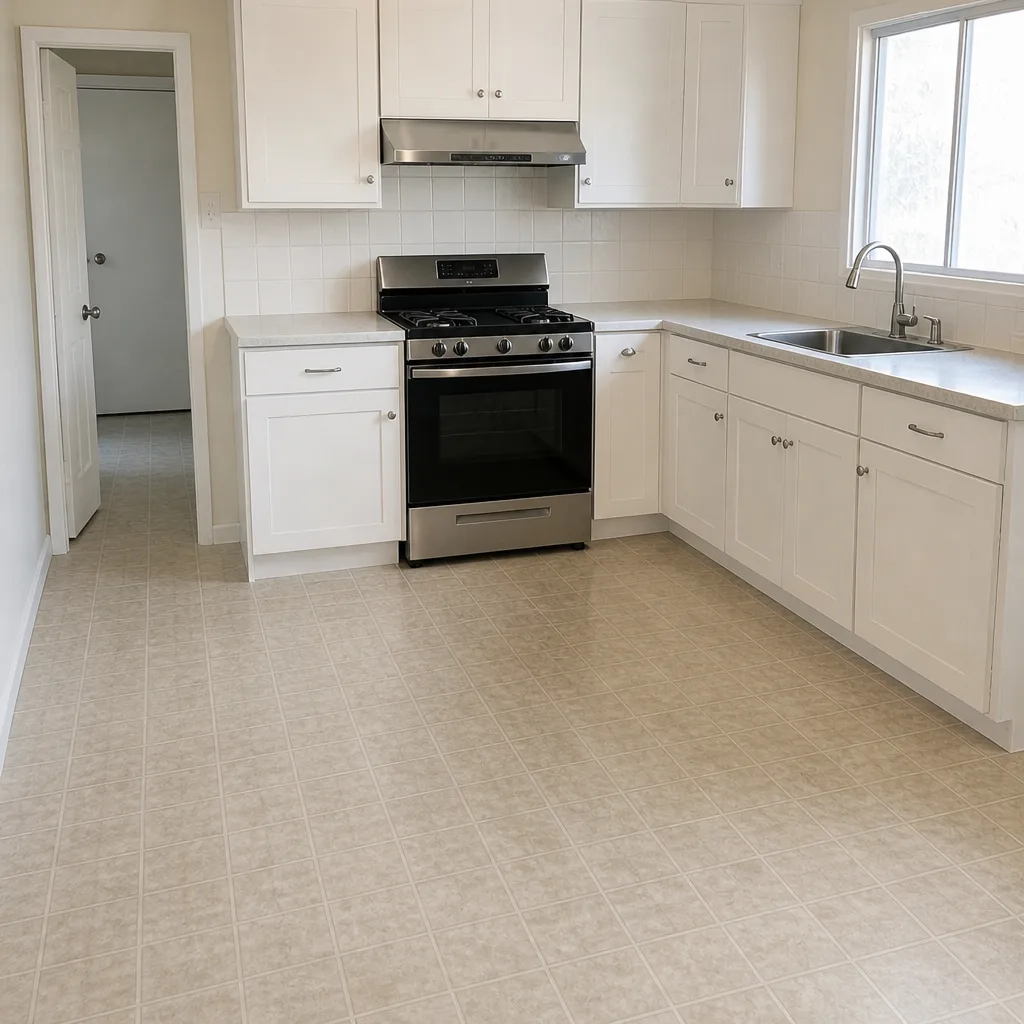 After
 Before
 After
What Do Roof Hail Damage Signs Look Like on a West Covina Home?
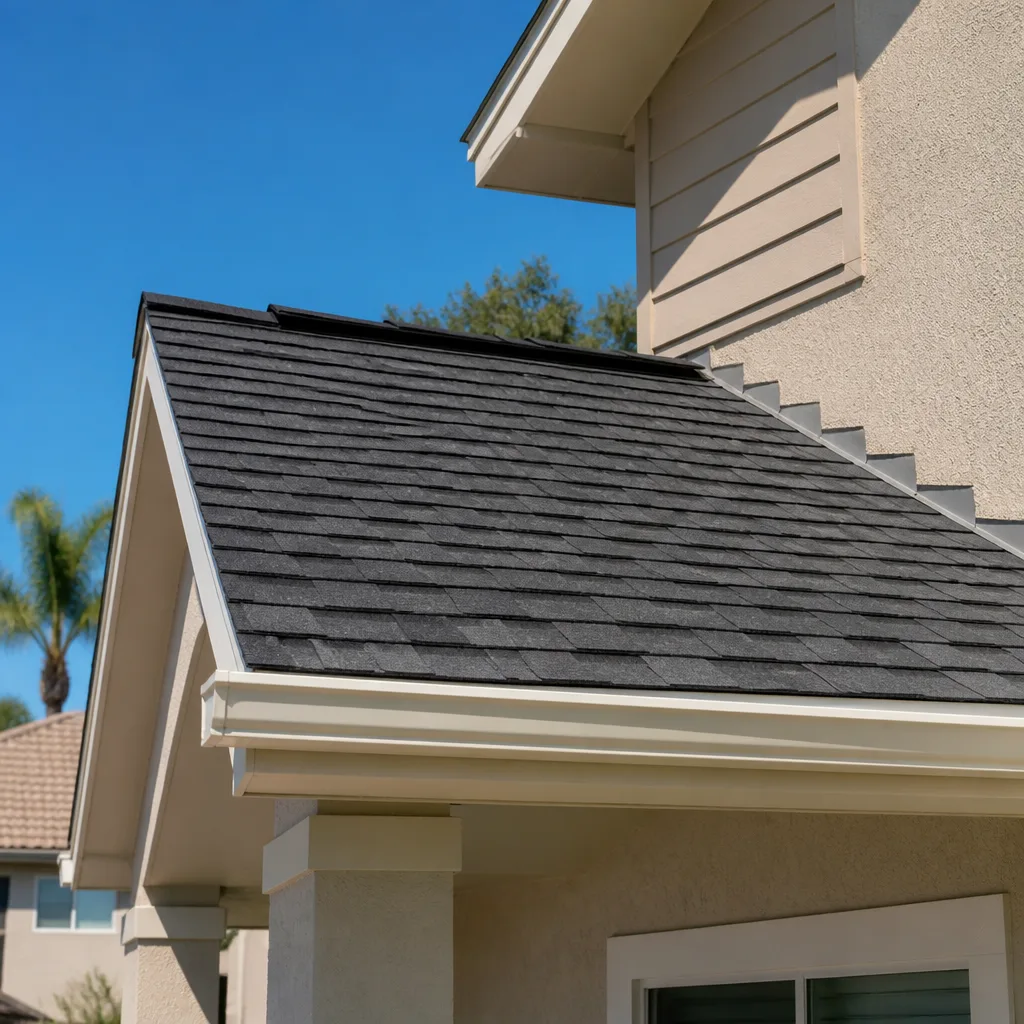
Roof hail damage signs are random, circular impact marks – bruised or granule-depleted spots on asphalt shingles, and hairline cracks at the crown or nose of clay and concrete tiles – that cluster in a scatter pattern rather than a single directional line. If you see dents on gutters, downspouts, or exposed vents at the same time, the damage is almost certainly hail and not wind. West Covina averages fewer than three hail events per decade, but when one hits a roof that’s already been baked by 15+ San Gabriel Valley summers, even nickel-sized hail can crack clay tiles that would have survived the same storm in year five of their life. Call (844) 662-2335 for a free inspection if you suspect an event hit your roof.
Key Takeaways
- Hail on an aged West Covina roof looks different than hail on a new one – the same storm causes cosmetic marks on new shingles and structural damage on old ones.
- Look at gutters, downspouts, and AC condenser fins first – they reveal hail size and direction faster than the roof surface itself.
- Tile damage is often invisible from the ground. Spider-cracks in brittle tile rarely show as an interior leak for one to two rainy seasons.
- Document with photos immediately. California carriers typically expect hail claims within 12 months of the event, even if nothing is leaking yet.
Why Hail Damage on West Covina Roofs Gets Missed
West Covina is a mid-century suburb, and most of the housing stock dates to the 1950s and 1960s – single-story tract homes with wood-frame construction and stucco exteriors. That matters for hail because roofing materials from that era, and their replacements, have spent decades under intense UV. Asphalt shingles lose granules. Clay and concrete tile bodies develop micro-fissures from the daily thermal swing between hot afternoons and cool valley nights. By the time a winter convective storm drops hail on a 20-year-old roof, the material is already working with less margin than a newer Midwest roof would have.
Our technicians have up to 12 years of experience and see the pattern repeat: a homeowner calls after a spring storm, certain nothing happened, and an on-roof inspection finds bruised shingles or cracked tile crowns that ground-level viewing could never reveal. The failure mode is quiet. It doesn’t announce itself with a leak the same week.
What to Look For: Asphalt Shingles vs. Clay and Concrete Tile
Hail hits two roof types very differently, and the signs you hunt for depend on which one is over your head.
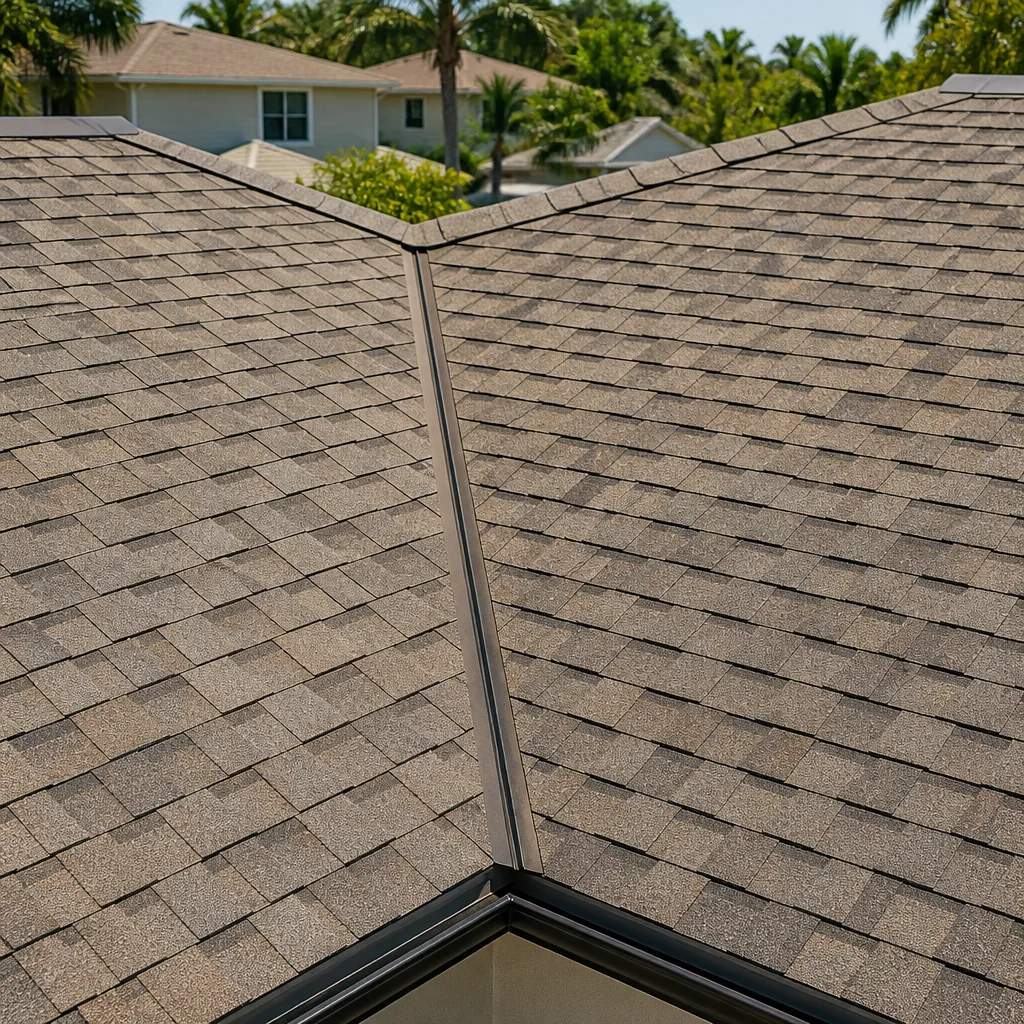
On Asphalt Shingles
- Random impact bruises: Soft spots where the mat beneath has been fractured – they feel like a bruise on an apple when you press gently. Scattered randomly, not in a line.
- Granule displacement in gutters: A sudden accumulation of dark grit in the gutter and at the base of downspouts after a storm is often the first visible clue.
- Exposed mat in circular patterns: Darker spots where granules have been knocked away, exposing the fiberglass mat beneath.
- Uniform wind pattern vs. hail: Wind damage shows a directional pattern – lifted or creased tabs all facing one way. Hail is random. If the marks aren’t directional, it’s hail.
On Clay and Concrete Tile
- Hairline cracks at the crown or nose: The most common impact point. Fractures here don’t leak immediately, but they let water into the tile body and accelerate freeze-thaw deterioration over the following winters.
- Displaced tiles without wind: If tiles have shifted and there was no wind event, hail impact can break the attachment and let tiles ride up.
- Spider-cracking in the tile body: Older tile develops a web of fine cracks that isn’t visible from the ground and sometimes only shows under raking light from a few feet away.
This is where a trained set of eyes earns its keep. An untrained inspection often misses the difference between cosmetic surface marks and the kind of functional damage that lets water in. If you’d rather not guess, our Roofing team can walk the roof and document what’s there.
How to Do a Post-Hail Roof Walk Without Making It Worse
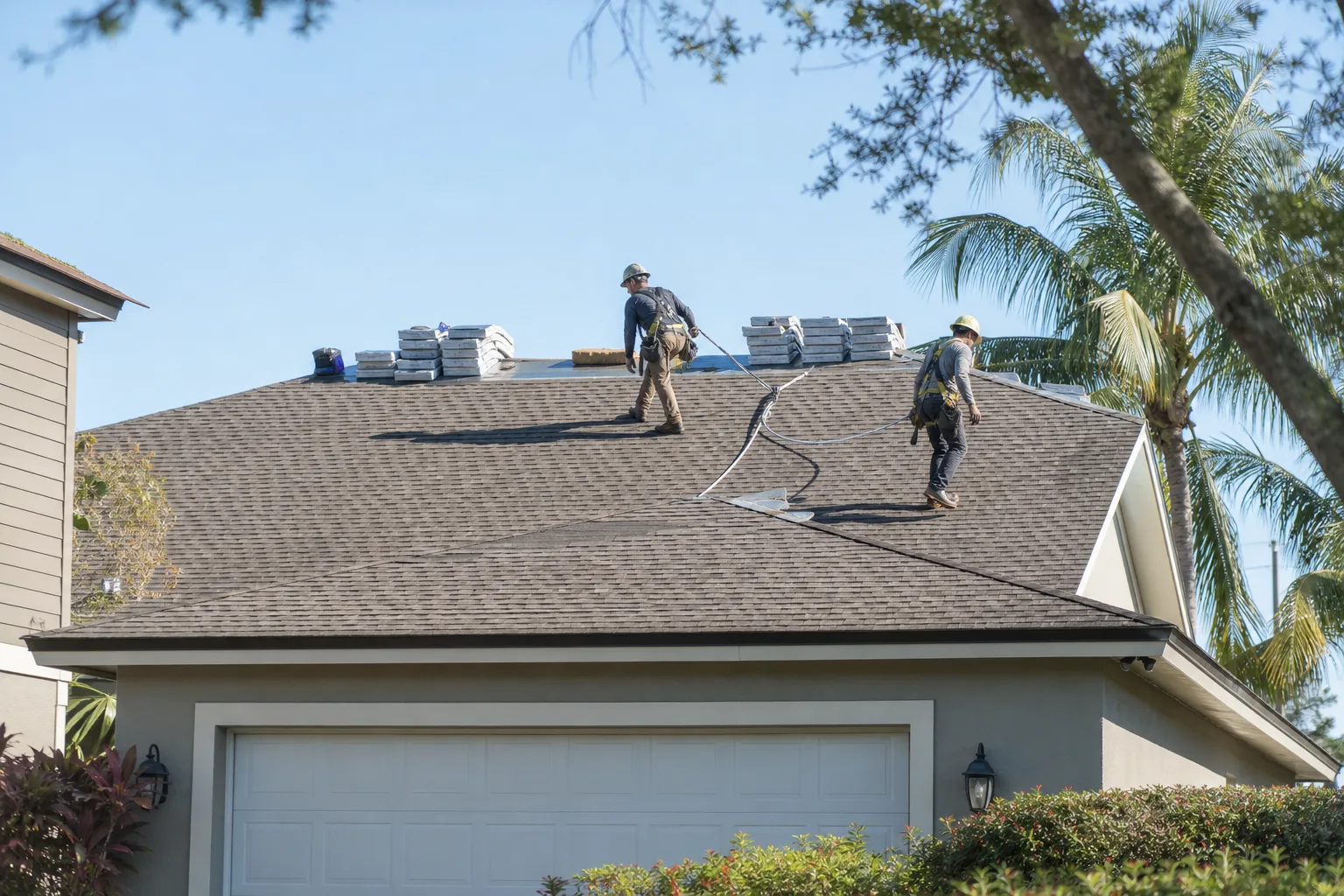
You can absolutely do a safe ground-level inspection yourself. Walking tile is another matter – stepping on the wrong part of a cracked tile snaps it clean through.
Start from the ground. Walk the perimeter with binoculars and look for dented gutters, downspout dings, gouged screens, and bent AC condenser fins. Those tell you hail size and the direction it came in. Photograph everything, including a coin or ruler held next to a dent for scale.
If you do go up, stay on the flat portions and the valley areas where weight distributes safely. Avoid stepping on the field of a tile roof entirely – tile is designed to shed water, not body weight, and a broken tile from a misstep is a repair you created. Asphalt is more forgiving, but stay off it when it’s wet or hot enough to soften. Hail-damaged shingles are brittle and more prone to tearing underfoot.
Photograph: wide shots that identify the location on the roof, close-ups of individual impact marks, and any gutters or vents with dents. Write down the date of the hail event. Insurance adjusters ask for it, and a claim without it gets harder to process.
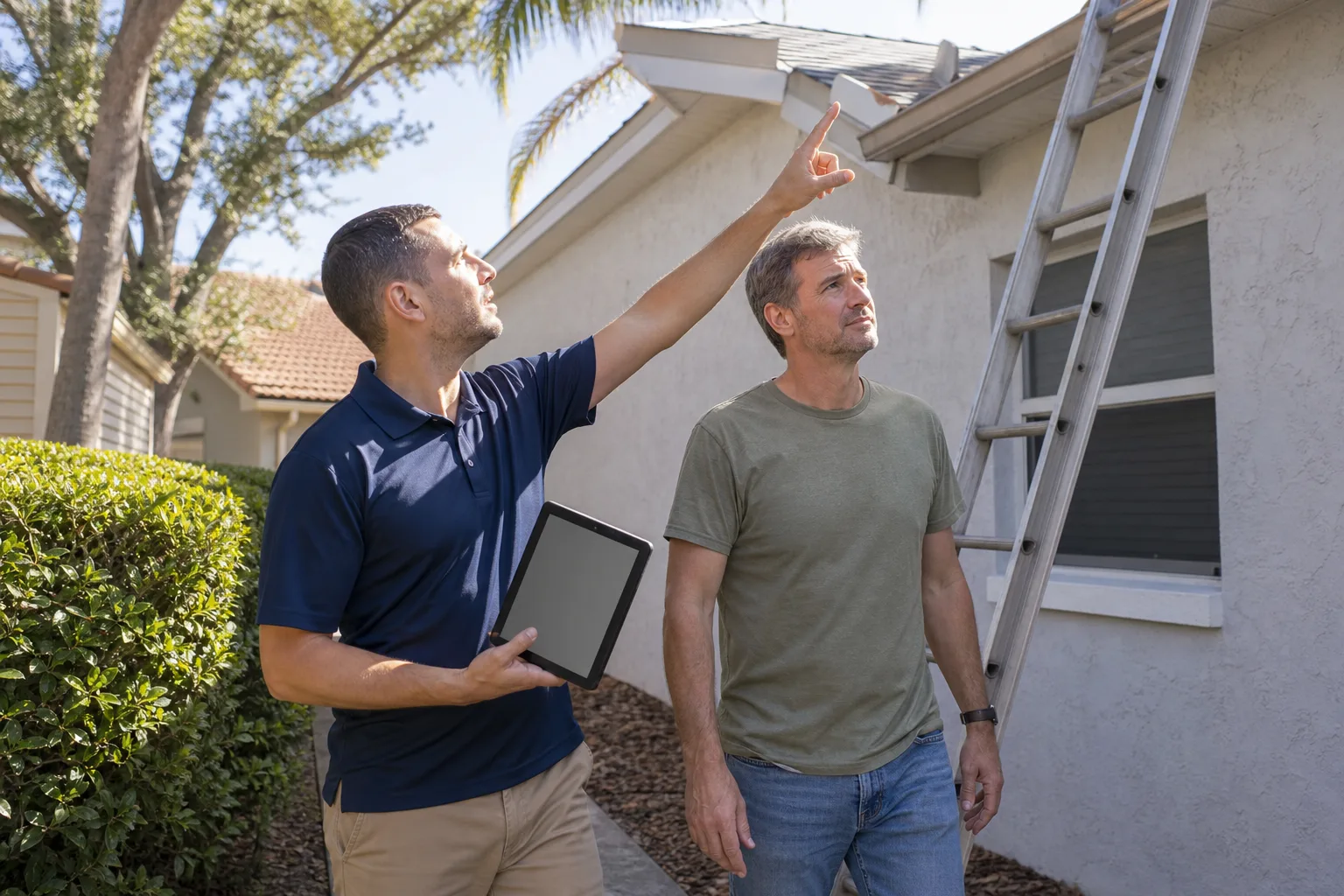
A safety note: Any roof walk carries fall risk, and a damaged roof raises it. If you’re not comfortable on a ladder, the honest answer is to have a trained crew look. That’s exactly what our West Covina service area inspections are for, and there’s no charge for it.
Why Tile Hail Damage Often Doesn’t Leak Until the Second Rainy Season
Here’s the part most homeowners miss. A cracked tile doesn’t immediately leak. The tile is a defense layer, and the underlayment beneath it is the real waterproof barrier. A hairline crack lets a small amount of water into the tile body, and it takes a winter or two of that moisture, plus another thermal summer, before the crack propagates through or the underlayment beneath begins to fail.
By the time you see a stain on the ceiling, the original hail event may be 18 months in the rearview. California homeowners policies commonly require hail damage claims to be filed within 12 months of the event. A post-hail inspection matters because it creates a documented record *before* the leak appears – photos with a date that match the storm, not an estimate written after the damage escalates.
How Groundwork Construction Co. of West Covina Documents Hail Damage
Before any repair conversation, our uniformed, background-checked technicians photograph and write up what’s actually on the roof. That means wide shots, close-ups, measurements, and a written narrative about which surfaces show impact and which don’t. You get a neutral third-party record rather than a contractor with an obvious financial interest in finding the most damage.
Every repair we complete is backed by our 730-Day Done Right Promise – if it isn’t done right, we make it right. We use GAF and CertainTeed materials for shingle work, chosen for their granule retention and impact performance. Pricing is upfront, with no surprises, and most roof repairs fall in the ranges below:
| Service | Typical West Covina Range |
|---|---|
| Roof repair (shingle, gutters, flashing) | $400-$1,800 |
| Tile roof repair | $600-$2,500 |
| Full roof replacement | $8,000-$20,000 |
Repairs and small sections get handled without turning into a full replacement conversation. If a full replacement turns out to be the honest answer, the 730-Day Done Right Promise applies to that too, and our 0% financing for 18 months plus $1,000 off projects over $10,000 makes the bigger job more workable.
FAQs About Roof Hail Damage Signs
Hail damage is random and circular – impact bruises, granule loss in spots, and scattered dings. Wind damage is directional – lifted or creased shingle tabs pointing the same way, or tiles displaced on one side of the roof. If the pattern has no direction and the impact sites look like small craters, it’s hail.
On new tile, usually no. On a 20-year-old West Covina tile that’s been through waves of UV and thermal cycling, a nickel-sized hailstone can crack a crown that a quarter-sized stone would have bounced off in year five. Age of the tile matters more than the size of the hail.
Coverage depends on your policy, but California policies typically require the claim within 12 months of the event. Document the damage with photos and a date immediately after any hail event, even if nothing is leaking – that gives you a paper trail if a leak appears a season or two later. Call (844) 662-2335 for a free inspection and written record.
Shingle repairs typically run $400-$1,800, and tile roof repairs run $600-$2,500. The final number depends on how many tiles or shingle sections are affected and whether underlayment needs attention. Estimates are free, and upfront pricing means the number we quote is the number you pay.
If you’d rather have it looked at, Groundwork Construction Co. of West Covina offers a no-pressure assessment in West Covina – call (844) 662-2335. We’ll document what’s on your roof, explain what’s actual damage versus cosmetic, and give you a written photo record you can take to your insurer if a claim makes sense.
Written by the team at Groundwork Construction Co. of West Covina, serving West Covina, CA.