Free written scope consultation - allowances, timeline, and change-order rules on paper before a single trade is scheduled
Styles & brands we work with
- Kitchen remodeling
- Bathroom remodeling
- Home additions & ADU
- Roofing
- Windows & doors
- Driveway & pavers
- Fence
See the difference
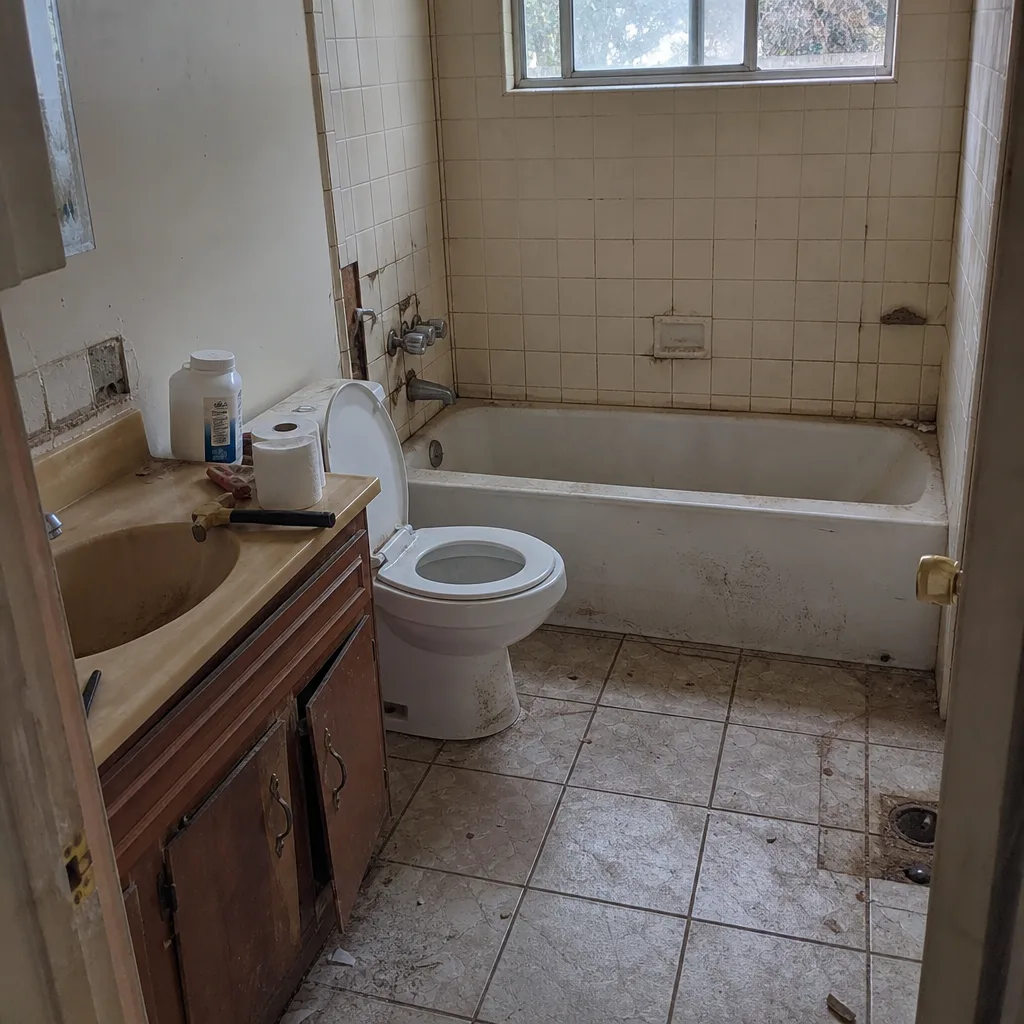 Before
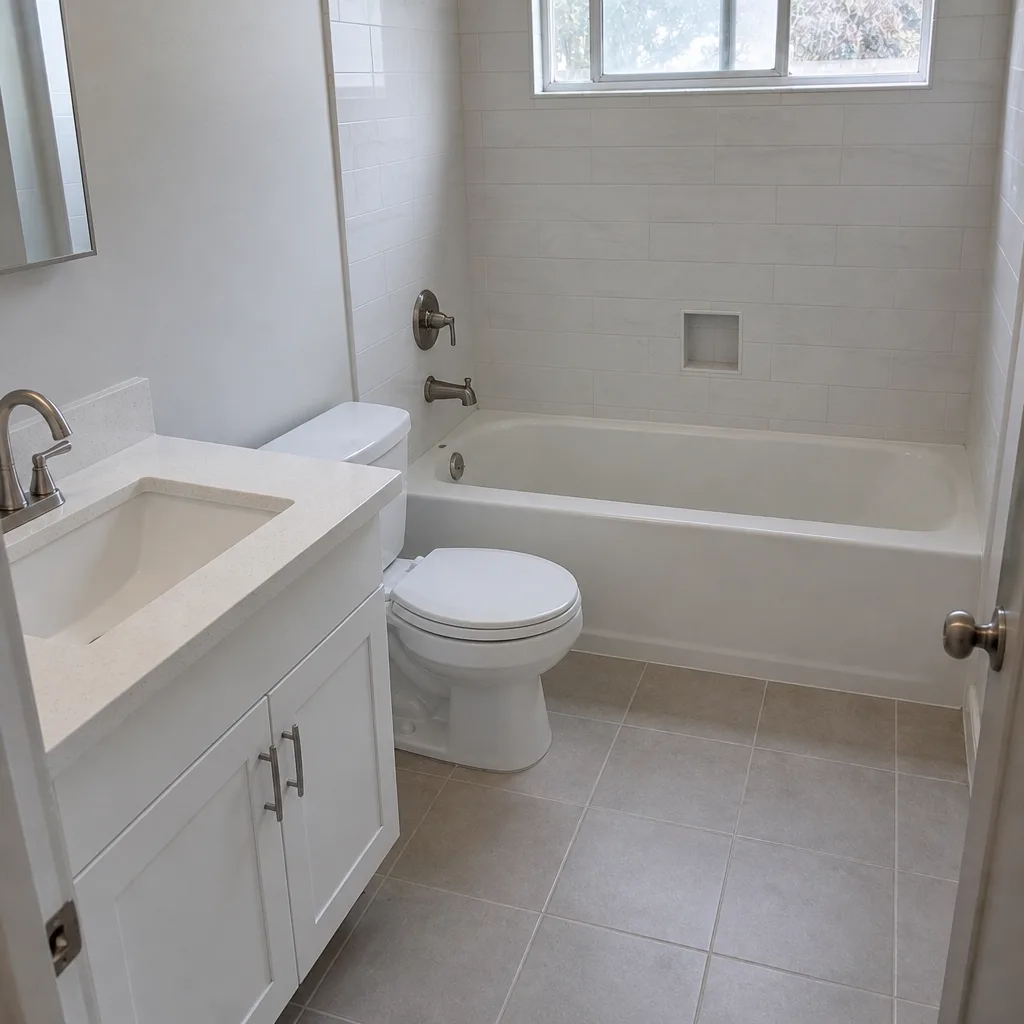 After
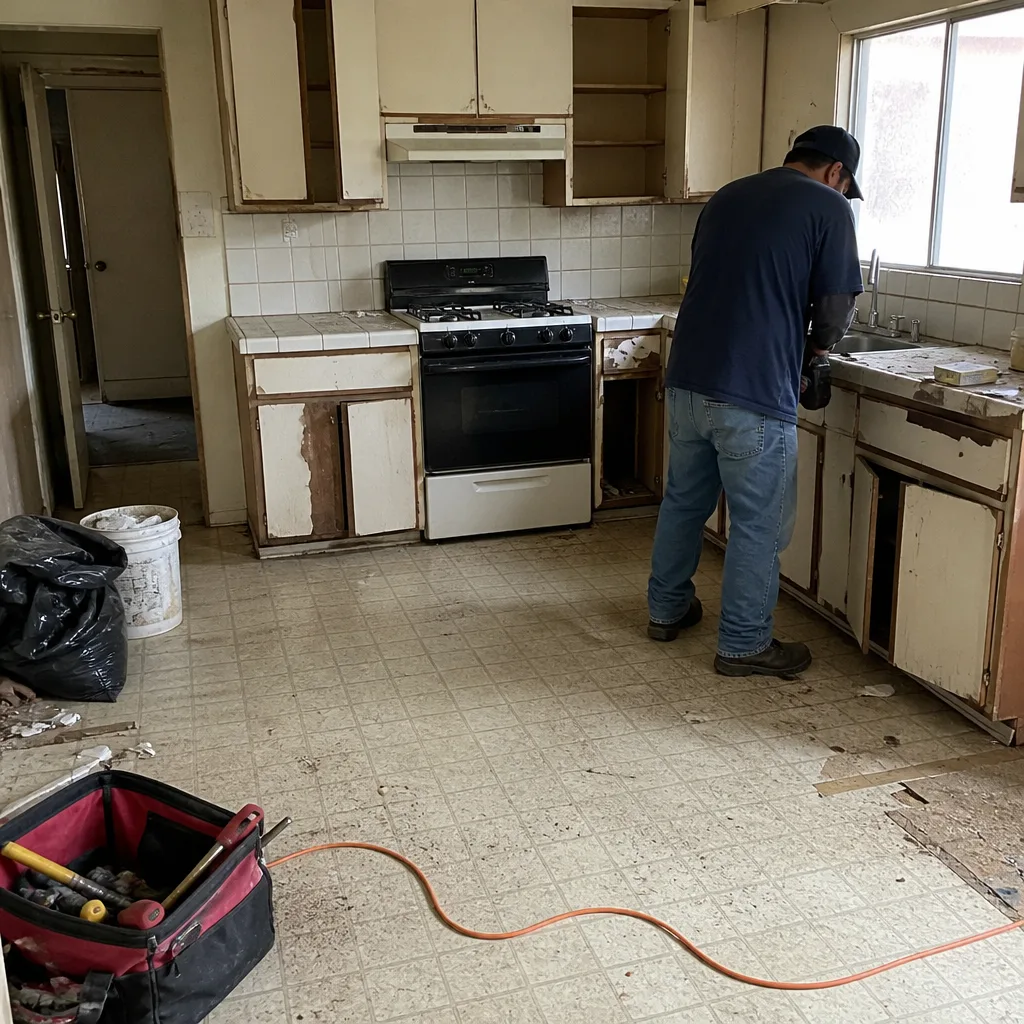 Before
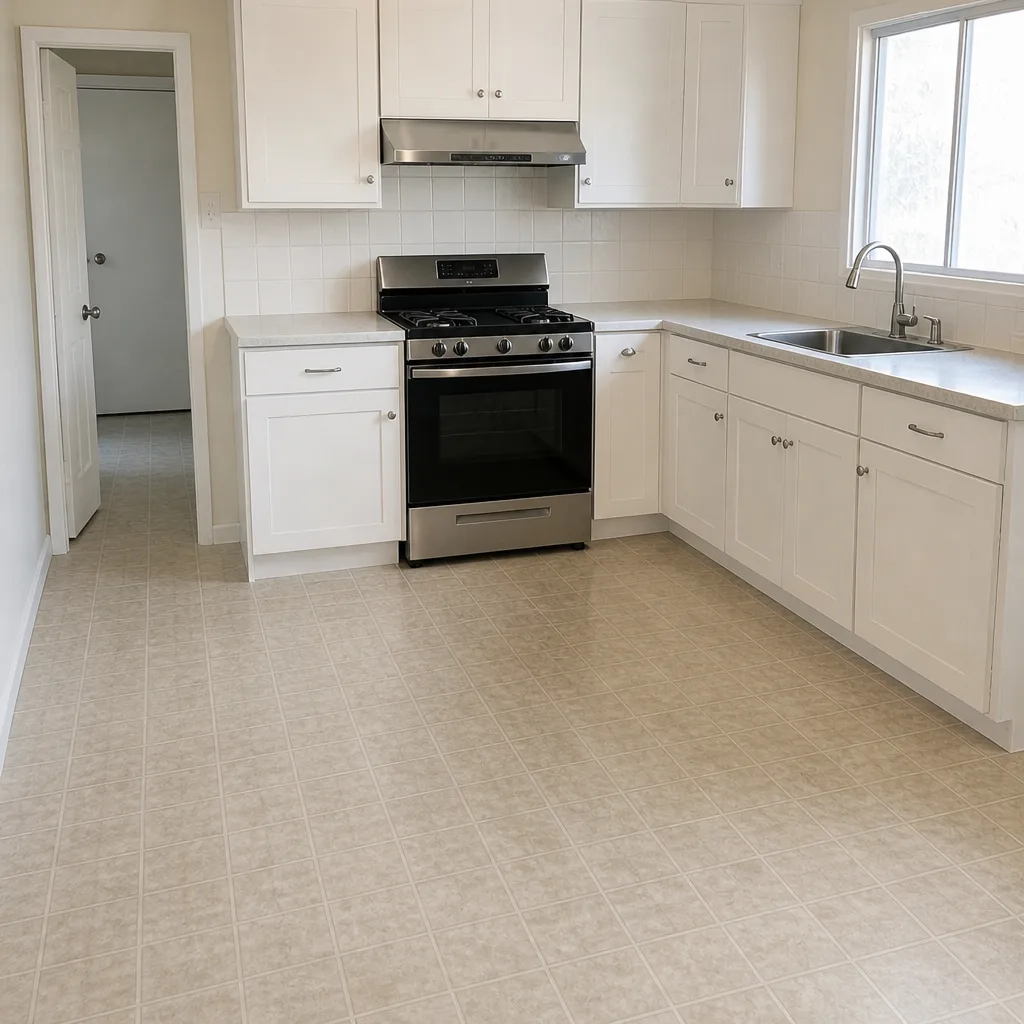 After
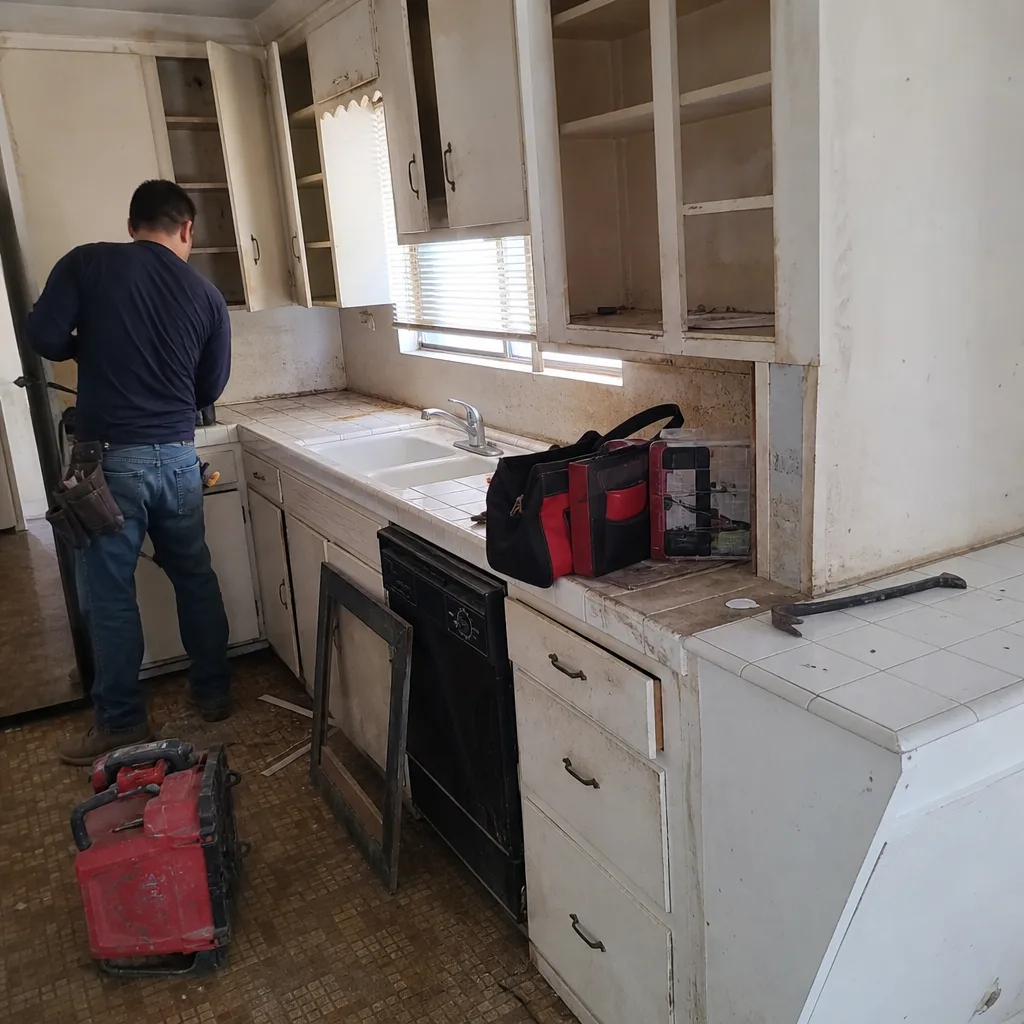 Before
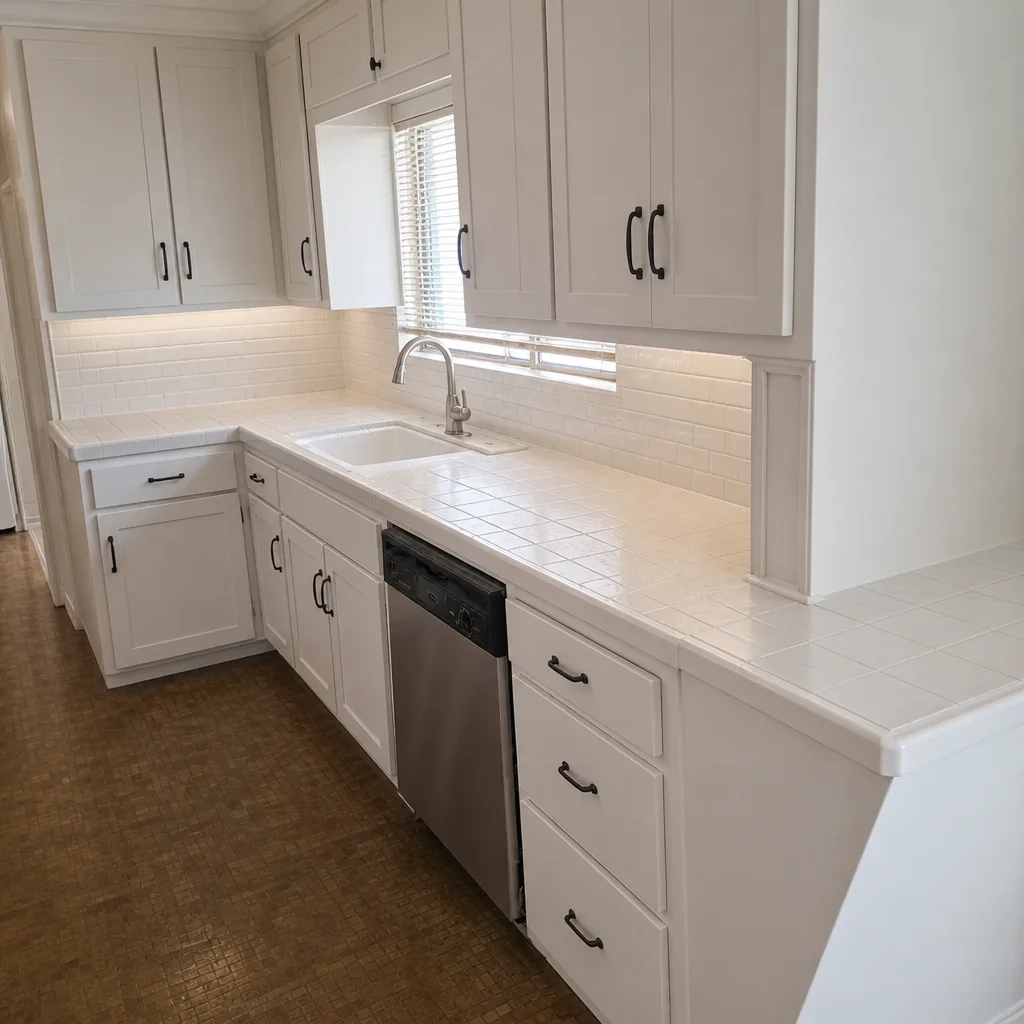 After
Quartz vs Granite Countertops in West Covina, CA: Which One Should You Choose?
Choose quartz unless you have your heart set on natural stone and don’t mind sealing it every year. In West Covina’s climate, quartz wins on maintenance, consistency, and long-term cost. Granite still makes sense if you love the one-of-a-kind look of a natural slab and you’re willing to keep up with it. That’s the short answer. The longer one is more interesting, because this part of the San Gabriel Valley puts some specific demands on a countertop that most national buying guides ignore. If you want to talk it through with someone who’s installed both materials in this market, call Groundwork Construction Co. of West Covina at (844) 662-2335.
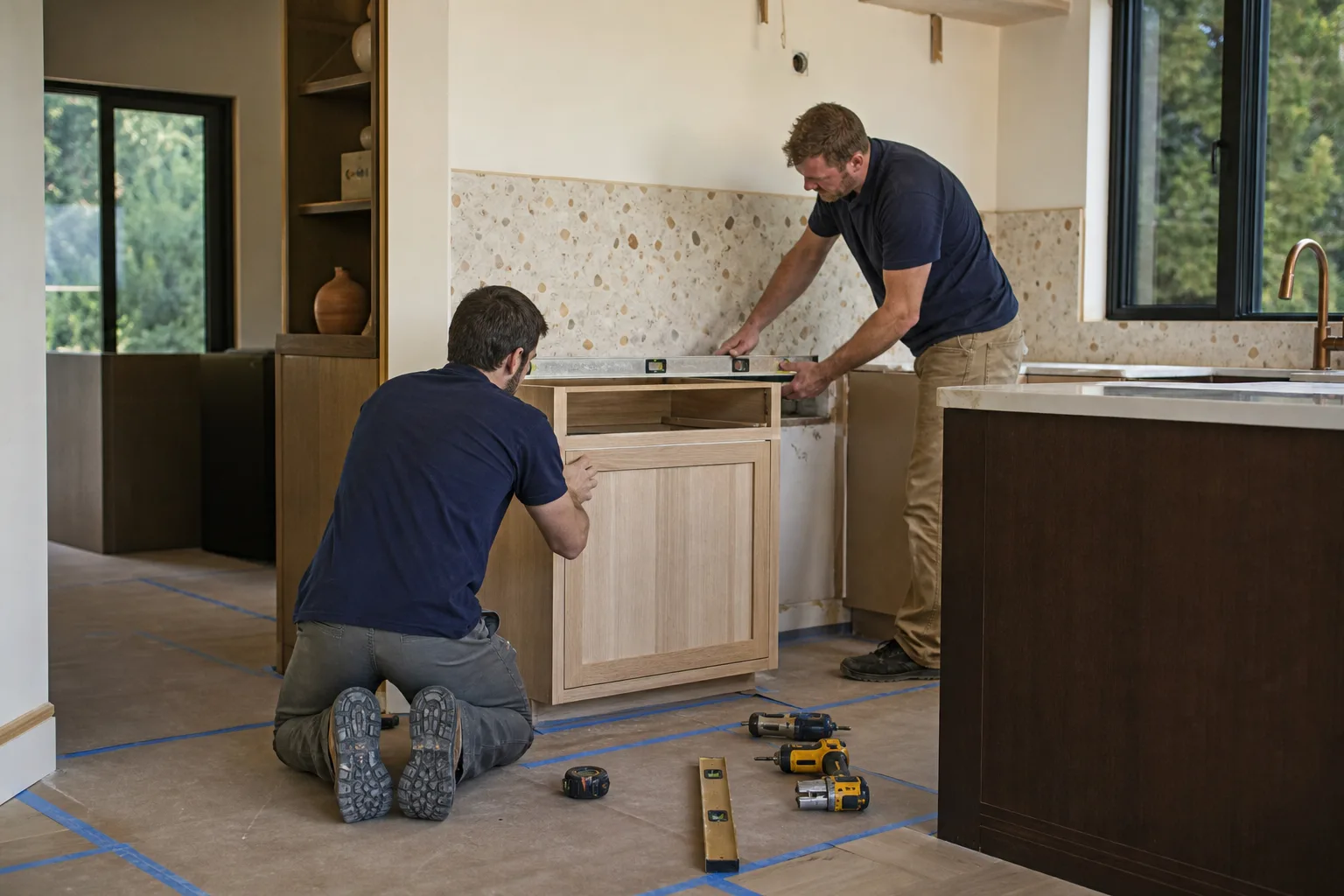
Why West Covina’s Climate Tilts the Decision Toward Quartz
Granite is porous. That’s not a flaw exactly, but it does mean the stone absorbs whatever sits on it until it’s sealed, and then it needs sealing again. Quartz is engineered with resin binders, so it doesn’t absorb anything. That difference matters more here than in most places.
West Covina summers push into the mid-90s, and during Santa Ana wind events humidity can drop toward 10% while fine dust gets pushed indoors through every gap in the house. Dry heat accelerates how quickly oils, wine, tomato, and airborne particulate work into unsealed or under-sealed granite. In our experience, granite in this climate needs at minimum an annual seal, and homeowners who cook with oil regularly often need it twice a year to stay ahead of staining. Quartz needs none. Zero sealing, ever. That’s the whole argument in a sentence.
Worth a quick word on thermal performance too, because kitchens in these 1950s-60s tracts often have a west-facing window over the sink. Afternoon sun through that glass can heat a countertop surface significantly. Some lower-grade quartz resins will yellow or craze under repeated heat stress. Cambria, one of the engineered-stone brands we work with, specifies its products for this kind of exposure and holds color and finish far better than generic imported quartz. Material source matters when the sun is on it every afternoon.
Here’s the Honest Comparison
| Factor | Quartz | Granite |
|---|---|---|
| Sealing required | None | Annually minimum, more in dry heat |
| Stain resistance | High, non-porous | Depends entirely on seal integrity |
| Heat tolerance | Good, but resin quality varies by brand | Excellent, natural stone |
| Pattern consistency | Uniform, predictable | Every slab is unique |
| Resale perception in San Gabriel Valley | Strong, brand names recognized | Good, but generic import carries less weight |
| Installation cost | $2,000-$6,500 | $2,000-$6,500 |
Cost comes out close to even between the two materials for a typical West Covina kitchen. Countertop installation runs $2,000-$6,500, and a full kitchen remodel here lands between $14,000 and $45,000 depending on cabinetry, layout changes, and whether we’re moving plumbing. Where the materials diverge is in the ten-year cost of ownership: add up a decade of sealant, applicators, and the occasional professional reseal, and granite costs more to own. That’s before you count the stain you couldn’t get out.
What resale actually looks like here
Both materials help a home sell. But in the San Gabriel Valley market, buyers recognize brand names by name, and Cambria quartz carries more perceived value at a showing than generic imported granite. It’s a small edge, but it’s real, and it’s local. Granite from an established quarry brand holds its own. An unnamed slab from an overseas importer doesn’t, and that shows up at negotiation time.
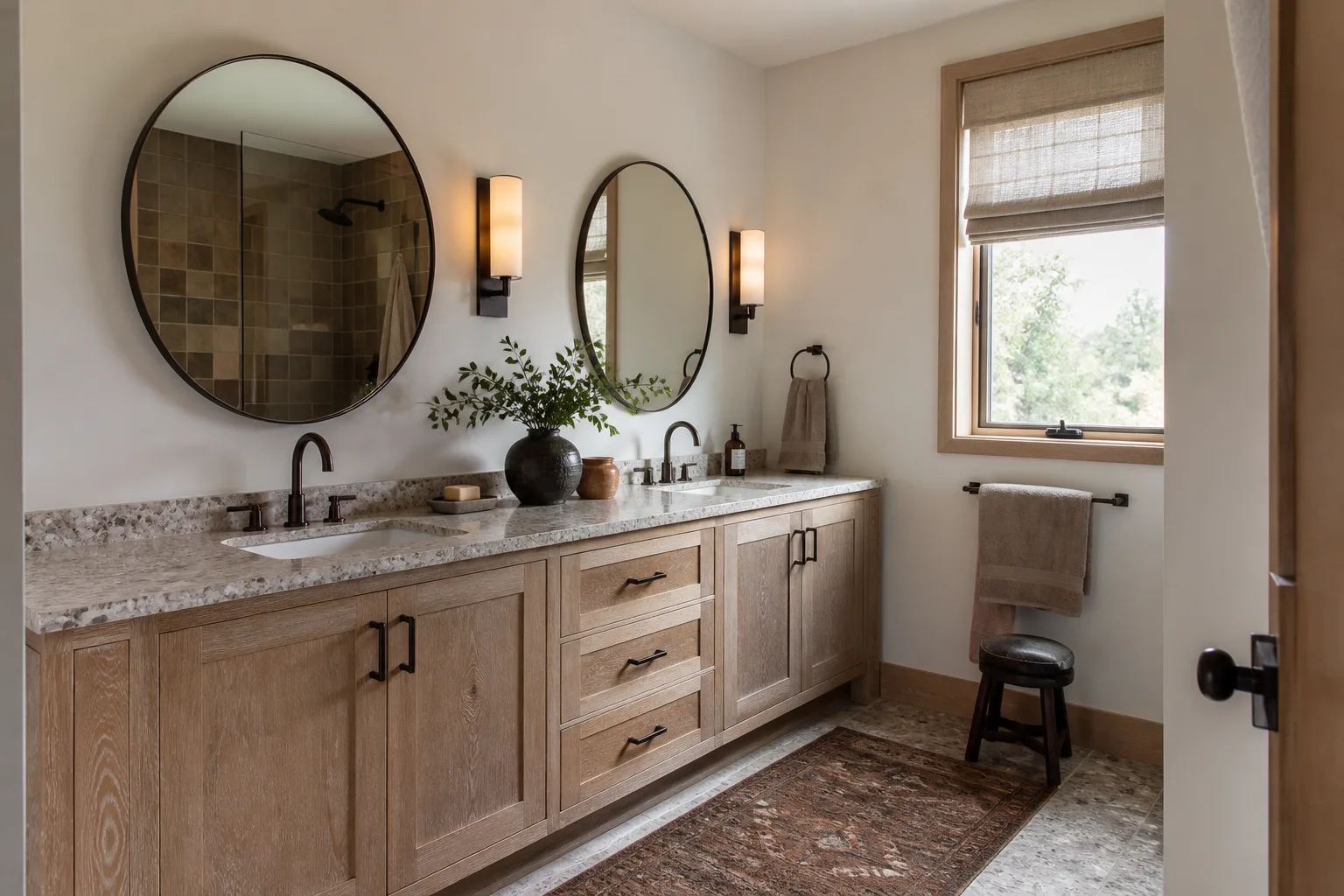
The Installation Detail Most Guides Skip: Your Cabinet Boxes
Most West Covina homes were built in the 1950s and 60s, and many still have the original cabinet boxes under the counter. Stone slabs are heavy, and a 2cm or 3cm slab on tired 60-year-old particleboard or aging plywood boxes is a real problem waiting to happen. Before we specify any thickness, we check the cabinet structure: how the boxes are attached to the wall, whether the sub-top is sound, and whether the run needs additional support or a rebuild before stone goes on it. That check often turns up soft spots near the sink where decades of moisture did their work.
This is the kind of thing a bid that’s just a number per square foot will never mention. No-hassle upfront pricing means the number you see is the number you pay, and that number has to account for what’s actually under the counter. From foundation to finish line, the work should be planned as one project, not a series of surprises.
Which should you actually pick?
- Choose quartz if you cook heavily, want zero maintenance, and prefer a consistent look across the whole run.
- Choose granite if a one-of-a-kind natural slab is worth an annual sealing routine to you, and you’ll actually keep up with it.
- Choose Cambria or a comparable named quartz if your kitchen gets direct afternoon sun or you’re thinking about resale in the next few years.
- Choose either if your cabinets are sound and the rest of the layout is staying put. Both materials are excellent when they’re installed correctly.
If you’re planning a larger overhaul rather than a swap-out, some homeowners fold the countertop decision into a broader update. Our Kitchen Remodeling in West Covina page covers what a full scope looks like in this market, and Kitchen Remodeling walks through the full service. If the cabinetry itself is on its way out, it’s worth sequencing the work: home projects go smoother when the box is right before the stone goes on.
Frequently Asked Questions
Quartz is the better choice for most West Covina homes because it requires no sealing and holds up to the dry heat and dust that comes with Santa Ana wind events. Granite remains a solid option if you want natural stone and will commit to annual sealing.
Both materials install at roughly $2,000-$6,500 for a typical West Covina kitchen, so the initial cost is close to even. The gap opens over time: granite needs annual sealing in this climate, which adds to its ten-year cost. Call (844) 662-2335 for an exact quote; estimates are free.
In West Covina’s dry, hot climate, yes, annual sealing is the realistic minimum for granite. Homes that cook with oil frequently may need it twice a year. Quartz needs no sealing at all.
Often yes, but only after a structural check of the cabinet boxes. Original 1950s-60s cabinets in West Covina homes sometimes have soft spots or weakened attachments that need attention before stone goes on. We inspect before we specify thickness.
Ready to Decide?
If you’d rather have it looked at, Groundwork Construction Co. of West Covina offers a no-pressure assessment in West Covina - call (844) 662-2335. Every project is covered by our 730-Day Done Right Promise, our technicians have up to 12 years of experience, and calls are answered by a live person around the clock. Upfront pricing, no surprises, and a straight answer on quartz or granite.
Written by the team at Groundwork Construction Co. of West Covina, serving West Covina, CA.