
Free written scope consultation - allowances, timeline, and change-order rules on paper before a single trade is scheduled
Styles & brands we work with
- Kitchen remodeling
- Bathroom remodeling
- Home additions & ADU
- Roofing
- Windows & doors
- Driveway & pavers
- Fence
See the difference
 Before
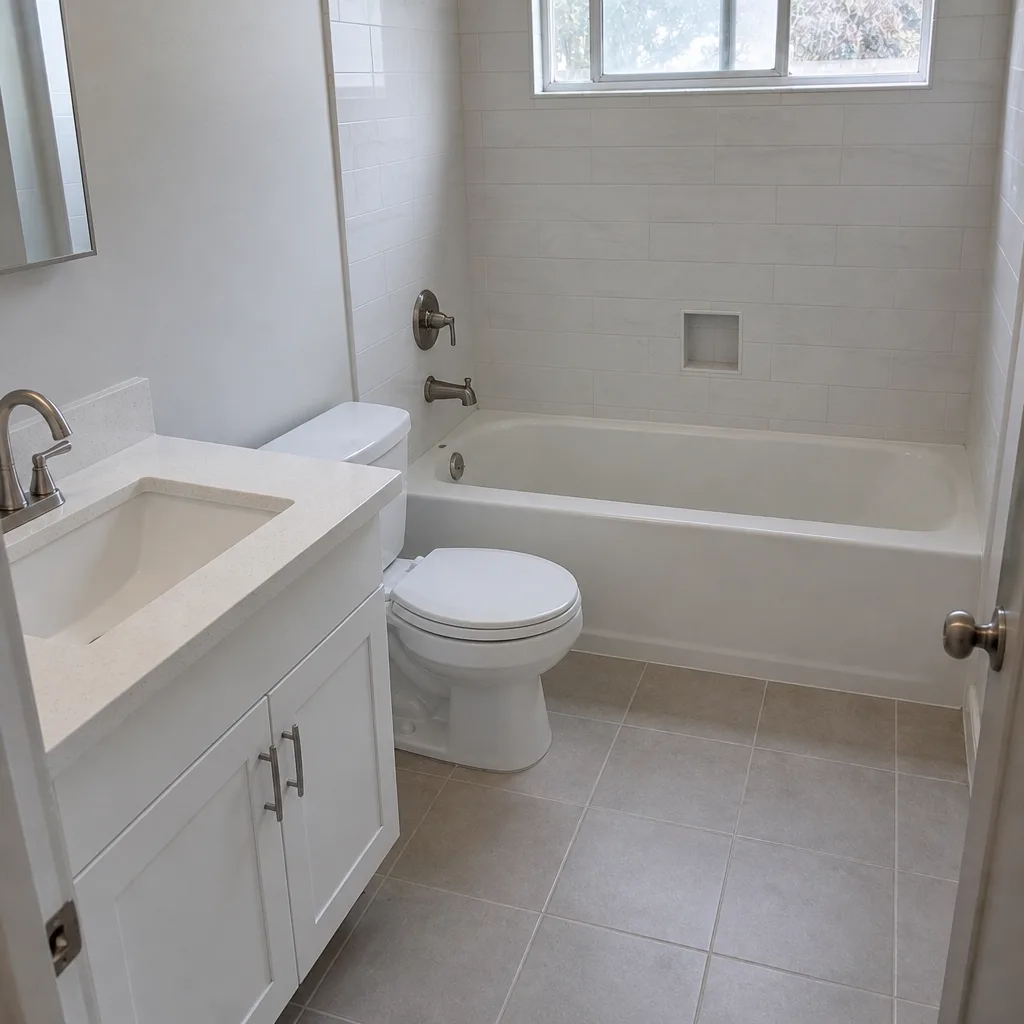 After
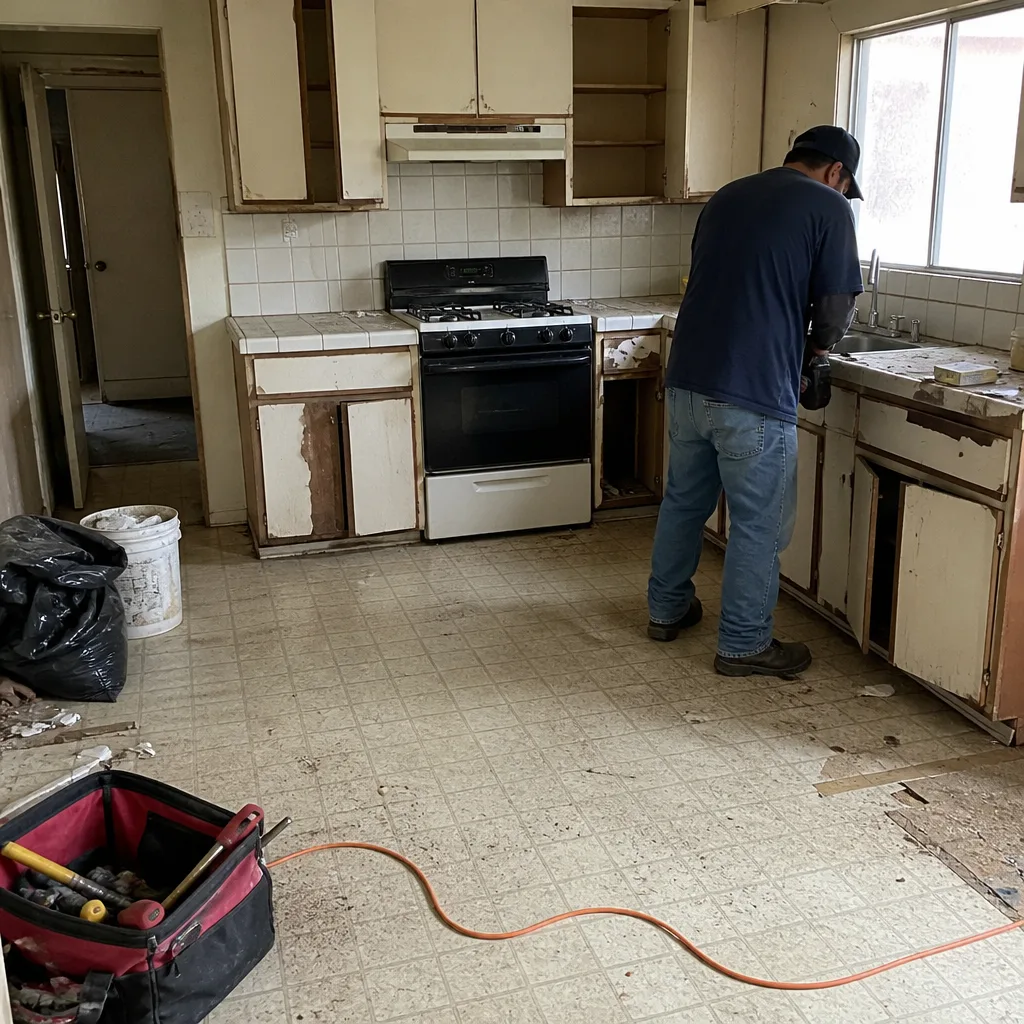 Before
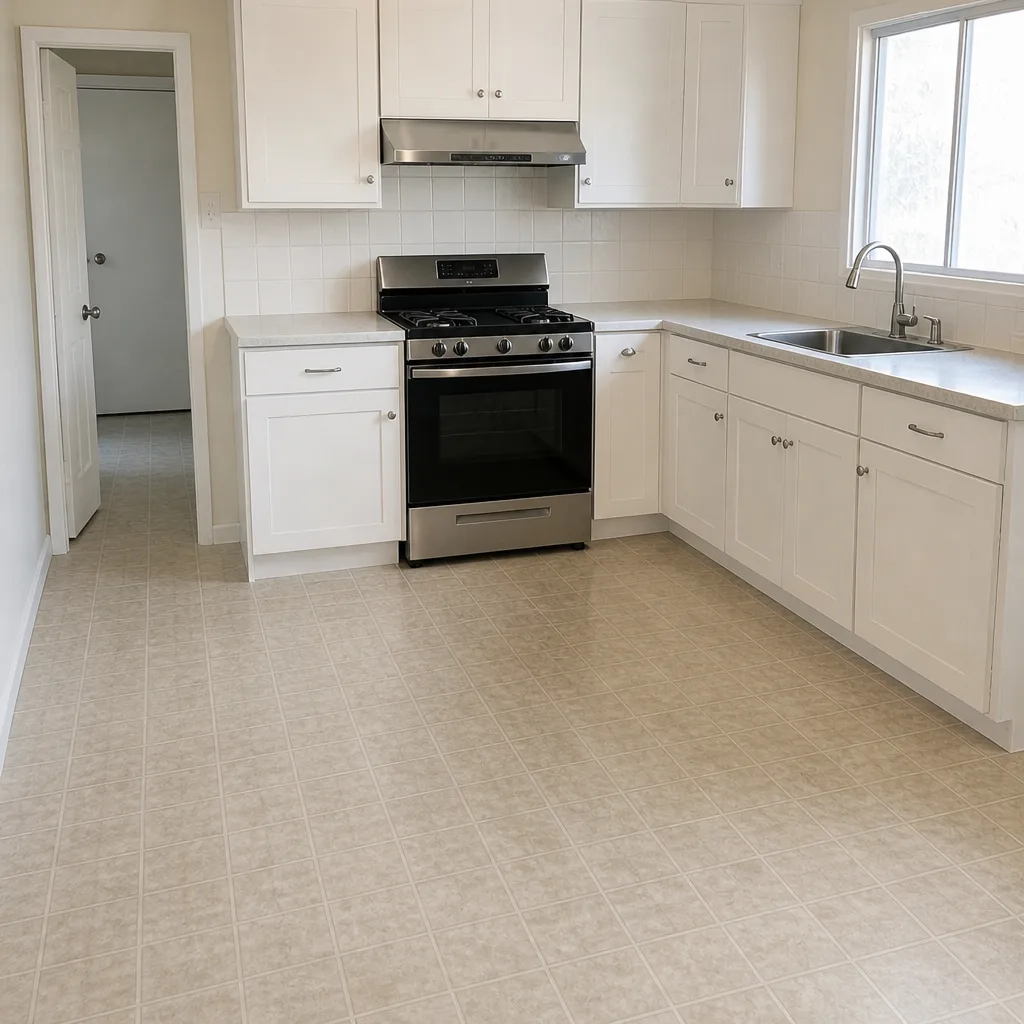 After
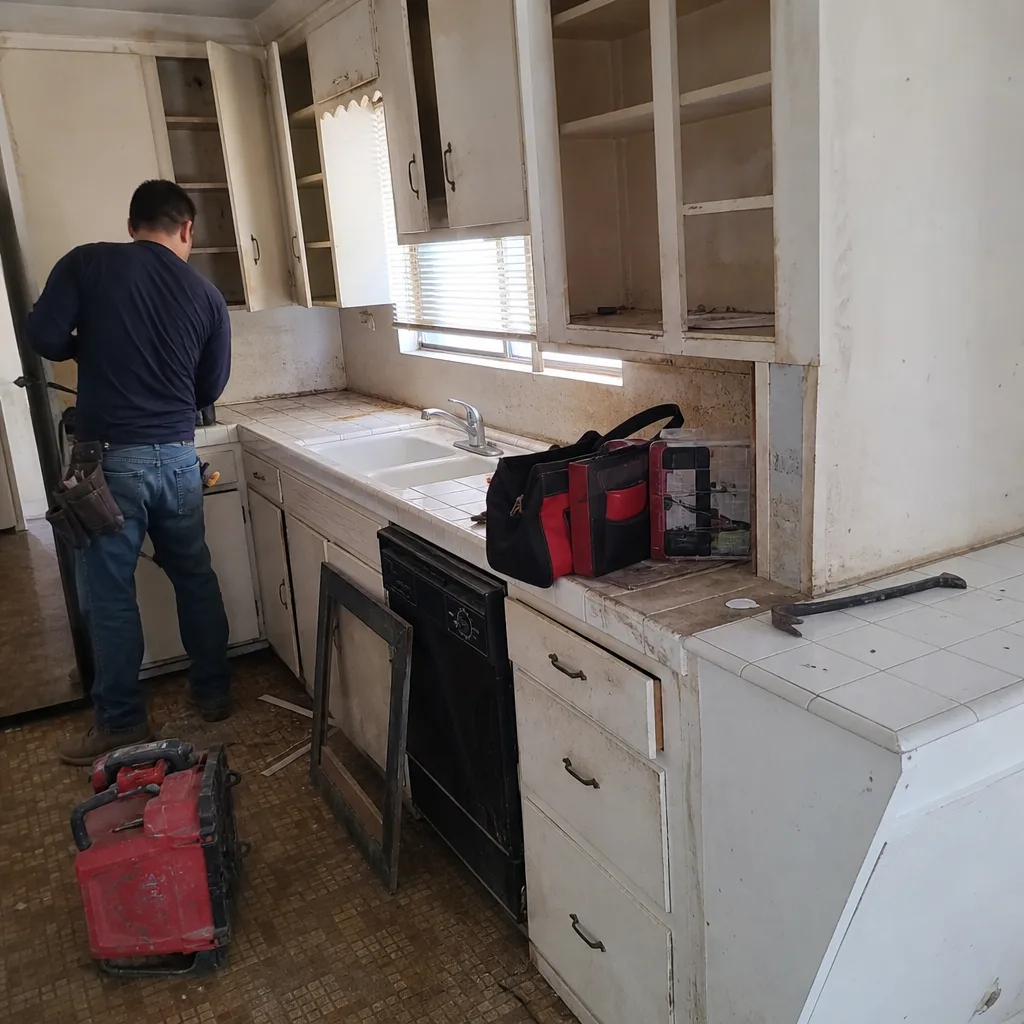 Before
 After
New Construction Windows vs Replacement Windows in West Covina, CA
Choose replacement windows when your original rough openings are still square and the surrounding stucco is sound; choose new-construction windows when the frame has racked, the stucco is cracked or water-stained, or you’re changing the opening size. In West Covina’s 1950s stucco-and-wood-frame tracts, that second case comes up more often than most comparison articles admit. If your home sits on one of the hillside or near-creek lots where expansive clay swells and shrinks with the seasons, the rough frame may have moved enough that an insert window is the wrong tool. Call (844) 662-2335 and we’ll help you figure out which side of that line your house is on.
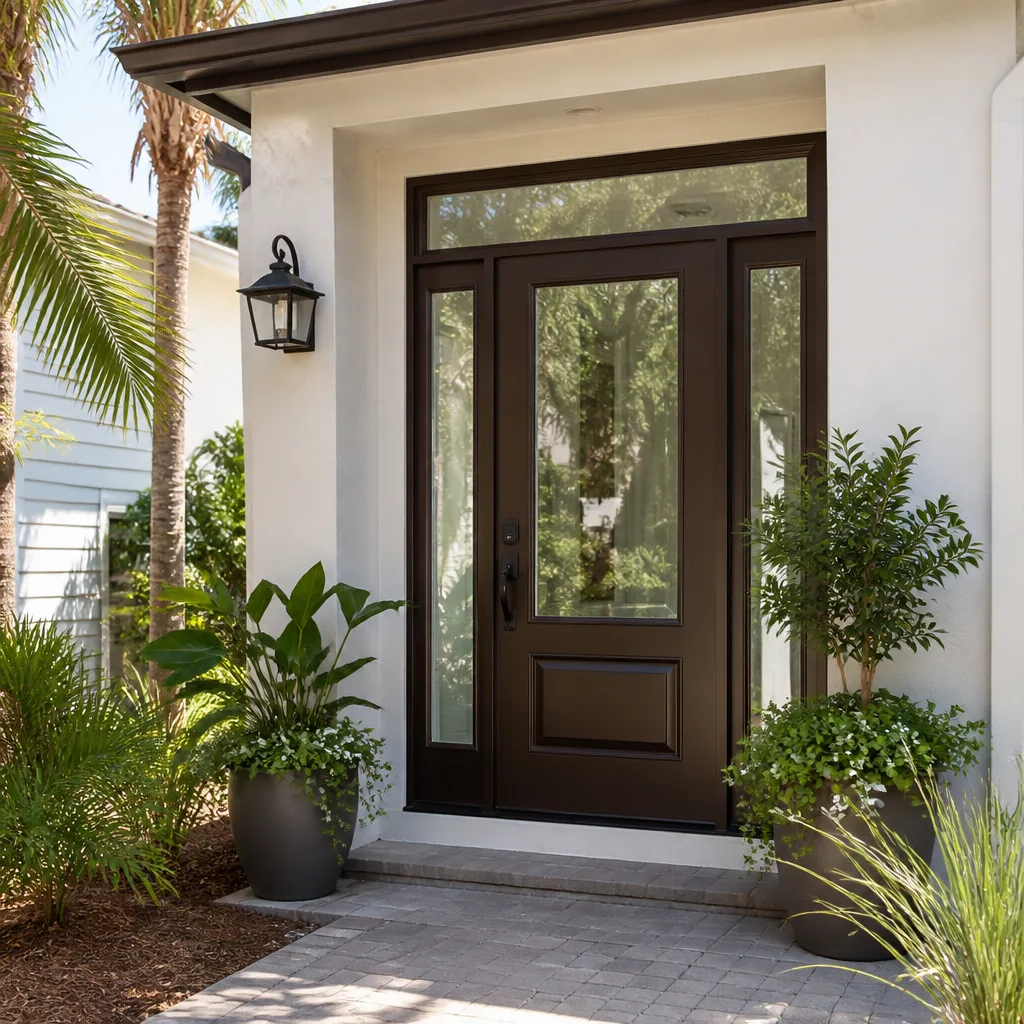
The Real Difference: Nailing Fin vs. Insert Frame
Almost every guide frames this as a cosmetic or budget choice. It’s really a structural one. The two window types install in fundamentally different ways, and that difference is what decides which is correct for a given opening.
A replacement window (sometimes called an insert or pocket window) drops into the existing frame after the old sash and stops come out. It has no nailing fin. It seals to the interior and exterior trim, not to the wall’s weather barrier. The upside: no stucco demolition, faster install, lower cost. The catch: it inherits whatever geometry and movement the original frame already has.
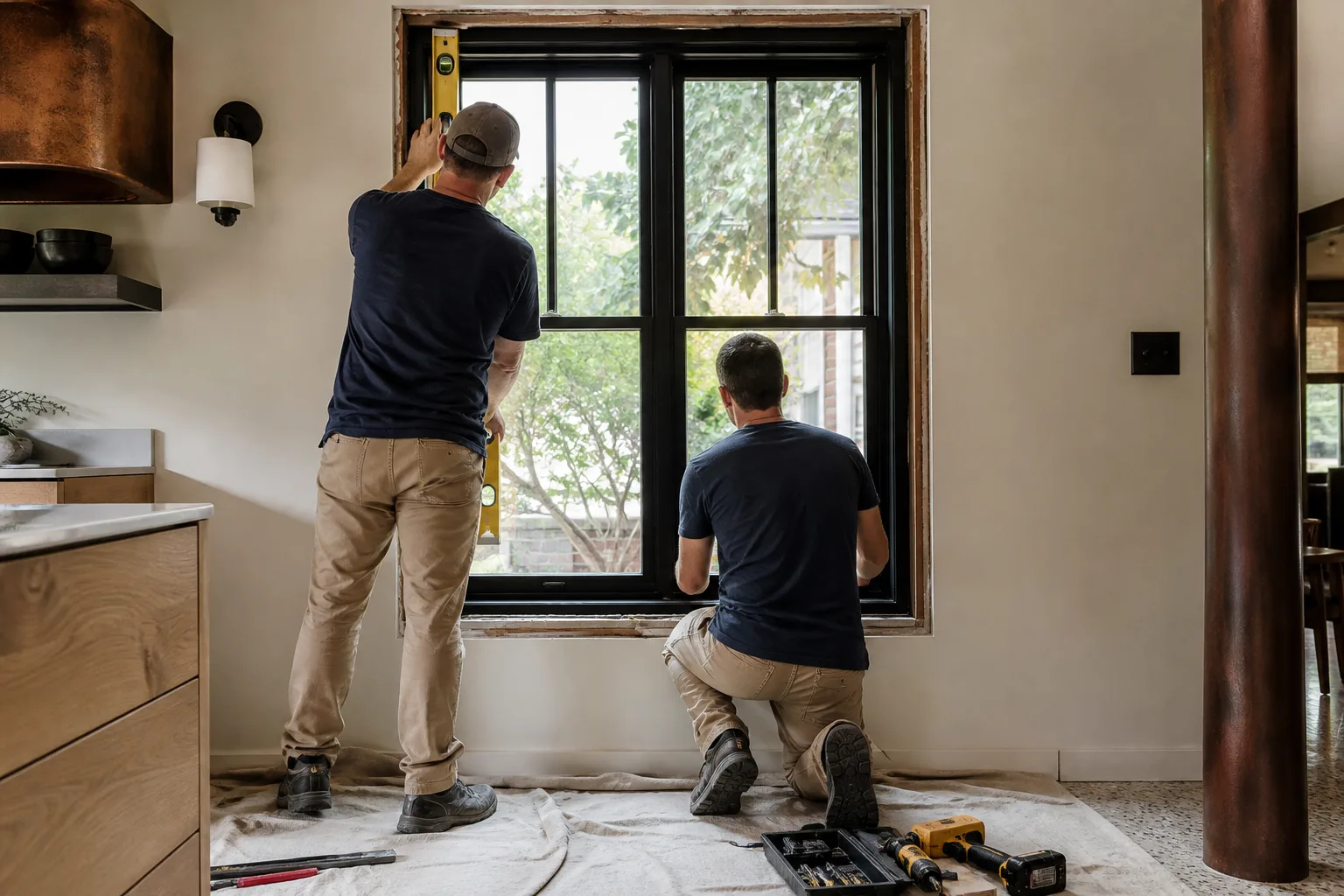
A new-construction window is a full-frame unit with a nailing fin that fastens to the structural framing. Installing it means removing the old window down to the rough opening, addressing the frame, integrating a flashing sequence with the wall’s weather barrier, and repairing the stucco around the perimeter. More work, higher cost, and it’s the only method that corrects a compromised opening.
- Replacement window: fits inside an existing, sound frame. No stucco work. Best when openings are plumb and the surrounding wall is intact.
- New-construction window: sets into a new or re-squared rough opening with a nailing fin and full flashing. Requires stucco repair. The right call when the frame has shifted or the opening size is changing.
Why West Covina’s 1950s Homes Move More Than Most
West Covina is a mid-century San Gabriel Valley suburb, largely built out, with most housing going up in the 1950s and 60s as single-story stucco tract homes over wood framing. Because the city is mostly fully developed, the work here is additions, ADUs, and major remodels rather than new subdivisions. And the clay underfoot is the piece that matters for windows.
On hillside and near-creek lots, that expansive clay swells in the wet season and shrinks in the dry one. Over sixty-odd years, that cycle racks wood-frame rough openings a little at a time. A frame that was square in 1957 can be out of plumb by a visible margin today. Drop an insert window into one of those and it will bind on the opening, struggle to latch, and the seal will fail well before the product itself wears out. Roofs and stucco tell the same story; the area’s hot, dry summers and winter rains work on any poorly detailed joint, which is part of why we treat window and roofing water intrusion as one conversation rather than two.
How to tell if your frames have shifted
You don’t need instruments to spot the warning signs, but a trained eye confirms them before demo:
- Sashes that stick or won’t latch in one season but not another.
- Diagonal cracks in the stucco running out from the window corners.
- Visible gaps between the frame and the wall, or daylight at the corners.
- Water stains or soft wood on the interior sill after a rainy winter.
- Sloping or uneven floors near the window wall, hinting at foundation movement.
Any one of these is a reason to look closer at the rough opening before choosing a window type. Two or more usually means the frame has moved enough that papering over it with an insert is a gamble.
Stucco Integration: Why the Flashing Sequence Matters
Here’s where generic comparison articles fall apart for a stucco house. A new-construction window requires a proper flashing and stucco repair sequence: the nailing fin gets integrated with the weather-resistant barrier, then the three-coat stucco is patched and finished around the perimeter. That sequence is exactly what replacement windows skip, and skipping it on a sound wall is fine. Skipping it on a compromised opening creates a water-intrusion path that won’t show up until two rainy seasons later, when you’re staring at a stained ceiling wondering where it came from.
So the choice isn’t “premium versus economical.” It’s “does this opening need the full weather-barrier rebuild or not?” When it does, the stucco work is the difference between a window that stays dry and one that quietly rots the framing behind it.
Same Brands, Either Method
Andersen and Marvin both make full-frame and insert-style products, so the brand doesn’t decide the method for you. The opening does. We carry both lines through our Windows & Doors service because homeowners here ask for them by name, and because a quality product installed into the wrong opening still fails.
That’s the operator detail most quotes skip: we evaluate each opening before the quote is written, not after demo reveals a surprise. Sometimes that means a mix. A house can take insert replacements on the front elevation where the frames are sound and full-frame new-construction units on the side where the stucco has cracked and the opening has racked. We map it opening by opening. If you’re also planning a larger project, the same approach runs from foundation to finish line across our home additions and ADU work.
What It Costs to Do It Right in West Covina
Window replacement in West Covina runs $4,500-$15,000 for a typical home, and impact window installation runs $8,000-$25,000. Those ranges cover the method mix; a full-frame, new-construction install costs more per opening than an insert because of the stucco and flashing work. Upfront pricing, no surprises: the number you see is the number you pay. Here’s how the numbers break down against related work you may be weighing at the same time.
| Project | Typical West Covina range |
|---|---|
| Window replacement | $4,500-$15,000 |
| Impact window installation | $8,000-$25,000 |
| Roof replacement | $8,000-$20,000 |
| Home addition | $45,000-$130,000 |
We back the installation-method call in writing. The 730-Day Done Right Promise means if we choose replacement where new-construction was the correct answer, or the reverse, we own the correction. That’s a commitment worth asking any contractor to put on paper before work starts. And to make the larger projects accessible, there’s $1,000 off projects over $10,000 and 0% financing for 18 months.
FAQs
You need new-construction windows if your existing rough opening has racked, the surrounding stucco is cracked or stained, or you’re changing the opening size. The tell is usually sashes that bind seasonally, diagonal stucco cracks at the corners, or water intrusion at the sill. On West Covina’s clay-soil lots, those signs are common enough that we check the frame first. Call (844) 662-2335 for a free estimate and we’ll confirm which method fits.
Repair is cheaper when the frame is sound and the problem is a seal, a sash, or hardware. Replacement makes more sense once the frame has shifted or the opening size is changing, because repairs won’t correct a racked frame. For the small problems, repair wins. For a compromised opening, an insert is money spent twice. Call (844) 662-2335 for an exact quote – estimates are free.
Many replacement-window installs finish in a single visit. Full-frame new-construction windows take longer because of the stucco and flashing work, so those jobs typically span more than one day. We’ll tell you the schedule upfront based on the number of openings and which method each needs. Live people answer 24/7, so call (844) 662-2335 to get your job scoped.
Expansive clay swells when wet and shrinks when dry, and that cycle gradually racks the wood frames of older homes. West Covina’s hillside and near-creek lots sit on more expansive clay than flatter neighboring cities, so foundation movement is common here. A racked frame makes a new-construction install the structurally correct choice, not just the premium one. Call (844) 662-2335 and we’ll assess your openings.
If you’d rather have it looked at, Groundwork Construction Co. of West Covina offers a no-pressure assessment in West Covina - call (844) 662-2335. We’ll evaluate each opening, show you which method is correct and why, and quote it in writing. Our technicians have up to 12 years of experience, every project comes with the 730-Day Done Right Promise, and the estimate is free. Read more about how we work on our home page or the West Covina service area page.
Written by the team at Groundwork Construction Co. of West Covina, serving West Covina, CA.