Free written scope consultation - allowances, timeline, and change-order rules on paper before a single trade is scheduled
Styles & brands we work with
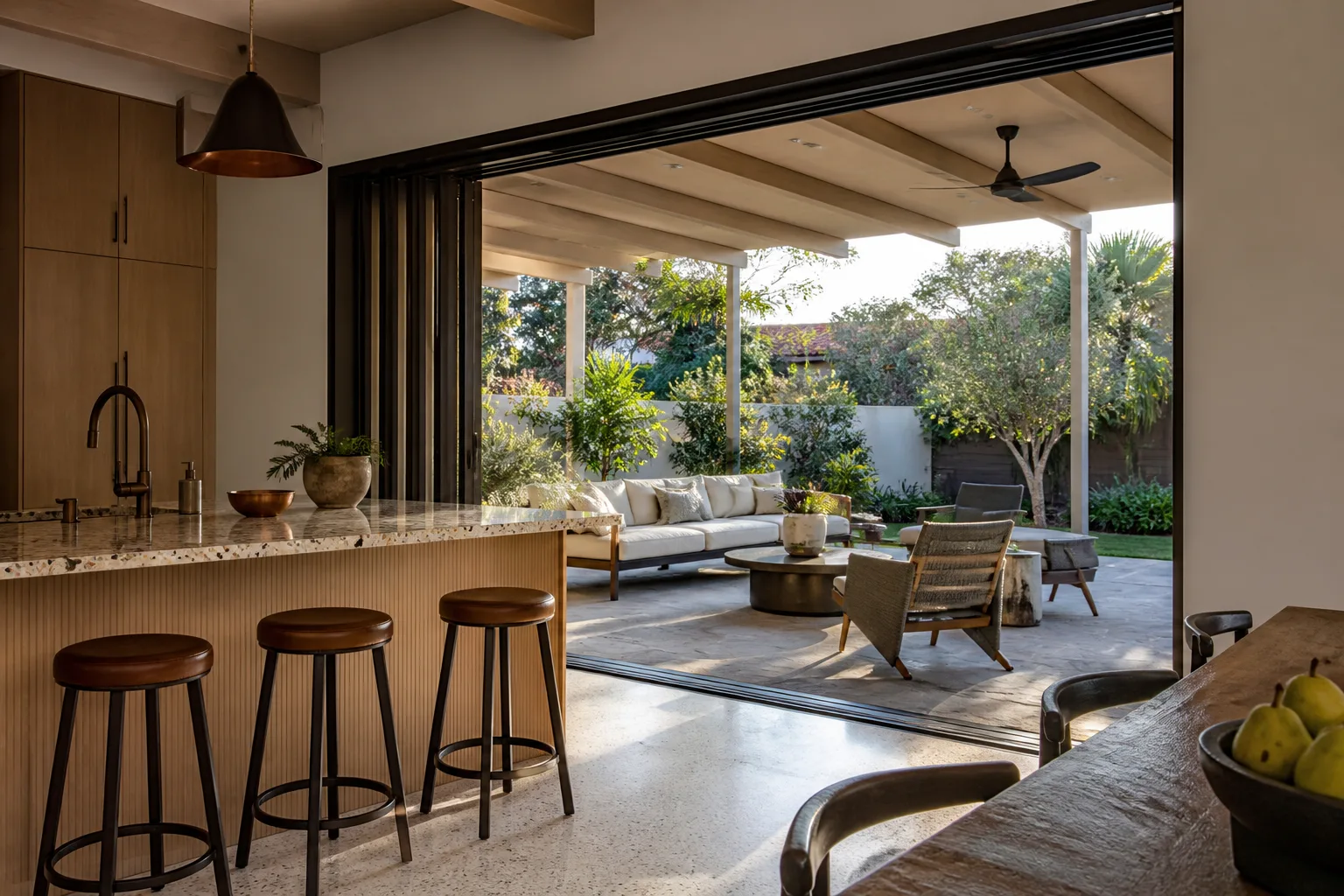
- Kitchen remodeling
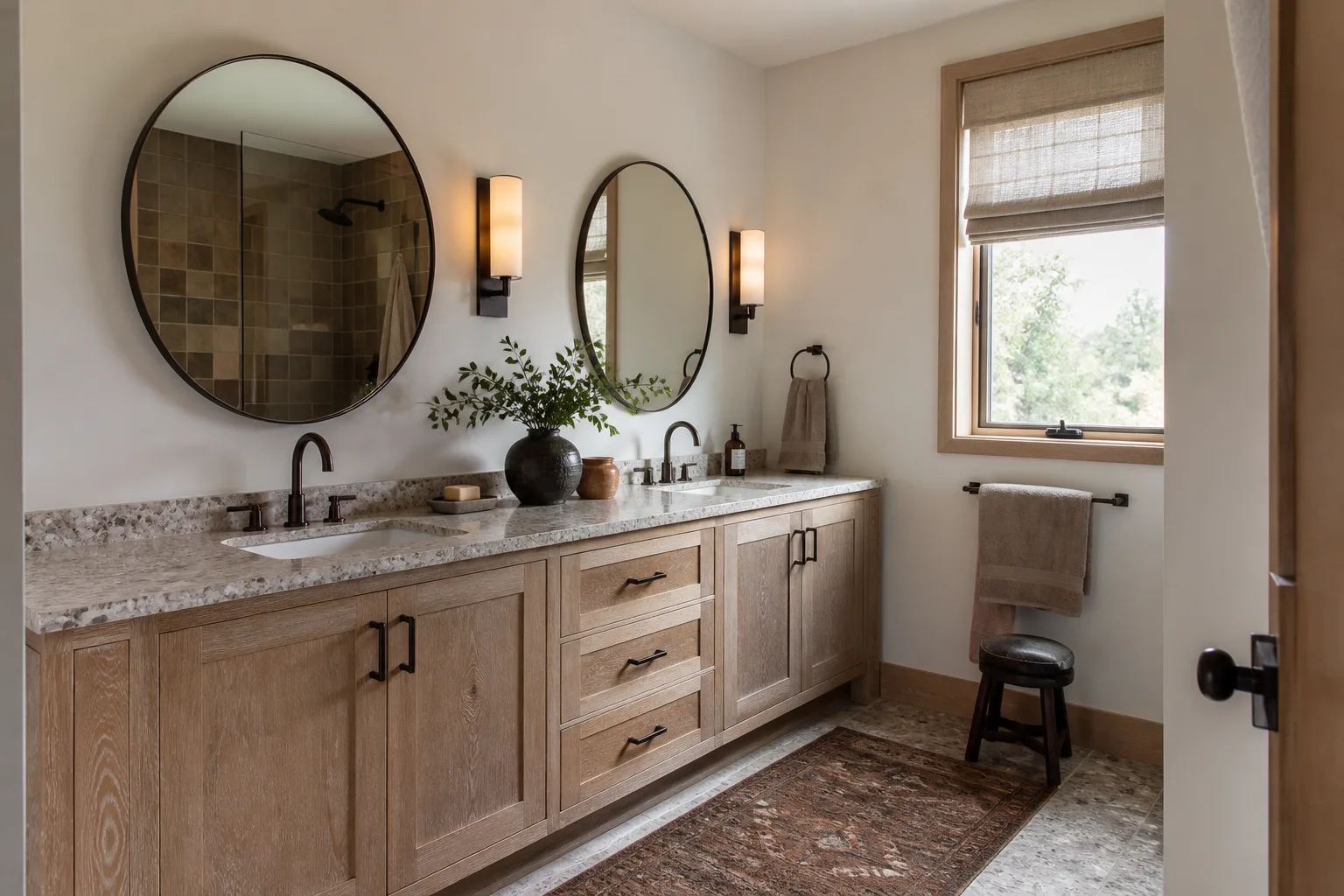
- Bathroom remodeling
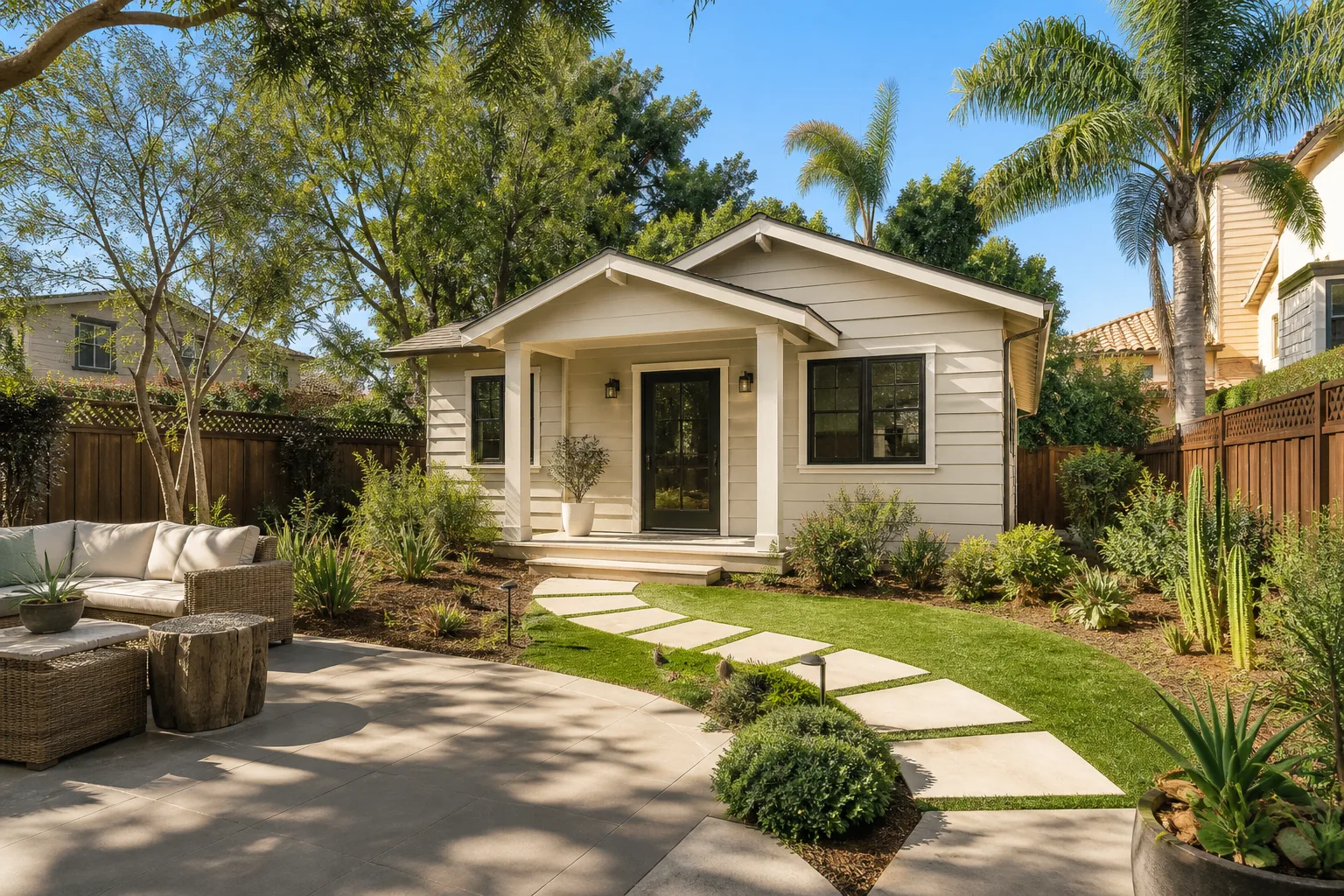
- Home additions & ADU
- Roofing
- Windows & doors
- Driveway & pavers
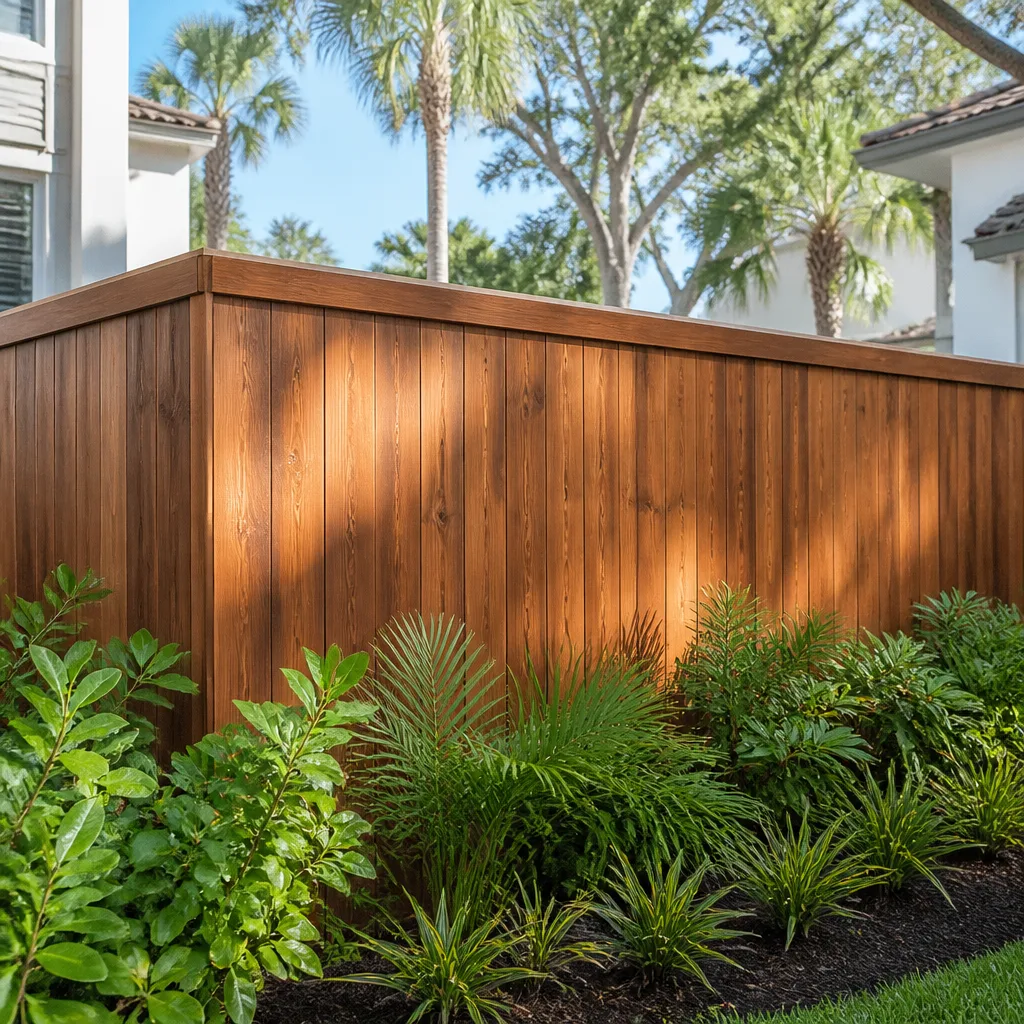
- Fence
See the difference
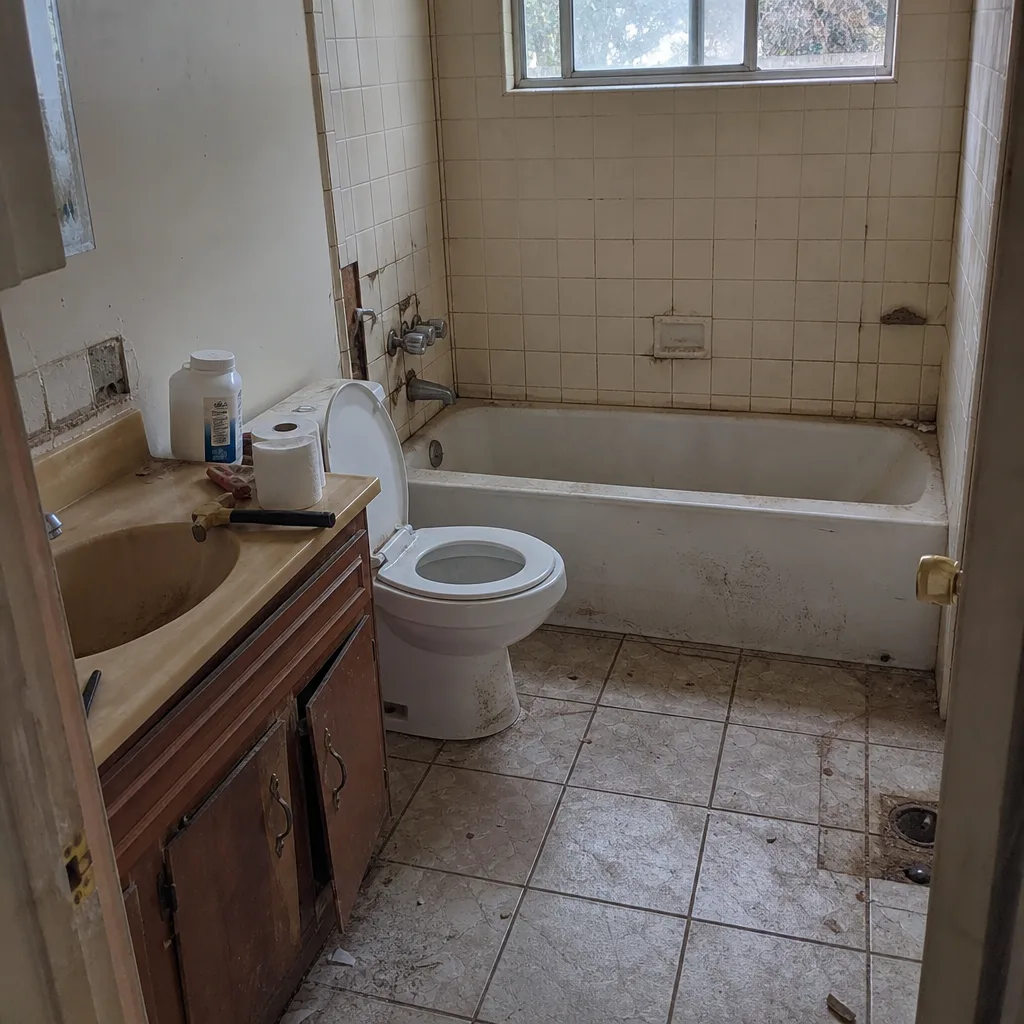 Before
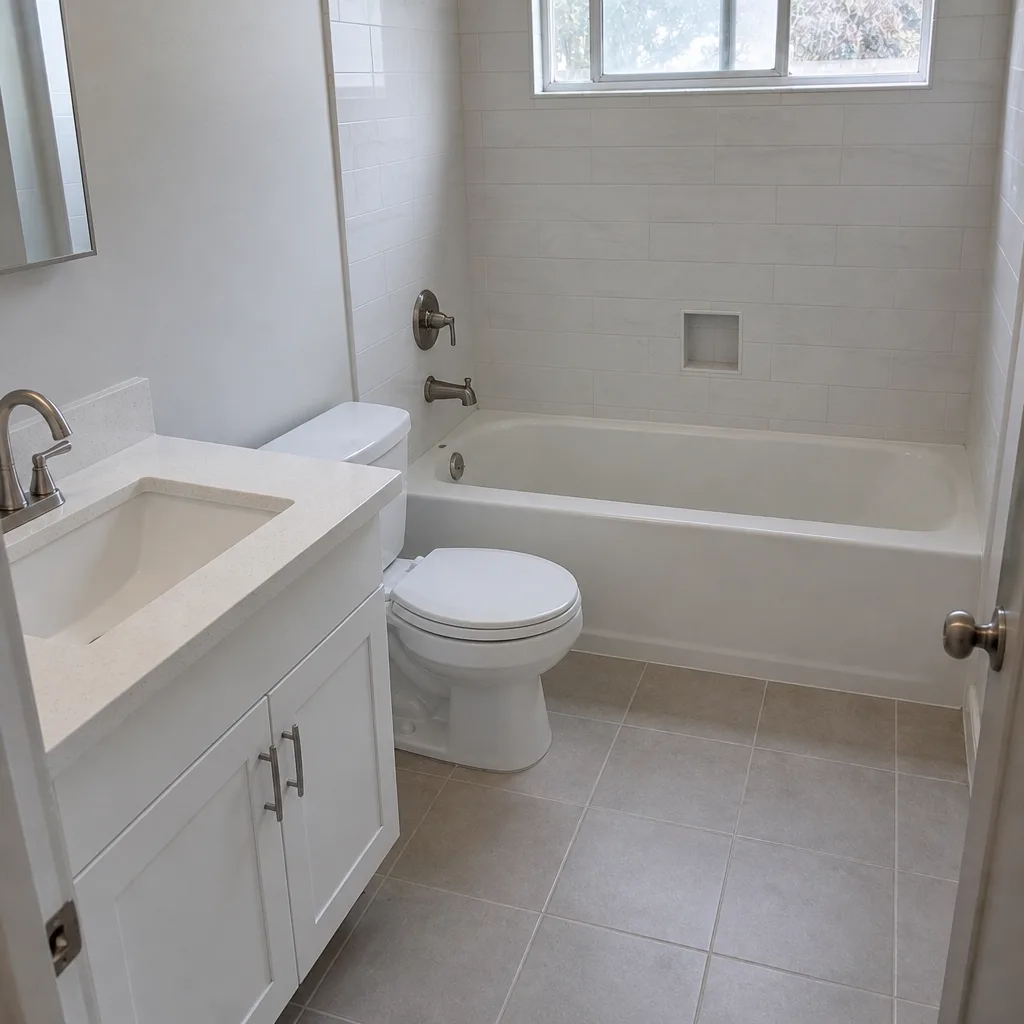 After
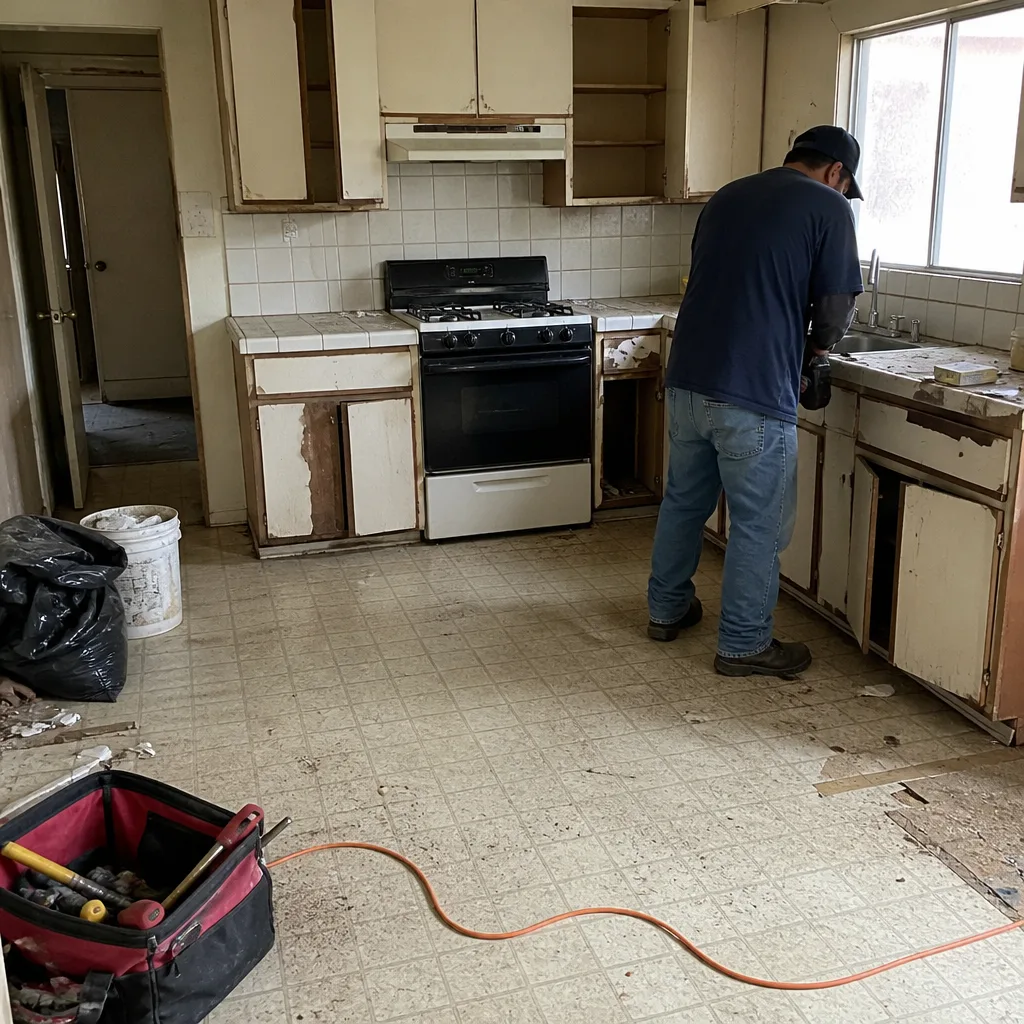 Before
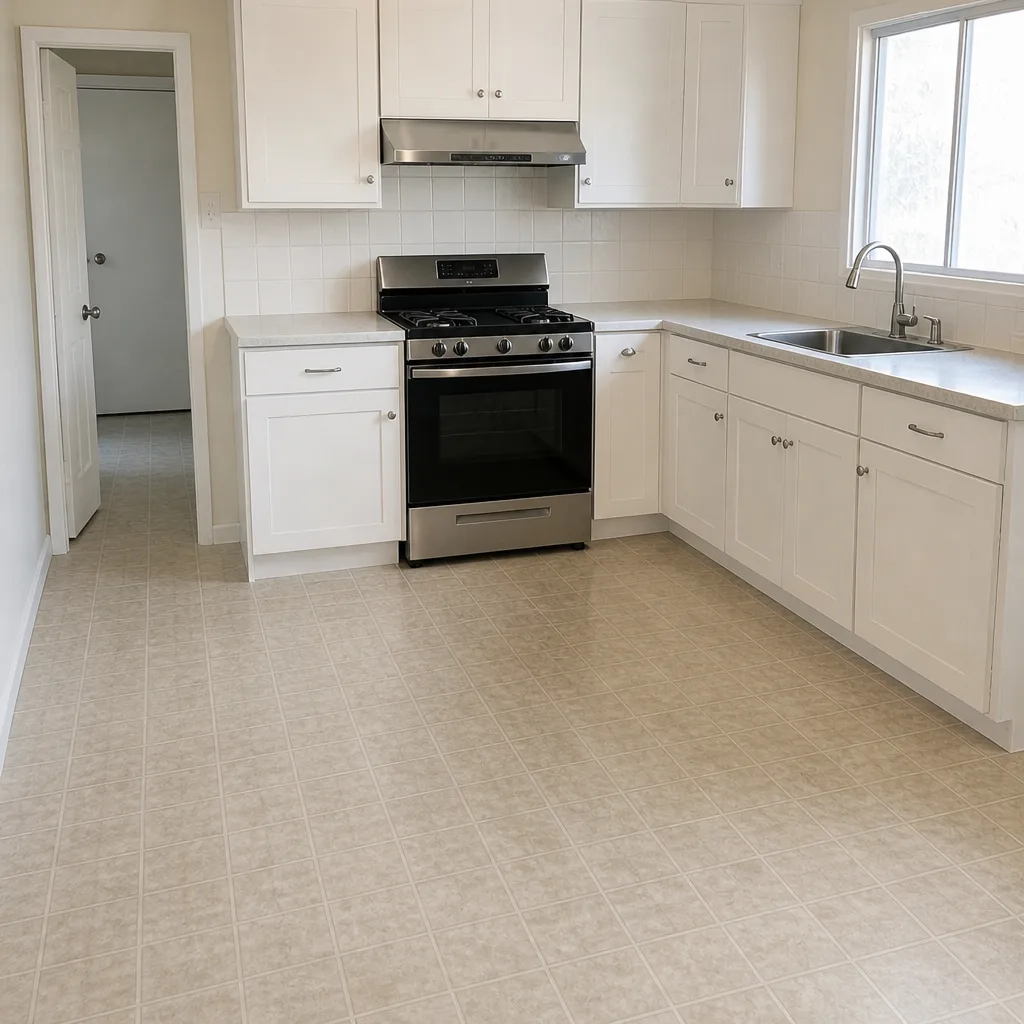 After
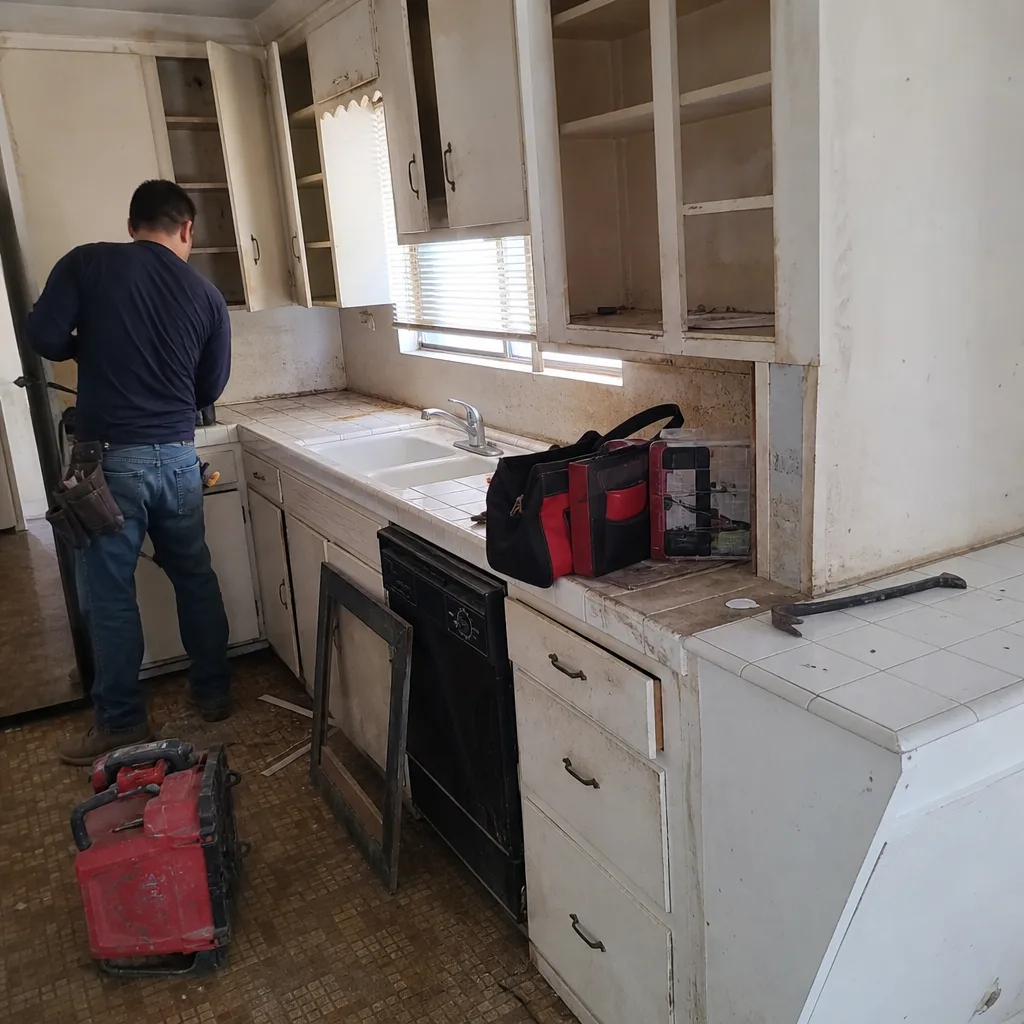 Before
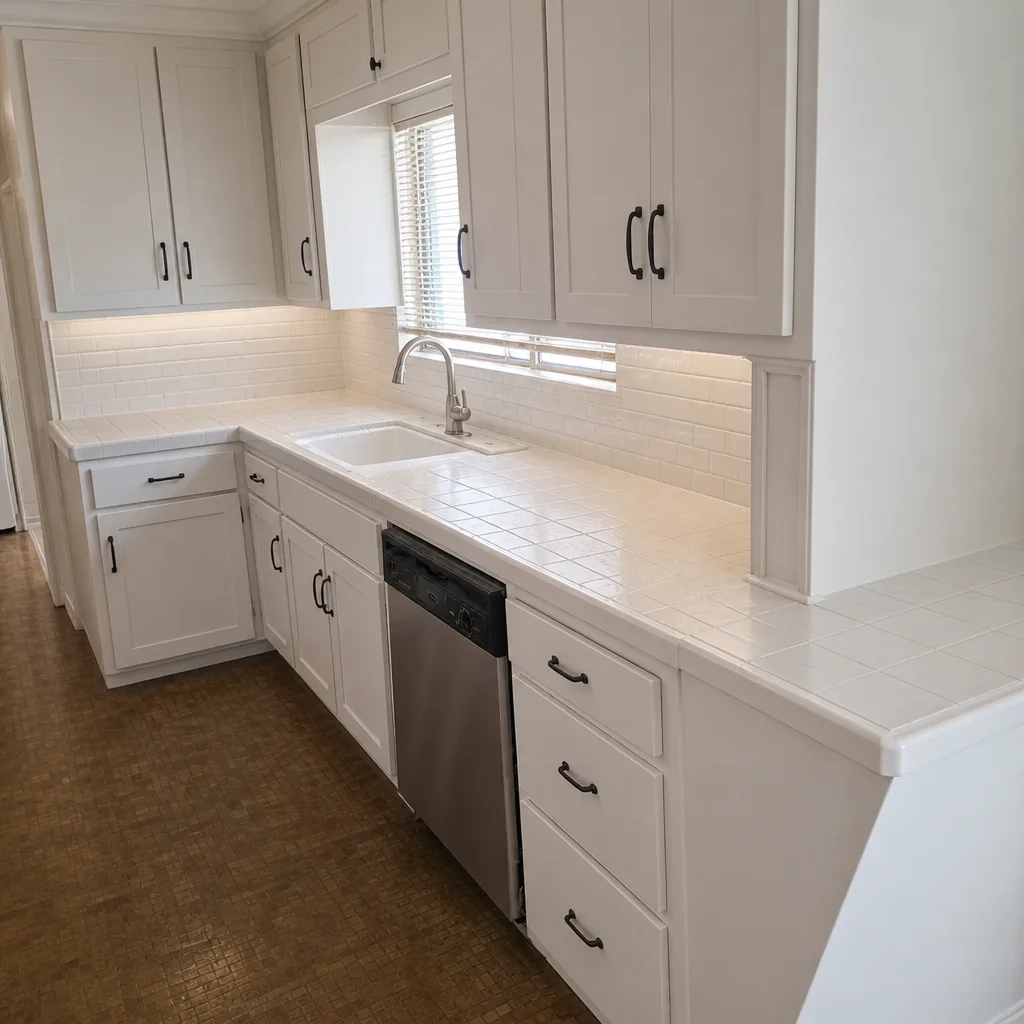 After
Impact vs Hurricane-Proof vs Storm-Rated Windows in West Covina, CA
“Hurricane-proof” is a marketing term, not a code category - and California’s building code doesn’t recognize it at all. “Impact-rated” and “hurricane-resistant” describe real but different test standards (ASTM E1886/E1996 and Miami-Dade NOA respectively), while “storm-rated” has no defined standard whatsoever. Here in West Covina, the rating that actually matters isn’t a hurricane standard - it’s California’s Title 24 energy requirements and, for foothill parcels in the Wildland-Urban Interface, CBC Chapter 7A ember and radiant-heat performance. If a contractor is quoting you Florida specs for a West Covina house, they’re selling the wrong product. For a straight read on what your home needs, call (844) 662-2335.
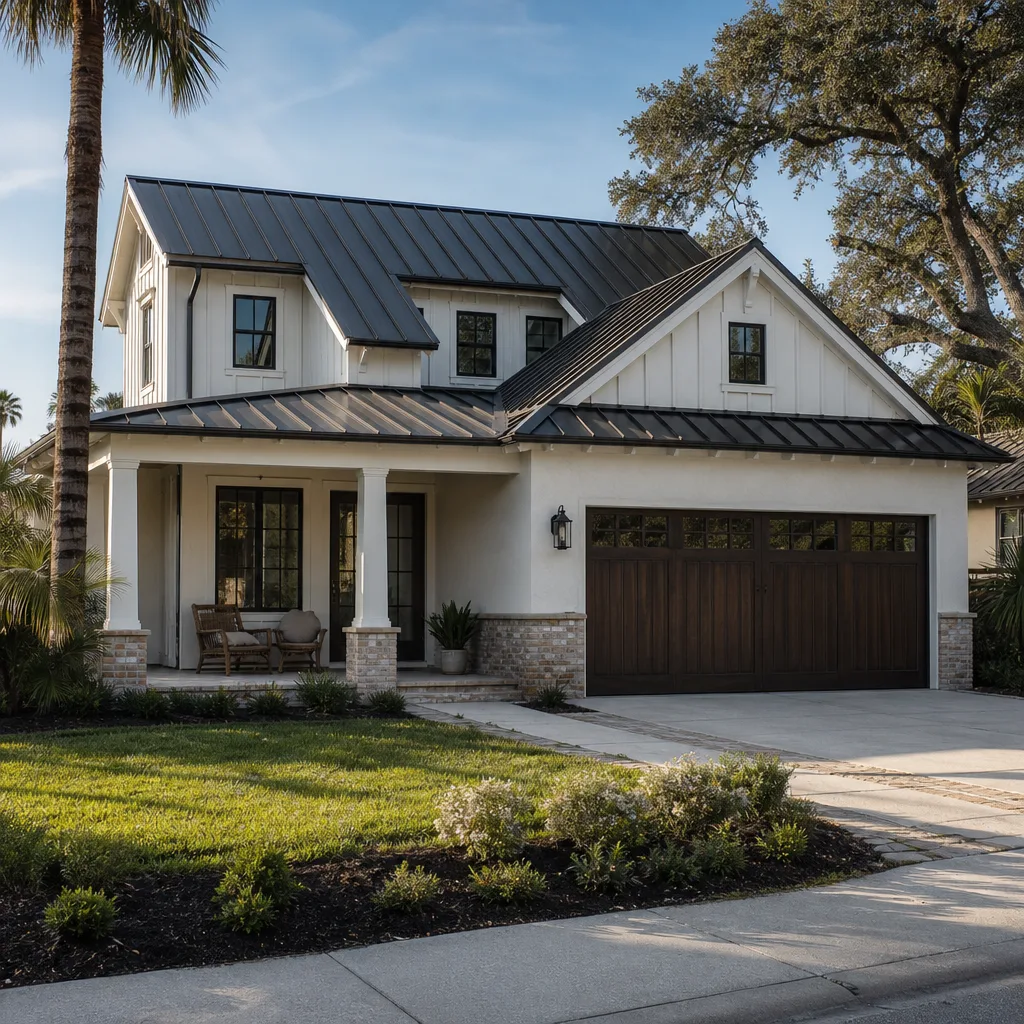
Why West Covina Homes Face a Different Window Risk Than Coastal Buyers
Most of West Covina was built in the 1950s and 1960s - single-story stucco tract homes on wood framing, with the original single-pane aluminum sliders still in place on a surprising share of them. Those windows weren’t designed for anything close to what the San Gabriel Valley throws at glass today: dry Santa Ana wind events that push debris and embers through the foothill edges above the city, plus hot, dry summers that stress sealants and glazing year after year.
Because West Covina is largely built out, there’s very little new construction here. Window work is almost always replacement or part of a larger remodel or addition - which means the spec decision lands on the homeowner, not a production builder with an engineering department behind them. That’s exactly where the three marketing terms cause the most expensive confusion.
Out in the older tracts, hillside and near-creek lots often sit on expansive clay that swells and shrinks with the seasons. That matters to window work in one specific way: as a foundation shifts, frames rack out of square, and a window that was perfectly sealed at install can start binding or leaking at the corners years later. It’s a condition we don’t see nearly as often in flatter neighboring cities, and it’s a reason we measure openings and check frame square on every replacement rather than ordering to the old unit’s sticker size.
What Each Term Actually Means (and What It Doesn’t)
This is the part every generic article collapses into one blurry definition. They’re not synonyms, and they’re not interchangeable specs.
- Impact-rated: This has a real definition. It references ASTM E1886 and E1996 testing - a large missile (typically a 9-pound 2×4 fired at speed) plus cyclic pressure loading. It tells you the glass assembly survived a simulated projectile strike without breaching. It does not tell you anything about ember intrusion or radiant heat.
- Hurricane-resistant / hurricane-proof: “Hurricane-resistant” usually points to Miami-Dade NOA protocols developed for High-Velocity Hurricane Zones - wind-driven rain, missile impact, and pressure cycling in a hot, humid coastal environment. “Hurricane-proof” is pure advertising. No standard exists for it, and nothing is truly proof against a storm.
- Storm-rated: An unregulated marketing phrase. There’s no governing body, no test protocol, and no certification behind it. A window can be labeled “storm-rated” with zero third-party testing. Treat it as decoration until someone hands you a spec sheet.
What California Code Actually Requires for a West Covina Window
Two frameworks govern window performance in West Covina, and neither one is a hurricane standard.
The first is Title 24, California’s energy code. It sets maximum Solar Heat Gain Coefficient (SHGC) and U-factor requirements by climate zone. West Covina sits in Climate Zone 10 - the thermal mass / hot-interior valley designation - which means a window that performs beautifully on a coastal job may not meet the SHGC limit here. A low SHGC number is doing real work on a west-facing window in August, cutting the solar gain that drives up cooling costs.
The second is CBC Chapter 7A, which applies to parcels in the Wildland-Urban Interface. For those homes, the code specifies ember resistance and glazing integrity under radiant heat - threats that hurricane missile testing simply doesn’t address. A window that passed a Miami-Dade large-missile test is not automatically the right spec for a West Covina foothill property, because it was never tested for the thing that actually threatens that house. The relevant standards for a WUI window are different in kind, not just degree.
This is where Groundwork Construction Co. of West Covina earns its keep on spec work. We specify Andersen and Marvin products because both publish documented NFRC ratings and applicable WUI compliance certifications on the units we install. You’re not buying a label - you’re buying a verified spec sheet you can hand to an inspector or an insurer. See our full Windows & Doors scope for what we handle.
The Two Questions That Cut Through All Three Terms
Forget the marketing. When a West Covina homeowner is shopping windows, there are exactly two questions worth asking:
- “Is this window rated for WUI ember intrusion under CBC 7A?” If your parcel is in or near the foothill WUI zone, this is the spec that matters. If the answer is “it’s hurricane-rated,” that’s not an answer.
- “Does it meet Title 24 SHGC requirements for Climate Zone 10?” Any reputable supplier can produce the NFRC label showing SHGC and U-factor. If they can’t, the window isn’t compliant for West Covina.
A large-missile impact rating is a fine thing to have - it speaks to glass strength in a debris event. But it’s a supporting credential, not the headline. Storm-rated is not a credential at all.
What Does Impact Window Installation Cost in West Covina?
Here’s the honest ballpark for the West Covina market, so you can sanity-check any bid that lands on your table. Numbers vary with unit count, frame material, and whether the openings need reframing.
| Window Work | Typical West Covina Range |
|---|---|
| Impact window installation | $8,000 - $25,000 |
| Standard window replacement | $4,500 - $15,000 |
A whole-house impact package sits at the top of that first range. A couple of windows replaced because a WUI-adjacent room is the weak link sits at the bottom. Either way, we quote upfront and the number you see is the number you pay - no change-order surprises after the crew is on site. The West Covina service area page covers how we schedule and stage the work, window replacements included as part of larger renovations.
How We Handle the Spec Side
Our technicians have up to 12 years of experience on window and door work, and they’re background-checked and arrive in uniform - the person measuring your openings is the same person who’ll answer questions about the spec. Every install is covered by our 730-Day Done Right Promise: if something isn’t right, we make it right. And because good windows usually pair with a bigger improvement, remember the standing offers - $1,000 off projects over $10,000, a free estimate and design consult, and 0% financing for 18 months. Calls are answered by a live person 24/7, so you’re never waiting until Monday to ask whether your window meets the spec.
FAQs
No. A hurricane-rated window has passed a large-missile impact standard (ASTM E1886/E1996) plus cyclic pressure testing in a coastal-weather context. A WUI-rated window is evaluated for ember resistance and glazing performance under radiant heat under CBC Chapter 7A - a different threat model entirely. For West Covina foothill properties, WUI compliance is the spec that matters; hurricane ratings are a secondary credential, not the headline. Call (844) 662-2335 and we’ll tell you which one your parcel actually needs.
Nothing official. There is no defined standard, no governing body, and no certification behind “storm-rated” - it’s a marketing label a manufacturer can apply without any third-party testing. Ask instead for the NFRC label showing SHGC and U-factor, plus any WUI certification for the unit. If a seller can’t produce the paperwork, the label is noise. Call (844) 662-2335 and we’ll walk you through what to demand from any bid.
Impact window installation in West Covina typically runs $8,000 to $25,000, while standard window replacement falls in the $4,500 to $15,000 range. The spread reflects how many units you’re replacing, the frame material, and whether openings need reframing. Call (844) 662-2335 for an exact, no-pressure quote - estimates are free.
Yes. Any window replacement in West Covina has to meet Title 24’s SHGC and U-factor limits for Climate Zone 10 - the solar heat gain coefficient matters most on west- and south-facing glass. A window that performs fine on the coast may fail here. Call (844) 662-2335 and we’ll confirm the right spec before you order.
If you’d rather have it looked at, Groundwork Construction Co. of West Covina offers a no-pressure assessment in West Covina - call (844) 662-2335 for a free estimate. We’ll read the code for you.
Written by the team at Groundwork Construction Co. of West Covina, serving West Covina, CA.