Free written scope consultation - allowances, timeline, and change-order rules on paper before a single trade is scheduled
Styles & brands we work with
- Kitchen remodeling
- Bathroom remodeling
- Home additions & ADU
- Roofing
- Windows & doors
- Driveway & pavers
- Fence
See the difference
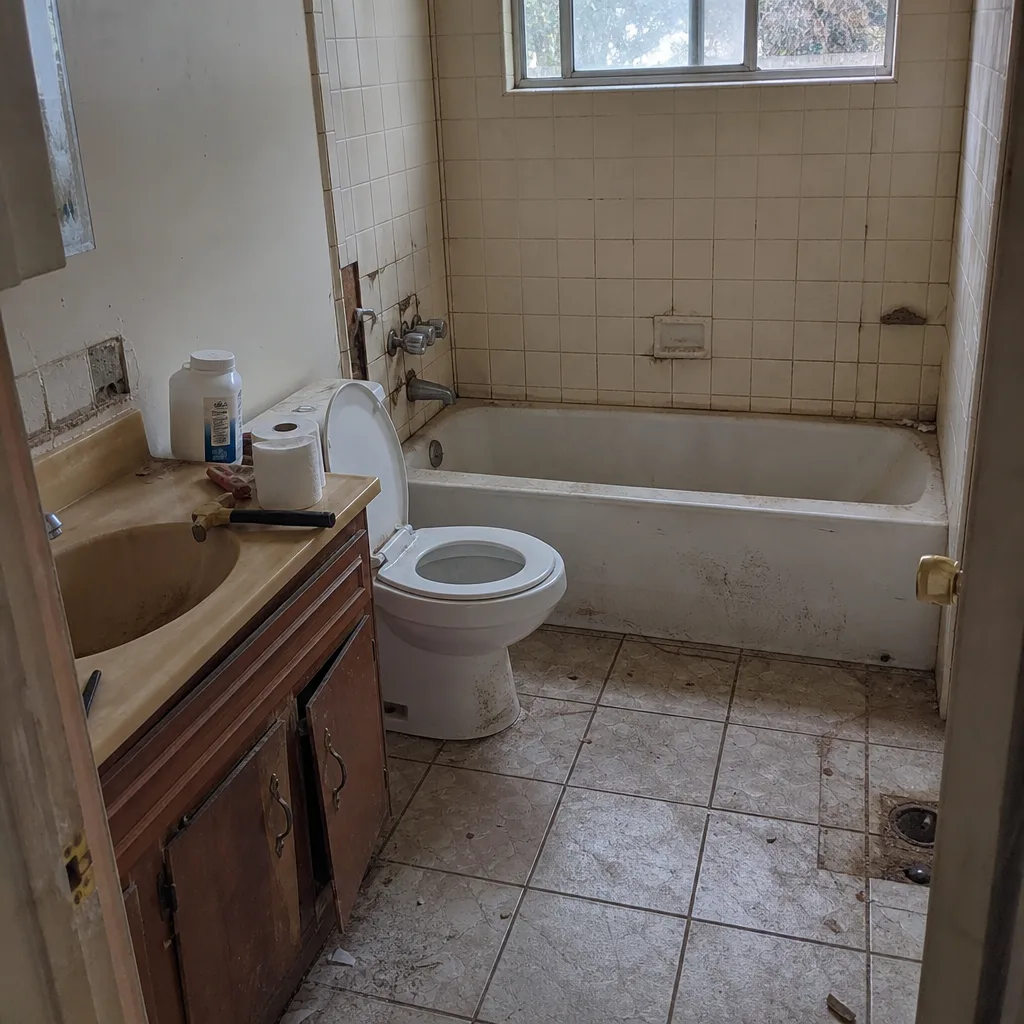 Before
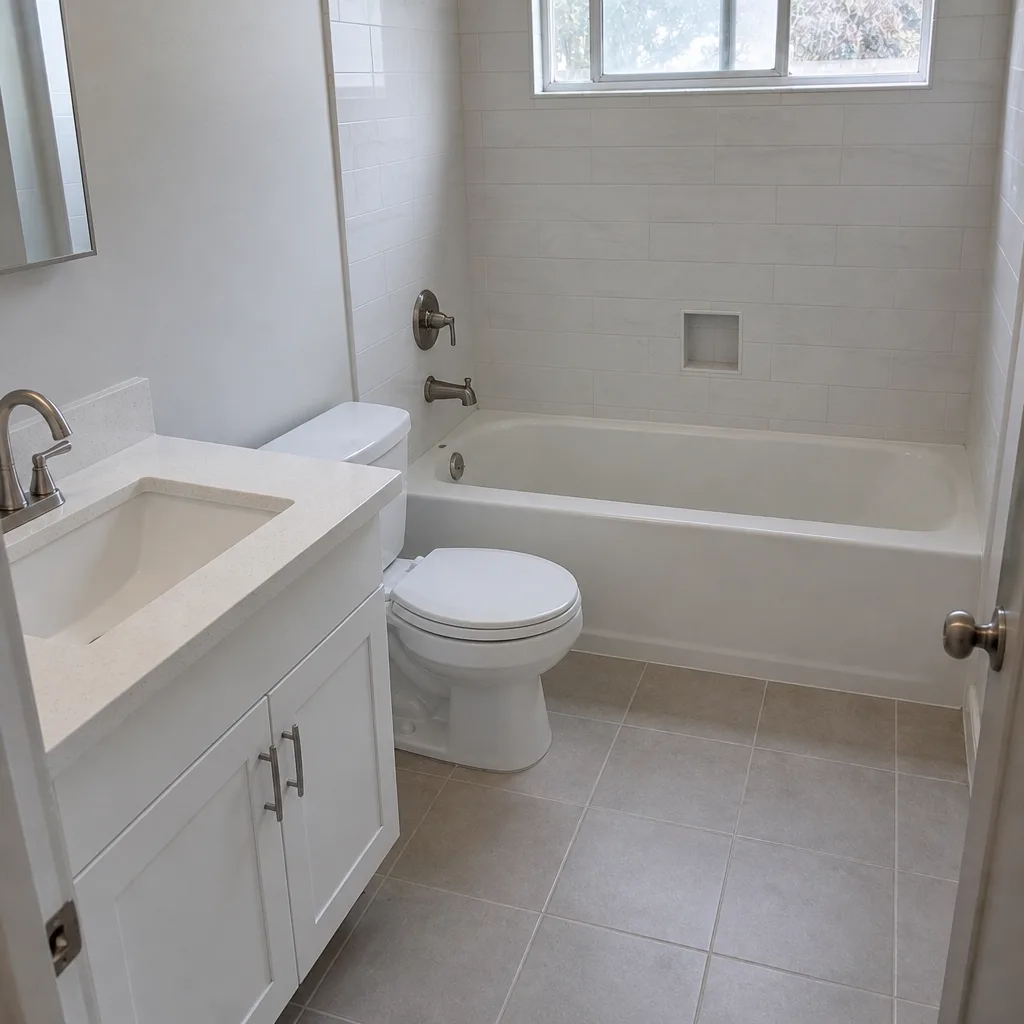 After
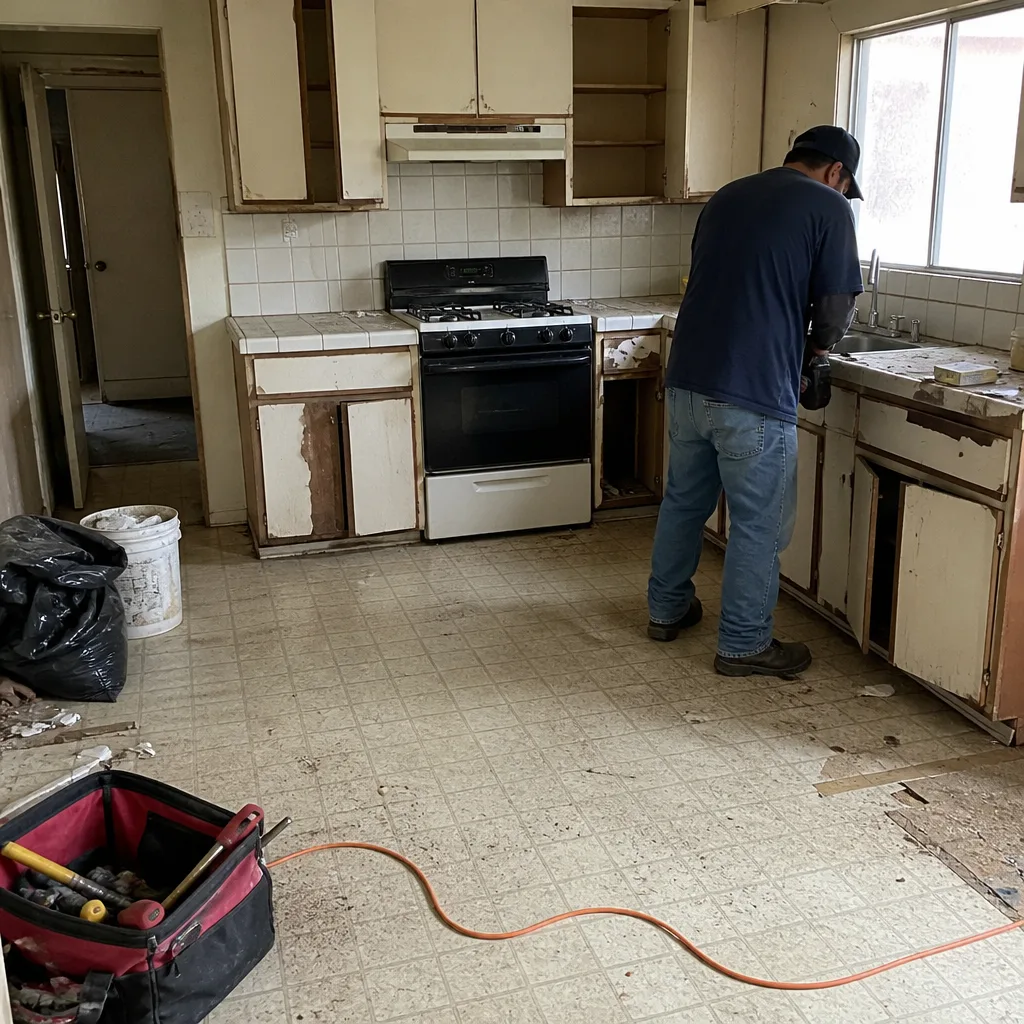 Before
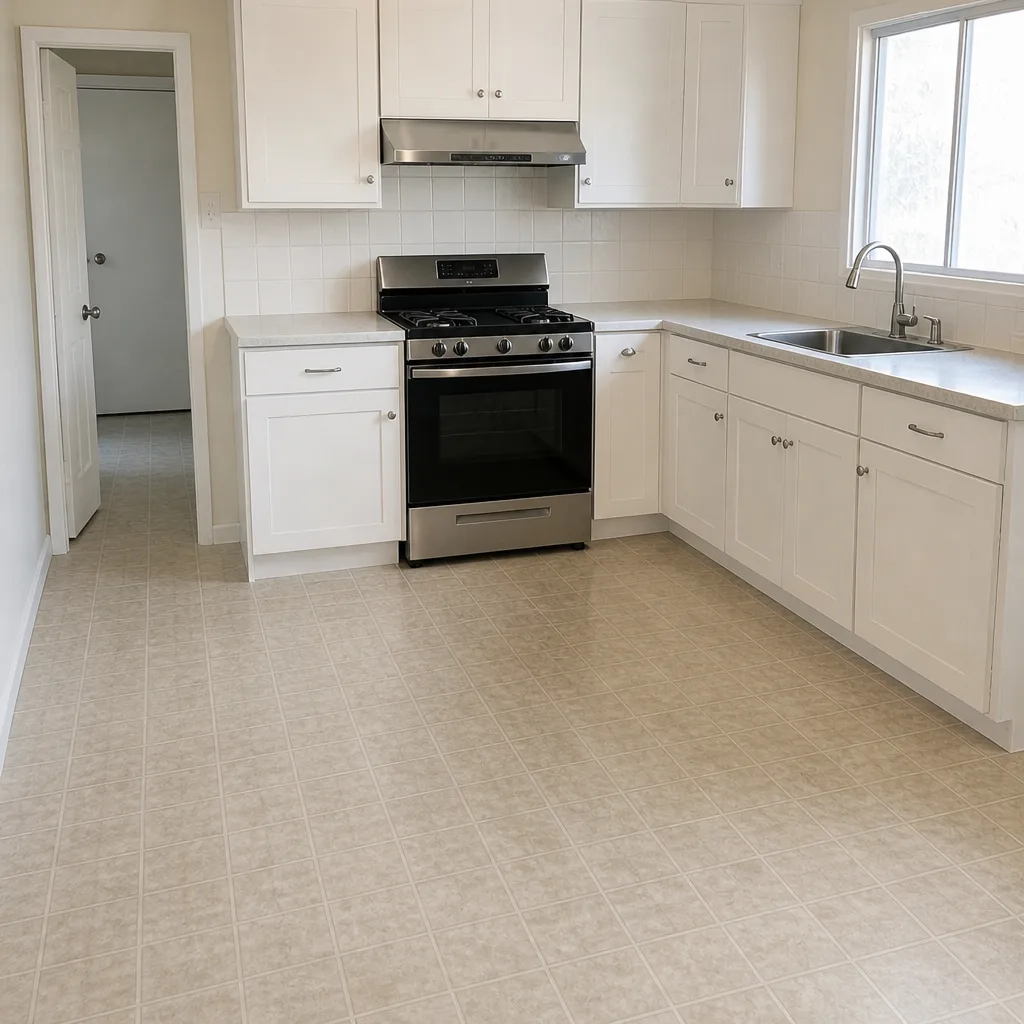 After
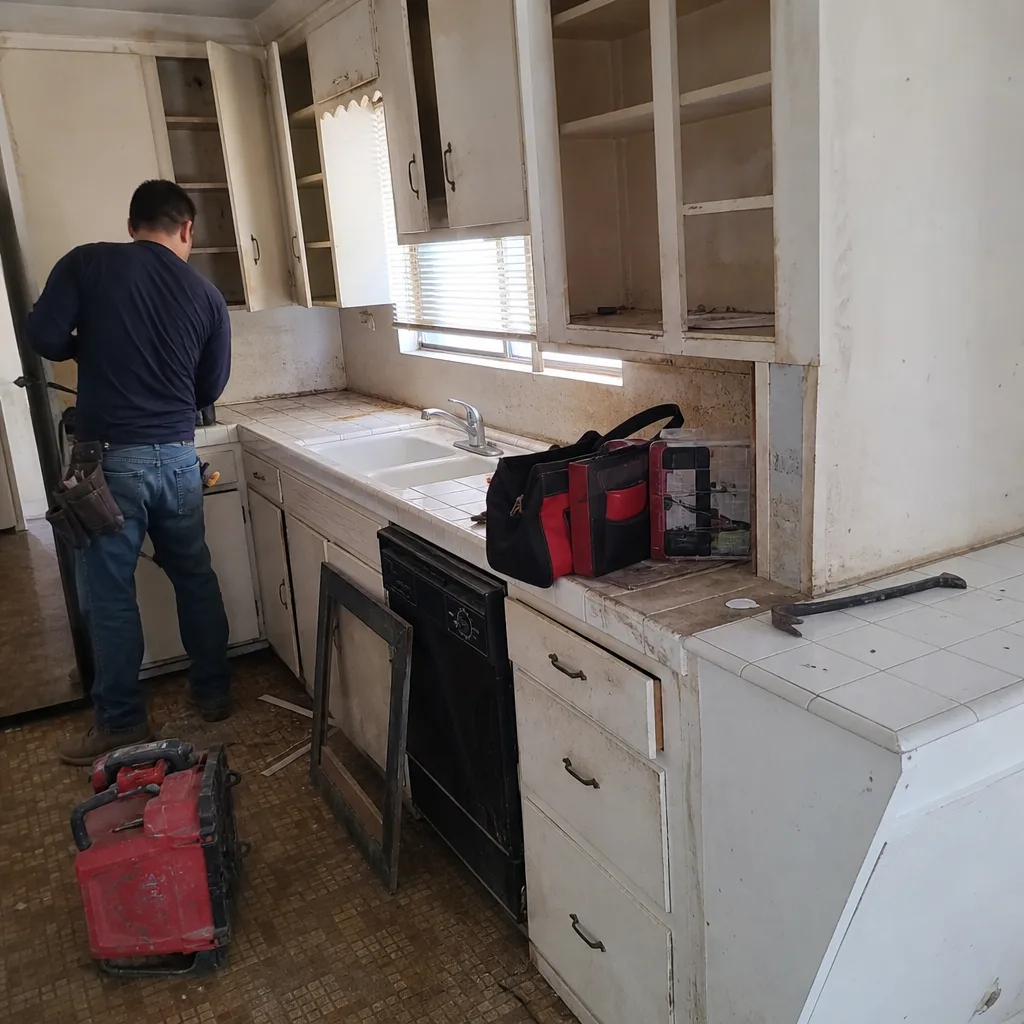 Before
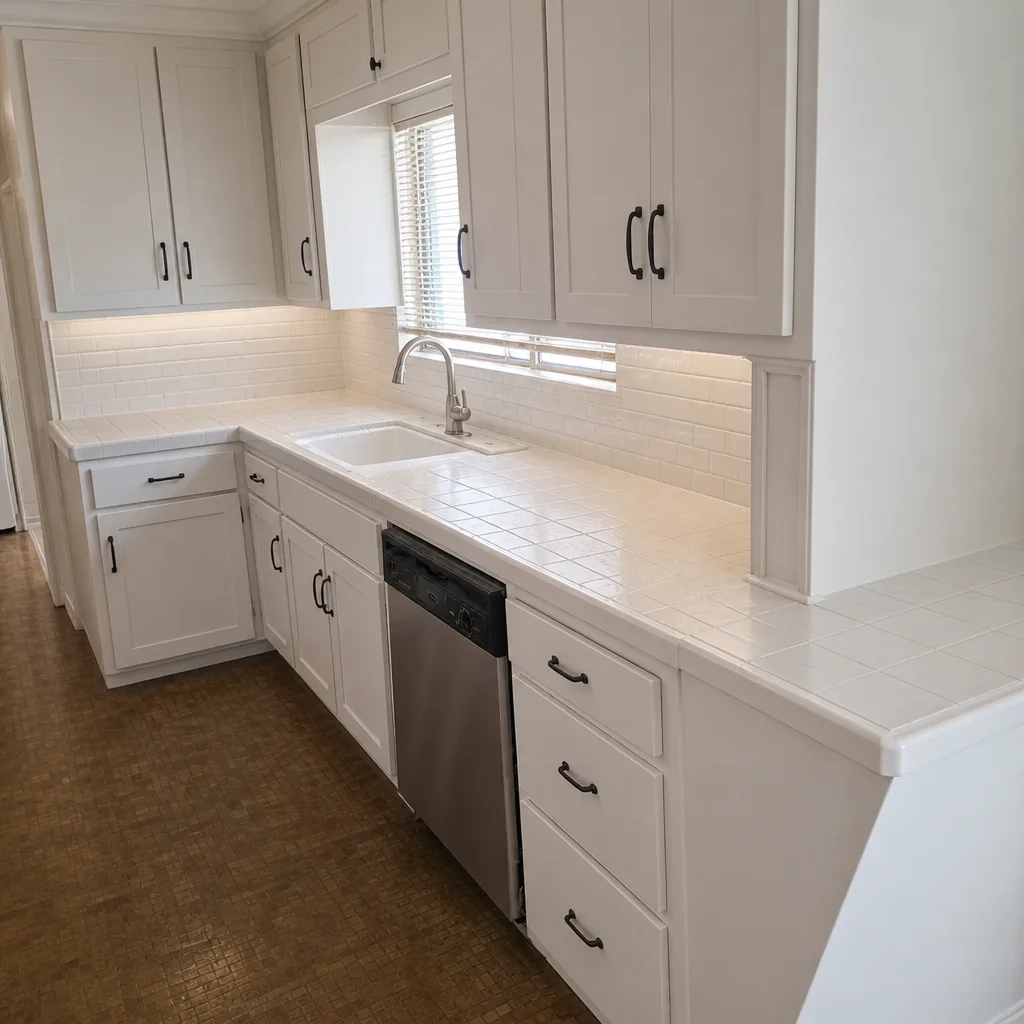 After
Garage Conversion vs New ADU in West Covina: Which One Your Lot Actually Allows
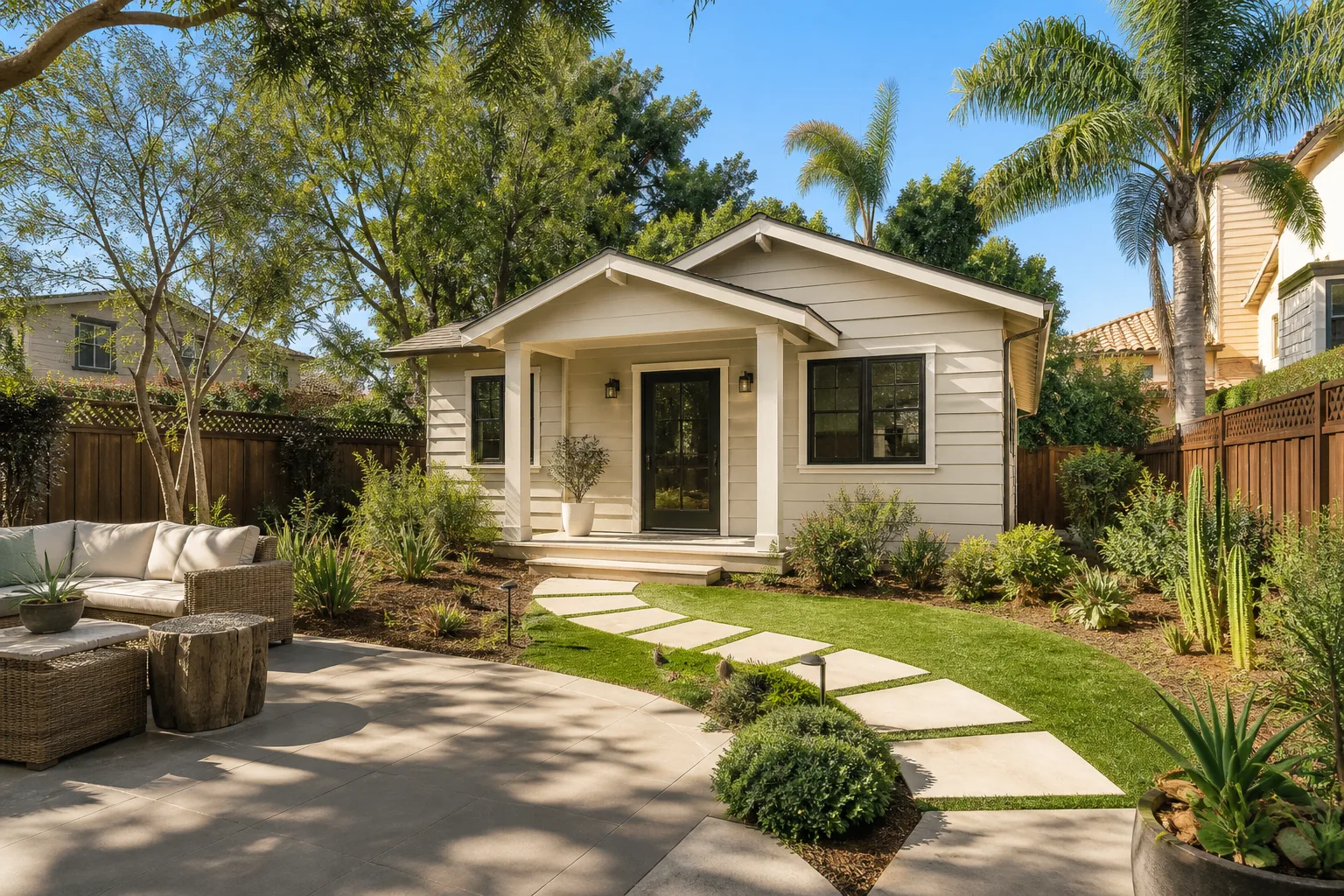
Choose a garage conversion unless your lot has room under West Covina’s coverage cap and you need the extra square footage or rental premium a detached unit delivers. For most homeowners in this city, the garage conversion wins on cost, timeline, and permit risk. On a standard 7,000 sq ft R-1 lot that’s already around 38% covered, a detached new ADU can push you past the 40-45% coverage cap outright, which makes the conversion the only path that clears the city. Call (844) 662-2335 and we’ll run the lot math with you before you commit a dollar.
Why West Covina Lots Rarely Give You a Free Choice
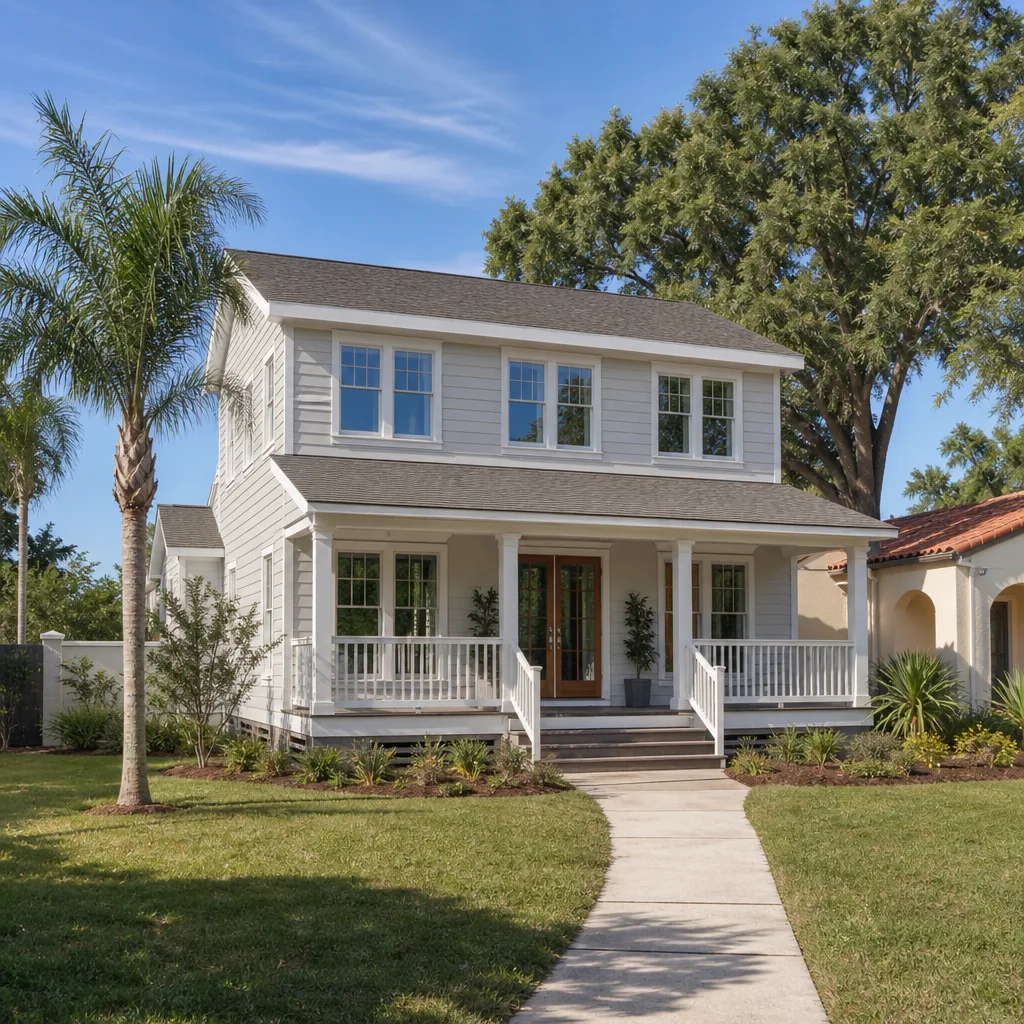
West Covina is a mid-century San Gabriel Valley suburb, and most of its housing went up in the 1950s and 1960s. The city is largely built out. That means the ADU conversation here almost never starts with “what do I want” and almost always starts with “what will this lot legally and physically support.” Home Additions & ADU work in West Covina is engineered for seismic load under California code and, on many lots, for the expansive clay that runs through the older tracts.
So we don’t open with a sales pitch. We open with three checks, in this order, because skipping any one of them is how homeowners end up over budget or holding a plan the city won’t approve.
- Lot coverage first. Add up the footprint of the house, existing garage, patios, and any accessory structures. If the remaining allowance is thin, a detached ADU is off the table before cost even matters. A conversion keeps the footprint where it is.
- Soil classification second. Hillside and near-creek lots in West Covina often sit on expansive clay that swells and shrinks with the seasons. A detached unit on that ground can need deeper piers or a post-tension slab, and that foundation work can add $15,000-$30,000 to the new-build side of the ledger. Clay-flagged lots are far more common here than in flatter neighbors like Covina or Baldwin Park.
- Fire overlay third. Lots toward the northern foothills may fall in a fire hazard zone, which triggers ignition-resistant construction requirements on a new detached structure. That’s another cost line the conversion sidesteps entirely.
Run those three checks and the decision usually makes itself. For a full picture of what’s buildable on your property, our Home Additions & ADU in West Covina page walks through the build side in detail.
The Real Cost Gap, Adjusted for West Covina
Here’s where the comparison gets concrete. Numbers below reflect what the work actually runs in this market, not a national average.
| Scenario | Typical West Covina Cost | Timeline |
|---|---|---|
| Garage conversion (standard attached two-car garage) | $55,000-$115,000 | 10-16 weeks build, faster permit review |
| New detached ADU, flat lot, clean soil | $150,000-$250,000 | 20-30 weeks build |
| New detached ADU, clay-flagged hillside lot | $275,000-$325,000 | 20-30 weeks build, plus foundation redesign |
The gap isn’t marginal. On a clean flat lot you’re looking at roughly $95,000 more for detached. On a clay-flagged hillside lot that same 800 sq ft detached unit can run $220,000 to $270,000 above the conversion. Those are two different financial decisions, and a generic online calculator won’t tell you which one you’re facing.
That’s before the garage conversion’s own rough edges show up. A 1950s West Covina garage frequently needs its slab addressed, its electrical brought up to current panel capacity, and its insulation and HVAC extended from the house. We price the condition, not the assumption. A conversion on a garage that’s stayed dry and sound lands near the low end; one with a cracked slab and a panel upgrade pushes toward $115,000.
Does the Rental Income Difference Change the Math?
Sometimes, yes. A detached 800 sq ft ADU with its own yard access rents for roughly $400-$600 more per month in the San Gabriel Valley market than a garage conversion ADU with no outdoor space. Add up the year and that’s $4,800-$7,200 in extra revenue, which is real money. But run it against the cost gap. A $95,000 premium against $6,000 a year in extra rent is a long break-even, and on the clay-flagged hillside version the break-even stretches well past a decade.
If your lot is flat, the soil is clean, coverage room exists, and you want a separate rental with privacy and its own entrance, the detached unit earns its keep. If any of those conditions fail, the premium shrinks the return and the conversion makes more sense. We’d rather tell you that plainly than sell you the bigger project.
Which One Gets You Rental Income Sooner?
Convert your garage. A conversion permit is typically reviewed faster because there’s less structural complexity and no new foundation, and construction runs 10-16 weeks versus 20-30 weeks for a detached new build. Add the permit window and the conversion path can start producing rent 3 to 6 months sooner than a new detached unit. In a market where every vacant month is lost income, that head start narrows the ROI gap more than most homeowners expect.
The other thing worth knowing: a Home Additions & ADU project of either type gets a full written scope with line-item pricing before you commit to anything. That matters more than it sounds. The most common mistake we see is homeowners comparing a low-ball conversion quote to a padded new-build estimate and drawing the wrong conclusion. Apples-to-apples pricing is what makes the decision honest.
What Else Should You Weigh Before Choosing?
A few things that don’t show up on a cost sheet but shape how the finished unit lives. Converting the garage means you lose covered parking, and in a city where driveways are short that’s a daily inconvenience. A detached ADU keeps the car covered and gives the renter privacy. On the other hand, a conversion is easier to reverse if your needs change, and it stays tied to the main house’s systems, which means fewer separate utilities to maintain.
West Covina’s climate plays a role on both sides. Hot, dry summers make concrete curing and worker safety a scheduling concern on new foundations, and Santa Ana wind events plus seasonal wildfire risk in the foothills push the ignition-resistant requirements we mentioned earlier. Winter rain can expose a poorly drained site during a new build in a way it rarely affects a conversion.
Groundwork Construction Co. of West Covina brings up to 12 years of technician experience to projects across the San Gabriel Valley, and every project is backed by our 730-Day Done Right Promise. If it’s not done right, we make it right, in writing. We use established brand partners across the trades (Caesarstone and Kohler where finishes and fixtures come into play), and the pricing you see is the pricing you pay. Calls are answered by a live person 24/7, and a free estimate and design consult is part of every project.
FAQs
Yes, and by a wide margin. A garage conversion on a standard attached two-car garage runs $55,000-$115,000 in West Covina, while a new detached ADU starts around $150,000 on a clean flat lot and can reach $325,000 on a clay-flagged hillside lot. The gap is large enough that the conversion is the smarter call for most homeowners. Call (844) 662-2335 for an exact quote on your garage.
Often no. West Covina caps lot coverage, and on a typical 7,000 sq ft R-1 lot that’s already around 38% covered, a new detached footprint can push you past the 40-45% cap. That’s the single most common reason we steer homeowners toward a conversion instead. We’ll calculate your coverage before you spend anything.
A garage conversion finishes in 10-16 weeks of construction and clears permit review faster, while a detached new build takes 20-30 weeks. That timeline difference means conversion income starts flowing 3 to 6 months sooner. Call (844) 662-2335 and we’ll map out a realistic schedule for your property.
It can, especially on hillside and near-creek lots where expansive clay is common. Expansive soil forces deeper piers or a post-tension slab on a new detached foundation, which can add $15,000-$30,000 to the build. A garage conversion reuses the existing slab, so it avoids that cost. Call (844) 662-2335 to have your lot’s soil conditions reviewed before you decide.
Let’s Run the Numbers on Your Lot
If you’d rather have it looked at, Groundwork Construction Co. of West Covina offers a no-pressure assessment in West Covina. We’ll check coverage, soil, and fire overlay, then put both options side by side in writing so you can see exactly what each one costs and earns. Call (844) 662-2335 for a free estimate and design consult.
Written by the team at Groundwork Construction Co. of West Covina, serving West Covina, CA.