Free written scope consultation - allowances, timeline, and change-order rules on paper before a single trade is scheduled
Styles & brands we work with
- Kitchen remodeling
- Bathroom remodeling
- Home additions & ADU
- Roofing
- Windows & doors
- Driveway & pavers
- Fence
See the difference
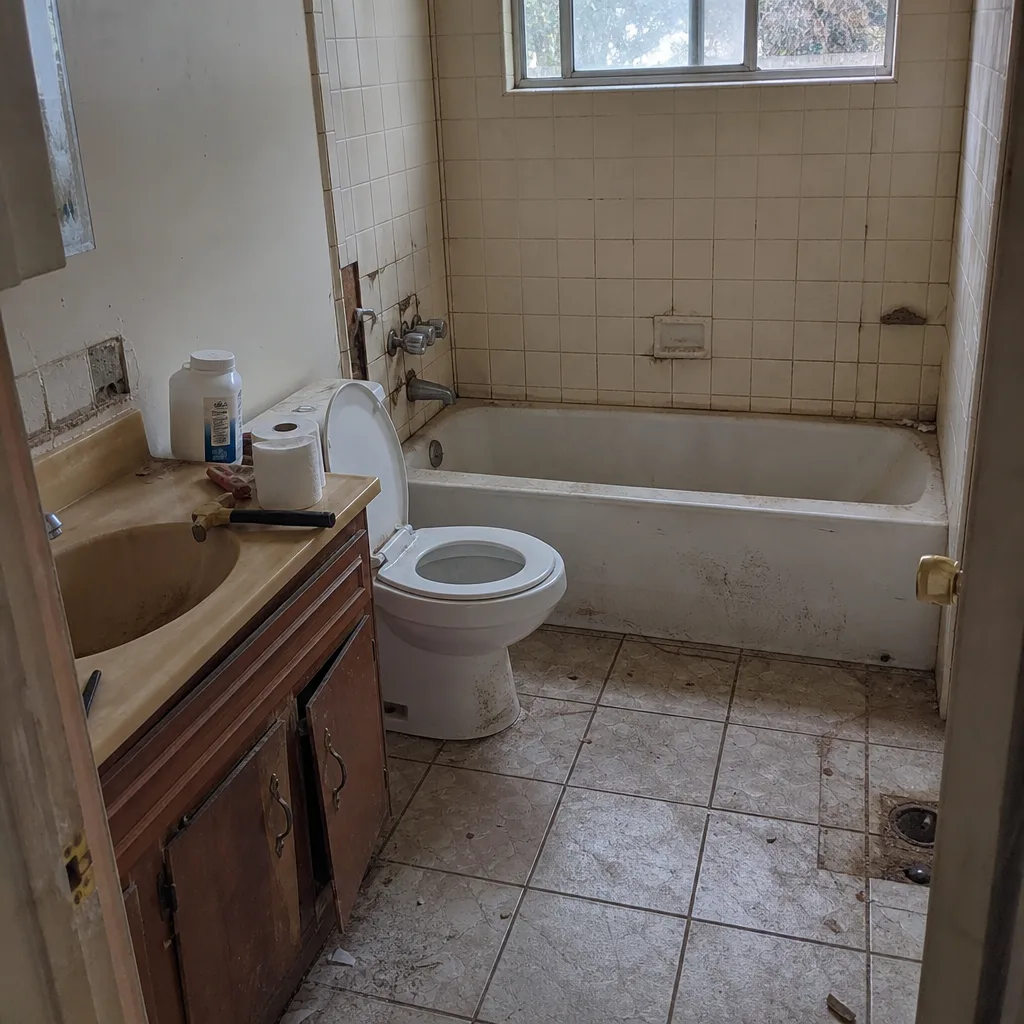 Before
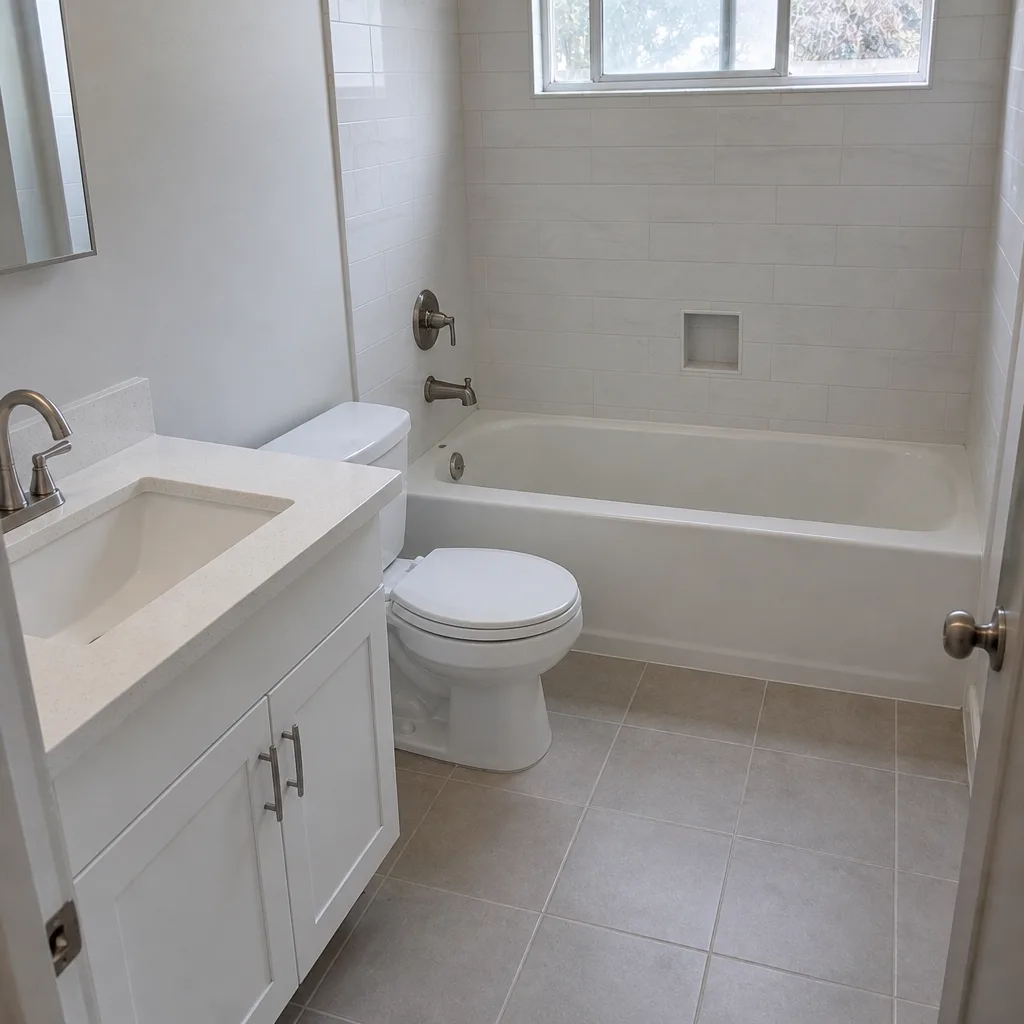 After
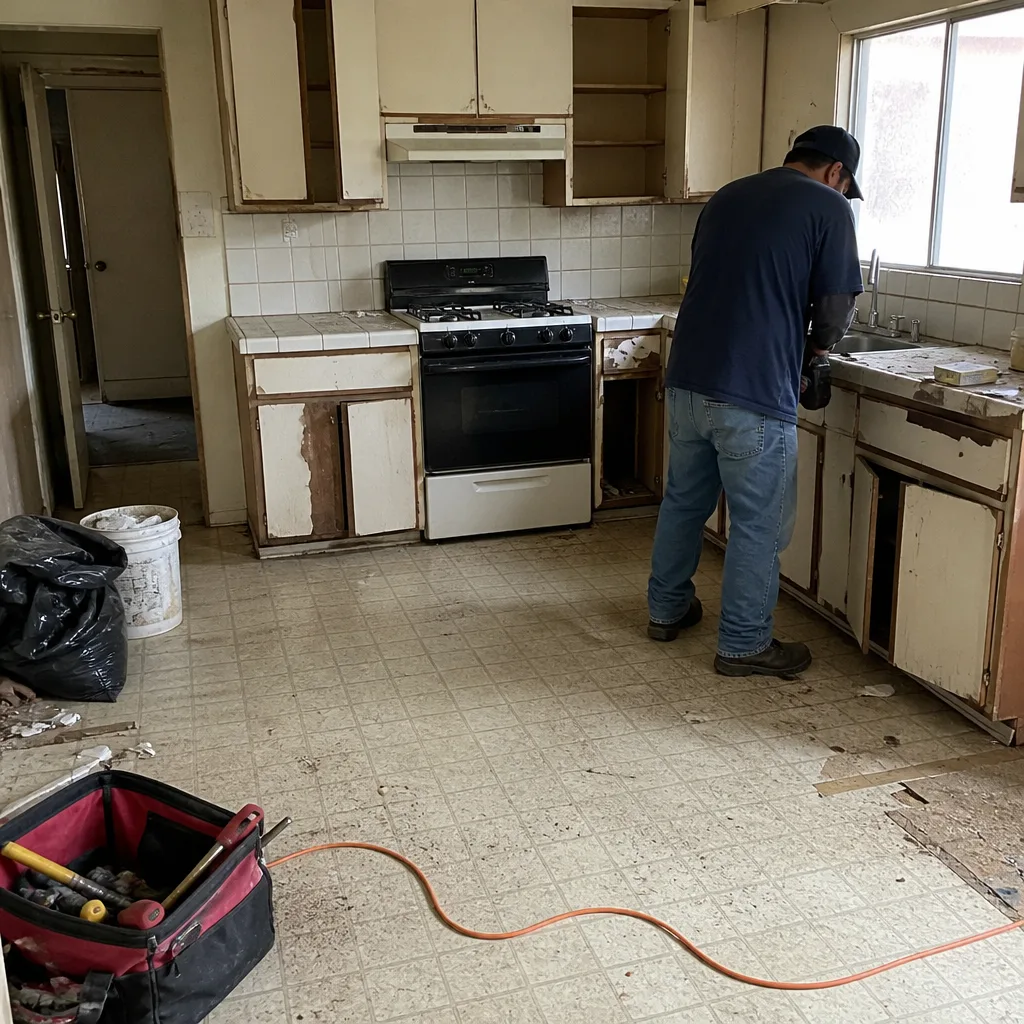 Before
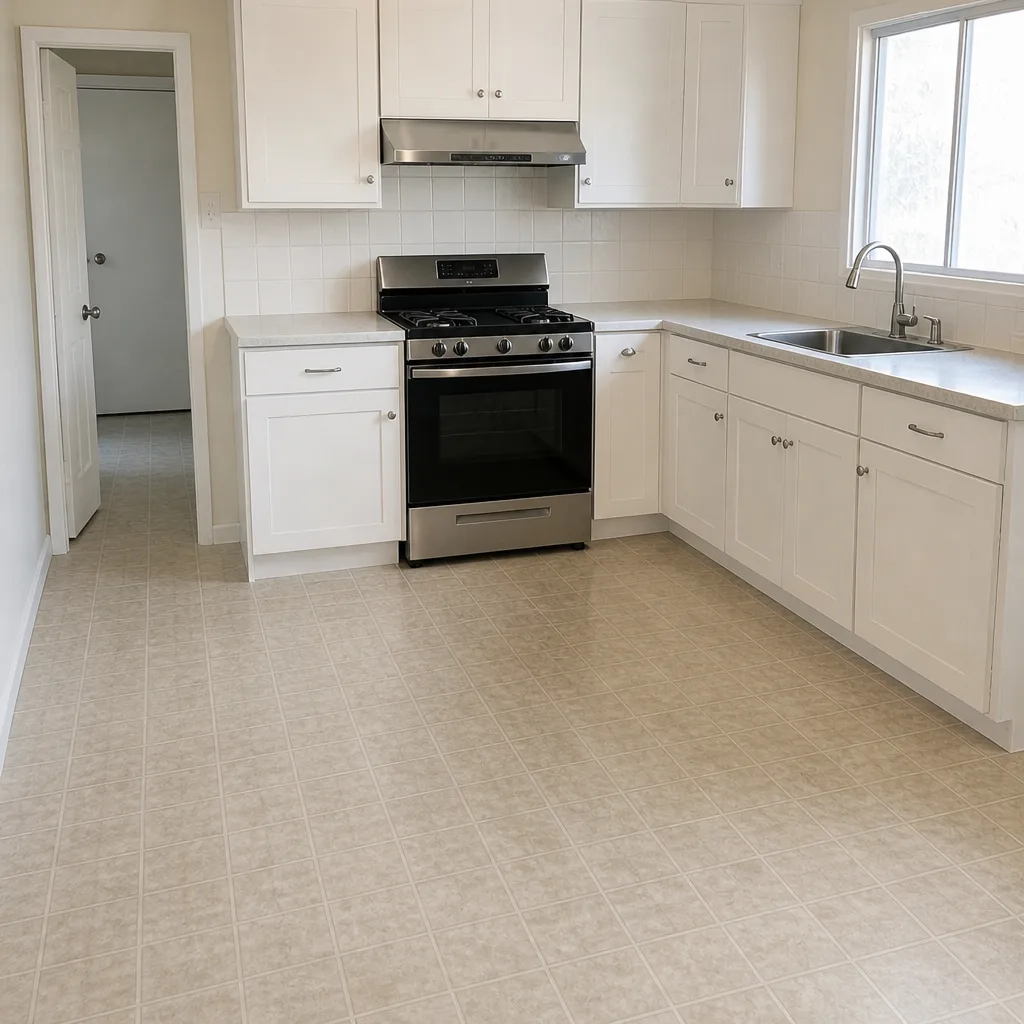 After
 Before
 After
Driveway Resurfacing vs Replacement in West Covina, CA: The Sub-Base Tells You Which One
Choose resurfacing unless the cracks are wider than ¼ inch, run diagonally from the corners, or leave sections sitting at different heights. Those three signs mean the sub-base has moved, and in West Covina that usually means the clay underneath is still cycling. A driveway that looks like a straightforward resurfacing candidate can be a full replacement in disguise. Before you spend a dollar on a new surface, you need to know what’s moving below it. Call (844) 662-2335 and we’ll walk you through the assessment over the phone before anyone shows up.
Here’s the honest version: we’d rather tell you resurfacing is enough than sell a replacement you don’t need. But we won’t pour a $3,800 cosmetic layer over a sub-base that’s already failing. That’s not a repair. It’s a countdown.
Key Takeaways
- Cracks over ¼ inch, diagonal cracking from corners, or rocking sections mean the sub-base has moved – resurfacing won’t fix that.
- West Covina’s older tracts, especially near Walnut Creek wash and the southern foothill drainages, sit on documented expansive clay that swells and shrinks with the seasons.
- Resurfacing costs roughly $3-$5 per square foot; full replacement with proper sub-base prep runs $8-$14 per square foot.
- Resurfacing a sub-base-compromised driveway typically fails within 2-4 seasons – replacement wins on a 10-year cost basis almost every time.
- Full replacement that changes drainage or expands the impervious footprint may need a grading or encroachment permit from West Covina Public Works.
What West Covina’s Soil Does to a Driveway
West Covina is a mid-century San Gabriel Valley suburb, and most of the housing here went up in the 1950s and ’60s. The city is essentially built out, so driveways on these lots have been carrying cars through hot, dry summers and mild, wet winters for six decades or more. The Santa Ana wind events dry the ground out fast. The winter rains soak it. That wet-dry cycle is the whole story.
On flatter ground in neighboring Covina or Baldwin Park, that cycle is gentler. In West Covina’s southern foothill lots and the older tracts near Walnut Creek wash and the drainage channels, the ground carries expansive clay. Clay swells when it takes on water and shrinks as it dries. A slab poured over clay that’s still moving doesn’t crack because the concrete was bad. It cracks because the ground is a moving target and the slab is trying to stay put.
This is why we don’t answer the resurfacing vs replacement question by looking at surface condition alone. Two driveways can show the same spiderweb cracking and need completely different work. One sits on stable ground and needs a new wearing course. The other is floating over clay that’s been cycling for a decade, and anything you pour on top will follow the clay wherever it goes next.
How to Tell Whether Resurfacing Will Hold
You can do most of this yourself in ten minutes with a tape measure and a walk around the slab. What you’re looking for is evidence that entire sections have moved, not just that the top layer has worn.
- Crack width. Hairline cracking under ¼ inch is usually surface wear. Cracks you can slide a quarter into are telling you something below has shifted.
- Crack pattern. Cracks that run diagonally out from the corners of the slab, or that form a map-like pattern across the whole surface, point to sub-base movement rather than a thin top layer giving out.
- Height differences. Stand at one end and sight down the driveway. If one section sits higher than the one next to it, or if you can feel a lip underfoot, the slab has faulted.
- Rocking. Step on the corners of individual sections. If a slab rocks or sounds hollow, it’s no longer in contact with what’s underneath.
- Drainage. Watch where water goes during a winter rain. Puddling against the garage or pooling at the apron is a sign the grading has shifted along with the ground.
Any one of those three structural signs – wide cracks, diagonal pattern, or height differences – and resurfacing becomes a cosmetic patch on a structural problem. That’s the moment the honest answer flips from resurfacing to replacement.

What Each Option Actually Costs in West Covina
Resurfacing is cheaper up front, and we won’t pretend otherwise. The question is whether you’re paying for a fix or paying for a delay. Here’s what the numbers look like in this market:
| Option | Typical cost per sq ft | What it fixes | Realistic lifespan here |
|---|---|---|---|
| Resurfacing / overlay | $3-$5 | Surface wear, minor spalling, appearance | 10+ years on a stable sub-base; 2-4 seasons on a compromised one |
| Full replacement with sub-base prep | $8-$14 | Everything – regrades and rebuilds what’s supporting the slab | Decades, when the prep is done right |
| Driveway sealing (maintenance) | $250-$700 total | Protects a sound surface, slows wear | Reapply every few years |
Run the math over ten years. Resurface a failed driveway twice at $4 a square foot and you’ve spent $8 a square foot on two surfaces that both cracked, and you still haven’t addressed the clay. Replacement with proper prep runs in the same neighborhood per square foot but you only pay once. That’s the argument, and it’s the reason we don’t lead with the cheaper number.
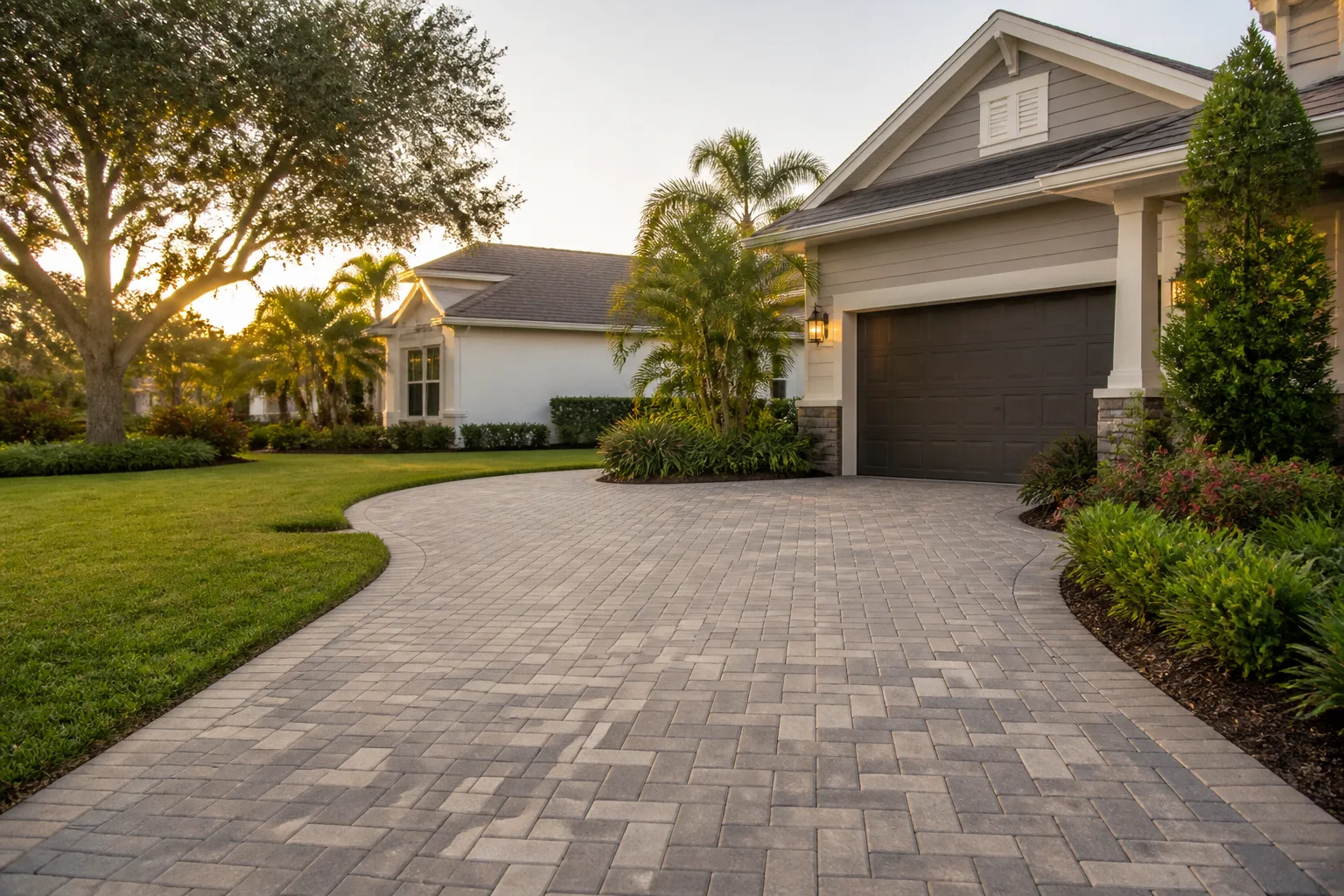
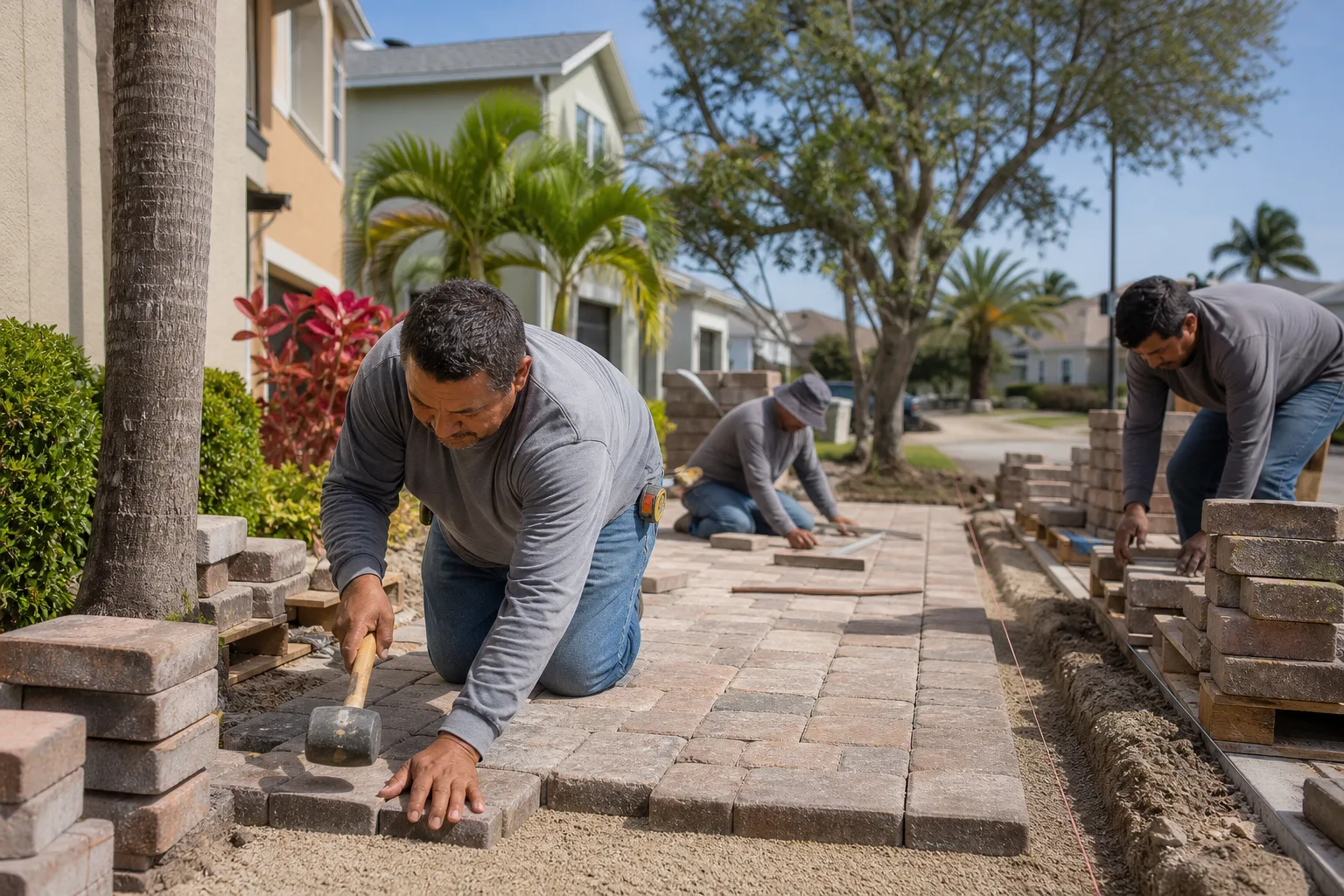
For a full-picture look at the work, materials, and options, our Driveway & Pavers page covers installation, paver systems, and finishing. Paver driveways sit differently over problem ground than poured concrete does and are worth considering if the sub-base needs attention anyway.
The Permit Question Most Homeowners Don’t Hear About
Resurfacing generally avoids permits entirely – you’re putting a new layer on an existing footprint, nothing about drainage changes, nothing gets wider.
Full replacement is a different story. In West Covina, a replacement that alters how water drains off the property, or that expands the impervious footprint, may require a grading or encroachment permit from the city’s Public Works department. That’s a real step, with real timelines, and any contractor who quotes you a replacement without mentioning it either hasn’t checked or is hoping you won’t ask. We build permit requirements into the quote up front. If your job needs one, you’ll know before we start, not after an inspector shows up.
Why We Assess the Sub-Base Before We Quote
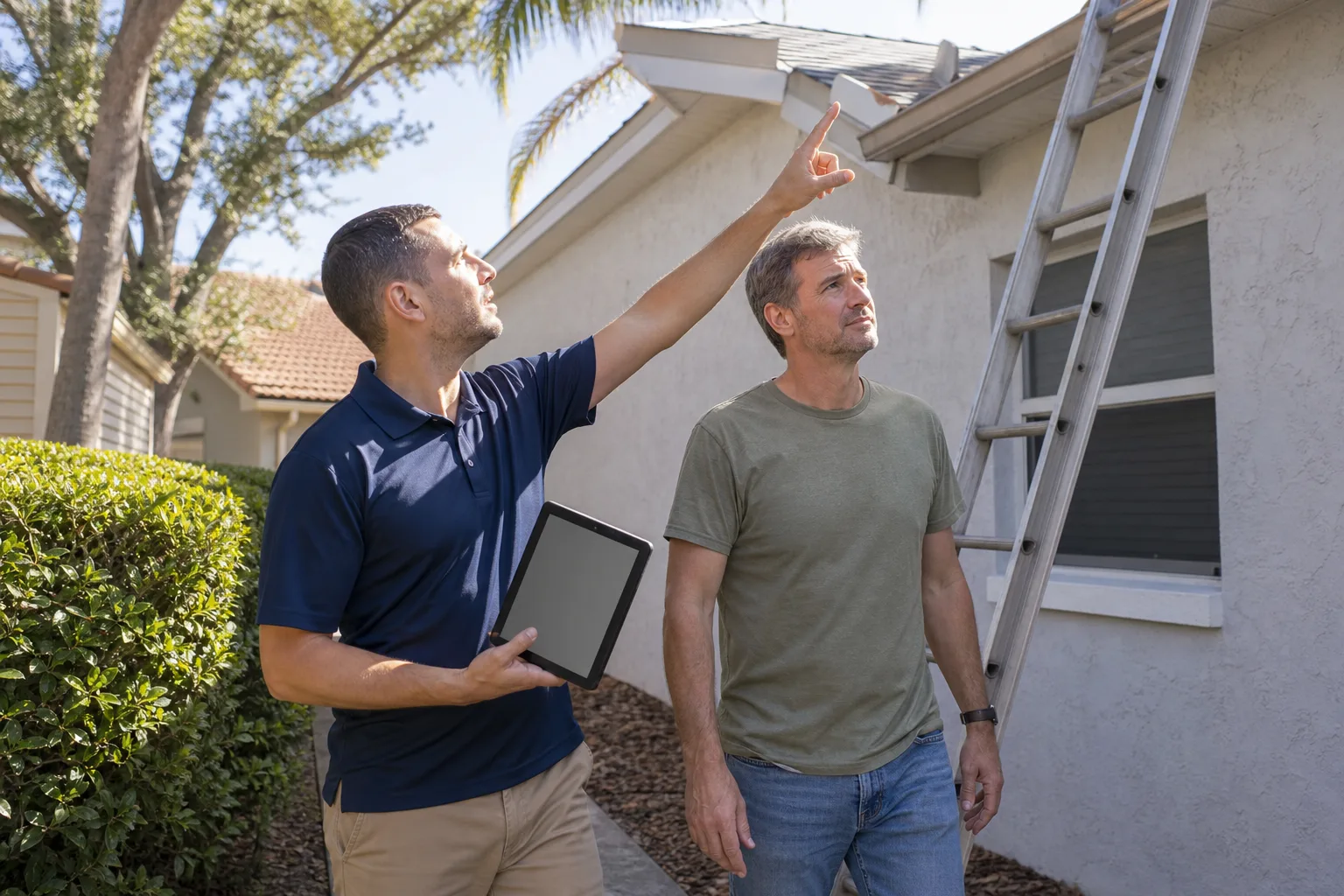
Groundwork Construction Co. of West Covina sends a background-checked, uniformed technician to look at what’s actually under the driveway before we put a number on paper. Our technicians have up to 12 years of experience reading exactly this kind of failure – the ones that look like surface cracks and turn out to be a sub-base that’s been moving for a decade.
Here’s the part that matters for your wallet: because our pricing is locked before work begins, we have no financial incentive to recommend replacement when resurfacing genuinely serves you better. We use upfront pricing, the number you see is the number you pay, and the entire job is covered by our 730-Day Done Right Promise – if it’s not done right, we make it right. That guarantee is one of the longest workmanship warranties you’ll find in residential construction, and it covers the prep and the pour, not just the surface.
Pavers over a properly regraded base are a common choice on West Covina lots with clay because the system flexes and individual units can be reset if the ground shifts. We work with Belgard pavers on many of these jobs. Concrete, pavers, or asphalt – the choice on top is secondary to fixing what’s underneath.
When you call, a live person answers. No voicemail, no waiting until Monday morning. Financing is available at 0% for 18 months, and projects over $10,000 get $1,000 off.
FAQs
Resurfacing typically runs $3-$5 per square foot and full replacement with sub-base prep runs $8-$14 per square foot in West Covina. Over a 10-year horizon, replacement is usually the cheaper option if the sub-base has moved, because a resurfaced failed driveway tends to fail again within 2-4 seasons. Call (844) 662-2335 for an exact quote on your driveway – estimates are free.
You can resurface cracks under ¼ inch that are cosmetic, but you shouldn’t resurface wider or structural cracks. If cracks run diagonally from corners or sections sit at different heights, the sub-base has shifted and an overlay will crack along the same lines within a season or two. Have it assessed before you spend the money.
Resurfacing generally doesn’t require a permit, but full replacement that changes drainage flow or expands the impervious footprint may need a grading or encroachment permit from West Covina Public Works. The permit question alone is one good reason to know which option you’re actually choosing before work starts. Call us if you’re unsure which side of that line your project falls on.
It’s cheaper to repair only when the sub-base is sound – otherwise you’re paying twice. If our assessment finds the clay beneath has moved, we’ll tell you straight rather than sell an overlay that won’t hold. Our pricing is locked upfront, and it’s backed by the 730-Day Done Right Promise. Call (844) 662-2335 to get an honest assessment.
If you’d rather have it looked at, Groundwork Construction Co. of West Covina offers a no-pressure assessment in West Covina – call (844) 662-2335. We’ll tell you which side of the resurfacing vs replacement line your driveway falls on, and we’ll back whatever we recommend with the 730-Day Done Right Promise.
Written by the team at Groundwork Construction Co. of West Covina, serving West Covina, CA.