Free written scope consultation - allowances, timeline, and change-order rules on paper before a single trade is scheduled
Styles & brands we work with
- Kitchen remodeling
- Bathroom remodeling
- Home additions & ADU
- Roofing
- Windows & doors
- Driveway & pavers
- Fence
See the difference
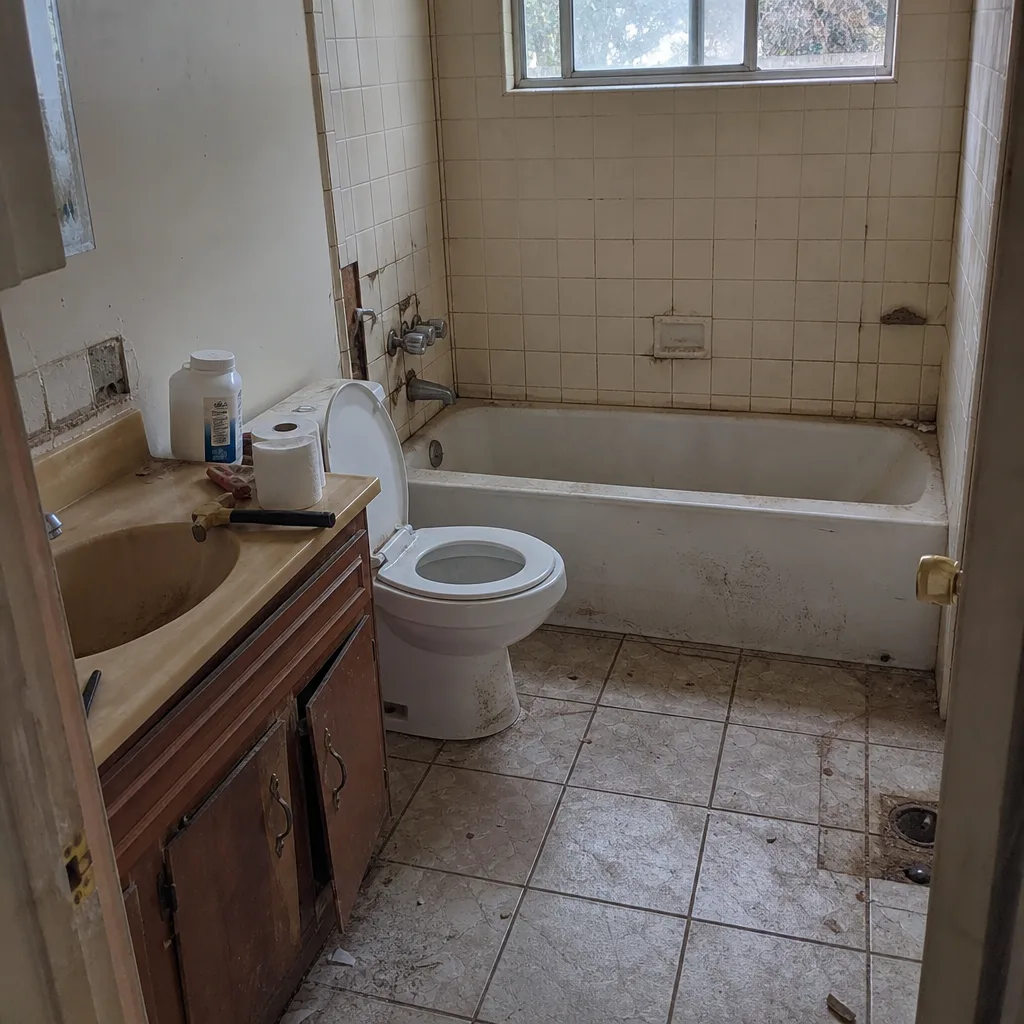 Before
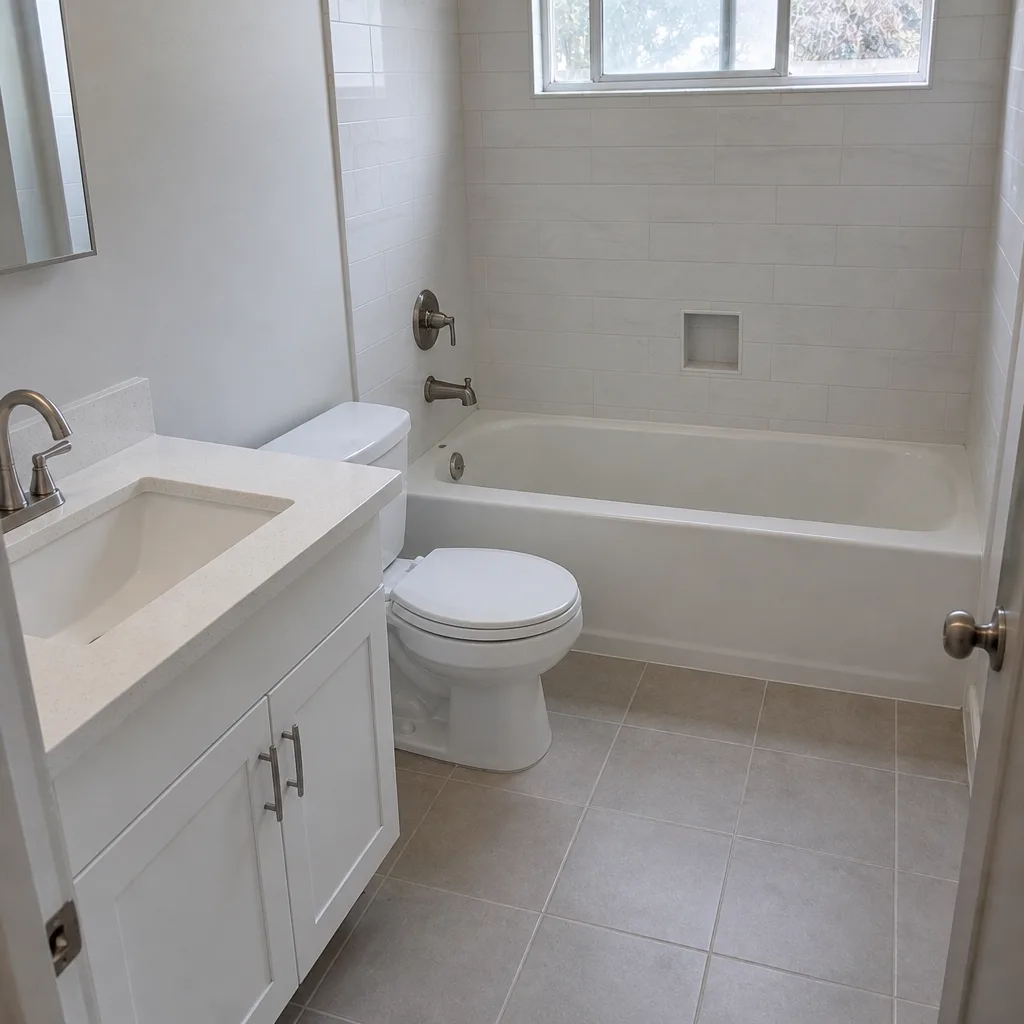 After
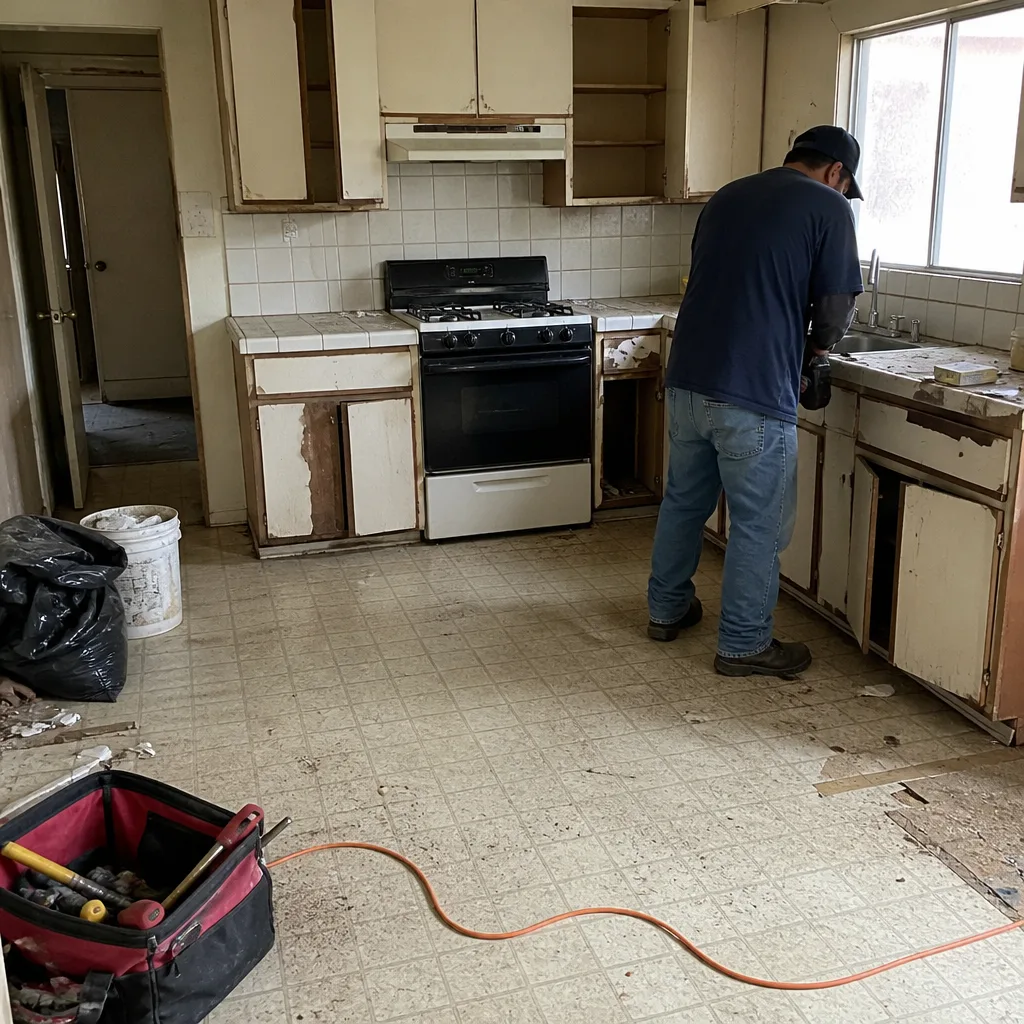 Before
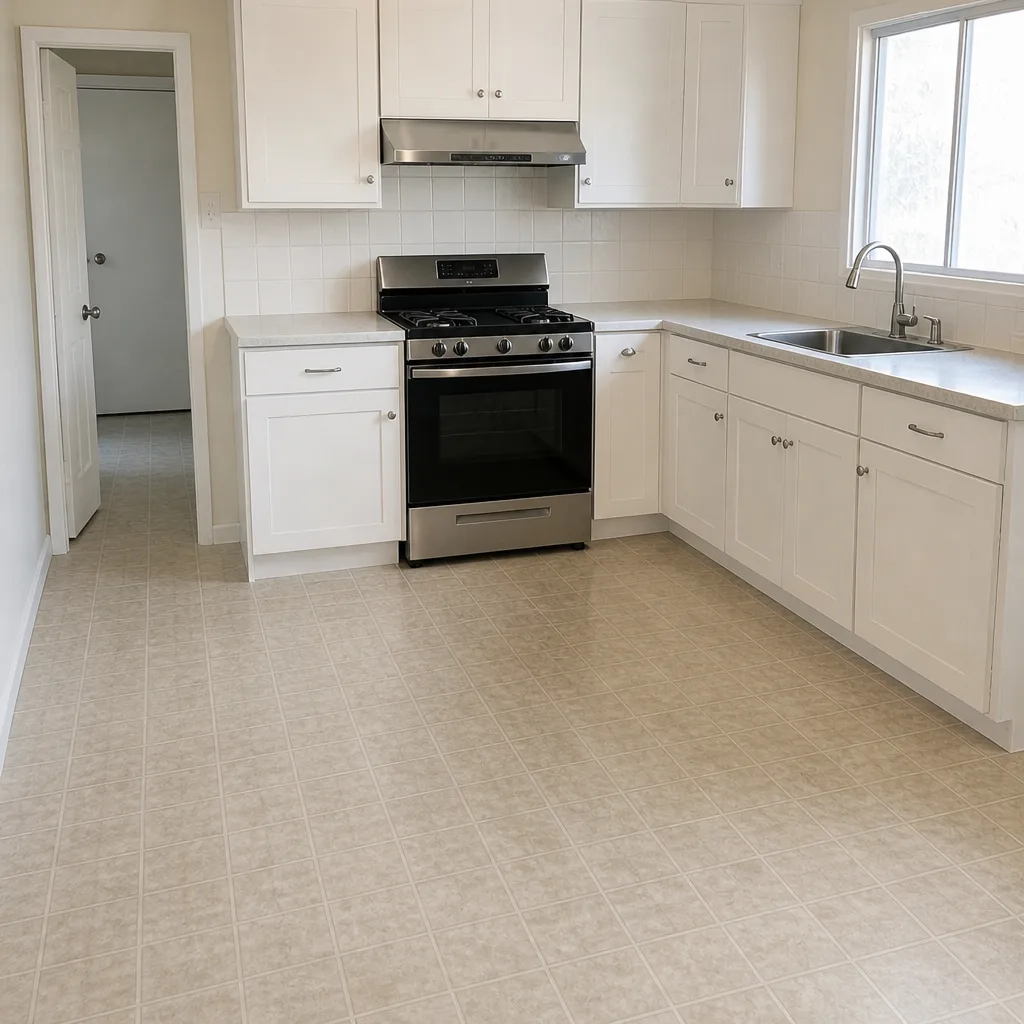 After
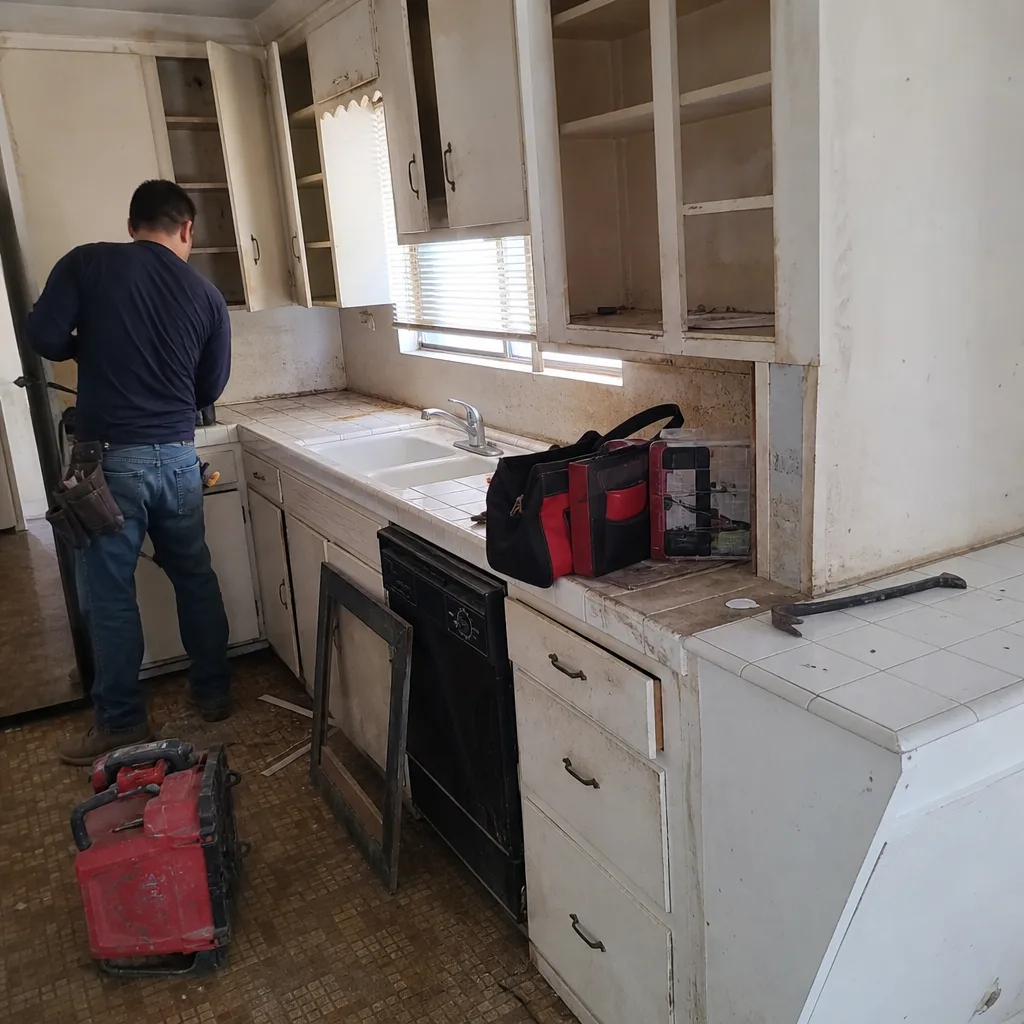 Before
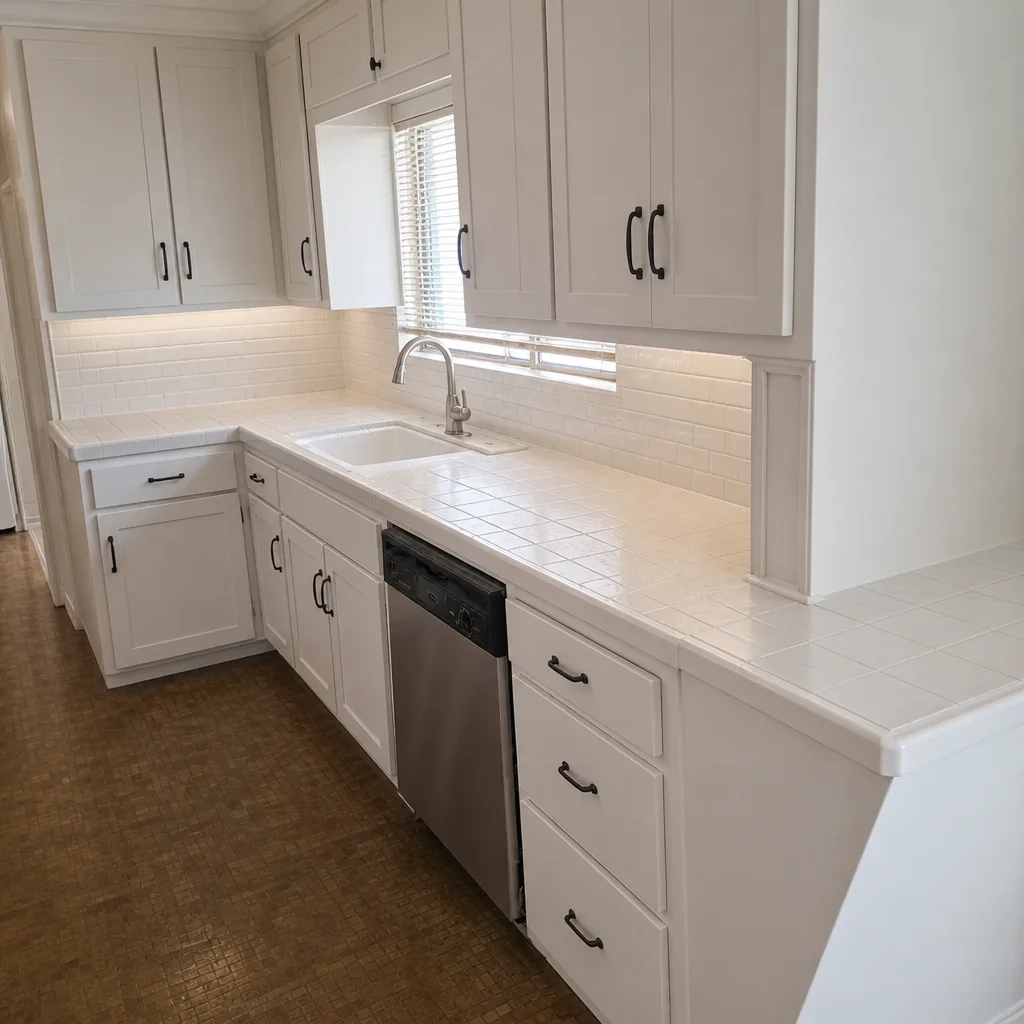 After
Double Hung vs Casement Windows in West Covina, CA: Which One Actually Cools Your House?
For most West Covina homes, casement windows are the better choice – especially on the west- and south-facing walls where summer heat builds fastest. Casements crank outward like a scoop and pull in the low-angle afternoon westerlies that double-hungs miss. Choose double-hung only where you want a traditional look, a lower per-window price, or a top-and-bottom sash that works with a whole-house fan. If you’d rather have someone walk the house with you, call Groundwork Construction Co. of West Covina at (844) 662-2335 for a free, no-pressure assessment. Upfront pricing, no surprises.
West Covina averages about 32 days a year above 90°F, and that number drives this decision more than any style magazine photo ever will. The direction a window opens determines whether you capture the afternoon breeze coming off the San Gabriel Valley or just sit there while hot air stalls. That’s the whole comparison in one line – the rest of this page is the honest framework behind it.
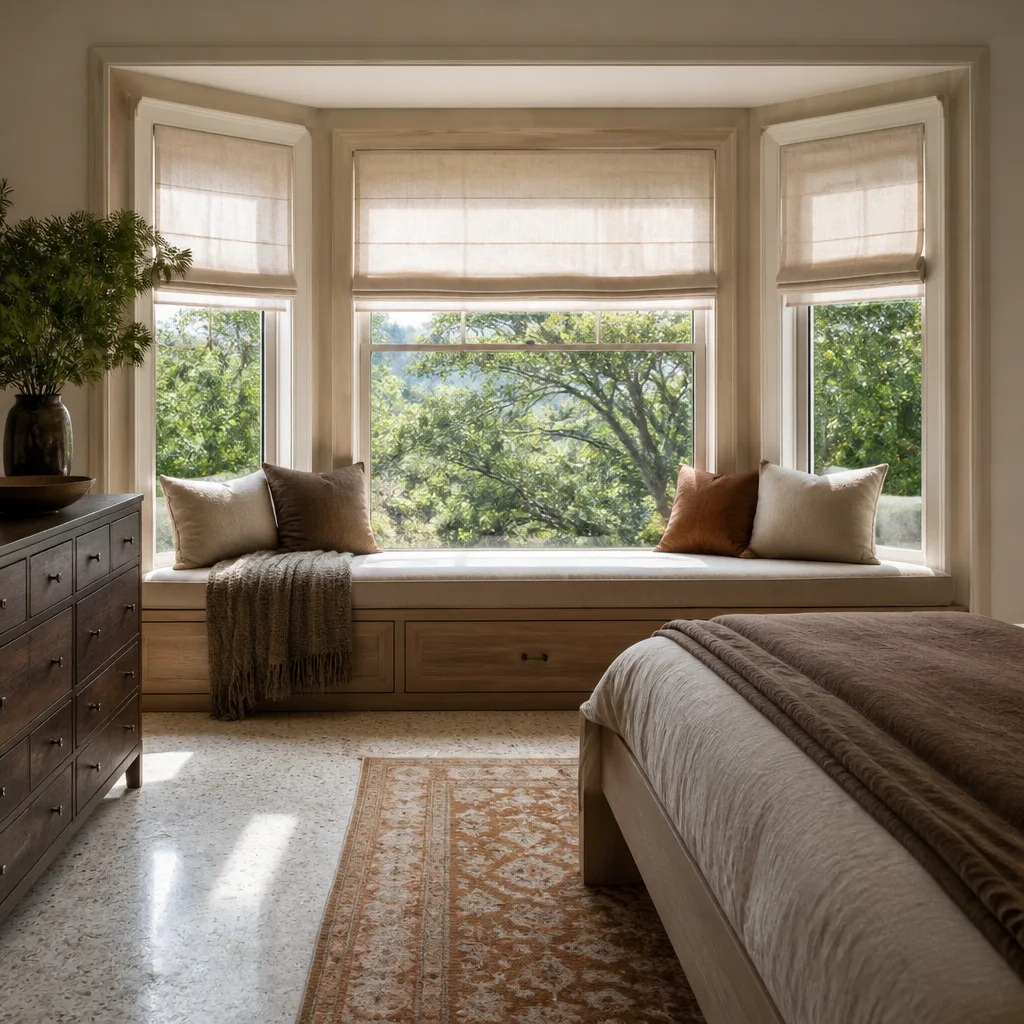
Why ventilation geometry matters more than looks in West Covina
Most of West Covina was built out in the 1950s and 1960s: single-story stucco tract homes on wood-frame walls, many of them originally fitted with single-pane aluminum sliders or double-hungs. Those openings were sized for a cheaper era, not for a 95°F afternoon. When the sun drops toward the west and the breeze finally picks up, the shape of your window decides whether any of that air reaches your living room.
Here’s the physics, plain. A casement sash swings out on a crank and the open panel works like a scoop. It catches lateral airflow and directs it into the room instead of past it. A double-hung splits its opening 50/50 – the bottom sash lifts, the top sash drops – which is genuinely good for stack ventilation when warm air is rising out the top while cooler air enters low. But in the low-angle westerly breezes we get through July and August in the San Gabriel Valley, a double-hung’s small offset opening underperforms. The air skims the wall and keeps moving. A casement grabs it.
- Casement: scoop-style capture, strongest on windward west- and south-facing walls, great for cross-ventilation when paired with an opening on the opposite side of the house.
- Double-hung: stack ventilation, familiar look, often a lower per-window price, and a good match for a whole-house fan pulling hot air up and out.
- Sliders (what many West Covina homes have now): the least airflow per square foot of opening – a large part of the panel never opens at all.
That last point is the buried headline. If you’re replacing original aluminum sliders, moving to either casement or double-hung is a jump in comfort. Moving from slider to casement is the bigger jump.
The decision framework: what to look for before you choose
The right window isn’t universal – it’s specific to the wall, the room, and the way your house already moves air. Here’s how we frame it with homeowners across West Covina, from the older tracts near the West Covina service area to the additions going up over garages.
Match the window to the wall and the room
Put casements where the breeze enters – the west and southwest faces – and consider double-hungs where you want a classic facade or where a window sits under a wide eave or a low soffit that would block an outward-swinging sash. In a bedroom, a casement on the windward wall paired with a double-hung or door on the opposite side gives you real cross-flow. In a hallway or a room you rarely open, the style matters far less than the glass package.
Factor the stucco before you pick hardware
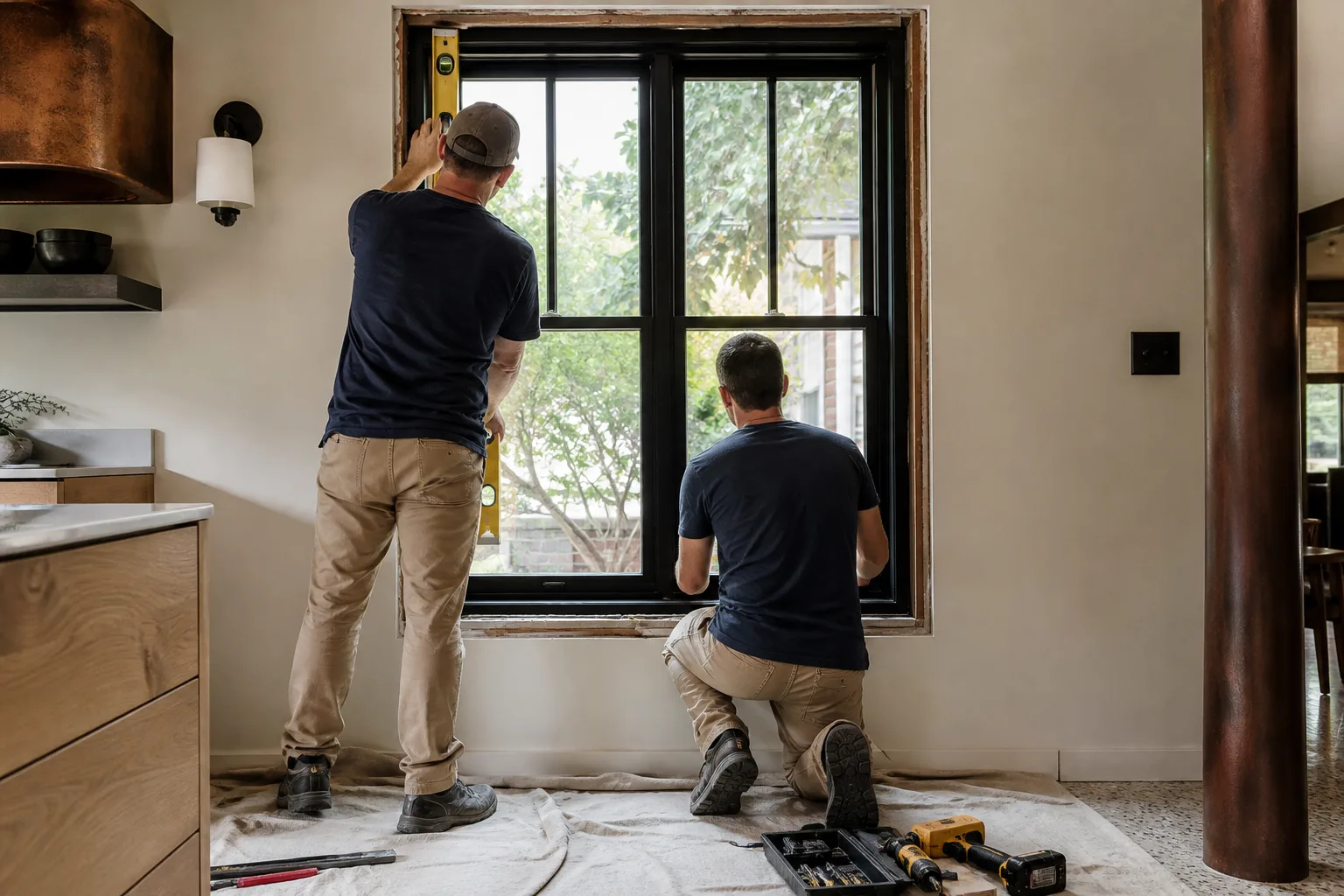
This is the detail most bid sheets skip. Replacing windows in a West Covina stucco home means the old flange comes out and the new one gets set, and the stucco around it has to be repaired and paint-matched afterward. Casement rough openings are often simpler to flash correctly than a double-hung’s, which reduces the moisture-intrusion risk that shows up in our winter rains. Getting the flashing right the first time is worth more than any per-window savings – and it’s exactly the kind of thing that separates a job that lasts from one that leaks two seasons later. Our technicians have up to 12 years of experience setting and flashing windows in this housing stock, and every project is covered by our 730-Day Done Right Promise – if it’s not done right, we make it right.
Cleaning and maintenance in the real world
Casements are easier to clean from inside because the sash cranks out and you can reach both faces without a ladder. That matters more than people expect in West Covina, where homeowners are increasingly adding rooms over garages. A second-story casement you can tilt, crank, and wipe from the bedroom beats a double-hung you have to lean out to clean. Double-hungs that tilt in for cleaning close that gap, but the standard ones don’t – so ask which tilt feature you’re actually getting.
Which windows meet West Covina’s energy code?
California Title 24 sets U-factor and SHGC thresholds that windows must meet, and West Covina falls in climate zone 10 – a hot, inland zone with real cooling loads. You don’t have to memorize the numbers. You do need to confirm the window you buy is rated for your zone out of the box, not “close enough.”
This is where the brand portfolio earns its keep. Andersen’s 400 Series and Marvin’s casement and double-hung lines are engineered to hit the U-factor and SHGC targets for zone 10 when you spec the correct glass package – and we’ll tell you exactly which package you need rather than defaulting to whatever’s on the shelf. A low-SHGC glass cuts the solar heat gain that drives your AC bill; the same window with the wrong glass does not. We stock from a curated set of verified brands – Andersen and Marvin among them – so you’re choosing quality, not just availability. If impact glass or a specific energy rating is what your project needs, we’ll match it, and our Windows & Doors work is quoted with the actual product line in writing.
What do casement and double-hung windows cost in West Covina?
A full window replacement project in West Covina runs $4,500-$15,000 depending on count and scope, and impact-rated window installation runs $8,000-$25,000. On a per-window basis, a casement typically costs $150-$300 more than a comparable double-hung, mostly because of the crank hardware and the heavier sash. That gap is smaller than most homeowners expect – and it’s the number to weigh against your summer cooling bill.
| Line item | West Covina range |
|---|---|
| Window replacement (whole project) | $4,500-$15,000 |
| Impact window installation | $8,000-$25,000 |
| Casement premium over double-hung (per window) | $150-$300 |
Now put that premium against our 0% financing for 18 months. Say you’re replacing eight west-facing windows and the casement premium totals about $1,600 across the project. Spread over 18 months at zero interest, that’s roughly $89 a month to upgrade to the window that actually catches the breeze. Add $1,000 off projects over $10,000 and the gap narrows further. The number you see is the number you pay – we quote upfront pricing, no surprises, and stand behind it in writing.
Frequently asked questions
Yes, for natural cooling, casements are generally better in West Covina because their outward-swinging sash catches the low-angle westerly breezes that a split double-hung opening lets slip past. Double-hungs win on traditional appearance, stack ventilation with a whole-house fan, and a slightly lower per-window price. On west- and south-facing walls, pick the casement; on the front facade or under deep eaves, the double-hung is a fine call. Call (844) 662-2335 to walk through your specific walls – the estimate is free.
Expect about $150-$300 more per window for a casement, driven by the crank hardware and heavier sash. Across a full replacement that often lands within a few hundred to a couple thousand dollars, and 0% financing for 18 months makes the monthly difference easy to see. Call (844) 662-2335 for an exact quote.
Usually yes. Most West Covina homes are stucco over wood frame from the 1950s and 1960s, so setting a new window flange means patching and paint-matching the stucco around the opening. A proper flashing job on a casement rough opening is often cleaner than on a double-hung, which lowers the risk of moisture intrusion during winter rains. We account for the stucco work in the upfront quote. Call (844) 662-2335 to get it scoped.
Yes, and casements are a smart pick up there. Because ground-floor tracts are built out, much of the West Covina work we see is additions, garage conversions to ADUs, and rooms over garages – and a second-story casement cleans from inside where a standard double-hung doesn’t. Additions here also have to be engineered for seismic load and, on the hillside and near-creek lots, for expansive clay that swells and shrinks seasonally, so we coordinate the window openings with the structural plan. Call (844) 662-2335 for a free assessment.
If you’d rather have it looked at, Groundwork Construction Co. of West Covina offers a no-pressure assessment in West Covina – we’ll check the walls, the airflow, and the stucco, then put a straight number in writing. Call (844) 662-2335. Live person, 24/7, and a free project estimate. From foundation to finish line, built to last, backed in writing.
Written by the team at Groundwork Construction Co. of West Covina, serving West Covina, CA.