
5 Mistakes to Avoid With Fence Installation
One in three fence installations in Southern California fails within eight years, and the materials usually aren’t the reason. The post depth was wrong for the soil, or the property line was never verified, or a permit detail was skipped. In West Covina, those failures show up as leaning posts, cracked panels, and neighbor disputes that outlast the fence itself. This isn’t a material-buying guide. It’s the list of mistakes we actually see on tear-outs around here. If you’d rather not gamble on your own install, call (844) 662-2335 and we’ll give you a free estimate.
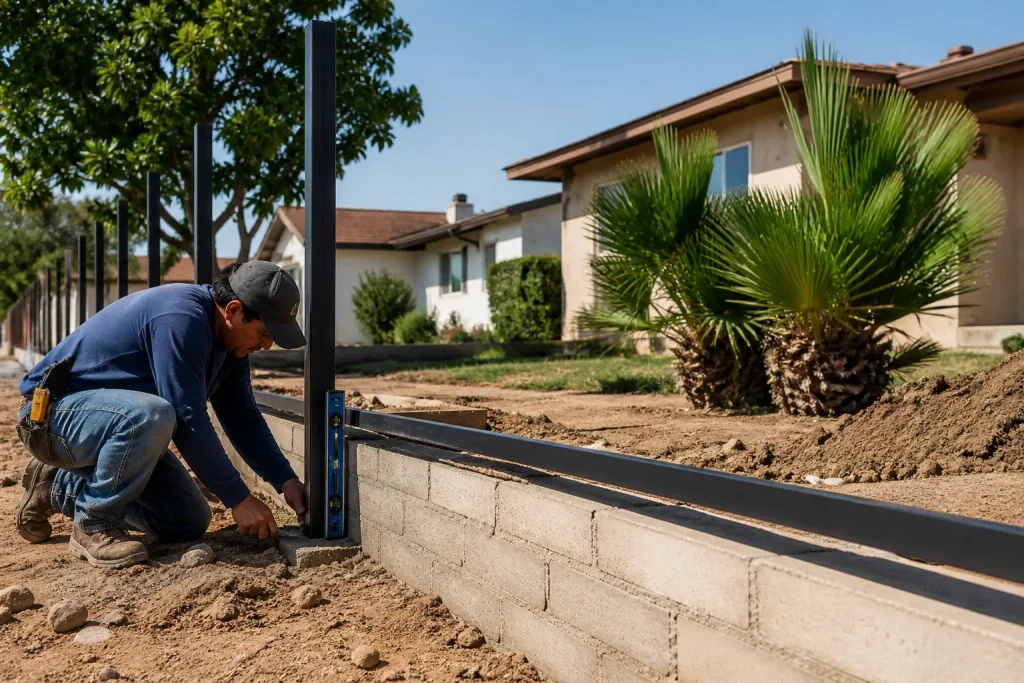
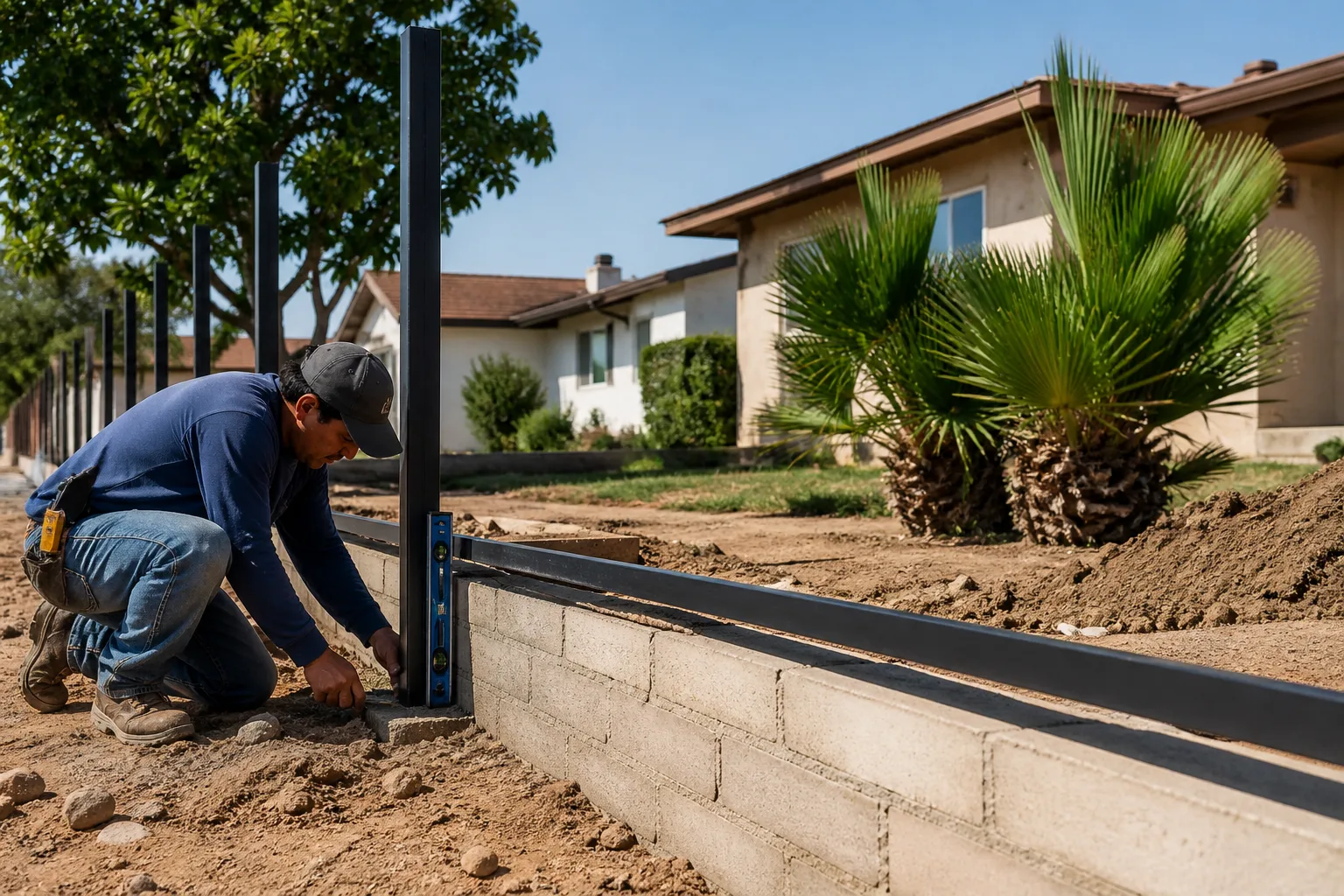
1. Setting Posts at “Standard” Depth in West Covina’s Expansive Clay
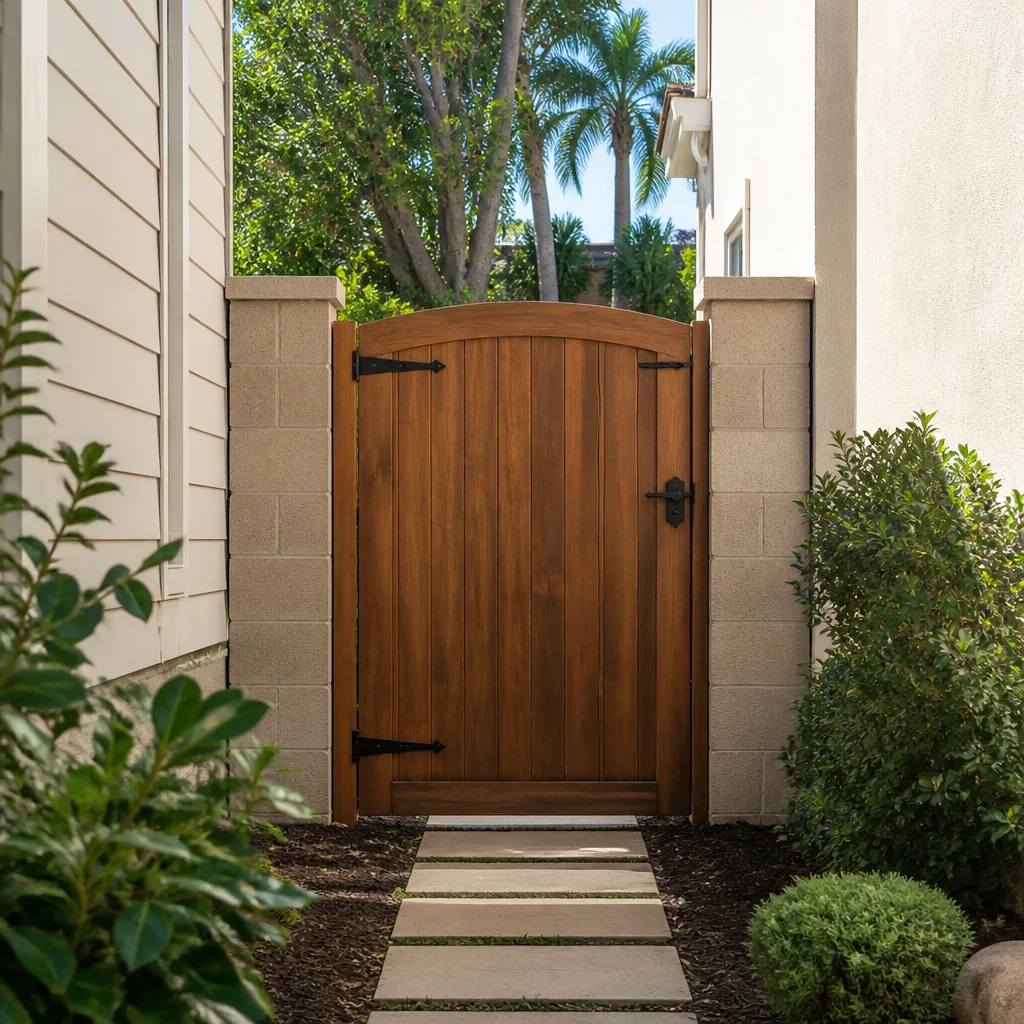
Most online guides tell you to bury a post 24 to 36 inches. That works fine in sandy or loamy soil. West Covina doesn’t have that. A good chunk of the city sits on expansive clay, and that clay swells when the winter rains come and shrinks hard through the dry months. A post set at a flat 24 inches in that ground gets pushed up and pulled sideways every single season.
What happens over time is predictable. Year one looks great. By year three you’ve got a gate that won’t latch. By year six the corner post is leaning and the whole run is racked out of plumb.
- Depth has to match the soil, not a blog post. In the clay pockets around the South Hills and up near Galster Park, posts often need to go deeper than the general rule, sometimes with a wider bell of concrete at the base.
- Drainage matters as much as depth. Water pooling against a post footer speeds up the heave-and-shrink cycle.
- Concrete cure time gets ignored. Posts need to set before you hang panels. Rushing that step is how you get a fence that’s crooked before it’s a year old.
We’ve pulled fence posts out of the ground over by Shadow Oak Park that were barely a foot and a half deep, sitting in clay that had heaved them up like a loose tooth. The homeowner had paid good money for the panels, too.
2. Skipping the Property Survey Before a Single Post Goes In
A few inches is all it takes. Put a fence line six inches onto your neighbor’s side and you’ve created a problem that lasts longer than the fence. We’ve seen disputes in West Covina that dragged on for years over less than a foot of ground, and by the time it’s resolved the fence has to come down anyway.
Here’s the thing people don’t realize: fence contractors aren’t surveyors. We can read a plat map and eyeball a line, but we can’t legally certify where your property boundary actually sits. That’s a licensed surveyor’s job. When a homeowner skips the survey to save a few hundred dollars up front, they’re taking on the risk of a much bigger cost later.
- Check your plat map first. It won’t replace a survey, but it tells you whether the line is obvious or dicey.
- Talk to your neighbor before the crew shows up. A five-minute conversation about where the line is saves months of grief.
- Have the survey done if the line is unclear. It’s the cheapest insurance you’ll buy on the project.
In our experience, the West Covina homeowners who get a survey up front almost never end up in a dispute. The ones who skip it sometimes do.
3. Picking Fence Height Without Checking West Covina’s Municipal Code
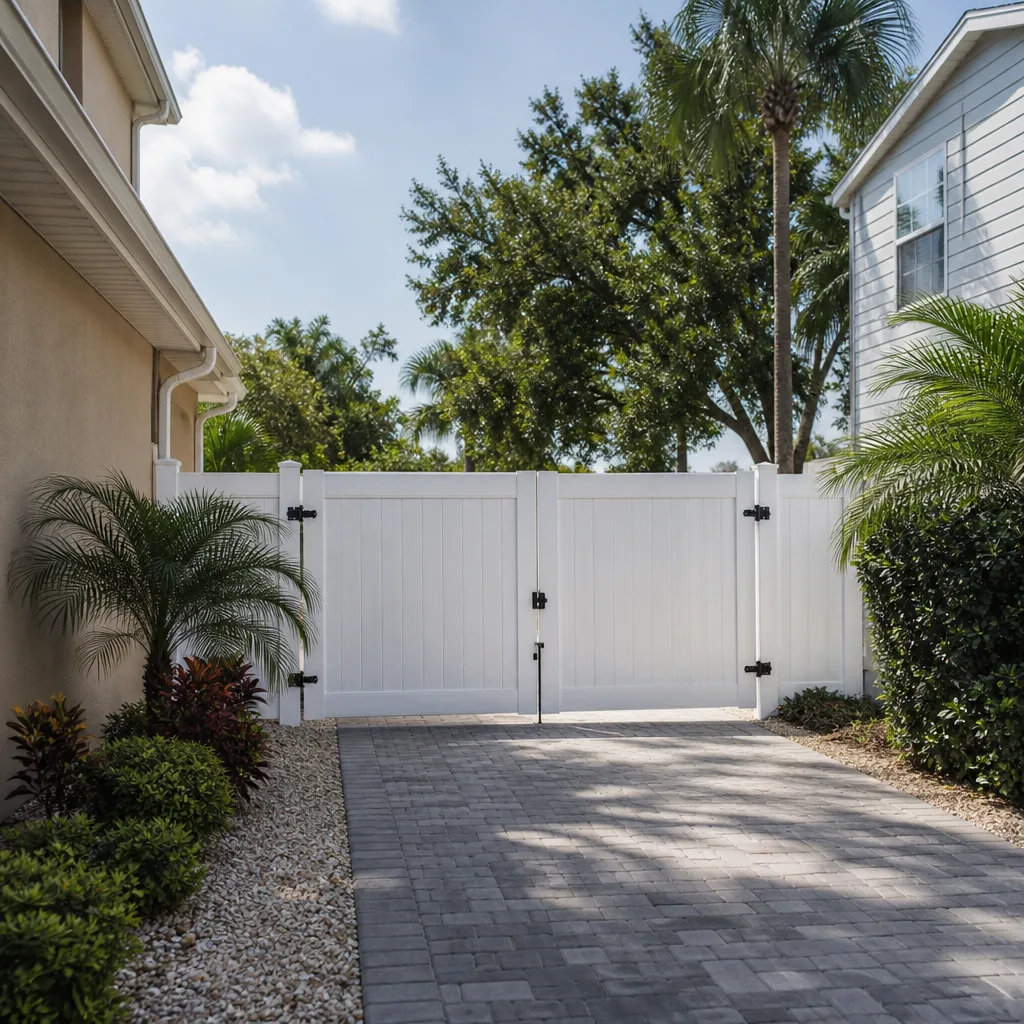
West Covina’s code treats front yards and rear yards differently. The limits aren’t the same, and if your fence goes up over the line without a permit or a variance, you can be looking at an order to take it back down. That’s a real cost, and it’s one of the few fence mistakes that can’t be fixed with a little extra concrete.
Before you buy any material, know three things:
- Front yard vs. rear yard limits. The allowed height in the front yard is typically lower than what’s allowed in the back. Don’t assume the same number applies to both.
- Corner lot rules. If you’re on a corner in West Covina, there can be additional limits near the intersection for sight lines. Those aren’t optional.
- Permit triggers. Some heights and some materials require a permit. Pulling it up front and passing inspection is far cheaper than a compliance problem later.
This is one of the most common shortcuts we see on DIY installs, and it’s the one that comes back as paperwork years down the road. If you’re not sure what your lot allows, call (844) 662-2335 and we’ll help you sort it out before you buy a single panel.
4. Buying Wood Rated for Indoor Use Because It Was Cheaper
Walk into a lumber yard and you’ll find boards that look identical and behave nothing alike outdoors. Standard interior-grade lumber and untreated pine are cheaper for a reason. They aren’t rated for sun, they aren’t rated for rain, and in West Covina’s summer heat they cup and twist within a season or two.
The species and treatment grade is what determines whether a fence lasts eight years or thirty. A few useful points:
- Cedar and pressure-treated pine hold up well in our climate when they’re the right grade. Cheap “whitewood” does not.
- Ground-contact rated material is what belongs in the ground. Regular treated lumber isn’t always rated for soil contact.
- Fasteners matter too. Galvanized or stainless hardware avoids the rust streaks and loosening that show up when cheap screws are used on treated wood.
The savings from cheap lumber are real for about a year. After that, you’re paying twice. We spec materials from brands we trust because the difference shows up years later, not on the day of install. It’s the same reason our roofers use GAF and CertainTeed, and the same reason a good fence is built to last, backed in writing.
5. Signing a Contract That Lists Materials but Nothing Else
This is the mistake that buries itself. A contract with a materials list and a price looks fine until the fence starts to sag and you realize nothing in the document specified how the posts should be set, how wide the panel gaps should be, or when the concrete needed to cure. Those details are what separate a fence that stays true from one that starts racking in three years.
Ask for these specifics in writing before you sign anything:
- Post concrete cure time. How long before panels go on?
- Post plumb tolerance. Ask what “plumb” means in numbers, not adjectives.
- Panel gap tolerance. Small variances matter with wood movement.
- Fastener spec. What hardware, and at what spacing?
- Workmanship warranty. Not just a manufacturer warranty on materials – a real guarantee on the install itself.
Our 730-Day Done Right Promise exists because we’ve seen too many fences sold on price and abandoned on detail. If it’s not done right, we make it right. That’s the failure mode this contract step is designed to prevent.
When to Call a Pro
Fence installation isn’t dangerous the way roofing or electrical work is, but the parts that fail are the parts that require judgment. Soil conditions, survey lines, code limits, cure time, and material grade all have to line up, and getting one wrong means tearing out a post or redoing a run.
If you’re in West Covina and you don’t want to own that risk, that’s the point where a pro makes sense. Our technicians have up to 12 years of experience, they’re background-checked and uniformed, and every install is covered by the 730-Day Done Right Promise.
Related services in West Covina:
The Bottom Line
The five fence mistakes that cost the most in West Covina all happen before panels go up. Posts set at the wrong depth in clay. A boundary line that wasn’t surveyed. A fence height that ignored the municipal code. Cheap indoor-grade wood. A contract that skipped the tolerances. Every one of those is avoidable, and every one of them is far cheaper to get right on day one than to fix five years later.
If the fence is on your list this year, call (844) 662-2335. Groundwork Construction Co. of West Covina offers free estimates, no-hassle upfront pricing, and 0% financing for 18 months on qualifying projects, plus $1,000 off projects over $10,000. Live person, 24/7, whenever you’re ready to talk.
Written by the team at Groundwork Construction Co. of West Covina.
Frequently Asked Questions
In West Covina’s expansive clay, plan on going deeper than the standard 24 to 36 inches, often with a wider concrete bell at the base. The clay swells and shrinks through our wet winters and dry summers, and a shallow post gets worked loose within a few seasons. A contractor familiar with local soil will size the depth to your specific lot, not a generic rule. Call (844) 662-2335 for a free estimate and we’ll tell you what your site needs.
You don’t always need one, but you need to know where your property line is, and a plat map doesn’t always make that clear. A licensed surveyor is the only person who can certify the line. Skipping the survey can lead to a fence that sits inches onto a neighbor’s property, which is a legal problem that usually ends with the fence coming down. Call (844) 662-2335 and we’ll walk you through whether a survey is worth doing on your lot.
Sometimes, but it depends on the height and what part of the lot the fence sits on. Front yard and rear yard limits differ, corner lots have extra sight-line rules, and some heights trigger a permit. Building over the limit without one can mean a compliance issue later. Call (844) 662-2335 and we’ll help you figure out what applies to your property.
With correct soil prep, the right wood grade, and proper fasteners, a wood fence around here can last well past 15 years. Built cheaply, it’s closer to five or eight. The difference almost always comes down to the install, not the brand on the lumber. Call (844) 662-2335 for a free estimate and a written breakdown of materials and workmanship on your project.
Need Construction Help?
Call Groundwork Construction Co. of West Covina - licensed & insured, here with fast after-hours help in West Covina.
(844) 662-2335