Free written scope consultation - allowances, timeline, and change-order rules on paper before a single trade is scheduled
ADU Site Prep & Utilities in South San Jose Hills: What It Takes and What It Costs
ADU site prep and utilities in South San Jose Hills typically runs $53,100 to $153,400 depending on how much grading the slope needs, how far the utility trenches run, and whether the lot already has spare capacity at the panel. The work covers clearing and grading the pad, trenching for water, sewer, gas, and electrical, setting the conduit and stub-ups, and getting the site inspection-ready before any framing starts. Most hillside lots here take six to ten weeks from first cut to passed inspections. Call (844) 662-2335 for a free on-site estimate.
This isn’t the whole build. It’s the phase that decides whether the rest of the build goes smoothly. Nobody frames a single wall until the pad is compacted, the trenches are backfilled correctly, and the county has signed off on the site and utility rough-in. Part of a full Home Additions & ADU in South San Jose Hills build, site prep is where the schedule either holds or falls apart.
How We Sequence Site Prep and Utilities on a South San Jose Hills Lot
Every ADU site prep job we run here moves through the same five stages. The order doesn’t change because the slope does. The timelines do.
Stage 1: Site assessment and survey, week one
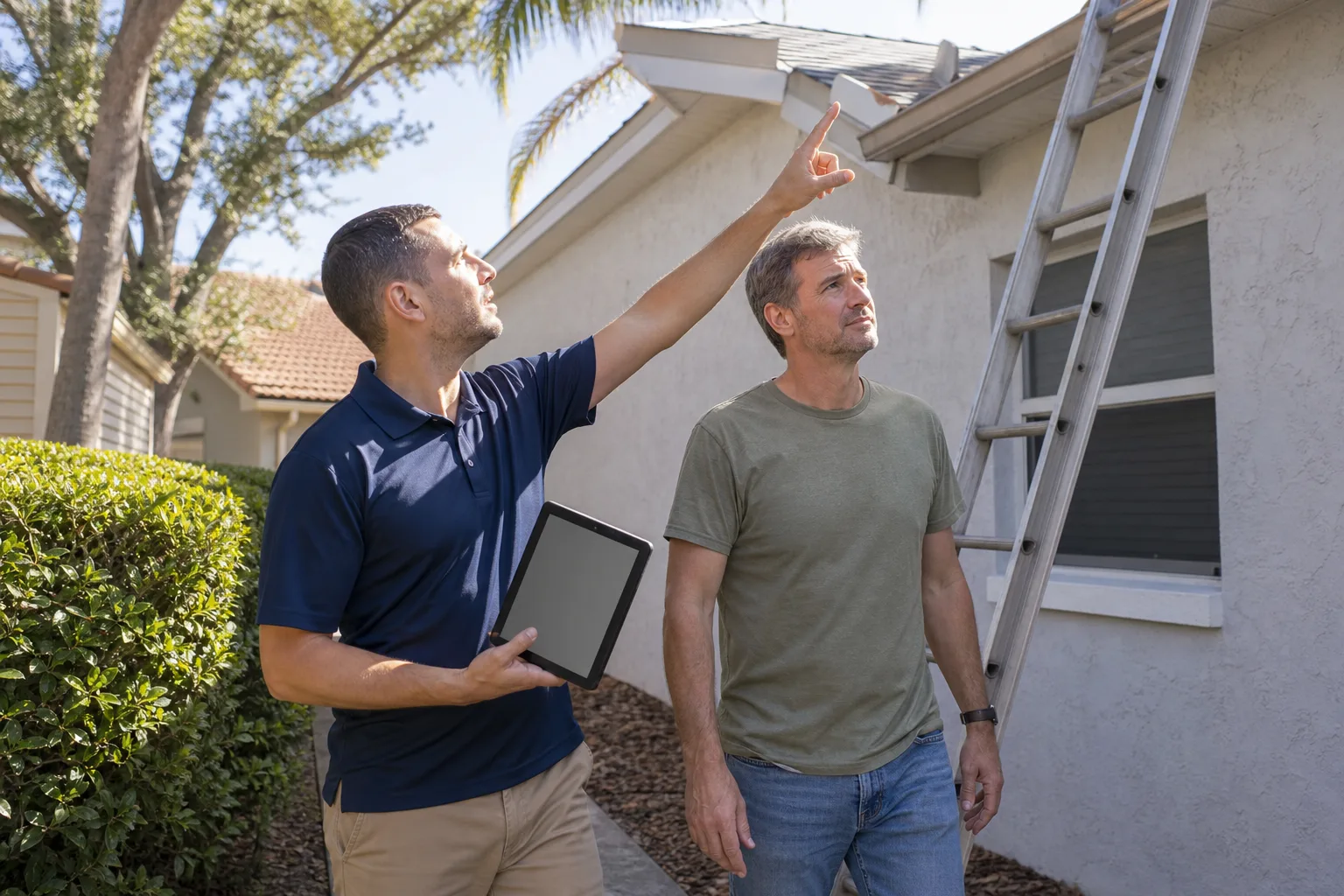
Before anything gets touched, we walk the lot with the homeowner and locate existing utilities, drainage swales, retaining walls, and property lines. On the steep streets off Valley Boulevard, this stage often turns up an unpermitted wall or deck from prior work, which has to be resolved before county review moves. The homeowner decides the ADU footprint and where utilities will tie in. Expect two to four days.
Stage 2: Clearing, demolition, and grading, weeks two through four
We remove brush, old concrete, and any conflicting hardscape, then cut and fill to the engineered pad elevation. Because the clay soils here shift with seasonal moisture, over-excavation and re-compaction aren’t optional. The homeowner signs off on the final pad location and final grade before we move to trenches. Hillside lots run two to three weeks; flatter lots near the base of the slope run closer to one.
Stage 3: Utility trenching and rough-in, weeks four through six
Sewer, water, gas, and electrical all get trenched in one pass, with spot drainage routed away from the pad edge. If the home still has a clay sewer lateral, this is the stage where the tie-in gets decided. The homeowner picks panel location, meter placement, and whether the ADU gets a sub-panel from the house or its own service. Roughly two weeks.
Stage 4: County inspections, weeks six through seven
South San Jose Hills is unincorporated LA County, so the site, grading, and utility rough-in inspections all run through LA County Public Works, not a city building department. We pull the permits and hold the inspection calendar; the homeowner doesn’t chase inspectors. Plan on one week to ten days for the inspection sequence to clear.
Stage 5: Backfill, pad finish, and handoff, weeks eight through ten
We backfill trenches in compacted lifts, finish the pad surface, and set protective barriers around stub-ups so the framing crew starts with a clean site. The homeowner gets the as-built utility locations and the inspection record. Two to three days.
Styles & brands we work with
- Kitchen remodeling
- Bathroom remodeling
- Home additions & ADU
- Roofing
- Windows & doors
- Driveway & pavers
- Fence
The Utility and Site Choices That Shape the Build
Site prep involves real decisions, and each one has a trade-off you should understand before signing anything.
- Grading approach: cut-and-fill pads are cheaper because they balance dirt on-site. Import or export fill is faster on tight hillside lots but the trucking cost adds up. Cut-and-fill suits most 91792 lots; export makes sense when the slope is steep and the pad is small.
- Utility trenching method: open trench is straightforward and easier to inspect; trenchless (directional boring) avoids tearing up an existing driveway or mature landscaping but costs more upfront. Open trench fits lots with room to work; boring pays off where the run crosses a finished surface.
- Electrical service: a sub-panel tapped from the main house panel is the budget route when the panel has spare capacity. A dedicated meter and service is cleaner long-term for a rental ADU but adds cost and utility coordination. Older panels here often can’t carry the extra load without an upgrade.
- Sewer tie-in: connecting to the existing lateral is simplest when the lateral is sound. A new lateral to the main is the right call when the original clay pipe is failing, and it means additional trenching and inspection.
- Drainage and retaining: dry wells and swales handle storm runoff on most lots. Engineered retaining walls become necessary when the pad cut exposes a slope face that needs to hold.
- Pad surface: compacted base rock is the standard handoff condition. A finished concrete slab is often paired with the framing phase, and homeowners frequently combine concrete flatwork with Concrete Driveways & Concrete Work in South San Jose Hills so access and the pad are poured together.
For paneled or prefab units, the site has to meet the manufacturer’s foundation and utility specs exactly. We work to the published specs from brands like Cover, Dvele, and Mighty Buildings, so the pad and stub-ups are set for the unit that’s actually arriving.
What ADU Site Prep & Utilities Cost in South San Jose Hills, CA
Expect $53,100 to $153,400 for site prep and utilities on a South San Jose Hills ADU. That tracks the local market and covers grading, trenching for all four utilities, rough-in, and county inspections. The number isn’t arbitrary. Here’s what pushes a job toward the low or high end.
| Line item | Typical range |
|---|---|
| Site survey, layout, and plan review | $2,100 – $5,300 |
| Clearing, demo, and grading | $12,500 – $38,000 |
| Utility trenching and rough-in (water, sewer, gas, electric) | $18,000 – $48,000 |
| Panel and electrical service work | $4,700 – $16,500 |
| Drainage, swales, and retaining | $6,300 – $22,000 |
| County permit and inspection fees | $3,500 – $12,000 |
| Backfill, pad finish, and handoff | $6,000 – $11,600 |
The variables that move the total:
- Slope and grading volume: the steeper the lot above Valley Boulevard, the more dirt moves and the more over-excavation the clay demands.
- Trench distance to the main: a utility run that crosses 60 feet of yard costs far more than a 20-foot tie-in.
- Electrical service: a panel with spare capacity keeps the electrical number down; an upgrade or a new service pushes it up.
- Existing infrastructure condition: failing clay sewer laterals or old retaining walls add demo and replacement.
- Permit scope: a grading plan that needs county-engineered drainage review sits at the top of the permit range.
A written estimate from us is line-itemed: what’s graded, how many feet of trench, what the permit covers, what’s included in the electrical work. What it typically doesn’t include is the ADU structure itself, interior finishes, or final utility hookups by the utility provider. Everything else is in writing. The number you see is the number you pay.
See the difference
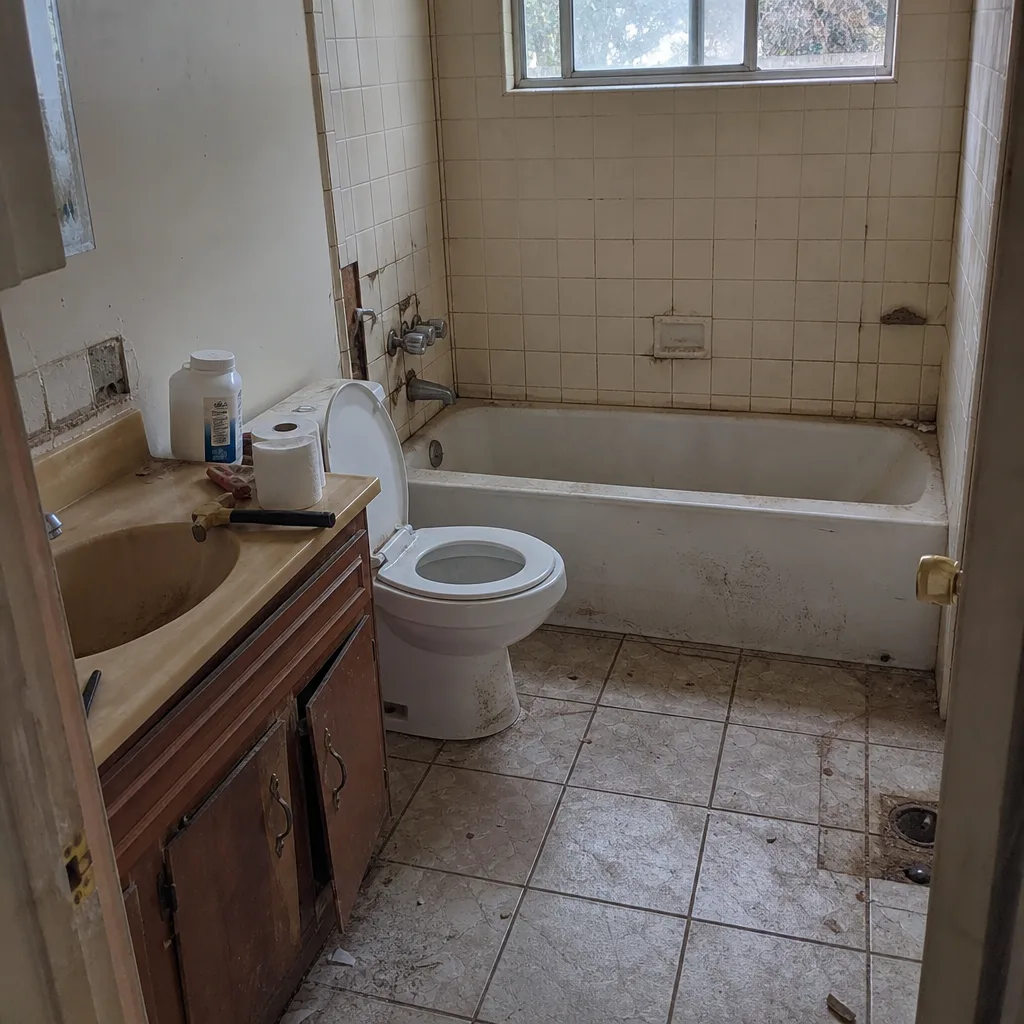 Before
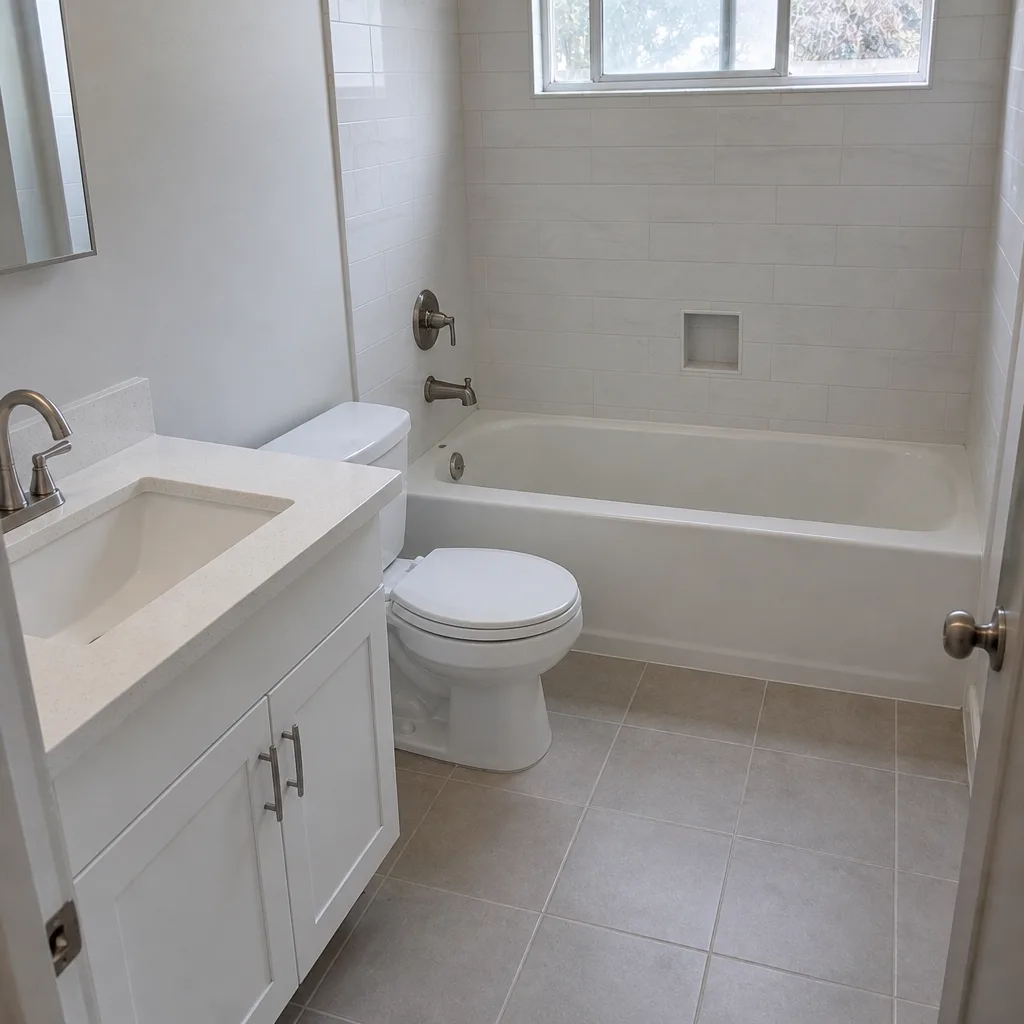 After
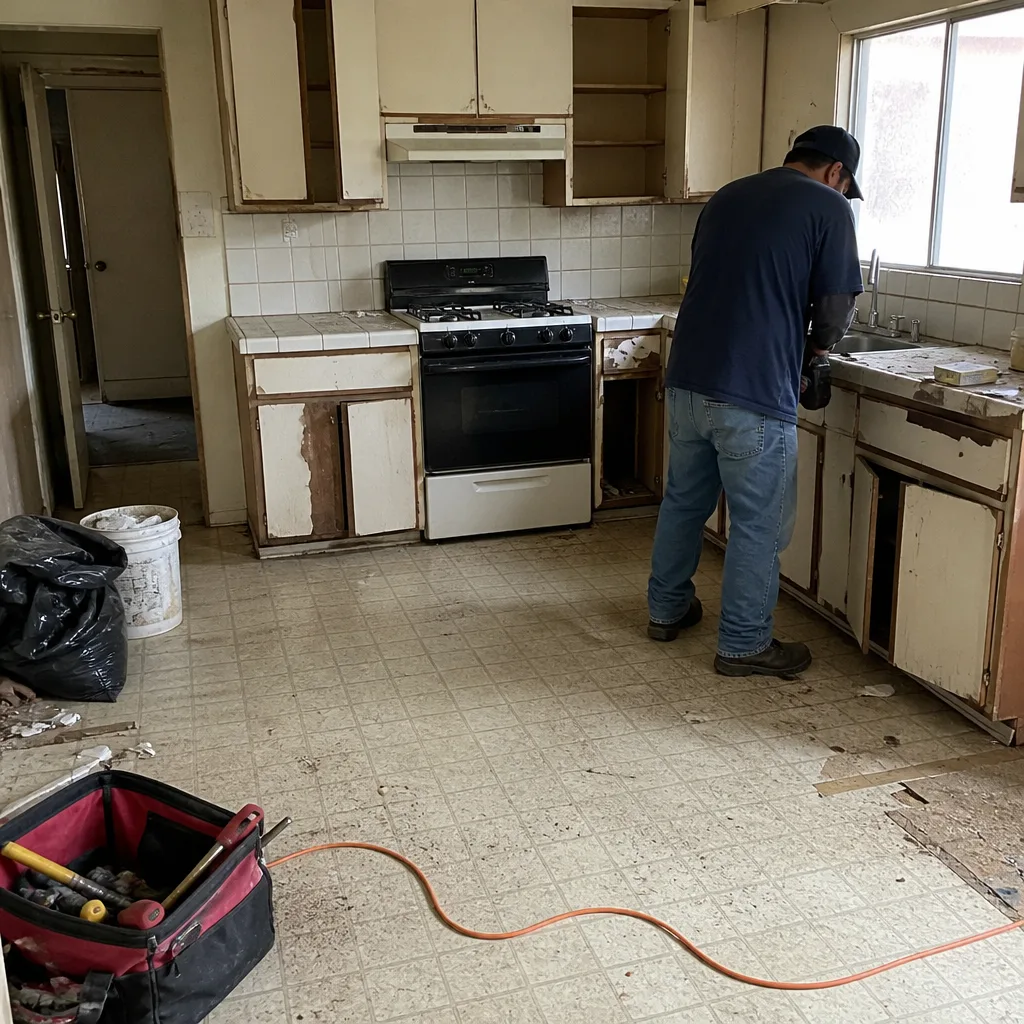 Before
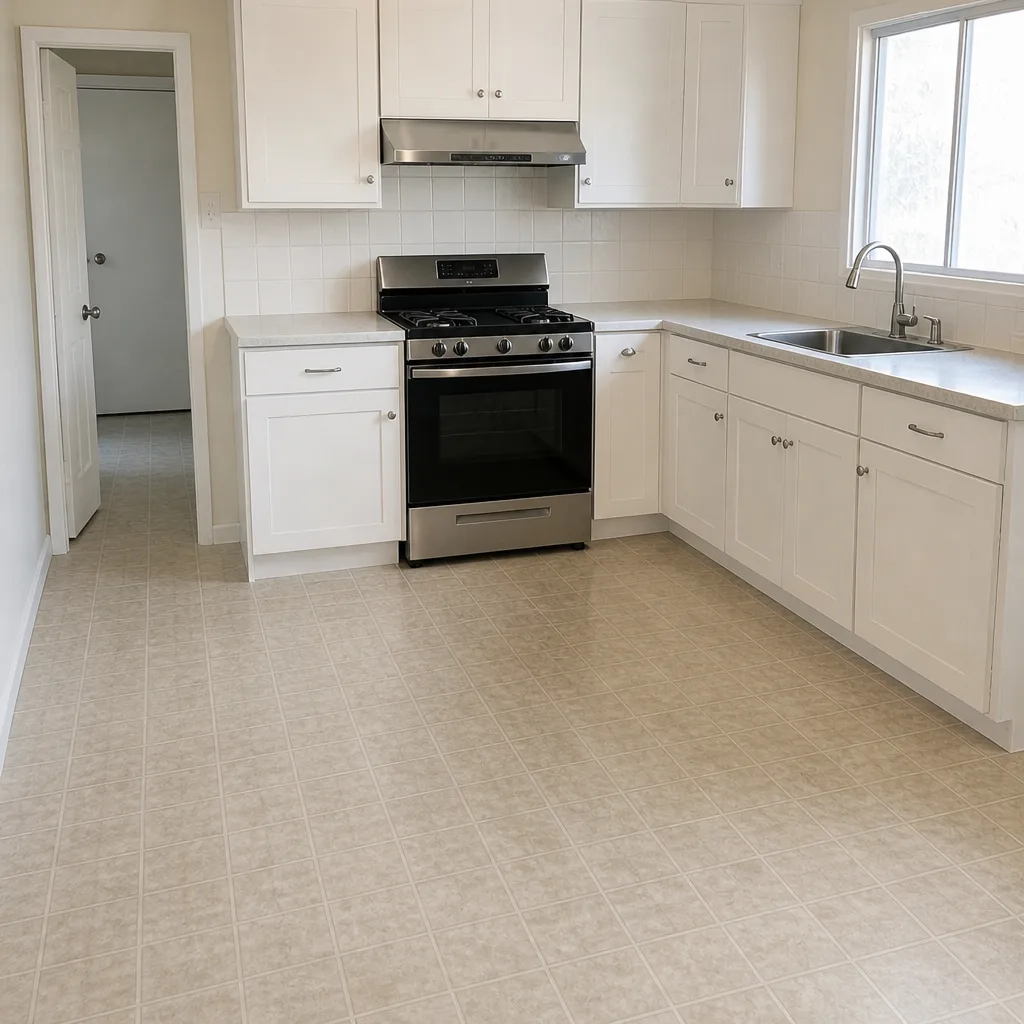 After
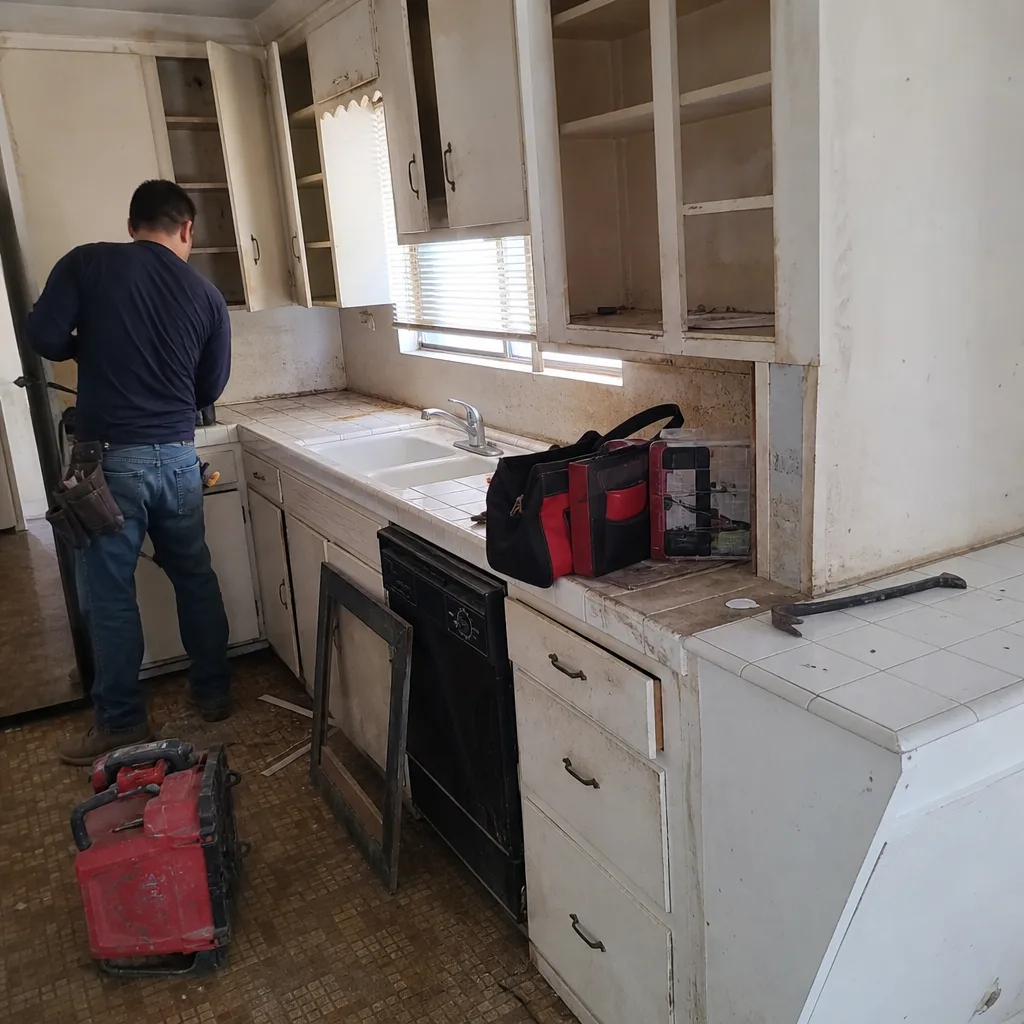 Before
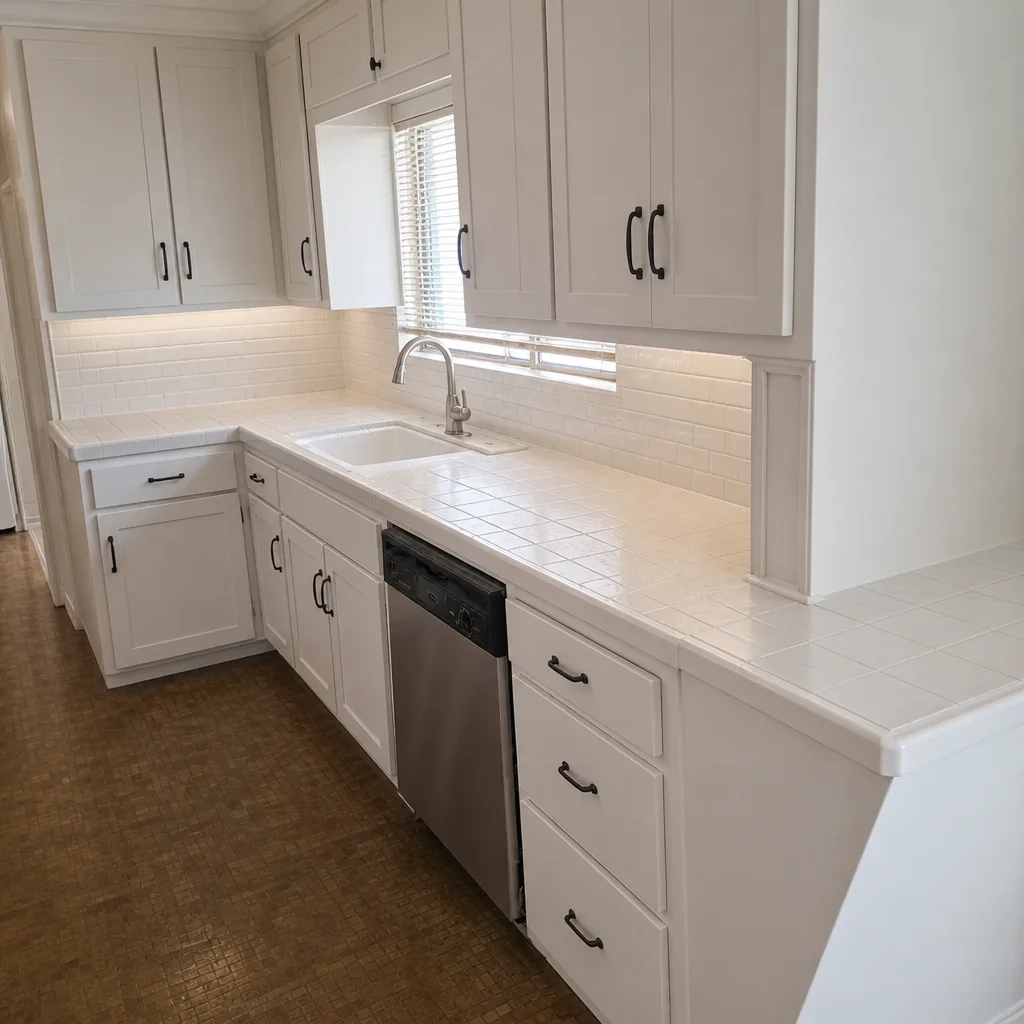 After
What South San Jose Hills Lots Do to This Job
The defining fact about building here is jurisdiction. South San Jose Hills is an unincorporated Los Angeles County island surrounded by the City of Industry and Walnut, so site prep permits and inspections run through LA County Public Works, not a city hall. Hillside grading and drainage plans face county review that neighbors in Walnut or Industry never deal with, and that review is why the permit stage of this job takes real time.
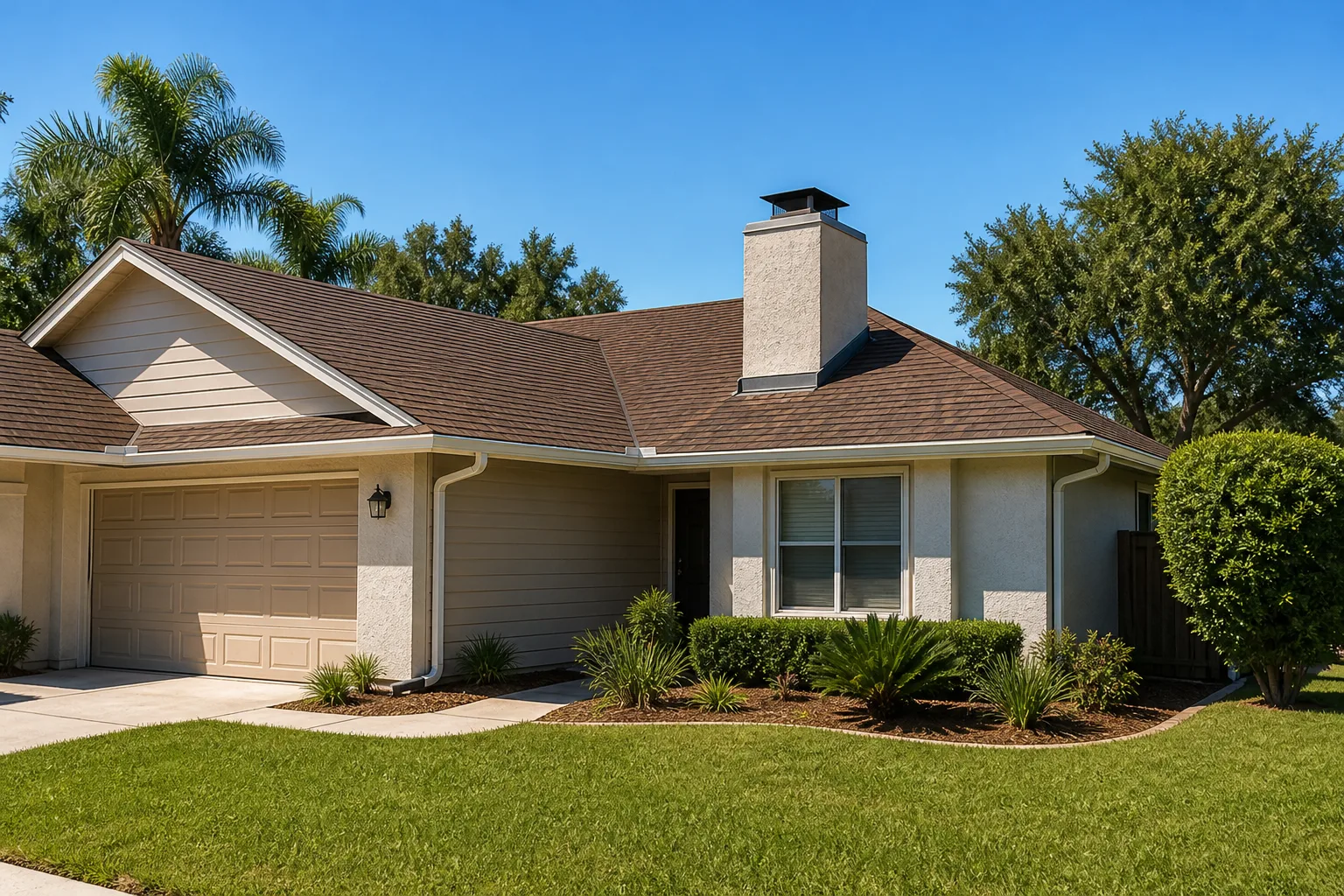
The 91792 housing stock is 1960s to 1980s tract and hillside homes on the slopes above Valley Boulevard, single-story ranch plans and two-story stucco with wood frames, tiled roofs, and detached garages. That matters here because ADU site prep regularly runs into older electrical panels that can’t carry an added service, and clay sewer laterals near the end of their life.
The climate drives the rest. Expansive clay soils shift with seasonal moisture, so pads get over-excavated and re-compacted. Dry, hot summers and the hillside location mean wildfire-defensive requirements apply to the ADU placement. Winter storm runoff stresses the retaining walls, foundations, and slope drainage on grade lots. On the steeper streets, we check for unpermitted retaining walls and hillside decks before designing any pad, because county inspectors will flag them.
We handle ADU site prep and utilities across all of South San Jose Hills, and homeowners here often pair site work with Paver Driveways in South San Jose Hills once the trenching is done so the access route gets rebuilt at the same time.
Serving South San Jose Hills, CA – Our Local Coverage Area
We serve South San Jose Hills and nearby communities. Use the map below to see the area we cover. If you’re nearby, we can almost certainly help.
Frequently Asked – ADU Site Prep & Utilities in South San Jose Hills
Plan on six to ten weeks from first cut to passed inspections. Hillside lots above Valley Boulevard sit at the long end because of grading volume and clay-soil compaction; flatter lots near the base of the slope run closer to six. County review timing is the biggest swing factor. Call (844) 662-2335 to talk through a realistic schedule for your lot.
Yes. Because South San Jose Hills is unincorporated LA County, all site, grading, and utility work needs LA County Public Works permits and inspections. Skipping them creates a paper trail problem when you sell. We pull the permits and hold the inspection calendar for you. Call (844) 662-2335 for a free estimate that includes the permit scope.
Often, yes, if your existing sewer lateral, water main, and panel have the capacity and a clear trench route exists. Trenchless boring can cross a finished driveway or mature landscaping without tearing it out. It’s the tie-ins and panel load that usually decide, not the routing. Call (844) 662-2335 and we’ll assess your existing infrastructure on-site.
The range is $53,100 to $153,400, with most of the spread driven by slope, trench distance, and whether the electrical panel needs an upgrade. A line-itemed written estimate tells you exactly what’s covered. Estimates are free. Call (844) 662-2335 for an exact quote.
Our workmanship on grading, trenching, and rough-in is covered by the 730-Day Done Right Promise. If something isn’t done right, we make it right. That covers our work, not the ADU manufacturer’s unit or the utility provider’s hookup. Call (844) 662-2335 to review the warranty scope before you commit.
Get a Free Estimate on ADU Site Prep & Utilities in South San Jose Hills
Call (844) 662-2335 to schedule a free on-site estimate. We’ll walk your lot, check the slope and existing utilities, and hand you a line-itemed written quote for the site prep and utility rough-in, with the permit scope spelled out. A live person answers around the clock, and projects over $10,000 qualify for $1,000 off plus 0% financing for 18 months. If you’re still weighing the bigger build, our Home Additions & ADU team can scope the whole project with you. Plans start with a free design consult.
Written by the team at Groundwork Construction Co.