Free written scope consultation - allowances, timeline, and change-order rules on paper before a single trade is scheduled
ADU Site Prep & Utilities in Lake Los Angeles: What the Job Actually Involves
ADU Site Prep & Utilities in Lake Los Angeles runs $53,100 to $153,400, and on a dirt-road parcel out here the site work is often the part that decides whether the project stays on schedule. That figure covers clearing and grading, the utility trenching and hookups, the slab or pier foundation, and the inspections that close each stage out. Most standalone units take five to nine months from first dig to final sign-off. Call (844) 662-2335 to set up a free on-site estimate.
How the Work Moves, Stage by Stage
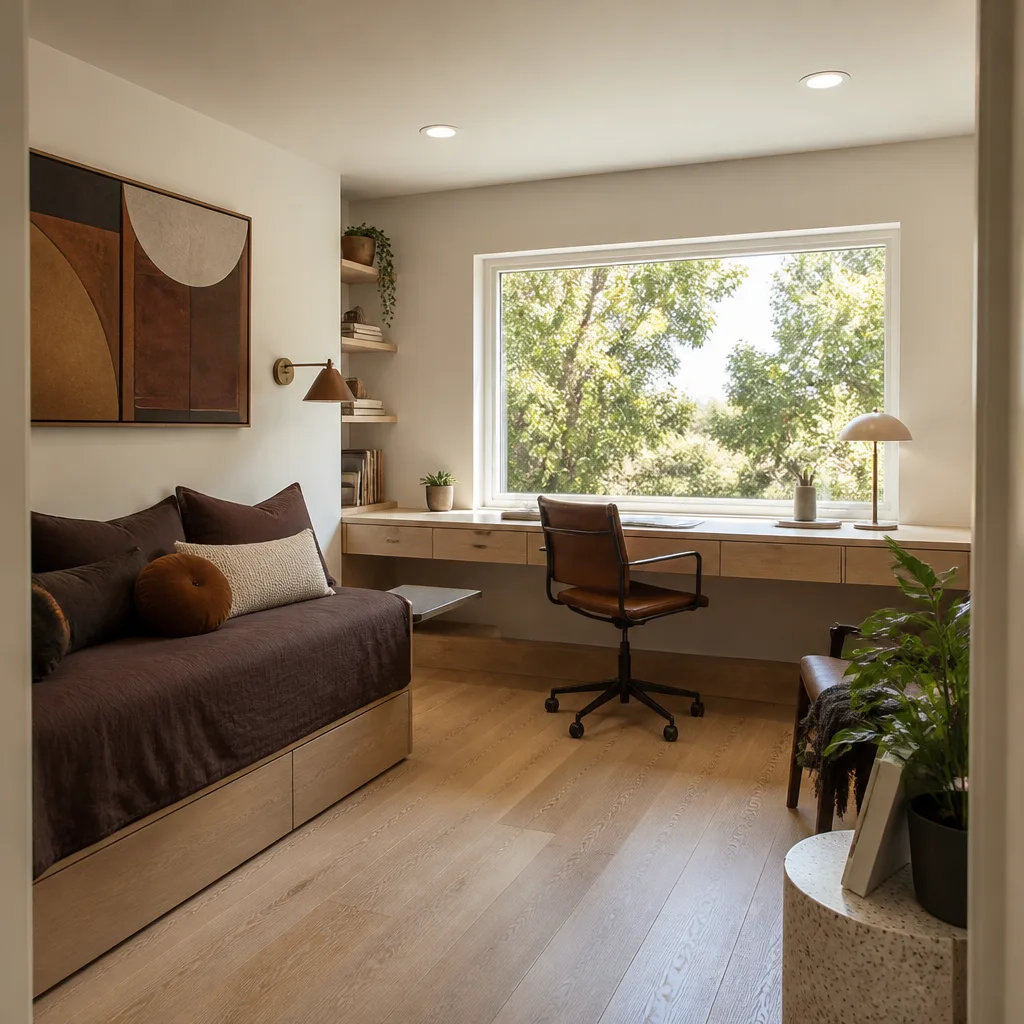
Site prep and utilities aren’t one trade. They’re a sequence, and each stage has to pass before the next one starts. Here’s how it runs on an acreage property here.
Stage 1: Site visit and utility locate (day 1)
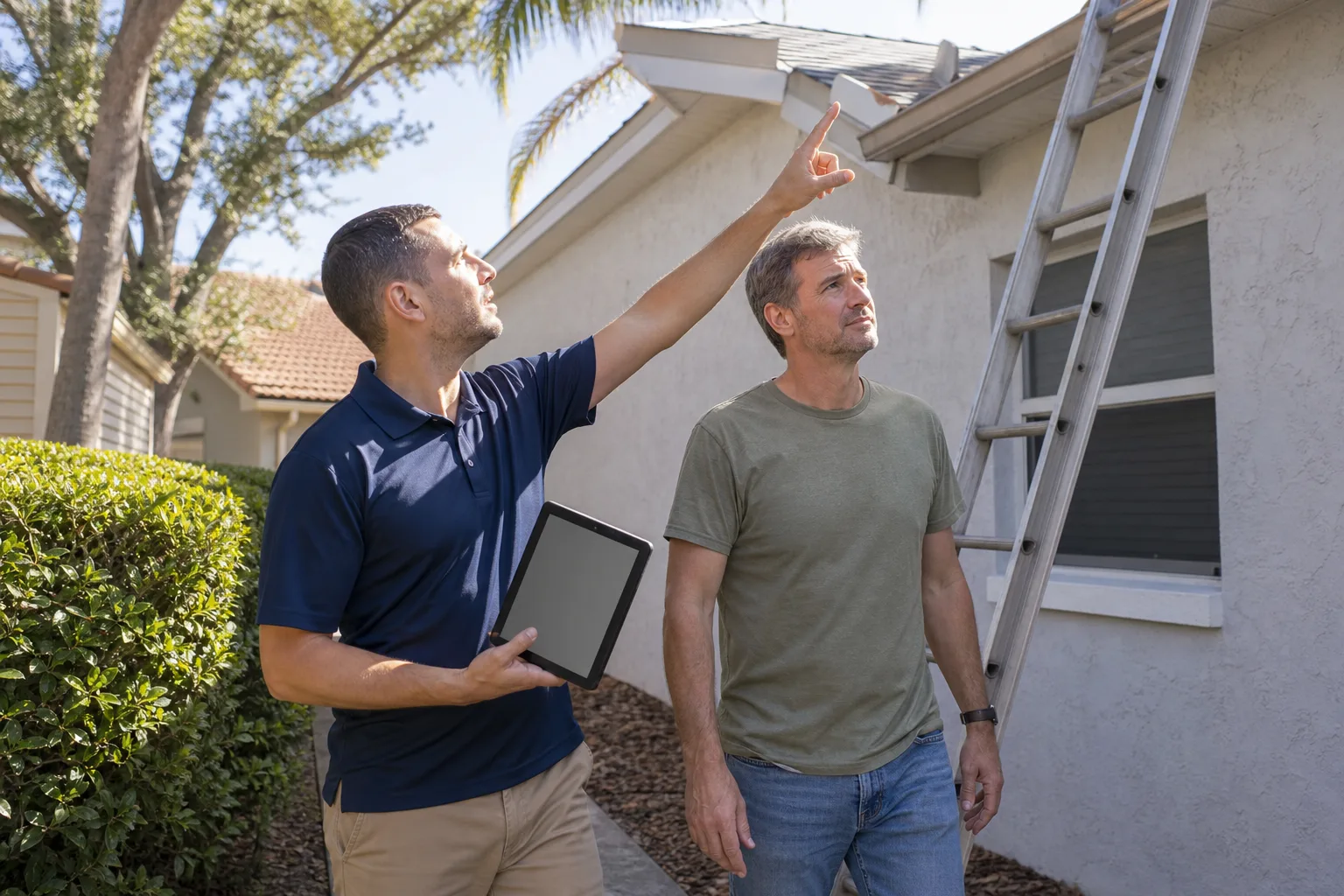
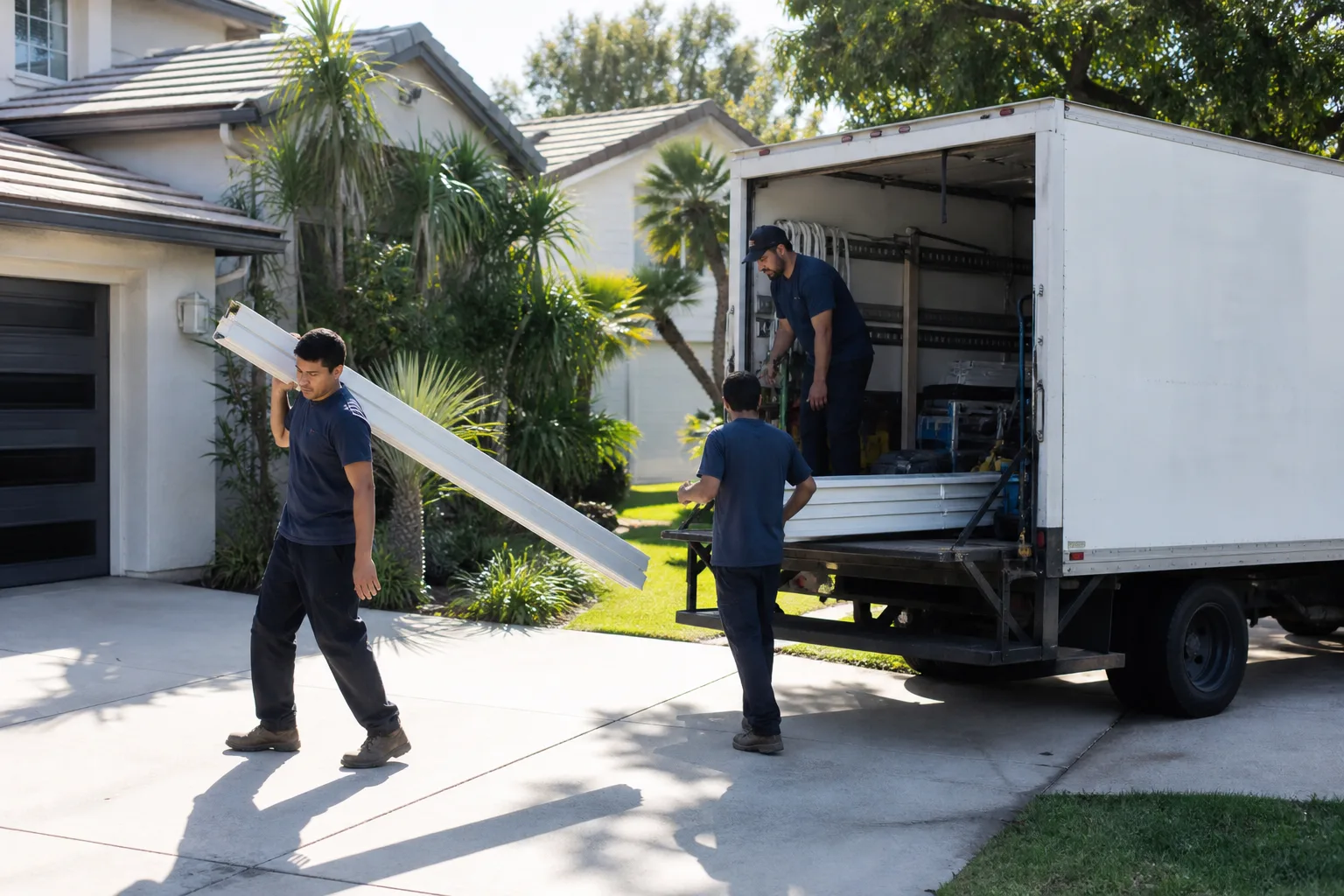
We walk the parcel, flag the buildable pad, and call for utility locates before anything gets dug. On east-side dirt-road properties, this is also when we measure the haul route – gate width, turn radius, road grade – because a long bed truck that can’t turn around costs real money in lost time. You decide the pad location and where the unit’s service connections will land relative to your well and septic.
Stage 2: Clearing, grading, and compaction (days 2-5)
A skid steer clears brush and levels the pad to grade, then we compact in lifts and proof-roll the subgrade. That proof-roll matters more here than in town: high-desert wind-blown sand and freeze-thaw cycles will punish an under-compacted base within a couple of seasons. You’ll see the pad elevation staked and confirmed before we move on.
Stage 3: Utility trenching and rough-in (days 6-12)
Water, sewer or septic tie, electrical conduit, and gas if you’re running it are trenched to depth, bedded in sand, and left open for inspection. Depths and materials are set by code, not preference, so this stage moves at the pace of the county inspector. Decide now whether you’re running a direct-buried line or conduit – conduit costs more up front and pays you back the first time something needs replacing.
Stage 4: Foundation (days 13-20)
Slab-on-grade, stem-wall, or pier-and-beam depending on what the unit needs and what the soil tells us. We set forms, place rebar, and pour. Curing takes time you can’t compress. This is where you lock in the anchor layout for whatever prefab or stick-built structure is going on top.
Stage 5: Backfill, final inspections, and utility energizing (days 21-30)
We backfill trenches, restore the ground, and walk the county through the final inspections. Once the utility company energizes the meter and the water’s live, the site is ready for the structure. Every stage gets documented so you know exactly what passed and when.
Styles & brands we work with
- Kitchen remodeling
- Bathroom remodeling
- Home additions & ADU
- Roofing
- Windows & doors
- Driveway & pavers
- Fence
The Choices That Change the Number
Site prep looks straightforward until you start picking between options that carry very different price tags. These are the decisions that matter most.
- Foundation type. Slab-on-grade is the cheapest and fastest for a simple unit, but it’s unforgiving if you ever need to get under the floor. Pier-and-beam costs more and handles uneven desert grade better, which is often worth it on a sloped or previously disturbed parcel.
- Utility route length. A unit 30 feet from the main panel is a very different job than one 200 feet out past the shop. Trenching, conduit, and wire costs climb with distance, and long runs may need a subpanel or a voltage-drop calculation.
- Water and waste. Tying into an existing well and septic is usually the least expensive path. A new well or a full septic field is a major line item and may need its own permit and perc test.
- Prefab versus site-built shell. Mighty Buildings and Plant Prefab offer factory-built shells that cut on-site framing time, and Tuff Shed handles the simpler utility-building side. The trade-off is that the site prep has to match their exact anchor and utility specs, so the specs get locked earlier.
- Electrical service. Upgrading the main panel to carry the ADU’s load is common on older ranch houses and can’t be skipped if the existing service is already maxed out.
Homeowners often pair this with Concrete Driveways & Concrete Work in Lake Los Angeles so the unit has a real access apron off the dirt road, and Paver Driveways in Lake Los Angeles when the approach needs to hold up to regular traffic.
What ADU Site Prep & Utilities Costs in Lake Los Angeles, CA
Plan on $53,100 to $153,400 for site prep and utilities on a Lake Los Angeles ADU, with most single-unit parcels landing in the middle of that band. The low end is a flat, easy-access lot with an existing well, septic, and panel close by. The high end is a long dirt-road haul, deep trenching, a new septic field, or a panel upgrade.
Here’s a rough breakdown of what drives those numbers:
| Line item | Typical range |
|---|---|
| Clearing, grading & compaction | $6,000 – $18,000 |
| Water & waste tie-in (existing systems) | $8,000 – $28,000 |
| Electrical trenching & service | $7,000 – $24,000 |
| Foundation (slab or pier) | $14,000 – $38,000 |
| Gas line & backfill/restoration | $5,000 – $18,000 |
The variables that push a job up or down: distance from existing utilities, soil and grade conditions, whether you’re adding a new well or septic field, panel capacity, and how much of the parcel needs clearing first. A written estimate itemizes each of these so nothing gets buried in a lump sum. Upfront pricing means the number you see is the number you pay, and if the job runs past the estimate it’s on us, not you. Call (844) 662-2335 for an exact quote.
See the difference
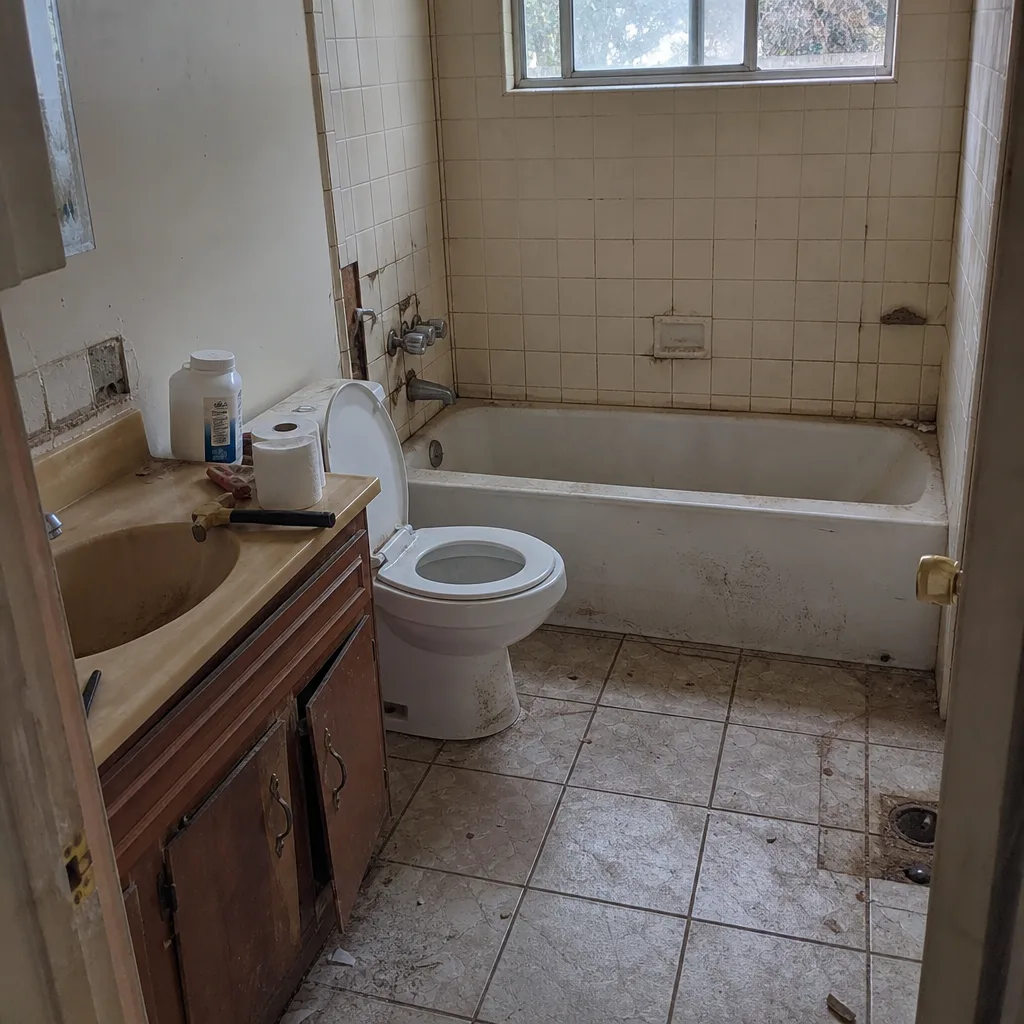 Before
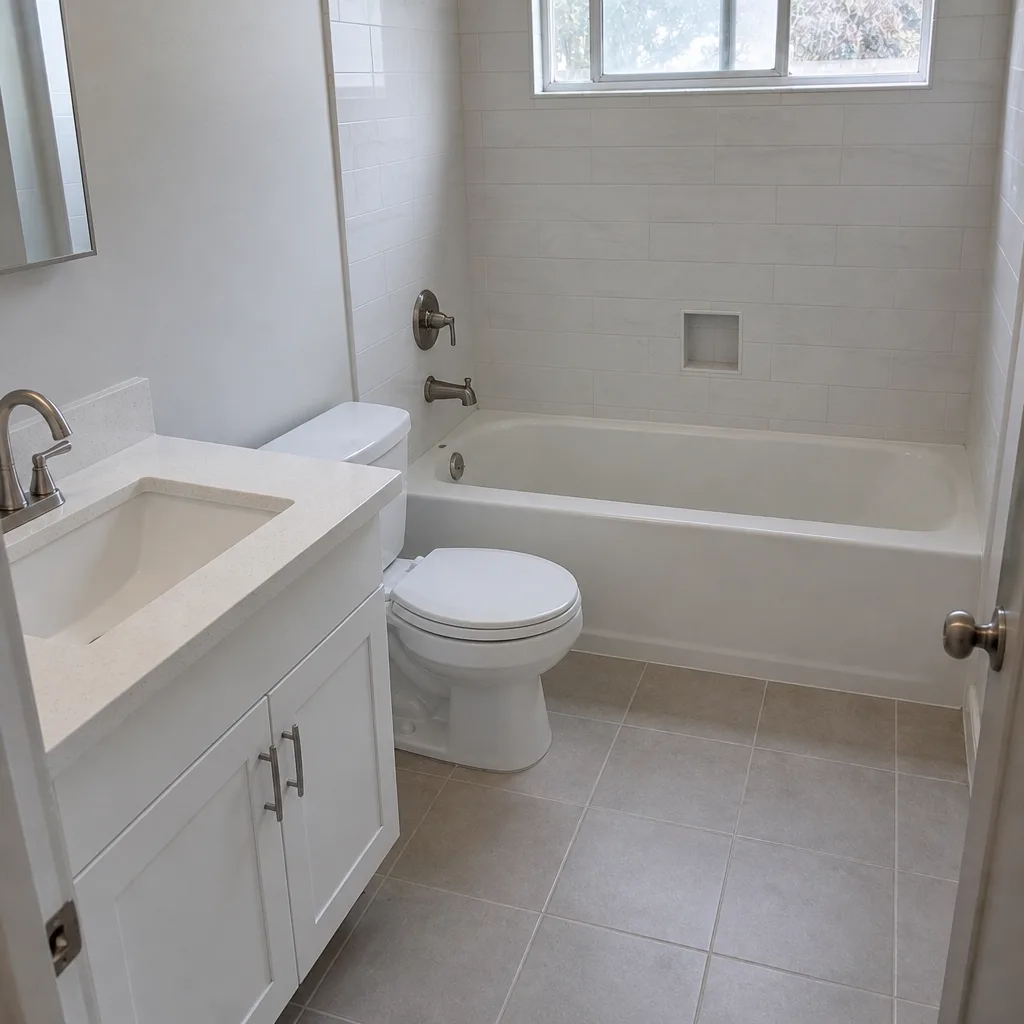 After
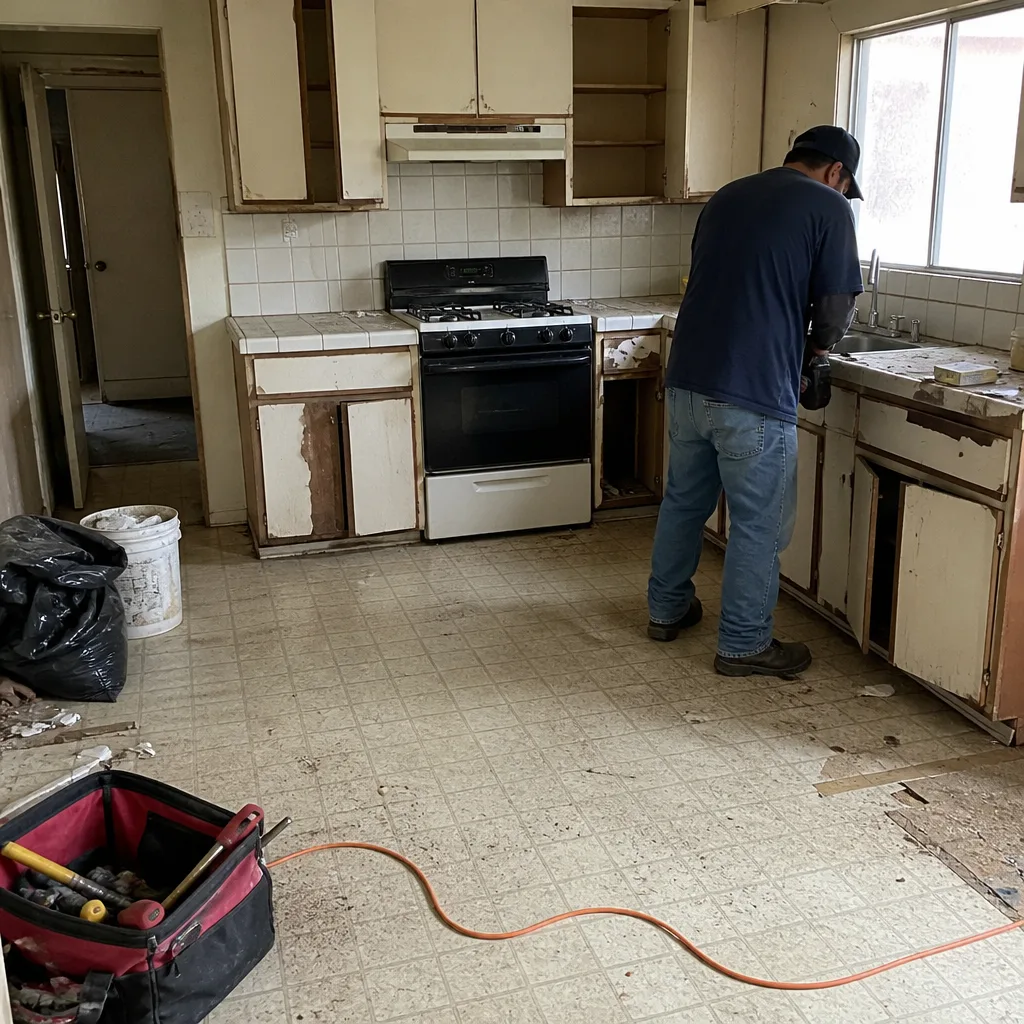 Before
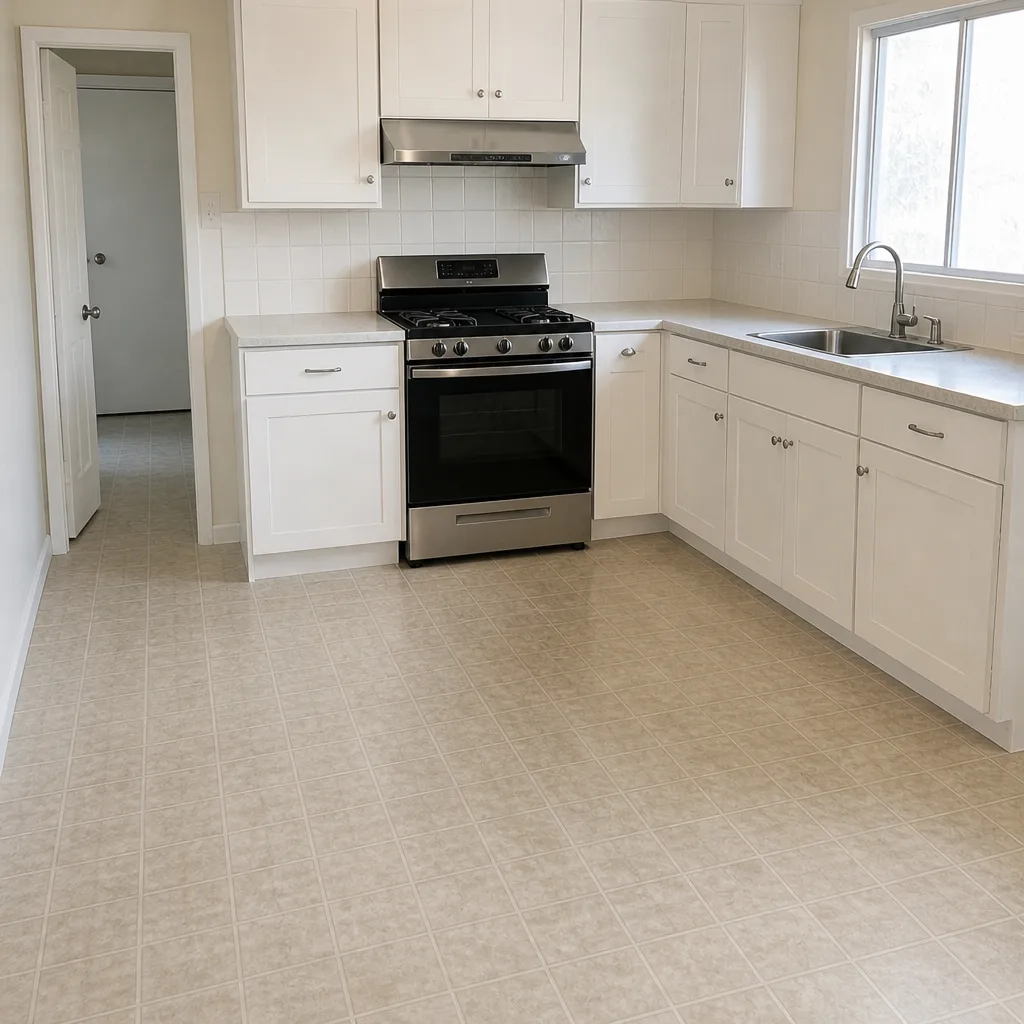 After
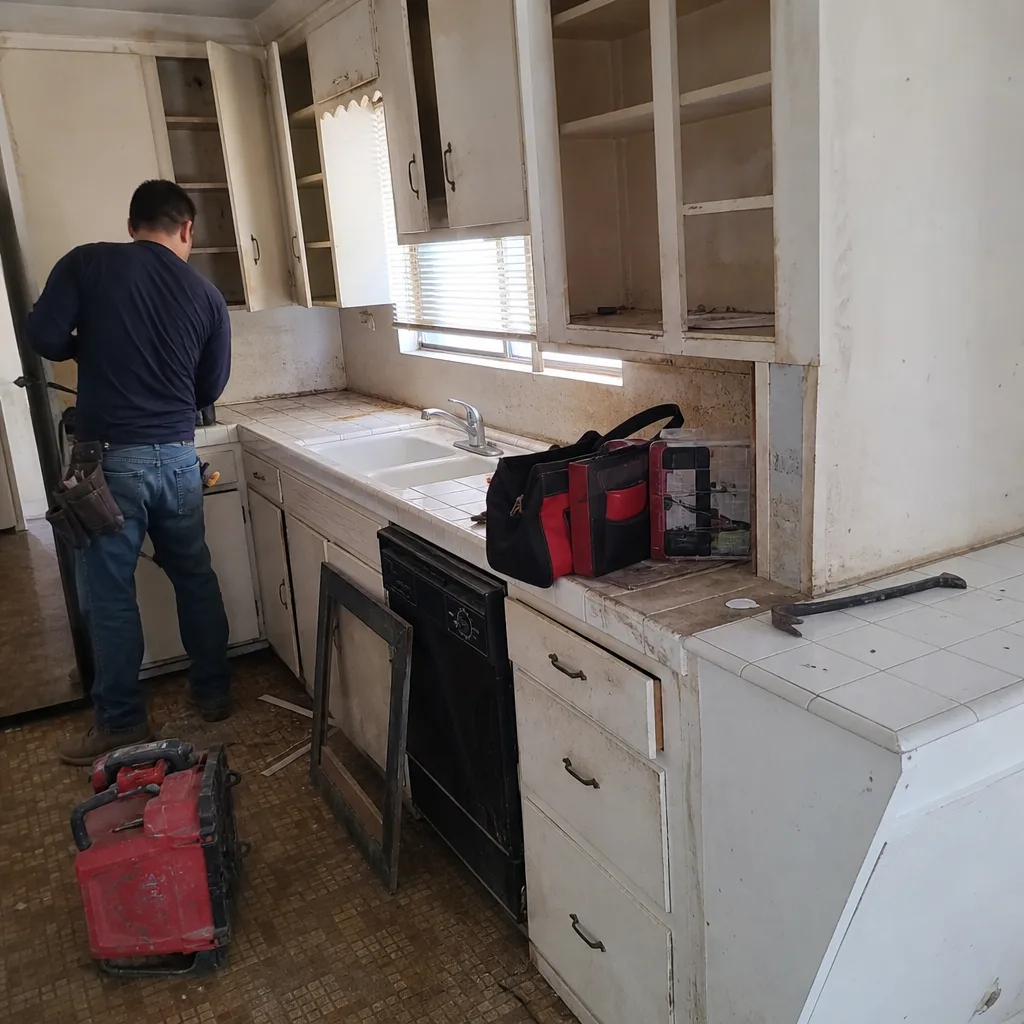 Before
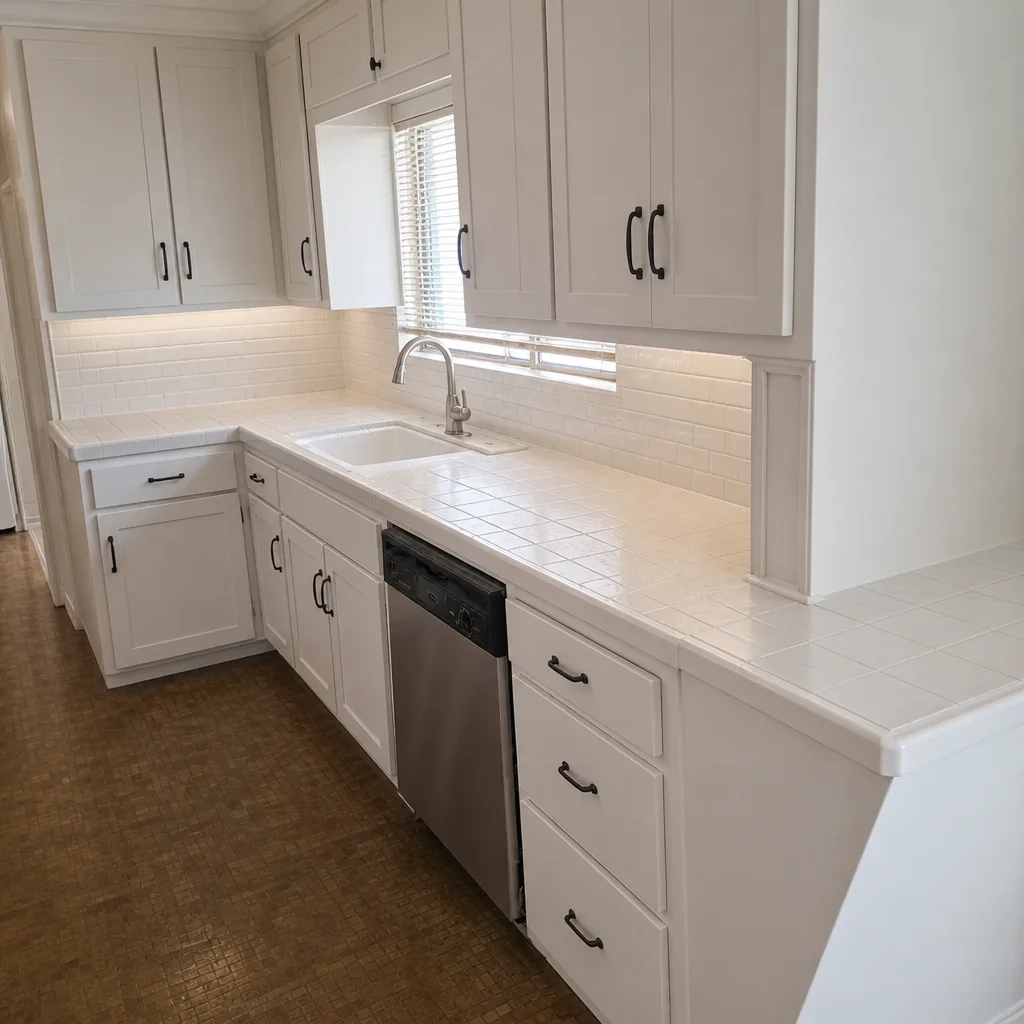 After
What Lake Los Angeles Parcels Do to This Job
Most of what makes site prep different here comes down to one fact: Lake Los Angeles is a high-desert unincorporated community on the Antelope Valley’s east side, and permit work runs through LA County rather than a city building department. That changes the inspection calendar – county inspectors cover a wide territory, so scheduling a rough-in inspection isn’t a same-week guarantee. On the scattered manufactured homes and modest ranch houses on multi-acre parcels, we’re often working around a private well and septic system rather than city water and sewer, which means a perc test and a waste-system plan can add weeks before a single trench gets dug. Hauling materials down unimproved county dirt roads sets the real schedule: a load that takes twenty minutes in Glendora takes an hour out here, and a truck that can’t turn around in a narrow gate costs time you can’t get back. The climate works on the ground too. Summer heat well above 100°F and winter overnight freezes crack under-compacted base, so we proof-roll and compact in lifts rather than rushing the grading. If you’re weighing how site work fits a larger build, our Home Additions & ADU service covers the full scope, and stepping back to the broader Home Additions & ADU in Lake Los Angeles page shows how this piece slots into a complete project.
Serving Lake Los Angeles, CA – Our Local Coverage Area
We serve Lake Los Angeles and nearby communities. Use the map below to see the area we cover. If you’re nearby, we can almost certainly help.
Frequently Asked: ADU Site Prep & Utilities in Lake Los Angeles
Most site prep and utility packages run four to eight weeks of active work, though county inspection scheduling and any well or septic testing can stretch that. Flat, easy-access lots move fastest; long dirt-road hauls and new waste systems take longer. Call (844) 662-2335 for a timeline tied to your parcel.
Yes. Grading, foundation, and utility work all require permits through LA County, and the unit itself needs its own set. We pull the permits and manage the inspections so you’re not chasing signatures. Call (844) 662-2335 and we’ll walk you through what your specific project needs.
Usually yes, if the new pad sits clear of your existing well lines, septic field, and service panel. Relocating any of those adds cost and time. We confirm the layout during the site visit before any dirt moves. Call (844) 662-2335 to schedule that visit.
The $53,100 to $153,400 range reflects how much utility distance, soil condition, and existing infrastructure vary from parcel to parcel. A lot with nearby connections and flat access lands low; a steep, long-haul site with a new septic field lands high. Call (844) 662-2335 for a line-item estimate on your property.
All of it is covered by our 730-Day Done Right Promise – if it’s not done right, we make it right. That’s one of the longest workmanship guarantees in residential construction, and it applies to the grading, foundation, and utility installs we complete. Call (844) 662-2335 for the full warranty terms.
Ready to Price Your ADU Site Work?
We’ll come out to your Lake Los Angeles property, walk the parcel, check the haul route and existing utilities, and hand you a written, line-item estimate at no charge. On the call, a live person answers any hour of the day, books the site visit, and answers your questions about permits and timelines up front. Call (844) 662-2335 to schedule your free estimate. You can also see the rest of our Lake Los Angeles coverage and where we work.
Written by the team at Groundwork Construction Co.