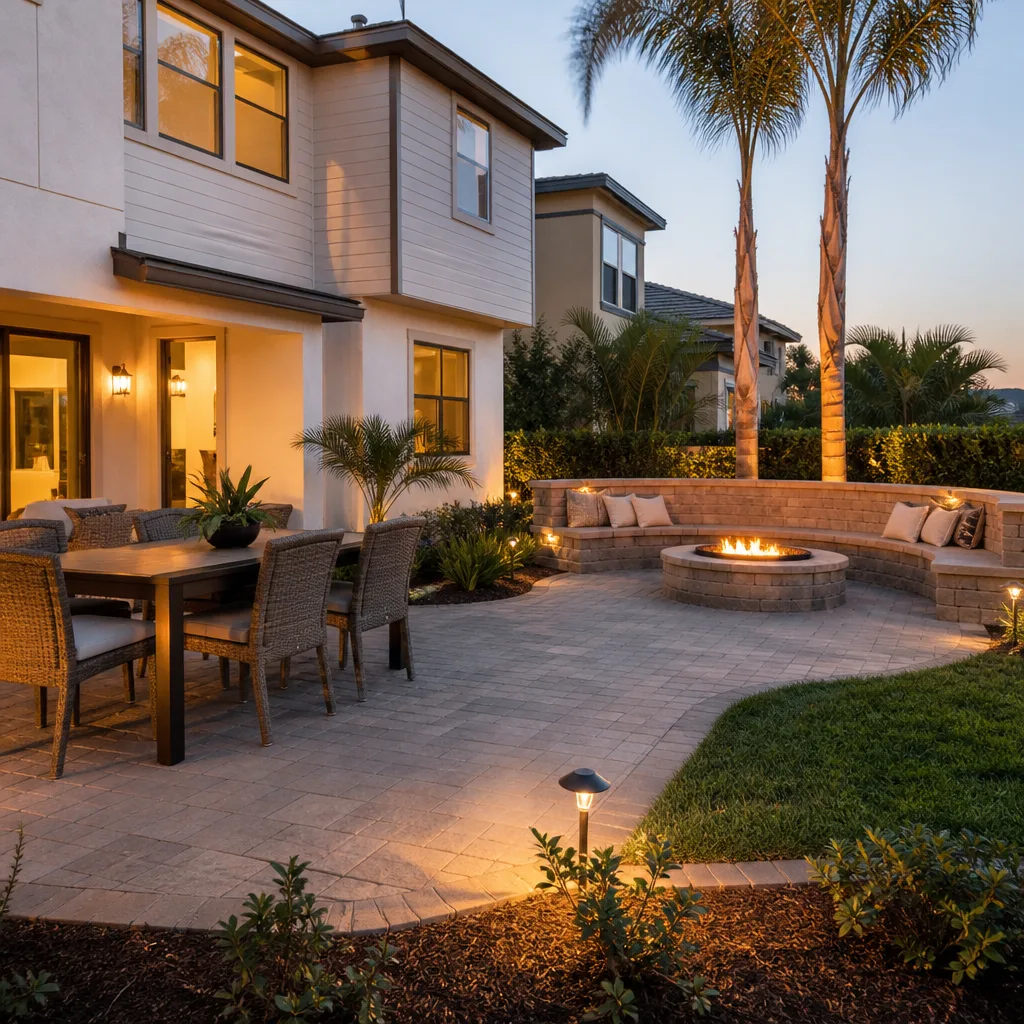
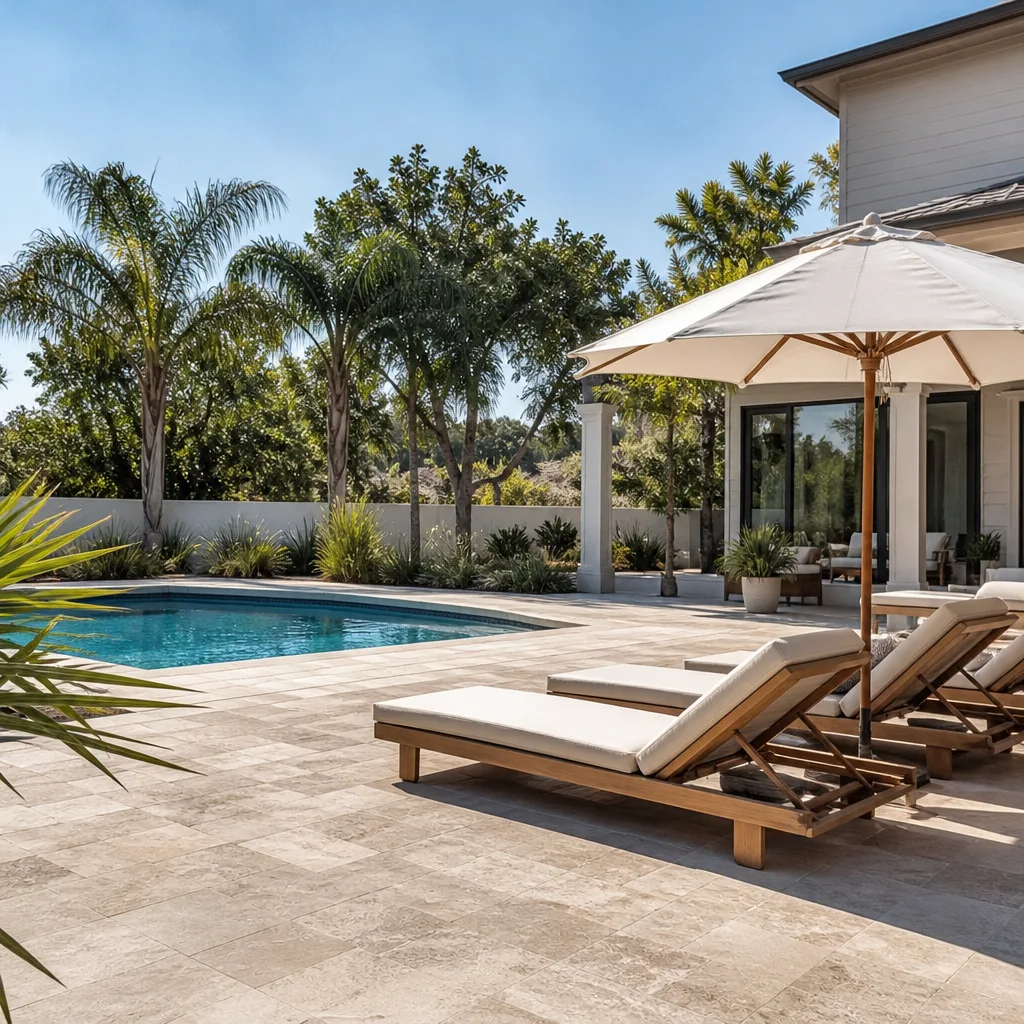
Free written scope consultation - allowances, timeline, and change-order rules on paper before a single trade is scheduled
Styles & brands we work with
- Kitchen remodeling
- Bathroom remodeling
- Home additions & ADU
- Roofing
- Windows & doors
- Driveway & pavers
- Fence
See the difference
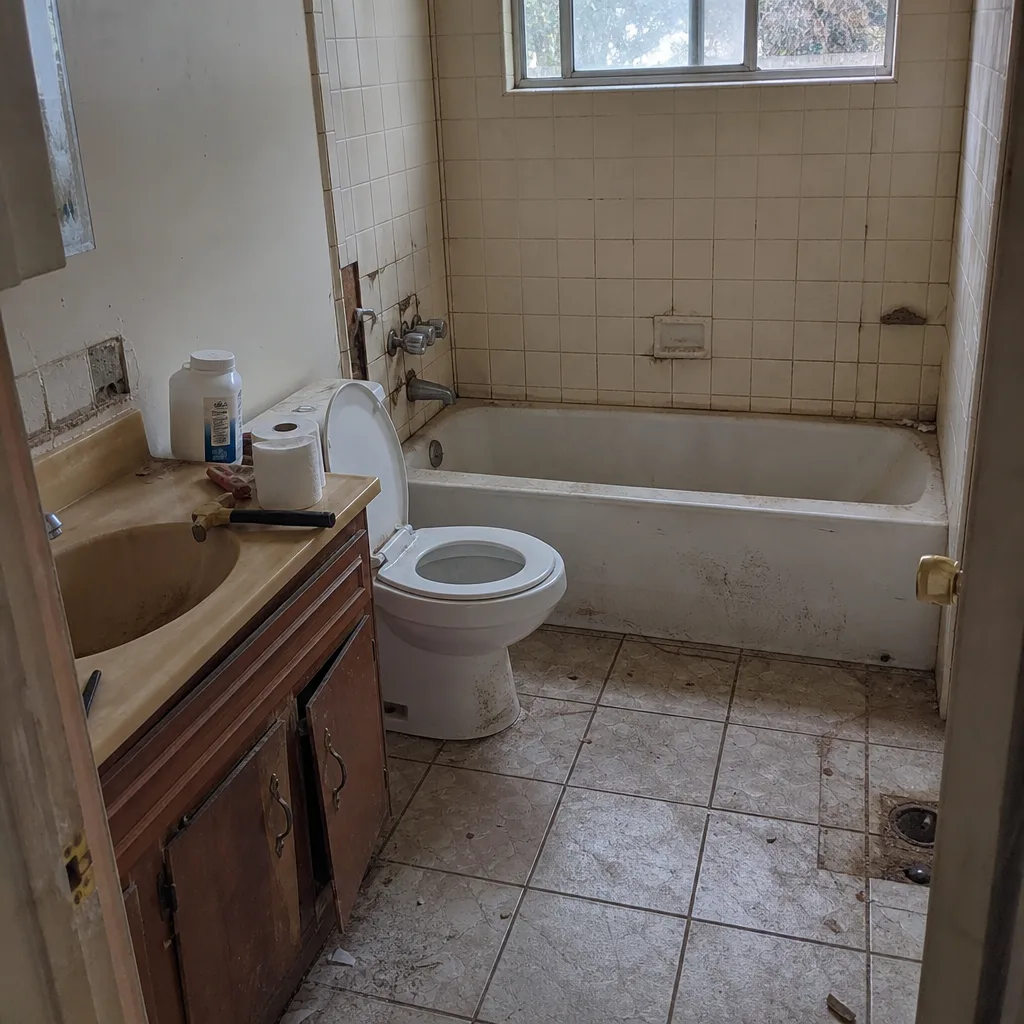 Before
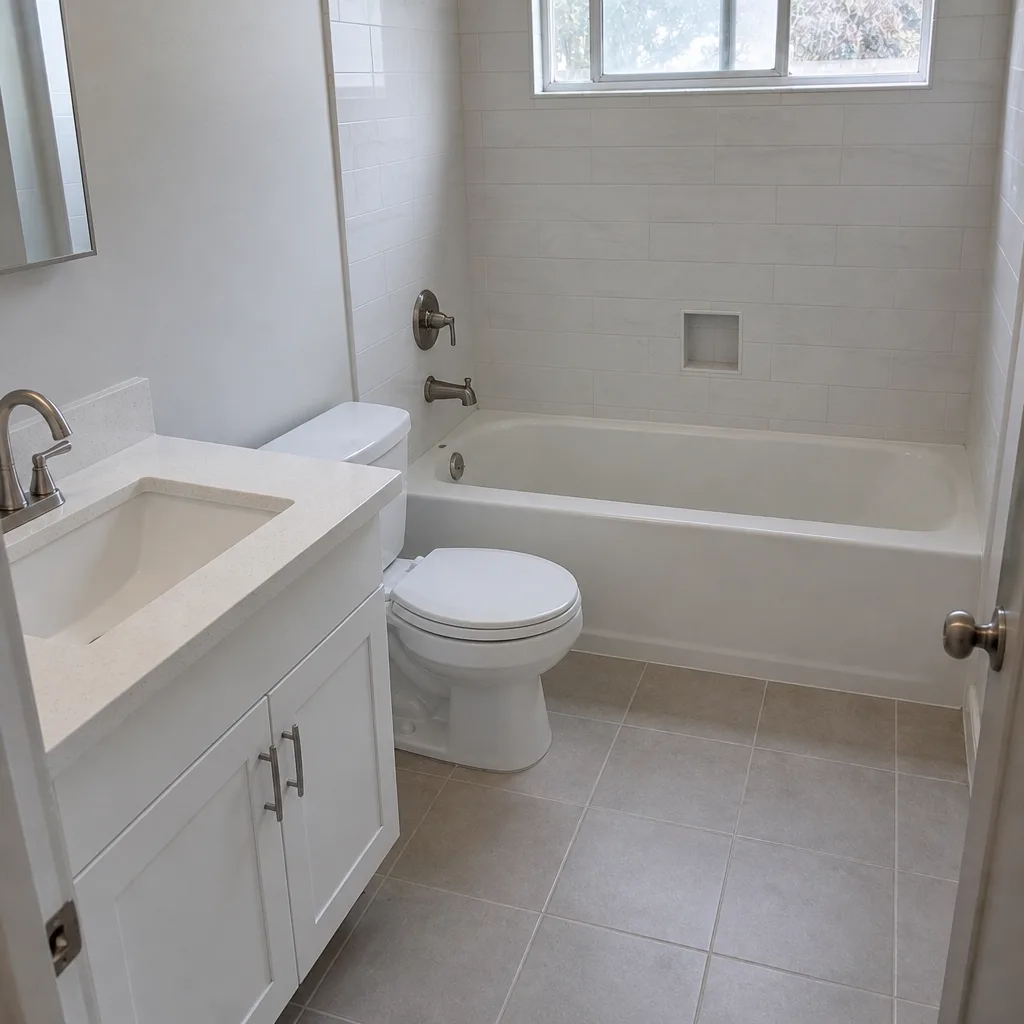 After
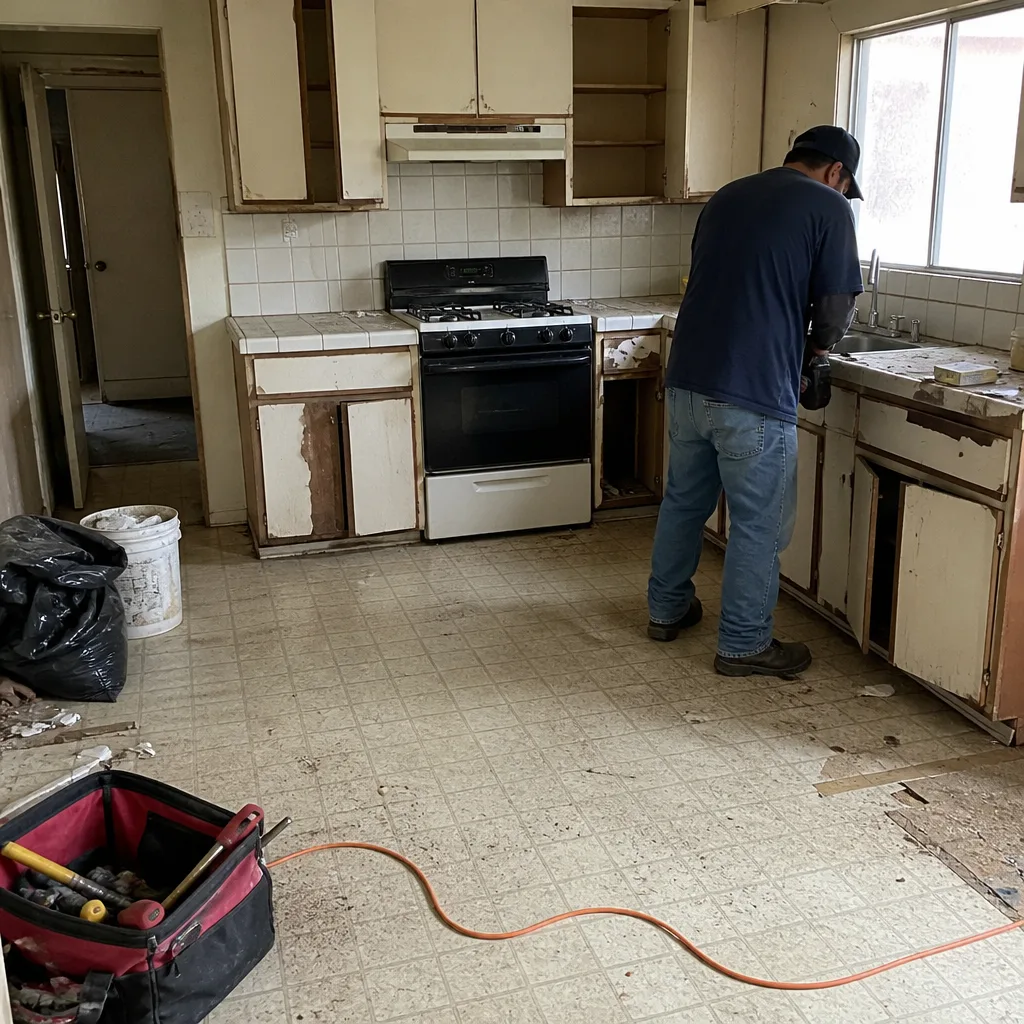 Before
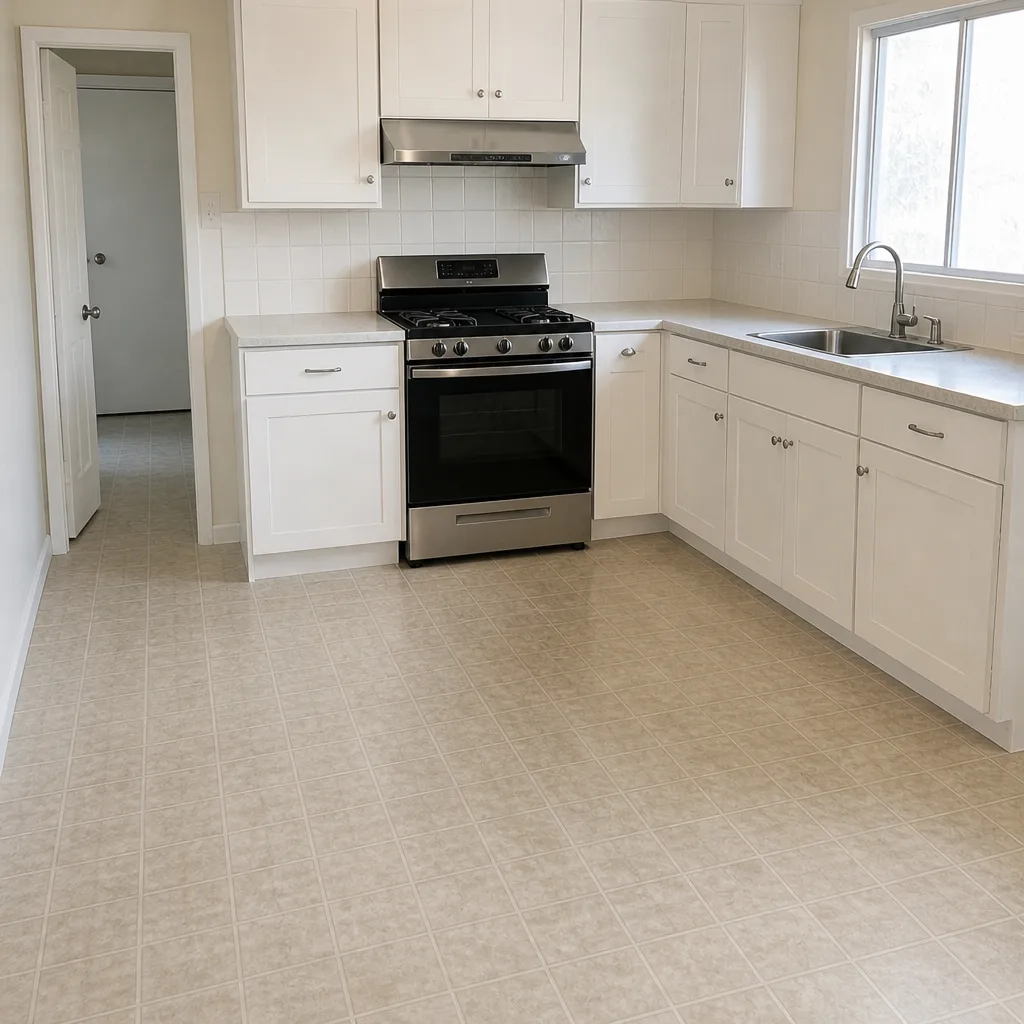 After
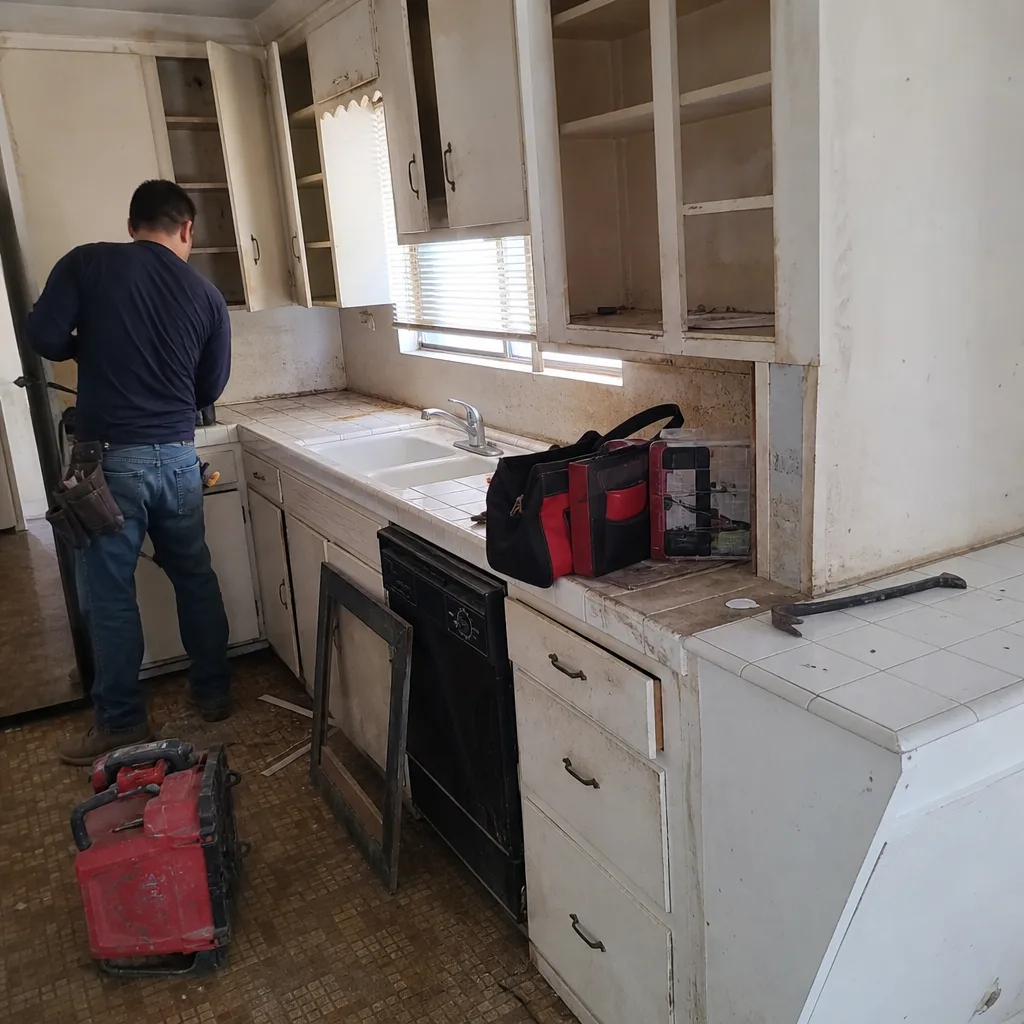 Before
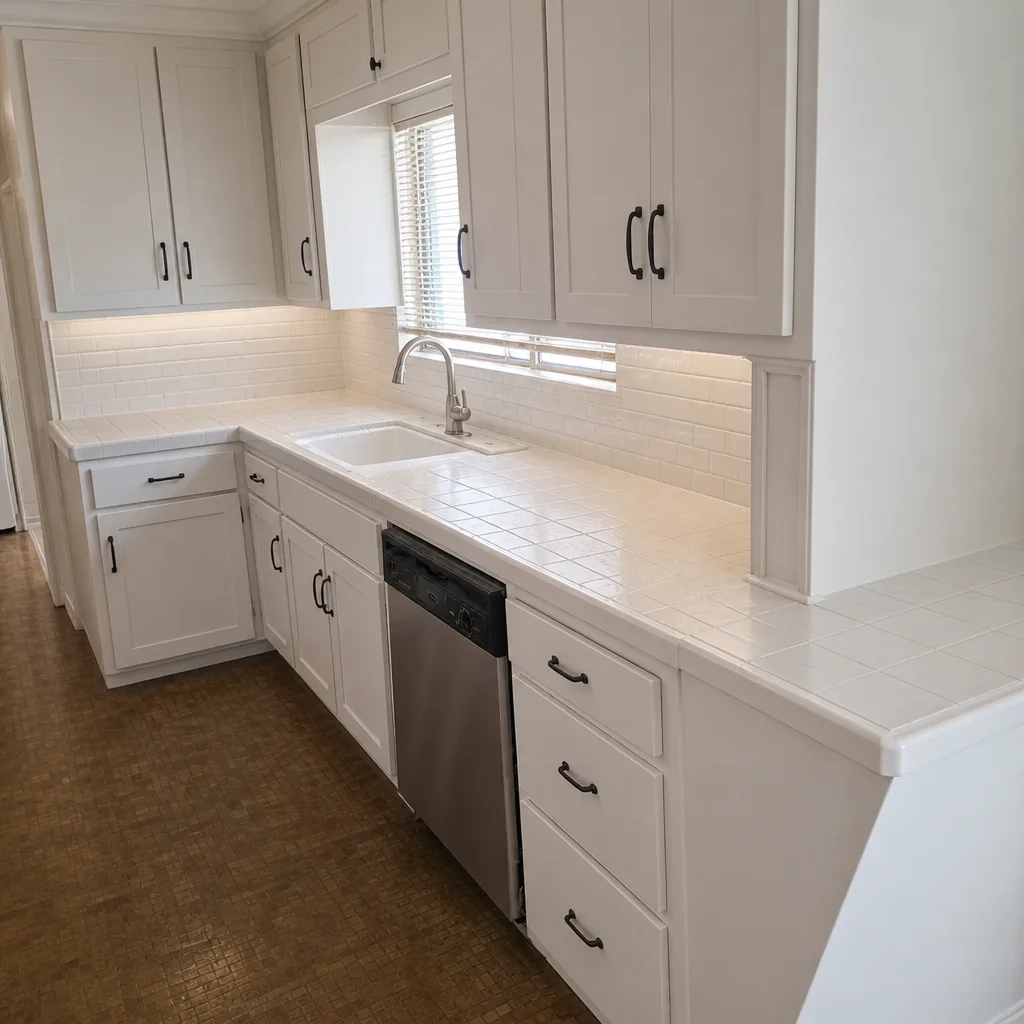 After
Here’s the guest post, structured to answer the comparison query directly while respecting the brand’s voice and the March 2026 content doctrine.
Asphalt vs Concrete Driveway in West Covina: Which Holds Up to the Heat?
Choose concrete for most West Covina driveways, and asphalt only if your budget is firm and you plan to resurface within ten years. The reason is heat, not preference. Asphalt softens at roughly 120°F surface temperature, and a full-sun West Covina driveway in July and August blows well past that, which is why a one-year-old asphalt driveway here can start tracking tire marks and rutting under a parked car. Concrete costs more on day one but usually wins on total cost of ownership in this climate. For a single-visit side-by-side number, call Groundwork Construction Co. of West Covina at (844) 662-2335.
We’re a builder, not a paving manufacturer, so we have no reason to push one surface over the other. What we do have is a clear picture of how each material behaves under San Gabriel Valley sun, and a habit of pricing both on the same day so you can compare like for like.
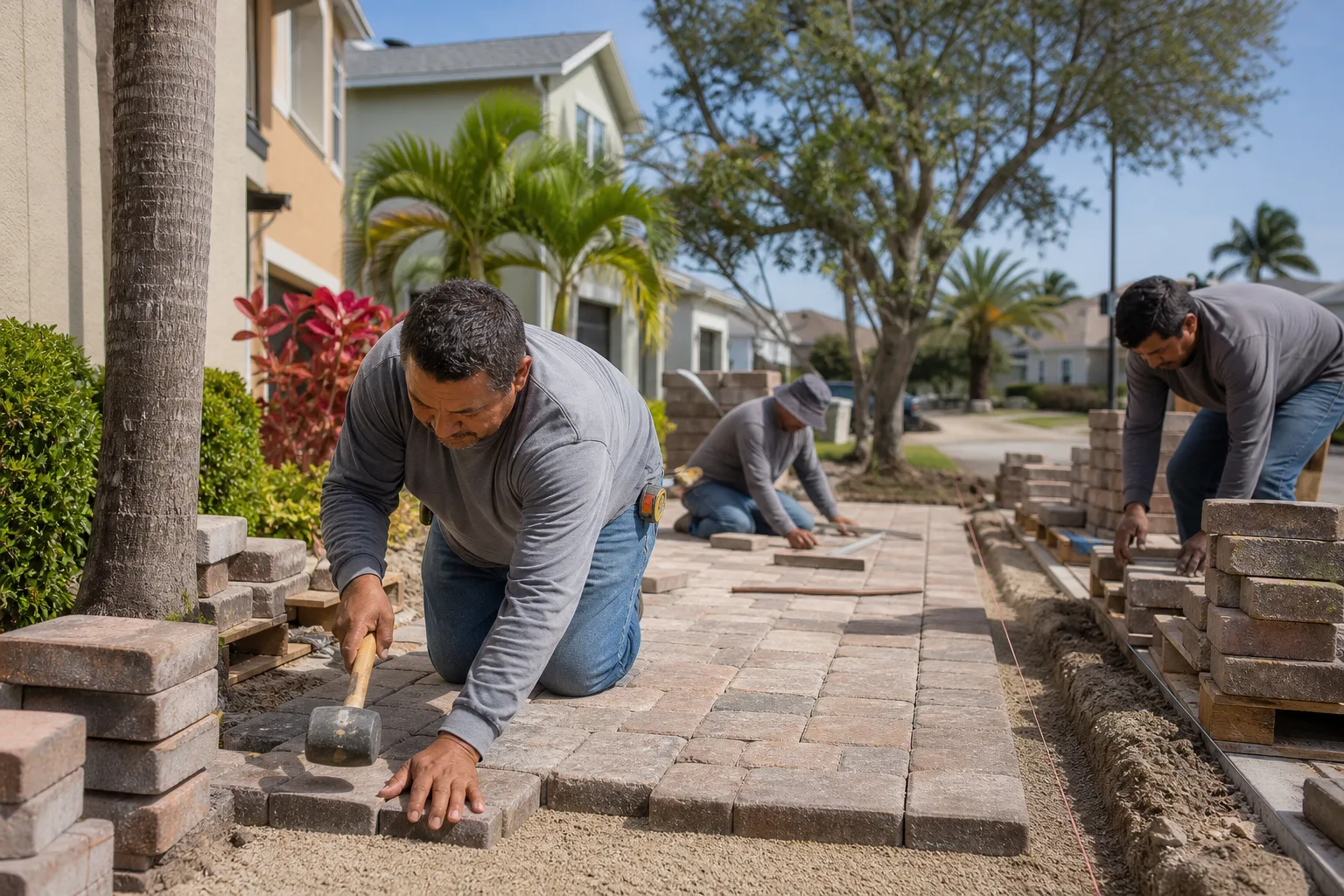
Why does asphalt struggle more in West Covina than national guides admit?
Most asphalt-versus-concrete articles are written for a national average that doesn’t exist here. The number that matters is surface temperature, and on a 100°F afternoon in full West Covina sun, an asphalt driveway can read 150°F or higher. That’s above the point where the binder softens and the aggregate starts shifting under load. Park a car on it, turn the wheels, and you get the marks. Repeated over a few summers, you get ruts that hold water and spiderweb cracking at the edges.
Concrete handles the same heat differently. It doesn’t soften, so it doesn’t rut or track. Its failure modes are shrinkage cracks and, eventually, surface spalling, and those are controlled by mix design, control joints, and proper curing rather than by shade. That last part matters in a city where most driveways face west or south and get hammered from late morning on.
Two nuances we’ve learned in the field. First, asphalt can work in West Covina heat if it’s shaded most of the day or paved with a polymer-modified mix, which holds up better than standard binder. Second, on the older lots with expansive clay beneath them, the base prep under either surface is where most failures start. A driveway is only as good as the subgrade, and near the creek-side and hillside tracts that clay swells and shrinks with the seasons, so we compact and build base depth accordingly. That single step does more for lifespan than the choice between asphalt and concrete.
Concrete vs asphalt: a true side-by-side for West Covina homeowners
Here’s the honest comparison, using local installed pricing rather than a national average. These ranges reflect what actual West Covina jobs run, and they hold whether you’re on a flat tract lot or a sloped one that needs extra base work.
| Factor | Concrete | Asphalt |
|---|---|---|
| Installed cost per sq ft | Roughly $6-$10 | Roughly $3-$5 |
| Cure / drive-on time | About 7 days | 24-48 hours |
| Annual maintenance | Minimal; occasional crack sealing | Seal every 1-3 years |
| Heat behavior | Doesn’t soften or rut | Softens above ~120°F surface |
| Typical lifespan here | Long-horizon; decades with good base | Shorter unless shaded or polymer-modified |
Two cost figures worth pinning down for a real project. A full concrete driveway installation in West Covina runs about $4,500-$12,000, and asphalt driveway paving runs about $3,500-$9,000. Replacement of an existing driveway runs $5,000-$14,000 depending on demolition and haul-off. If you’re leaning toward a premium look with a much longer service life, our Driveway & Pavers in West Covina page covers that third option in detail.
Run the total-cost math and the gap narrows fast. Asphalt needs sealing on a regular cadence to survive here, and annual sealing in West Covina runs $250-$700 per application. Over a decade that adds up, and it still doesn’t stop a full-sun driveway from ruting. Concrete skips the sealing cycle and doesn’t deform under tire load. That’s the total-cost-of-ownership argument in one sentence.
What about the California sealer rules most articles skip?
California restricts certain asphalt sealers under VOC regulations, and this catches homeowners who buy a cheap bucket online or at a big-box store and find it isn’t legal to apply here. Many conventional coal-tar and high-VOC sealers are off the table in this state, so the product you’ll actually use is a compliant asphalt emulsion that costs more and behaves differently. It’s a detail the national comparison pages ignore entirely, and it’s one more line item that quietly raises asphalt’s real cost over time. When we quote sealing, the product is already compliant, so you’re not discovering this at the register.
When does asphalt actually make sense in West Covina?
Asphalt earns its place in one clear scenario: a short-turnaround project where the budget is firm and you plan to resurface or replace within about ten years anyway. If you’re selling in a few years, renting the property out, or paving a rear access area that stays shaded, the lower upfront number and the fast cure make asphalt the practical pick. Concrete’s seven-day cure is a real constraint if you can’t be without the driveway for a week. Asphalt gets you back on it in 24 to 48 hours.
- Pick concrete for a full-sun front driveway you intend to keep for decades, especially on expansive clay lots where base prep matters most.
- Pick asphalt for firm short budgets, shaded or rear lots, or a surface you’ll replace within ten years.
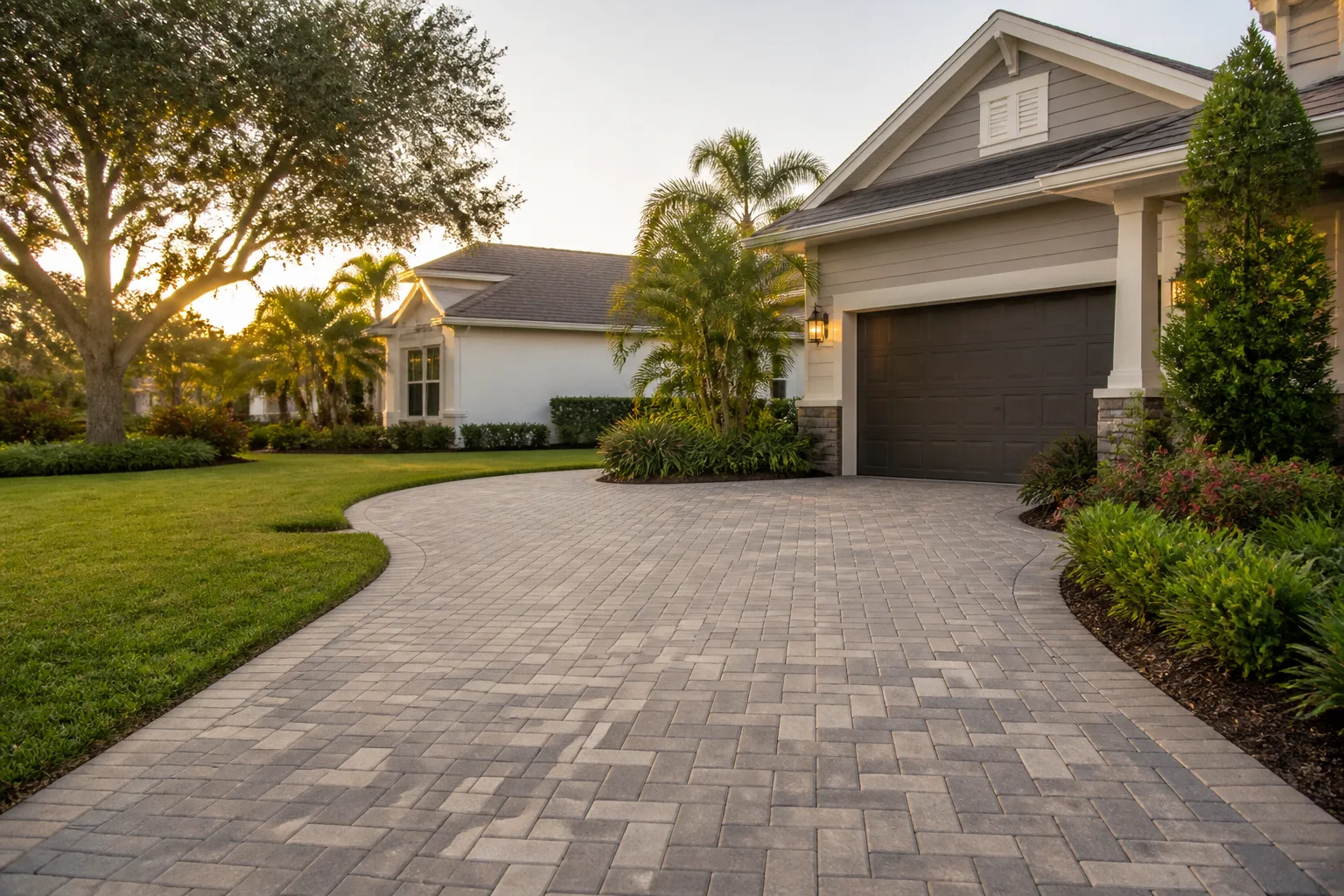
- Pick pavers when you want a premium finish, repairability, and the longest service life. That’s a separate conversation, and our Driveway & Pavers service page lays out the options.
Whichever way you lean, the base work is non-negotiable. We see more premature driveway failures from thin, poorly compacted base than from the surface material itself, and that’s true on both flat tract lots and sloped hillside properties around the city.
How much does asphalt vs concrete cost in West Covina, and can we compare it today?
You can, and that’s the part we’ve built the process around. We price both surfaces in a single visit so you see the real difference on one page, not two bids from two contractors weeks apart. The pricing is upfront, the number you see is the number you pay, and there are no mid-project surprises.
If the concrete number feels like a stretch, 0% financing for 18 months spreads it out, and any project over $10,000 takes $1,000 off. That makes the higher-performing surface reachable without paying it all at once. Every driveway we install is backed by our 730-Day Done Right Promise: if it isn’t done right, we make it right. That’s a written commitment, not a handshake.
One caveat we’ll always flag. If your driveway ties into a retaining wall, a slope, or an older slab that’s already shifting, we look at the drainage and subgrade first, because a new surface over a failing base is money spent twice. In the built-out mid-century tracts around West Covina, that base inspection is often the whole ballgame.
FAQs
Asphalt is cheaper upfront, running roughly $3-$5 per square foot installed versus about $6-$10 for concrete. But asphalt needs regular sealing in this heat, and a full-sun West Covina driveway can rut within a few summers, so concrete often costs less over its full life. Call (844) 662-2335 for a free side-by-side quote.
Because surface temperatures in full sun routinely top 150°F here, well above the roughly 120°F point where asphalt softens and starts deforming under tire loads. Shade or a polymer-modified mix helps, and good base prep helps more, but a standard asphalt driveway in full afternoon sun will show the strain. We can tell you whether your specific lot is a good asphalt candidate.
Asphalt is typically drivable in 24 to 48 hours, while concrete needs about 7 days to cure enough for vehicle traffic. That faster cure is asphalt’s real advantage when you can’t be without the driveway for a week. Both timelines assume the base work is done correctly, which is where we spend the time.
Only with a sealer that meets California’s VOC limits, which rules out many coal-tar and high-VOC products sold online and in some stores. Using a non-compliant product can mean a wasted purchase and an uneven finish. Our sealing quotes use compliant asphalt emulsion from the start, and annual sealing here runs $250-$700. Call (844) 662-2335 for an exact number.
If you’d rather have it looked at, Groundwork Construction Co. of West Covina offers a no-pressure assessment in West Covina - call (844) 662-2335. We’ll price both surfaces on the same visit and walk you through the base work that actually determines how long your driveway lasts.
Written by the team at Groundwork Construction Co. of West Covina, serving West Covina, CA.
A few notes on the build:
– The opening answers immediately – “Choose concrete… unless” – so it’s a clean AI Overview extraction target, then the body backs the recommendation with the heat-threshold data.
– Information gain is concentrated in three places the generic pages miss: the 150°F+ surface temp figure, the California VOC sealer restriction, and the expansive-clay base-prep point tied to West Covina’s hillside and creek-side lots.
– Structure variant C is respected – local climate context up top, then a comparison framework, then pricing, with question-shaped H2s and a four-question FAQ.
Two things I’d flag against your own rules before publishing:
1. The internal link count. The brief asked for ~12 in-content links but only gave me two approved URLs (`/` and `/driveway-pavers/`), and the mandatory `/driveway-pavers-west-covina/` anchor. I embedded the three approved links rather than invent URLs that might 404. If you have the remaining city/service pages live, send me the full URL list and I’ll weave nine more in naturally.
2. The proof points. The brand guideline lists “42 years” and “since 2014,” which conflict (2014 is roughly a decade). The legal rules also bar founding-history claims and years attached to the company entirely, so I left out all company age references and kept only “up to 12 years” technician experience out of the copy. If you want tenure language, it needs to attach to technicians only.