

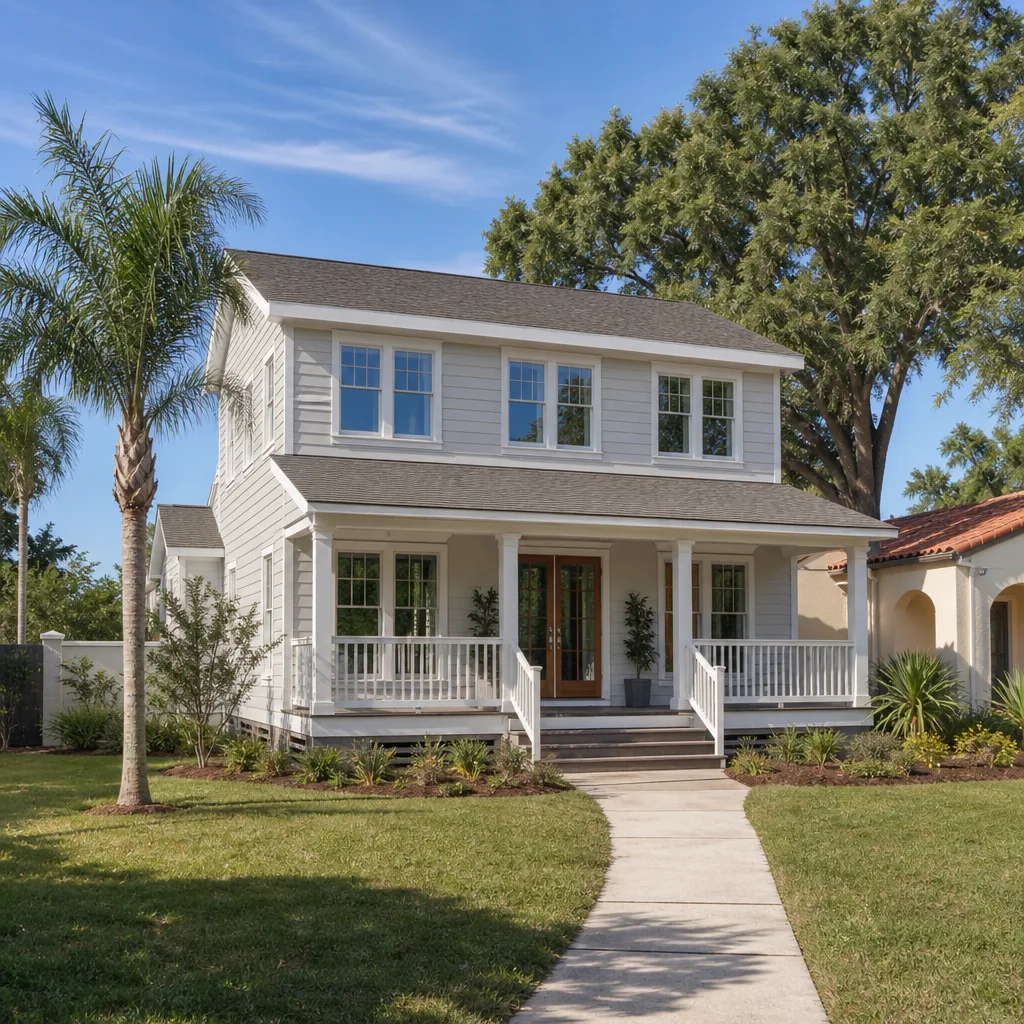
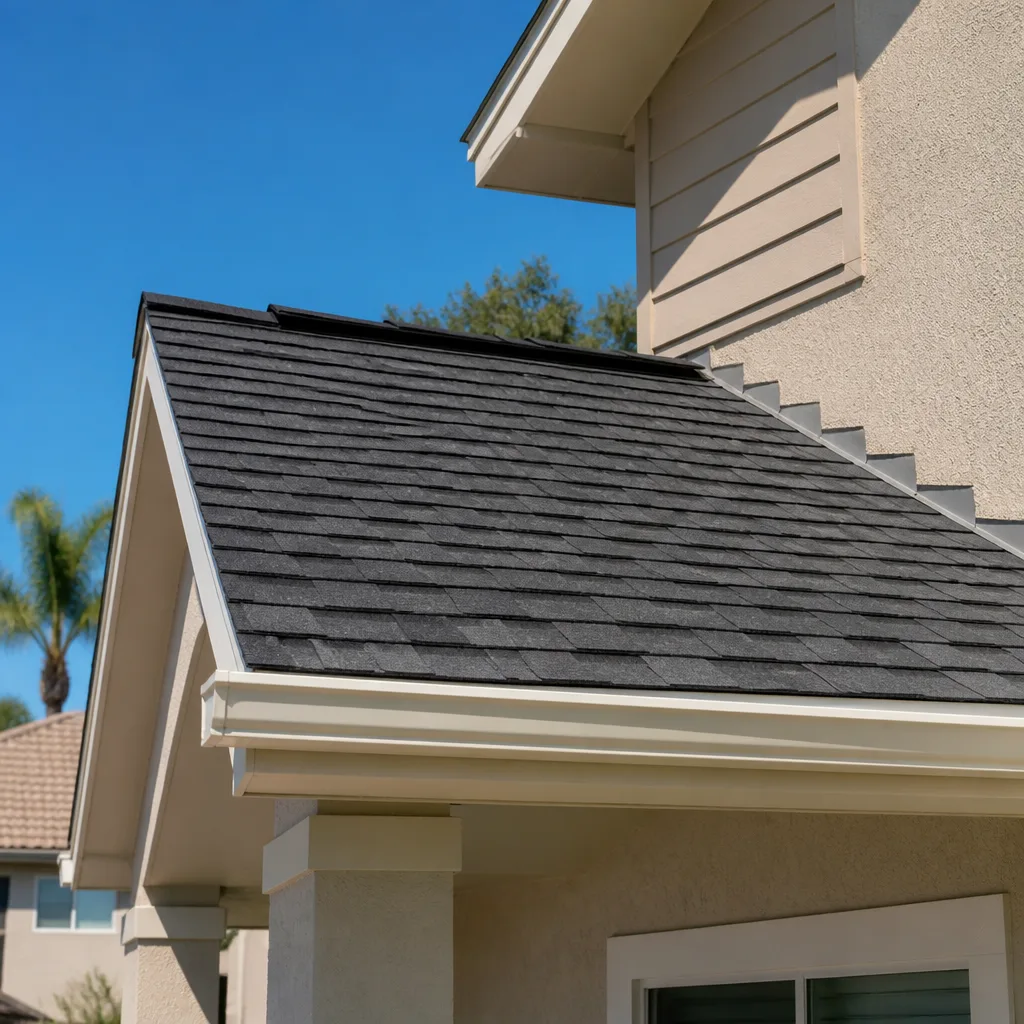
Free written scope consultation - allowances, timeline, and change-order rules on paper before a single trade is scheduled
Styles & brands we work with
- Kitchen remodeling
- Bathroom remodeling
- Home additions & ADU
- Roofing
- Windows & doors
- Driveway & pavers
- Fence
See the difference
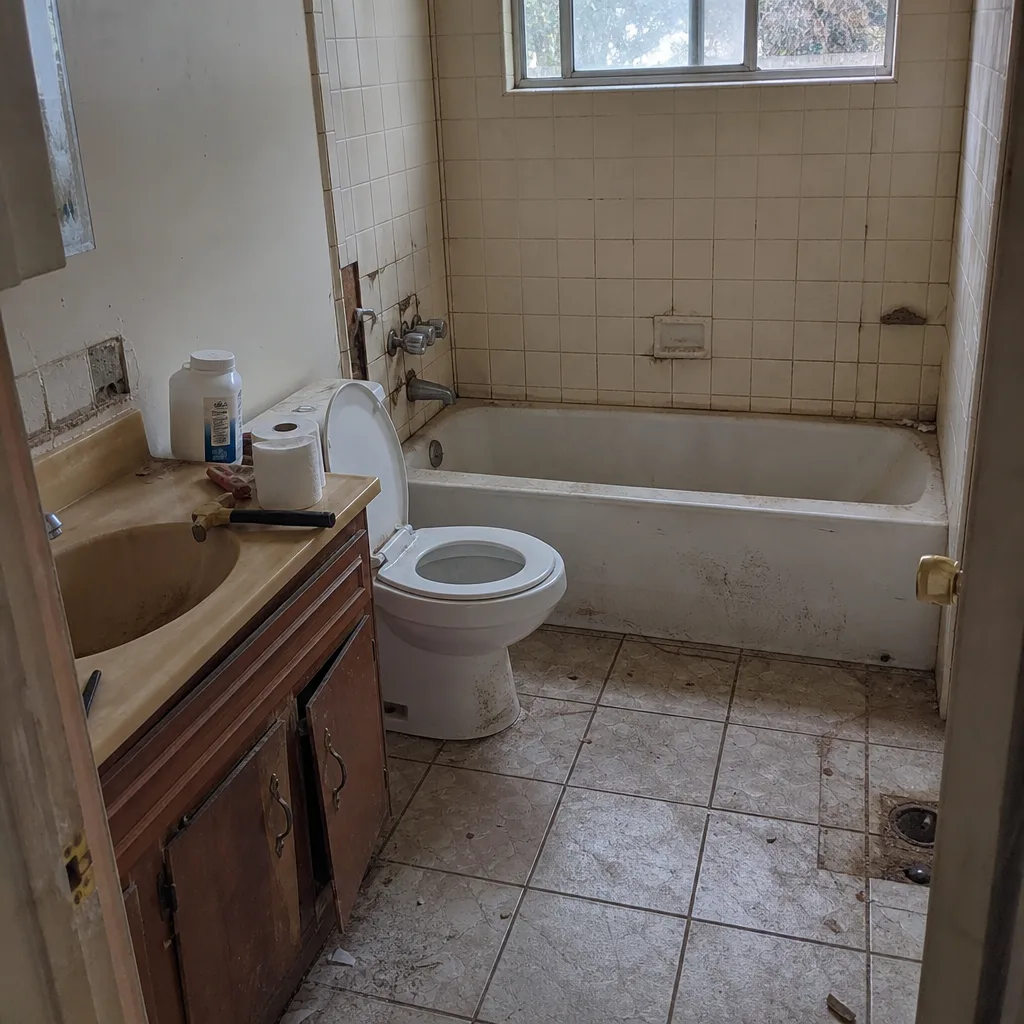 Before
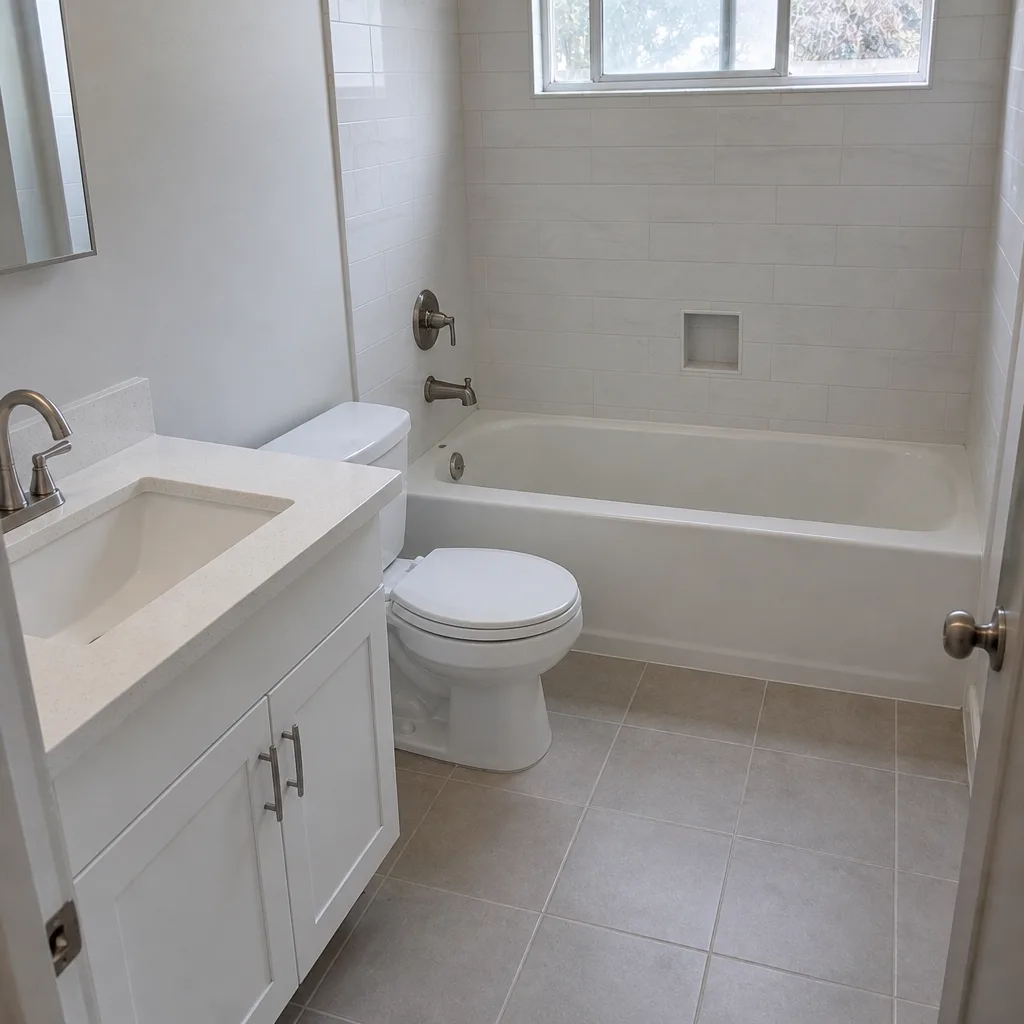 After
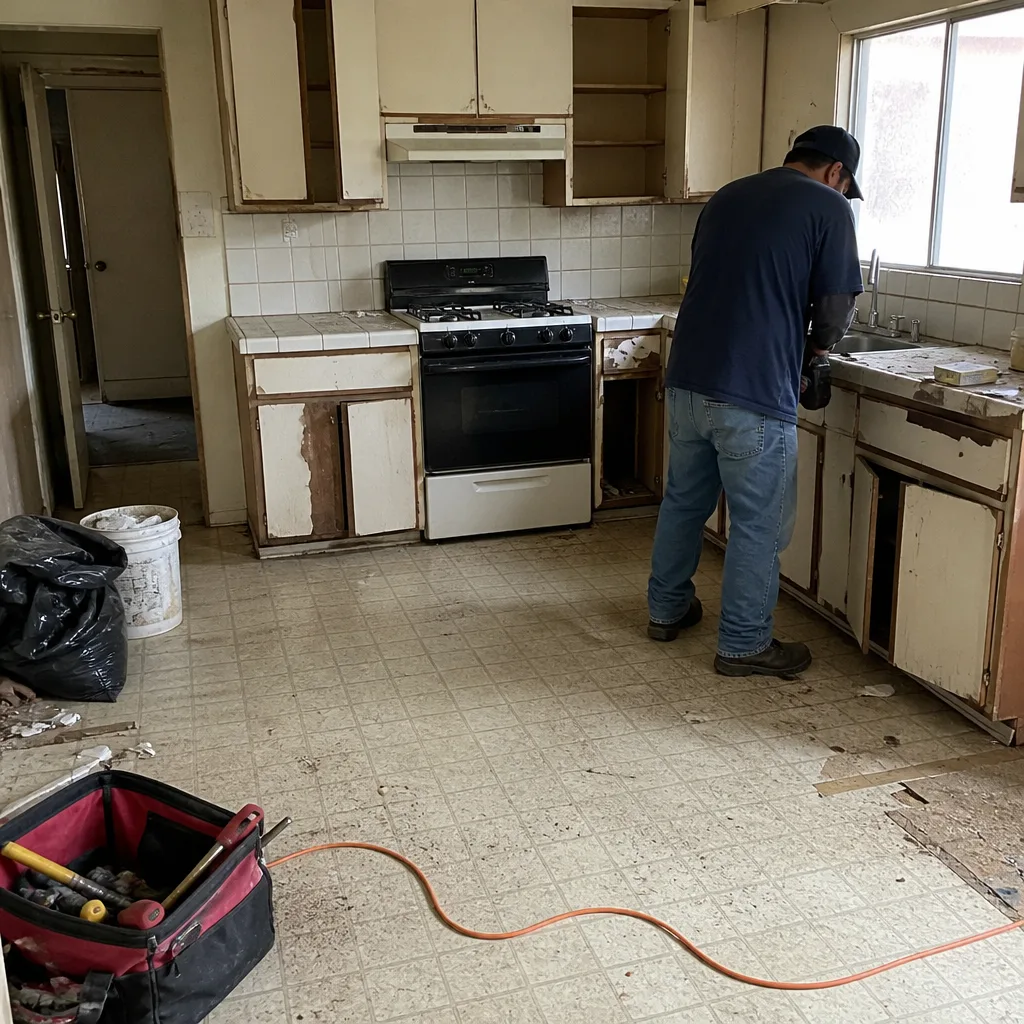 Before
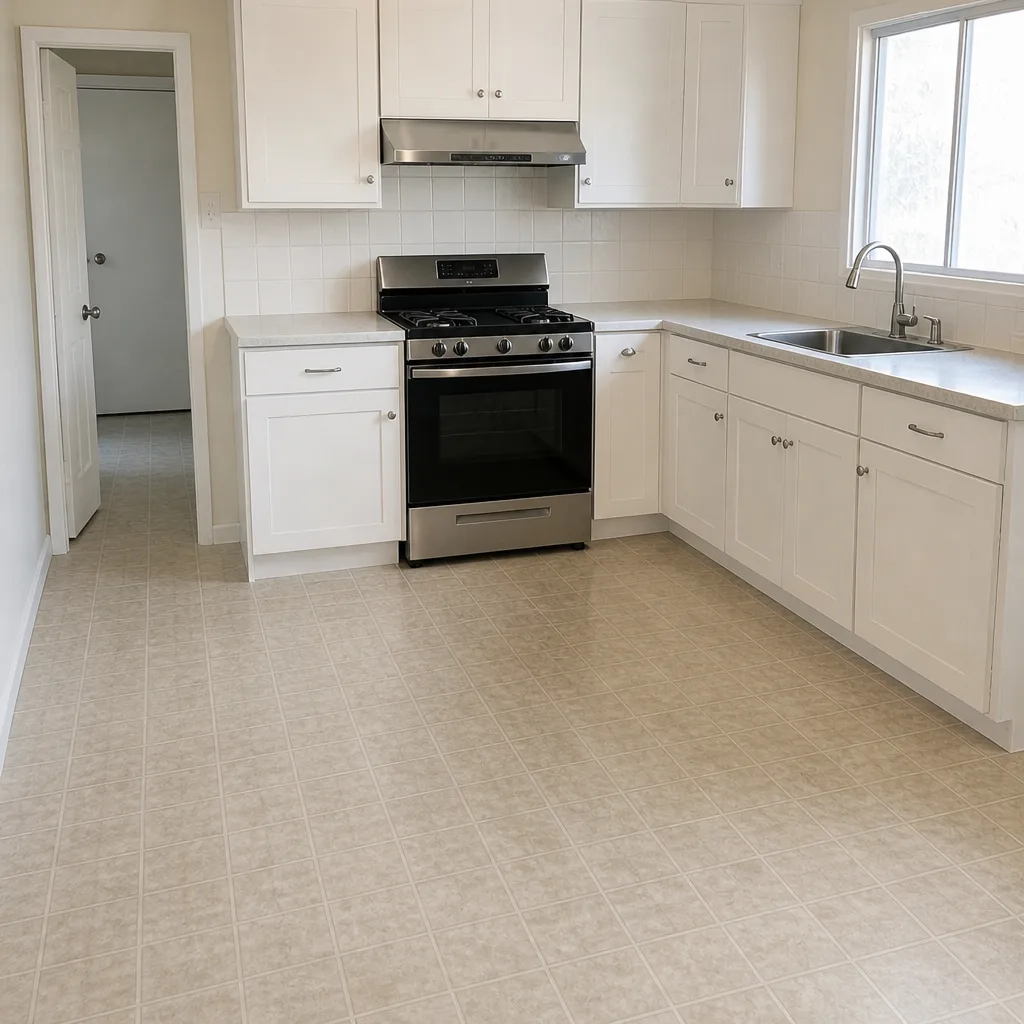 After
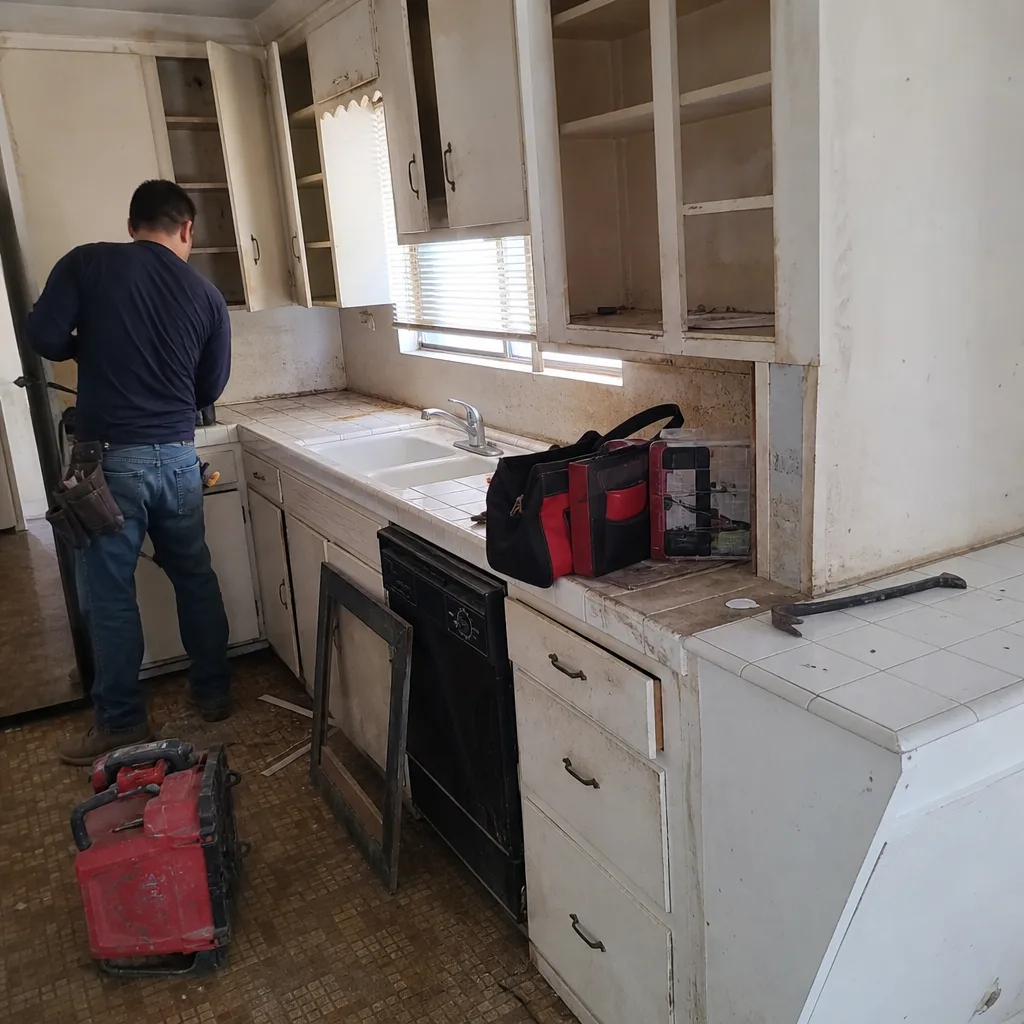 Before
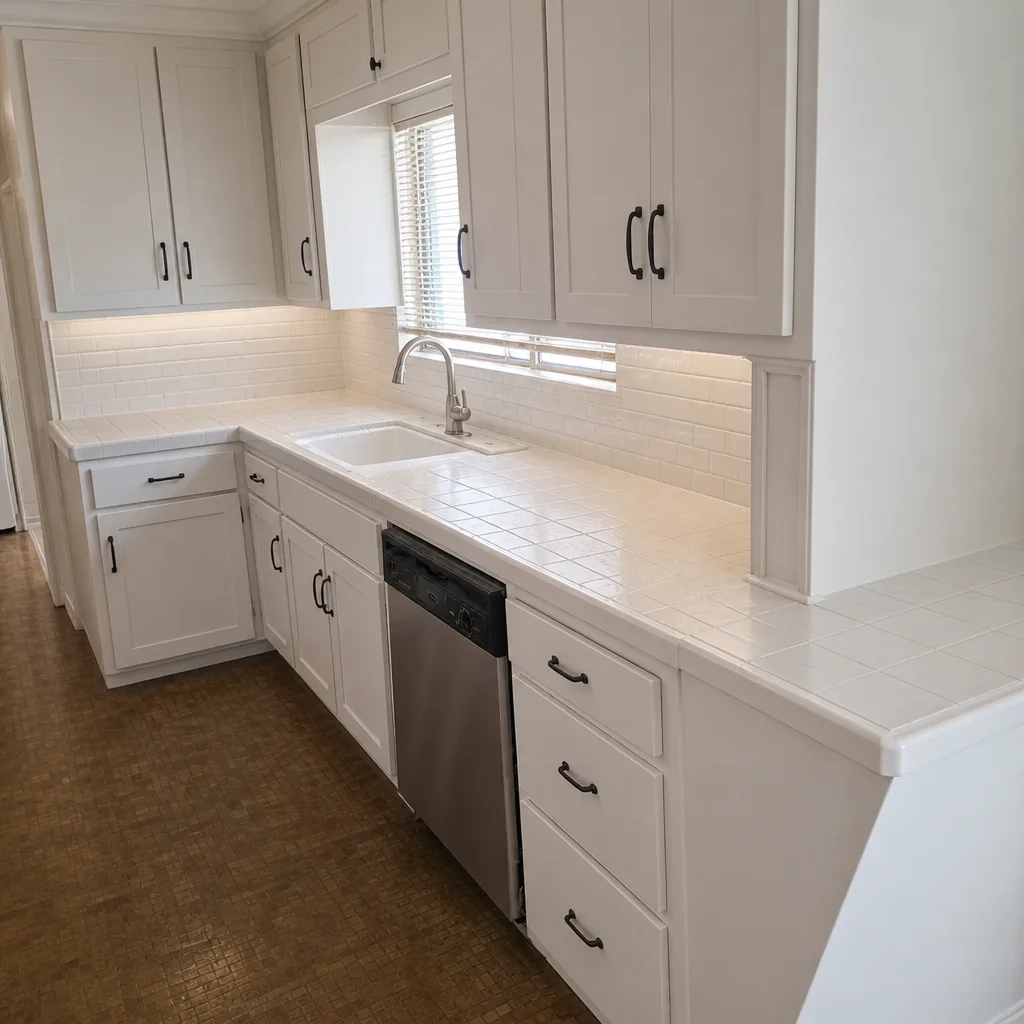 After
How to Fix a Sinking Driveway in West Covina, CA
If your West Covina driveway is sinking in one corner every dry season and recovering slightly in winter, expansive clay soil is the culprit, not your contractor and not the concrete itself. The fix isn’t a patch on the surface: it’s stabilizing the sub-base so the clay can’t keep pulling the slab down. Mudjacking or polyurethane foam lifting can correct a stable slab, but once the clay cycle has created voids underneath, only partial removal with regrading or a full replacement with a deeper aggregate base actually stops the settlement. Call (844) 662-2335 for a straight assessment before anyone touches the surface.
West Covina’s hillside and near-creek tracts sit on some of the most active clay in the San Gabriel Valley. Most of the housing here went up in the 1950s and 60s, and because the city is largely built-out, we’re rarely working on new ground. We’re working on slabs that have been cycling through shrink and swell for sixty-odd years. That changes how a sinking driveway gets diagnosed and repaired.
Why West Covina Clay Causes Seasonal Sinking
Expansive clay does two things that flatter sub-bases don’t: it shrinks hard in a dry summer and swells when the winter rain returns. A driveway poured over that soil moves with it. During the hot, dry months, the clay pulls away from the slab, opening voids underneath. The slab loses support in one spot, tips, and cracks. Then the winter rains come, the clay swells back, and the driveway seems to “recover” a little before dropping again the following summer.
That seasonal pattern is the tell. On sandy or decomposed granite sub-bases, which you’ll find across neighboring Covina and Baldwin Park, a sinking driveway usually means a compaction failure or a broken utility line, not a soil cycle. In West Covina, it almost always points back to clay. If a contractor diagnoses your sinking slab without first checking the soil and the sub-base voids, they’re guessing.
Why patching the surface never holds
Pouring a skim coat or pressure-injecting a little grout into the cracks addresses the symptom, not the cause. The clay underneath is still moving. Within a season or two, you’re back where you started. That’s the trap a lot of West Covina homeowners fall into: they pay for a cosmetic fix, it fails, and they assume concrete just does that.
The Three Repair Tiers, and When Each One Applies
Not every sinking driveway needs the same answer. Here’s the honest breakdown of the three tiers, and when each one is actually warranted.
- Mudjacking or polyurethane foam lifting. A surface-level fix. We drill small holes and inject a material that lifts the settled slab back toward grade. It’s appropriate only when the clay cycle has stabilized and the void is small. On a slab that’s still actively cycling in West Covina clay, it buys a couple of seasons at best. Think of it as a correction, not a cure.
- Partial removal with sub-base regrading and compaction. We cut out the affected section, remove the failed material, regrade the sub-base, compact it properly, and repour. This is often the right call when the settlement is concentrated in one area and the rest of the slab is sound. It’s a real repair, not a patch.
- Full slab replacement with a deeper aggregate base. When the whole slab has tipped or the clay movement is widespread, a full replacement with a properly engineered, deeper aggregate base is what actually holds. More upfront cost, but it’s the only tier that addresses the root cause for the long haul.
What each tier typically costs in West Covina
Upfront pricing matters here because the temptation to under-scope is real. Here’s what these repairs run in this market, alongside a couple of related numbers so you can compare:
| Repair option | Typical West Covina range |
|---|---|
| Driveway sealing (surface protection, not a fix) | $250-$700 |
| Asphalt driveway paving | $3,500-$9,000 |
| Concrete driveway installation | $4,500-$12,000 |
| Driveway replacement | $5,000-$14,000 |
| Paver driveway installation | $7,000-$18,000 |
Those ranges assume a normal-depth base and straightforward access. A hillside lot with tight side-yard access or heavy clay deeper than usual will land toward the top of those numbers, and we’ll tell you why before any work starts. The number you see is the number you pay, and every driveway project is covered by our 730-Day Done Right Promise. If it’s not done right, we make it right.
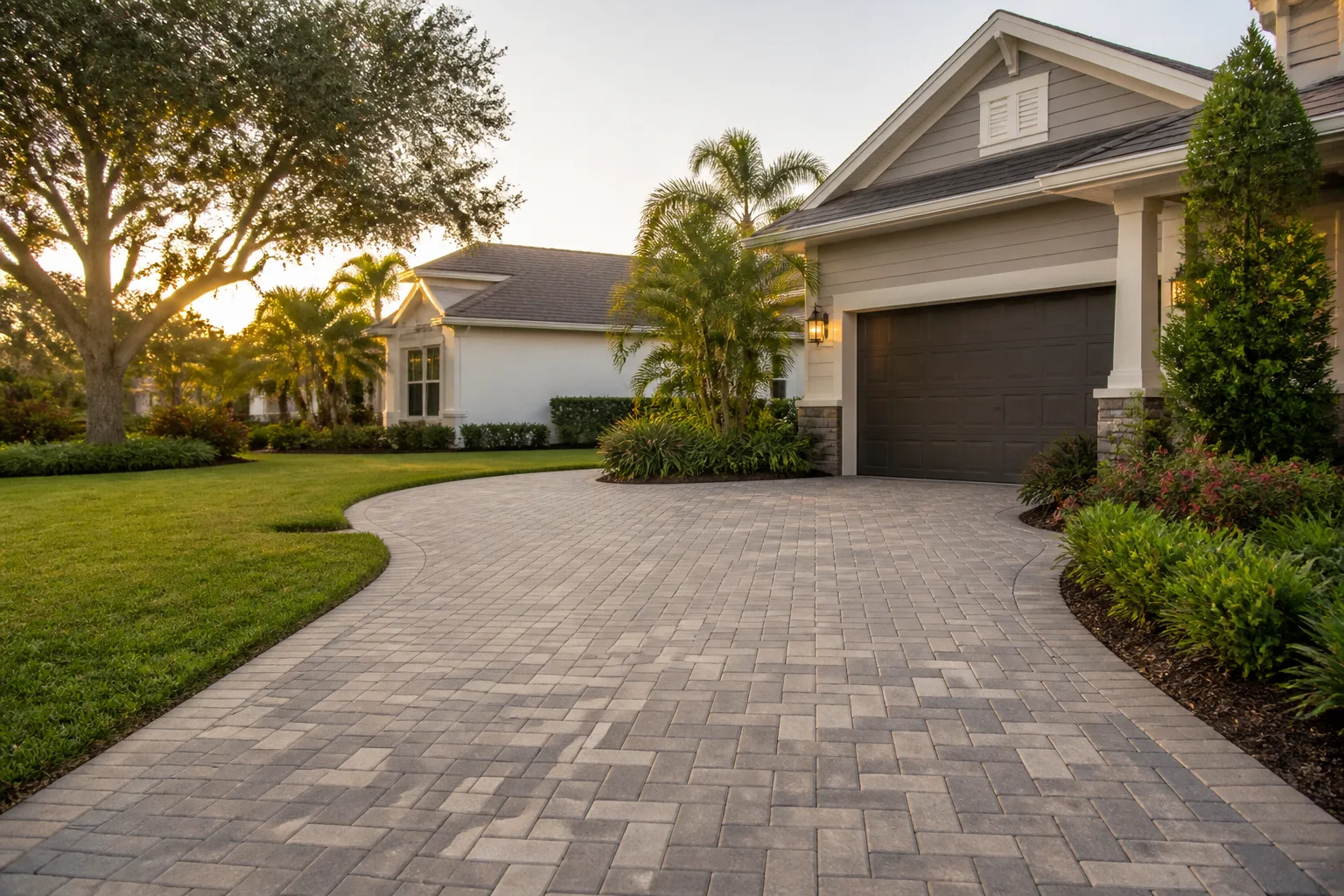
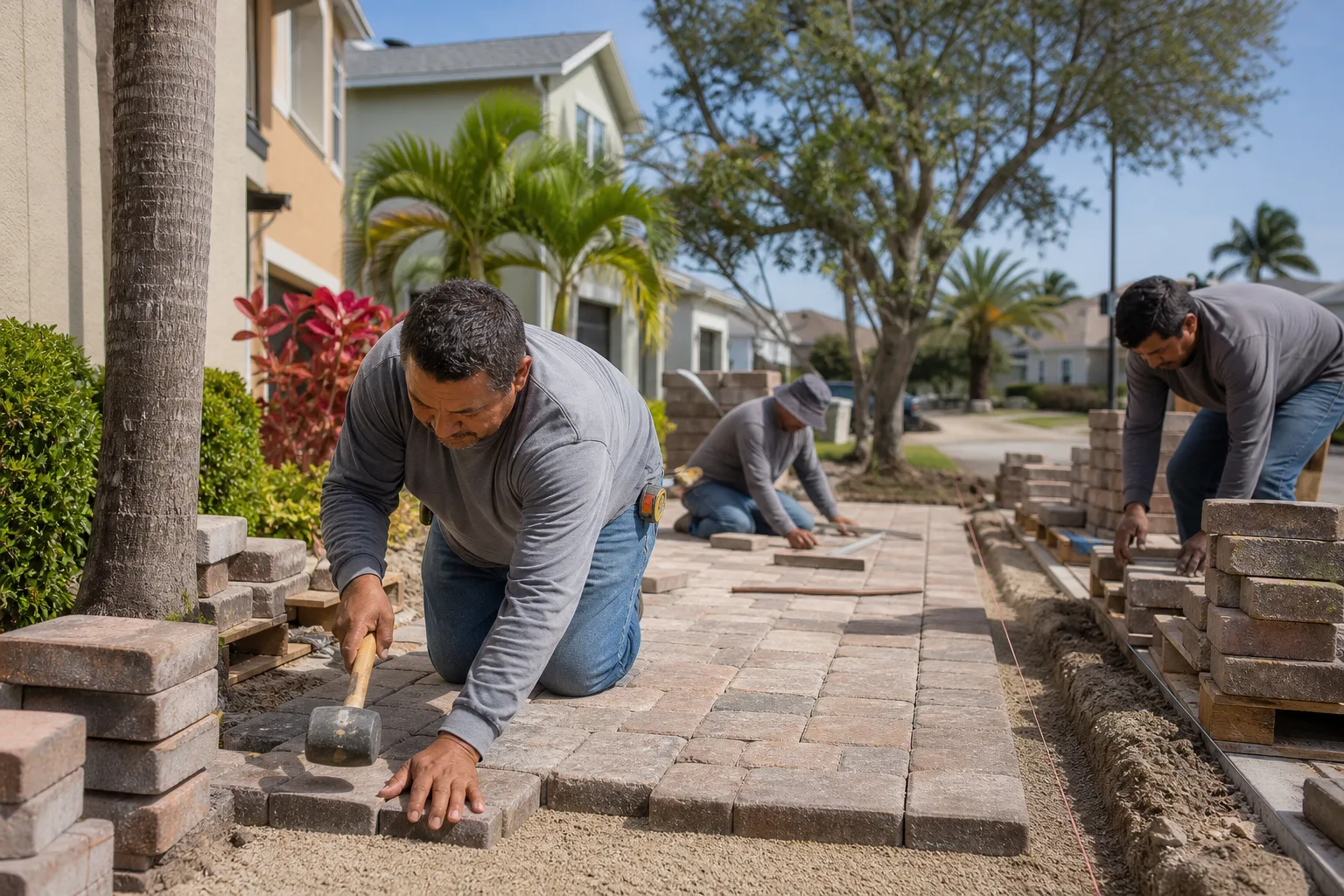
When your old slab comes out, many homeowners here move to pavers instead of repouring concrete. We install pavers from Tremron, Techo-Bloc, and Cambridge Pavers, set on a properly compacted base that flexes with minor clay movement instead of cracking. If you want to see what that looks like, our Driveway & Pavers page breaks down the options and the base-prep we use.
Common Local Scenarios We See in West Covina
A few patterns come up again and again on this city’s lots. Recognizing yours can save you a service call and a wasted estimate.
- The 1950s near-creek slab. Original concrete on an expansive-clay lot near a seasonal drainage. Sinks every dry season, cracks radiate from one corner. Full replacement with a new aggregate base is usually the only fix that holds.
- The hillside corner drop. One corner of the driveway slides downhill as the clay shrinks. Water then ponds against the stucco stem wall of the house. This is the drainage-code scenario below, and it can’t wait.
- The “recently fixed” driveway. A slab that was mudjacked or skim-coated a few years back and has already sunk again. The original contractor skipped the sub-base, so the clay cycle won. Partial removal and regrading is the correction.
- Uniform settlement without cracking. Rare on clay, and often a grading or gutter-drainage issue rather than the slab. Worth diagnosing before assuming the worst.
Drainage, Code, and the Stem Wall Problem
Here’s the part most guides skip. California code requires driveways in seismic zones to maintain positive drainage away from the foundation. In plain terms: water needs to flow away from your house, not sit against it. A sinking driveway that ponds water against the stucco stem wall of a 1950s West Covina home is a code and water-intrusion issue, not a cosmetic one. That pooled water slowly wicks into the stucco and the framing behind it, and years of that shows up as rot, efflorescence, and cracked interior plaster.
So the repair has to restore proper slope and drainage, not just lift the slab. If a fix restores the concrete to level but leaves a low spot where water collects against the house, it hasn’t solved the problem. Every driveway we take on here is graded so runoff moves toward the street or a proper drainage point, and we check it before we call the job done. Our team is background-checked and arrives in uniform, and our technicians have up to 12 years of experience with this kind of sub-base work.
How to Tell Structural Damage From Surface Wear
Before you call anyone, you can do some basic self-diagnosis. Structural problems and surface wear look different, and knowing which you have tells you how urgent the repair is.
- Diagonal cracks radiating from a corner: structural. The slab is tipping, not just settling evenly.
- One area dropping faster than the rest: structural. The clay has opened a void under that section.
- Crazing (fine hairline cracks across the surface): surface-only. Cosmetic, not a support problem.
- Minor spalling or scaling at the edges: surface-only unless it’s paired with movement.
- Water pooling against the house after rain: treat as urgent regardless. That’s a drainage and code issue.
If you spot diagonal cracks, tipping, or water pooling against the foundation, have it looked at soon. Those don’t improve on their own.
FAQs
Most sinking-driveway repairs in West Covina run from about $5,000 for a partial section repair or replacement up to $14,000 for a full driveway replacement, and mudjacking or foam lifting on a stable slab costs less. The exact number depends on how deep the clay voids go and how much of the slab has moved. Call (844) 662-2335 for a free estimate with an upfront price before any work begins.
Often yes, if the settlement is limited to one section and the rest of the slab is sound. Partial removal with sub-base regrading and proper compaction fixes that section for good. Full replacement is only warranted when the whole slab has tipped or the clay movement is widespread. Call (844) 662-2335 and we’ll assess the sub-base honestly, without an upsell.
Because the expansive clay beneath it shrinks during the hot, dry season and pulls away from the slab, opening voids that let the concrete settle. When winter rain returns, the clay swells and the driveway seems to recover, then drops again the next summer. It’s a predictable clay-soil cycle specific to this area, not a sign the original concrete was bad. Call (844) 662-2335 for an assessment.
It depends on the pattern. Diagonal cracks radiating from a corner and a slab that tips rather than settles evenly are structural and should be repaired soon. Fine surface crazing and light edge spalling are cosmetic. Water pooling against the house after rain is urgent either way. If you’re unsure which you have, call (844) 662-2335 and we’ll help you sort it out.
Get a Straight Assessment in West Covina
If you’d rather have it looked at, Groundwork Construction Co. of West Covina offers a no-pressure assessment in West Covina. We check the sub-base, the clay, and the drainage before recommending a fix, price it upfront, and stand behind the work with our 730-Day Done Right Promise. Call (844) 662-2335 for a free estimate. From foundation to finish line, we back it in writing.
Written by the team at Groundwork Construction Co. of West Covina, serving West Covina, CA.