

Free written scope consultation - allowances, timeline, and change-order rules on paper before a single trade is scheduled
Styles & brands we work with
- Kitchen remodeling
- Bathroom remodeling
- Home additions & ADU
- Roofing
- Windows & doors
- Driveway & pavers
- Fence
See the difference
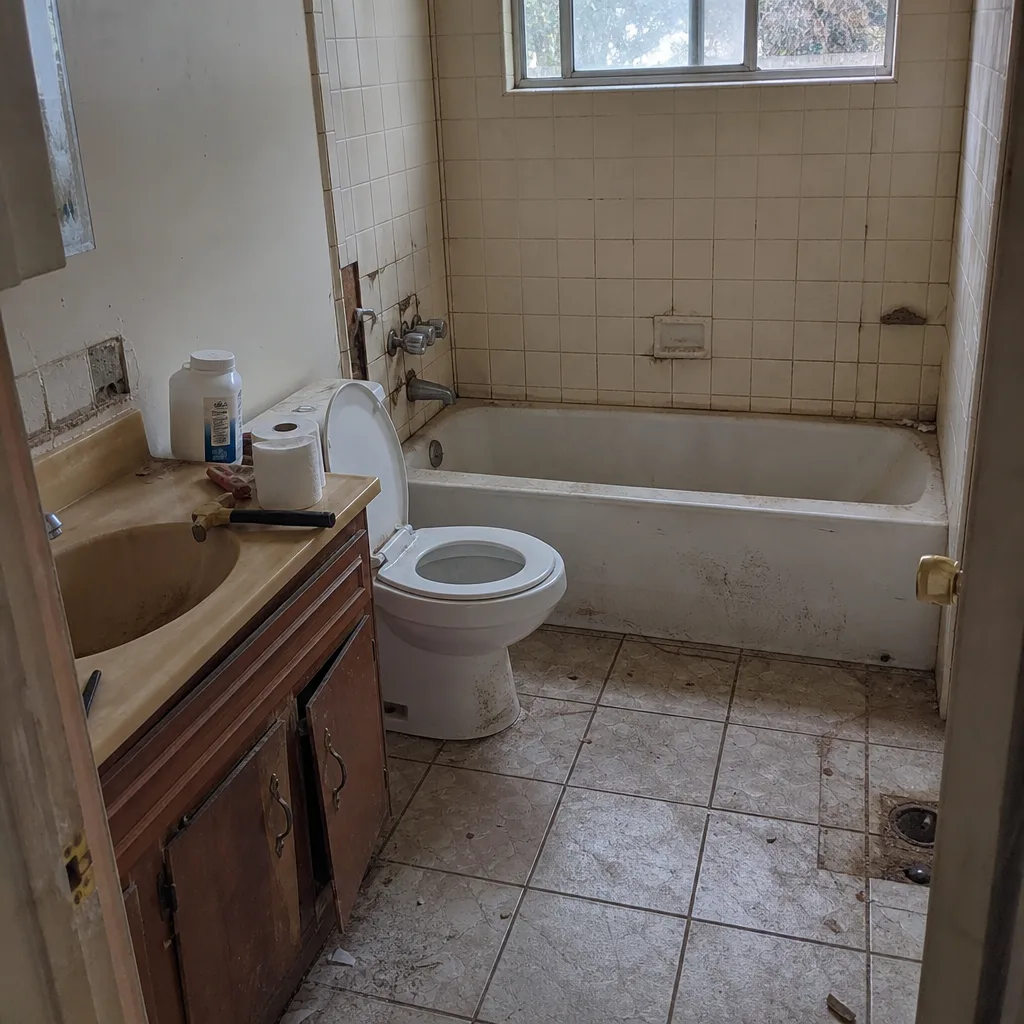 Before
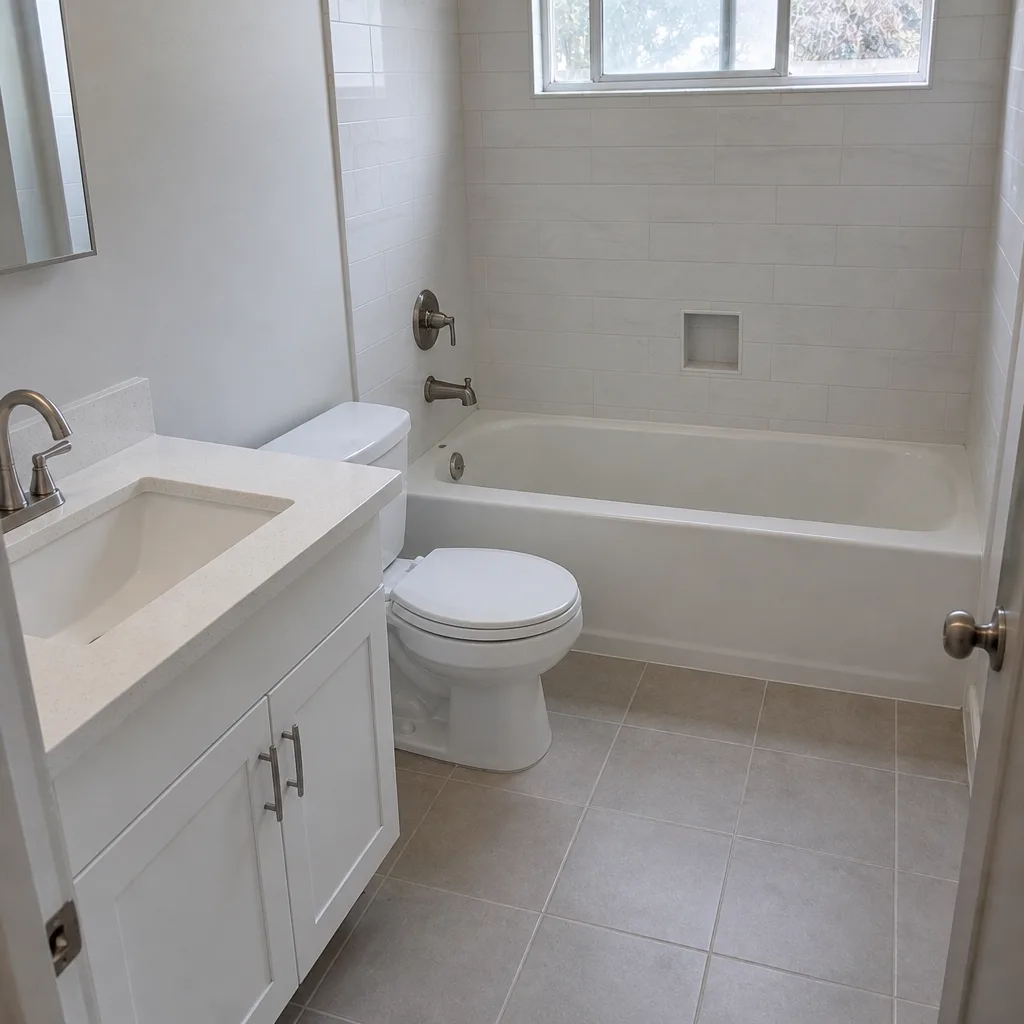 After
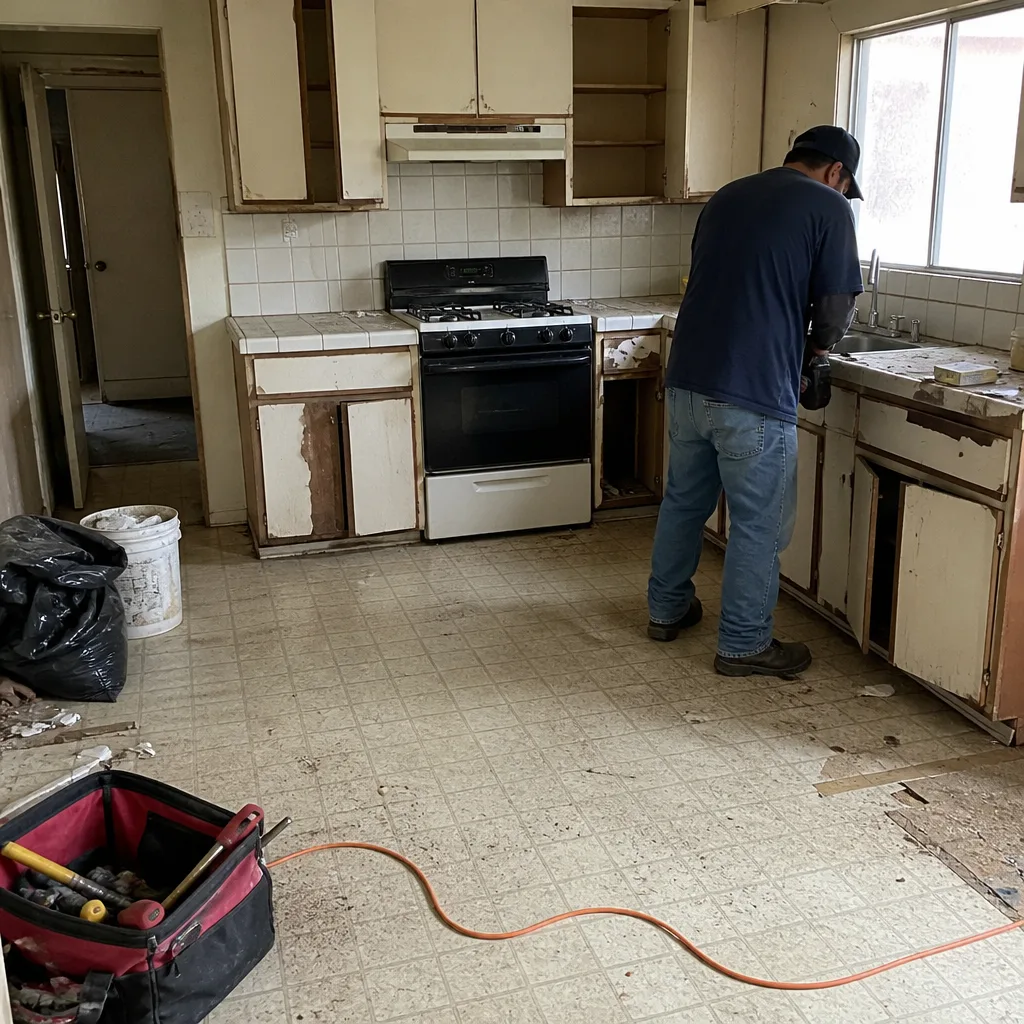 Before
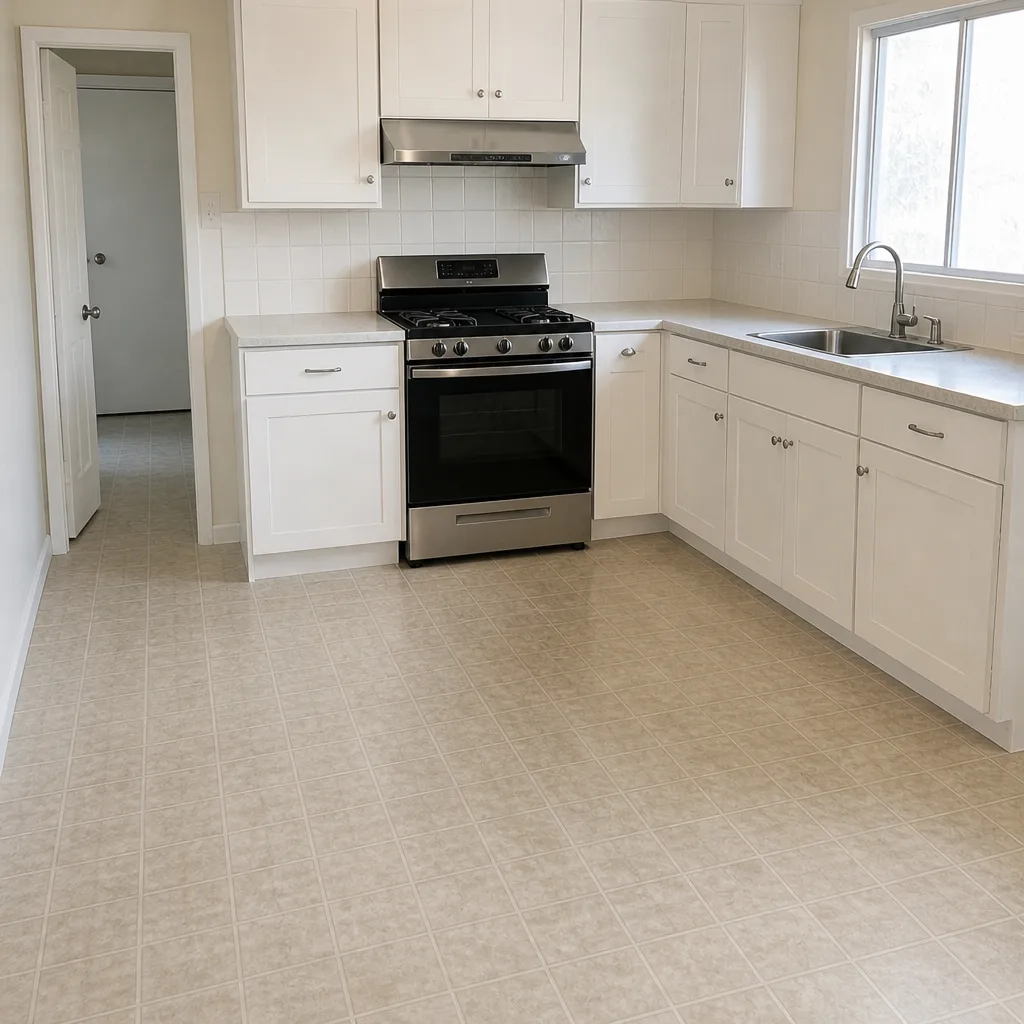 After
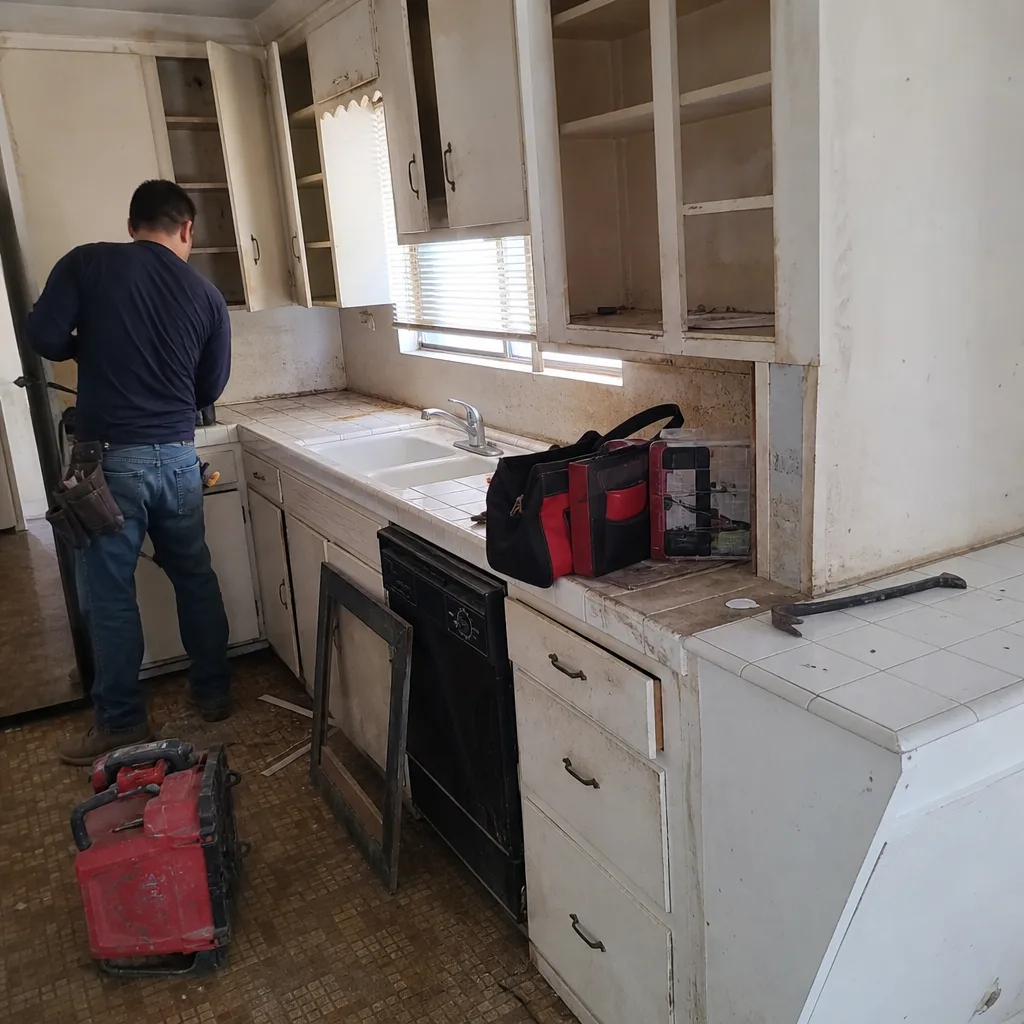 Before
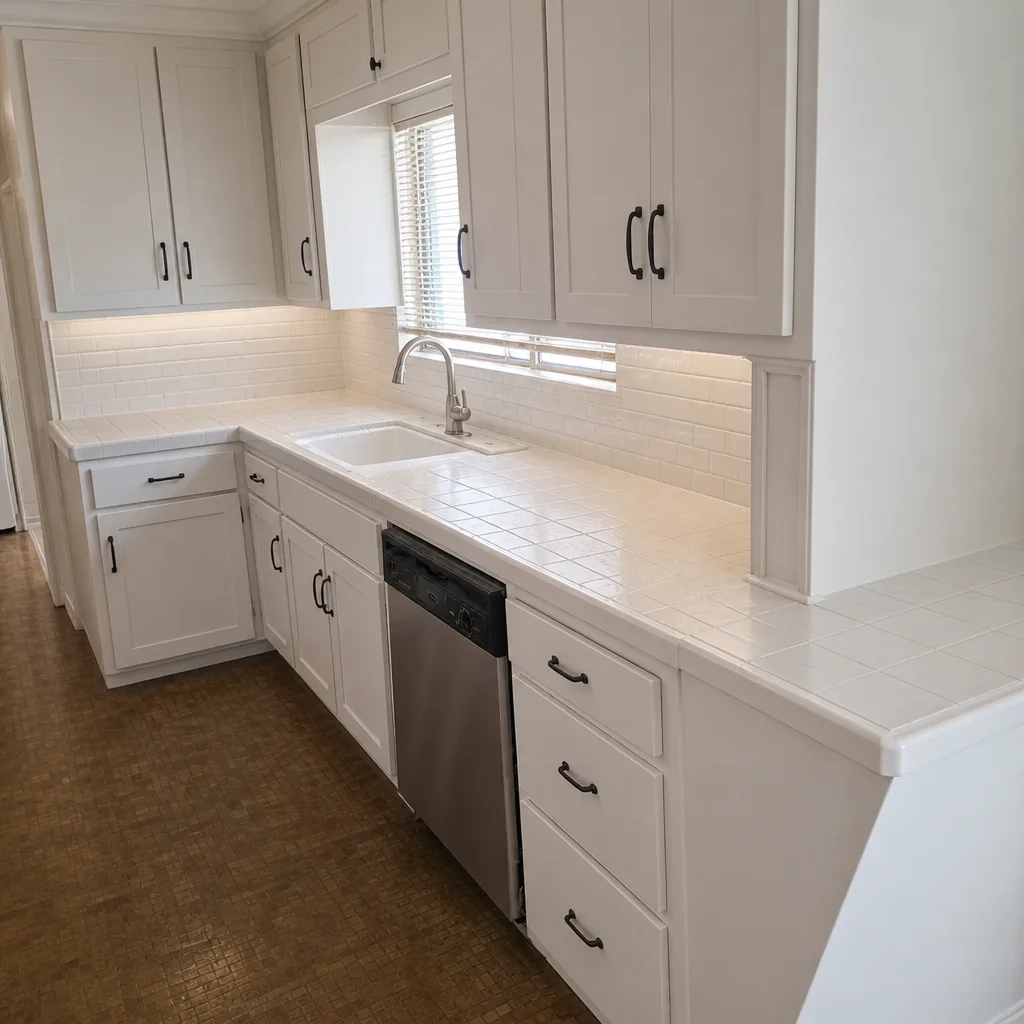 After
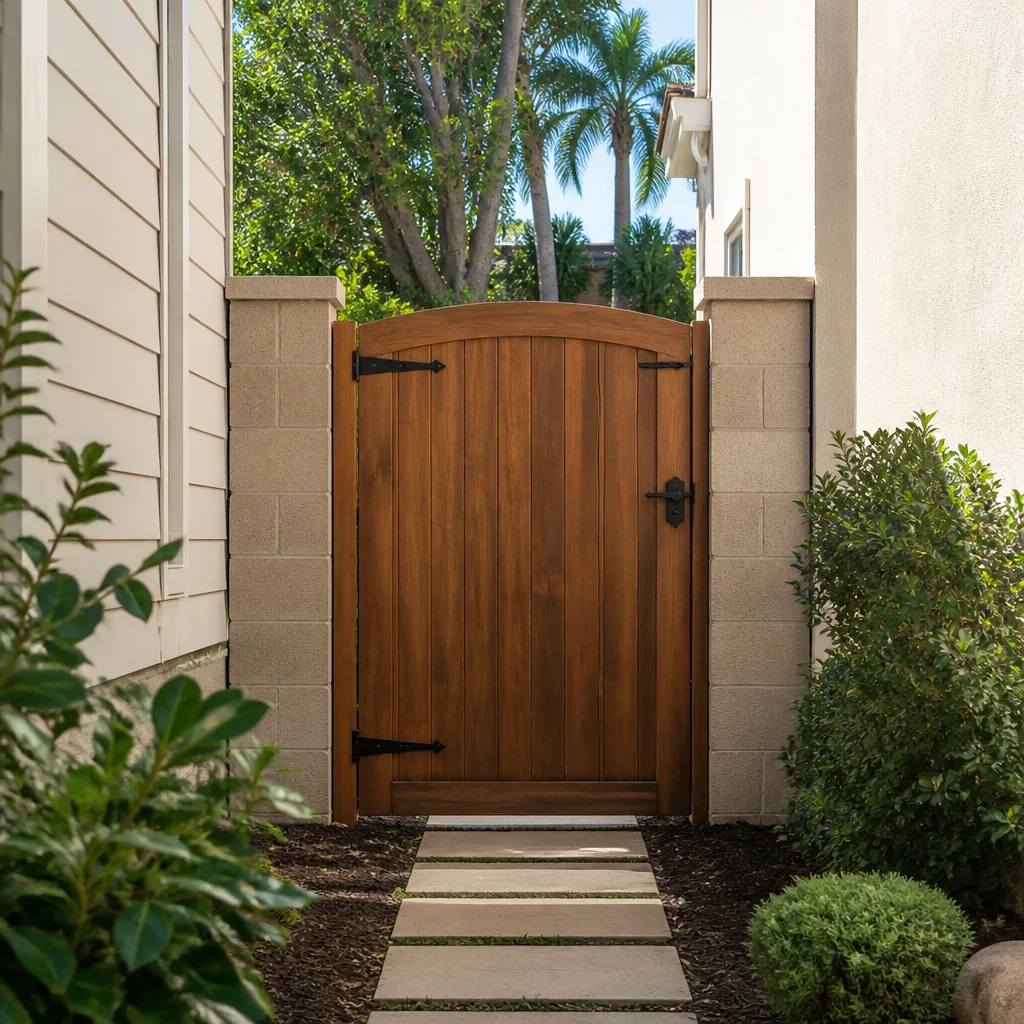
How to Stain a Wood Fence in West Covina, CA (And Why Most Stains Fail Here)
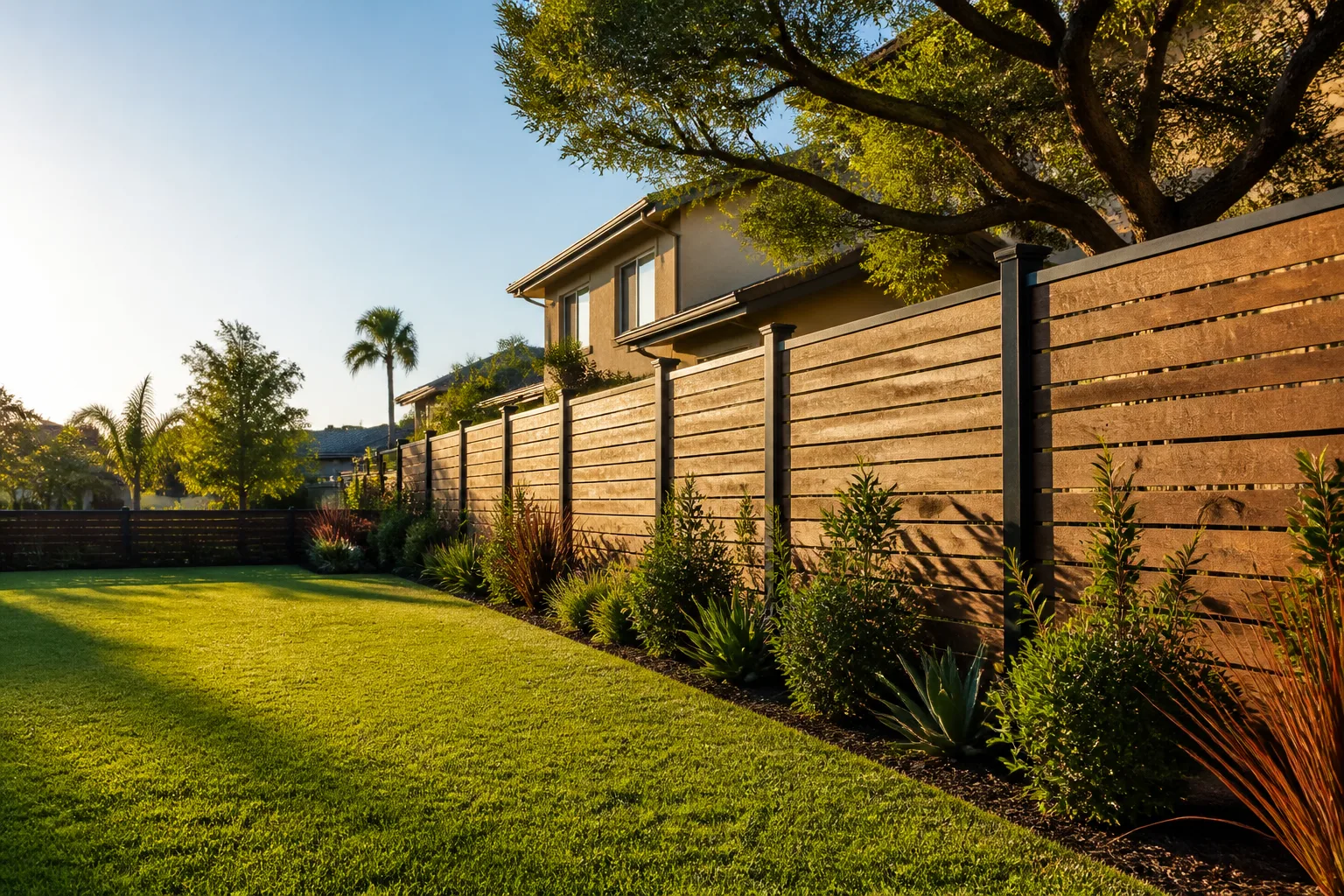
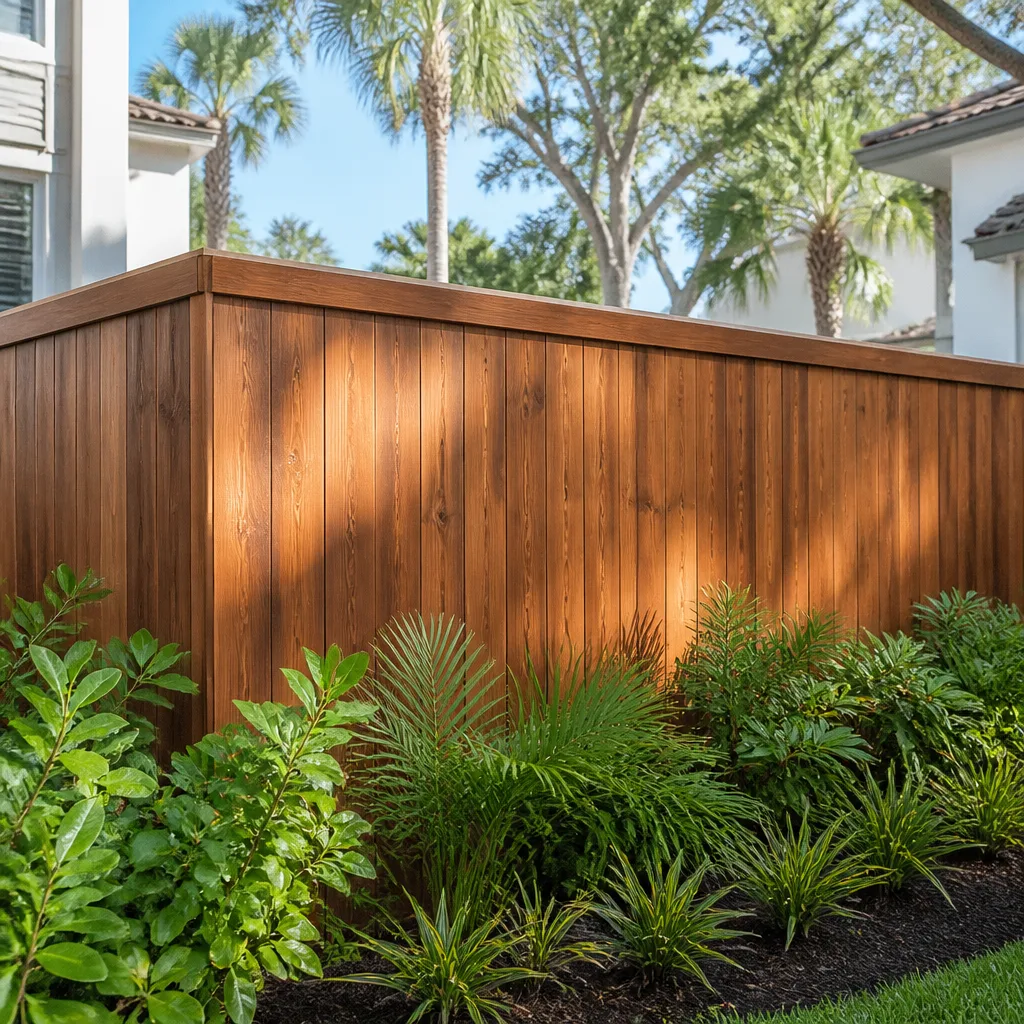
Use a penetrating oil-based stain, apply it in late March through May or in October, and prep the wood properly before a single drop goes down – that’s what actually works in West Covina. Standard film-forming latex stains fail in under 18 months here because of the UV and heat, so the product choice matters more than the technique. Most failed fence stains we see in West Covina weren’t applied badly; they were the wrong product for this climate.
That $40 can of deck stain from the hardware store was probably tested in Seattle. Here’s what actually holds up in a West Covina summer.
Why the San Gabriel Valley Sun Wrecks Standard Fence Stain
West Covina sits in the San Gabriel Valley, which averages more than 280 sunny days a year with summer highs that push past 95°F. That combination – intense UV plus low humidity – degrades film-forming stains two to three times faster than it does in cool coastal climates. A latex stain that looks fine for years in Long Beach or Santa Monica starts chalky and peeling in a West Covina backyard within a couple of seasons.
Film-forming stains work by sitting on top of the wood as a coating. When UV breaks that coating down and the wood underneath expands and contracts in the heat, the film cracks and lifts. Penetrating oil-based stains soak into the fibers instead, so there’s no film to peel. In West Covina, that difference is the whole ballgame. The catch is that penetrating oils need open wood grain to absorb into – which brings us to timing.
How the Santa Ana Winds Change Your Application Schedule
Santa Ana events push hot, dry air through the valley and pull moisture out of exposed wood fast. If you stain within 48 hours of a Santa Ana event, you’re applying onto a surface that has shed moisture too quickly – it’s surface-dry but not properly prepared, and the stain won’t penetrate. It sits on top, looks fine for a few weeks, then peels within the first season.
We’ve seen this repeatedly on fences in the older tracts around West Covina. Homeowners do everything right except the calendar. So build the schedule around the weather, not the weekend you happen to be free:
- Late March through May – after winter rains have passed and before peak heat. Wood moisture content is stable and open-time is long enough for proper penetration. This is the best window.
- October – once Santa Ana season winds down and daytime temps moderate. Second-best window.
- Summer – skip it. Open-time is too short. Stain flashes off before it can soak in, and you end up with lap marks and uneven color.
- Within 48 hours of a Santa Ana event – never. Wait for the wood to rebalance.
Wood should read around 12 to 15 percent moisture content before you stain. A cheap pin meter costs less than a wasted weekend and a second can of stain.
The Prep Step Most Guides Skip for Older West Covina Fences
Most of West Covina’s housing went up in the 1950s and 1960s, and a lot of the wood fences from that era have been stained and re-stained multiple times with products that don’t play well together. Oil over latex, latex over oil, a semi-transparent over a solid – each incompatible layer traps the next coat and causes bleed-through, blotching, or premature failure.
Before you apply anything new, strip the fence back to bare wood and test for bleed-through. That’s not optional here; it’s the step that determines whether the new stain lasts three years or eighteen months. The sequence that works:
- Wash the fence with a wood-safe cleaner to lift dirt, mildew, and chalking. Rinse thoroughly.
- Strip existing coatings with a chemical stripper formulated for the finish that’s on there – identify it first.
- Sand to open the grain, then test a small section with the new stain to check absorption and color.
- Let the wood dry to the target moisture range before the full application.
- Apply the penetrating oil in thin coats, back-brushing to work it into the grain.
If you’d rather hand the prep and application to experienced hands, our Fence Installation team handles staining and refinishing as part of the broader exterior work, and our Fence Installation in West Covina page covers full replacement when the wood is too far gone to save. Either way, the home page lays out how we approach exterior projects across the board.
What Fence Staining Costs in West Covina
Professional fence staining and refinishing in West Covina typically runs $3,500 to $9,000, depending on linear footage, condition of the existing finish, and how much stripping is needed. A straightforward single-coat refresh on a sound fence sits at the low end; a full strip, prep, and premium oil application on an older multi-coated fence lands at the high end.
| Scope | Typical Range in West Covina |
|---|---|
| Light refresh (sound wood, minimal prep) | $3,500 – $5,000 |
| Full strip, prep, and oil application | $5,500 – $9,000 |
| Fence replacement (vinyl, for comparison) | $3,500 – $9,000 |
New builds and replacements run the same range as a full strip-and-stain, which is why some West Covina homeowners choose to replace rather than refinish when the wood is past saving. Groundwork Construction Co. of West Covina offers upfront pricing with no surprises – the number you see is the number you pay – plus 0% financing for 18 months and $1,000 off projects over $10,000. Material brand partners include premium exterior wood finishes rated for high-UV, high-heat inland climates, not whatever the lumber yard stocked that week. PGT and ES Windows are among the exterior product partners we work with across related projects.
What to Look for in a Stain for This Climate
Not every “UV-resistant” label means the same thing. Look for a penetrating oil or oil-modified product explicitly rated for high-UV, high-heat inland climates, and check that it’s formulated for the wood species on your fence – cedar and redwood take stain differently than pressure-treated pine. Two to three thin coats outperform one heavy coat every time, because heavy coats sit on the surface and fail the way a film-forming stain does. And in a West Covina summer, a light pigment load blocks UV without baking the wood the way a solid-color stain can.
When to Call a Pro Instead
Staining a sound fence is a weekend project for a lot of homeowners. But if the fence has multiple incompatible coats, if there’s rot at the posts or rails, or if you’re staring at a fence that’s been neglected for a decade, the prep work alone can eat a week – and done wrong, it’ll fail by the next Santa Ana season. Our technicians bring up to 12 years of experience to that kind of assessment. Every project is backed by the 730-Day Done Right Promise: if it’s not done right, we make it right.
FAQs
Reapply a penetrating oil-based stain every two to three years in West Covina, and inspect annually each spring. The valley’s 280+ sunny days and 95°F summer highs break down surface coatings faster than coastal climates, so a three-year cycle is realistic here where a five-year cycle might hold elsewhere. If the wood looks chalky or water beads instead of soaking in, it’s time.
It’s not recommended. Summer open-time is too short for penetrating stain to soak in properly, and surface-dry wood plus 95°F heat means the stain flashes off before it penetrates. Late March through May or October are the windows that actually work. Call (844) 662-2335 for an exact quote – estimates are free.
Most one-season peeling in West Covina comes from three things: applying after a Santa Ana event, staining over incompatible older coats, or using a film-forming latex that couldn’t hold up to the UV. A penetrating oil applied to properly prepped, stripped wood is what prevents it. Call (844) 662-2335 and we’ll take a look – the assessment is free.
Staining is usually cheaper when the wood is sound – a full strip and refinish runs $3,500 to $9,000, while replacement can land in similar territory if you’re going with a new wood or vinyl fence. If the posts and rails are rotting, replacement wins. Call (844) 662-2335 for an upfront quote on either path.
If you’d rather have it looked at, Groundwork Construction Co. of West Covina offers a no-pressure assessment in West Covina – call (844) 662-2335. Calls are answered by a live person 24/7, and every project is covered by the 730-Day Done Right Promise. Staining windows are short, so it’s worth getting on the schedule before summer heat hits.
Written by the team at Groundwork Construction Co. of West Covina, serving West Covina, CA.