
Free written scope consultation - allowances, timeline, and change-order rules on paper before a single trade is scheduled
Styles & brands we work with
- Kitchen remodeling
- Bathroom remodeling
- Home additions & ADU
- Roofing
- Windows & doors
- Driveway & pavers
- Fence
See the difference
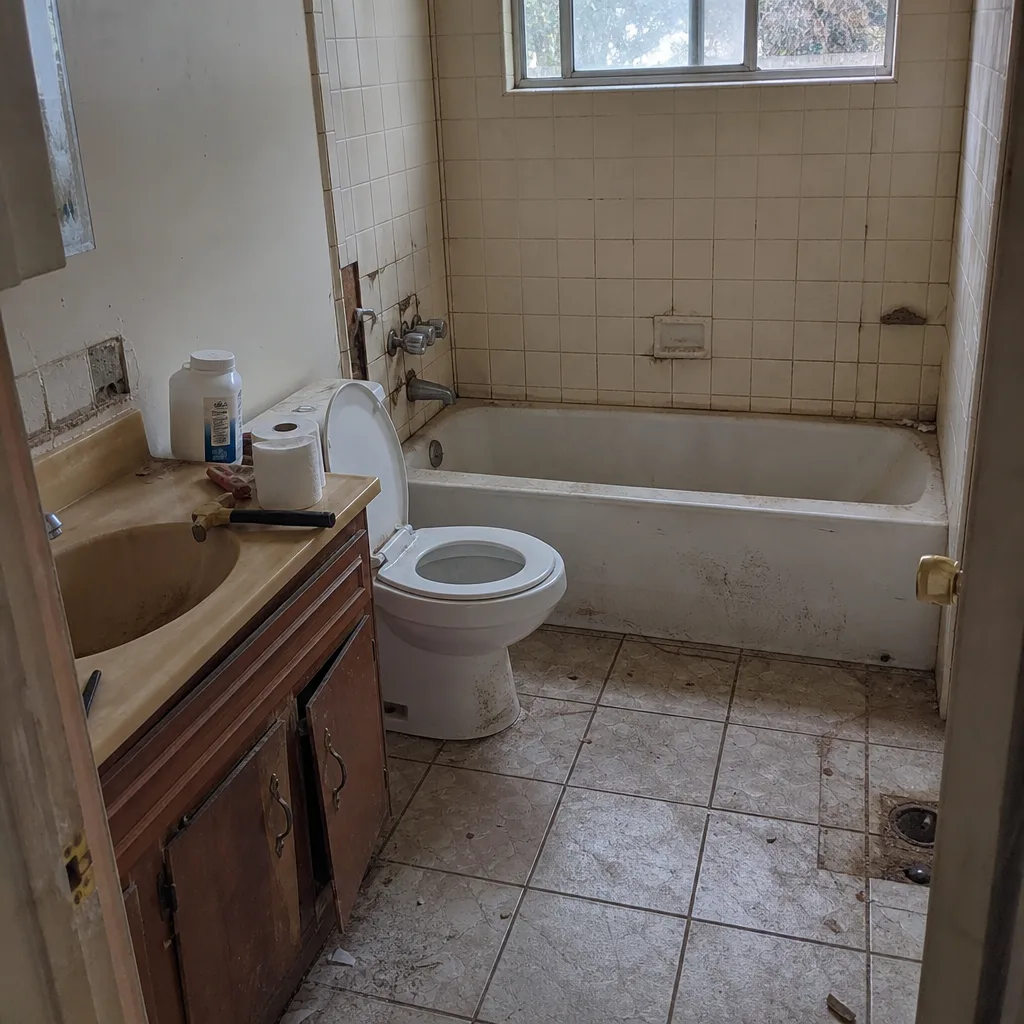 Before
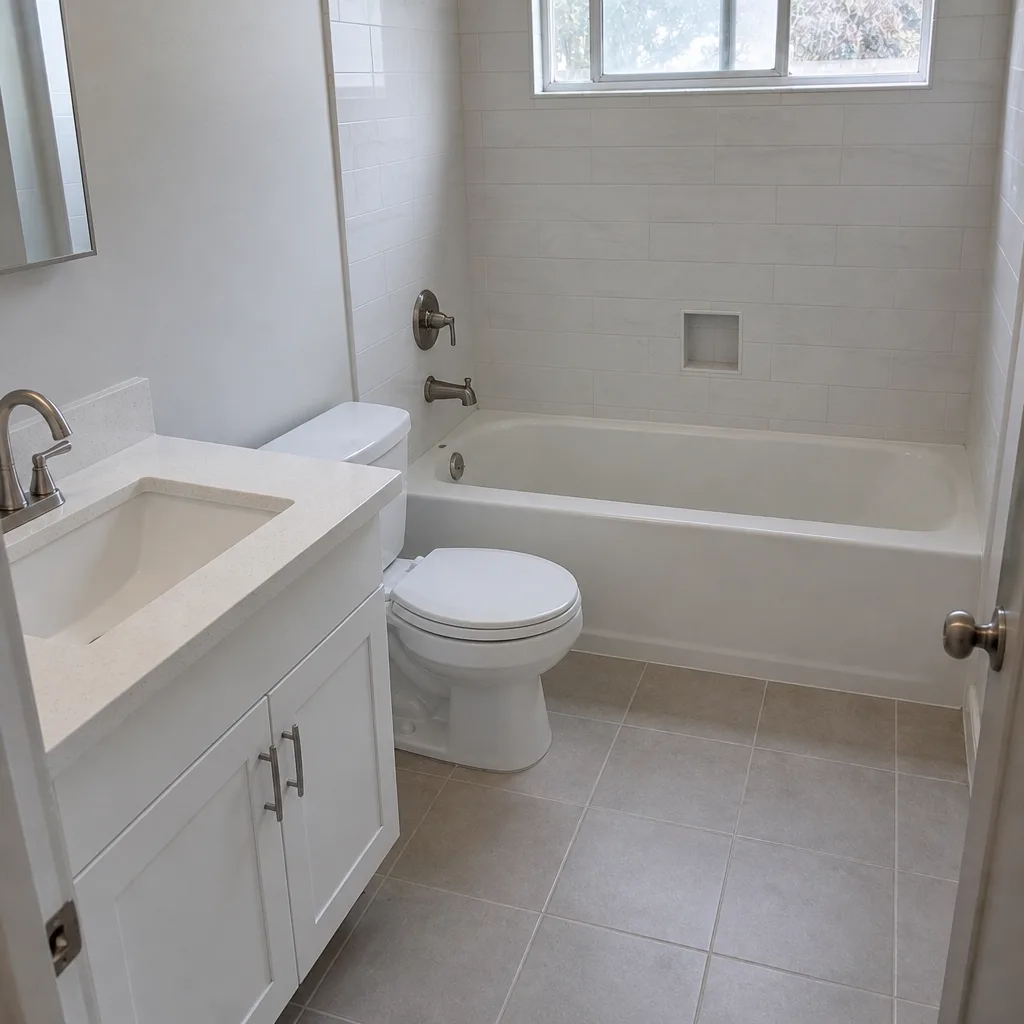 After
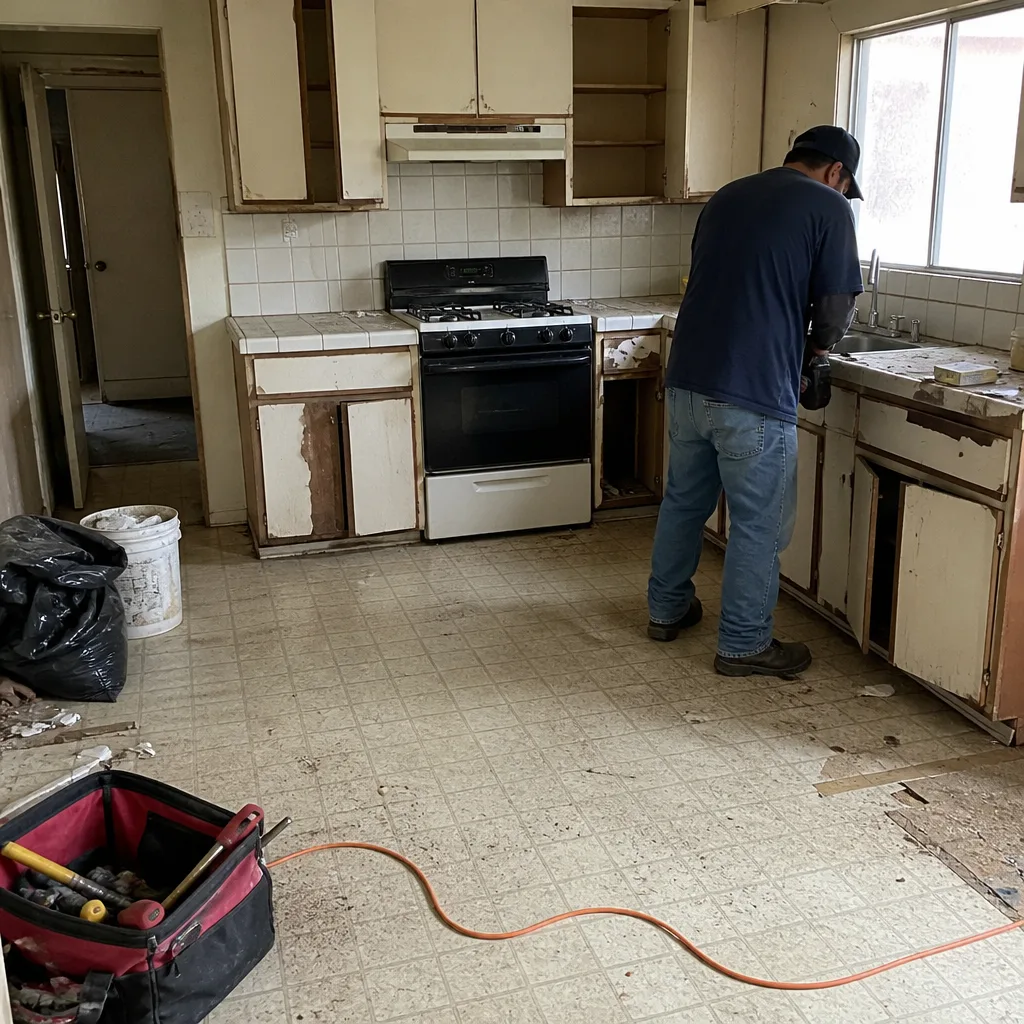 Before
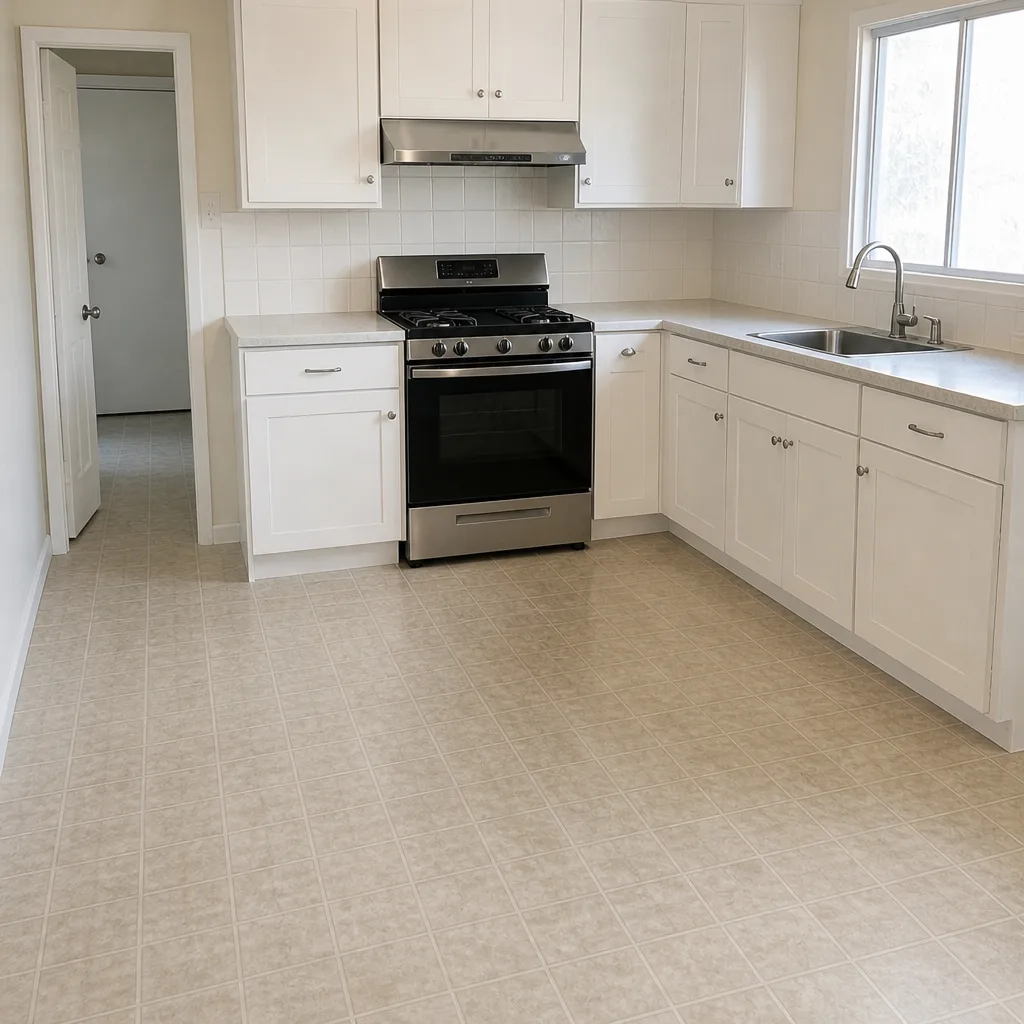 After
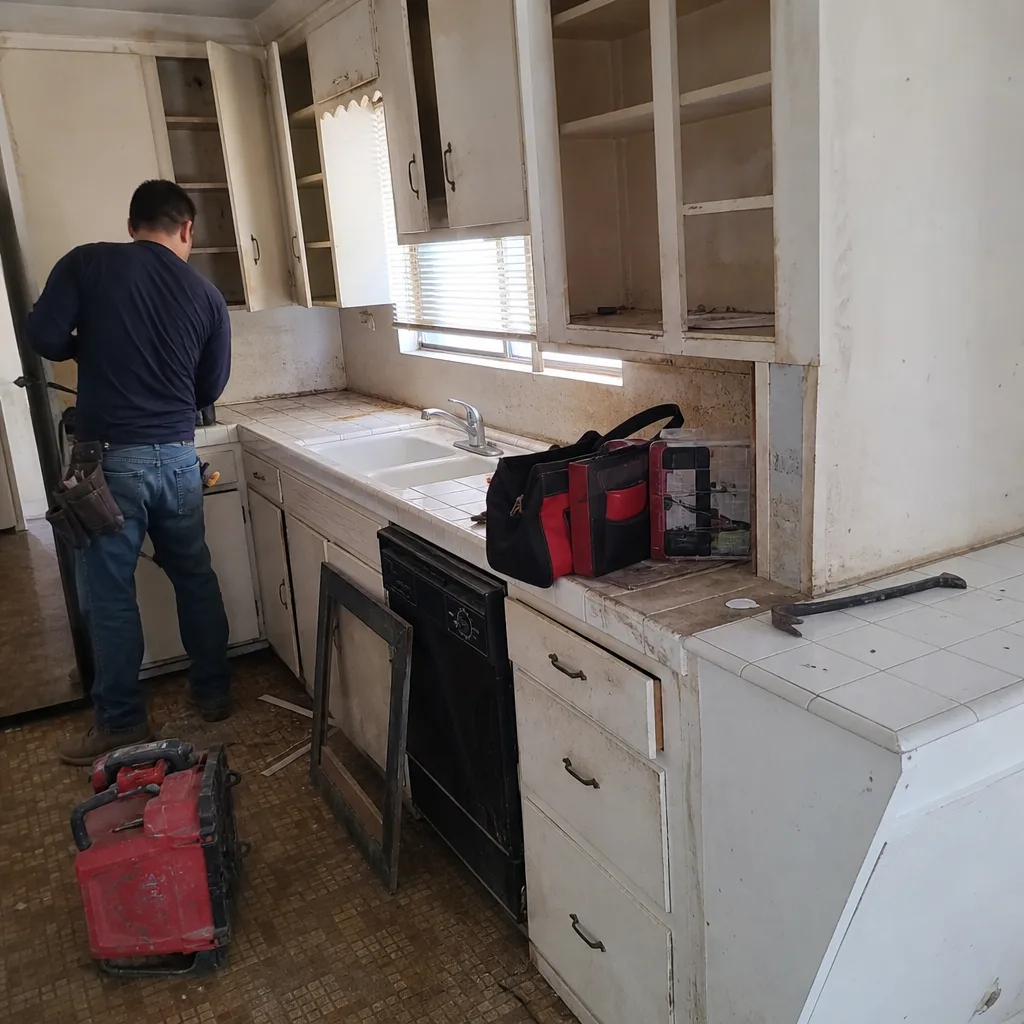 Before
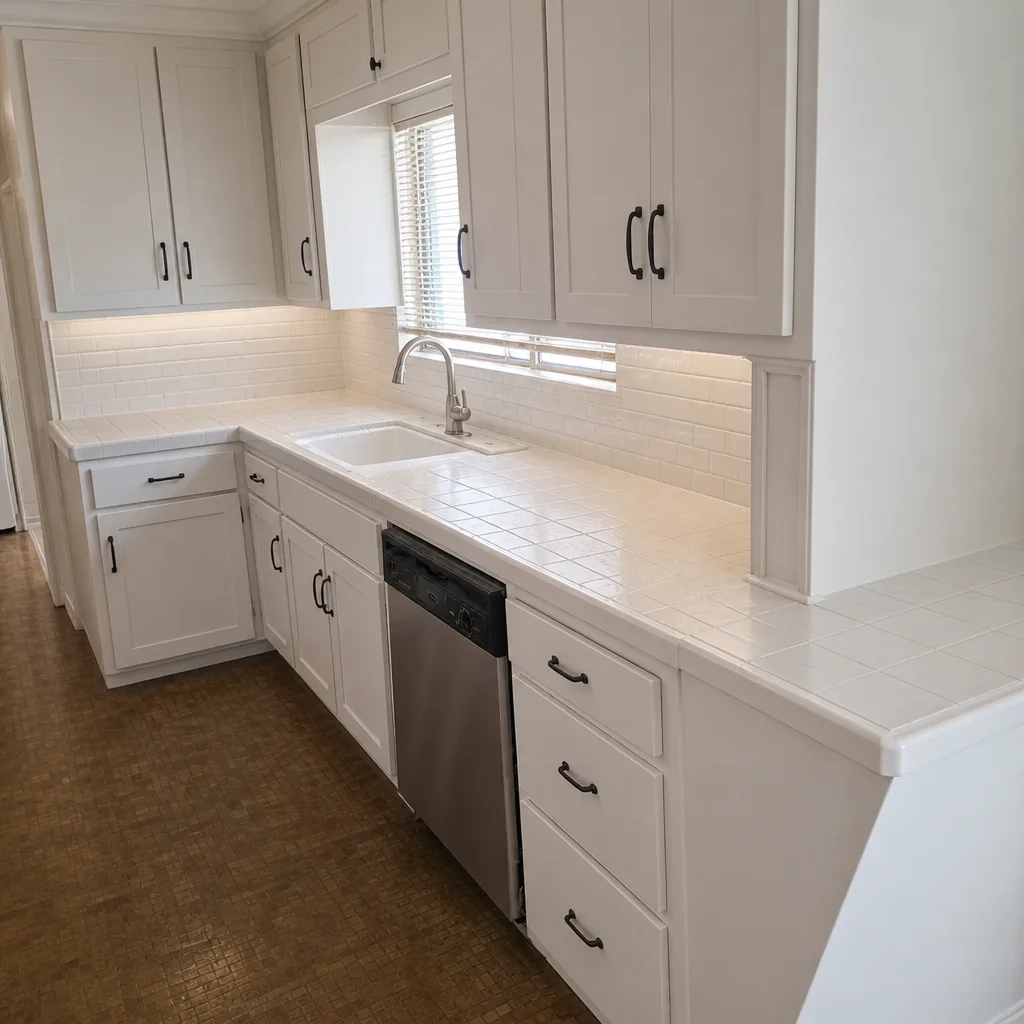 After
HVHZ Window Requirements Explained for West Covina Homeowners
HVHZ stands for High-Velocity Hurricane Zone, a designation that exists only under the Florida Building Code and applies to Miami-Dade and Broward counties. It has no legal standing in West Covina, and no West Covina building permit will ever reference it. But the tests HVHZ requires are the reason “impact-rated” means anything at all, so understanding them is the fastest way to tell a genuinely tested window from a marketing claim. If you want that evaluation done on your actual house, call Groundwork Construction Co. of West Covina at (844) 662-2335.
What HVHZ actually is (and why it doesn’t govern your West Covina permit)
HVHZ is a geographic boundary drawn by Florida officials after Hurricane Andrew in 1992. Products sold inside that boundary must carry a Miami-Dade County Notice of Acceptance, a document that certifies the unit passed a specific battery of laboratory tests. That approval process is administered by Miami-Dade, not by any California agency, and it is not a national standard the way ASTM or NFRC ratings are.
So when a window salesperson in West Covina tells you a product is “HVHZ-rated,” they’re telling you something real about how the unit was tested, and something misleading if they imply it satisfies your local code obligations. Your permit is governed by California’s Title 24 energy standards and, on foothill parcels, by the wildfire exposure requirements in Chapter 7A of the California Building Code. Those are the standards an inspector will actually check.
Here’s the practical distinction worth holding onto: HVHZ approval is evidence of engineering rigor. It is not evidence of code compliance in West Covina.
What the HVHZ tests actually measure
This is where the designation earns its reputation. To carry a Miami-Dade approval, a window or door assembly has to survive four things, and each one maps to a real physical force a house can experience.
- ASTM E1886 structural performance. The unit is loaded to a specified design pressure and must not fail structurally, meaning no glass breakout, no frame deformation that would let the assembly come apart.
- ASTM E1996 large-missile impact. A 9-pound 2×4 timber is fired at the glazing at roughly 50 feet per second. The glass may crack, but the assembly has to stay in the opening and hold together. This is the test most people mean when they say “impact window.”
- Cyclic pressure testing. After the missile impact, the damaged unit is subjected to thousands of positive and negative pressure cycles that simulate a storm’s buffeting. A window that survives the 2×4 but fails cycling is a window that would blow out mid-event.
- TAS 202 water infiltration. The assembly is sprayed under pressure to confirm the frame, sill and weatherstripping keep water out under wind-driven rain.
Read that list and you can see why an HVHZ-approved unit is usually a well-built one. Passing all four is expensive, and manufacturers don’t pay for that testing on weak products.
What HVHZ does not test, and why that matters in the San Gabriel Valley
Now the gap. None of those four protocols measure radiant heat exposure, ember intrusion at vents and gaps, or the sustained low-intensity wind that characterizes a Santa Ana event. Those are the actual threats on a West Covina parcel that backs up toward the foothills.
That’s exactly why California wrote its own rules. Chapter 7A of the California Building Code addresses wildfire exposure with requirements HVHZ was never designed to cover: ember-resistant venting, noncombustible exterior materials within specified zones, and glazing that resists radiant heat, not just a flying timber. A window can be HVHZ-approved and still fail a Chapter 7A evaluation, because the two standards are answering different questions.
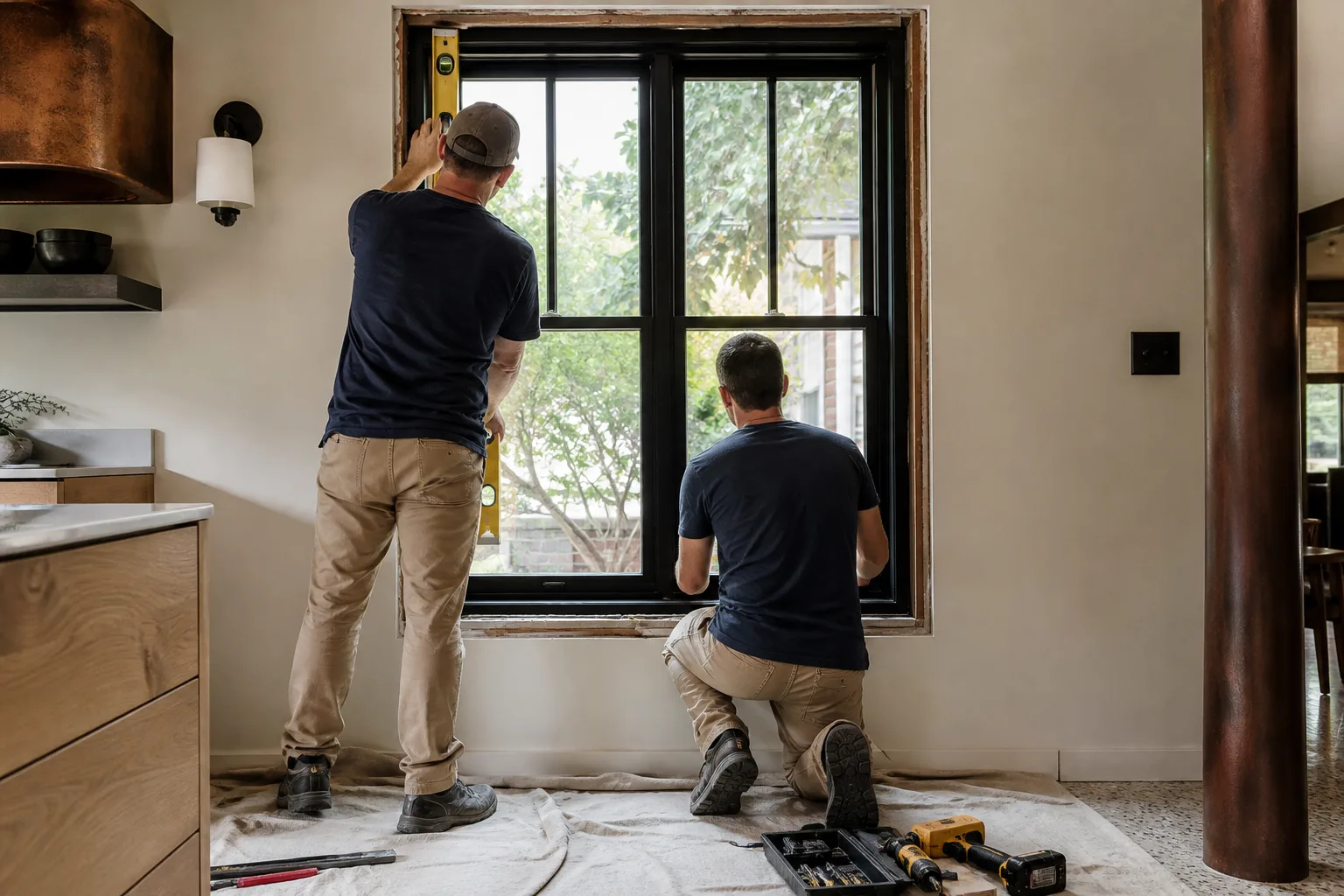
For most West Covina homeowners, the threat picture is more mundane than either standard suggests. West Covina is a mid-century San Gabriel Valley suburb, largely built out in the 1950s and 1960s, which means the window work here is replacement in aging stucco-and-wood-frame tract homes rather than new construction. The dominant failure we see is original aluminum slider frames that have lost their weatherstripping and seal, letting heat load the house all summer and driving up cooling bills. On near-creek and hillside lots, expansive clay soil that swells and shrinks seasonally can rack a frame out of square over time, which shows up as a window that sticks in one season and rattles in another. Neither problem is solved by citing a Florida approval. Both are solved by measuring the opening, checking the Title 24 SHGC and U-factor numbers against your actual orientation, and specifying a unit that fits.
How to compare window claims in West Covina: a purchasing framework
Use three questions, in this order. They cut through nearly every sales pitch you’ll hear in the San Gabriel Valley.
- What does the NFRC label say? Solar heat gain coefficient and U-factor are the numbers that determine Title 24 compliance and your summer cooling load. Ask for the label, not the brochure.
- Was the assembly tested as a unit? Impact ratings apply to the whole window, frame included, not to a pane of laminated glass. A documented test report on the assembly is worth more than a badge on the glass.
- Does my parcel trigger Chapter 7A? If your home sits in or near a wildfire exposure zone, the ember and radiant-heat specs come before anything else. That’s a map check, not a sales conversation.
This is how we specify windows at Groundwork Construction Co. of West Covina. The conversation starts with your threat environment and your code obligations, then moves to products. We work with Andersen and Marvin because both publish documented NFRC performance data and both have product lines engineered for California code applicability, so the numbers can be verified rather than asserted. From foundation to finish line, the specification has to survive an inspection, and a Florida approval won’t help you there.
What window work costs in West Covina
Pricing depends on count, opening size, frame material and whether the assembly is impact-rated. These are market-calibrated ranges for West Covina, with upfront pricing so the number you see is the number you pay.
| Project | Typical range |
|---|---|
| Window replacement (whole home) | $4,500-$15,000 |
| Impact window installation | $8,000-$25,000 |
| Roof replacement (often paired with window work) | $8,000-$20,000 |
| Roof repair | $400-$1,800 |
Two promotions apply here and they’re standing offers, not seasonal: $1,000 off projects over $10,000, and 0% financing for 18 months. Every window and door project we complete is covered by the 730-Day Done Right Promise, which is one of the longest workmanship guarantees in residential construction. If it’s not done right, we make it right, and that’s in writing.
For the full scope of what we handle across glazing, doors and exterior openings, see our Windows & Doors page. Homeowners comparing contractors across the region can also review our West Covina service area page, and start from the home page to see every trade we cover.
FAQs about HVHZ and window ratings in West Covina
No. HVHZ is a Florida Building Code designation limited to Miami-Dade and Broward counties, and it carries no legal weight in California. Your West Covina permit is governed by Title 24 energy standards and, on qualifying parcels, California Building Code Chapter 7A wildfire requirements. An HVHZ approval is a useful quality signal, not a compliance document.
Usually yes, because passing ASTM E1886, ASTM E1996 large-missile impact, cyclic pressure and TAS 202 water infiltration requires a genuinely well-engineered assembly. That said, “better” depends on your threat. A West Covina home facing foothill wildfire exposure needs ember and radiant-heat performance that HVHZ testing never measures, so the rating alone doesn’t answer the question. Call (844) 662-2335 and we’ll match the product to your actual parcel.
HVHZ tests a window against wind-borne debris, pressure cycling and wind-driven rain. Chapter 7A tests it against wildfire exposure, specifically radiant heat and ember intrusion at glazing, vents and gaps. They’re complementary standards written for different hazards, and a window approved under one isn’t automatically compliant under the other.
Impact window installation in West Covina typically runs $8,000-$25,000 for a whole home, while standard window replacement lands between $4,500 and $15,000. The spread comes down to window count, opening size, frame material and assembly testing. Call (844) 662-2335 for an exact quote, the estimate is free and there’s no pressure attached.
Talk it through with someone who reads test reports
If the sales claims are getting hard to sort out, bring us the paperwork. Groundwork Construction Co. of West Covina offers a no-pressure assessment anywhere in West Covina, and we’ll tell you what your Title 24 and Chapter 7A obligations actually are before anyone quotes a window. Call (844) 662-2335 for a free estimate. Live person, 24/7. Our technicians have up to 12 years of experience, and every job carries the 730-Day Done Right Promise.
Written by the team at Groundwork Construction Co. of West Covina, serving West Covina, CA.