Free written scope consultation - allowances, timeline, and change-order rules on paper before a single trade is scheduled
Styles & brands we work with
- Kitchen remodeling
- Bathroom remodeling
- Home additions & ADU
- Roofing
- Windows & doors
- Driveway & pavers
- Fence
See the difference
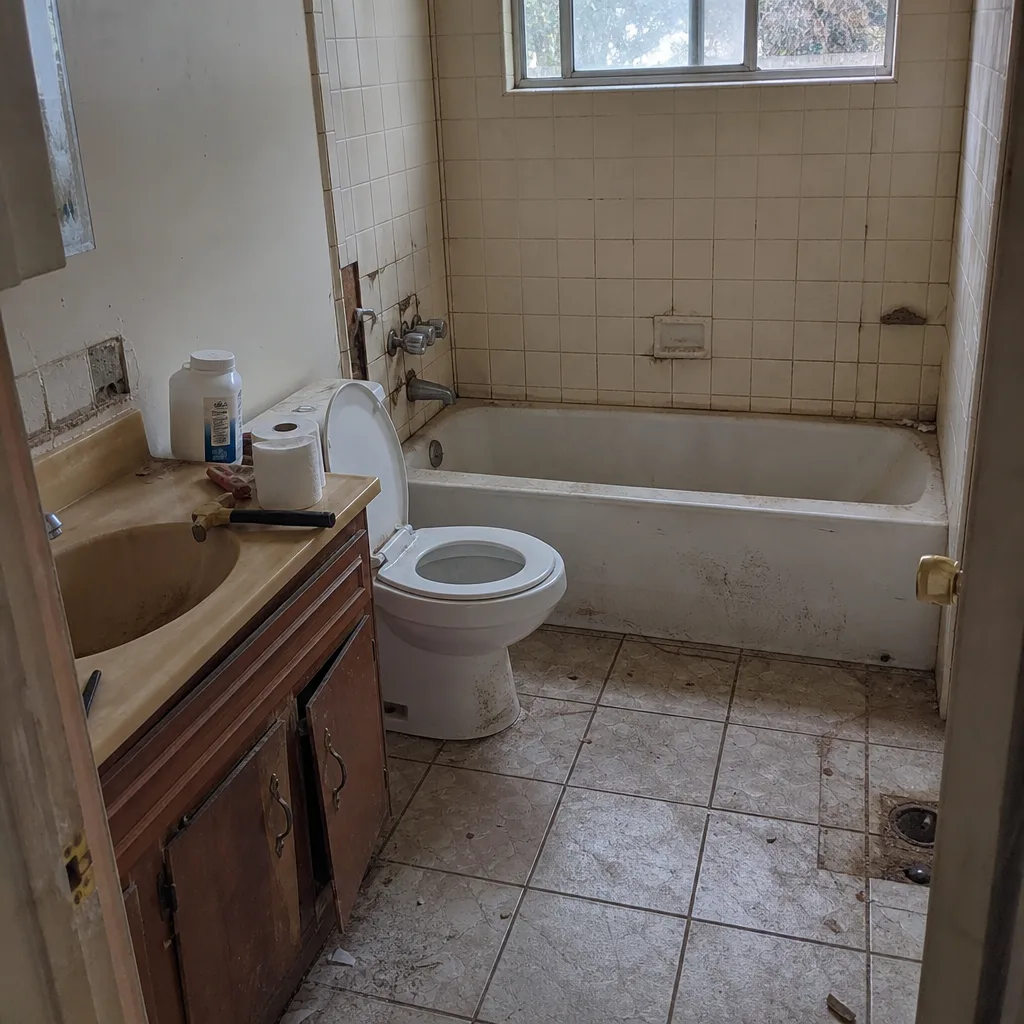 Before
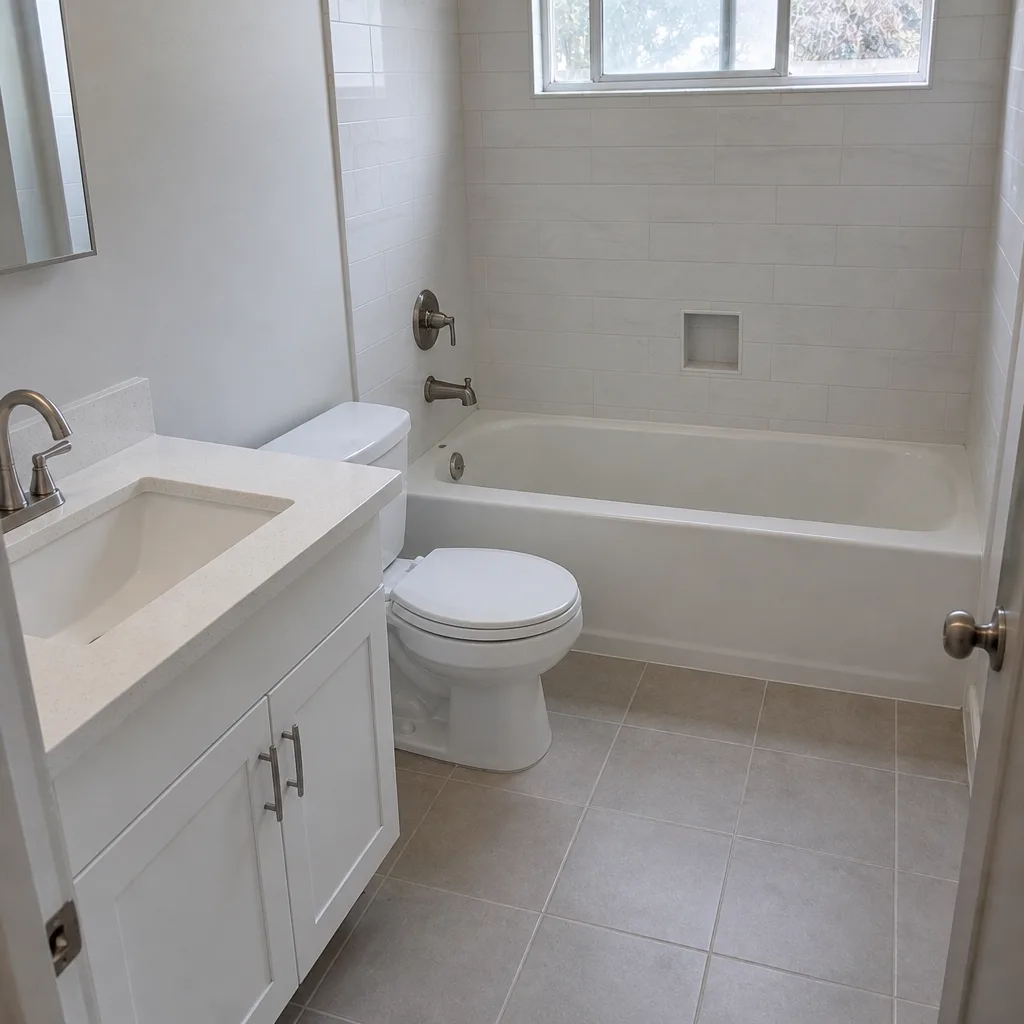 After
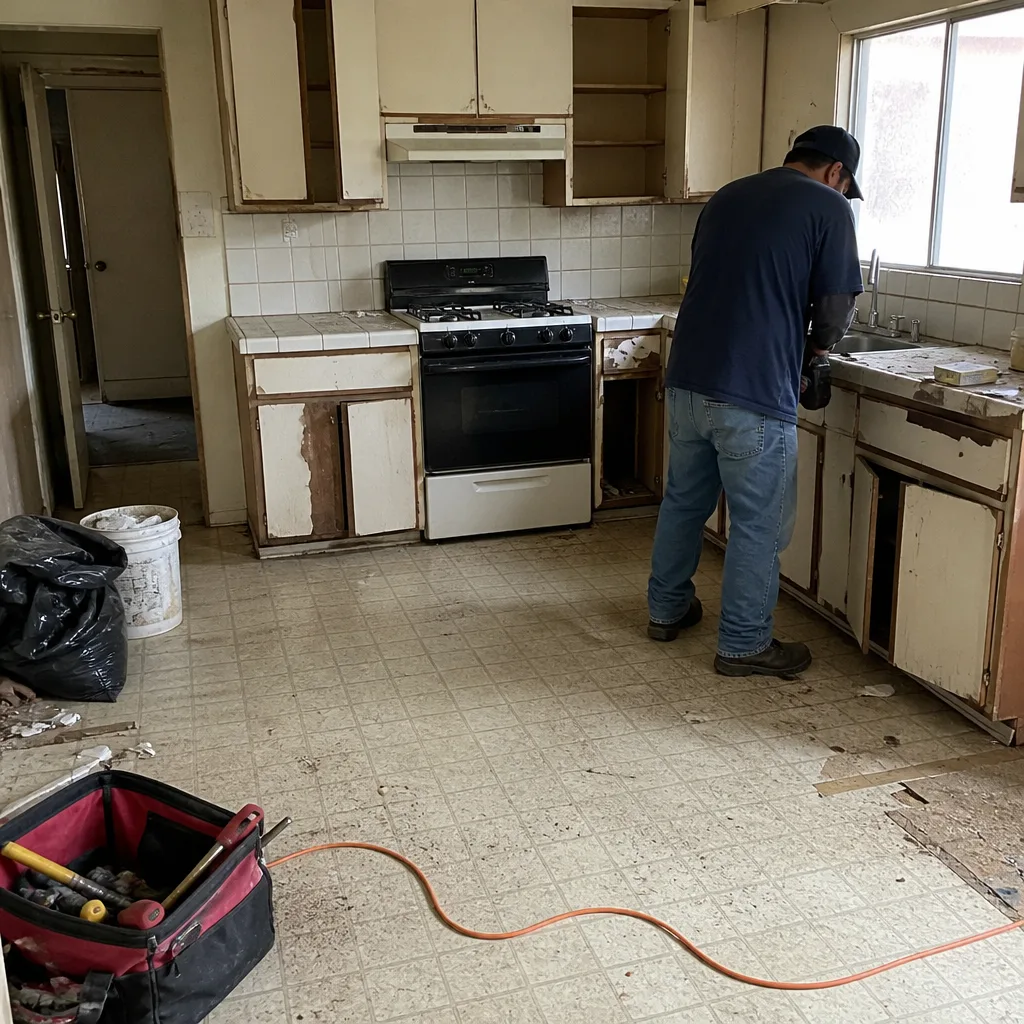 Before
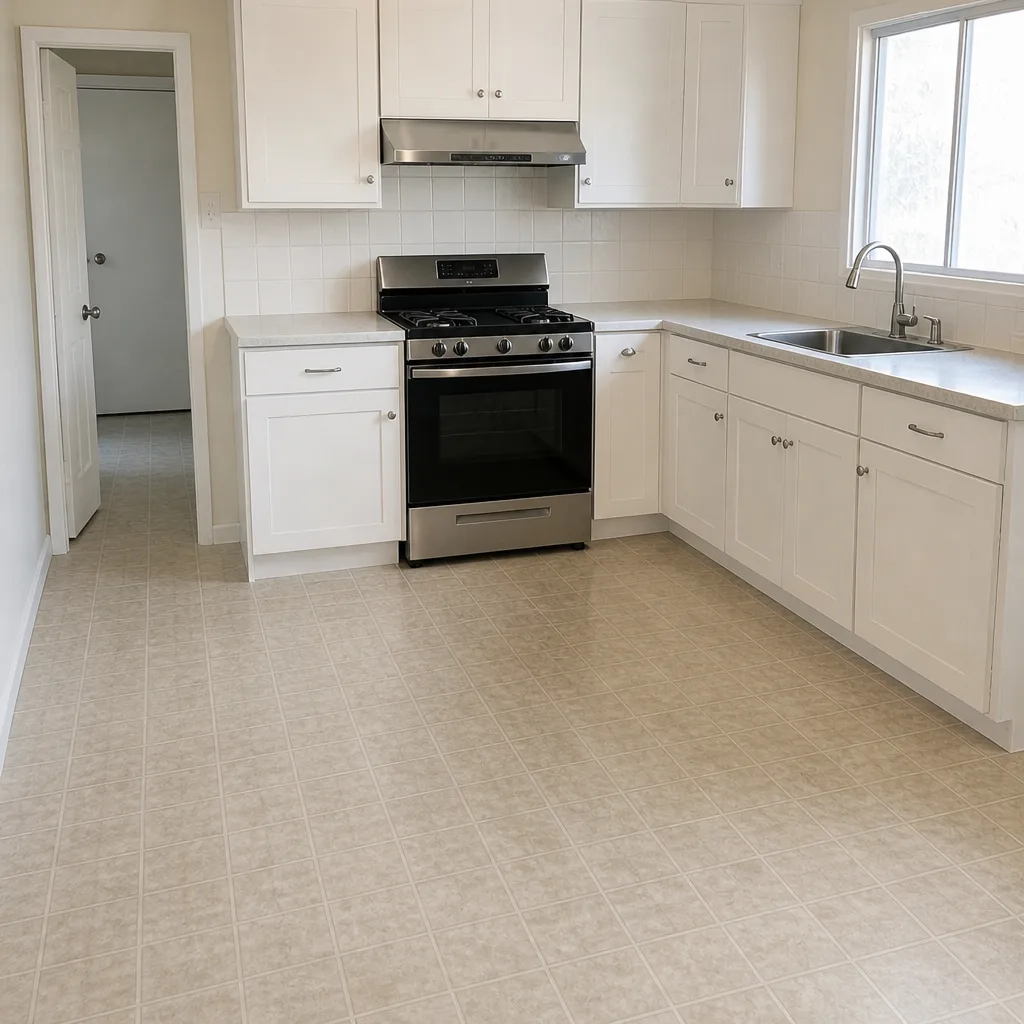 After
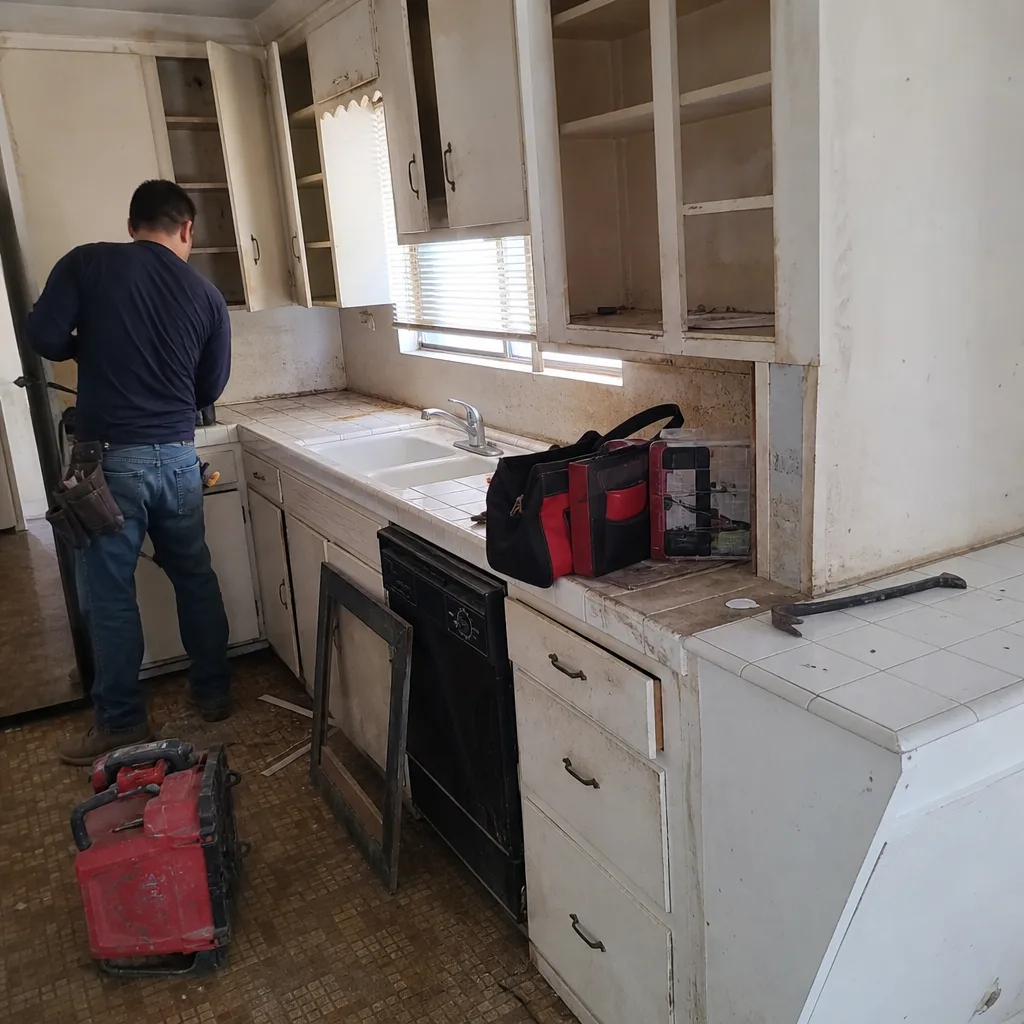 Before
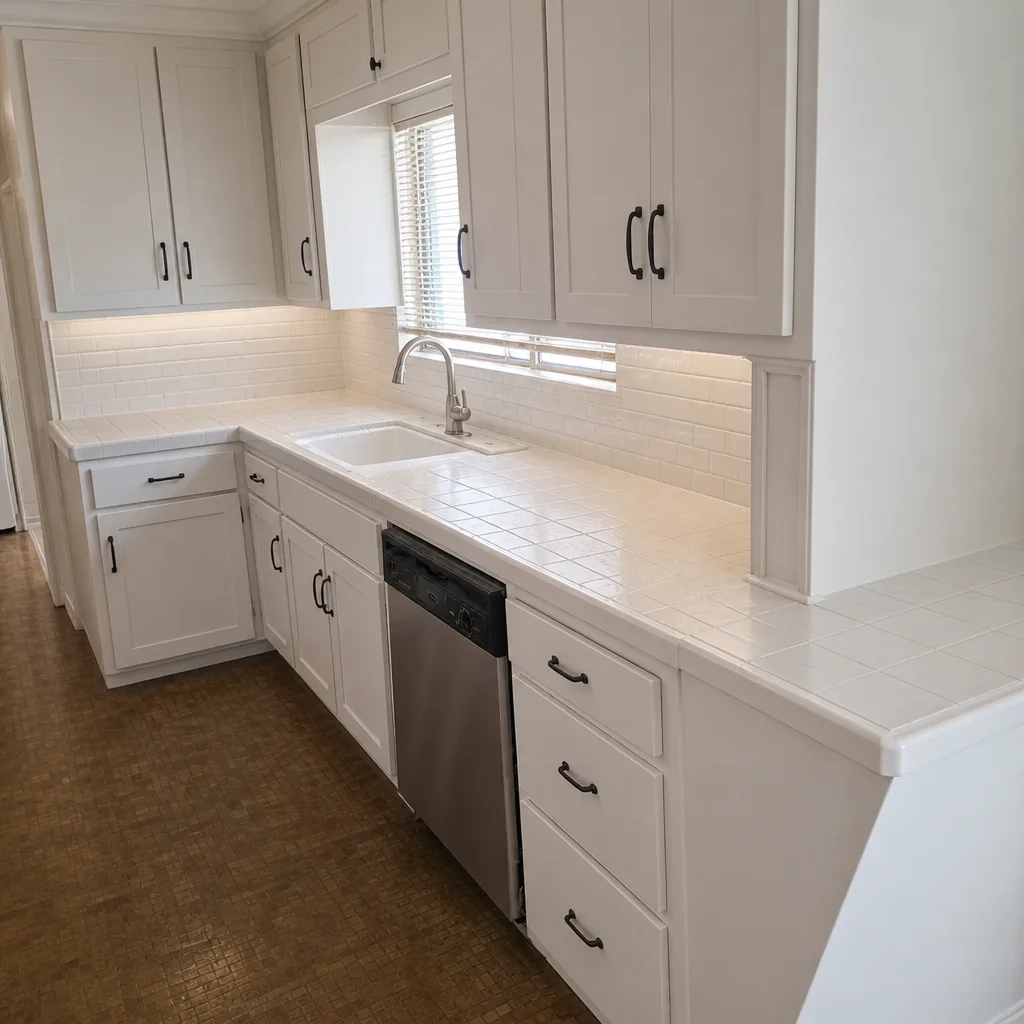 After
What Is Low-E Glass? A West Covina Homeowner’s Guide to Getting the Right Coating
Low-e glass is window glass with an invisible metallic oxide coating that reflects part of the sun’s heat energy while letting visible light pass through. The coating isn’t a film or a tint – it’s bonded to the glass surface or applied in a vacuum chamber during manufacturing, and it comes in two distinctly different types: hard-coat and soft-coat. In West Covina’s cooling-dominant climate, which type you buy matters more than the “low-e” label itself, and that’s where most window shopping goes wrong. If you want the spec explained against your specific house, call Groundwork Construction Co. of West Covina at (844) 662-2335 – a live person answers, day or night.
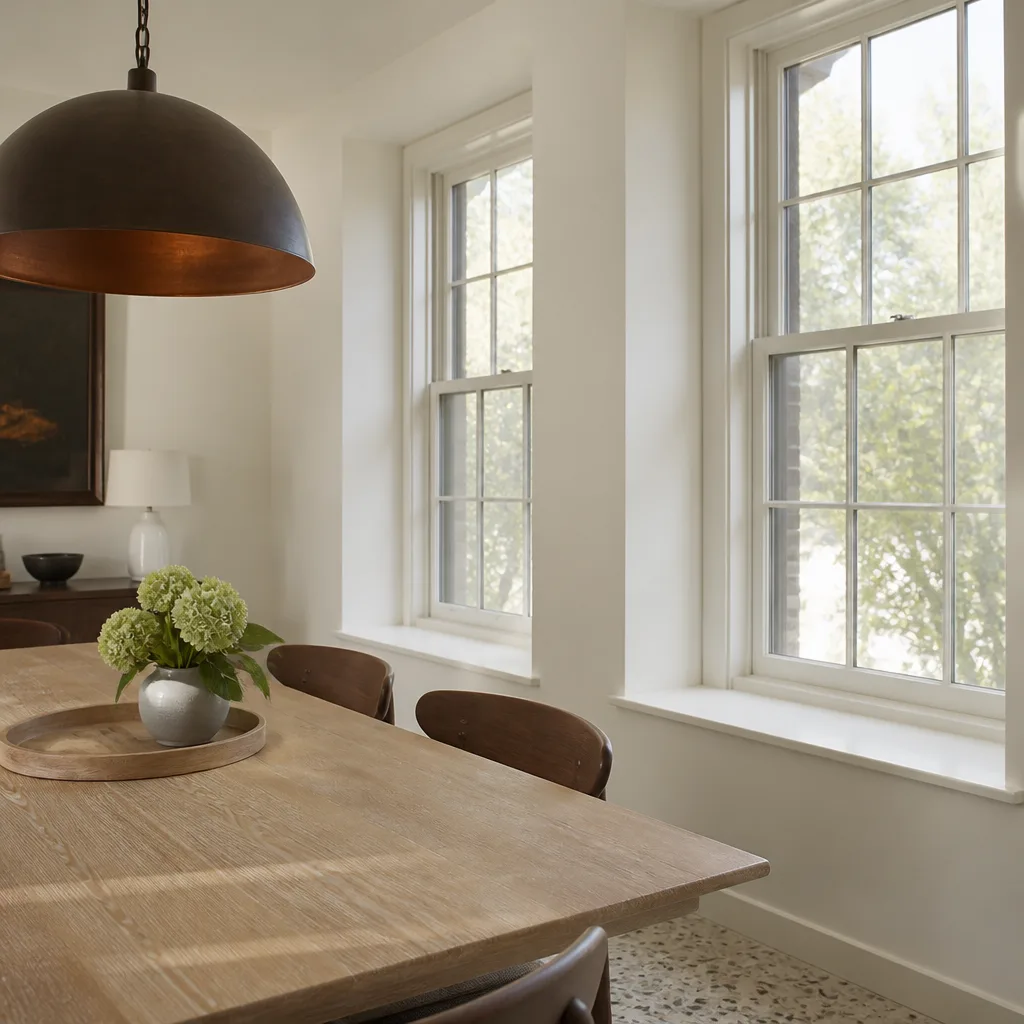
Why West Covina Windows Behave Differently Than Generic Window Advice Assumes
West Covina is a built-out San Gabriel Valley suburb, and most of its housing stock went up in the 1950s and 1960s – single-story stucco tract homes on wood frames, drafted long before passive solar orientation was treated as an engineering concern. That means plenty of these homes have a large sliding glass door or picture window facing due west into the afternoon sun. Add hot, dry summers and the Santa Ana wind events that push temperatures up fast, and you get a house that soaks solar heat through its glass for four or five hours a day from May through October.
Here’s the part the single-definition articles skip. Low-e coatings reduce heat transfer, but they don’t all reduce it in the same direction. A coating tuned to keep winter heat indoors does almost nothing for a west-facing window baking in July. In a cooling-dominant climate like ours, the spec that actually lowers your cooling bill is low solar heat gain coefficient (SHGC), and that’s a soft-coat property.
Hard-Coat vs. Soft-Coat Low-E: The Comparison That Actually Matters
Two coatings, two very different jobs. Ask any window seller which one is in the unit they’re quoting, and if they can’t answer, that’s your answer.
- Hard-coat (pyrolytic) low-e: applied while the glass is still molten, so the coating fuses into the surface. It’s durable, handleable, and typically used in double-pane units on the inside surface. Its strength is reducing U-factor – the rate of heat loss in winter. Great for cold climates. In West Covina, it does less for your summer cooling load.
- Soft-coat (sputtered) low-e: deposited in a vacuum chamber in multiple microscopic layers. It’s softer and must sit sealed inside an insulated glass unit, but it can be engineered for a much lower SHGC – meaning it rejects more of the sun’s radiant heat before it enters the room. For west-facing glass in a hot-summer market, this is the higher-impact choice.
- What to look for on the label: the NFRC label on the unit, which carries verified U-factor and SHGC values. A window that says “low-e” with no number attached is a marketing claim, not a spec.
- What to check on a quote: the SHGC value in writing, on the contract, per window. If the number isn’t there, you can’t verify what got installed.
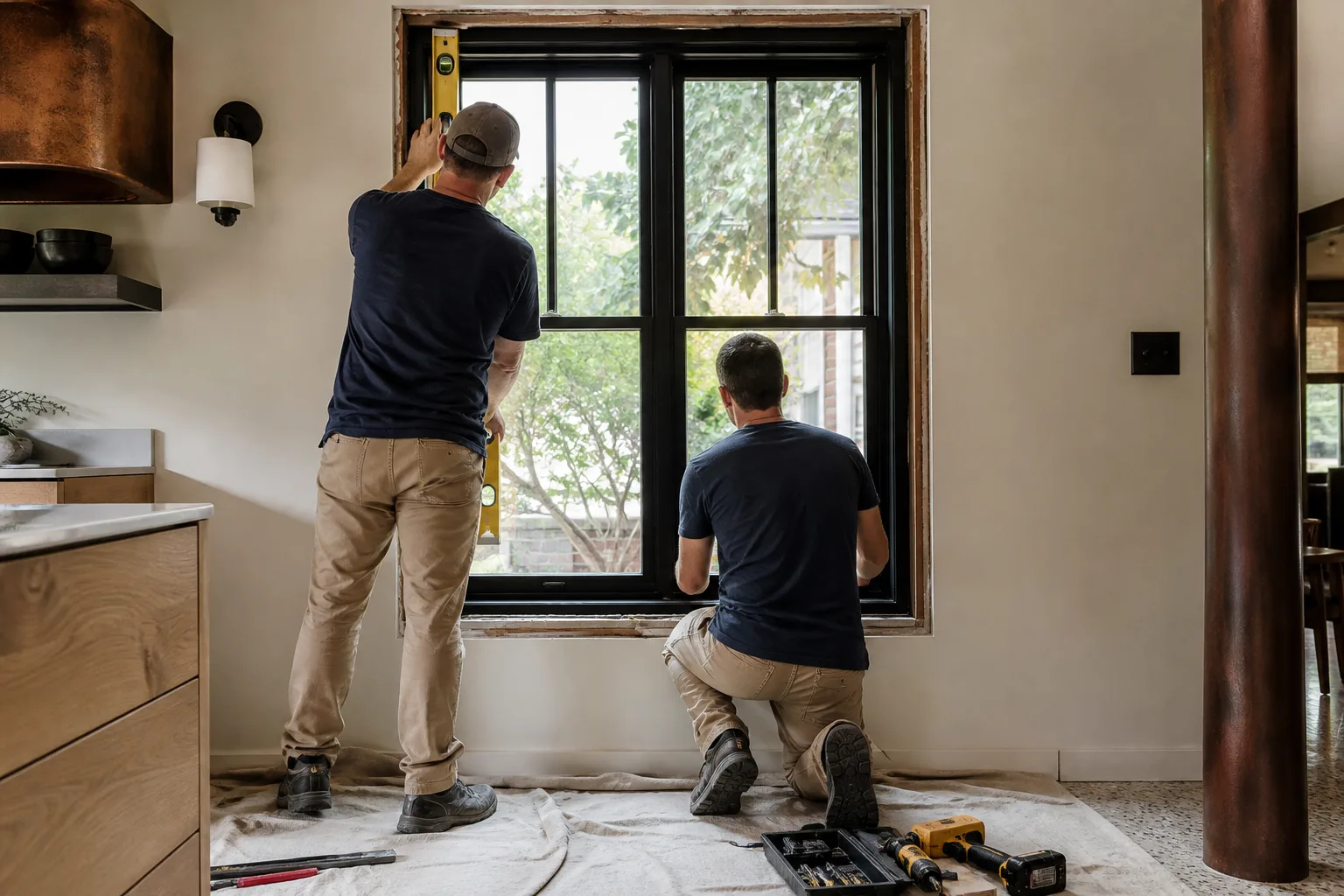
Is Low-E Glass a Preference or a Code Requirement in West Covina?
It’s a code requirement on permitted work. West Covina sits in CEC Climate Zone 10, and California’s Title 24 Energy Code sets maximum SHGC and maximum U-factor limits for replacement windows as part of a permitted alteration. So the low-e spec isn’t just about comfort or your utility bill – it’s a compliance factor, and a permit inspector can ask for the NFRC documentation that proves the glass meets Zone 10’s limits.
That changes the buying conversation. You’re not choosing between “nice glass” and “cheap glass.” You’re choosing between glass with documented, code-compliant performance values and glass where nobody checked. When we quote Windows & Doors work in West Covina, the SHGC and U-factor come attached to the specific model number, not promised verbally.
If you’re planning a larger project that touches the envelope – an addition, a garage conversion to an ADU, a room addition with new fenestration – the window spec has to reconcile with the whole-assembly energy compliance for the permit. That’s one reason additions and ADUs dominate construction in a built-out city like West Covina rather than new subdivisions. Older homes here also tend to need electrical panel and plumbing updates once walls open up, and near-creek and hillside lots often sit on expansive clay that swells and shrinks seasonally – foundations for additions frequently need deeper piers or post-tension slabs. The window spec is one thread in a bigger engineering picture.
Where the Showroom Fails You (and How We Close the Gap)
Walk into a big-box window display and you’ll see “energy efficient” and “low-e” on the placard – you’ll rarely see whether the unit is hard-coat or soft-coat, and you almost never see the SHGC number printed where you can compare it. That’s not dishonesty so much as simplification; the showroom is selling a category, not a spec sheet.
Groundwork works with named brand partners including Andersen and Marvin, both of which publish full NFRC documentation for every model they sell. That means the values are documented before purchase, not promised after. We also buy across Owens Corning and IKO for roofing on the same projects, so when a West Covina homeowner is re-roofing and replacing west-facing windows in the same scope, the whole envelope gets planned together rather than in two disconnected purchases.
Our technicians have up to 12 years of experience installing insulated glass units, and every job is covered by the 730-Day Done Right Promise. That matters most here: if the installed glass underperforms against the documented NFRC spec – fogging, seal failure, a U-factor that doesn’t show up on the thermal camera – we make it right. You’re not left chasing a manufacturer’s warranty on your own.
What Does New Low-E Window Glass Cost in West Covina?
Window replacement in West Covina typically runs $4,500-$15,000 for a whole-house replacement, and impact-rated window installation runs $8,000-$25,000 depending on the count and the frame material. Those are market-calibrated ranges for this area, not national averages – labor and permit costs in the San Gabriel Valley land inside them.
| Project | Typical West Covina Range |
|---|---|
| Window replacement (whole house, standard) | $4,500-$15,000 |
| Impact window installation | $8,000-$25,000 |
| Roof replacement (often bundled with window scope) | $8,000-$20,000 |
Upfront pricing is how we quote: the number you see is the number you pay, with no change orders mid-project for things that should have been planned in the bid. There’s also $1,000 off projects over $10,000 and 0% financing for 18 months on approved credit, which puts a whole-house window replacement with documented soft-coat low-e within reach without draining savings. Call (844) 662-2335 for a free estimate and design consult.
What Should You Actually Ask When You’re Buying Low-E Windows?
Six questions separate a documented spec purchase from a hope-for-the-best purchase:
- What is the SHGC value on the NFRC label for this specific model?
- Is the coating hard-coat or soft-coat, and on which surface of the IGU?
- Does the SHGC meet CEC Climate Zone 10 limits for a permitted replacement?
- What is the U-factor, and is it on the contract?
- Are the units shipped with NFRC labels intact so the inspector can verify?
- What happens if the glass fails the spec after install – whose warranty covers it?
The 730-Day Done Right Promise answers the last one. If the installed glass doesn’t measure up to the documented spec, we correct it.
FAQs
Low-E glass has a metallic oxide coating that reflects part of the sun’s heat energy, and whether it lowers your cooling costs depends entirely on which low-E you buy. In West Covina’s hot-summer climate, a soft-coat low-E tuned for a low SHGC will reduce solar heat gain through west-facing windows; a hard-coat tuned only for winter heat loss will not. Ask for the SHGC number, not just the label. Call (844) 662-2335 for a quote with the spec in writing.
For most West Covina homes, soft-coat low-E with a low SHGC is the higher-impact choice because the dominant load is cooling, not heating. Hard-coat low-E is durable and effective at reducing winter heat loss, but it doesn’t reject summer solar gain as aggressively. If your house has large west-facing windows – common in 1950s West Covina tracts – the SHGC spec does more work than anything else on the quote. Call (844) 662-2335 and we’ll match the coating to your orientation.
Yes, on permitted replacement work. West Covina is in CEC Climate Zone 10, and Title 24 sets maximum SHGC and U-factor limits for fenestration. A permit inspector can ask for the NFRC documentation showing the units meet those limits. That’s why we attach spec values to every quote – it’s a compliance item, not a comfort preference. Call (844) 662-2335 for a free estimate that includes the code-compliant spec.
For a standard residential re-window, most jobs are completed in a single visit – the units arrive pre-manufactured with the coating sealed inside the IGU, and installation is a removal-and-set sequence, not a coating application on site. Larger scopes like a whole-house change with a garage conversion or addition may run longer. Call (844) 662-2335 for a same-day assessment and an upfront number.
If you’d rather have the spec checked against your actual house than figure it out from a showroom placard, Groundwork Construction Co. of West Covina offers a no-pressure assessment in West Covina – call (844) 662-2335, and a live person will answer whether it’s Tuesday morning or Sunday night. Explore our home page or the full West Covina service area to see what else we cover.
Written by the team at Groundwork Construction Co. of West Covina, serving West Covina, CA.