Free written scope consultation - allowances, timeline, and change-order rules on paper before a single trade is scheduled
Styles & brands we work with
- Kitchen remodeling
- Bathroom remodeling
- Home additions & ADU
- Roofing
- Windows & doors
- Driveway & pavers
- Fence
See the difference
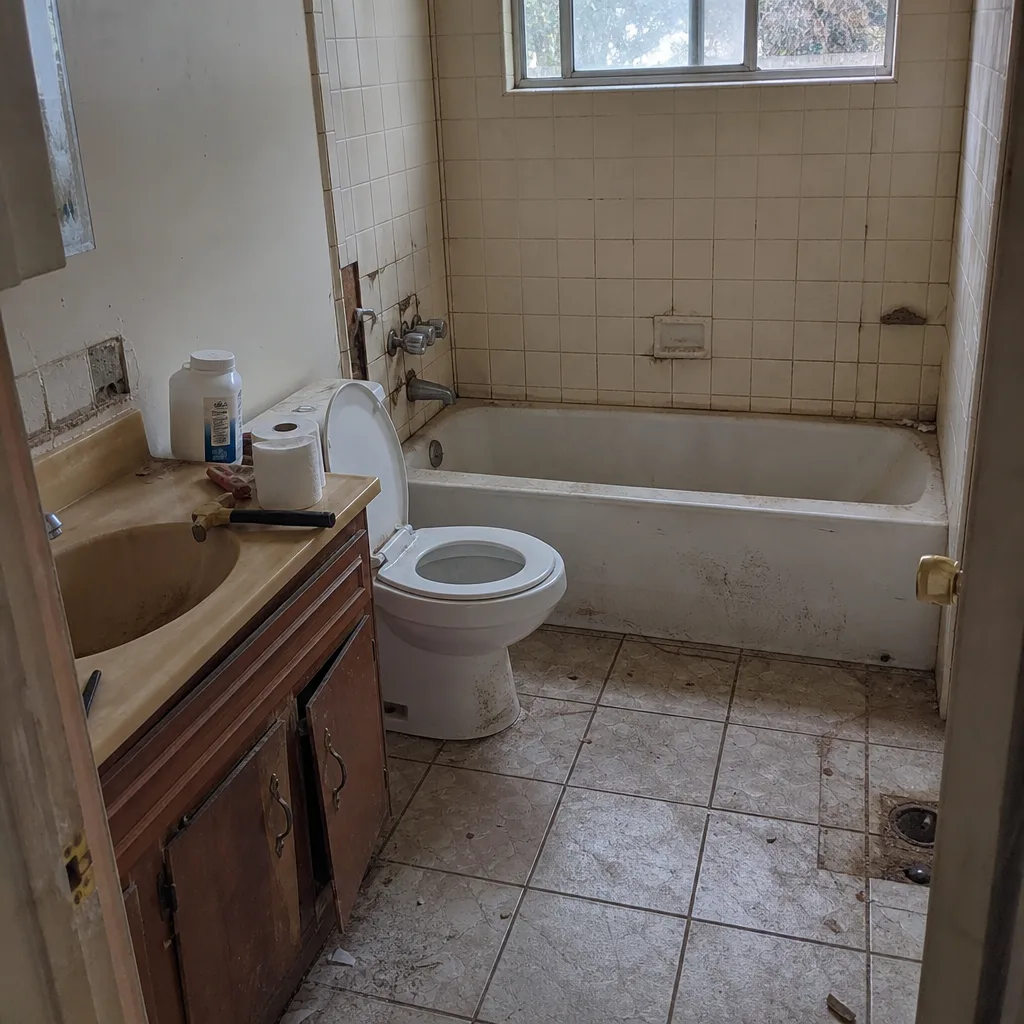 Before
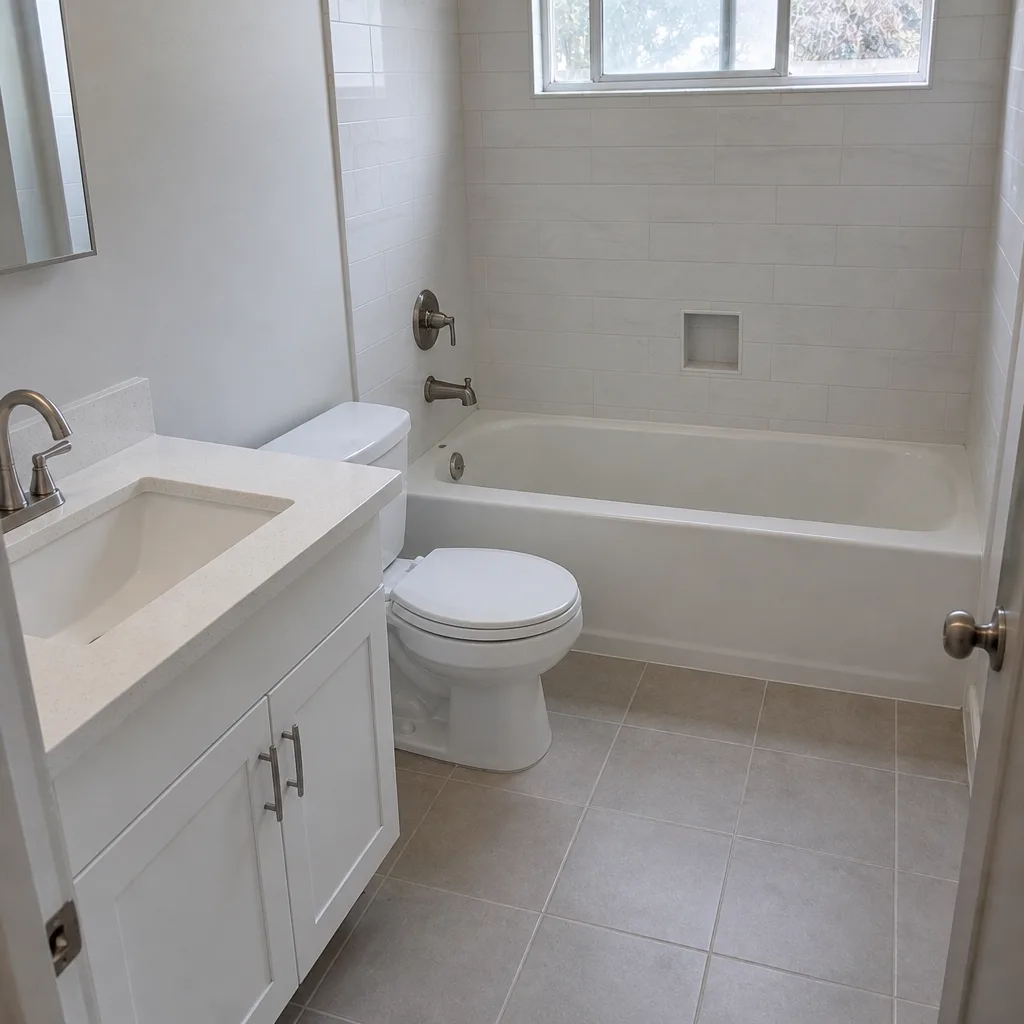 After
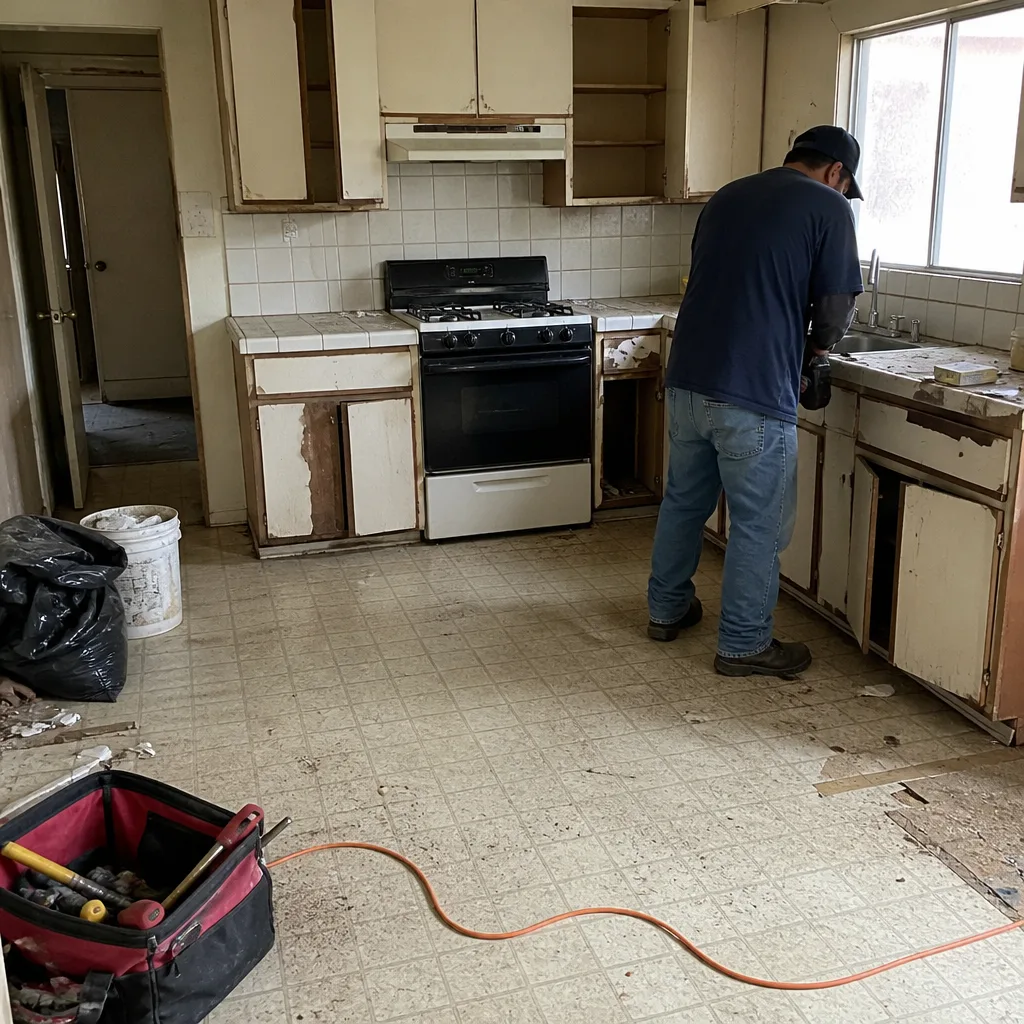 Before
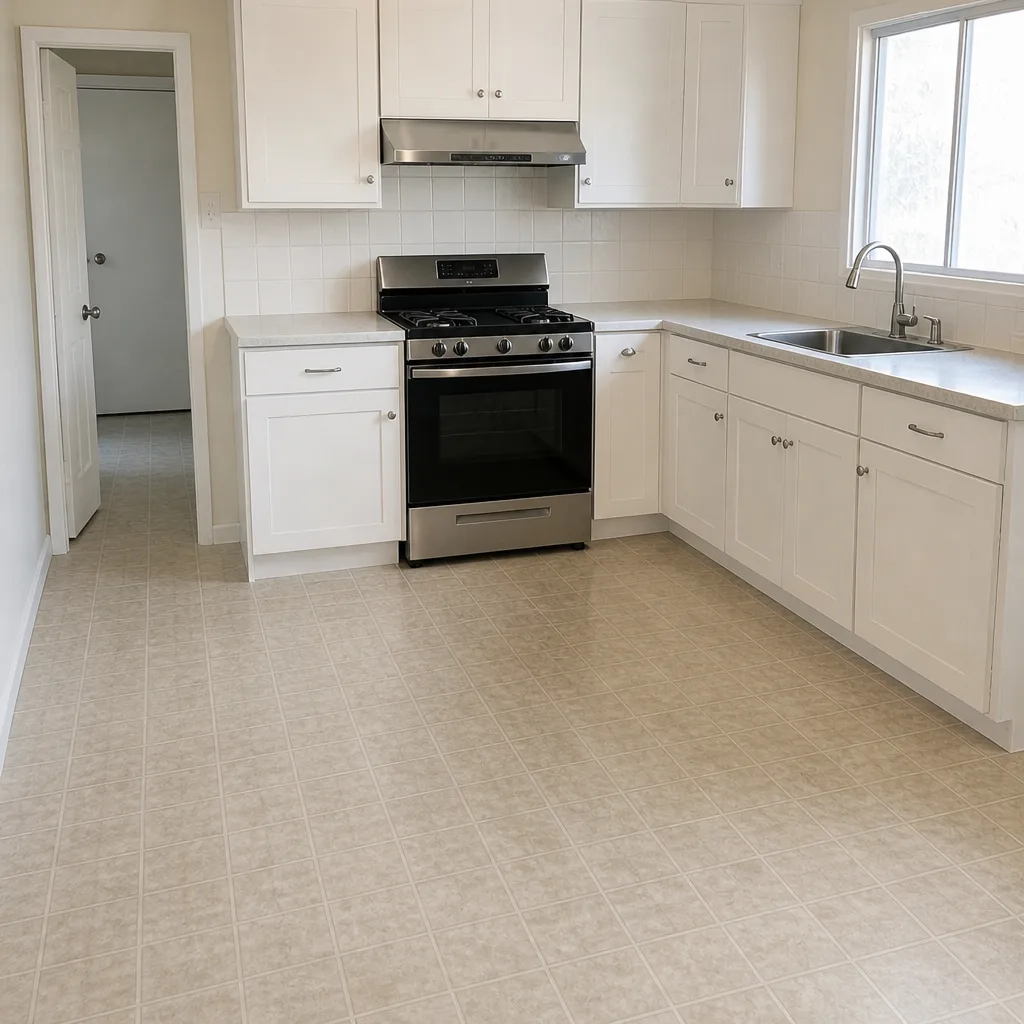 After
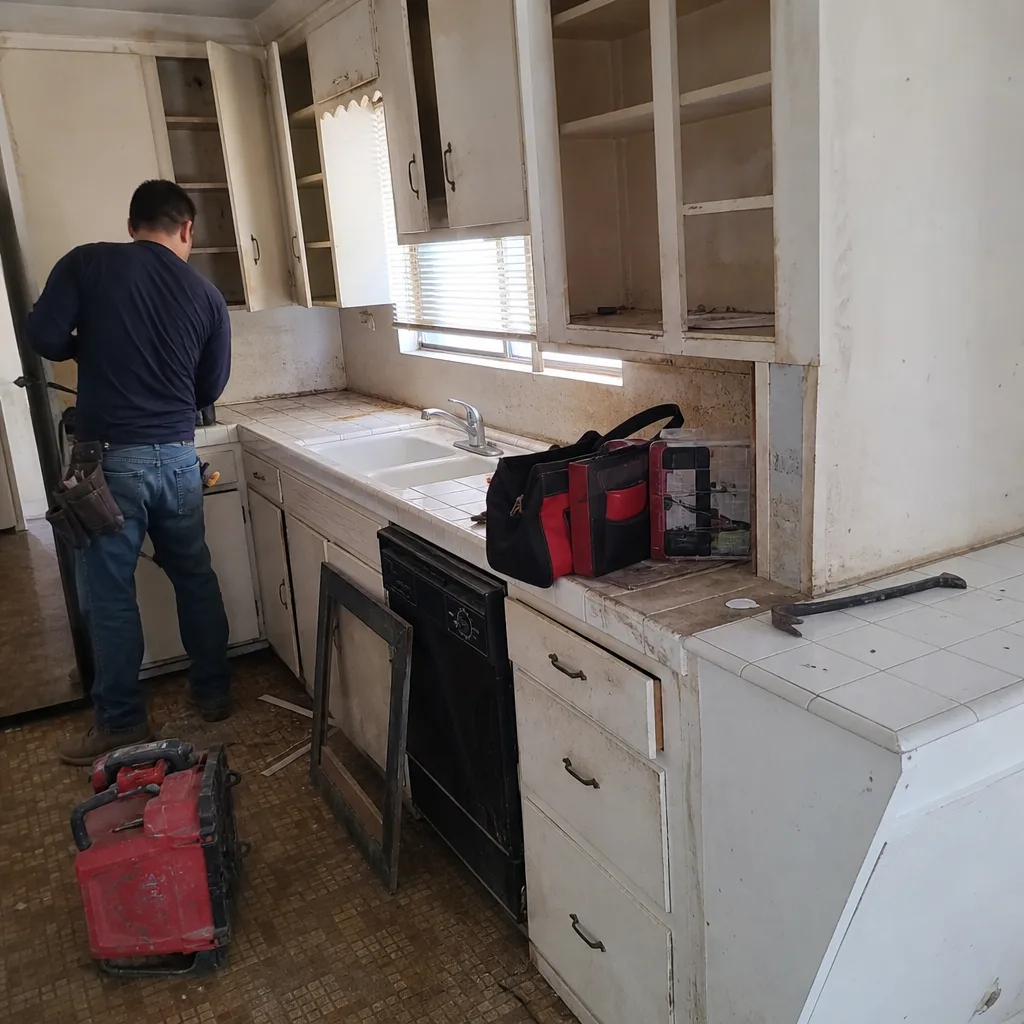 Before
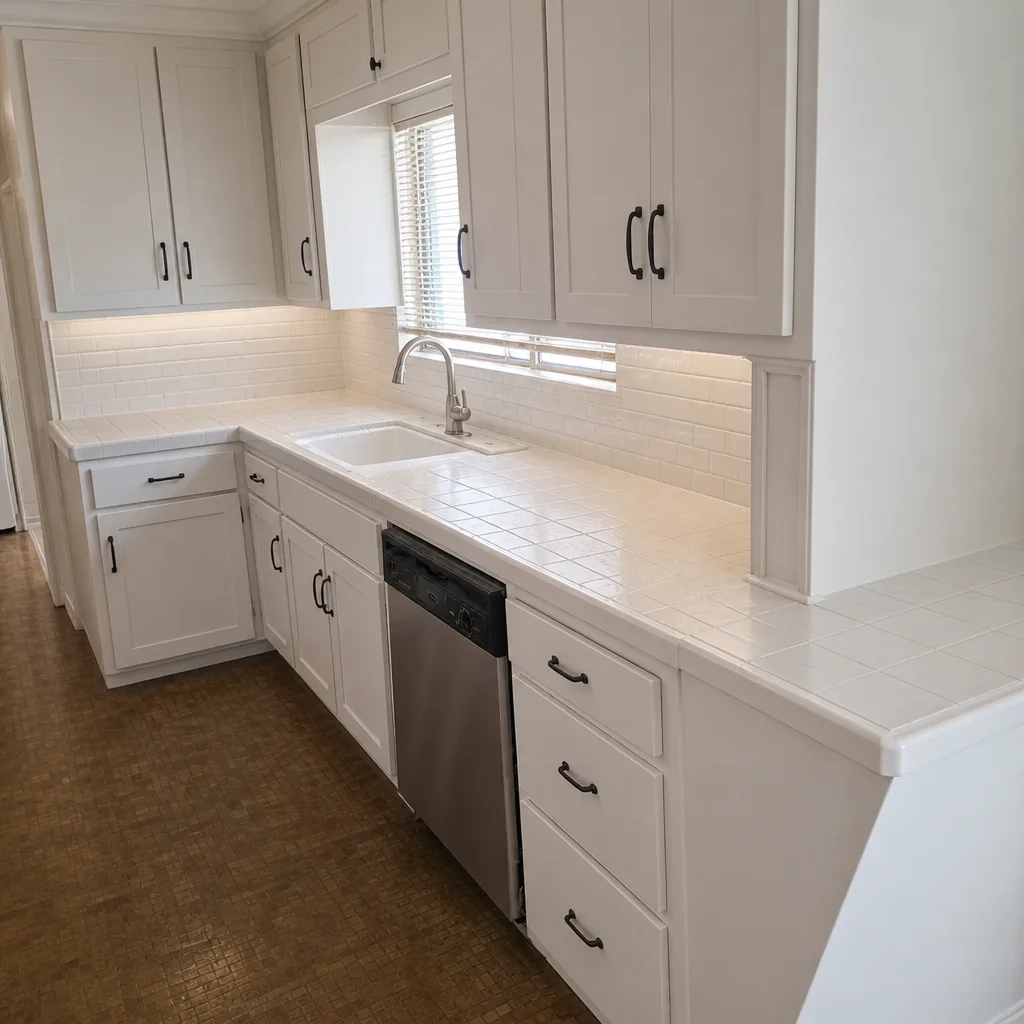 After
How Custom Windows Are Made, and Why the Process Matters in West Covina, CA
A custom window is manufactured in five stages: frame fabrication, corner joining, glass cutting and tempering, spacer and gas-fill assembly, then final tolerance inspection – and the details of those stages decide whether the window holds its shape after a few years in a West Covina home. Most homeowners only see the finished product, which is a problem, because two windows that look identical on the showroom floor can be built to completely different standards. The corner-joining method alone changes how a window behaves when the ground shifts.
If you’re ordering windows and want us to confirm the rough opening before anything goes into production, call Groundwork Construction Co. of West Covina at (844) 662-2335. We verify field dimensions first, so a custom order is built to your actual opening, not your best guess at it.
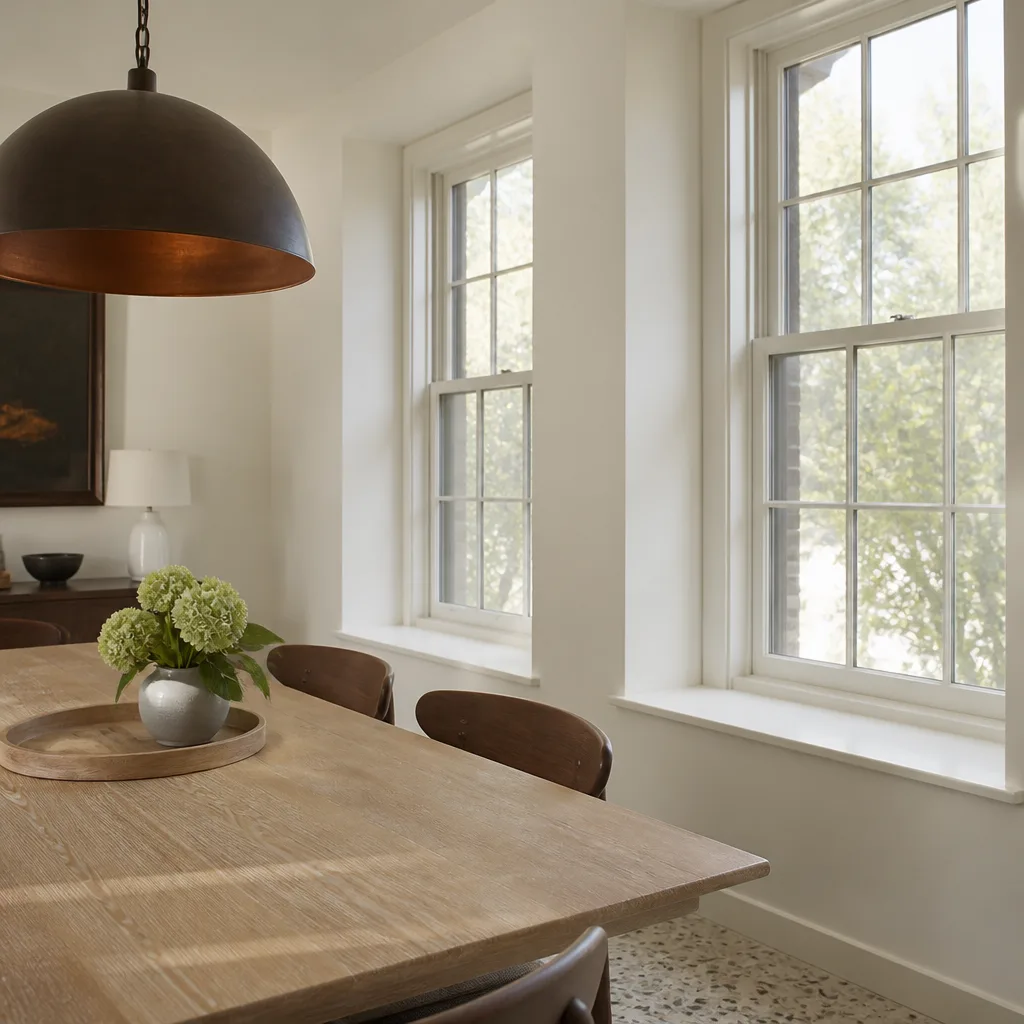
Why the Local Ground Matters Before You Talk Manufacturing
West Covina is a mid-century San Gabriel Valley suburb, and most of its housing went up in the 1950s and 1960s. The city is largely built out, so the window work we see isn’t part of new subdivisions – it’s replacement and remodel in stucco-clad, wood-frame tract homes that have settled for decades. Those homes sit on expansive clay soils in places, which swell in the wet season and shrink through our hot, dry summers.
That movement is small in any single year and obvious after fifteen of them. Rough openings drift out of square. A window frame that was dead plumb at installation starts to rack. This is the reason the manufacturing details below aren’t trivia – they’re the difference between a window that tolerates that movement and one that opens a weather seal you can feel in February.
The Five-Stage Process, and What to Look For at Each One
Here’s where a comparison frame helps. At every stage, there’s a high-tolerance path and a shortcut path, and the price difference between them is smaller than the performance difference.
1. Frame fabrication
Vinyl frames are extruded – hot PVC pushed through a die, then cooled and cut. Wood and wood-clad frames (the Andersen and Marvin territory) are milled from engineered lumber and clad in aluminum or a composite on the exterior. The variable that matters is the die or mill tolerance. A frame extruded to tight tolerances stays true through temperature swings; a loose one arrives with slight bowing baked in. We look for multi-chamber extrusion profiles on vinyl because the air chambers slow heat transfer through a West Covina summer afternoon.
2. Corner joining – the distinction most buyers never hear about
This is the structural core of the whole question. Two methods dominate:
- Fusion-welded corners: the vinyl frame pieces are melted and fused into one continuous piece. Andersen and Marvin use welded or equivalently rigid corner construction on their lines. The frame behaves as a single unit.
- Mechanically fastened corners: pieces joined with screws or corner keys. Cheaper to assemble, and common on commodity windows. Under repeated lateral movement, mechanically fastened corners can work loose, and the frame racks.
Why that matters here: a welded frame keeps its squareness when a foundation shifts or a Santa Ana wind event loads the wall. A fastened frame that racks creates a gap at the sash, and a gap means air, water, and noise. In a seismic zone, corner construction isn’t a cosmetic spec – it’s the difference between a window that survives micro-movement and one that leaks.
3. Glass cutting and tempering
Glass is cut to the unit’s dimensions, then – for tempered panes – heated to roughly 1,100°F and rapidly cooled, which puts the outer surfaces into compression and the interior into tension. Tempered glass is several times stronger than annealed glass and breaks into small granules rather than shards. For any window near a door, a floor, or in a large fixed pane, tempering is a safety requirement, not an upgrade.
4. Spacer and gas-fill assembly
The insulated glass unit is two panes separated by a spacer, sealed, and filled with argon or krypton. The spacer choice (warm-edge vs. aluminum) drives condensation performance at the edges. Gas fill drives the U-factor. This stage is where a spec sheet tells the truth: U-factor, Solar Heat Gain Coefficient, and Visible Transmittance. In West Covina, SHGC matters more than most homeowners expect, because west-facing glass takes the brunt of afternoon sun.
5. Final tolerancing inspection
Finished units are checked against dimensional tolerances – typically ±⅛ inch on a well-run custom line, versus ±¼ inch or looser on commodity production. This is the number that decides whether the window can be shimmed into an out-of-square opening in an older West Covina home. A ±⅛-inch unit can be adjusted into a racked opening. A ±¼-inch unit often can’t, and you end up with a window that’s installed but never quite right.
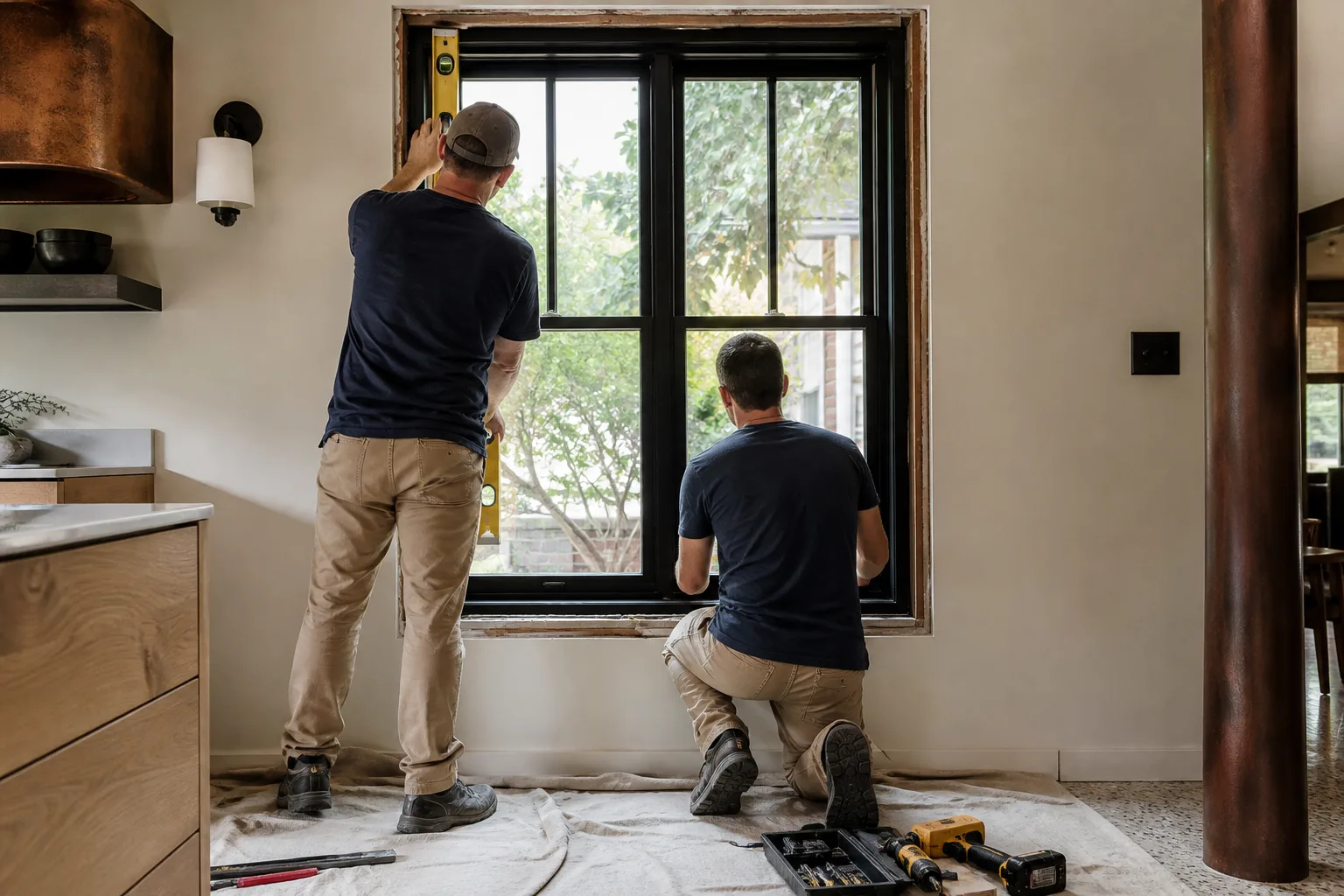
What Custom Windows Cost in West Covina, CA
Custom windows land at the higher end of standard replacement pricing because every unit is built to field dimensions. Here’s what West Covina homeowners are seeing right now:
| Project | Typical Range |
|---|---|
| Window replacement (whole-home scope) | $4,500-$15,000 |
| Impact window installation | $8,000-$25,000 |
Custom sizing, welded-corner construction, and premium brand lines push toward the upper end. Upfront pricing means the number you see is the number you pay – no change-order surprises once the order is placed. Projects over $10,000 qualify for $1,000 off, and 0% financing for 18 months is available on approved credit. Every install is covered by our 730-Day Done Right Promise: if it’s not done right, we make it right.
Why Brand Choice and Factory QC Actually Matter
Andersen and Marvin run documented testing protocols – air infiltration, water penetration, structural performance – and publish performance ratings you can compare before you buy. That documentation is what lets us pass a real warranty through to you. Commodity manufacturers often can’t match it. When we order through partners like Andersen, the quality control is written down, not assumed. That matters when you’re standing on the other side of a failed seal two winters from now and need someone to honor the claim.
FAQs
Custom windows go through the same five manufacturing stages, but they’re built to your measured opening rather than a stock dimension – which means the tolerances are tighter and the corner-joining and glass specs are chosen for your specific wall. A standard window is a compromise fit; a custom one is built to your field dimensions.
Yes, when the window is built to ±⅛-inch tolerance, because it can be shimmed into a racked opening without breaking the seal. A ±¼-inch unit usually can’t – the gap is too large to close. This is why we verify rough opening dimensions on-site before the order goes to production.
They do. Fusion-welded corners keep the frame square under lateral movement from foundation shift or seismic activity, while mechanically fastened corners can rack and open gaps at the sash. In West Covina’s clay-soil conditions, that difference shows up over time.
No – a technician verifies your rough opening dimensions before the custom order is confirmed, so the factory builds to actual field measurements, not a homeowner’s estimate. Self-measurement is the most common cause of custom windows that arrive and don’t fit.
If you’d rather have it looked at, Groundwork Construction Co. of West Covina offers a no-pressure assessment in West Covina. We’ll verify your rough openings, walk you through the manufacturing specs that fit your home, and give you upfront pricing before anything is ordered. Call (844) 662-2335 for a free estimate, and learn more about our full Windows & Doors work or our home services across the West Covina service area.
Written by the team at Groundwork Construction Co. of West Covina, serving West Covina, CA.