
Free written scope consultation - allowances, timeline, and change-order rules on paper before a single trade is scheduled
Styles & brands we work with
- Kitchen remodeling
- Bathroom remodeling
- Home additions & ADU
- Roofing
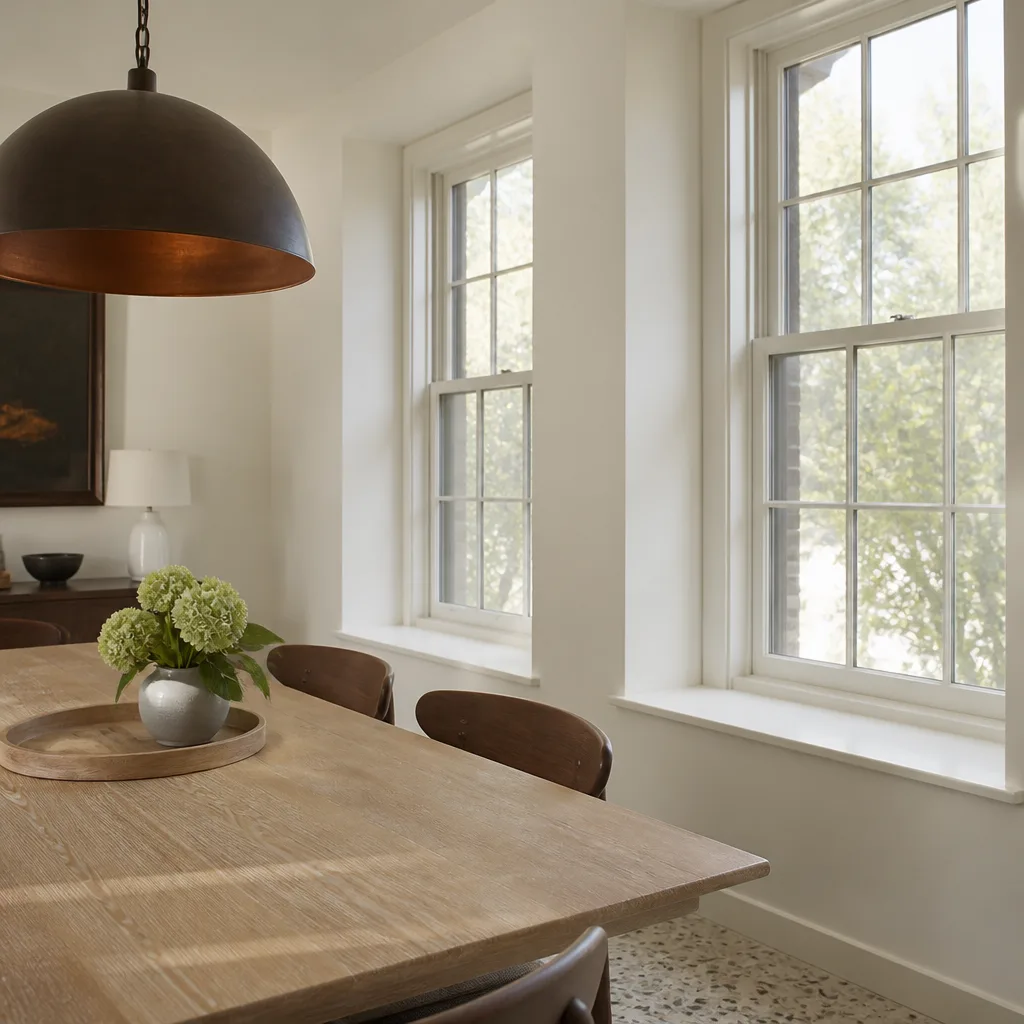
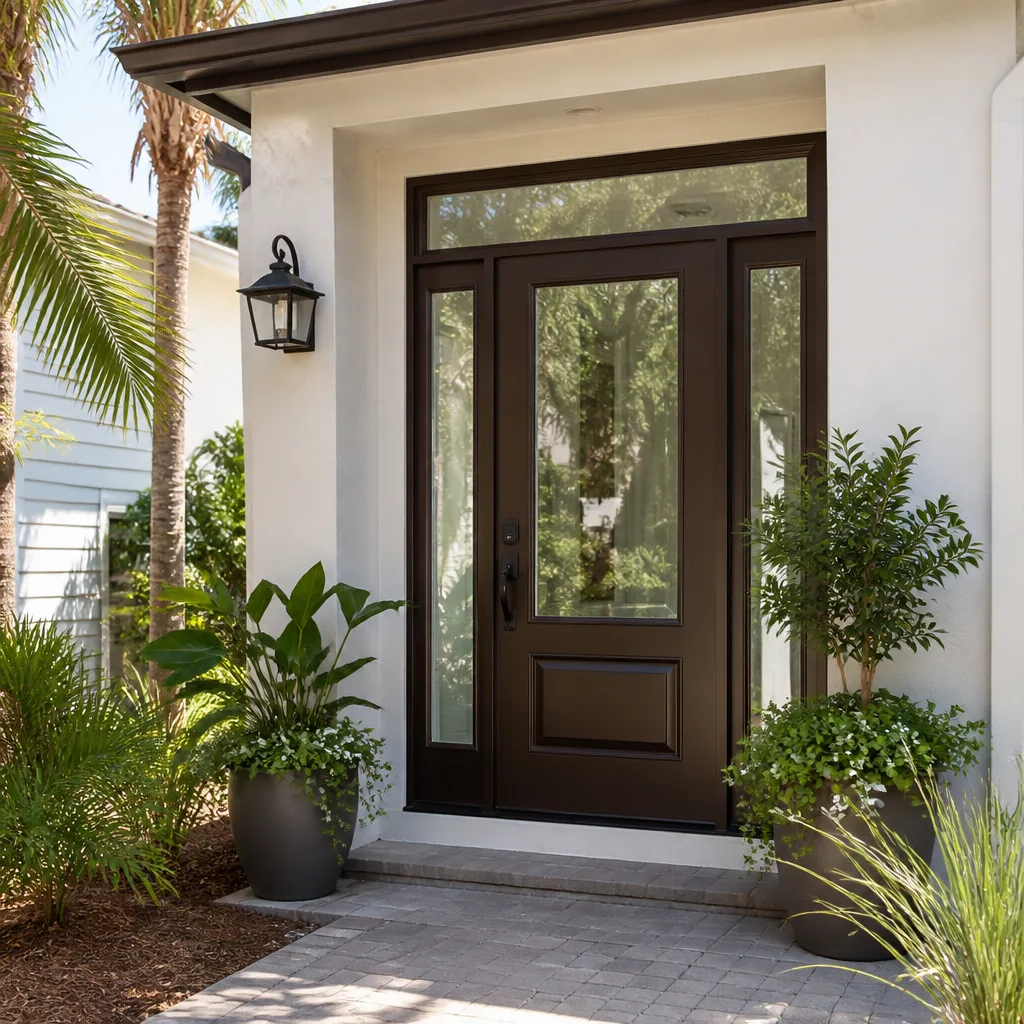
- Windows & doors
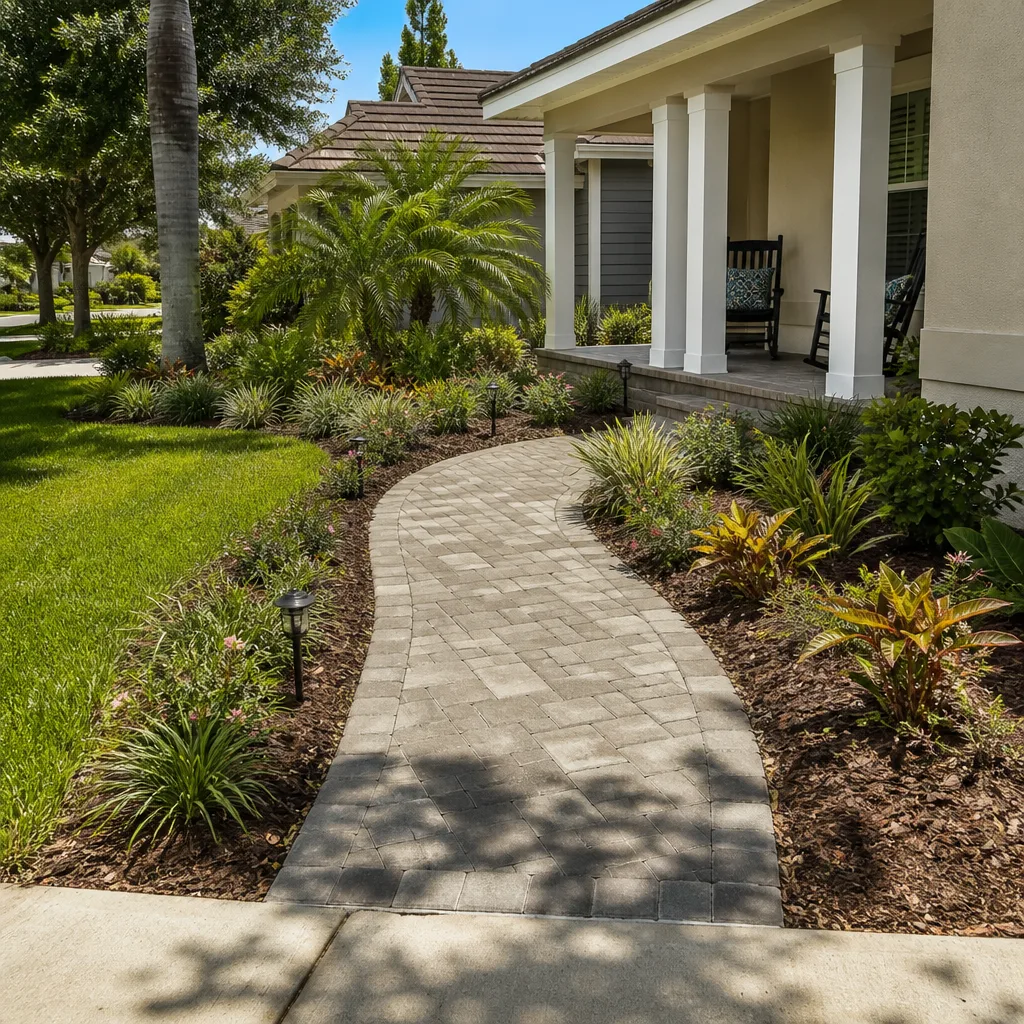
- Driveway & pavers
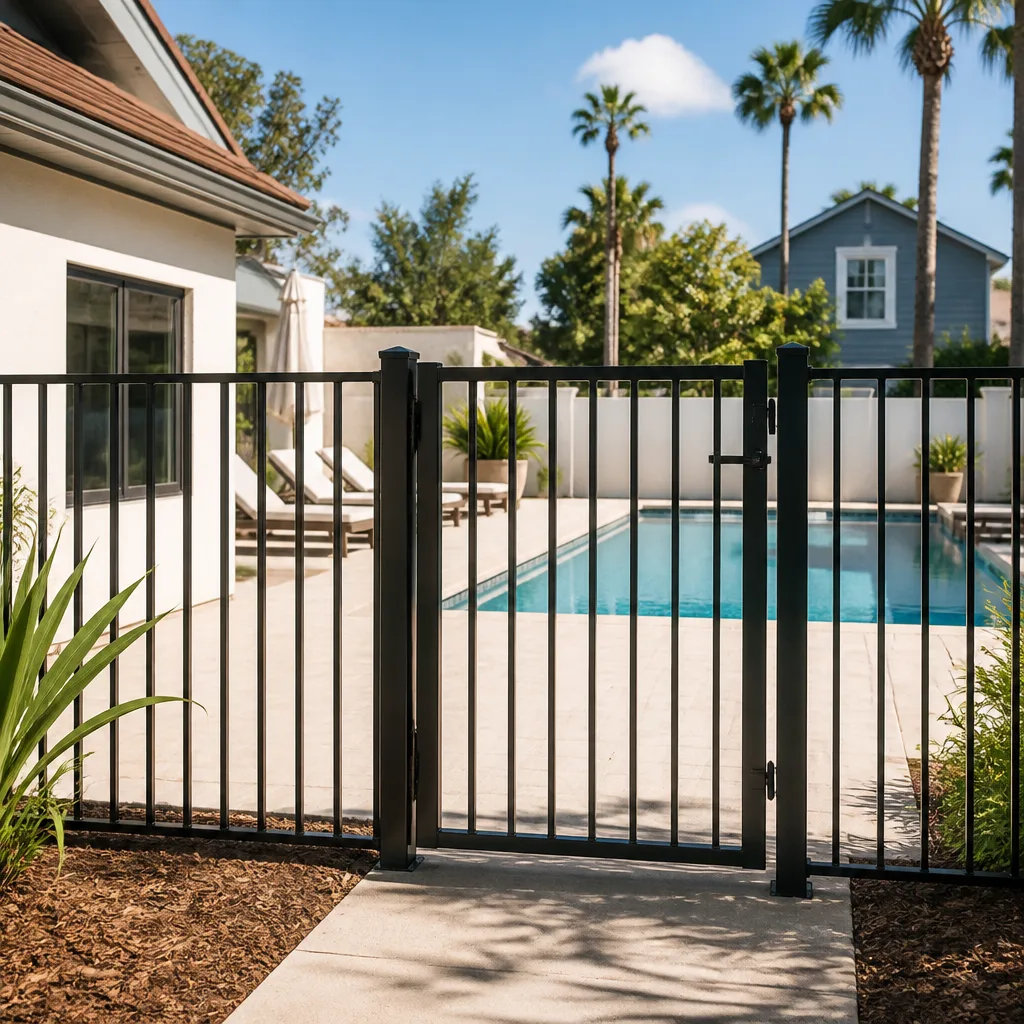
- Fence
See the difference
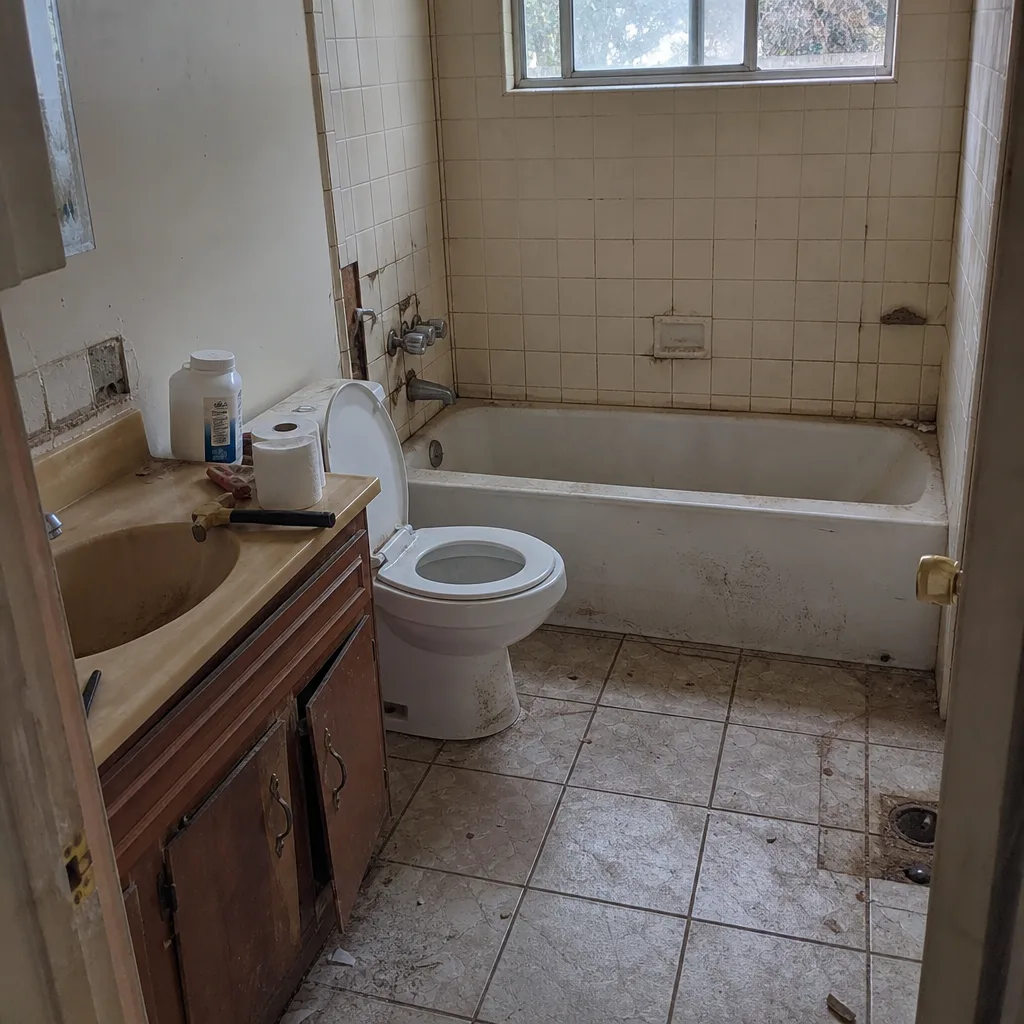 Before
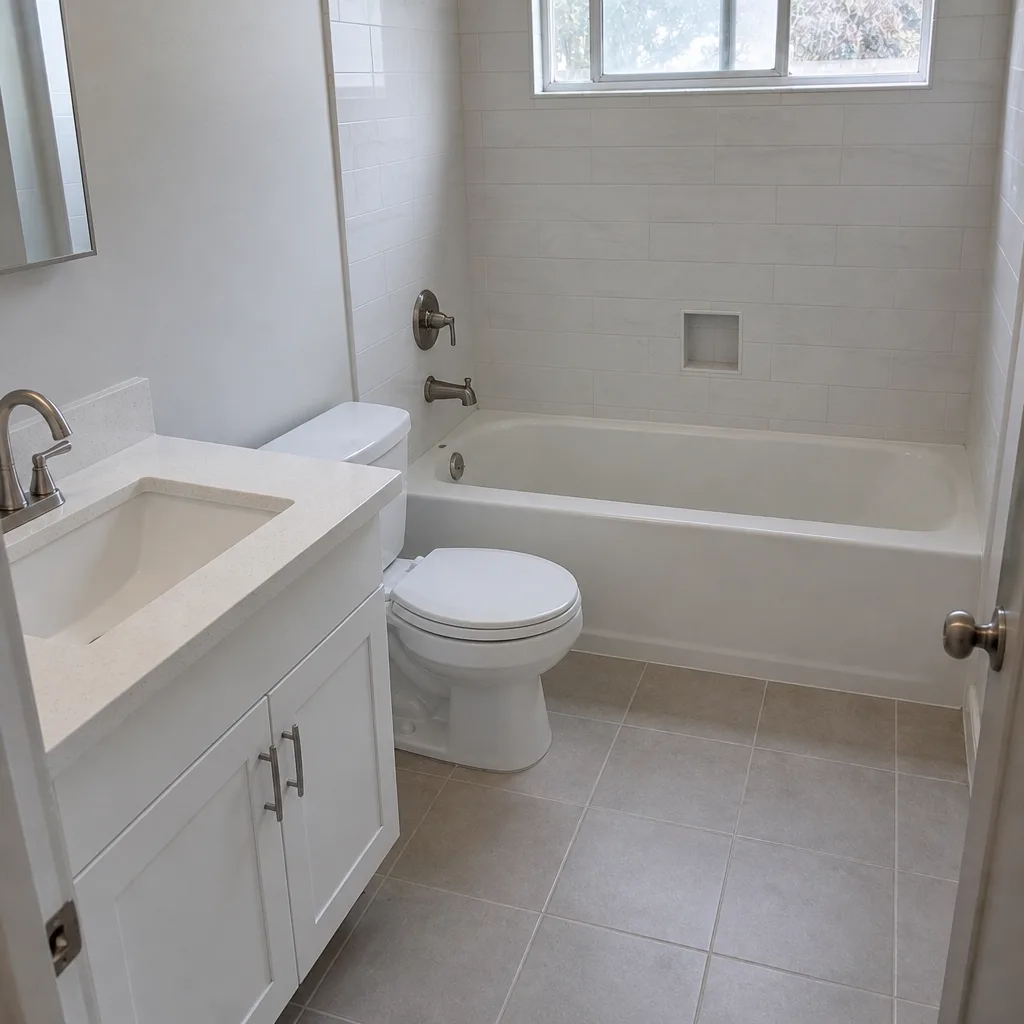 After
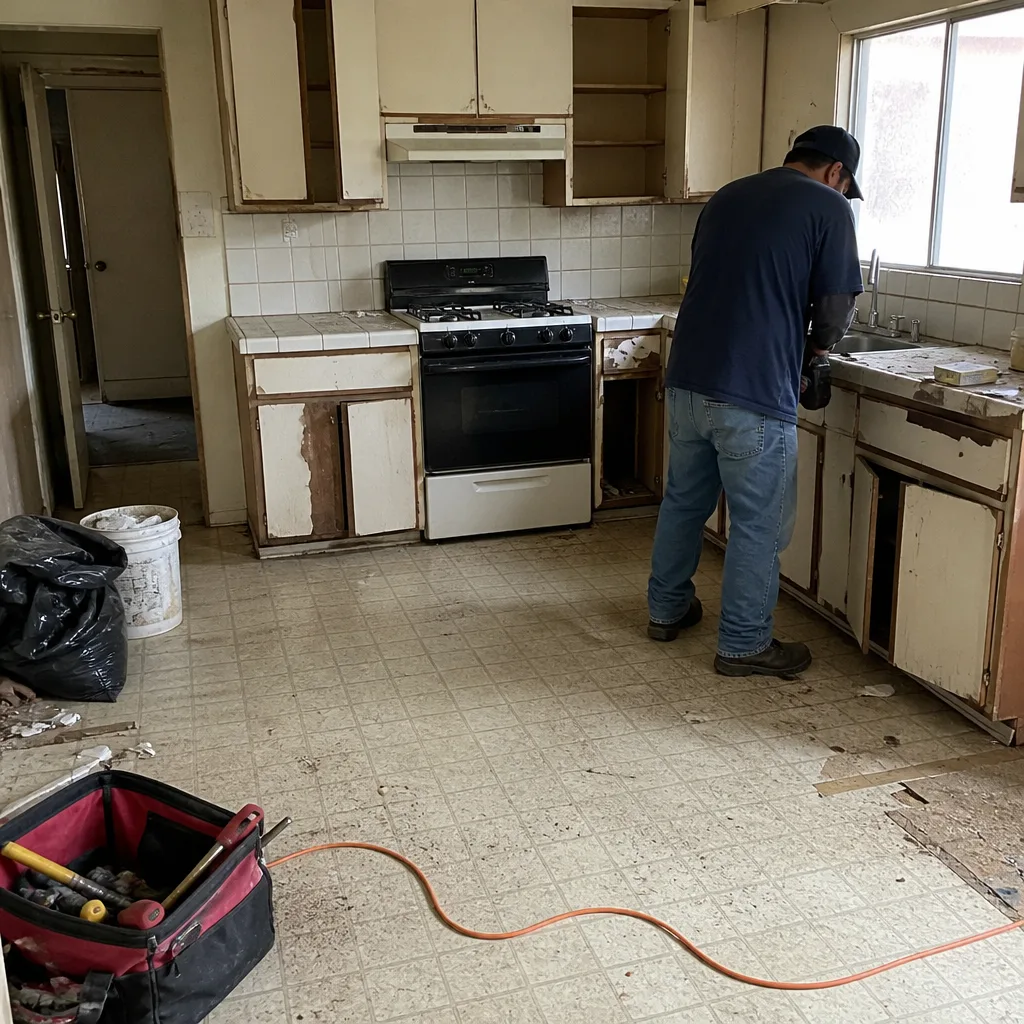 Before
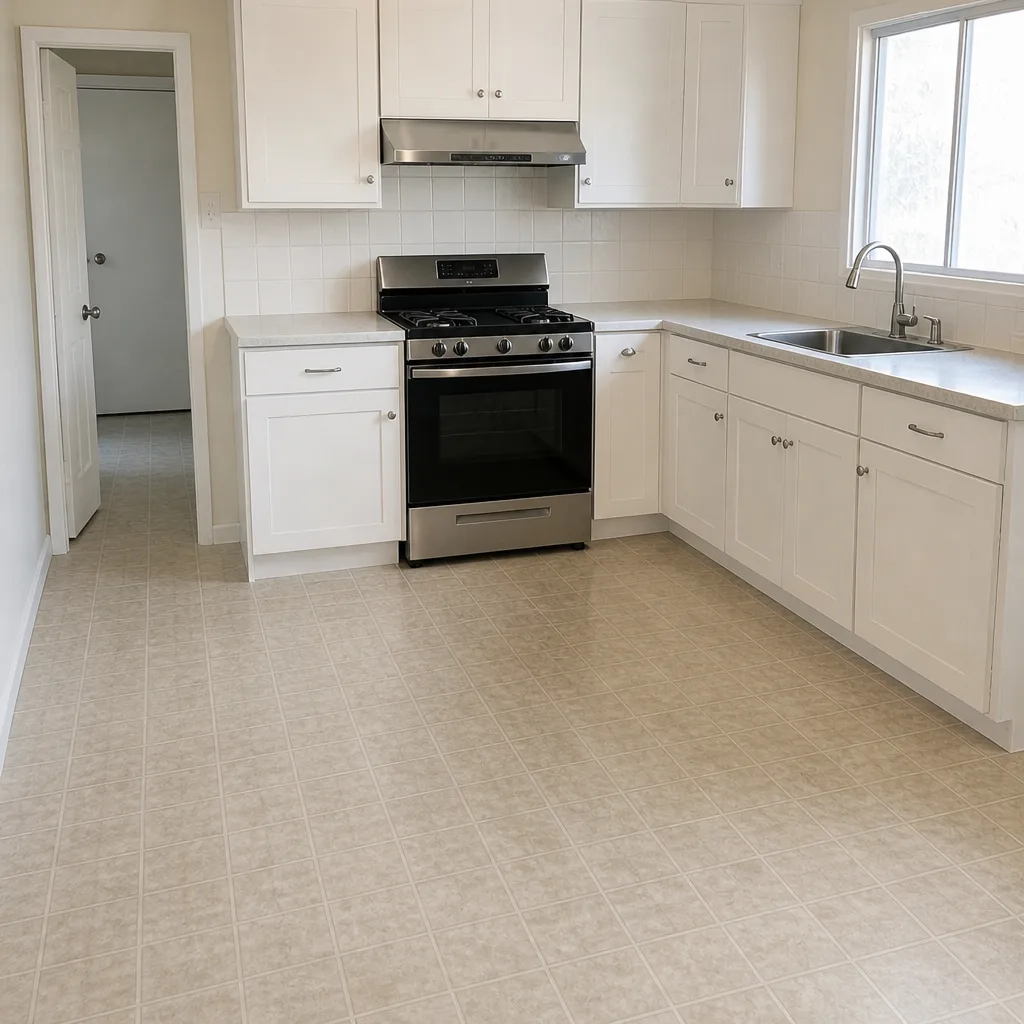 After
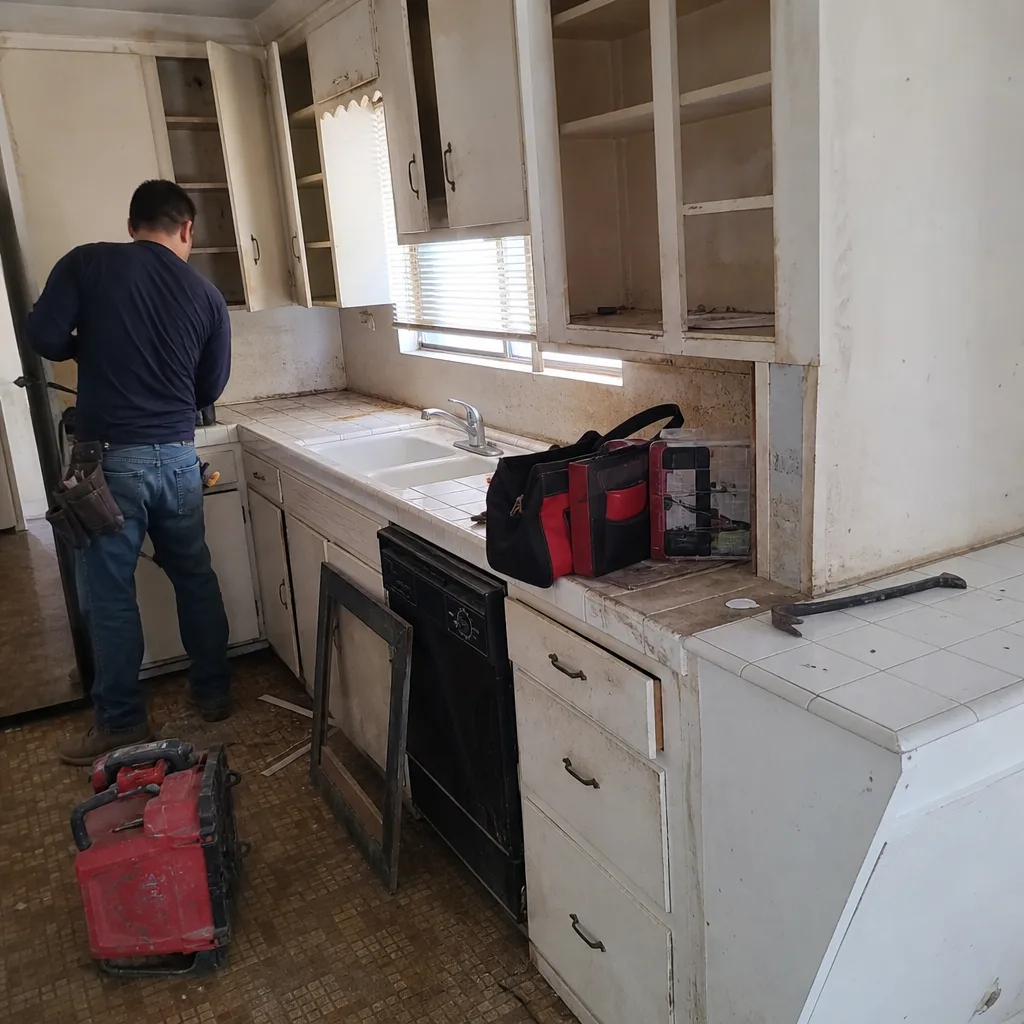 Before
 After
How to Measure a Window for Replacement in West Covina, CA (The Three-Step Method That Actually Holds Up)
Measure the width at the top, middle, and bottom of the opening and the height at the left, center, and right, then compare all six numbers. If the smallest width and height you find fit a standard unit and the diagonals match, you can order a replacement window; if the frame is out of square, you need a full-frame replacement instead of an insert. The single most common reason a window order comes back wrong here is that the customer measured once and never checked the corners. Call (844) 662-2335 before you order anything, because a wrong-size window costs more to return than to measure correctly.
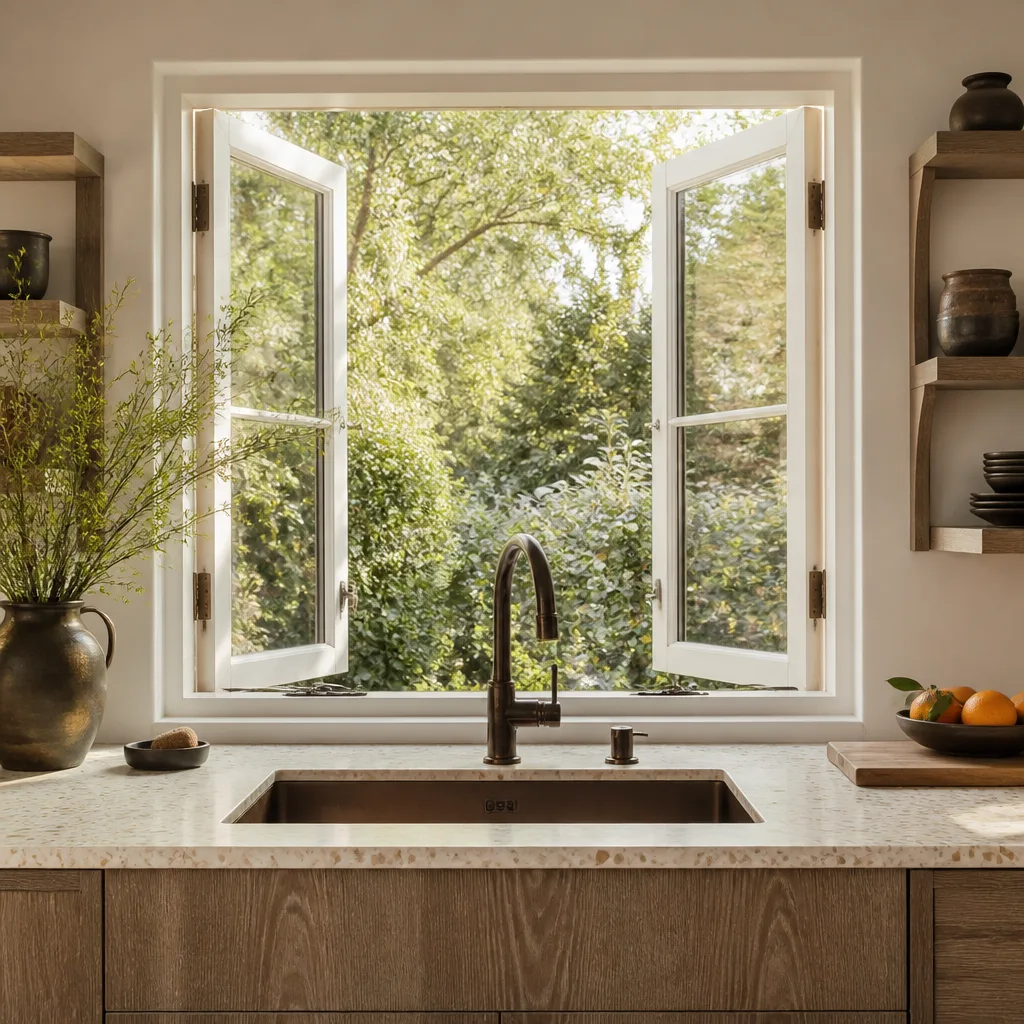
The problem with a single width and height in a West Covina stucco home
A tape measure gives you a rectangle. That rectangle assumes a square frame. Most of the housing in West Covina went up in the 1950s and 1960s, and those wood-frame, stucco-clad tract homes have had six decades to settle on expansive clay that swells in the wet season and shrinks in the dry heat of a San Gabriel Valley summer. The frame moves with the soil. The window opening does not stay square.
What that means in practice: two windows measured the same day, on the same elevation, in the same tract, can differ by ⅛ to ¼ inch in width. A generic guide tells you to measure the width, measure the height, and subtract for the reveal. That works in a new build. In a 60-year-old West Covina ranch house, the standard insert replacement rests on the assumption that the frame is square and plumb. It frequently isn’t, and the window that “fits” on paper won’t close square.
This is why the third step matters. It’s the one most DIY guides skip: checking whether the opening is square before you commit to a replacement strategy.
How do you take the three measurements correctly?
Measure the width three times, then the height three times, then compare. Here’s the sequence:
- Width: Measure the daylight opening horizontally at the top, the middle, and the bottom. Record all three.
- Height: Measure vertically at the left side, the center, and the right side. Record all three.
- Square check: Measure both diagonals, corner to corner. If the two diagonals differ by more than ⅛ inch, the opening is out of square.
- Deepest point wins: For the width and height you order against, use the smallest of your three measurements, not the average. A window that’s slightly small can be shimmed and sealed. A window that’s slightly large gets returned.
The diagonal check is the step that changes the entire project. If you skip it and the opening is out, you order an insert window that won’t close square, the customer calls the supplier, and the job stalls for three weeks while everyone argues about who measured wrong. We see this problem on a lot of older houses near the West Covina hills, where near-creek and hillside lots sit on the expansive clay that makes foundations move more than neighboring flatter cities like Covina.
Insert replacement vs. full-frame replacement: where’s the line?
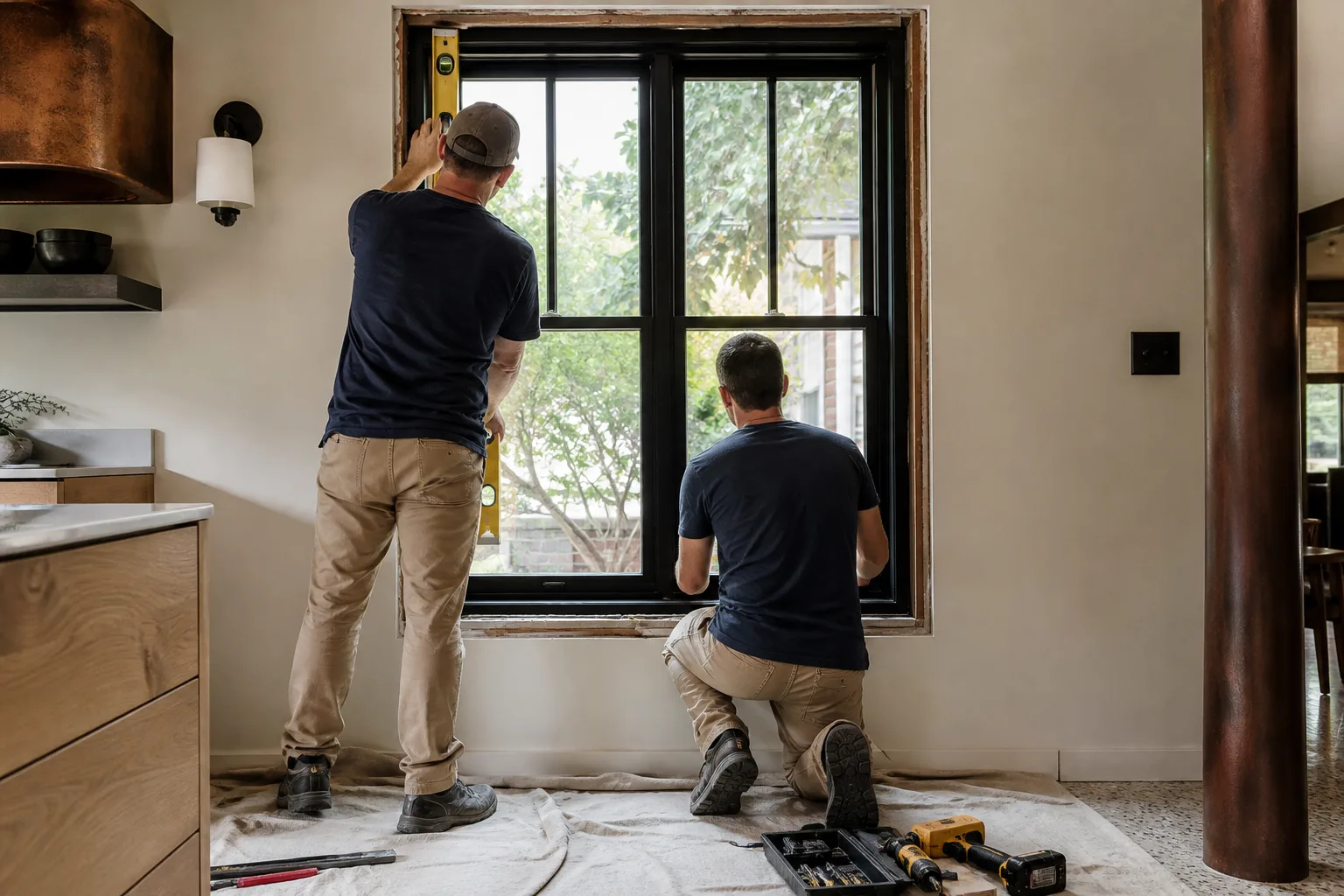
The threshold is the diagonal check. If the frame is square and the opening is within a ⅛ inch tolerance, an insert replacement can make sense: the new window slides into the existing frame, the trim stays intact, and the work is faster. If the opening is out of square beyond that tolerance, or the stucco has cracked around the frame, an insert won’t close cleanly and you’re better off with a full-frame replacement, which removes the old frame and ties the new one into the wall.
That decision is the difference between a modest window job and a bigger one. It’s also why we take a formal measured drawing before any order is placed, not a tape-and-eyeball estimate. That drawing is part of the upfront pricing on our Windows & Doors work, not an extra step that gets billed separately. If you’re working with a general contractor on a bigger project, it pays to sort the window measurements out before the drywall goes up rather than after.
For a sense of scale, here’s what window work typically runs in this market:
| Project | Typical West Covina range |
|---|---|
| Standard window replacement | $4,500-$15,000 |
| Impact window installation | $8,000-$25,000 |
Those ranges move with the count of units, the frame type, and whether the job is an insert or a full-frame replacement. Groundwork Construction Co. of West Covina uses a curated set of window brands, including Andersen and Marvin, and every project carries our 730-Day Done Right Promise.
Measure through the stucco: rough opening vs. daylight opening vs. masonry opening
This is where the generic guides collapse three different measurements into one. In a stucco-clad home, they are not the same thing, and ordering against the wrong one is a guaranteed misfit.
- Daylight opening: The clear glass area you see from inside. This is the smallest measurement and the one people most often tape.
- Rough opening: The framing gap in the wall behind the stucco, which the new window has to fill. It’s larger than the daylight opening by the return depth.
- Masonry opening: The opening measured to the stucco edge, which is what a full-frame replacement in a stucco wall actually fits into.
The stucco return depth – the thickness of stucco and lath that wraps the frame – reduces the visible daylight opening. Order a window sized to the daylight opening and it will be too small for the rough opening. Order one sized to the rough opening without accounting for the return and it may not clear when installed. This is why a formal measured drawing beats a single tape pass every time: it captures all three, and the install strategy follows from there.
Common local scenarios we run into
In older West Covina tracts, the same three or four situations come up over and over:
- A 1960s ranch where the frame has racked: The diagonal is off by a quarter inch after years of clay movement. Full-frame replacement, and the stucco patch is part of the job.
- Windows measured individually but ordered as a set: Two windows in the same elevation are ⅛ inch different. Order both to the smaller opening; the gap gets shimmed and sealed.
- A homeowner replacing one window, then discovering the frame is shot: The insert “fit” until we pulled the trim and saw the rot behind it. The measured drawing catches that before the order ships.
- An addition or ADU on a hillside lot: The new windows go in a fresh, square opening, so the measuring is straightforward. It’s the existing windows in the original house that cause trouble.
West Covina is largely built out, so most of the window work is on existing homes rather than new construction, which is exactly the housing stock where the square check matters most. If you’re a DIY-minded homeowner and want to attempt the measuring yourself, take the six readings plus both diagonals and write them down before you call anyone. That’s the information a supplier or a contractor needs to price the job properly.
When to call a pro instead of measuring it yourself
You can tape-measure a window in about ten minutes. What you can’t easily do is confirm the frame is square, assess whether the stucco return is intact, or decide between an insert and a full-frame replacement without pulling trim and looking at what’s behind it. That determination is the one that can swing the budget by thousands, and it’s better made before the order goes in. Our technicians have up to 12 years of experience with this kind of work, take a formal measured drawing on every window job, and arrive background-checked and in uniform.
If the window is part of a larger remodel, the same discipline applies to the rest of the project. Our home page covers the full scope from foundation to finish line, and our West Covina service area page has the local overview.
FAQs
Measure the width at the top, middle, and bottom, then the height at the left, center, and right, and use the smallest number in each direction as the order size. Then check both diagonals – if they differ by more than ⅛ inch, the opening is out of square and an insert replacement may not be the right fit. Call (844) 662-2335 for a measured drawing and a free estimate.
If the existing frame is square and the stucco is intact, an insert replacement usually works; if the opening is out of square beyond ⅛ inch or the frame is damaged, you need a full-frame replacement. In older West Covina homes on expansive clay, the frame is often out of square, which is why the diagonal check matters more here than in a new build. Call (844) 662-2335 and we’ll assess it in person.
For ordering a replacement window, you generally measure the rough opening, not the daylight opening, because the stucco return depth makes the daylight opening smaller than the actual framing gap. Order against the daylight opening and the window will be undersized. Call (844) 662-2335 and we’ll take the formal measured drawing that captures all three measurements.
Standard window replacement in West Covina typically runs $4,500-$15,000, and impact window installation runs $8,000-$25,000, depending on the number of units and whether it’s an insert or full-frame job. Call (844) 662-2335 for an exact quote – estimates are free, and we offer 0% financing for 18 months plus $1,000 off projects over $10,000.
Get the measurement right before you order
If you’d rather have it looked at, Groundwork Construction Co. of West Covina offers a no-pressure assessment in West Covina – call (844) 662-2335. We take the measured drawing first, price the job upfront, and back the work with our 730-Day Done Right Promise. One wrong window order costs more than one correct measurement.
Written by the team at Groundwork Construction Co. of West Covina, serving West Covina, CA.