


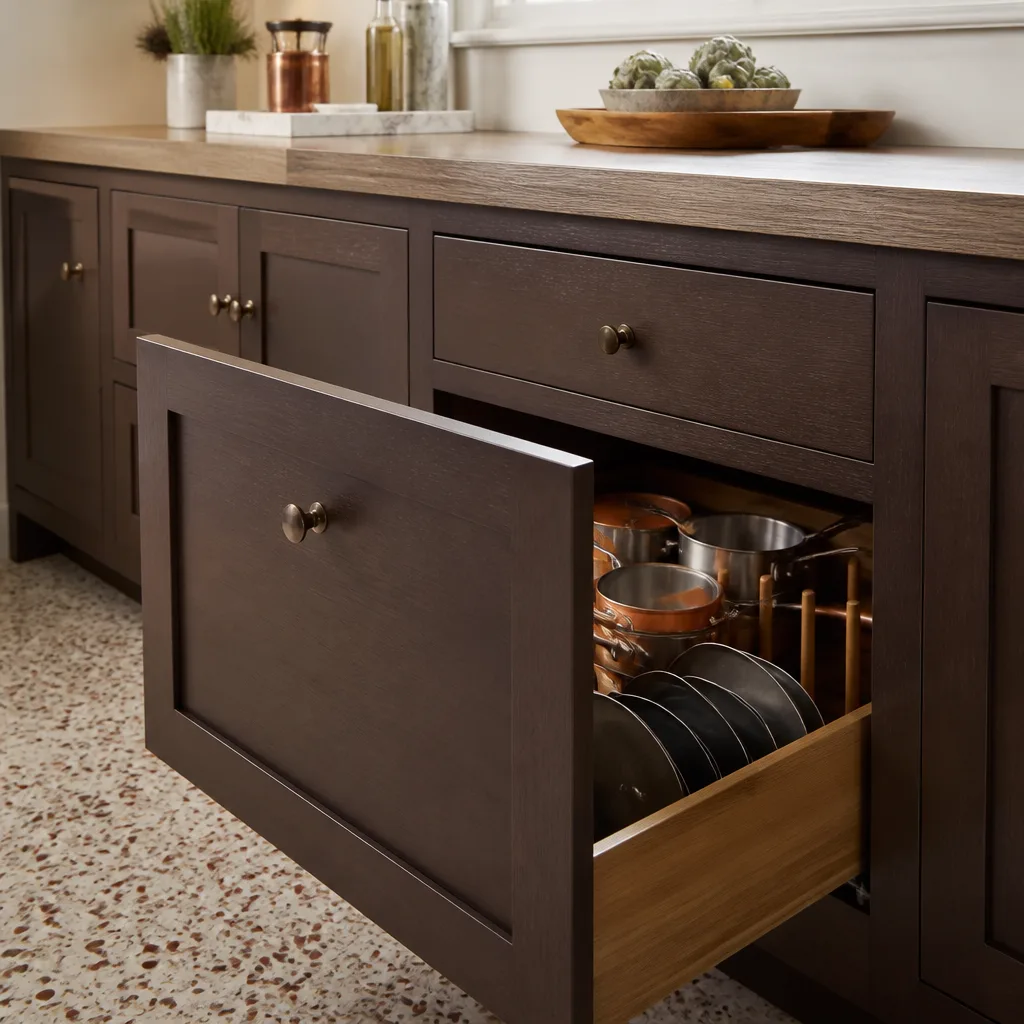

Free written scope consultation - allowances, timeline, and change-order rules on paper before a single trade is scheduled
Styles & brands we work with
- Kitchen remodeling
- Bathroom remodeling
- Home additions & ADU
- Roofing
- Windows & doors
- Driveway & pavers
- Fence
See the difference
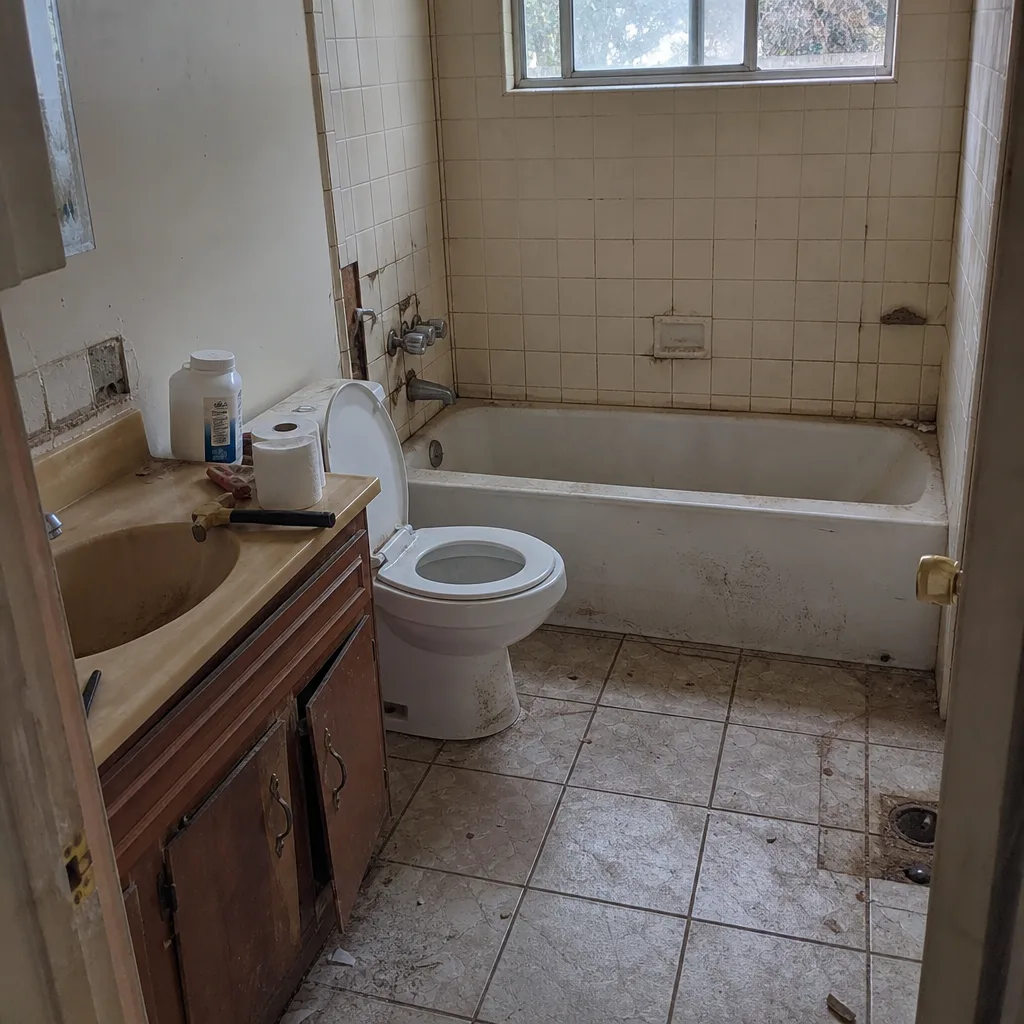 Before
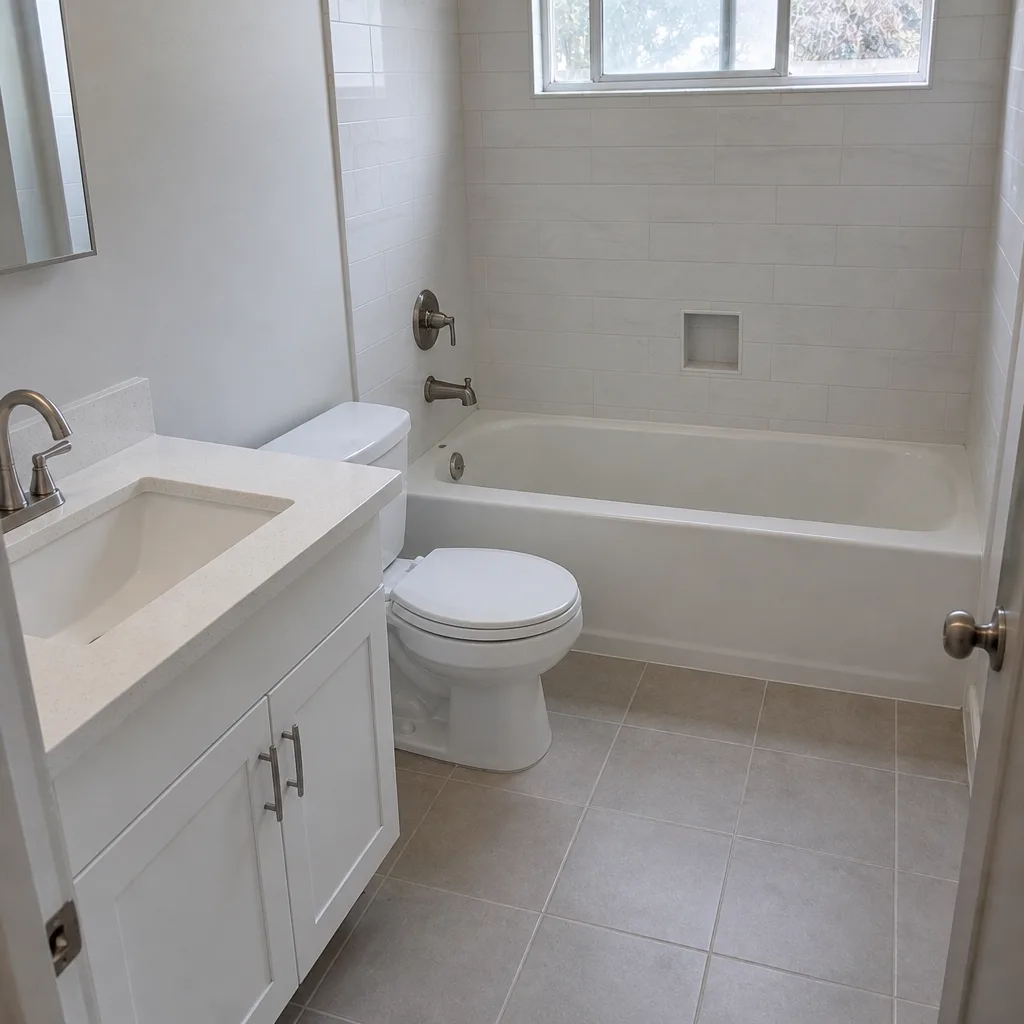 After
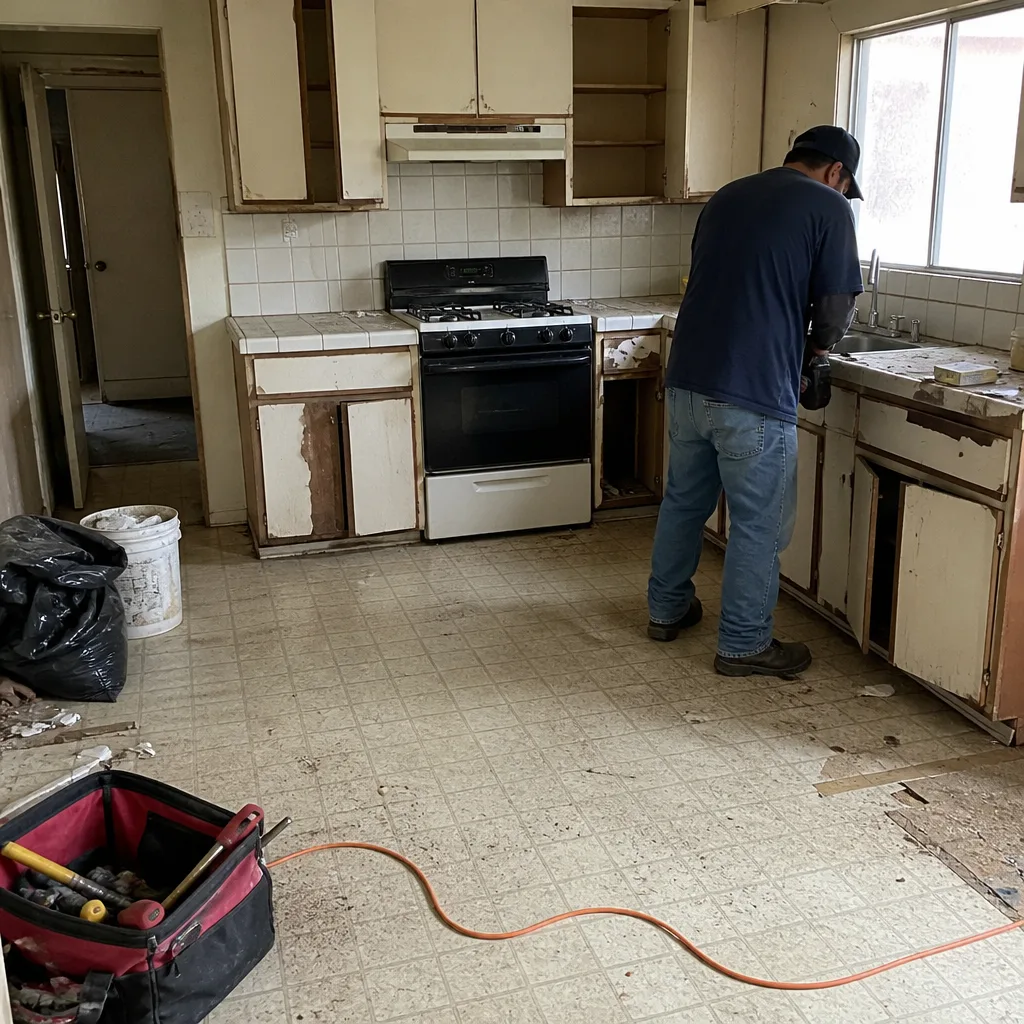 Before
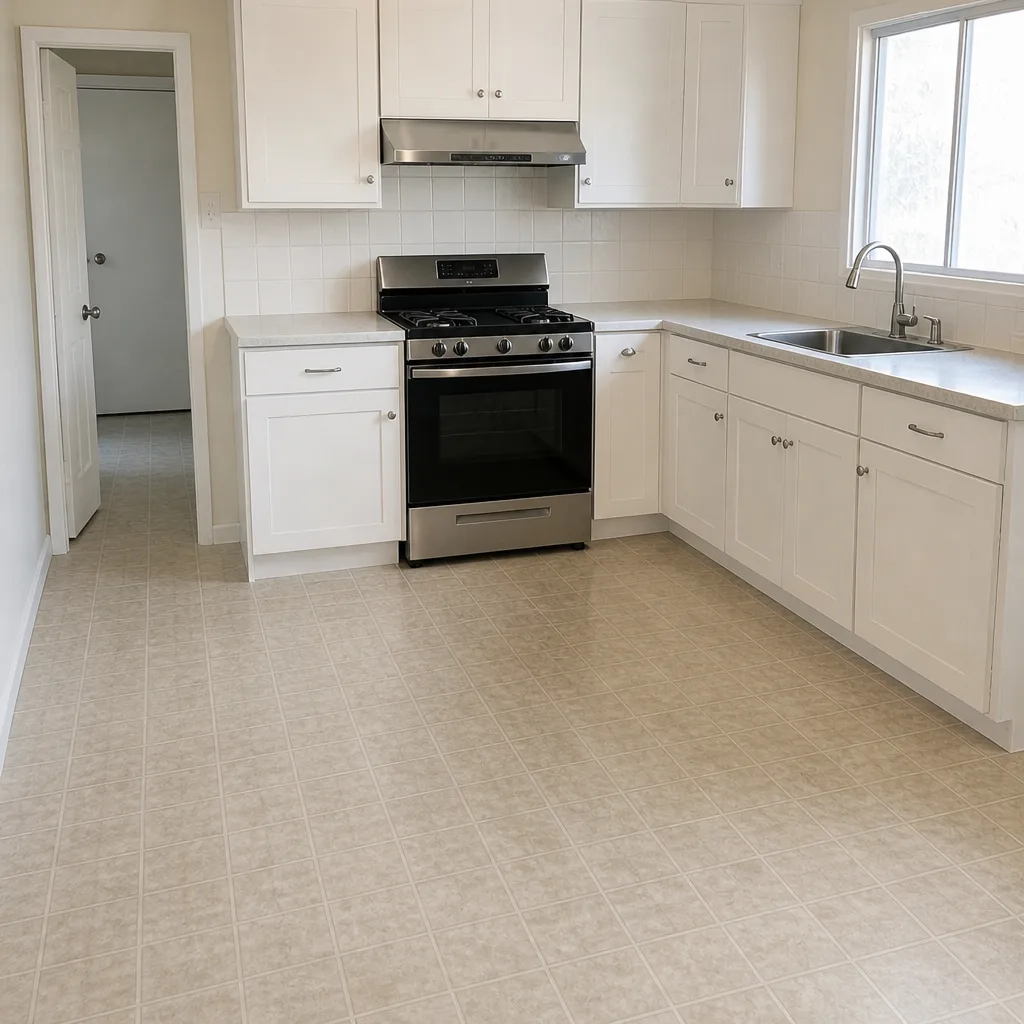 After
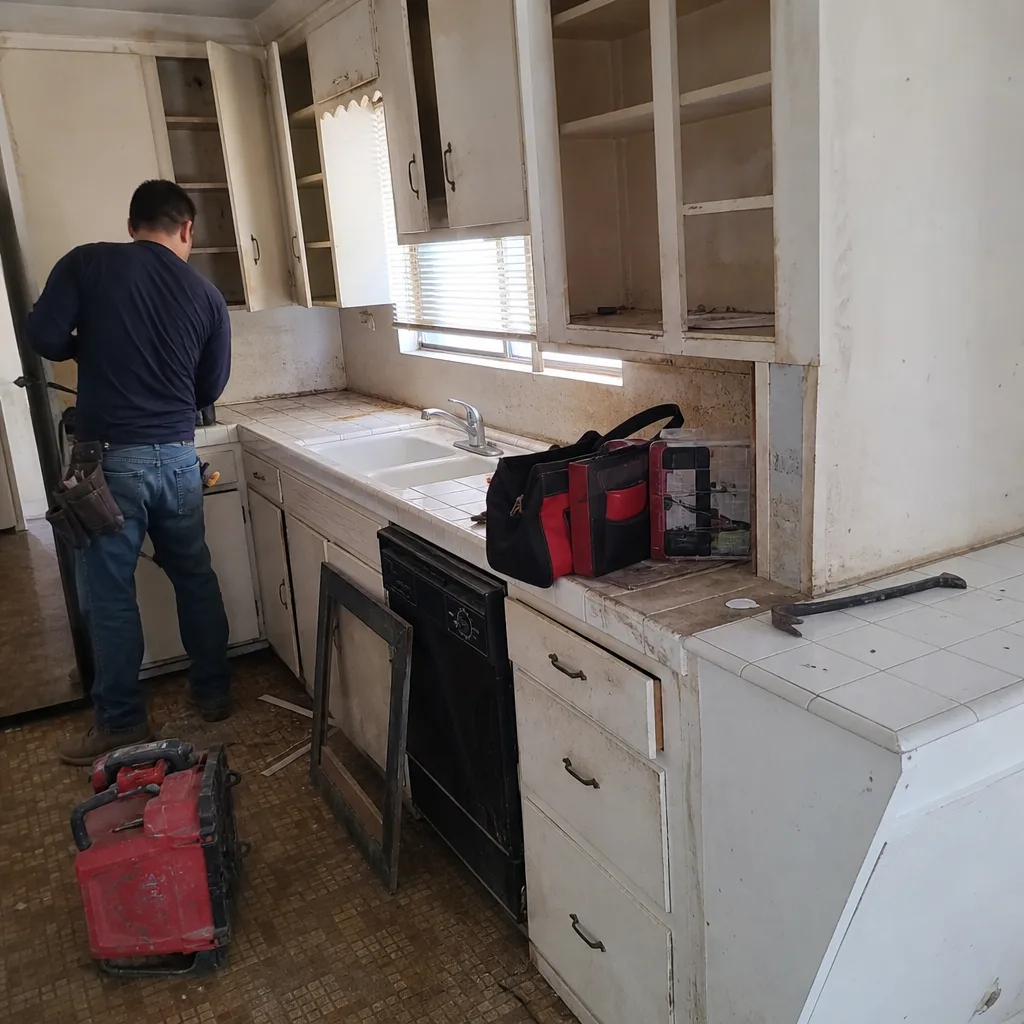 Before
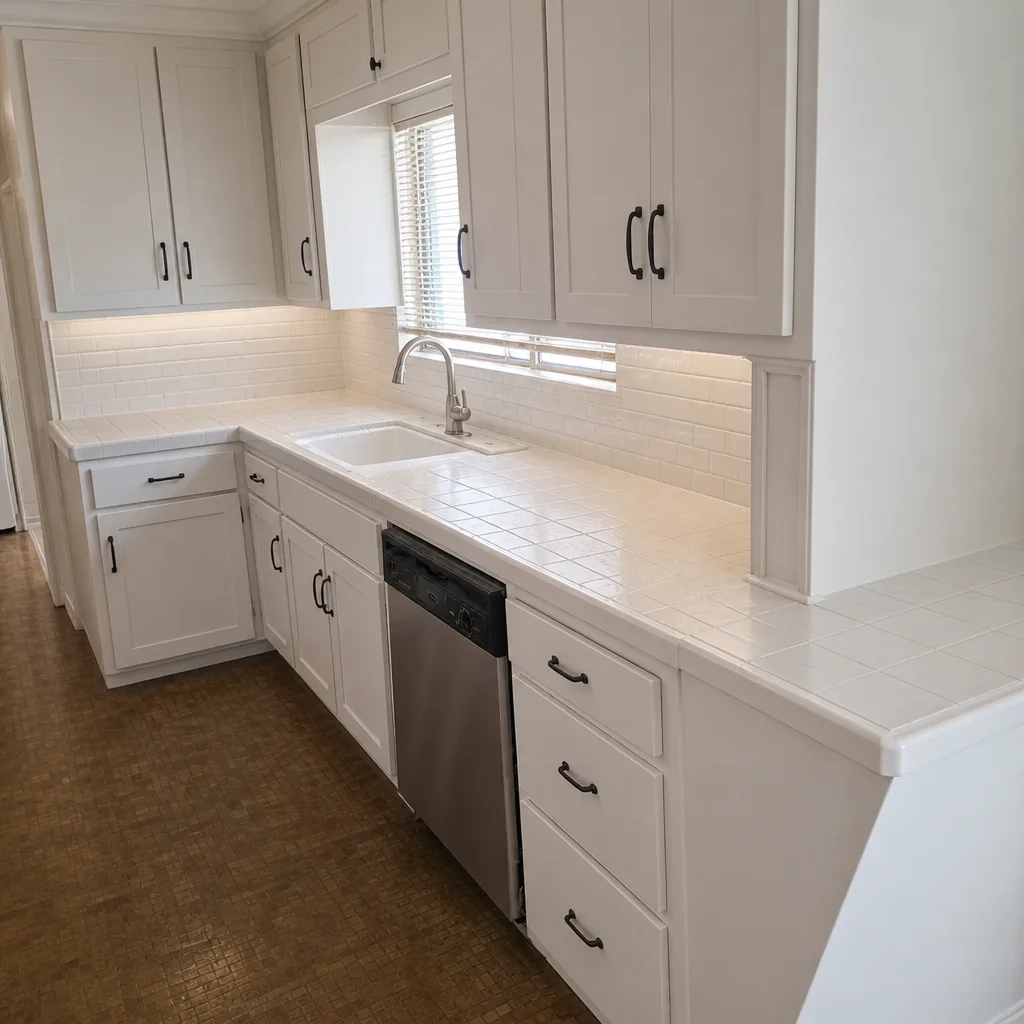 After
Storm Damage Roof Repair in West Covina, CA: Why the Leak You Found in January Started in October
Storm damage roof repair in West Covina starts with a free inspection and a written, time-stamped damage report you can hand straight to your insurance adjuster; most repairs run $400-$1,800, and tile work runs $600-$2,500. If you found a ceiling stain in January, the opening that let the water in was likely created in October, when Santa Ana winds lifted mortar-set tiles and loosened flashings across the San Gabriel Valley. Call Groundwork Construction Co. of West Covina at (844) 662-2335 and we’ll document what the wind did before the rain exposed it.
That timing gap is the part most homeowners miss. The wind event and the visible water damage are separated by six to eight weeks, and by the time a stain shows up, the cause looks like rain when it was really uplift.
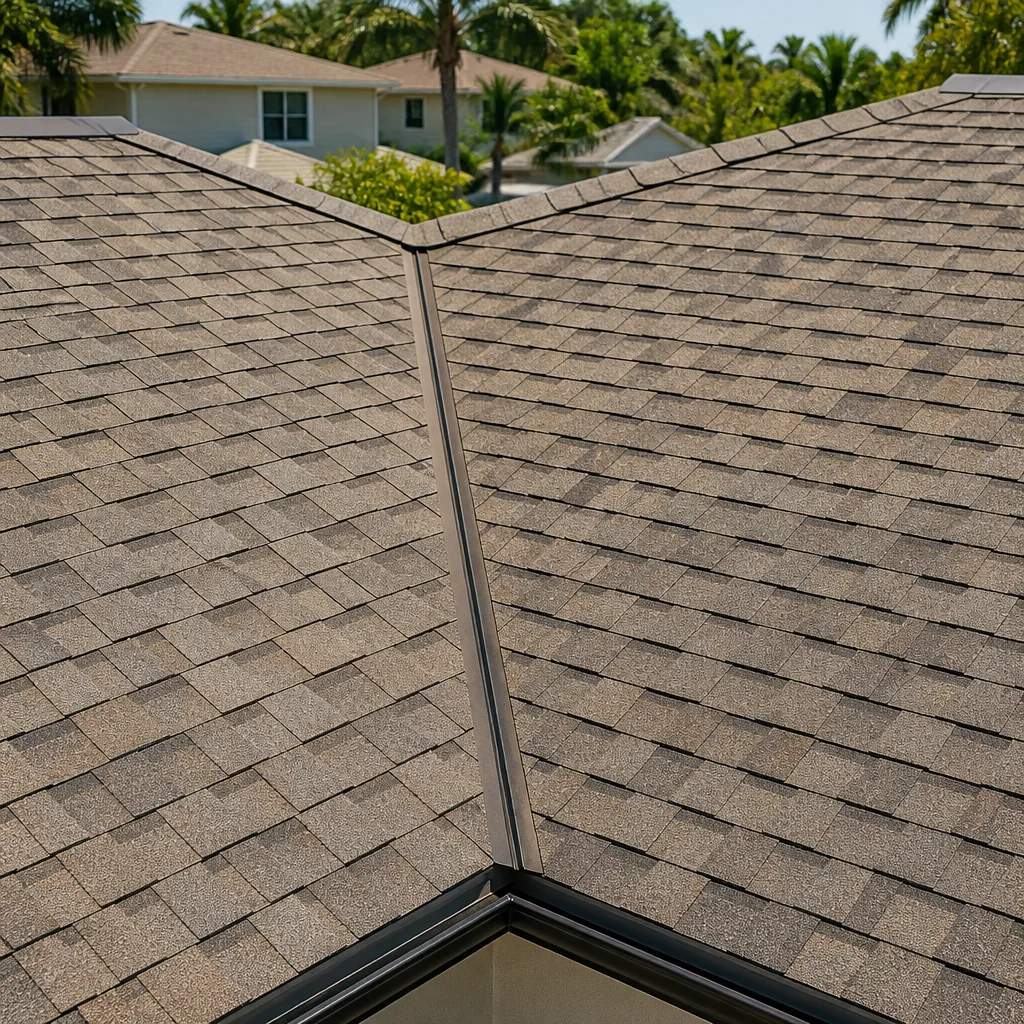
How West Covina’s Wind-Then-Rain Pattern Hides Roof Damage
Santa Ana winds come through in October and November, dry and fast, pushing from the foothills down across the valley. They work on the weak points of a roof: the mortar bed under ridge and field tiles, the nails holding cap shingles, the flashing around a chimney or skylight. Nothing leaks yet. The damage is mechanical, not wet.
Then the first real winter rain arrives. Water finds the lifted tile, the cracked mortar joint, the flashing that’s now sitting a quarter-inch proud of where it was set. It wicks into the underlayment and the sheathing. By the time it reaches your ceiling, you’re looking at a problem that’s been open for weeks.
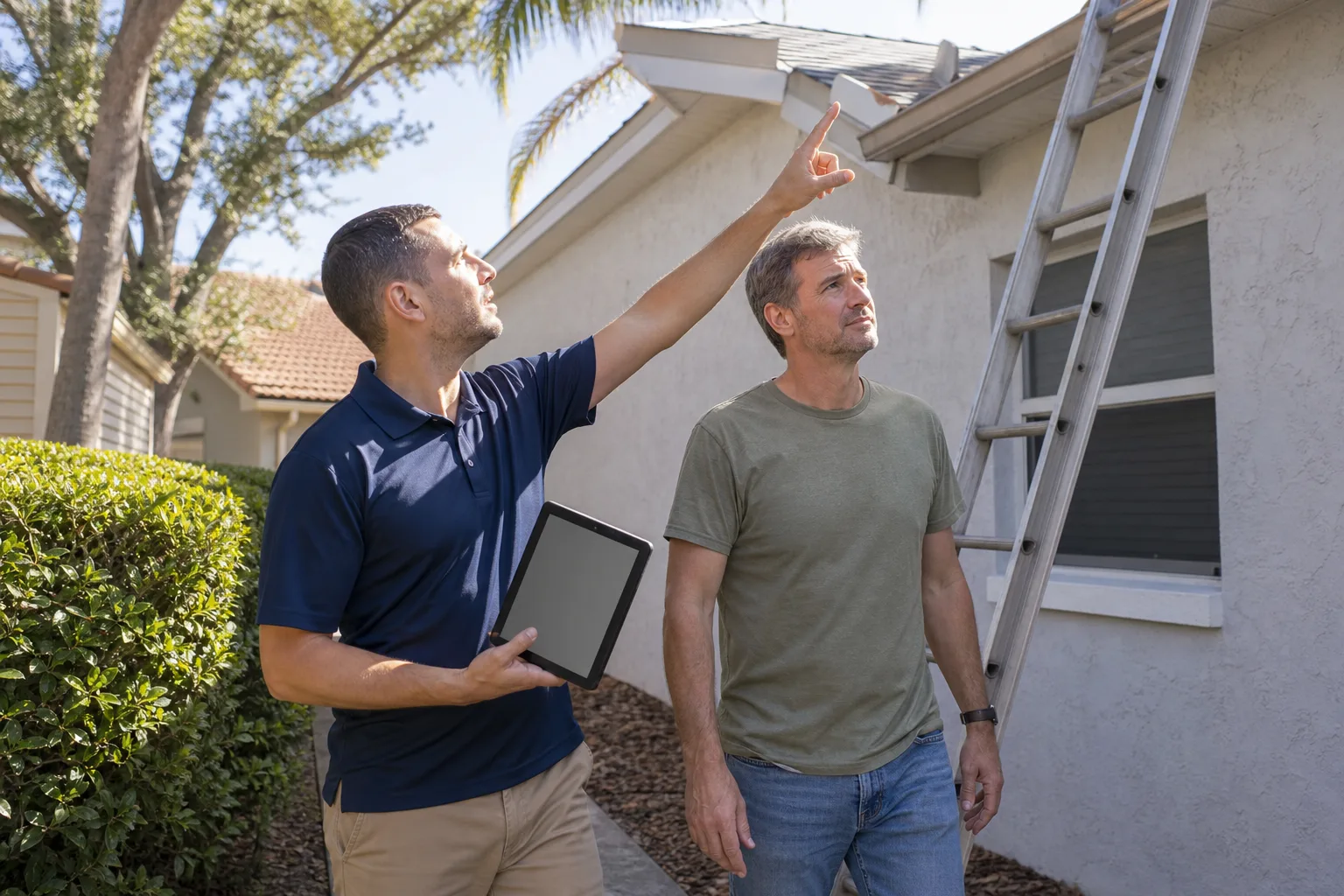
Why this matters beyond the repair itself: California homeowners policies generally require damage to be reported promptly and tied to a named event. An adjuster looking at a January leak wants proof the cause was a windstorm, not age. Our post-storm inspections document exactly that – broken mortar, lifted tiles, displaced cap shingles – with time-stamped photos that support the claim even when the water damage showed up much later.
The foothill wind corridor distinction
West Covina’s foothill-adjacent neighborhoods sit in FEMA-mapped wind corridors where Santa Ana gusts run measurably stronger than they do in flatland cities like Covina or Baldwin Park. That’s not trivia. Some policies carry a minimum wind speed threshold for a “windstorm” coverage trigger, and being able to establish that your address saw higher gusts than a neighboring city can be the difference between a covered claim and a denied one. If your home backs up toward the hills, it’s worth knowing which side of that line you’re on before you file.
What Our Storm Damage Inspection Actually Looks For
We inspect for the failure modes that are specific to the housing stock here. West Covina was built out in the 1950s and ’60s, and a lot of these single-story stucco homes still have their original wood fascia and rafter tails. That lumber was never treated to modern standards, so when flashing fails, moisture wicks into wood that’s already sixty-plus years old. Catching it within one rain season instead of two changes the scope of the repair substantially – one season might mean re-flashing and a localized fascia repair, two seasons can mean rafter-tail replacement.
A standard inspection covers:
- Ridge and field tile: cracked mortar beds, slipped tiles, and hairline cracks that open under thermal cycling
- Cap shingles and ridge vents: displaced or lifted from wind uplift
- Flashing at chimneys, skylights, and wall-to-roof transitions
- Fascia, soffit, and rafter tails for soft wood and moisture staining
- Attic-side evidence: water stains on sheathing, daylight gaps, saturated insulation
- Gutter and downspout attachment, which wind events routinely pull loose
For a closer look at how we handle the full scope of roof work, from storm repairs to full replacements, see our Roofing page. This is also why our home improvement work is structured around a single accountable contractor – storm damage rarely stays a roofing-only problem once fascia and framing are involved.
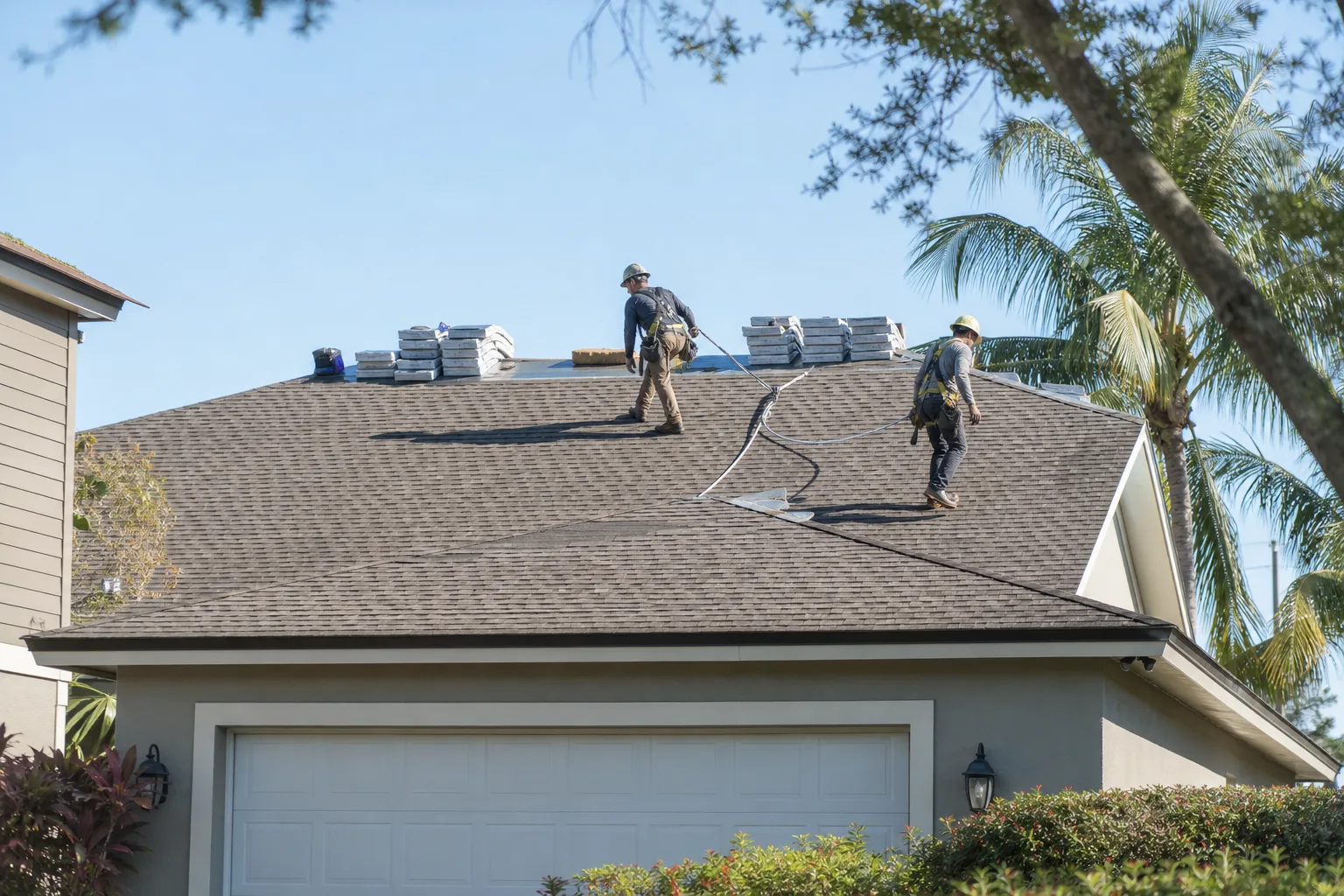
What Storm Damage Roof Repair Costs in West Covina
Here’s the honest range, based on what we see in this market. The number you see is the number you pay – no renegotiation after the insurer responds, no vague “starting at” figure that grows once work begins.
| Repair Type | Typical Range |
|---|---|
| General roof repair (wind uplift, shingles, flashing) | $400-$1,800 |
| Tile roof repair (cracked mortar, slipped or broken tiles) | $600-$2,500 |
| Full roof replacement (if storm damage tips a failing roof) | $8,000-$20,000 |
For insurance-scope work, you get a written line-item estimate you can submit directly to your adjuster. That’s the difference between a claim that moves and one that stalls while everyone argues about what a lump-sum number covers.
Our 730-Day Done Right Promise on weather repairs
If a section we repaired leaks again within two years – including during a subsequent storm season – we make it right without a new service call charge. Weather-related work is the work most likely to get tested, so it’s the work that deserves the longest guarantee. Roofs here take a beating from summer heat, Santa Ana winds, and winter rain in the same twelve months.
Our technicians have up to 12 years of experience, arrive background-checked and in uniform, and we build with materials from GAF and Owens Corning so the repair holds up alongside the rest of the roof.
Common Storm Damage Scenarios We See in West Covina
The January ceiling stain that started as an October lift
The homeowner notices a water ring on a bedroom ceiling weeks after the last wind event and assumes the rain caused it. It didn’t. Wind lifted a run of tiles and the rain found the gap. This is the most common call we get, and it’s why we photograph the uplift evidence and not just the wet spot.
Chimney flashing that pulled loose
Older homes here often have flashing that was set into the stucco and mortar decades ago. A strong gust cracks the seal, and water tracks down behind it. Left alone through two rain seasons, the sheathing around the chimney starts to soften.
Fascia rot hidden behind a gutter
Gutters take the wind load and pull away, opening a seam where water gets behind the fascia board. On original 1960s lumber, that rot spreads faster than most homeowners expect.
Why the Timing Gap Matters for Your Insurance Claim
File promptly, but file with evidence. The adjuster’s job is to connect the damage to a named event, and a January report that just says “leak” makes that connection harder. A report that shows broken mortar, lifted tiles, and time-stamped photos with the storm date tied to the location does the connecting for them.
We also know the local geography well enough to support that report – which wind corridor your address sits in, what gusts a neighboring flatland city saw versus what your ridge line took, and how the expansive clay soils on some near-creek and hillside lots can shift and stress the structure independent of wind. That’s the kind of detail an adjuster can work with. It’s also work we do every storm season across the West Covina service area.
FAQs About Storm Damage Roof Repair in West Covina
Yes, for most wind and flashing repairs we can often complete the work in a single visit, and we answer calls with a live person 24/7 so you’re not waiting until Monday to get a plan. Emergencies like active leaks get prioritized, and we can usually get out to stop further water intrusion fast. Call (844) 662-2335 for a free estimate.
Often yes, as long as the damage is reported promptly and tied to a named windstorm event. The key is documentation – our time-stamped inspection photos link the leak back to wind uplift, which is what an adjuster needs to approve a claim that shows up well after the storm. Call for an inspection and we’ll put that report together.
Most storm damage repairs run $400-$1,800, with tile roof repairs in the $600-$2,500 range and full replacements at $8,000-$20,000 if the damage tips a failing roof. You get a written line-item estimate with no surprises. Call (844) 662-2335 for a free quote.
Repair is almost always cheaper if the roof has useful life left and the damage is localized to tiles, flashing, or a section of shingles. Replacement makes more sense when the storm exposed a roof already near the end of its life. Our inspection tells you which side of that line you’re on before you spend a dollar. Call for a free assessment.
Get Your Storm Damage Documented Before the Next Rain
The gap between the wind and the leak is your window to act. Call Groundwork Construction Co. of West Covina at (844) 662-2335 for a free storm damage inspection and a written estimate you can hand to your adjuster. Live person, 24/7, upfront pricing, and a 730-Day Done Right Promise on every repair. We’ll make it right.
Written by the team at Groundwork Construction Co. of West Covina, serving West Covina, CA.
What Our Customers Say
"Change orders were written down and priced before the work happened, every single time. No surprise at the end."
- Keisha Robinson"He pulled the permits himself, scheduled every sub and ran the inspections. I made one decision a week and otherwise stayed out of it, which is exactly what I was paying for."
- Robert Sullivan"We lived in the house through the whole thing. He kept the dust wall up, cleaned every Friday, and made sure we always had a working bathroom."
- Craig Whitaker