Free written scope consultation - allowances, timeline, and change-order rules on paper before a single trade is scheduled
Styles & brands we work with
- Kitchen remodeling
- Bathroom remodeling
- Home additions & ADU
- Roofing
- Windows & doors
- Driveway & pavers
- Fence
See the difference
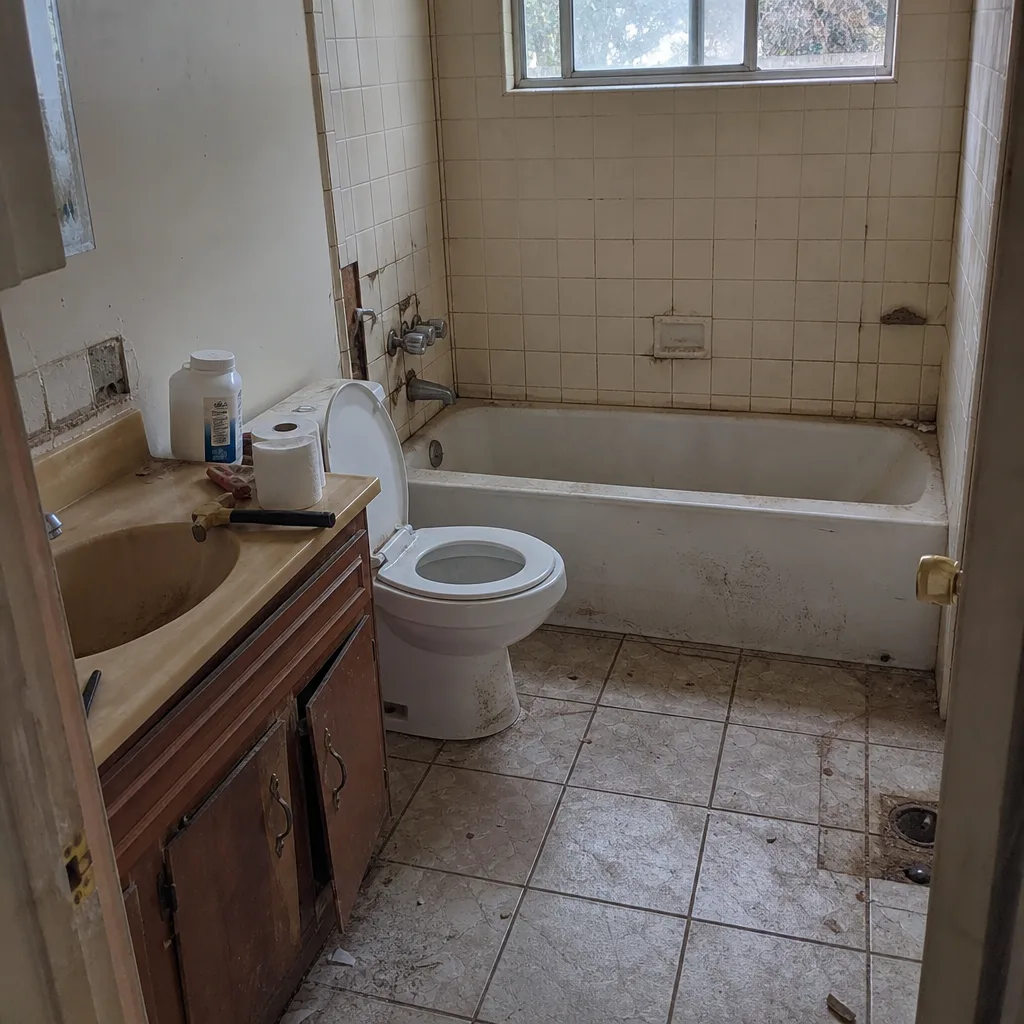 Before
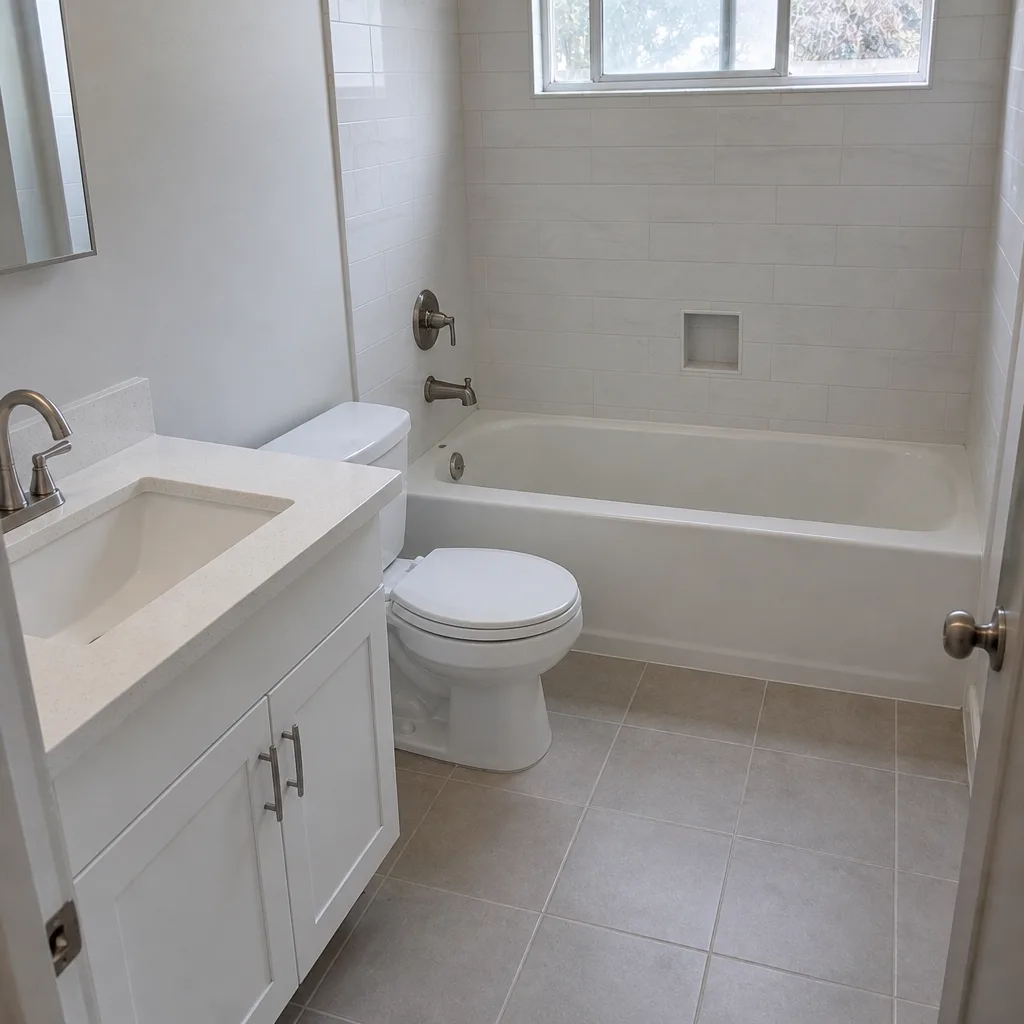 After
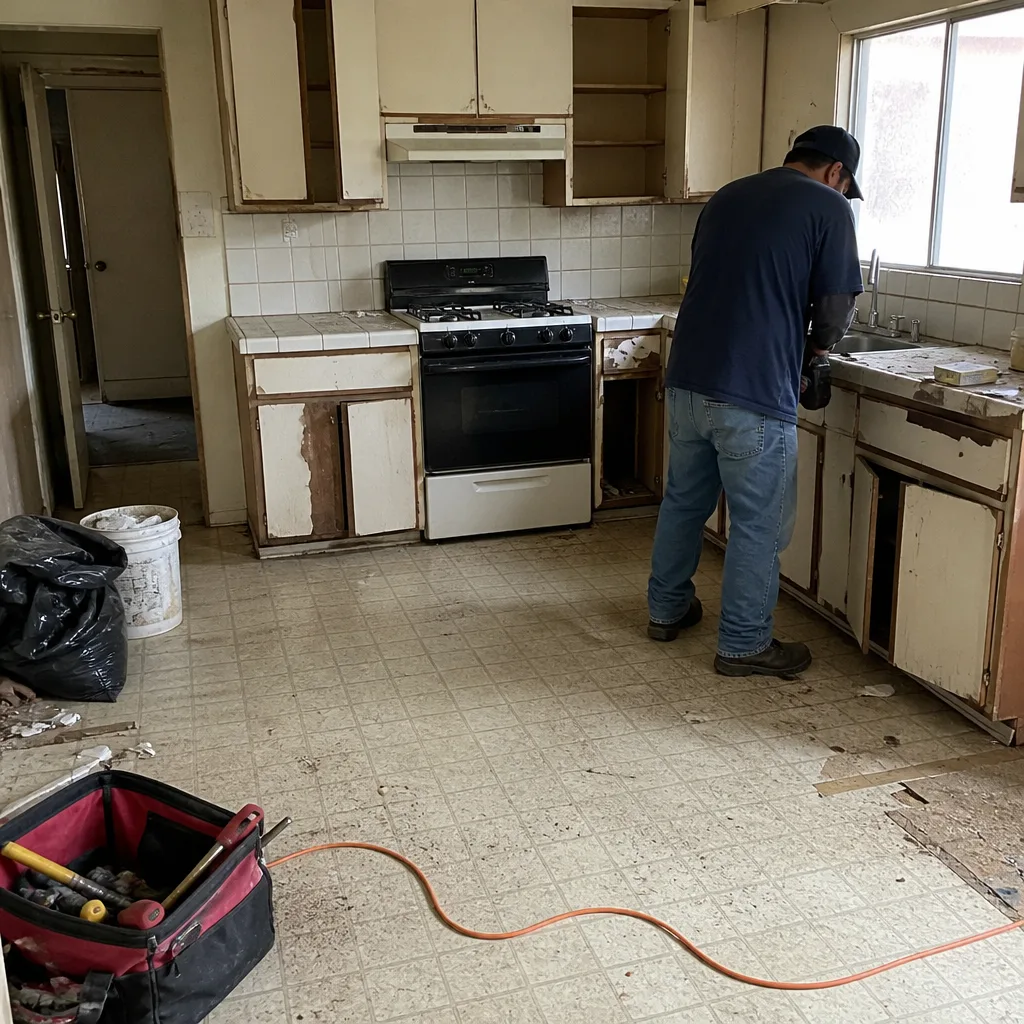 Before
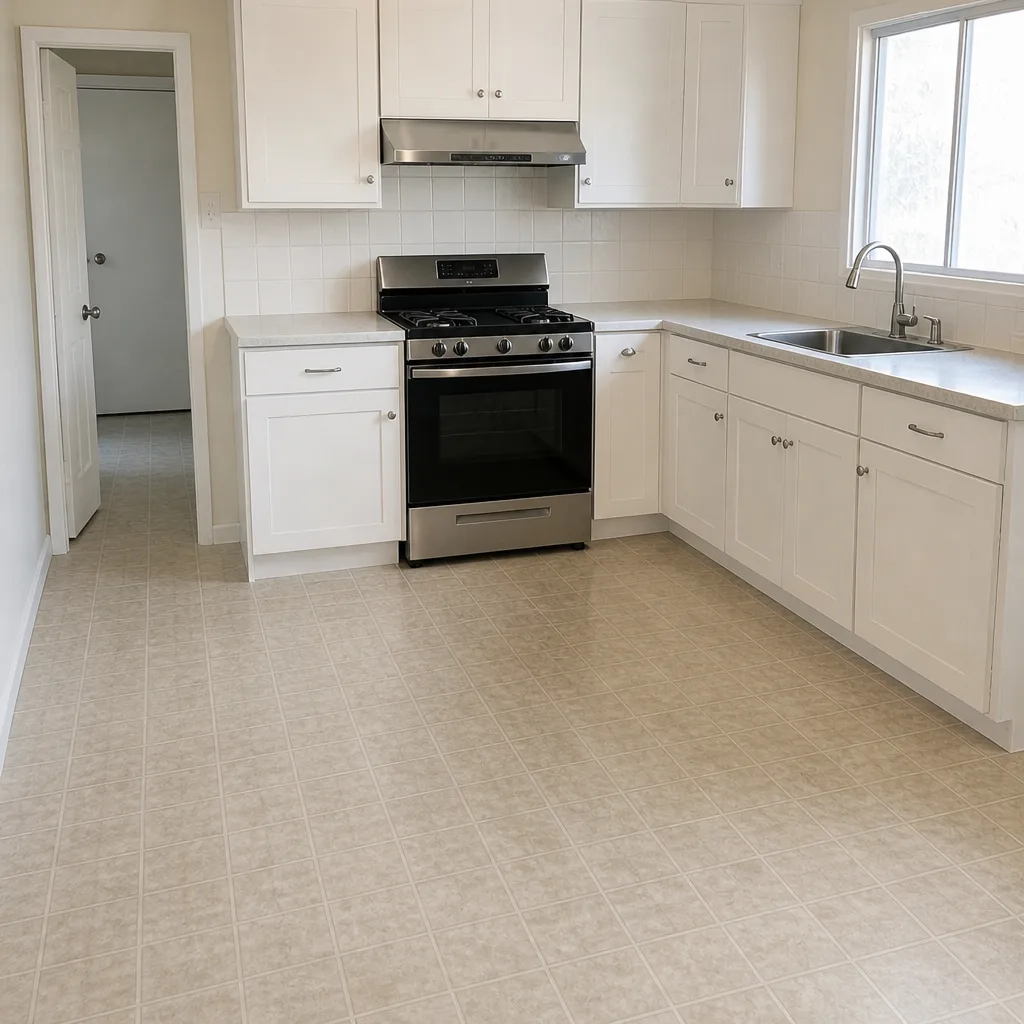 After
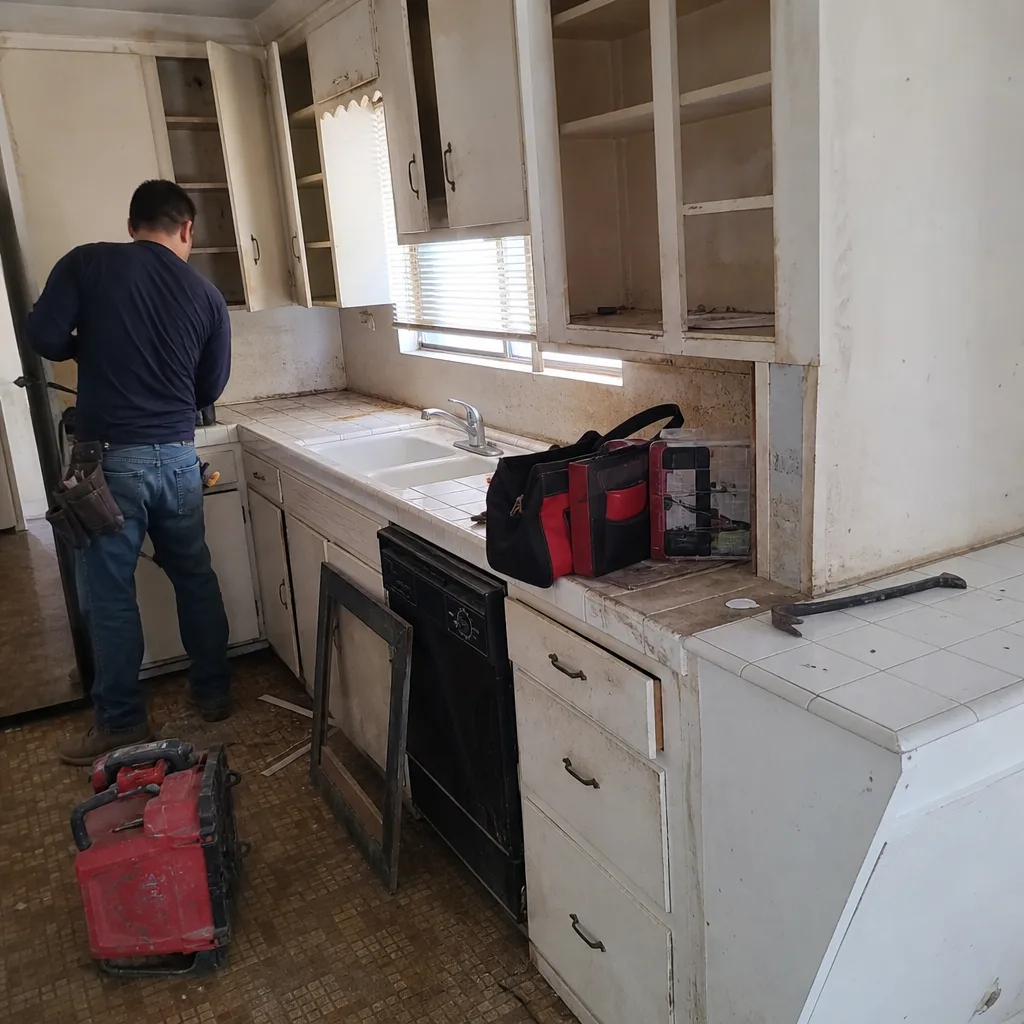 Before
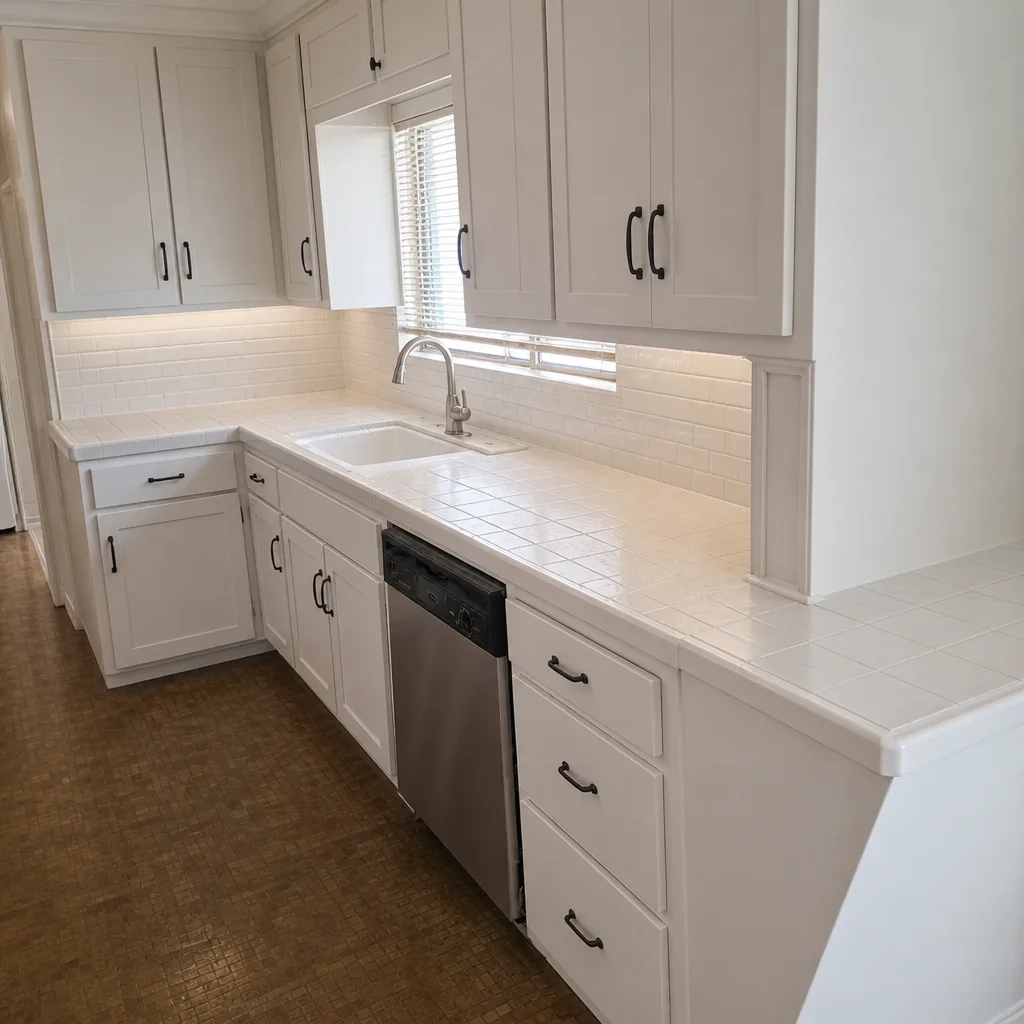 After
Clay vs Concrete Roof Tiles in West Covina: The Honest Answer for a 1950s-60s House
Pick clay tile unless your West Covina home’s framing can’t safely carry it or you plan to sell within about 10 years, in which case concrete wins on upfront cost. The reason that’s a real “unless” and not a hedge comes down to structure: concrete tile runs roughly 10-12 lbs per square foot and clay 6-8 lbs, and most homes in West Covina’s mid-century tracts were framed for a light composition roof, not a 900-lb-per-square tile load. For an honest read on your roof, call Groundwork Construction Co. of West Covina at (844) 662-2335. Estimates are free.
Key Takeaways
- Concrete costs 20-30% less upfront and carries a ~50-year warranty; clay lasts around 100 years.
- Older West Covina framing may need an engineered rafter assessment before heavyweight tile goes on.
- California code (CBC Section 1511) requires a structural analysis when re-roofing from lightweight to heavyweight material.
- Clay suits Spanish Colonial and Ranch profiles; concrete is the budget-friendly workhorse.
Why Your West Covina Roof’s Framing Comes First
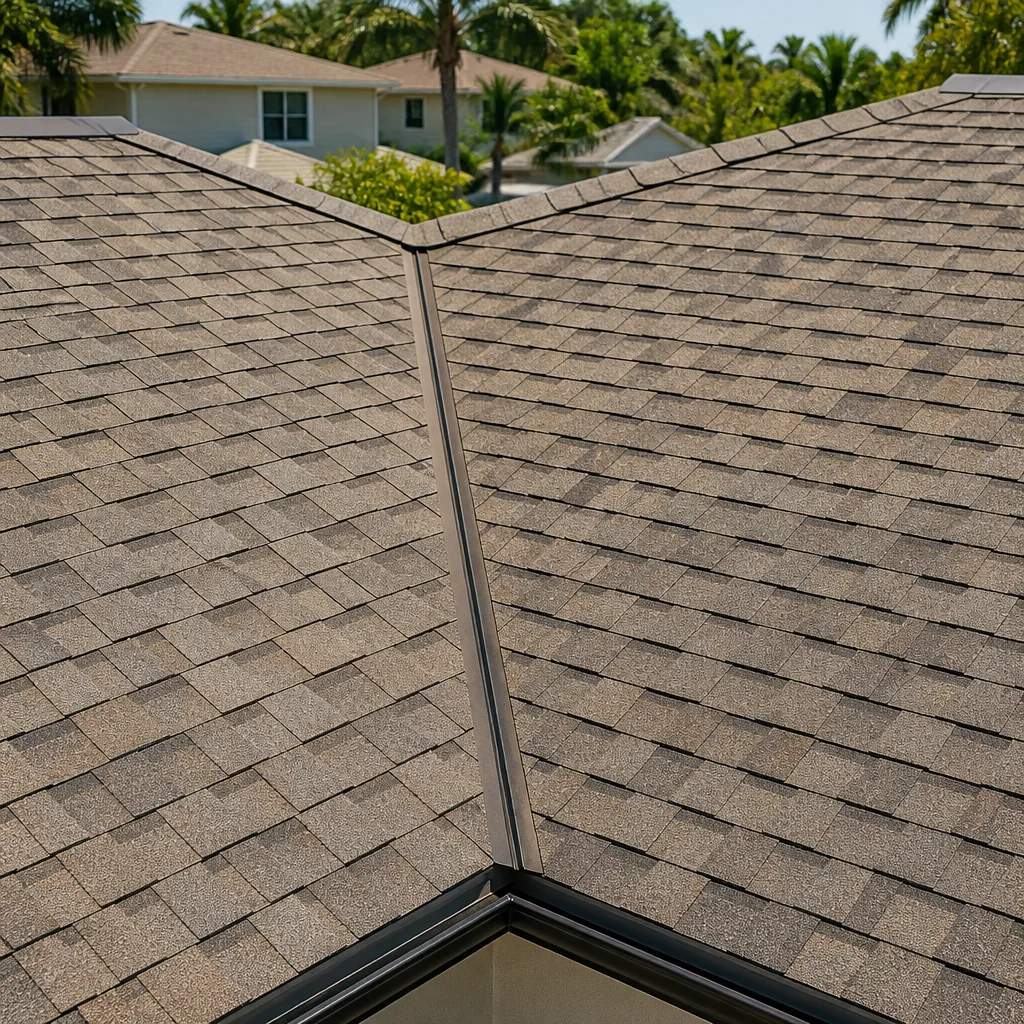
If your house went up before 1965, there’s a good chance the rafters and trusses were sized around something like 3 to 4 lbs per square foot of roofing. A tile roof is a different animal. Laid at 10-12 lbs per square foot for concrete, a 1,500-square-foot roof jumps by several tons of dead load that the original builder never planned for.
This is where most comparison articles stop cold. They’ll compare cost per square, warranty length, and color options, then hand you a decision. They skip the part that actually governs the answer for this city’s housing stock: whether the structure can take the weight.
California’s Building Code, Section 1511, doesn’t leave that to guesswork. Re-roofing an existing structure from a lightweight covering to a heavyweight one triggers a structural analysis. It isn’t optional and it isn’t a technicality. It exists because tile roofs are genuinely heavy, and a permit reviewer in West Covina will ask for the engineering before signing off. Our crews at Groundwork build that review into the project scope from day one, so you aren’t the one discovering mid-permit that the number just moved. Straight answers up front beat surprises in the middle of a re-roof.
Clay vs Concrete Roof Tiles: Side-by-Side
Here’s the comparison that matters, with the numbers that drive the decision for a West Covina homeowner planning a Roofing project.
| Factor | Clay tile | Concrete tile |
|---|---|---|
| Typical weight (dry) | 6-8 lbs/sq ft | 10-12 lbs/sq ft |
| Moisture behavior | Vitrified surface; shed water, little absorption | Absorbs moisture, gains temporary weight |
| Wet-weather load | Stable | 15-20% heavier than dry rating when saturated |
| Upfront cost | Premium | 20-30% lower |
| Service life | ~100-year lifecycle | ~50-year warranty |
| Best fit | Long-term hold, historical profile match | Budget-minded, shorter hold |
Two things jump off that table. First, the weight gap is real and it’s the reason the structural analysis exists. Second, concrete’s moisture behavior matters more here than most articles admit.
West Covina’s winter rains and the weight problem
This city doesn’t get drenched often, but when the winter storms roll through, they arrive with volume. Concrete tile takes on water and can run 15-20% heavier than its dry rating until it dries out. On a home whose framing was already near its capacity limit, that temporary load is worth taking seriously. Clay tile, with its fired, vitrified surface, mostly sheds water rather than soaking it up, so its weight stays close to what the structural engineer calculated. If your roof framing is on the margin, clay’s predictable load is a genuine safety advantage, not just a marketing line.
Ridge and hip lines under Santa Ana winds
Those hot, dry Santa Ana wind events funnel through the San Gabriel Valley and put real uplift pressure on the terminations: ridge caps and hip lines. Both tile types need a code-compliant attachment system there, either mortar-set or foam-set per the manufacturer’s published spec. Field shortcuts at those edges are a common failure point we see, and they’re exactly what a proper installation avoids. Our technicians have up to 12 years of experience and follow manufacturer spec rather than convenience, and every installation carries the 730-Day Done Right Promise. Built to last, backed in writing.
The Look: Matching Your Home’s Original Profile
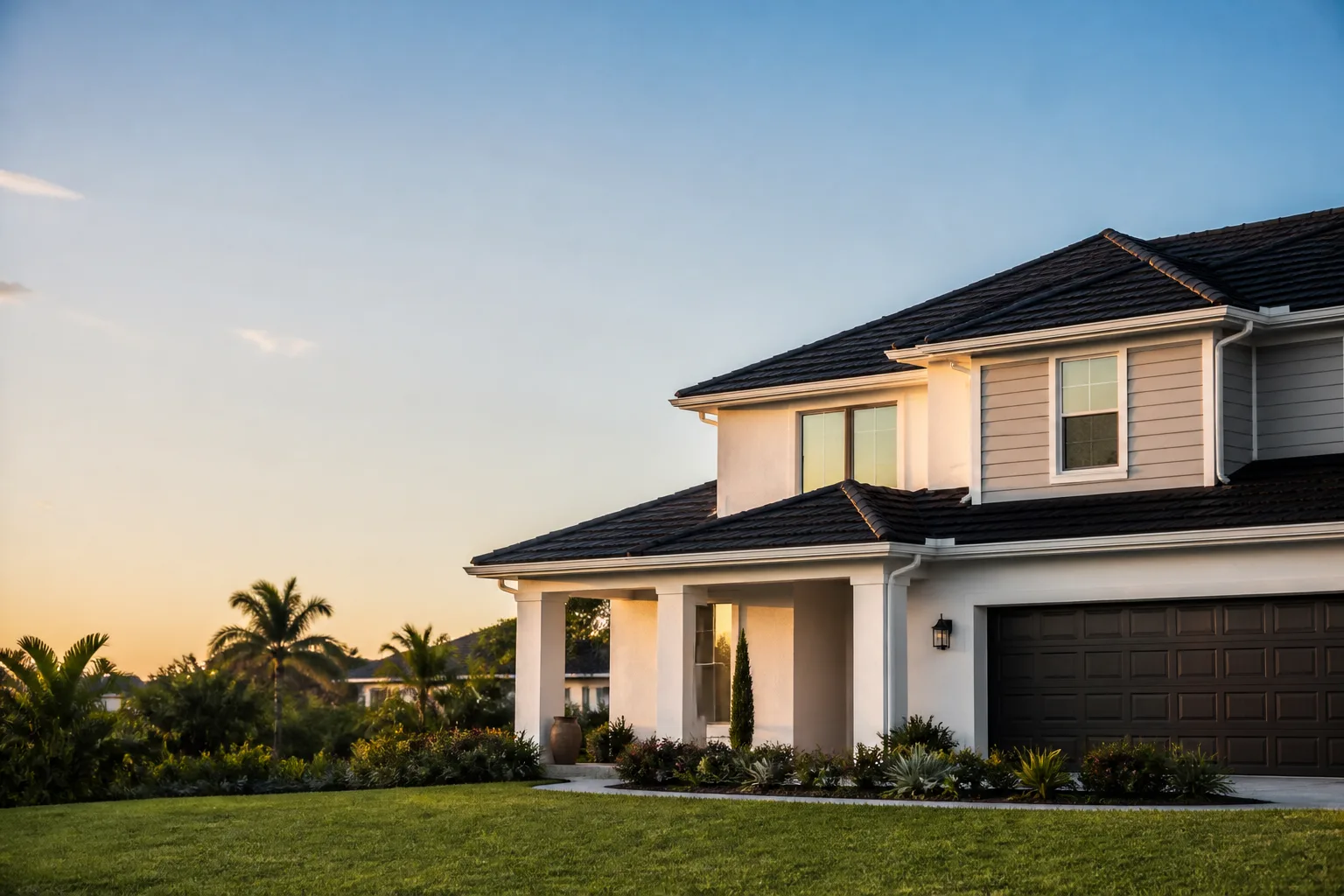
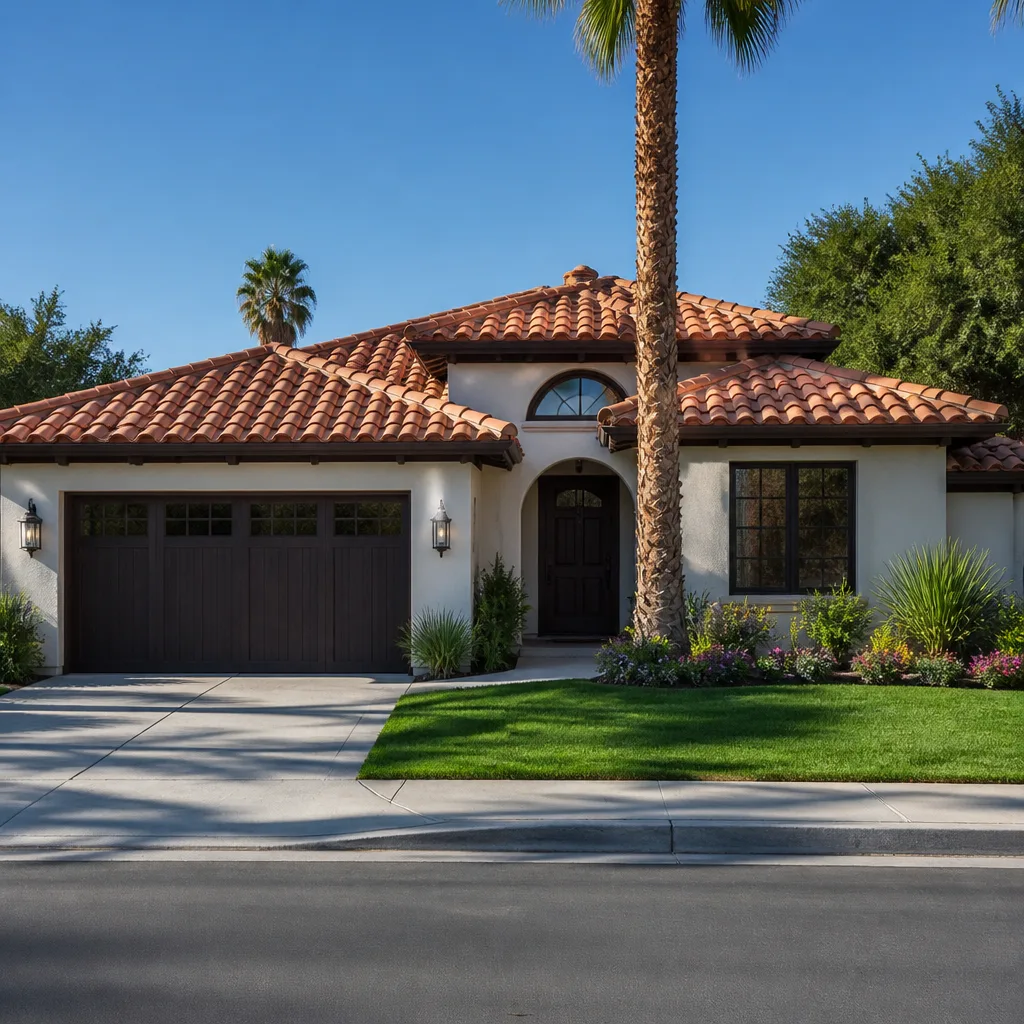
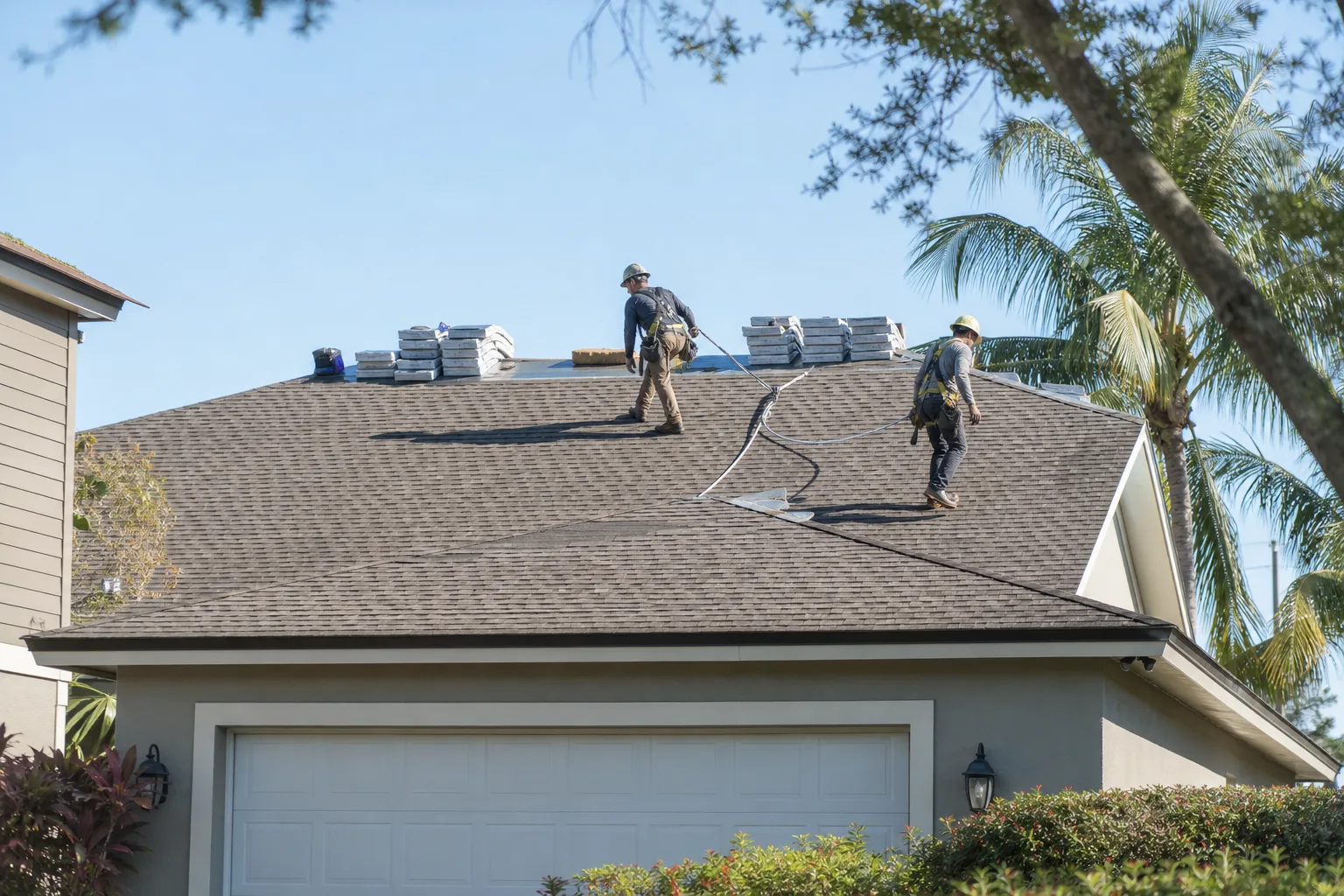
West Covina grew up as a mid-century tract suburb, single-story homes with stucco walls, Spanish Colonial and Ranch influences running through the neighborhoods. The historically appropriate material for that architecture is clay tile in an S-curve or mission profile. Matching the original profile does more than look right; it keeps your home’s curb appeal in line with the block, and in a built-out city where neighbors’ houses set the visual baseline, that matters at resale.
Concrete tile manufacturers have come a long way and can mimic Spanish profiles convincingly. The color palette is wide, and premium lines from Boral and other makers hold up well in our sun. If your house is more Ranch than Spanish Colonial, the profile question softens and the conversation turns mostly on weight and budget.
So What Should You Actually Choose?
Here’s the decision framework, stripped of the sales pitch.
- Planning to sell within 10 years? Concrete often wins on ROI. It costs less upfront, looks close enough to the original, and the next owner inherits a roof with plenty of warranty left.
- Staying put for the long haul? Clay’s 100-year lifecycle justifies the premium. Re-roofing is disruptive, and West Covina is largely built out, so a roof you’ll never touch again has real value.
- Framing near its limit? Clay’s lighter, stable load may be the safer engineering call. The structural analysis will tell you.
- Budget is tight? Concrete, plus honest numbers, gets you a solid roof without stretching.
None of this is a pressure sale. A tile roof is a long-term decision, and the right answer depends on your house, your timeline, and your budget. A roof replacement in West Covina typically runs $8,000-$20,000, and tile repair work lands in the $600-$2,500 range. Upfront pricing means the number you see is the number you pay, and 0% financing for 18 months plus $1,000 off projects over $10,000 makes a larger job easier to absorb.
FAQs
Clay tile typically runs 20-30% more than concrete upfront, and the gap can widen once you factor in any structural reinforcement the engineering review calls for. Concrete’s lower sticker price is offset by its roughly 50-year warranty versus clay’s ~100-year lifecycle. Call (844) 662-2335 for an exact quote on your roof; estimates are free.
Often yes. California Building Code Section 1511 requires a structural analysis when re-roofing from a lightweight covering to a heavyweight one on an existing structure, and most pre-1965 West Covina homes were framed for a light composition roof. Groundwork builds that review into the scope so it’s handled before the permit stage, not discovered mid-project. Call (844) 662-2335 to get it scheduled.
Repair almost always wins when the damage is localized, such as cracked tiles or a failed ridge section, and tile repair in West Covina runs $600-$2,500. A full replacement makes more sense when tiles are failing across the field or the underlayment is at the end of its life. We’ll tell you which you’re facing instead of pushing a replacement you don’t need. Call (844) 662-2335 for a no-pressure assessment.
Yes, when it’s installed to spec. Concrete tile handles our hot, dry summers well, and both clay and concrete rely on a code-compliant mortar-set or foam-set system at ridge and hip lines to resist Santa Ana wind uplift. The material choice matters less than the termination work and the framing behind it, which is where we focus.
Get a Straight Read on Your Roof
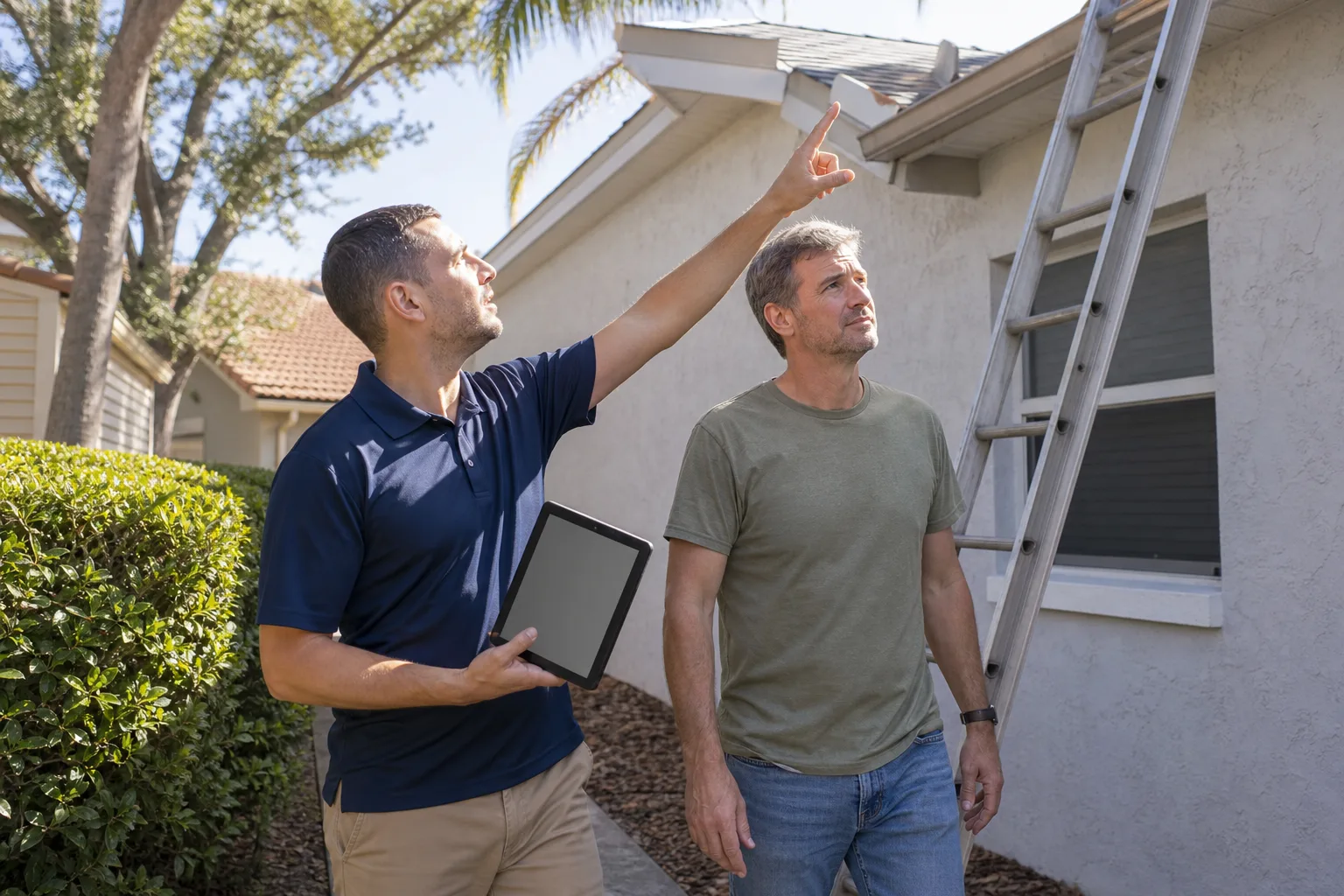
If you’d rather have it looked at, Groundwork Construction Co. of West Covina offers a no-pressure assessment in West Covina. We’ll weigh the framing question, walk the timeline with you, and give you honest numbers on both materials. Calls are answered by a live person, 24/7. Call (844) 662-2335 for a free estimate and design consult.
Written by the team at Groundwork Construction Co. of West Covina, serving West Covina, CA.