Free written scope consultation - allowances, timeline, and change-order rules on paper before a single trade is scheduled
Styles & brands we work with
- Kitchen remodeling
- Bathroom remodeling
- Home additions & ADU
- Roofing
- Windows & doors
- Driveway & pavers
- Fence
See the difference
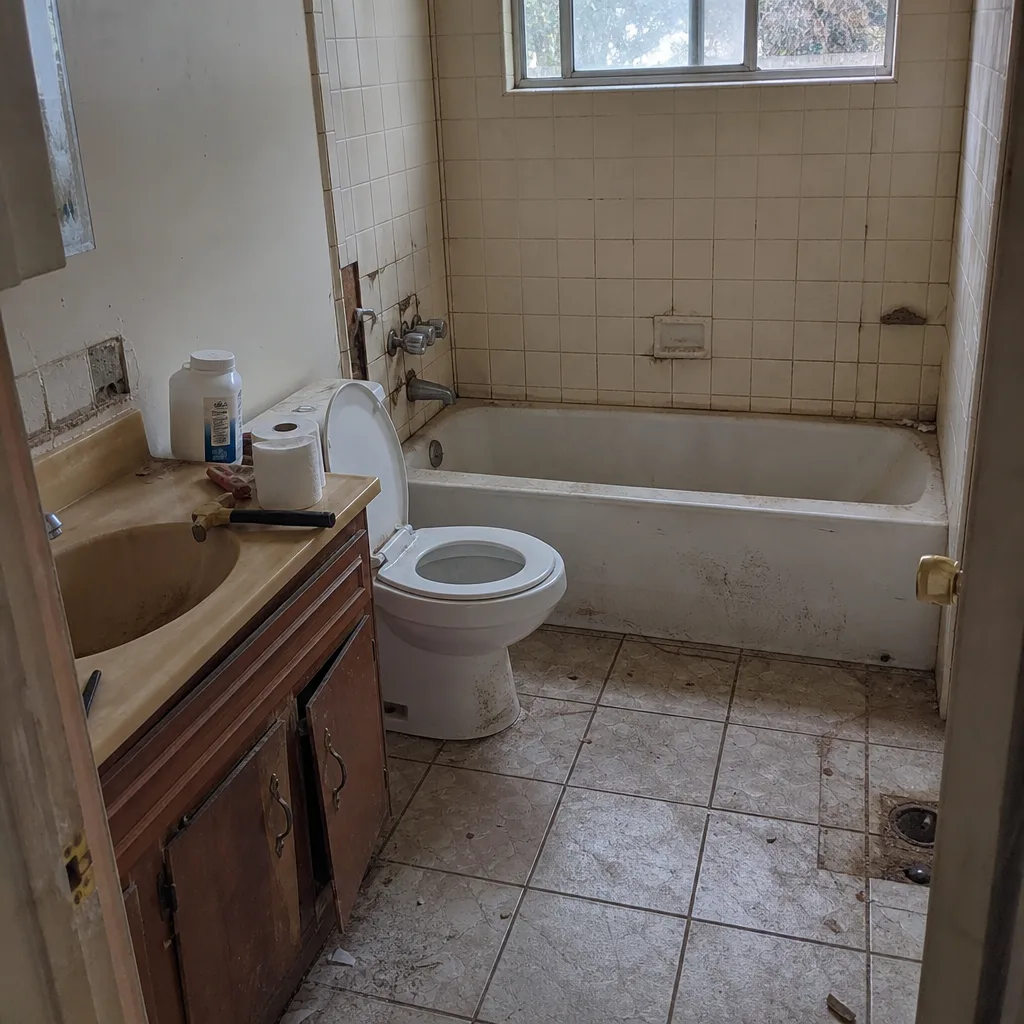 Before
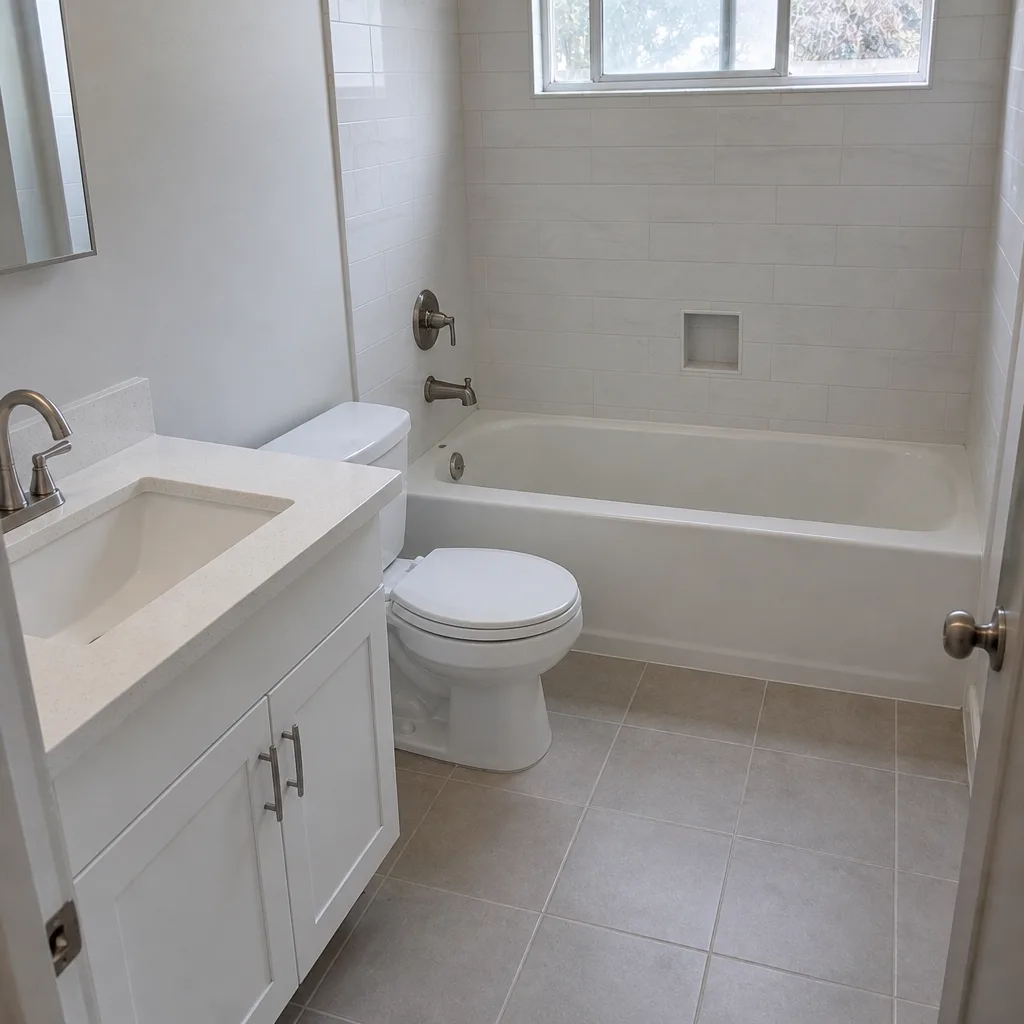 After
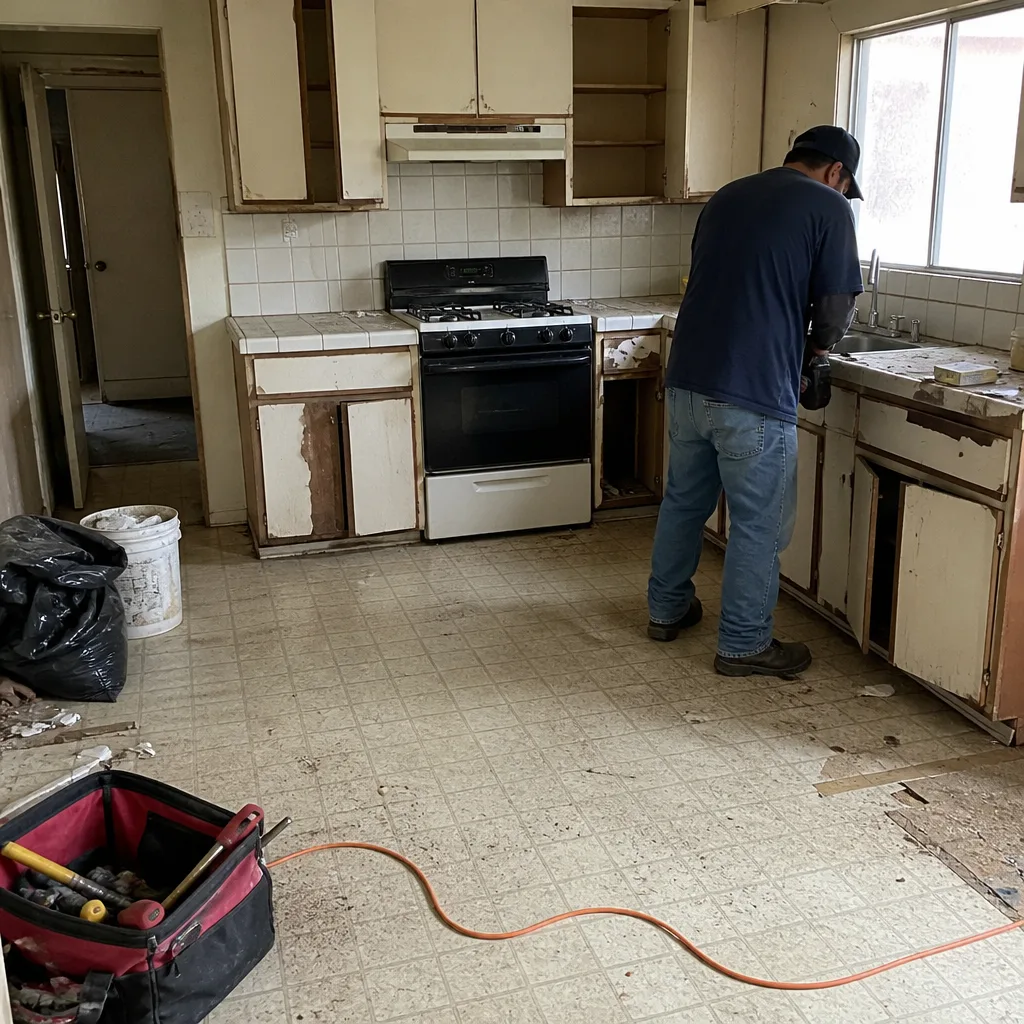 Before
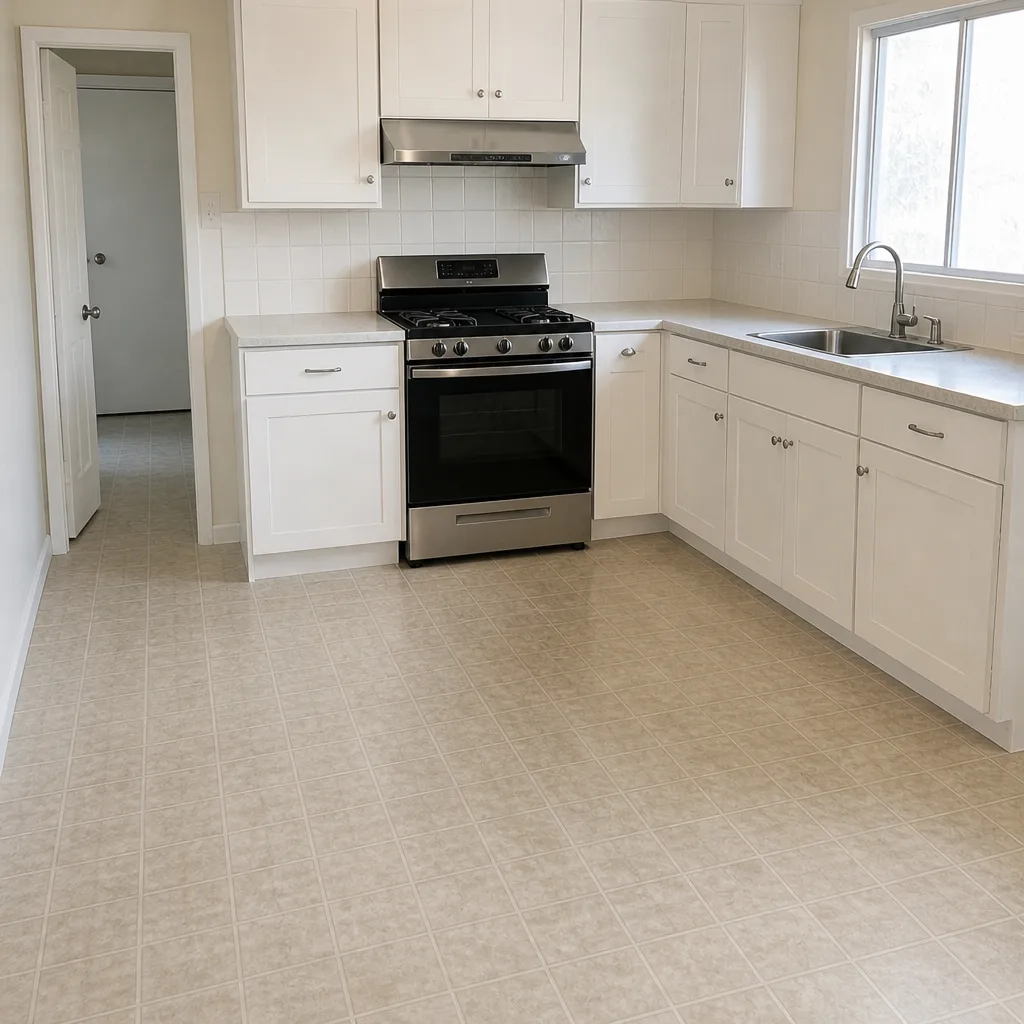 After
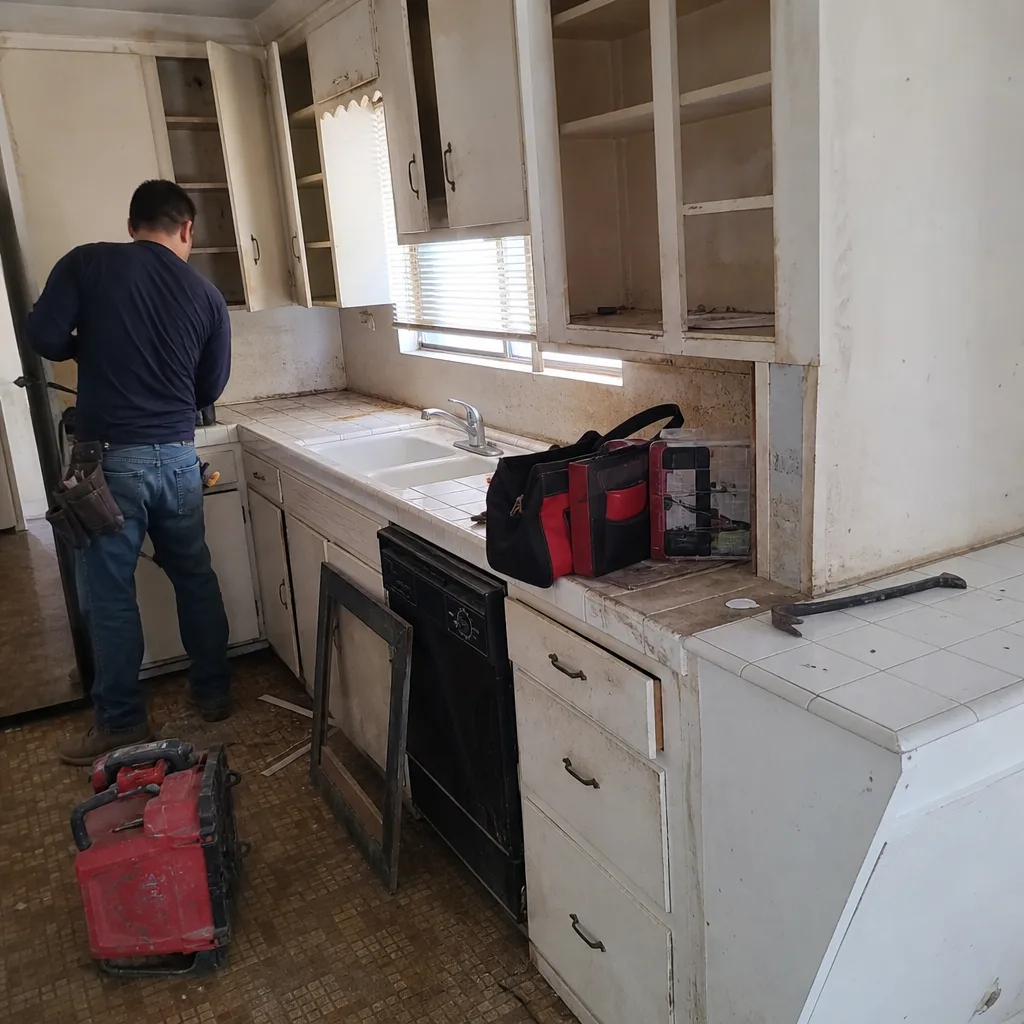 Before
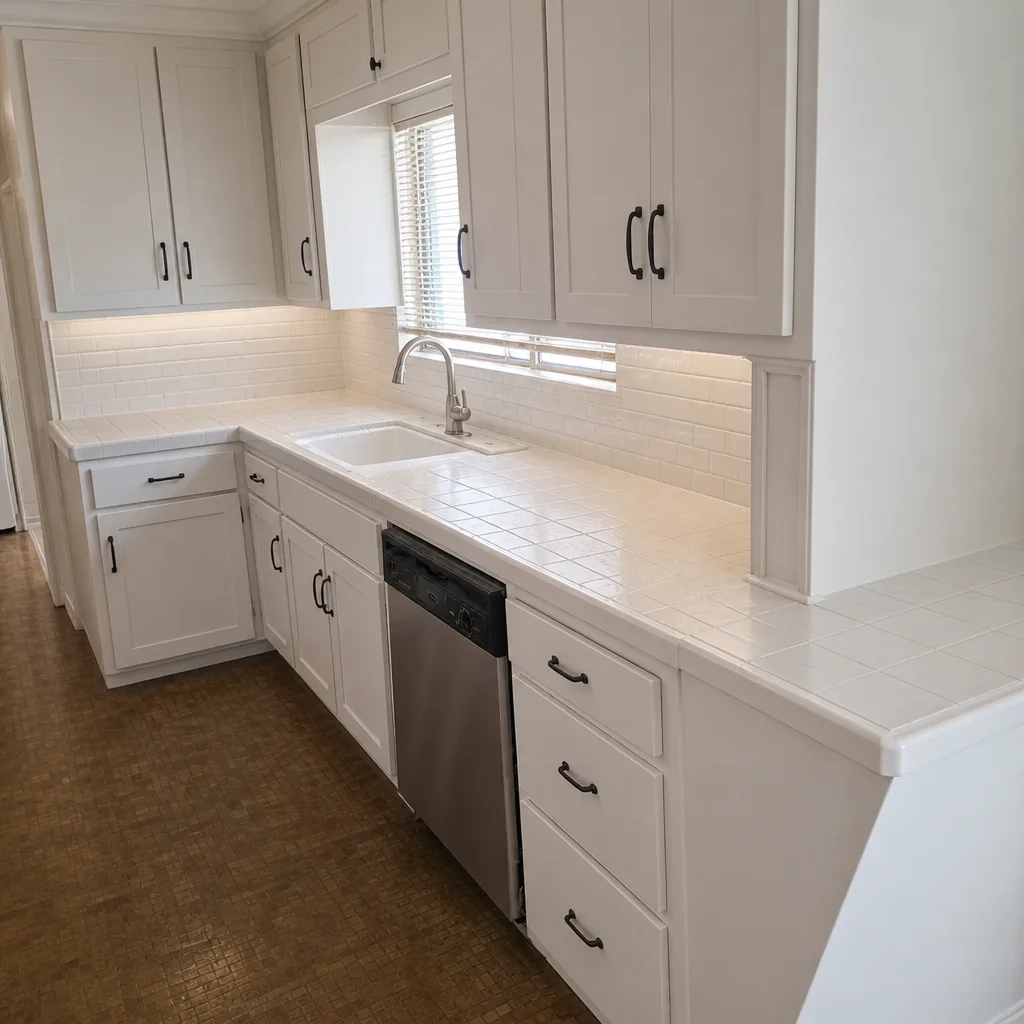 After
Metal Roof vs Shingles in West Covina, CA: What We’d Put on a 1960s Tract Home
For most West Covina homeowners weighing metal roof vs shingles, the right call is architectural shingles unless you’re staying in the home long-term, your deck is sound, and you want the heat and wind performance metal delivers. A 3-tab shingle on a West Covina tract home during a Santa Ana wind event isn’t only at risk of blow-off; it’s sitting on a 60-year-old plywood deck that may not hold the fastener pull-out strength the installation spec assumes. That deck condition, not a cost chart, is what should drive your decision. For a straight assessment, call Groundwork Construction Co. of West Covina at (844) 662-2335.
Key Takeaways
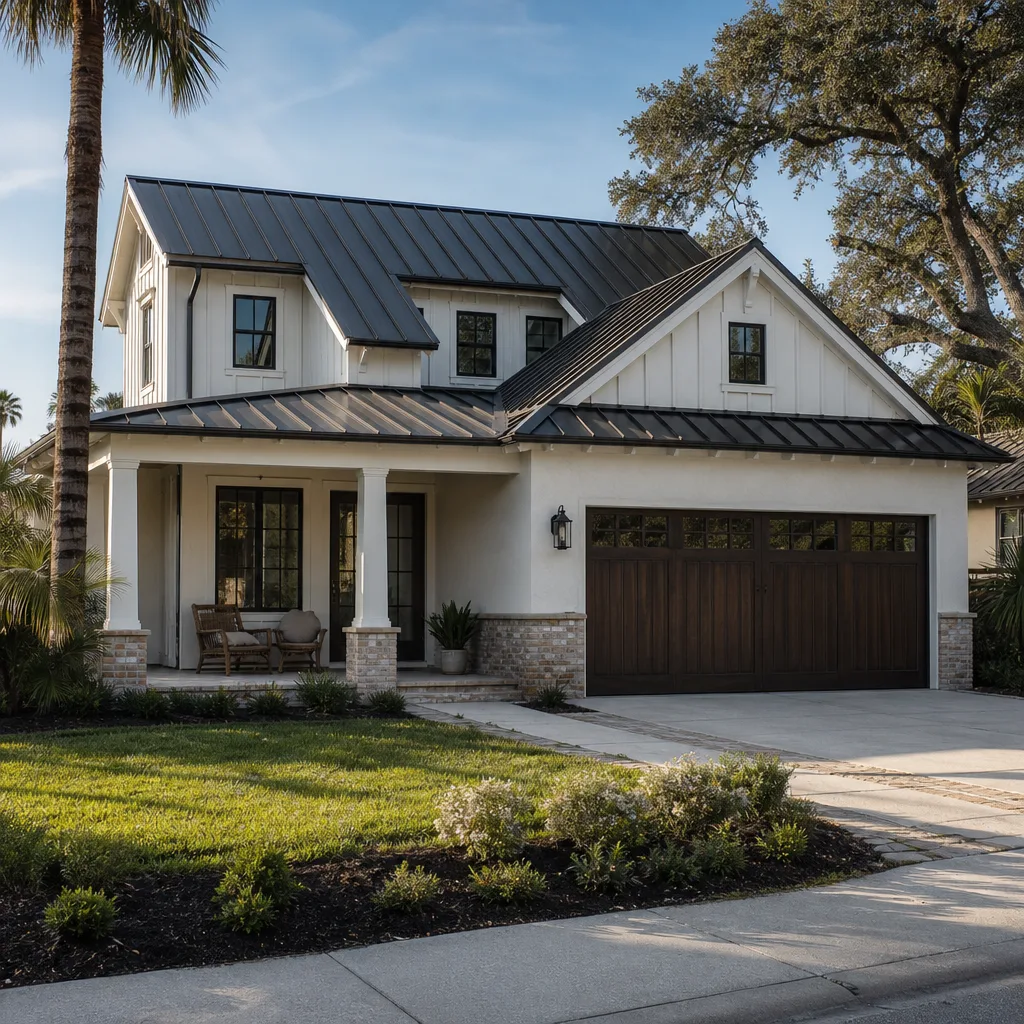
- Standing-seam metal locks at the seam with no exposed fasteners, so it handles the San Gabriel Valley’s 50+ mph Santa Ana gusts better than shingles held by adhesive strips.
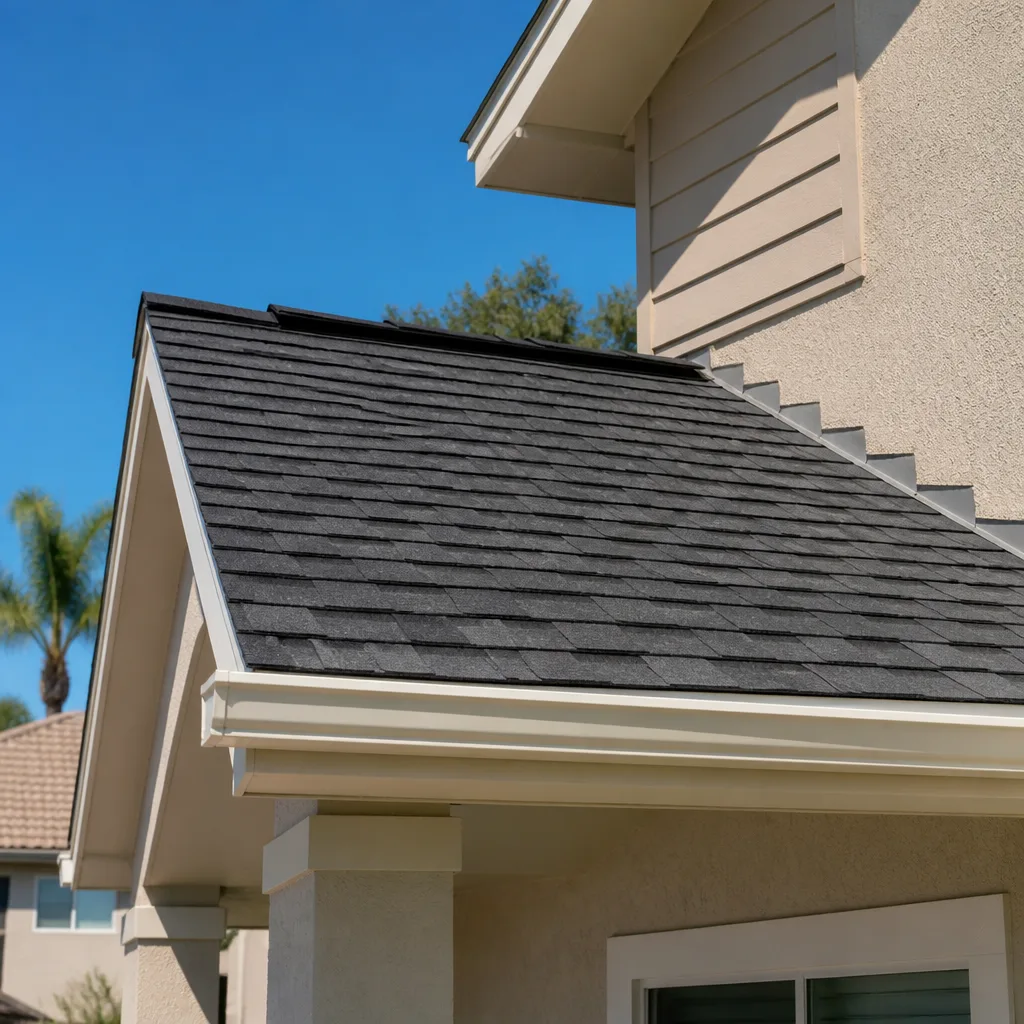
- Class 4 architectural shingles like GAF Timberline HDZ close much of the wind gap, with a 130 mph rating and impact resistance.
- Metal usually needs a solid OSB overlay over aged West Covina decks, and that cost has to be priced before you sign, not discovered mid-job.
- Cool-roof metal (SRI 29 or higher under Title 24) can cut attic temps by 20-30°F in West Covina’s 95°F+ summers.
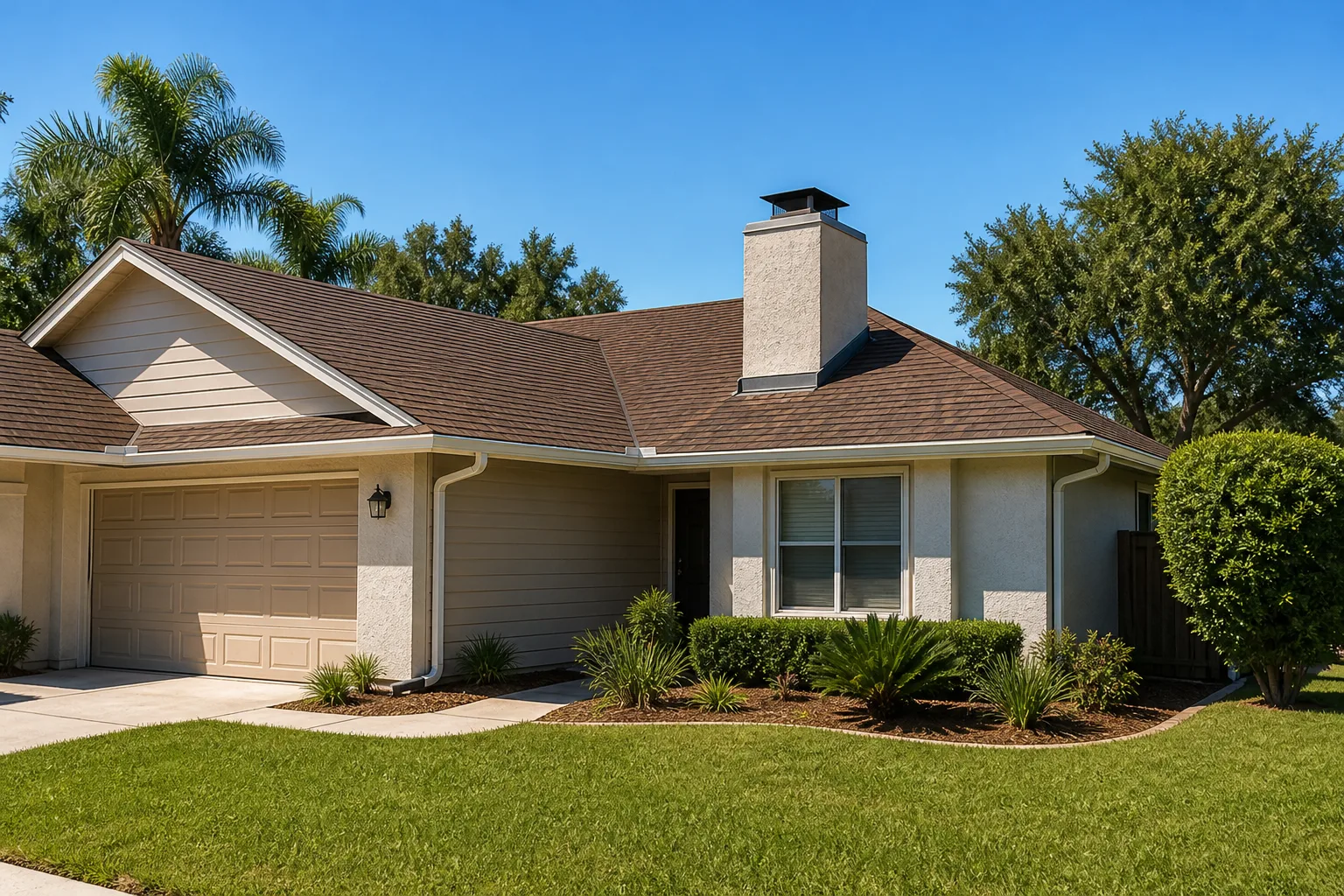
Why West Covina’s Heat and Wind Change the Comparison
Most metal vs shingle pages are written for a generic climate. West Covina isn’t generic. The city sits in the San Gabriel Valley wind corridor where Santa Ana events regularly push gusts past 50 mph through the fall and winter, and summer attic temperatures climb well above 100°F on single-story 1950s and ’60s tract homes that were built before modern insulation standards. Those two forces, wind uplift and heat cycling, are what actually fail roofs here.
On the wind side, adhesive strips on 3-tab shingles are rated to roughly 60 mph, but that seal degrades under repeated UV and heat cycles. A standing-seam metal panel has no exposed fasteners to back out and locks at the seam, so it sheds wind load differently. On the heat side, cool-roof-rated metal panels that meet Title 24’s SRI threshold of 29 or higher reflect solar gain instead of absorbing it, which can knock 20-30°F off attic temperatures and lighten the load on your AC in July and August. Shingles can’t match that reflectivity, though lighter-colored architectural shingles help.
If you want to see how this fits the full scope of what we install, our Roofing page covers materials, timelines, and the deck work that goes underneath.
The Deck Is the Real Decision: What We Find on West Covina Homes
A metal re-roof is heavier to install and less forgiving of a bad substrate than shingles. On mid-century West Covina stucco homes, we regularly find original skip-sheathing or aged plywood that’s been patched over the years and no longer holds fasteners to spec. Metal panels need a solid, flat plane, which usually means a full deck inspection and often a solid OSB overlay before a single panel goes down. That overlay is real money, and it has to be in the bid.
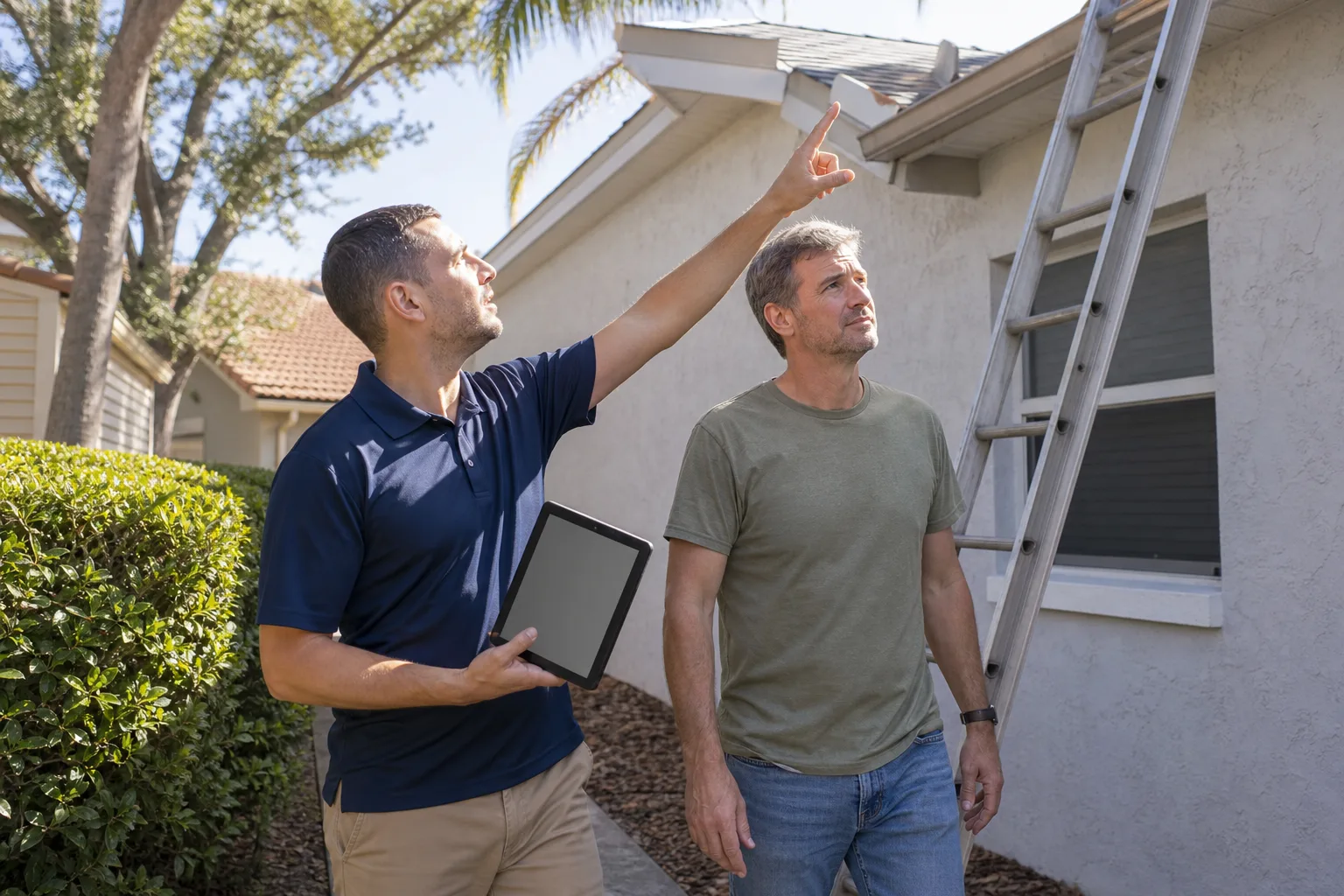
This is where upfront pricing matters. Groundwork Construction Co. of West Covina evaluates the deck before any contract is signed, so the number you see is the number you pay. No surprise overlay line item three days into the job. Homes on West Covina’s hillside and near-creek lots also sit on expansive clay that swells and shrinks seasonally, and while that mostly matters for additions and foundations, it tells you the same thing it tells us at every stage: this city rewards a contractor who looks underneath before quoting.
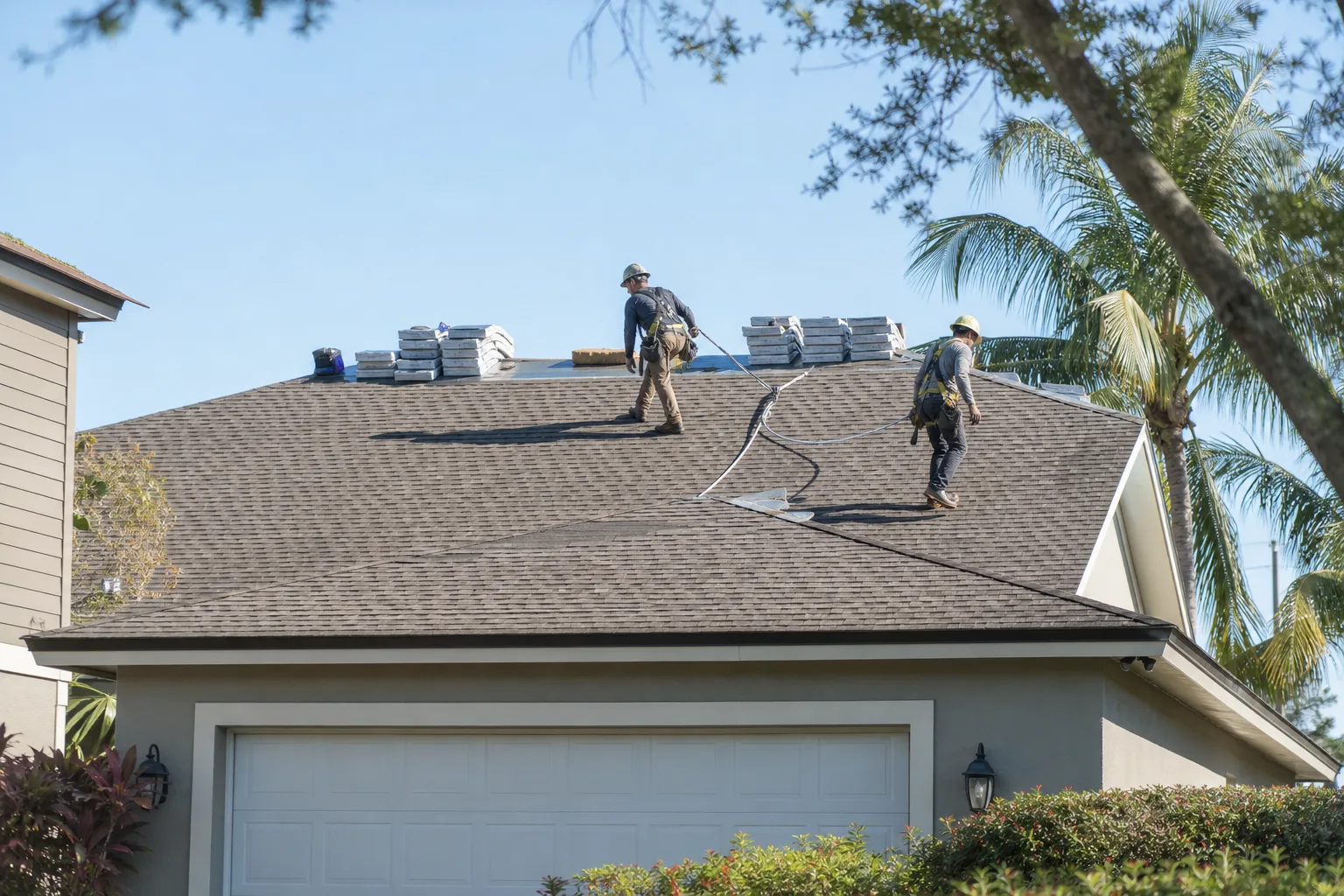
Metal vs Shingles Side by Side for West Covina
| Factor | Standing-Seam Metal | Architectural Shingles (e.g. GAF Timberline HDZ) |
|---|---|---|
| Santa Ana wind performance | Locks at seam, no exposed fasteners | Up to 130 mph rating; relies on adhesive seal |
| Heat / attic temps | Cool-roof SRI 29+ can cut attic 20-30°F | Absorbs more heat; lighter colors help |
| Impact | Class 4 available | Class 4 impact rated |
| Fire rating | Class A when assembly is spec’d correctly | Class A when assembly is spec’d correctly |
| Deck requirements | Needs sound deck, often OSB overlay | More tolerant of minor deck imperfections |
| Lifespan | Long service life | Mid-century homes often see 20-25 years |
| Upfront cost | Higher | Lower |
Typical West Covina Roofing Costs
These are the ranges we work from in this market. Your deck condition and roof pitch will move the final number.
- Roof replacement (shingle): $8,000-$20,000
- Metal roof installation: $15,000-$40,000
- Roof repair: $400-$1,800
- Tile roof repair: $600-$2,500
Does Metal Make Sense on a West Covina Home?
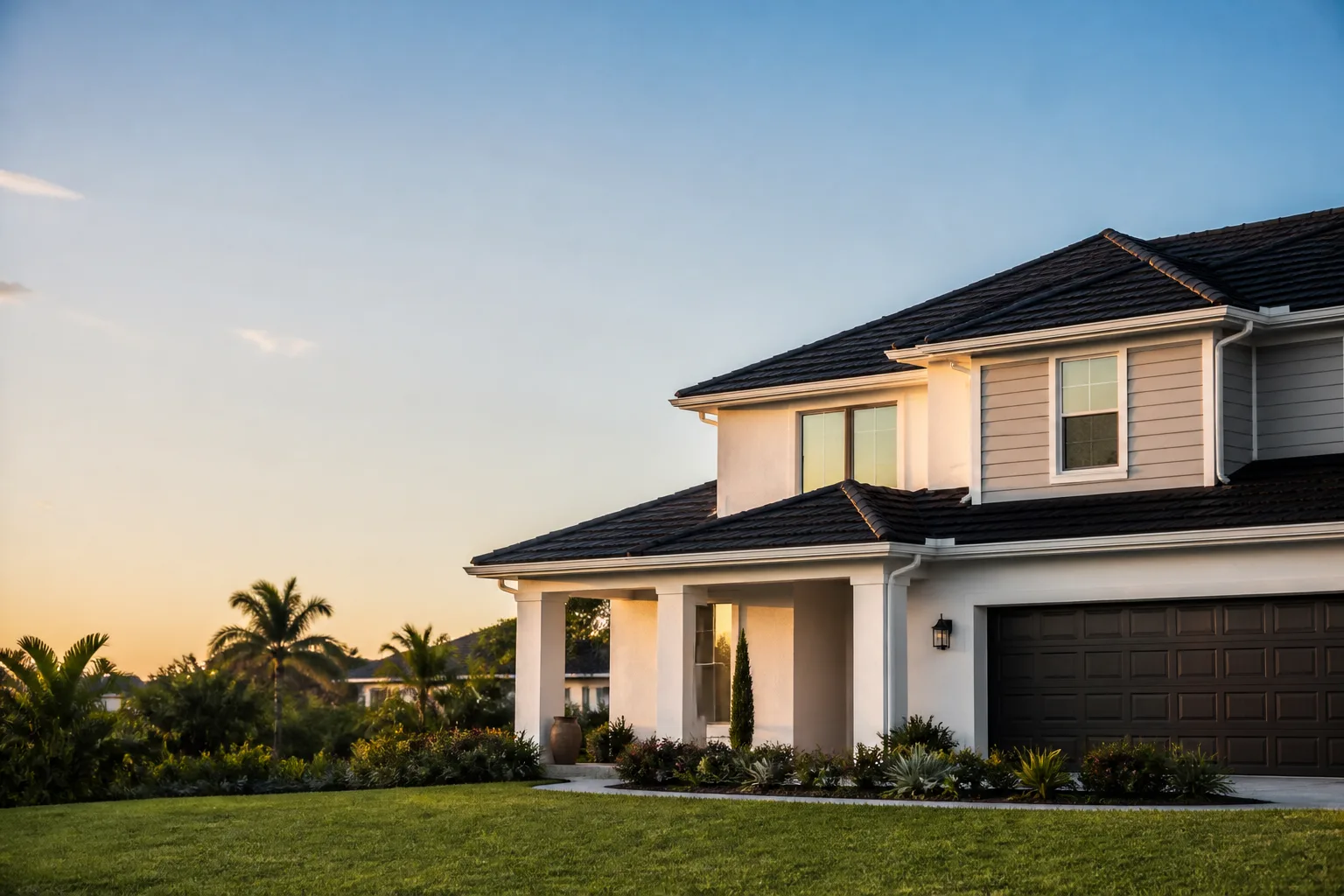
Choose metal if you’re staying put for the long haul, your deck passes inspection (or you’re ready to pay for an overlay), and you want the heat and wind performance. Choose architectural shingles if budget is the priority, your deck is sound, or you need a roof done sooner than later. GAF Timberline HDZ, which we install, carries a Class 4 impact rating and a 130 mph wind rating, so the wind gap narrows more than most comparison pages admit.
Either way, in the West Covina foothills the Class A fire rating is non-negotiable, and it’s the roof system, not just the surface, that earns that rating. Underlayment and deck assembly have to be spec’d correctly. That’s why we treat the whole assembly, here and across our West Covina service area, as one decision rather than a surface swap. Every roof we install is backed by our 730-Day Done Right Promise, so if it’s not done right, we make it right.
FAQs
Metal is better if your deck is sound and you want the longest service life and best heat performance, but architectural shingles are the better value on most West Covina homes when deck overlay costs are factored in. For the wind gap specifically, GAF Timberline HDZ architectural shingles rated to 130 mph close most of metal’s advantage. Call (844) 662-2335 for an assessment of your specific deck and roofline; estimates are free.
Metal roof installation in West Covina typically runs $15,000-$40,000, which includes the deck inspection and, where needed, a solid OSB overlay. Shingle replacement runs $8,000-$20,000. The spread is largest on older homes that need deck work. Call (844) 662-2335 for an upfront number before you commit to anything.
Rarely on a West Covina home, because mid-century decks often need inspection and an overlay, and installing over old shingles hides that problem. We strip the old roofing, inspect the sheathing, and price any overlay before the contract is signed. That’s the upfront-pricing approach that keeps the number honest. Call (844) 662-2335 to schedule the inspection.
Yes, if they’re installed correctly and rated for the load. GAF Timberline HDZ carries a 130 mph wind rating and a Class 4 impact rating, which handles typical Santa Ana gusts in West Covina when the adhesive seal is intact and the deck is sound. Call (844) 662-2335 to talk through your roof’s pitch and exposure.
Get a Straight Answer on Your Roof
Roofing decisions on a 1960s West Covina home come down to the deck, and the only way to know yours is to look. We answer calls with a live person 24/7, keep our technicians background-checked, and back every roof with the 730-Day Done Right Promise. If you’d rather have it looked at, Groundwork Construction Co. of West Covina offers a no-pressure assessment in West Covina. Call (844) 662-2335.
Written by the team at Groundwork Construction Co. of West Covina, serving West Covina, CA.