

Free written scope consultation - allowances, timeline, and change-order rules on paper before a single trade is scheduled
Styles & brands we work with
- Kitchen remodeling
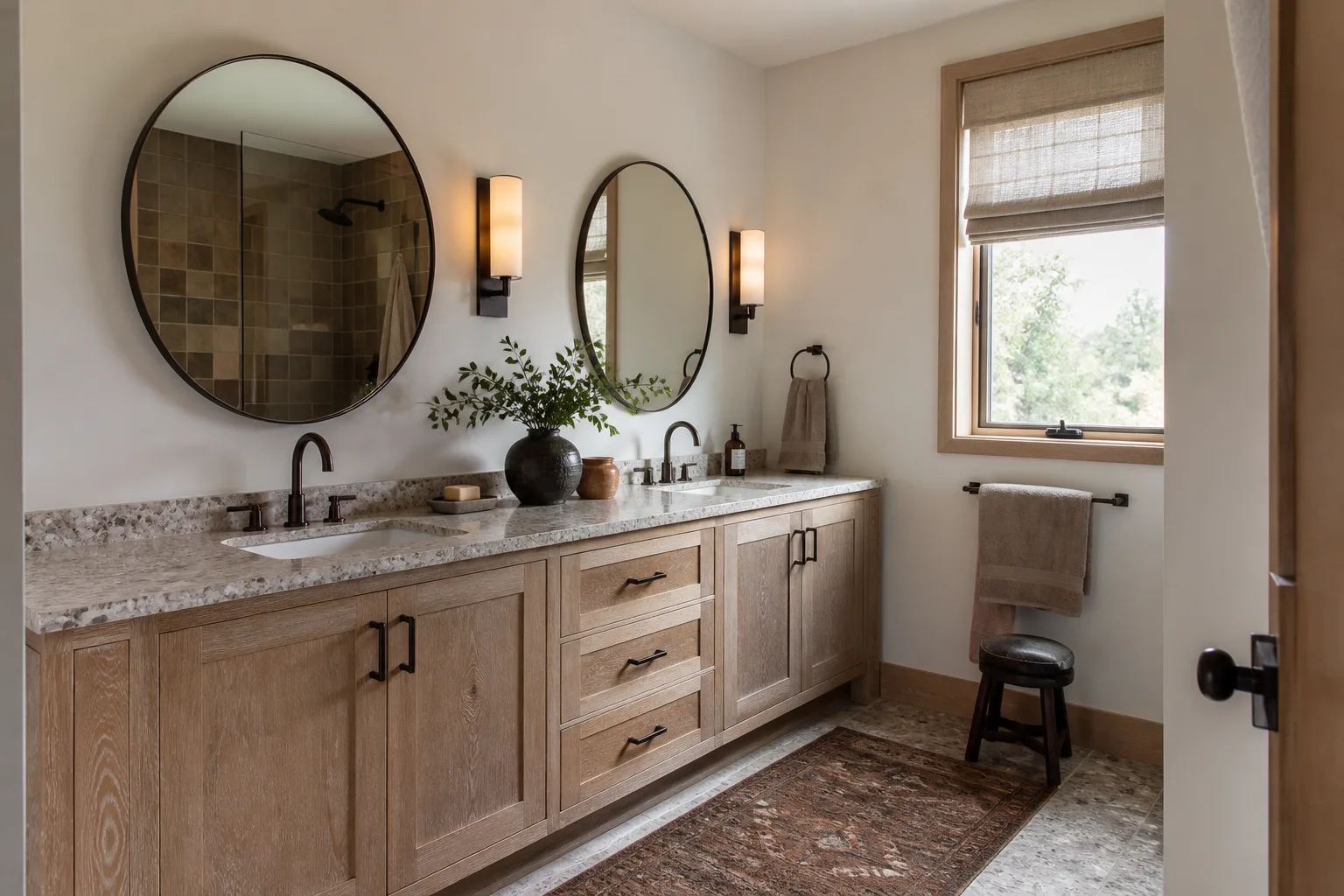
- Bathroom remodeling
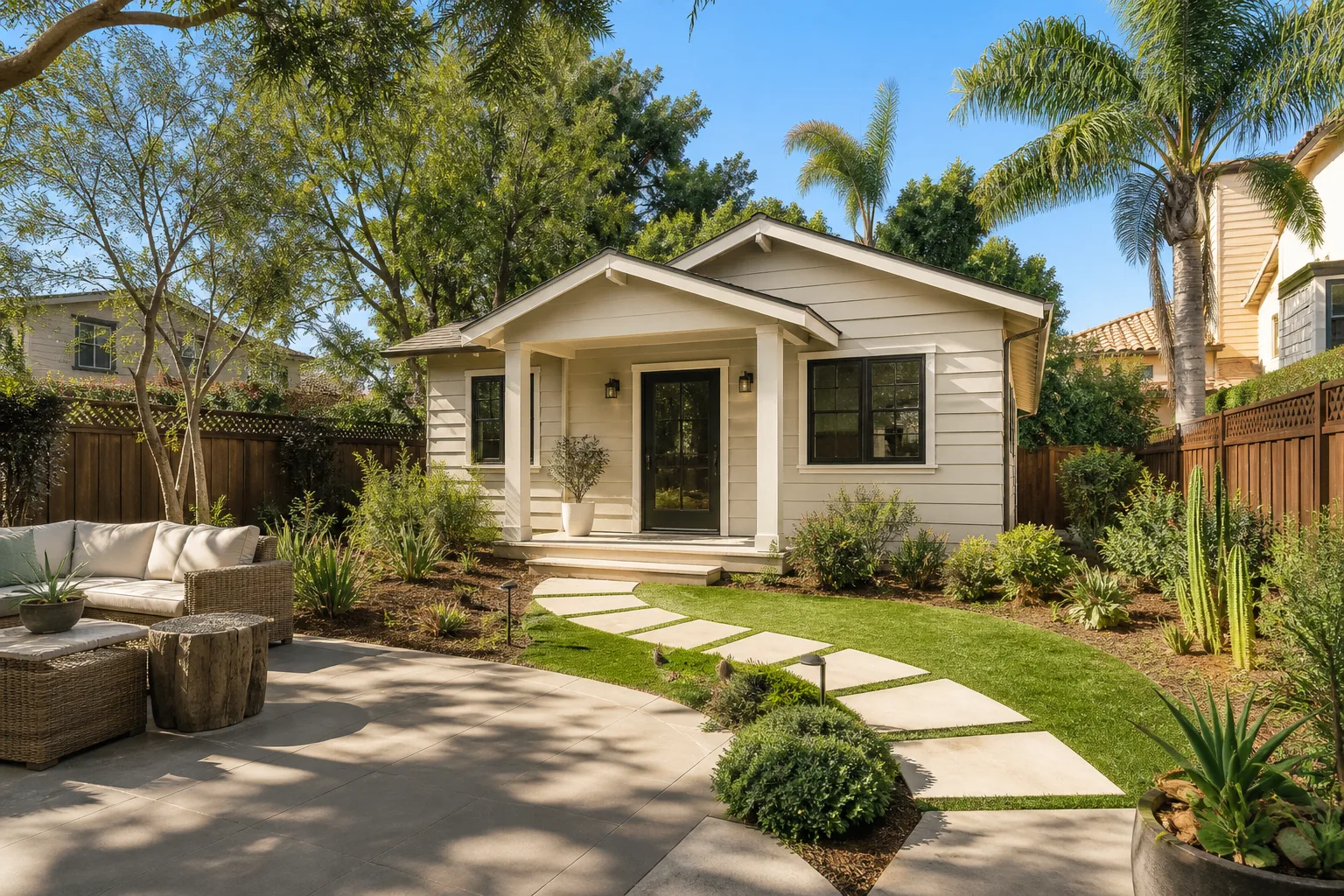
- Home additions & ADU
- Roofing
- Windows & doors
- Driveway & pavers
- Fence
See the difference
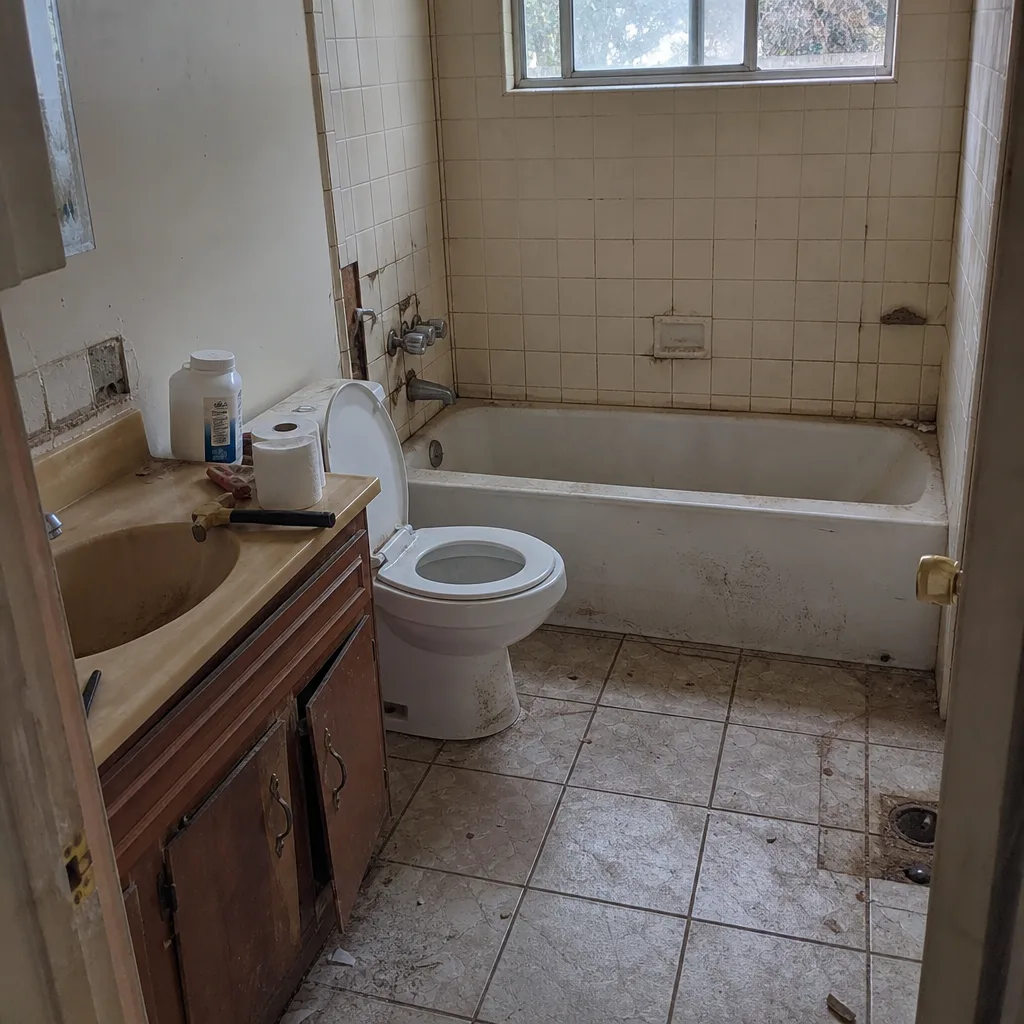 Before
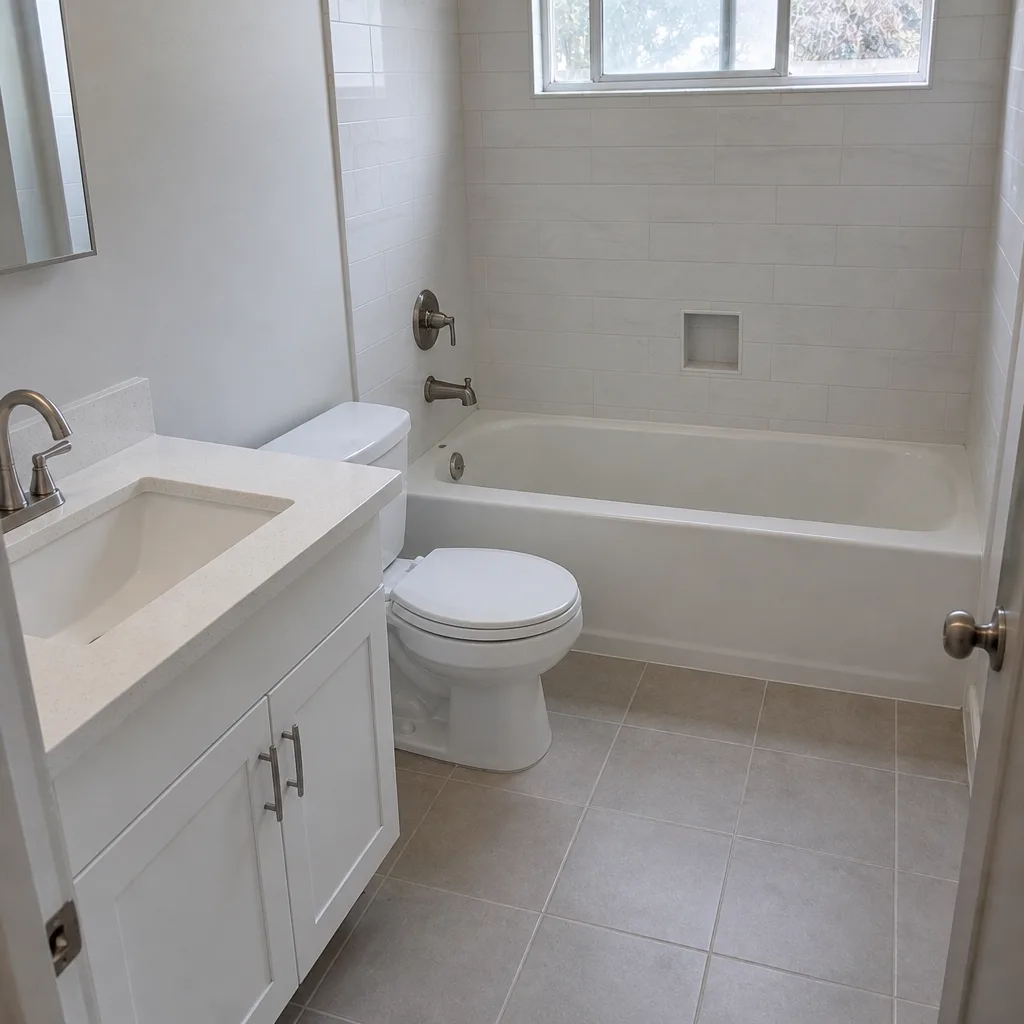 After
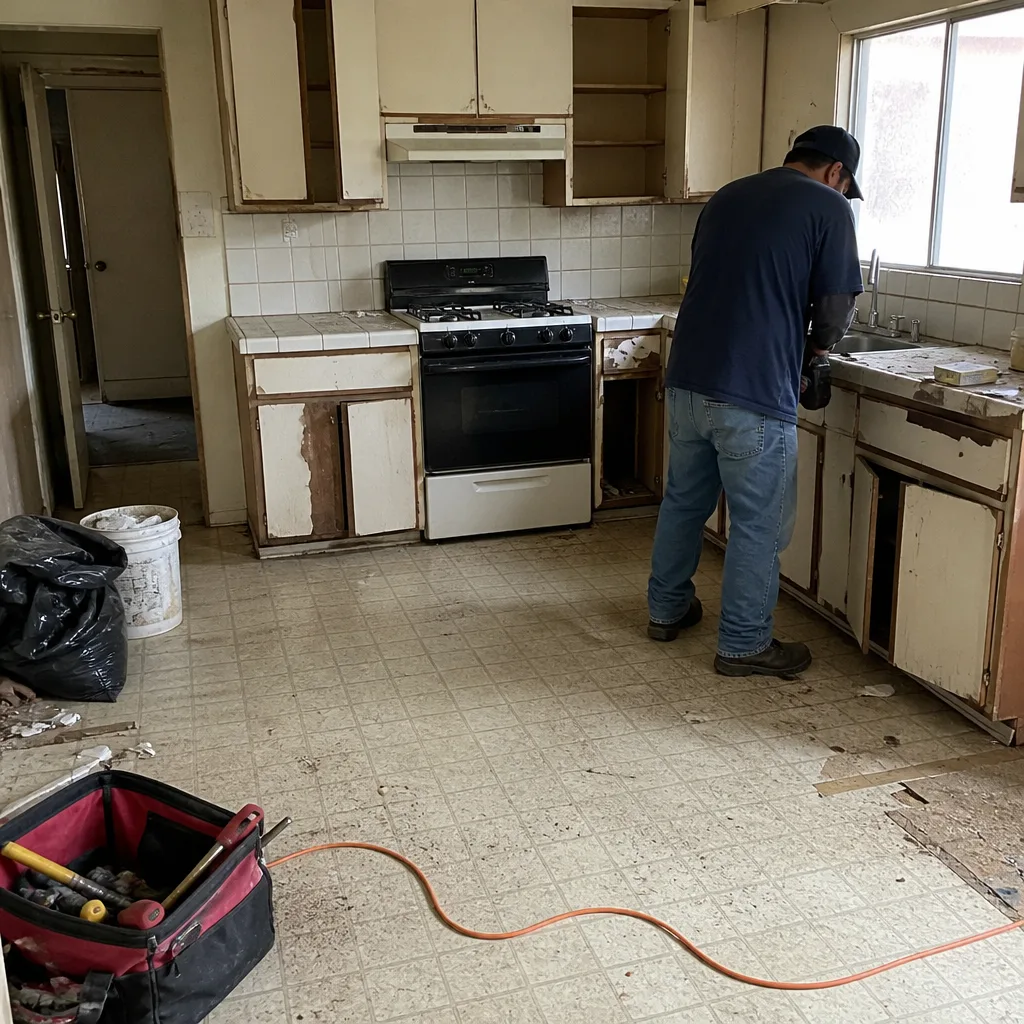 Before
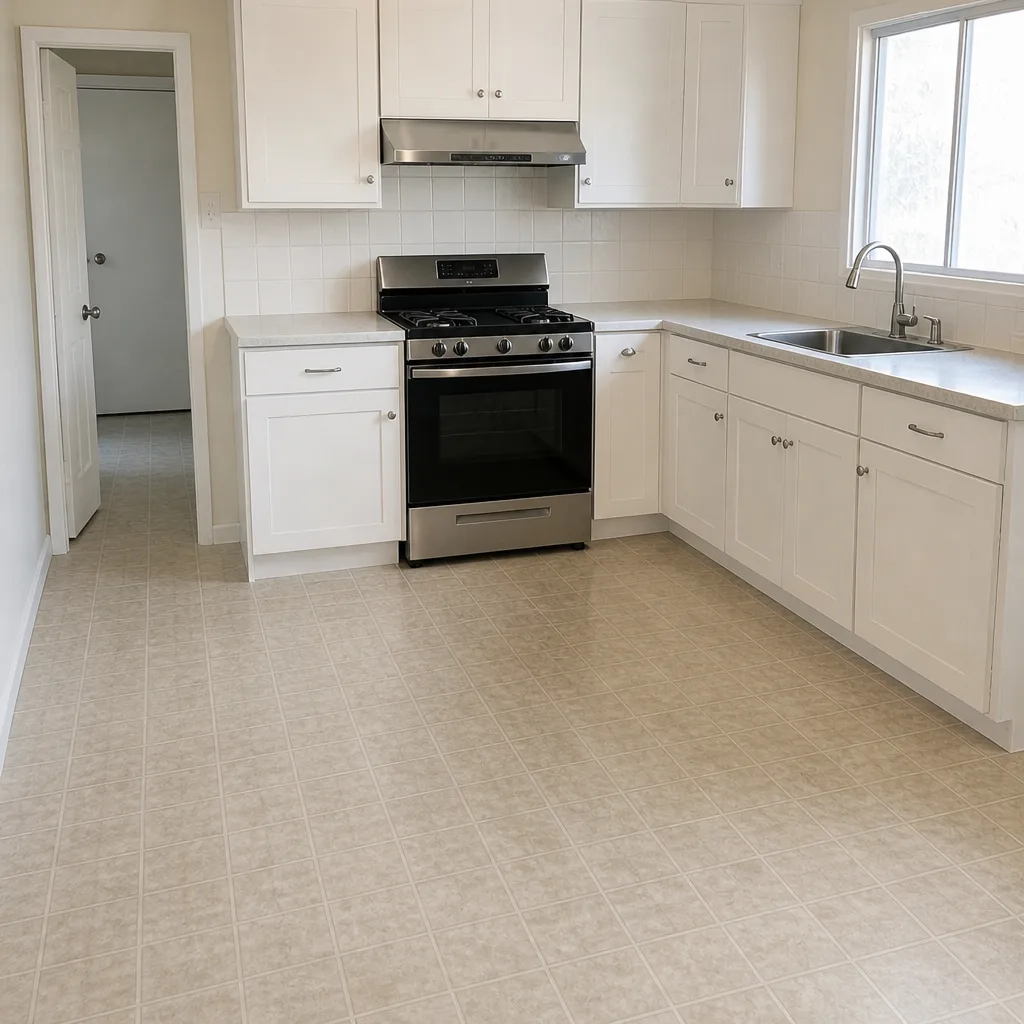 After
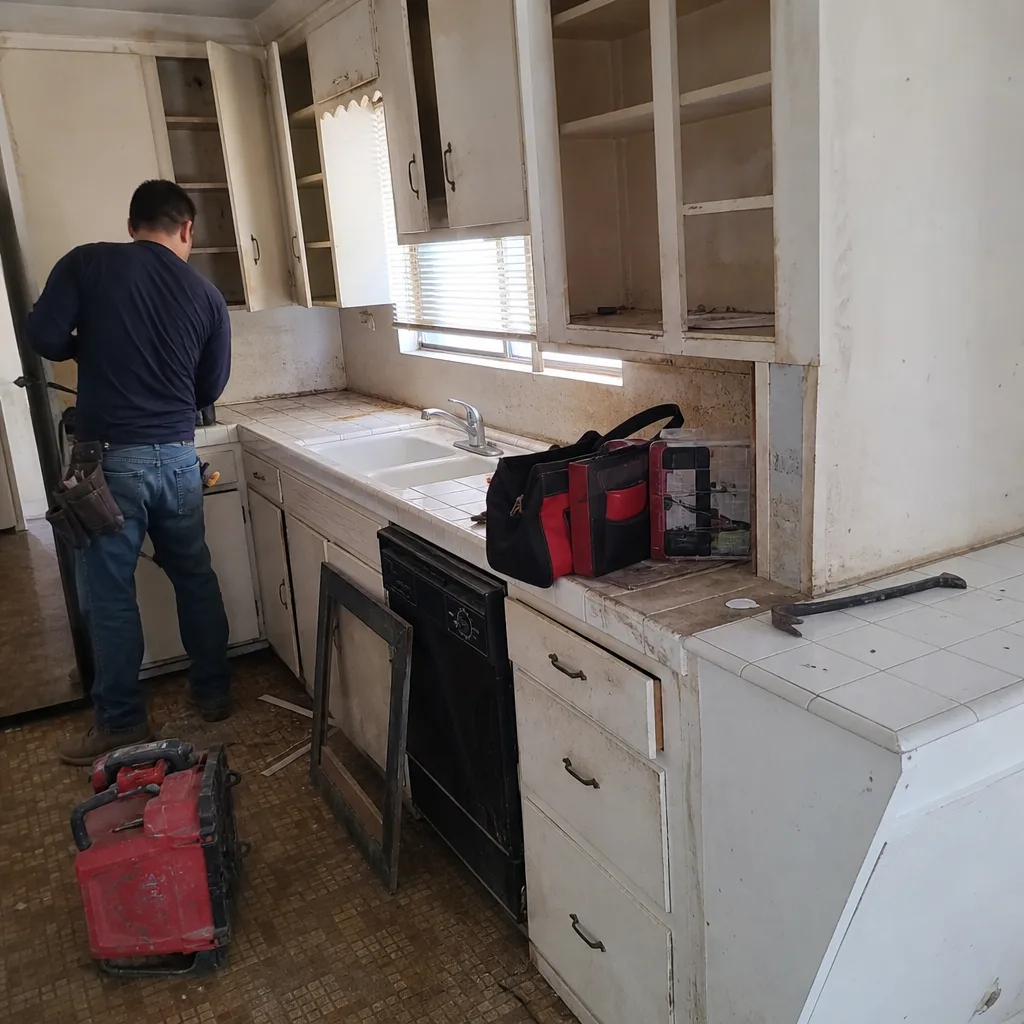 Before
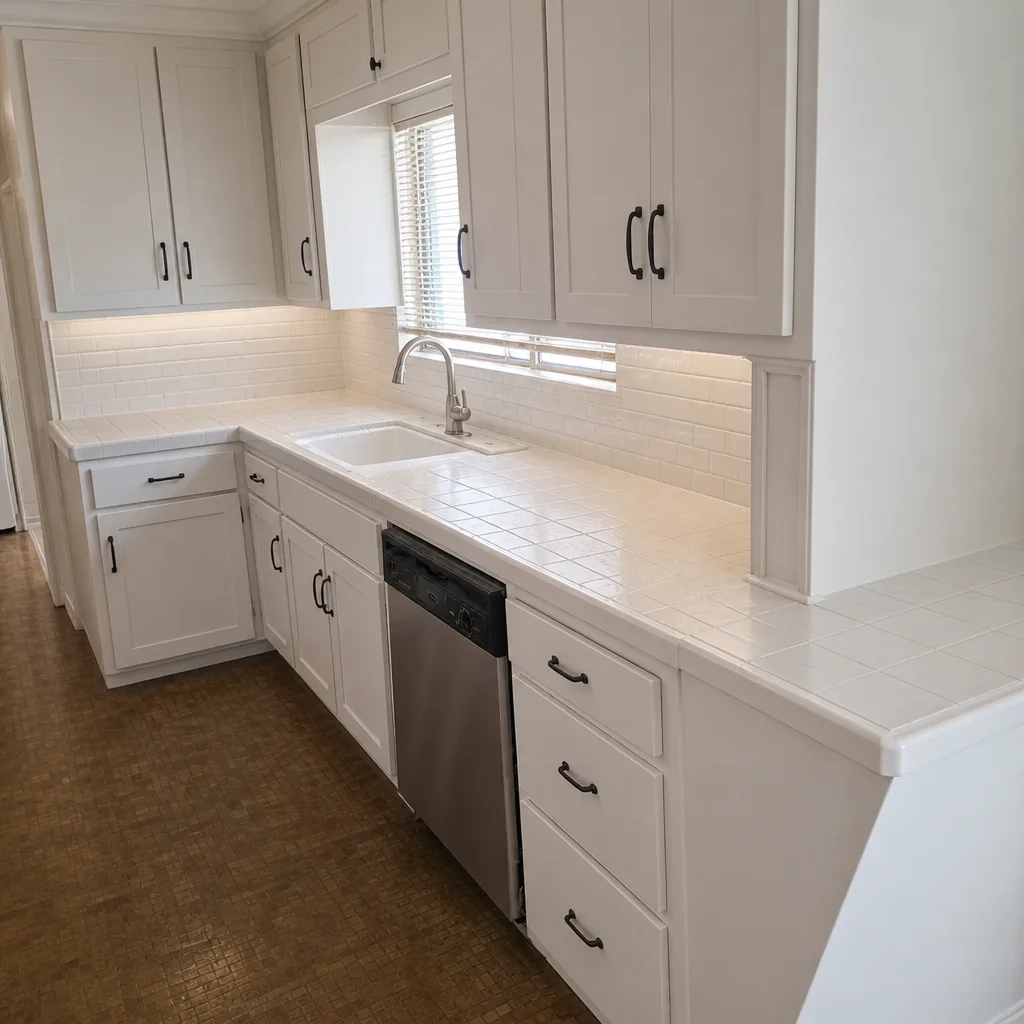 After
What Causes Roof Leaks in West Covina, CA? The Short Answer Is Flashing, Not Shingles
Most roof leaks on West Covina homes start at the flashing, not the roof surface. Step flashing where an addition meets the original roofline, chimney counter-flashing, pipe boots, and valley metal fail far more often than the shingles or tile themselves – especially on this city’s 1950s and 1960s tract homes that have been added onto at least once. If water is showing up on a ceiling, the odds are good the entry point is a transition detail someone caulked instead of built correctly. Call Groundwork Construction Co. of West Covina at (844) 662-2335 and we’ll trace it back to the source.
Why West Covina’s Altered Tract Homes Leak the Way They Do
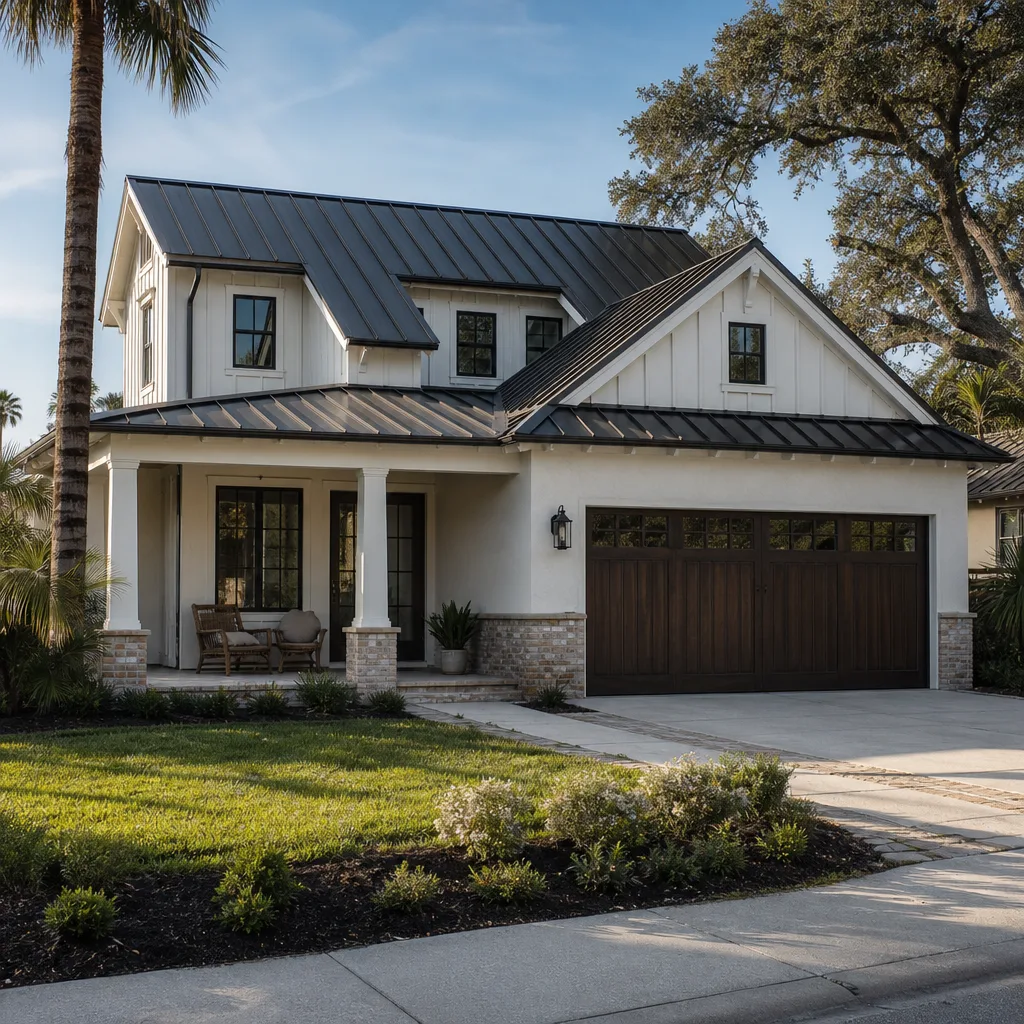
West Covina is a built-out San Gabriel Valley suburb. Almost all of its housing went up in the 1950s and 1960s, which means nearly every roof here has been through decades of sun, wind and at least one modification. Original builder-grade flashing was never meant to survive this long, and the additions layered on top of it since – room additions, enclosed patios, garage conversions – created entirely new transition points that nobody inspected.
Here’s the part most homeowners don’t realize: when a previous owner added a bedroom or bumped out a kitchen without pulling a permit, the step flashing at that new wall-to-roof junction may never have been reviewed by anyone with a clipboard. No inspection means the flashing could be the wrong gauge, overlapped in the wrong direction (so water runs behind it instead of over it), or – most commonly – sealed with a bead of caulk instead of properly mechanically counterflashed. That caulk is the failure point.
In West Covina’s UV environment, a caulk seal on flashing skin typically breaks down within five to seven years. The valley gets roughly 280 sunny days a year, and stucco walls bake all afternoon. Caulk shrinks, cracks, and pulls away from the metal. The leak doesn’t announce itself until the first real winter rain pushes water in, which is why so many West Covina leaks surface in December and January rather than during the dry season.
The Five Leak Causes We Find Most Often on West Covina Roofs, in Order
After enough diagnoses on the same housing stock, the frequency list gets consistent. Here’s what we actually find, from most common to least, when we open up a West Covina roof:
- Step-flashing failure at addition transitions. A 1970s room addition meeting a 1950s roofline is the single most common leak source we see. The step flashing is often caulked rather than counterflashed, or the overlap sequence is reversed.
- Chimney counter-flashing separation. Many West Covina homes have original 1950s brick chimneys. Over the decades the mortar crown cracks, water gets behind the brick, and the counter-flashing lifts from the masonry because it was never properly embedded in a reglet.
- Failed pipe-boot sealants around HVAC penetrations. Older homes have furnace and water-heater vent penetrations sealed with rubber boots and mastic that dry out and split. A cracked boot around a 2-inch pipe is a direct path to the attic.
- Valley flashing at hip-to-gable transitions. Where a hip roof meets a gable, the valley concentrates water flow. If the valley metal is undersized or the underlayment beneath it wasn’t lapped correctly, that junction leaks before anything else on the plane fails.
- Underlayment exposure after Santa Ana wind events. When a Santa Ana gust lifts or tears shingles, the felt or synthetic underlayment underneath can be exposed to sun for a season. It degrades fast, and the next rain finds the gap.
Notice that four of the five are flashing or penetration problems. The shingle field itself rarely fails first. That matches what we see across the region – our full Roofing work in West Covina starts with a flashing survey, not a shingle count. When the repair scope is bigger than flashing, we typically quote against the same ranges we use across the West Covina service area.
The Freeze-Thaw Myth, and What Actually Works Flashing Loose Here
Search around long enough and you’ll find freeze-thaw described as a leading roof leak cause. In West Covina that advice doesn’t apply. This is a hot, dry climate with mild winters; we don’t get repeated hard freezes that crack flashing with expanding ice. What we do get is thermal cycling – day-to-night temperature swings that expand and contract metal flashing and the wood framing it’s nailed to, thousands of times over decades. Fasteners back out. Seams open. Nails that held tight in 1975 are backed out a quarter inch by now.
The fix isn’t seasonal caulk maintenance. It’s a proper flashing rebuild with mechanically-fastened metal, correctly lapped, with the right sealant at the right joints – and only at the joints where the detail calls for it. Brands like Boral and PGT manufacture roofing and aluminum components we use on these jobs, and their install specs are the ones we follow. “Built to last, backed in writing” isn’t a slogan for us; it’s why every flashing job we finish carries our 730-Day Done Right Promise.
What Most Roofers Miss: The Flat-to-Pitched Transition
Many West Covina ranch homes have a covered front entry or a rear patio with a low-slope roof section tying into the main pitched roof above it. That junction uses a completely different flashing detail than a standard step-flash – it needs a terminating edge with proper counter-flashing on the vertical face, plus a kick-out to channel water away from the wall – and it’s the inspection point most roofers skip. If your entry stayed dry for years and then started staining the soffit, that flat-to-pitch transition is the first place to look. It’s the piece a quick walk-around almost never catches.
What you can check safely from the ground after a rain:
- Ceiling and wall stains, especially along the wall line where an addition meets the original house
- Fresh rust streaks on flashing metal visible from the driveway (a sign it’s been holding water)
- Crumbling mortar at the chimney crown or gaps where counter-flashing meets brick
- Dried, cracked caulk visible at any wall-to-roof corner
- Lifted or curling shingles, especially on slopes facing the Santa Ana wind corridor
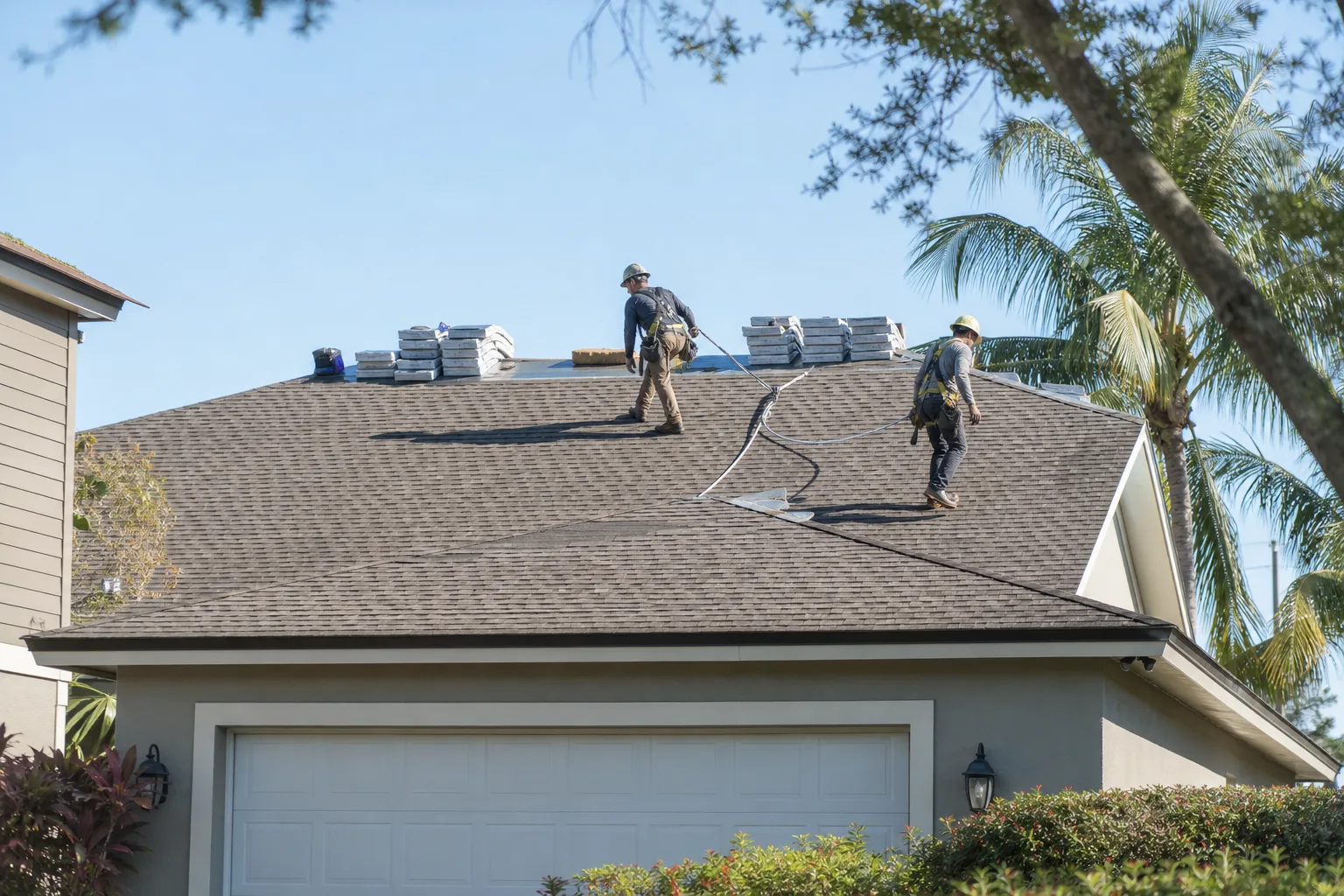
We don’t recommend climbing on your own roof to investigate flashing. Most West Covina roofs are pitched, and the flashing details that matter are at the edges and transitions – exactly where a slip is most dangerous. Roof inspection is work for a trained, insured professional with fall protection. If water is actively coming in, shut off the area below and call us.
How We Diagnose Before We Quote
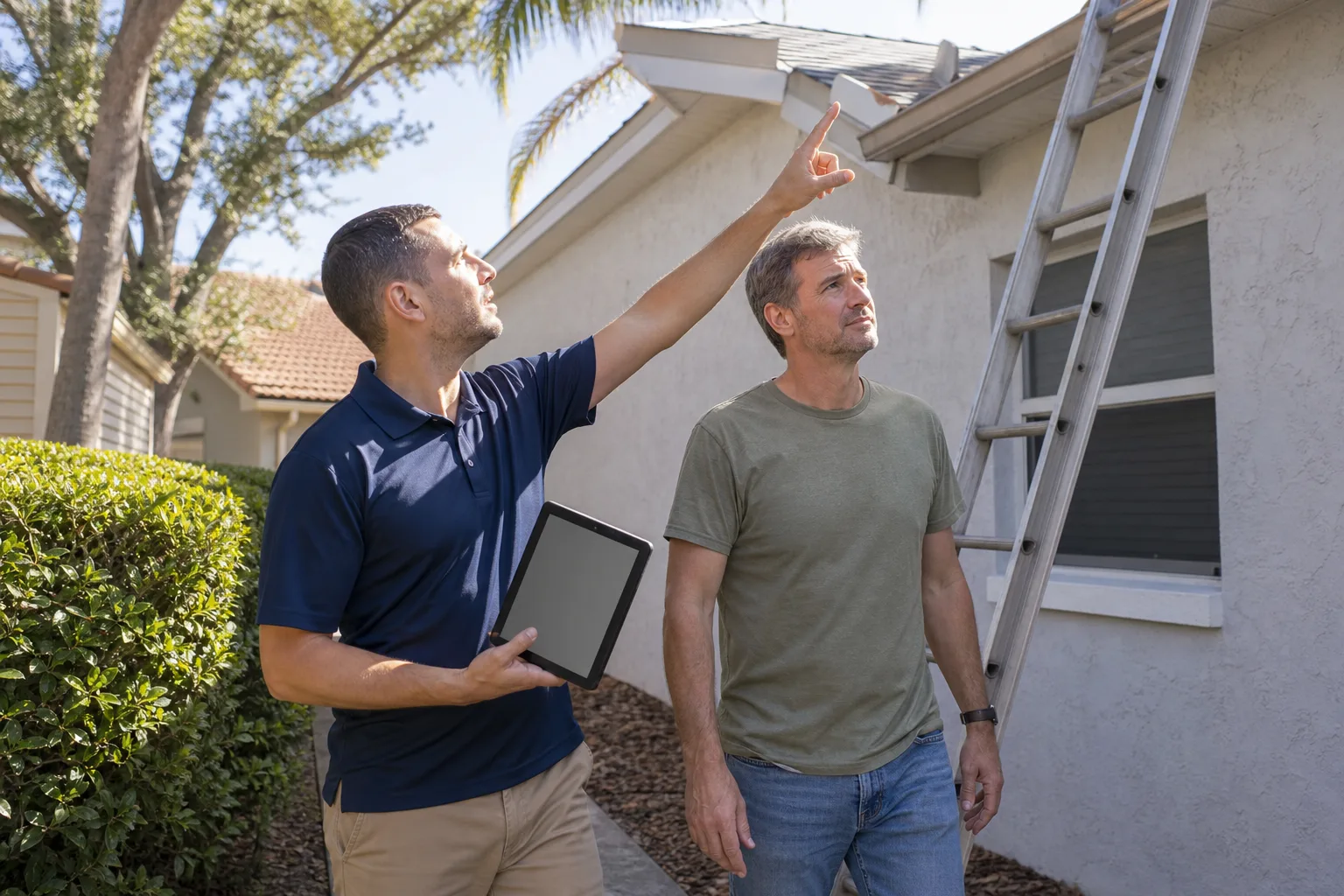
Most contractors write a scope from a quick walk-around and quote a shingle repair. Six weeks later the leak returns, and the homeowner is told it’s “a different leak” and gets a change order. That pattern is why we document every existing flashing condition – every step-flash run, every counter-flashing, every penetration boot, every valley – with photos before the price is written.
What that means for you: the upfront price includes flashing replacement where the diagnostic shows it’s needed. The number we quote on the diagnostic report is the number you pay. Our technicians have up to 12 years of experience on roofs across the San Gabriel Valley, and every one of them is background-checked and arrives in uniform. There’s no change order discovered mid-project, and you don’t find out on the final invoice.
| Roof work in West Covina | Typical price range |
|---|---|
| Roof repair (flashing, boots, localized leaks) | $400-$1,800 |
| Tile roof repair | $600-$2,500 |
| Roof replacement | $8,000-$20,000 |
| Metal roof installation | $15,000-$40,000 |
| Impact window installation (adjacent upgrade) | $8,000-$25,000 |
Standing promotions right now: 0% financing for 18 months, and $1,000 off projects over $10,000. Free project estimate and design consult on the front end. Calls are answered by a live person 24/7 – no voicemail, no waiting until Monday.
FAQs
Because the failure point is likely a flashing detail with a slow leak path that only gets overwhelmed when sustained winter rain pushes water sideways. In summer, that same gap is dry. When the first real rainstorm of the season hits in December or January, the water finds the failure and shows up on your ceiling. That seasonal pattern is exactly the signature of a flashing problem rather than a shingle problem.
Absolutely. In fact, unpermitted additions from the 1970s and 1980s are the most common source of step-flashing leaks we track down on West Covina homes. Caulk used at the time of the original construction has long since dried out, and the overlap sequence was likely wrong to begin with. The leak can stay minor for decades and then get worse as nails back out and metal shifts. A proper diagnostic is the only way to know what’s actually under that junction. Call (844) 662-2335 for a no-pressure assessment – estimates are free.
Most flashing and localized leak repairs in West Covina run $400 to $1,800. Tile roof repair typically lands between $600 and $2,500 depending on tile matching. If the diagnostic shows the underlayment or a section of decking is compromised, the scope grows into a full section replacement or a roof replacement at $8,000 to $20,000. We document the failure with photos so you can see exactly what’s being quoted. Call (844) 662-2335 for an exact estimate.
Same-day assessment is often possible in West Covina, especially during active winter rain, because we don’t want you waiting through another storm with water coming in. Our phones are answered by a live person 24/7. Call (844) 662-2335 and we’ll get the timing set.
If you’d rather have it looked at, Groundwork Construction Co. of West Covina offers a no-pressure assessment in West Covina – call (844) 662-2335. We’ll trace the leak to its actual source, document every flashing condition before we quote, and put the fix in writing under our 730-Day Done Right Promise.
Written by the team at Groundwork Construction Co. of West Covina, serving West Covina, CA.