Free written scope consultation - allowances, timeline, and change-order rules on paper before a single trade is scheduled
Styles & brands we work with
- Kitchen remodeling
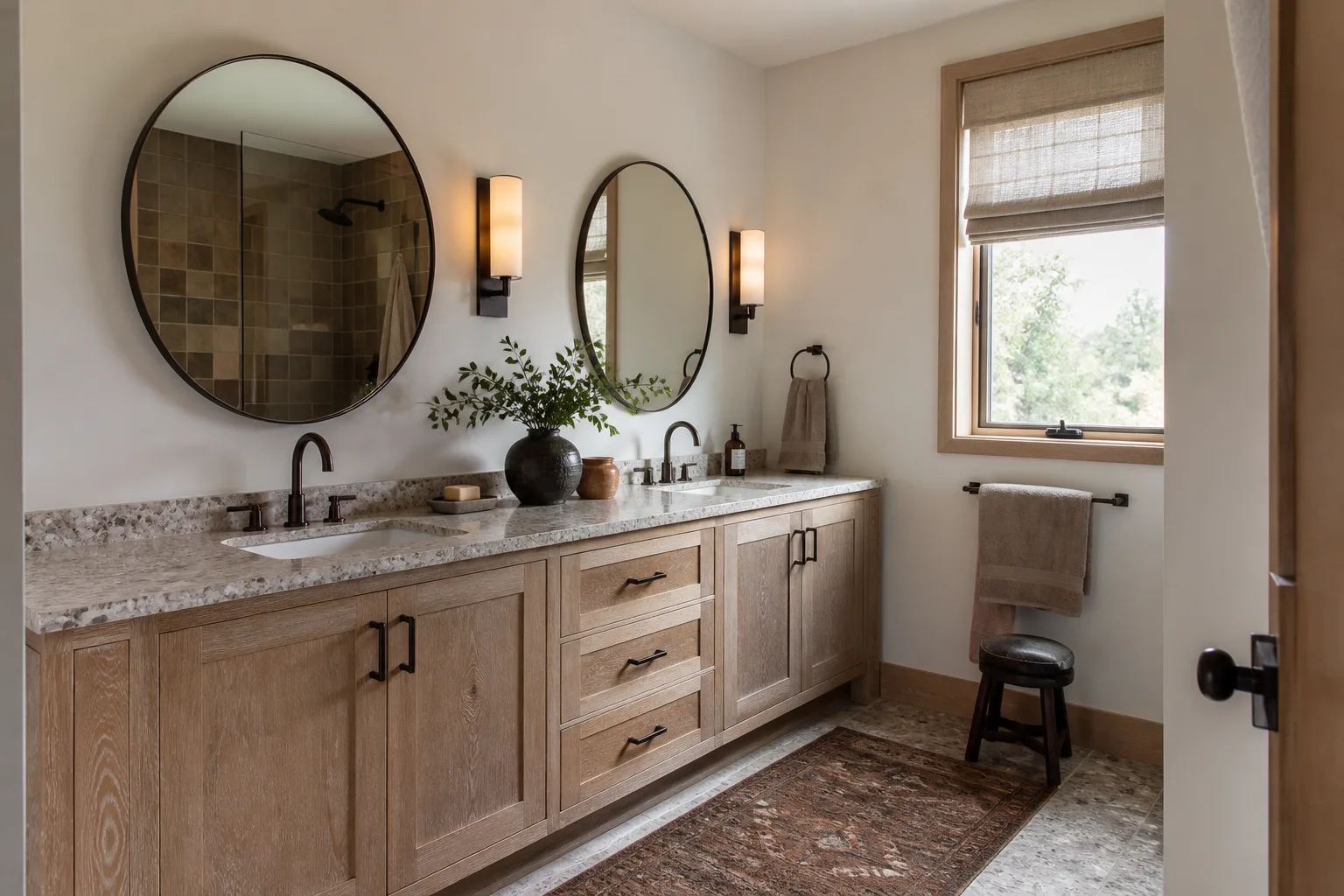
- Bathroom remodeling
- Home additions & ADU
- Roofing
- Windows & doors
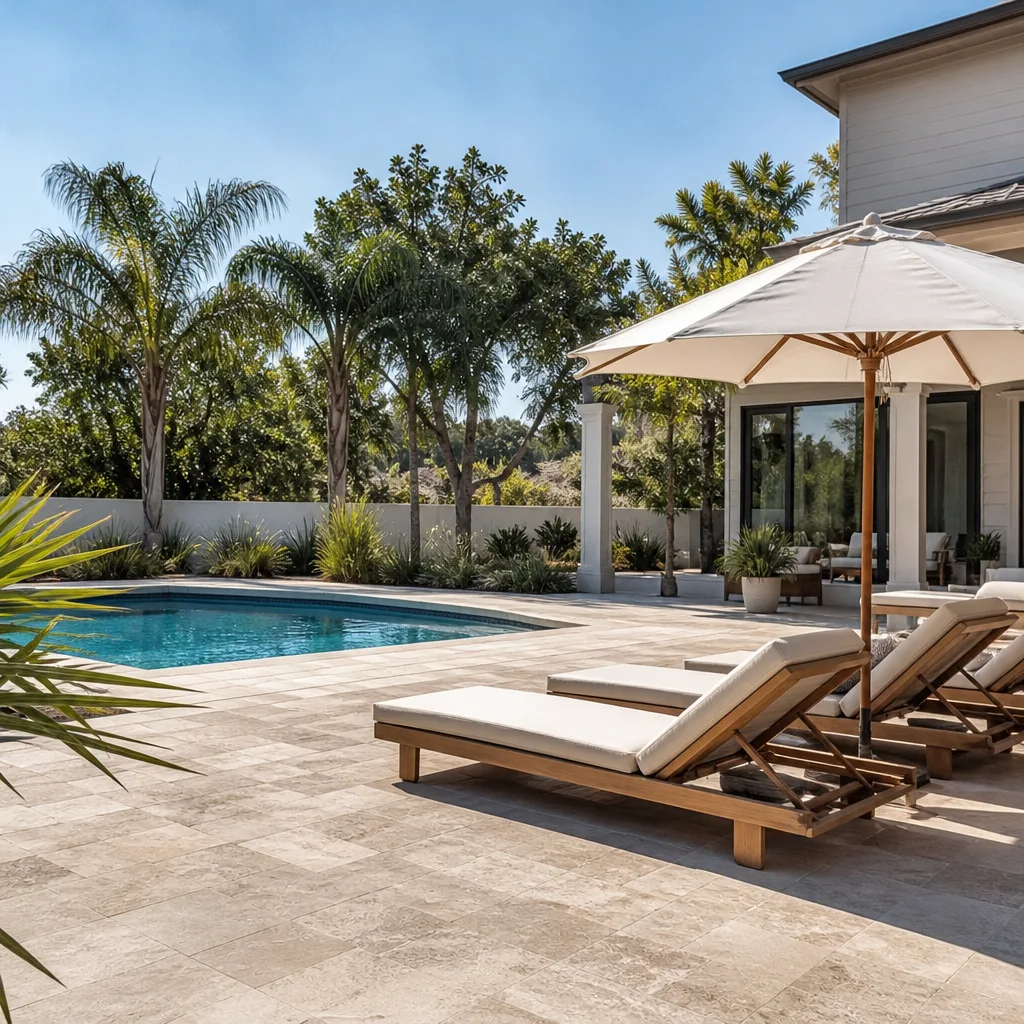
- Driveway & pavers
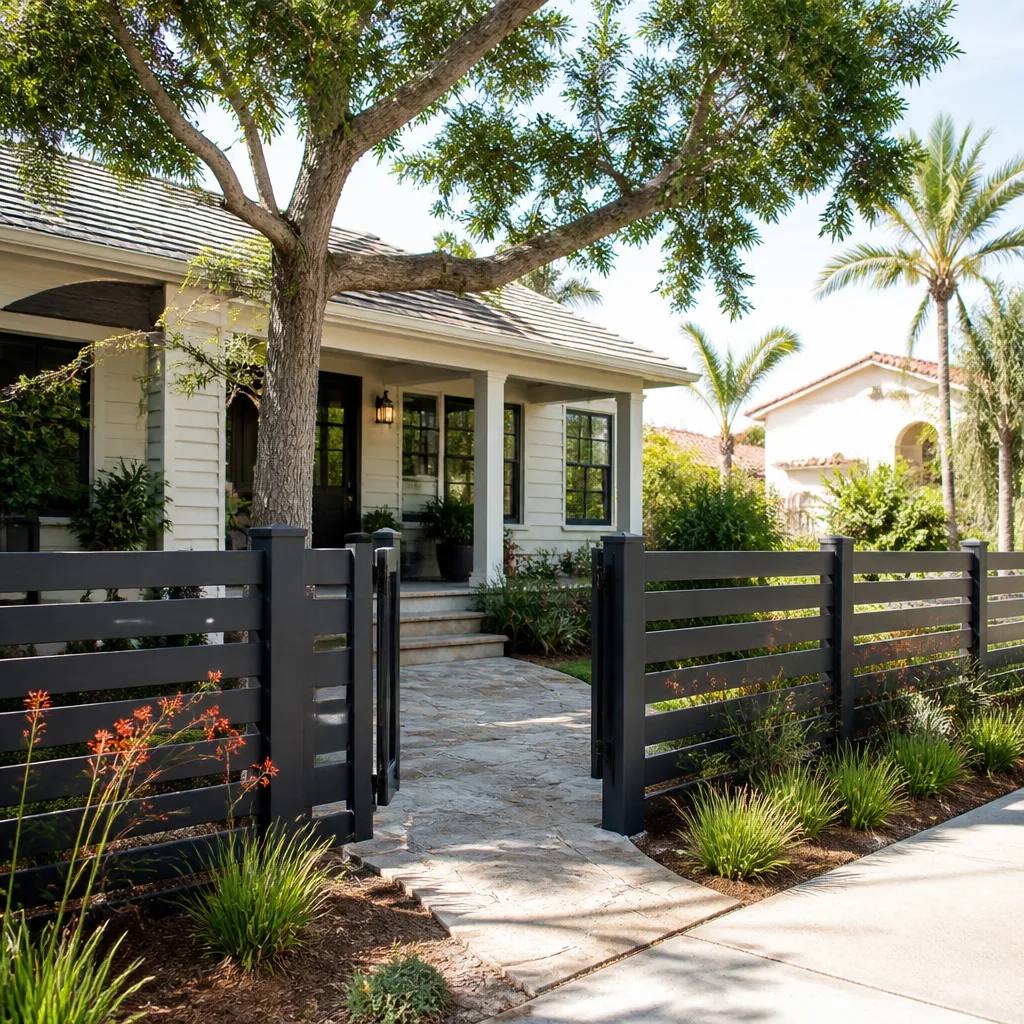
- Fence
See the difference
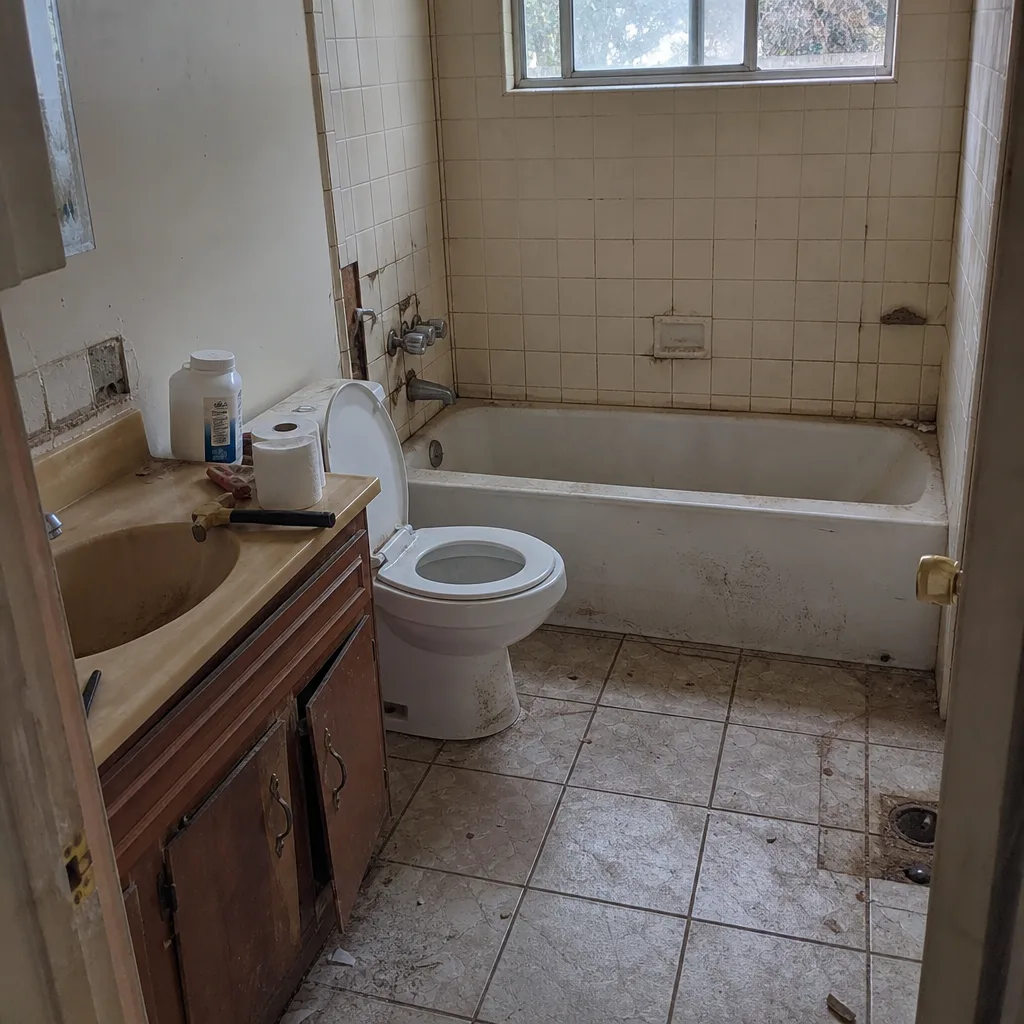 Before
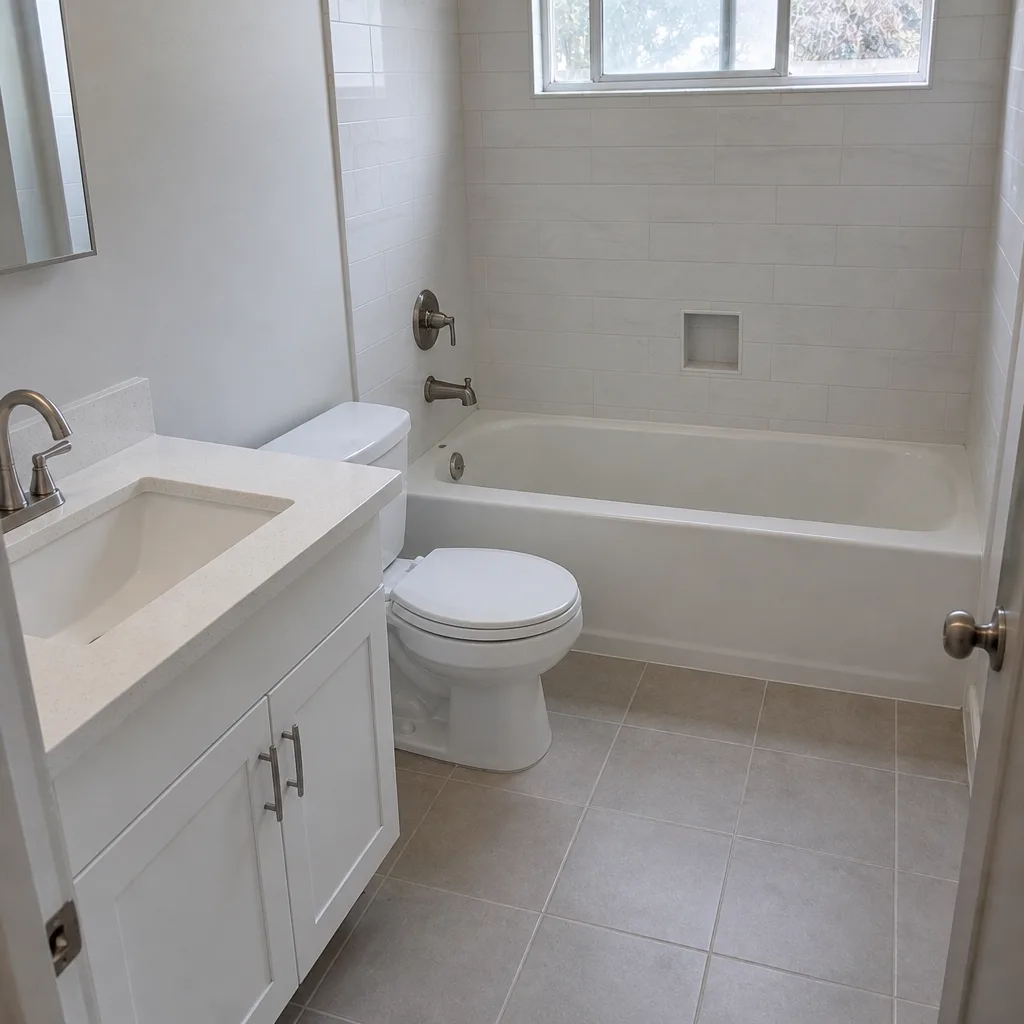 After
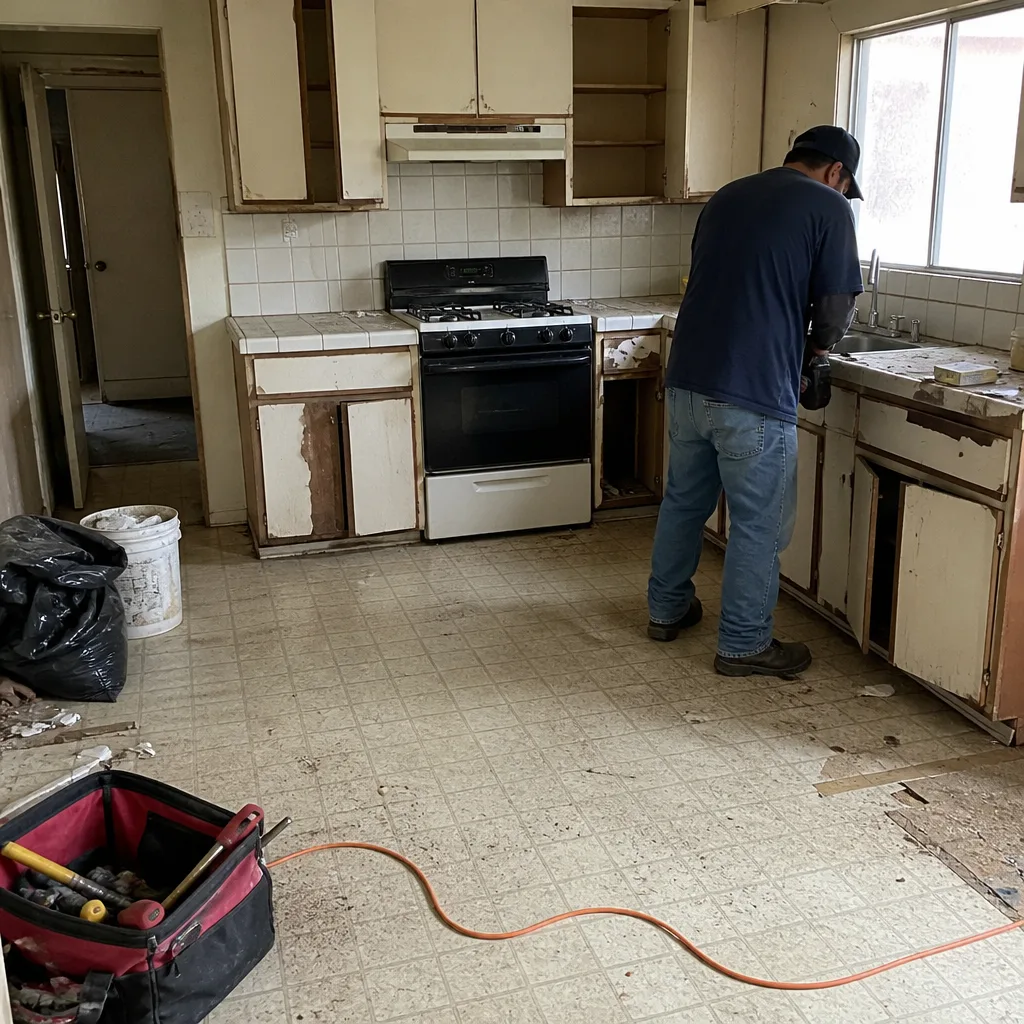 Before
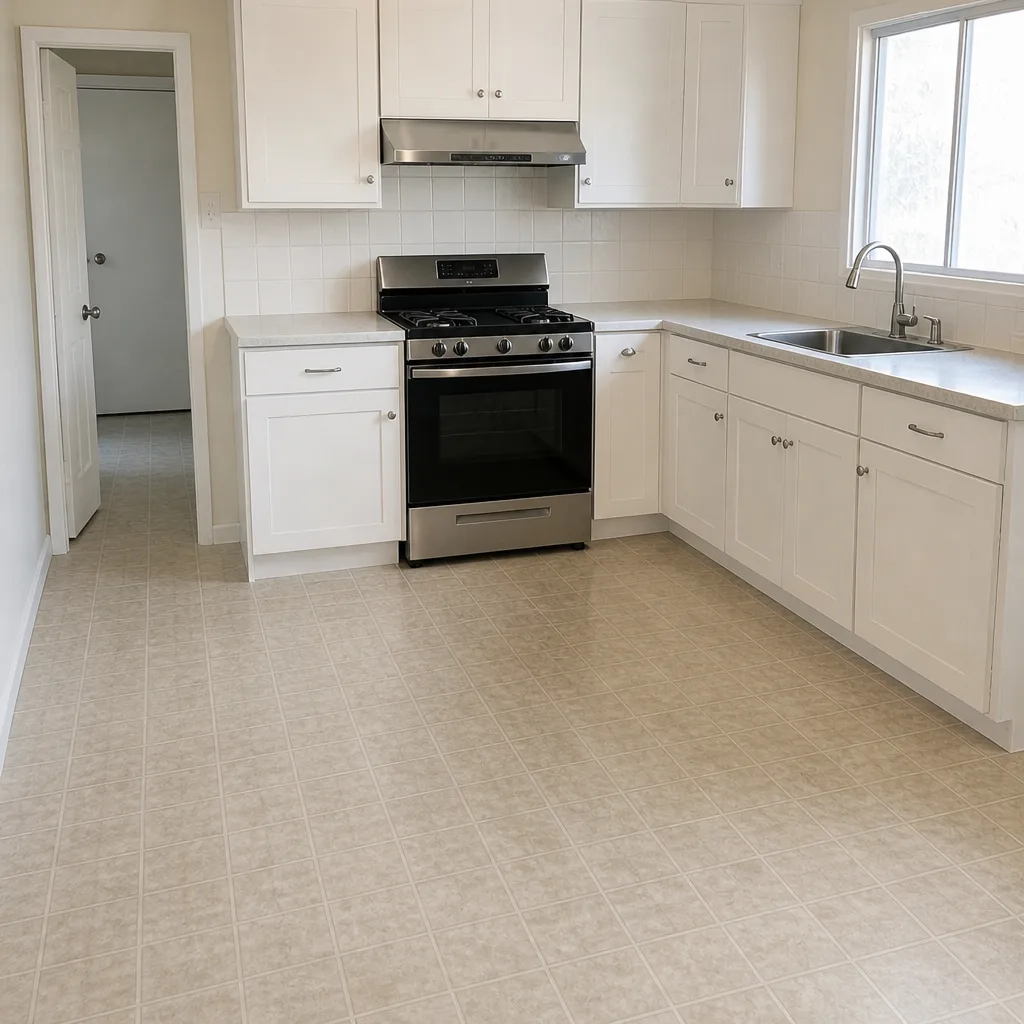 After
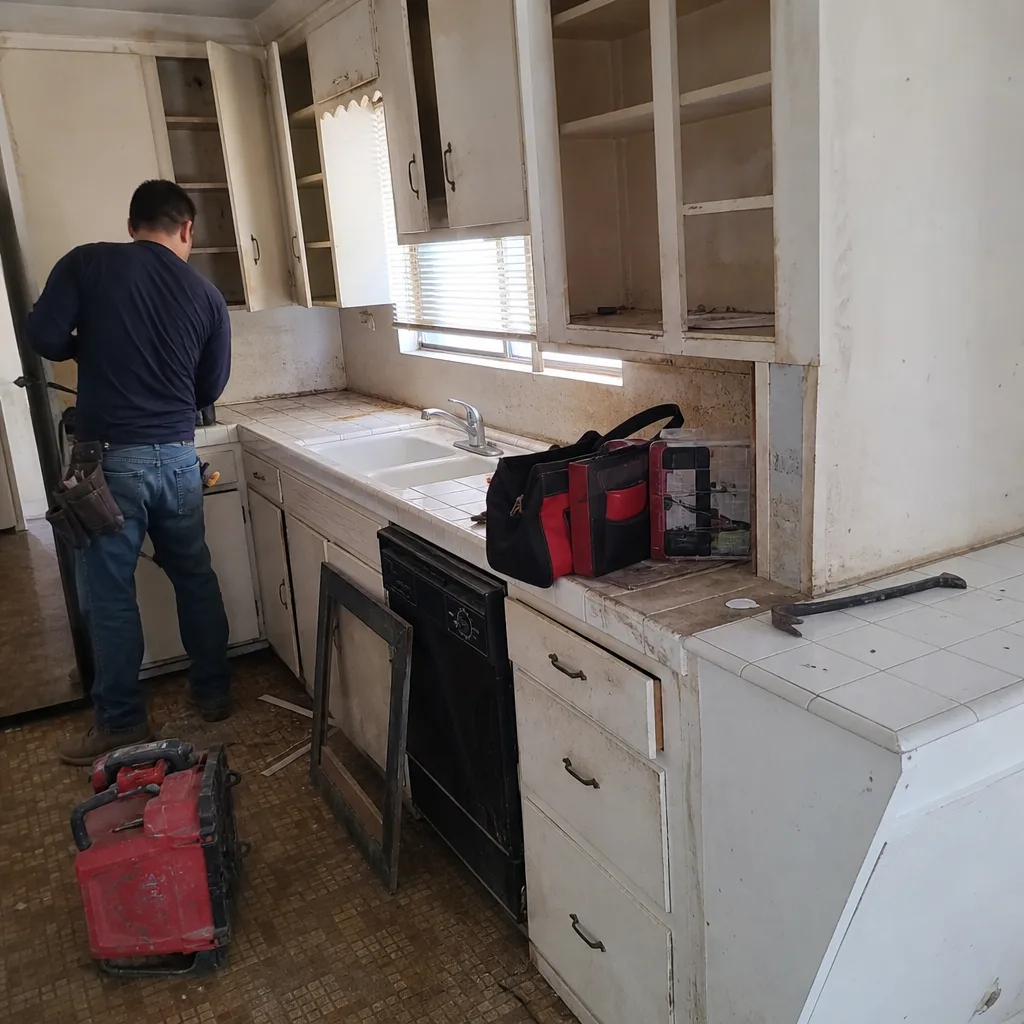 Before
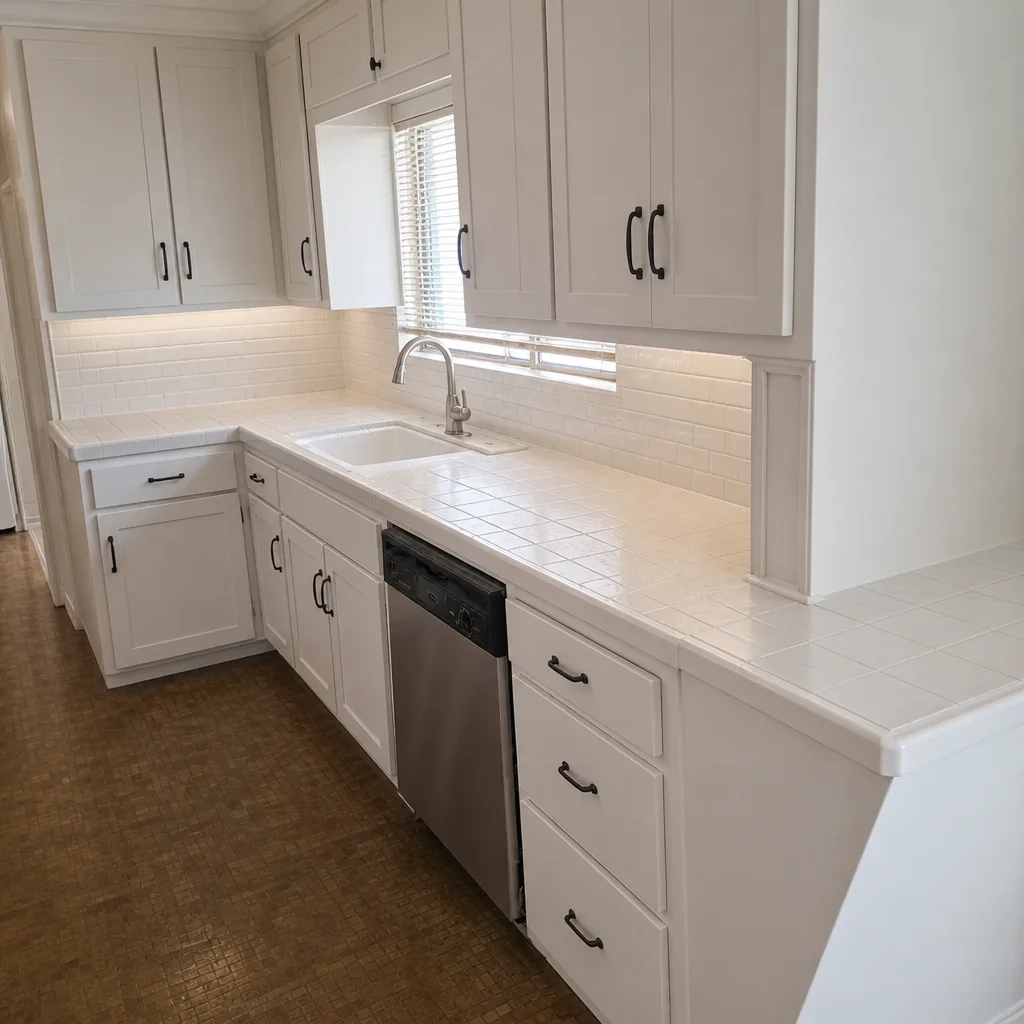 After
Garage Conversion Cost in West Covina, CA: What the Real Number Looks Like
A garage conversion in West Covina typically runs $45,000 to $130,000 all-in, and the honest reason the range is that wide is the electrical panel. Most West Covina garages were built alongside homes in the 1950s and 1960s on 100-amp service. The moment that garage becomes habitable living space, California code expects a 200-amp upgrade, and that line item alone adds $4,000 to $8,000. Call Groundwork Construction Co. of West Covina at (844) 662-2335 for a free estimate that includes it upfront instead of surprising you mid-build.
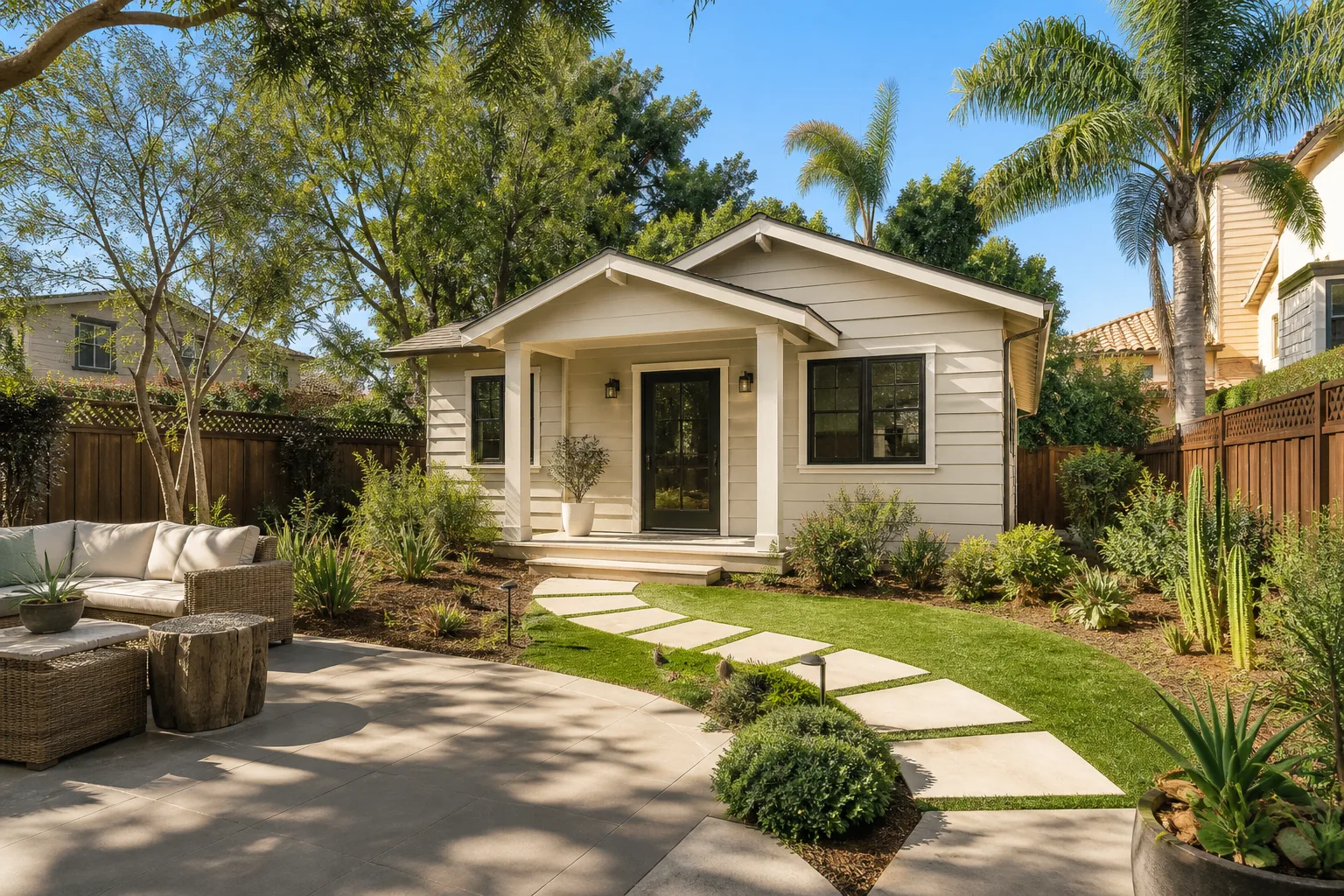
The 100-Amp Problem Nobody Puts in Their Estimate
Here’s what happens. You get three bids for your conversion. Two of them hover around $40,000 and look fantastic. Then your electrician pulls the panel cover off, sees a 100-amp main with a full breaker bank feeding a kitchen, a laundry, and a central AC, and tells you the conversion can’t be signed off until the service is upgraded to 200 amps.
That’s not a scare tactic. A habitable garage conversion adds lighting circuits, dedicated outlets, HVAC load, and often a small kitchenette or bathroom. The existing panel in a mid-century West Covina home is already near capacity. Upgrading means a new panel, a new meter base in many cases, heavier service conductors, and a permit from the City of West Covina. It runs $4,000 to $8,000 depending on the distance from the panel to the meter and whether the service drop or the weatherhead also needs replacing.
We put it in the first conversation. Every estimate from Groundwork Construction Co. of West Covina itemizes the panel upgrade, the permit fees, the Title 24 insulation, and the egress window as separate lines. Upfront pricing, no surprises – the number you see is the number you pay.
The Full All-In Checklist for a West Covina Garage Conversion
Generic cost guides stop at framing, drywall, and a new floor. Here’s what actually goes into a legal, permitted conversion in West Covina’s 1950s and 1960s tract housing:
- 200-amp electrical panel upgrade – $4,000 to $8,000. Required for habitable space in nearly every pre-1970 West Covina home.
- Title 24 insulation and glazing – walls, ceiling, and any new windows must meet current energy code. Under-insulated assemblies fail inspection the first time.
- Egress window installation – a bedroom conversion requires a window with a clear opening sized to code. Cutting into a stucco wall to frame it properly is finish carpentry, not a punch-list item.
- Seismic shear wall at the former garage door opening – when the overhead door and its header come out, that wall becomes a structural shear element. California code requires it, and it’s a real framing cost.
- Stucco exterior match – the new wall where the garage door used to be needs to match the existing 1950s stucco in texture, color, and thickness.
- City of West Covina plan check and permit fees – varies by scope, but budget for it as a hard cost.
- HVAC extension or mini-split – the garage was never on the home’s conditioned envelope.
- Flooring, drywall, paint, trim, and finish carpentry.
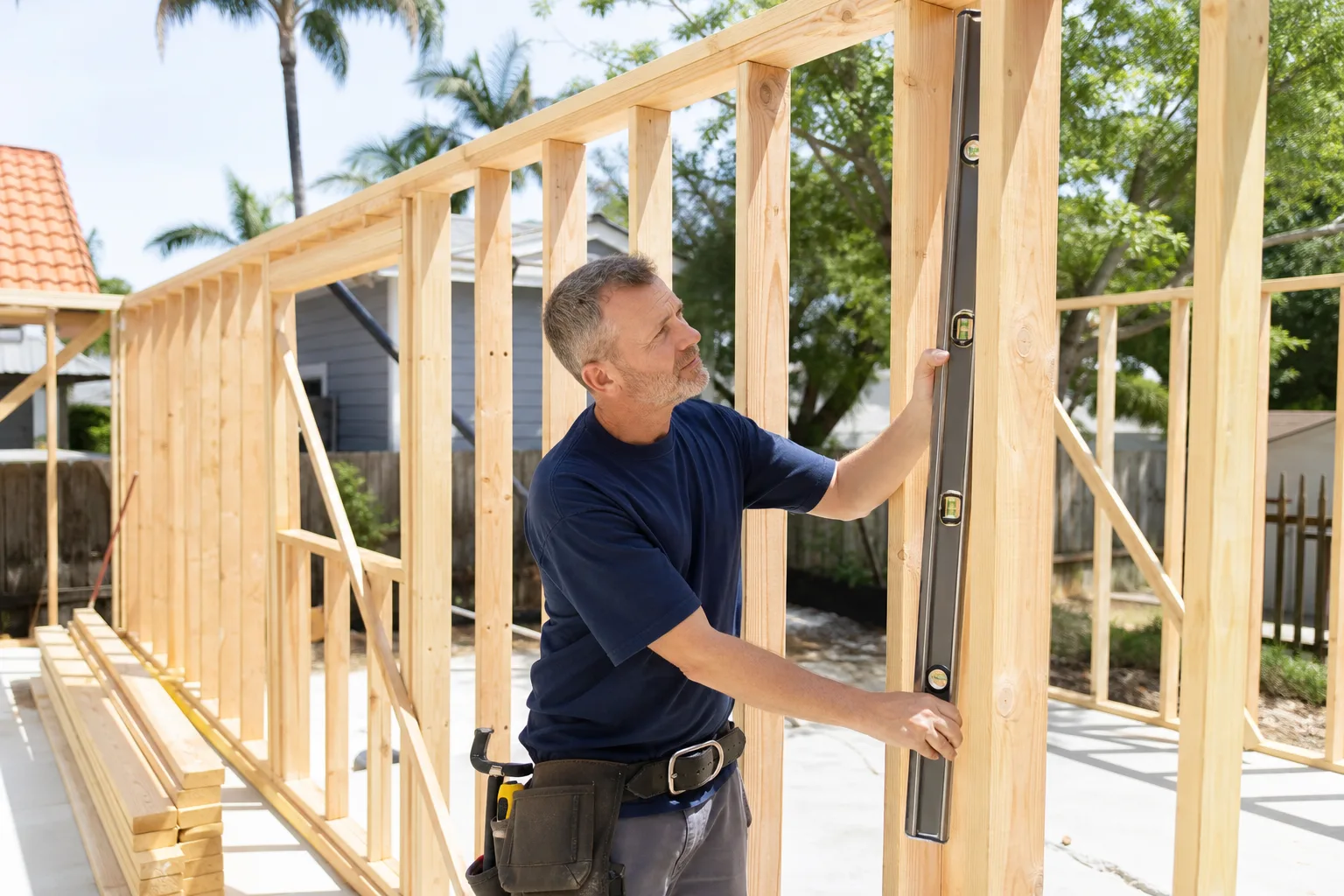
Stucco Matching Is a Craftsmanship Line, Not a Cosmetic One
On a 1950s West Covina house, the stucco has decades of sun and Santa Ana wind on it. Color has shifted. Texture has a specific drag or dash pattern. When we close the garage door opening, that new wall has to disappear into the old one.
Get it wrong and it shows. A home inspector notes mismatched stucco at the former garage opening. An appraiser reads it as a conversion done without permits or without care. The buyer’s agent flags it in the disclosure. We’ve walked plenty of West Covina properties where a previous owner patched the front wall with a smooth trowel finish against a sand-float original, and it’s the first thing anyone notices from the driveway. Matching stucco correctly, with the right scratch coat, brown coat, and finish texture, is a craftsmanship cost that pays you back at resale.
Shear Walls and Why California Conversions Cost More
Remove a 16-foot garage door and you’ve taken out a lateral bracing element. California’s seismic code doesn’t allow you to just frame in a wall and call it done. The replacement wall needs to be engineered as a shear wall – typically structural sheathing nailed to a specific schedule, hold-downs at the corners, and a continuous load path to the foundation.
West Covina’s soil adds another layer. Hillside and near-creek lots in older tracts often sit on expansive clay that swells and shrinks with the seasons, so footing and slab details sometimes need to go deeper than a flat-lot job in neighboring Covina or Baldwin Park. A conversion’s structural work has to account for that movement over decades, not just at final inspection. If your project grows into a full addition, we cover that scope through our Home Additions & ADU work.
Code-Compliant Materials That Pass the First Time
Re-inspections cost time and money. We avoid them by specifying products that meet Title 24 and California code on the first pass. Andersen and Marvin windows sized for egress, insulation assemblies with the right R-value, moisture barriers that handle winter rain, and waterproofing at the former garage door threshold where rain used to run off the driveway. For any bathroom or kitchenette inside the conversion, we build with Schluter waterproofing systems and specify fixtures from American Standard and Toto so the wet areas hold up.
Brand partnerships like these are part of how Groundwork Construction Co. of West Covina builds – premium materials chosen for performance in this climate, not for what happens to be in stock. The hot, dry West Covina summers and winter rain events test every detail of the exterior envelope, and the home is the asset you’re protecting.
Where Moisture Actually Comes From After a Conversion
The number-one callback we see after a garage conversion isn’t the electrical or the framing. It’s water at the former garage door opening. The old slab edge meets the driveway without the raised threshold the front of a house normally has. Winter rain pools and wicks in. The stucco transition, the door pan, and the base flashing have to be detailed to shed water away from the new living space.
That’s why the 730-Day Done Right Promise matters here. If the structural work or weatherproofing fails within two years, we come back and make it right – at our cost. It’s one of the longest workmanship guarantees in the residential construction space, and it covers the exact failure points a conversion is vulnerable to.
What a Garage Conversion Costs in West Covina
For a permitted conversion – not a DIY finish job – the all-in cost lands in this range. Line items below reflect the West Covina market:
| Line Item | Typical Range |
|---|---|
| 200-amp panel upgrade | $4,000 - $8,000 |
| Seismic shear wall & framing | $5,000 - $14,000 |
| Title 24 insulation & drywall | $4,500 - $11,000 |
| Egress window installation | $2,500 - $6,000 |
| Stucco exterior match | $3,000 - $7,500 |
| City plan check & permit fees | $2,000 - $5,500 |
| HVAC extension or mini-split | $2,500 - $6,500 |
| Flooring, trim, paint & finish | $5,000 - $14,000 |
| Bathroom or kitchenette (if included) | $9,000 - $28,000 |
| All-in garage conversion | $45,000 - $130,000 |
Not every conversion needs every line. A simple bedroom conversion with no plumbing sits at the low end. A full ADU with a kitchen and bath lands at the top. Where the project becomes a standalone rental unit, it’s worth reading our guide to ADU construction in West Covina to see how the scopes overlap.
Common Local Scenarios We Walk Into
Selling in the next few years
You want the conversion done right for appraisal and inspection, but you’re not planning to live in it long. The stucco match, the permitted panel upgrade, and the egress window are the three items that show up on the appraisal report and the inspection list. We prioritize those even on a tighter budget.
Multi-generational living
A parent moving in from the main house. That requires a bathroom, sometimes a kitchenette, and a separate exterior entrance. It usually pushes the electrical load into a 200-amp upgrade and adds plumbing rough-in cost.
Rental income
West Covina has become a real ADU rental market. A conversion that rents needs its own entrance, a kitchenette, and a bath – closer to the upper end of the range, but with a defensible investment case on the rent side.
A previous owner’s half-finished job
We see these often. An unpermitted conversion done years ago, often with the garage door still bolted in place behind the drywall. Making it legal means pulling permits, opening walls, and correcting the electrical. Priced as a full conversion once the framing comes out.
Frequently Asked Questions
A garage conversion in West Covina costs $45,000 to $130,000 all-in for a permitted, code-compliant project. The wide range reflects whether you’re adding a bathroom or kitchenette and whether the home’s existing 100-amp panel needs the mandatory 200-amp upgrade. Call (844) 662-2335 for an exact quote – estimates are free.
Because most West Covina homes built in the 1950s and 1960s still run on 100-amp service, which isn’t sufficient for habitable living space under current California code. The upgrade adds $4,000 to $8,000. Any honest estimate from a West Covina contractor will have it as a line item from the start. We put it in the first conversation.
Replacing a garage door typically runs far less than a full conversion, but the two aren’t really the same decision. A repair keeps the garage as a garage. A conversion adds square footage, rental income potential, or multi-generational living. If you’re weighing which makes more sense on your property, call (844) 662-2335 to talk through the numbers.
Yes, a garage conversion is one of the most common paths to an ADU in West Covina, and it’s generally faster and less expensive than a ground-up build. It still requires full permits, an engineered shear wall where the garage door opening was, an egress window, and the electrical upgrade. Our ADU construction in West Covina page covers the full scope.
Yes, and there’s no legal path around it in West Covina. A conversion changes the use of the structure from vehicle parking to habitable space, which triggers plan check, electrical, framing, and insulation inspections. Skipping the permit creates a resale problem and an insurance problem. We walk you through the City of West Covina process as part of the estimate.
Most permitted garage conversions take several weeks from permit issuance to final inspection, with the plan check phase adding time upfront. The City of West Covina’s review timeline and whether any structural corrections come back from the plan checker drive the schedule as much as construction does. The panel upgrade itself is a day or two of work.
Get a Real Number on Your Conversion
If your West Covina home is a mid-century build, get an estimate that includes the panel upgrade, the shear wall, the stucco match, and the permit fees as line items. No vague lump sum. Groundwork Construction Co. of West Covina gives you upfront pricing, the 730-Day Done Right Promise, and a free project estimate and design consult. Call (844) 662-2335 today – a live person answers around the clock.
Written by the team at Groundwork Construction Co. of West Covina, serving West Covina, CA.
What Our Customers Say
"Change orders were written down and priced before the work happened, every single time. No surprise at the end."
- Keisha Robinson"He pulled the permits himself, scheduled every sub and ran the inspections. I made one decision a week and otherwise stayed out of it, which is exactly what I was paying for."
- Robert Sullivan"We lived in the house through the whole thing. He kept the dust wall up, cleaned every Friday, and made sure we always had a working bathroom."
- Craig Whitaker