Last updated November 18, 2026
Free written scope consultation - allowances, timeline, and change-order rules on paper before a single trade is scheduled
The Complete Windows & Doors Guide for West Covina Homeowners
West Covina averages roughly 287 sunny days a year. That single number reshapes almost every window decision a homeowner here makes, and most of the advice floating around online was written for a coastal or a cold-climate buyer. A window rated for marine-layer fog will behave differently on a west-facing wall in West Covina, and the solar heat gain coefficient printed on the sticker tells you more about your future summer electric bill than the price tag does. This guide covers frame materials for our inland heat, Title 24 rules, what the 1950s through 1970s housing stock means for installation, how to read performance ratings, and the door issues we see on entries that face the afternoon sun. It’s written for this city, not a national average.
Quick Answer
For West Covina homeowners, the right window is one with a low solar heat gain coefficient (SHGC) and a U-factor matched to our inland temperature swings, installed in a frame material that survives intense UV and dry air. Vinyl and fiberglass handle that environment well, aluminum needs a thermal break, and most full-frame replacements in this city require a permit and a Title 24 compliance check. Get the ratings and the permit path right before you compare prices.
Styles & brands we work with
- Kitchen remodeling
- Bathroom remodeling
- Home additions & ADU
- Roofing
- Windows & doors
- Driveway & pavers
- Fence
Table of Contents
- How West Covina’s Inland Climate Changes Window Decisions
- Vinyl vs. Fiberglass vs. Aluminum in West Covina’s Heat
- How to Read U-Factor, SHGC, and VT for Our Climate
- Title 24: What Needs a Permit and What Doesn’t
- What West Covina’s 1950s – 1970s Housing Stock Means for Installation
- Door Replacement: Security, Heat, and Irrigation Rot
- The Replacement Process, Step by Step
- What Window and Door Work Costs in West Covina
How West Covina’s Inland Climate Changes Window Decisions
West Covina sits in the San Gabriel Valley, east of the coastal influence and below the foothills. That position delivers long stretches of intense sun, summer highs that regularly push past the coastal average, and a real day-to-night temperature swing. Humidity stays low most of the year. None of that is dramatic on its own; together, those conditions are hard on glass, seals, and frame finishes over a 20-year horizon.
What that means in practice:
- Solar gain is the dominant cost driver. On west and south walls, an unshaded single-pane window turns into a radiator from mid-afternoon onward. East and north exposures matter far less.
- UV intensity breaks down cheap seals and finishes. We see gaskets and weatherstripping on the sun side of a West Covina house fail years before the shaded side on the same property.
- Dry air and swings stress the frame. Wood and low-grade vinyl move with the daily expansion and contraction; materials that hold their dimensions hold up.
- Wildfire-season smoke and dust put a premium on tight weather seals and proper flashing, not just the glass itself.
The takeaway: in West Covina, exposure orientation matters as much as window quality. Two identical windows on the same house will perform differently depending on which wall they sit on.
Vinyl vs. Fiberglass vs. Aluminum in West Covina’s Heat
Frame material is where a lot of homeowners start, and it’s the right place to start, because the material sets how the window handles our sun and temperature range. Here’s how the three common choices hold up specifically in West Covina.
Vinyl
Vinyl is the most common replacement frame here, and for good reason: it’s affordable, low-maintenance, and a quality vinyl window handles inland heat well. The catch is that not all vinyl is equal. Thin-walled extrusions can bow and discolor under sustained UV, and the afternoon sun on a west-facing wall in West Covina is a real test. Look for heat-stabilized vinyl and a manufacturer whose warranty covers fading and warping, not just the glass. Brands like ES Windows build products aimed at exactly this climate.
Fiberglass
Fiberglass frames expand and contract less than vinyl, which makes them a strong fit for our day-to-night swings. They hold paint well, take a tighter seal, and don’t degrade in UV the way cheap vinyl can. They cost more up front. For a homeowner planning to stay in the house 15-plus years, fiberglass is often the smarter long-horizon call.
Aluminum
Aluminum is strong and slim, but bare aluminum conducts heat badly. In a hot inland climate, a thermally broken aluminum frame is essentially a requirement; without the thermal break, the frame itself becomes a bridge that moves heat straight through. ECO Window Systems makes thermally broken aluminum products that work in this market. If a bid doesn’t specify a thermal break, ask about it.
In our experience, most West Covina replacements land on quality vinyl or fiberglass, with thermally broken aluminum reserved for specific architectural looks.
How to Read U-Factor, SHGC, and VT for Our Climate
The NFRC sticker on a window carries the three numbers that matter. Reading them for a coastal buyer and reading them for a West Covina buyer are different exercises. Here’s how to decode each one for our conditions.
- U-factor measures how fast heat moves through the whole window; lower is better. In West Covina, where winter cold is mild, U-factor matters less than it does in the mountains, but a lower number still cuts heat gain in summer. Aim for a U-factor at or below 0.30 in the inland zone.
- SHGC (solar heat gain coefficient) measures how much solar heat the window lets in; lower blocks more. This is the number to prioritize here. For west and south facing windows in West Covina, a SHGC in the low 0.20s to 0.25 range cuts afternoon heat load meaningfully. On north-facing windows you can relax it.
- VT (visible transmittance) measures how much daylight comes through. Lower SHGC often means lower VT, which can make a room feel dim. On a bright West Covina exposure you can trade some VT for SHGC without the room feeling dark; on a shaded north wall, don’t overcut the daylight.
One more: air leakage and condensation resistance ratings are worth checking, especially on the sun side of the house where seals take the most wear. A window that scores well on U-factor and SHGC but leaks air will still leave a West Covina living room stuffy in July.
Title 24: What Needs a Permit and What Doesn’t
California’s Title 24 energy code governs window and door replacements, and West Covina projects have to comply. The short version is that a straight like-for-like replacement of a small number of windows can sometimes proceed under an over-the-counter prescriptive path, while a full-house replacement or anything changing the opening size usually requires a permit and a compliance document.
Here’s how to think about it:
- Full-frame replacement (removing the whole window, changing the rough opening) generally triggers a building permit and a Title 24 compliance check.
- Pocket or insert replacement (fitting a new unit into the existing frame) is often simpler from a permit standpoint, but the new glazing still has to meet the applicable energy requirements.
- Changing a window’s size or location, or converting a window to a door, is a structural change and needs a permit.
- Doors: a like-for-like door swap is usually straightforward; adding a new exterior door opening is a permit item.
West Covina’s building department is the authority here, and rules get updated as the state code cycles roll forward. A contractor who tells you “you don’t need a permit” without checking the scope is a contractor to walk away from. We pull permits and pass inspections on the projects that require them, and we’ll tell you plainly which path your job falls into before you sign anything.
What West Covina’s 1950s – 1970s Housing Stock Means for Installation
A large share of West Covina homes went up between the 1950s and the 1970s. That era of construction installs differently from a new build, and it’s one of the biggest factors in what your project actually costs.
- Rough openings are inconsistent. Framing tolerances from that era weren’t what they are now. New units often need shimming and custom trim to sit square.
- Header sizing varies. If a wall opening has been altered over the decades, the header may not match modern sizing. We check before quoting.
- Old aluminum and wood frames are common. Single-pane aluminum sliders and wood double-hungs from that period are everywhere in West Covina, and they often hide rot or water damage behind the trim.
- Stucco exteriors mean full-frame replacement involves stucco cutting and patching. That’s real scope, and it should be in the bid, not surprise you later.
- 1960s – 70s homes sometimes have asbestos or lead paint in original materials. A responsible contractor tests before disturbing anything.
In West Covina neighborhoods with a lot of mid-century stock, we regularly find that a “simple window swap” turns into a flashing and rough-opening correction once the old unit comes out. Plan for it.
Door Replacement: Security, Heat, and Irrigation Rot
Doors get less attention than windows but carry more risk in a West Covina house. Three issues dominate.
Security
An entry door is a security component. A hollow-core or thin-gauge door with a basic lockset is easy to defeat. A solid-core or insulated fiberglass door with a reinforced strike plate and a quality deadbolt is a different grade of door. On a West Covina entry, homeowners often upgrade to a steel or fiberglass door rated for security alongside the thermal upgrade.
Thermal performance on west-facing entries
A west-facing front door takes the full afternoon sun. That door can be a significant heat source in the entry hall, and it can warp. An insulated fiberglass door with a thermal break and a proper threshold seal handles it far better than solid wood. Therma-Tru makes fiberglass entry systems built for this kind of exposure.
Frame rot from irrigation overspray
This one is specific to West Covina’s yards. Sprinkler systems aimed too close to the house spray the bottom of the door and frame on every cycle. Over a few years, wood thresholds and lower frames soften and rot, and the door starts sticking. Before replacing, we check the irrigation; a couple of sprinkler head adjustments save the next door.
The Replacement Process, Step by Step
Here’s what a well-run window or door replacement looks like on a West Covina house, from first call to final walkthrough.
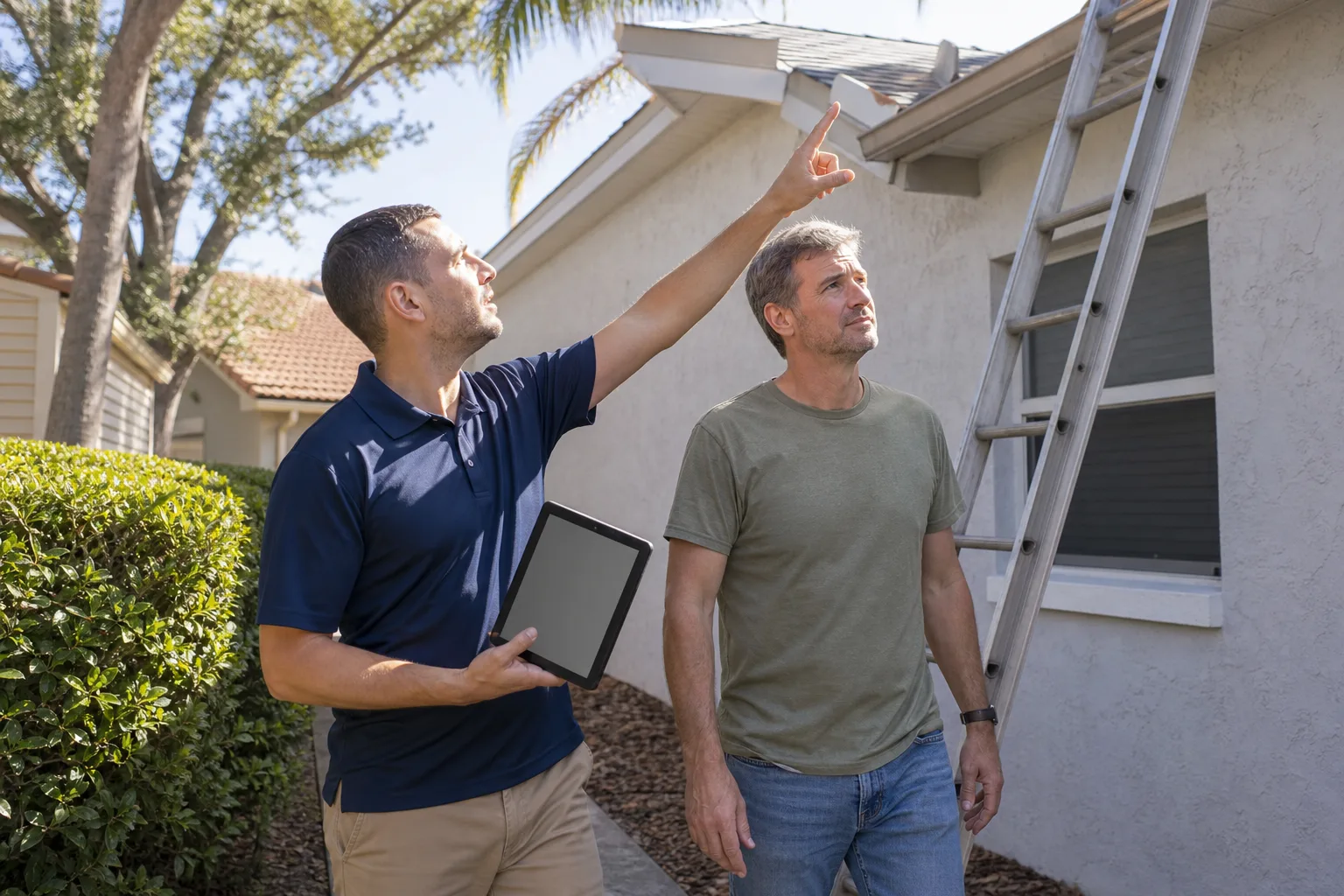
- Free estimate and design consult. We walk the house, note exposure orientation, measure every opening, and identify any rough-opening or rot issues. You get a written line-item quote with brands specified.
- Permit and Title 24 check. For projects that require it, we pull the permit and handle the compliance documentation before ordering product.
- Product order. Windows and doors are built to spec. Lead times vary by brand and configuration; we give you the real timeline up front.
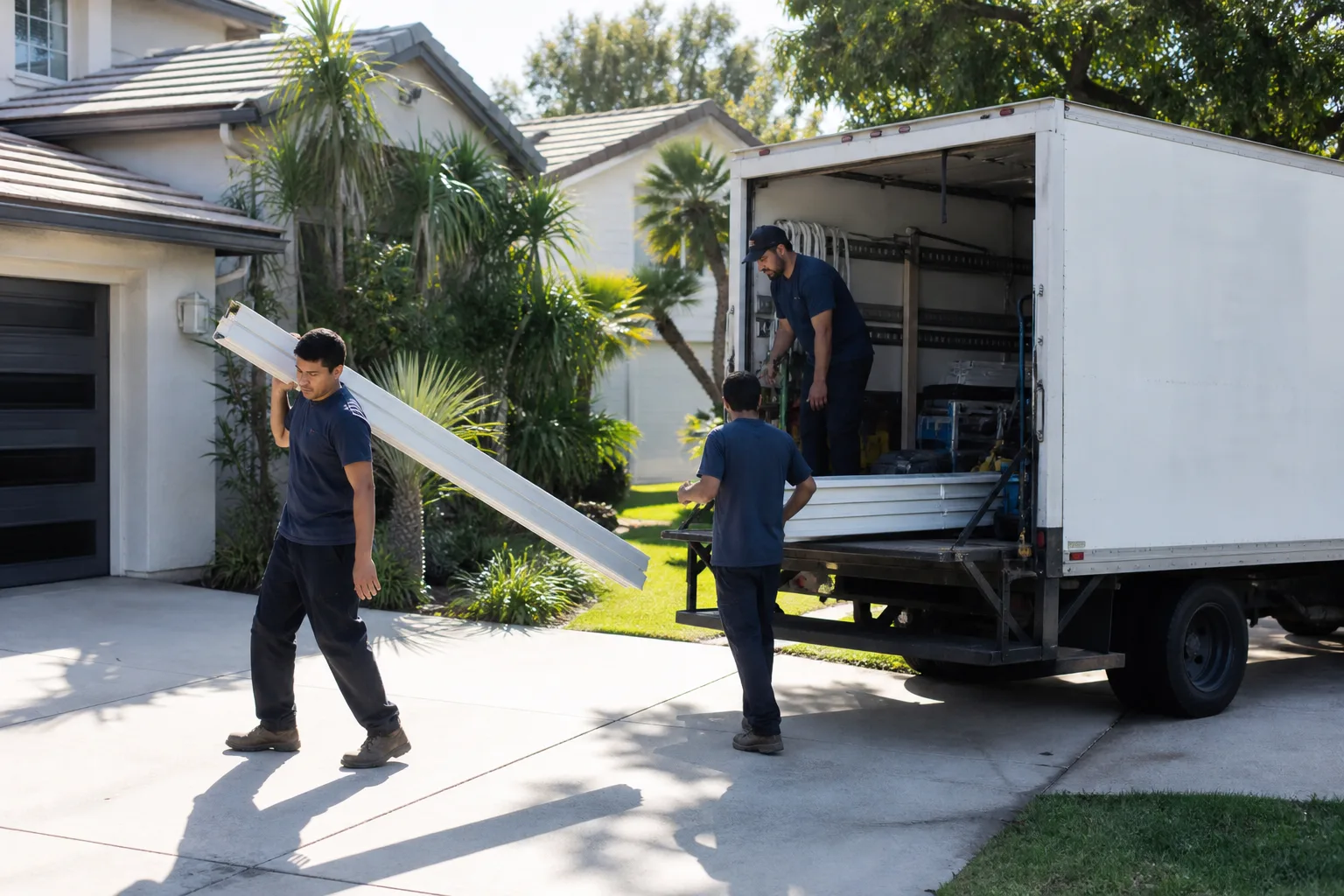
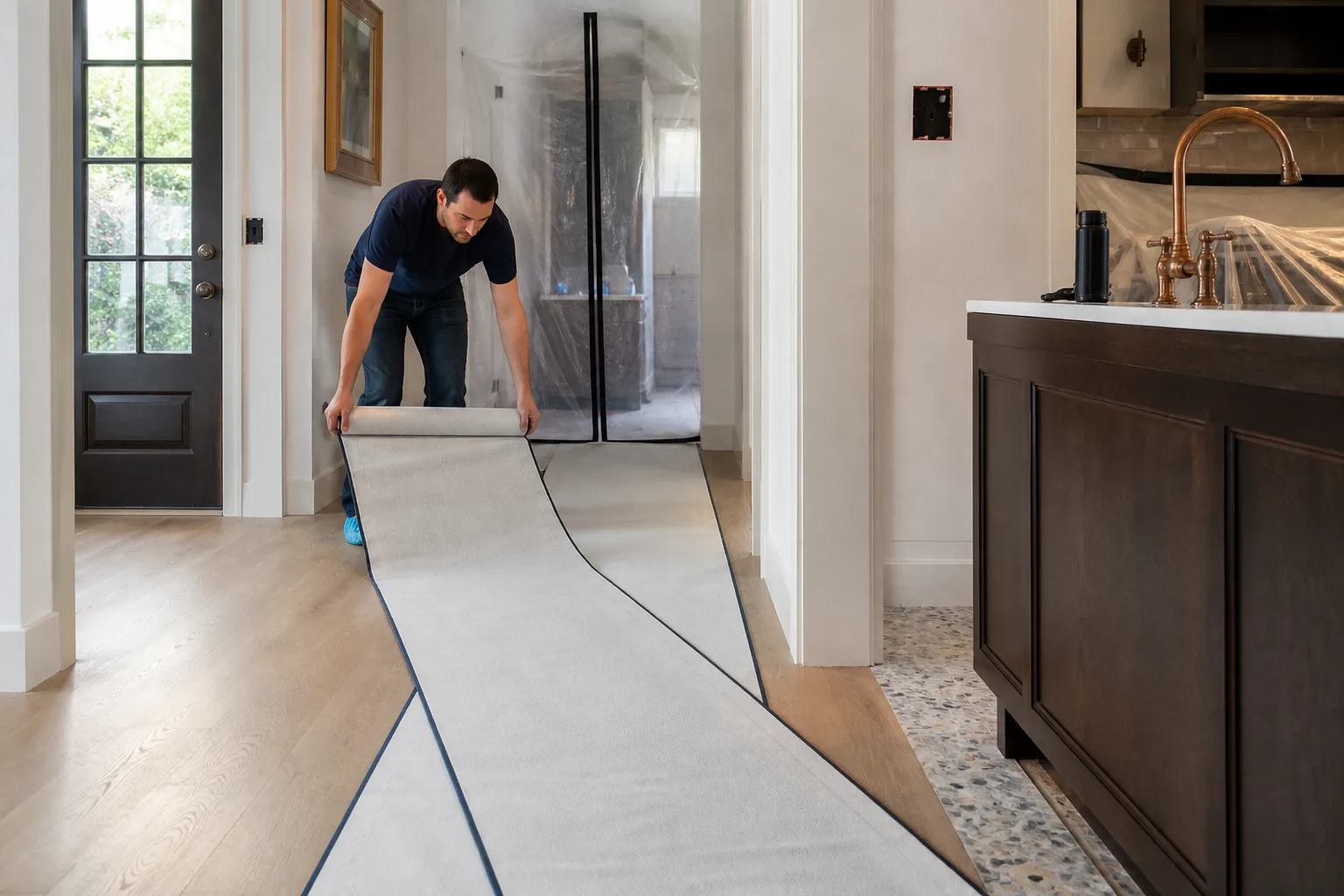
- Installation day. Background-checked, uniformed technicians arrive, protect the interior, remove the old units, install the new ones, flash and seal correctly, and patch and finish as scoped.
- Inspection. Where a permit was pulled, the job is inspected and passed before we call it done.
- Final walkthrough and warranty. You inspect every opening with us. Any issue gets fixed. All work is covered by the 730-Day Done Right Promise.
Most door swaps complete in a single visit. Multi-window projects run longer, and a full-house replacement is a multi-day job with a schedule we set in writing.
What Window and Door Work Costs in West Covina
Pricing varies by material, size, and the condition behind the old unit, so treat any national average with suspicion. Here’s the rough range we see in the West Covina market.
- Single vinyl replacement window (insert): roughly $450 – $850 installed, depending on size and glass package.
- Fiberglass window, full-frame with stucco patching: roughly $800 – $1,500 per opening.
- Thermally broken aluminum window: roughly $900 – $1,600 per opening.
- Standard entry door (fiberglass, insulated): roughly $1,200 – $2,800 installed, depending on hardware and frame condition.
- Patio slider or French door: roughly $2,000 – $5,500 installed.
- Full-house window replacement (12 – 20 openings): roughly $9,000 – $28,000+ depending on material and scope.
Those ranges swing with rough-opening condition, permit requirements, and exposure. Every number we quote is a written line-item quote, and it’s fixed; if we discover a problem behind a wall, we tell you and get approval before we do extra work. There are no surprise change orders on a Groundwork job.
Two standing offers make a larger project easier to budget: 0% financing for 18 months, and $1,000 off projects over $10,000. The free estimate and design consult is exactly that, free, with no obligation.
Common Mistakes to Avoid
- Buying on price alone. The cheapest window in a West Covina quote is almost always the thinnest vinyl, and it will fade and bow on a west-facing wall within a decade. Compare SHGC and warranty terms, not just dollars.
- Ignoring exposure orientation. Putting a high-SHGC window on a west wall because it was cheaper than the low-SHGC option means you pay for the difference in electricity every summer.
- Skipping the permit. An unpermitted full-frame replacement can bite you at resale and can void manufacturer warranties. In West Covina, permit records follow the house.
- Not checking the rough opening. Assuming a like-for-like swap when the 1960s framing has shifted guarantees a surprise mid-project. Have a contractor look before you sign.
- Ignoring irrigation overspray. Replacing a rotted door frame without fixing the sprinkler that soaked it means you’ll be back in two years.
- Choosing a contractor with no written guarantee. A handshake warranty isn’t a warranty. Ask for the written terms and the length.
- Forgetting the door. Homeowners focus on windows and overlook that a west-facing front door is a genuine heat source and a security weak point.
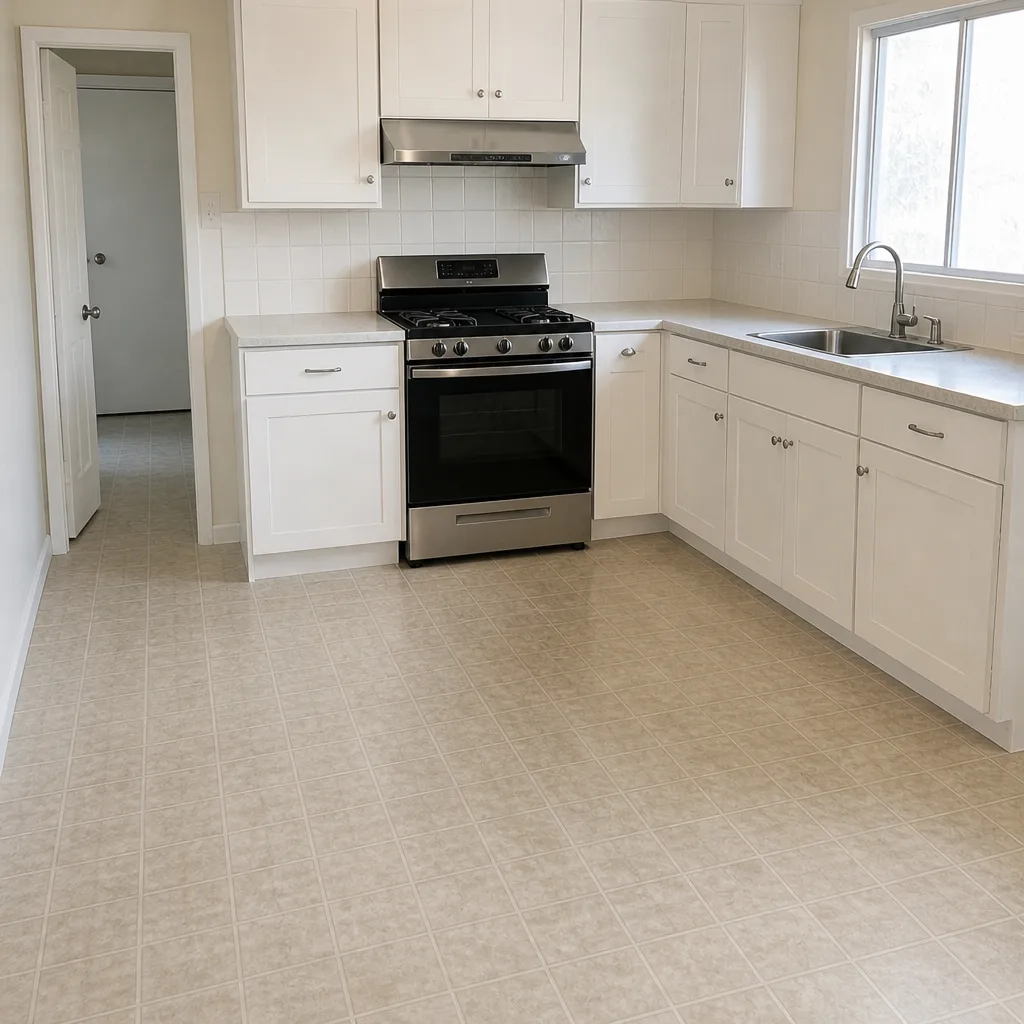
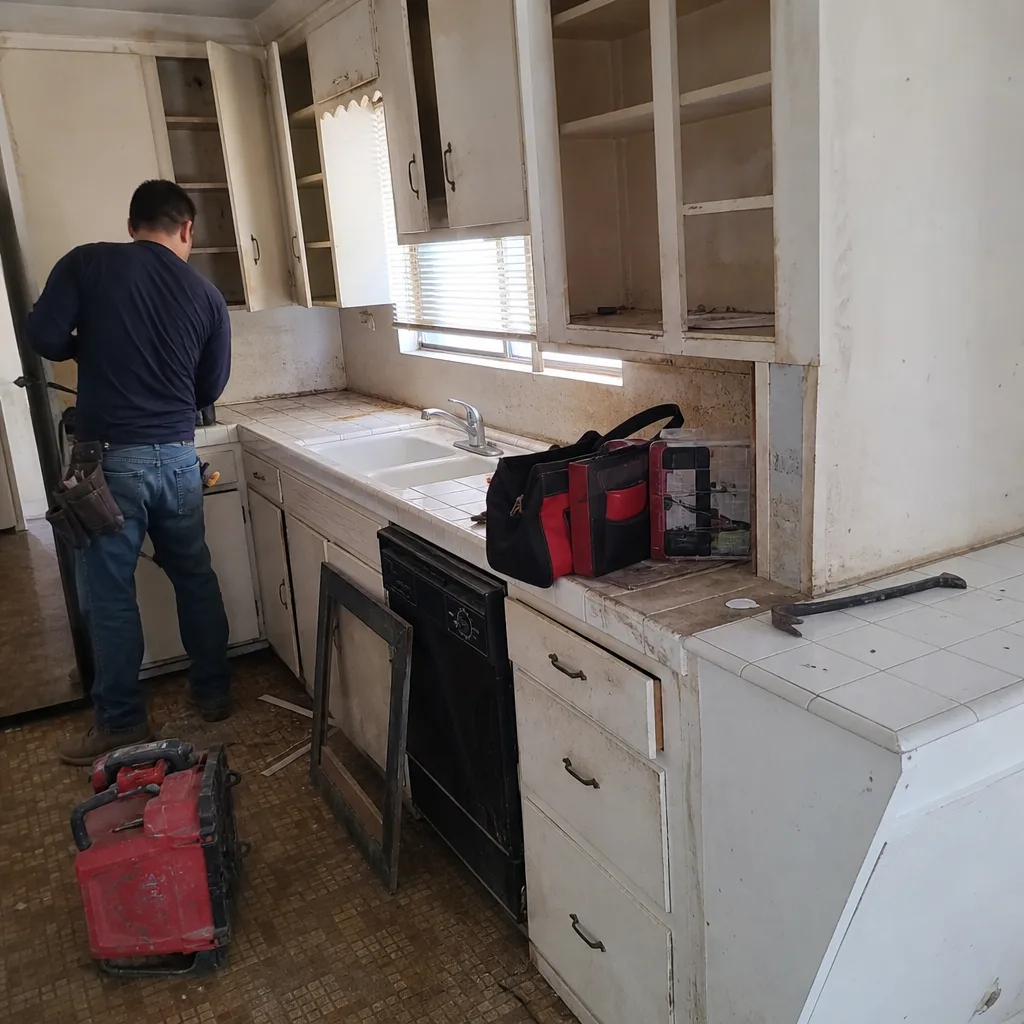
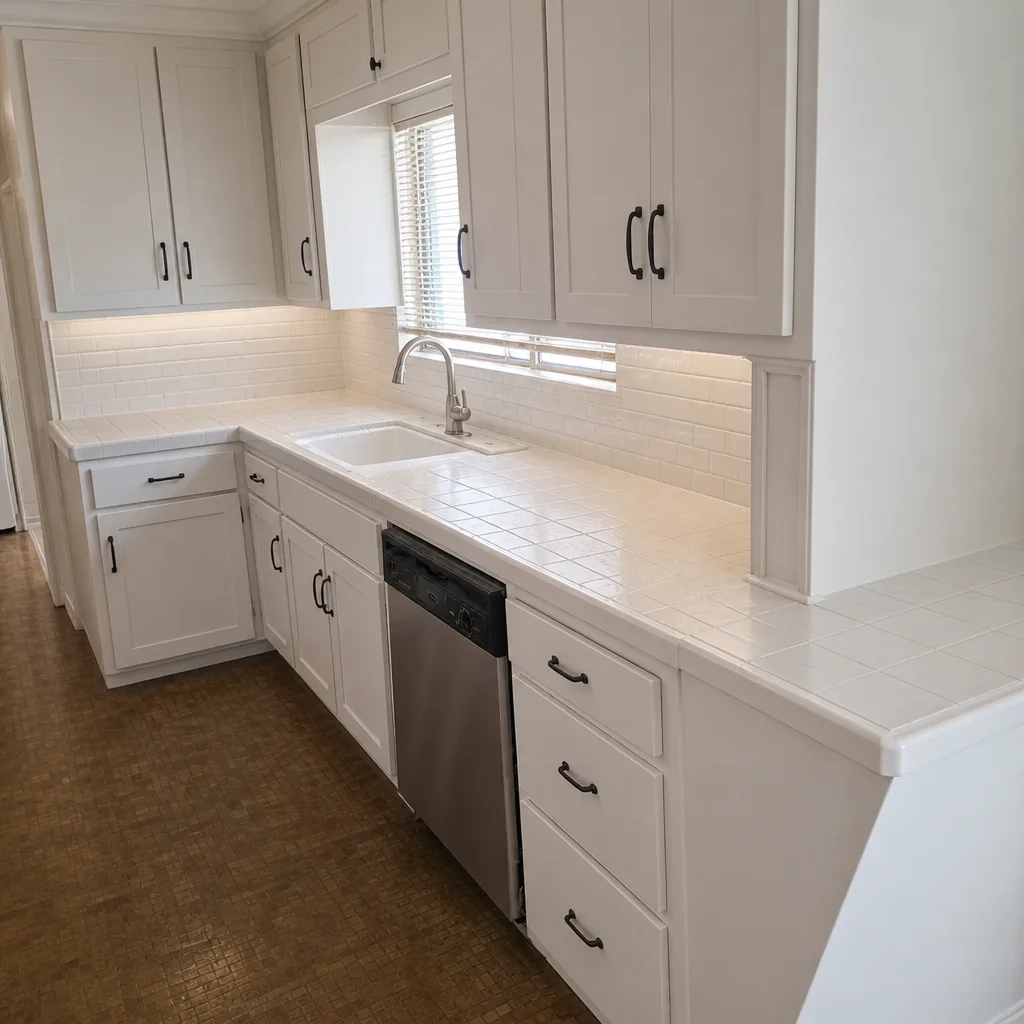
See the difference
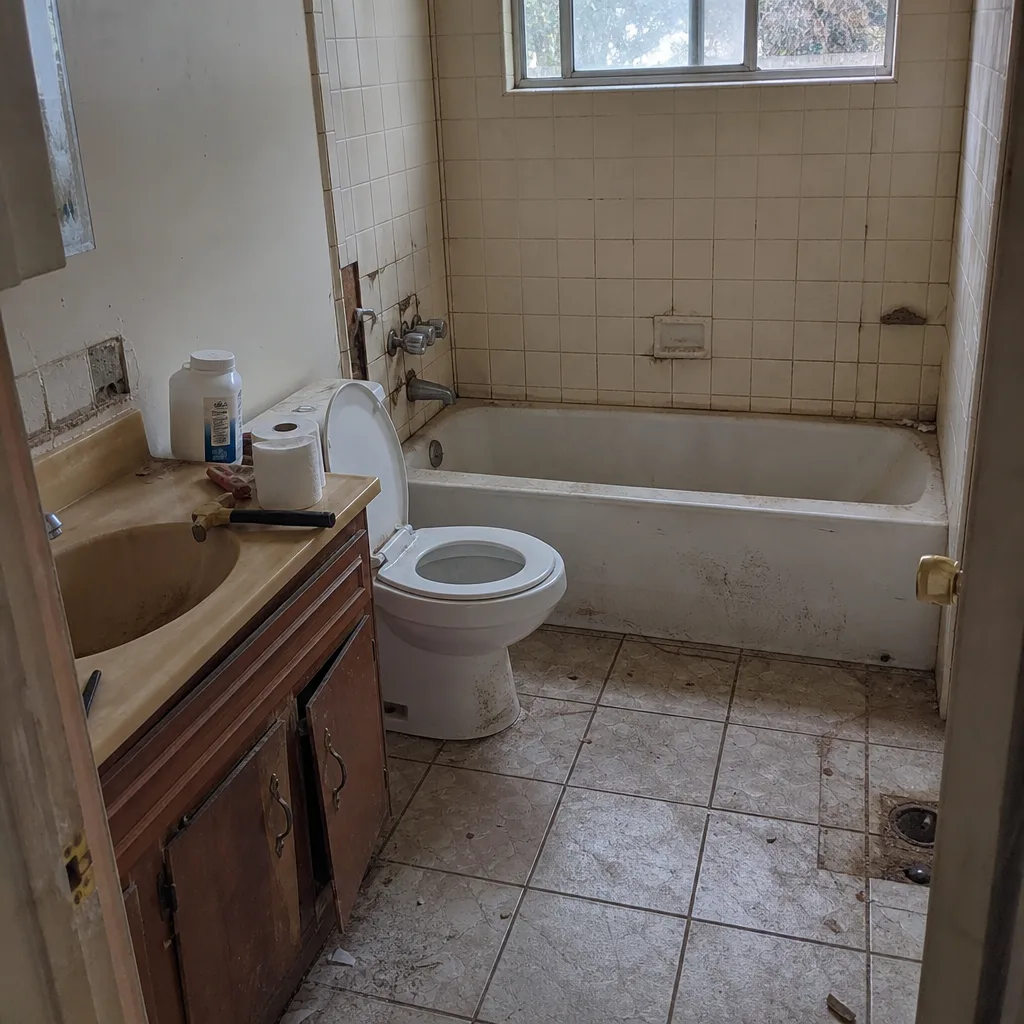 Before
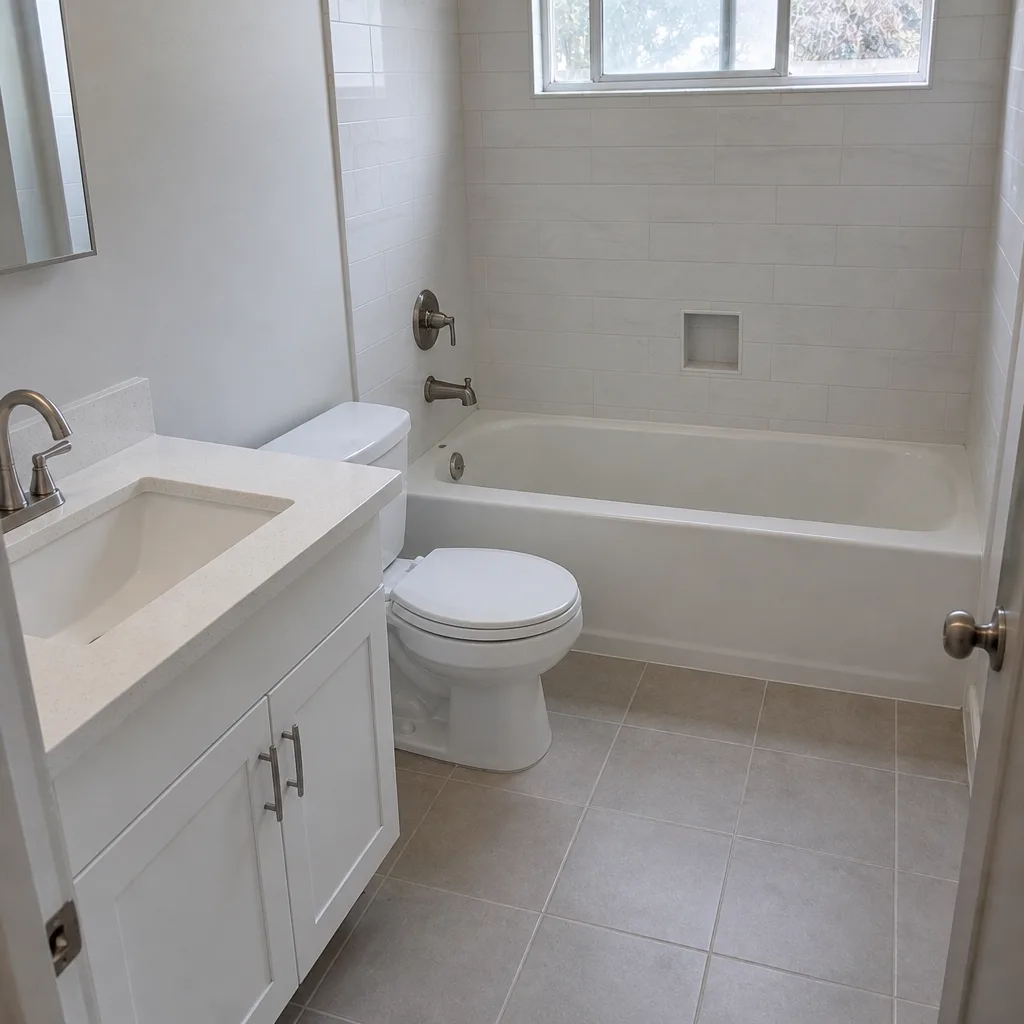 After
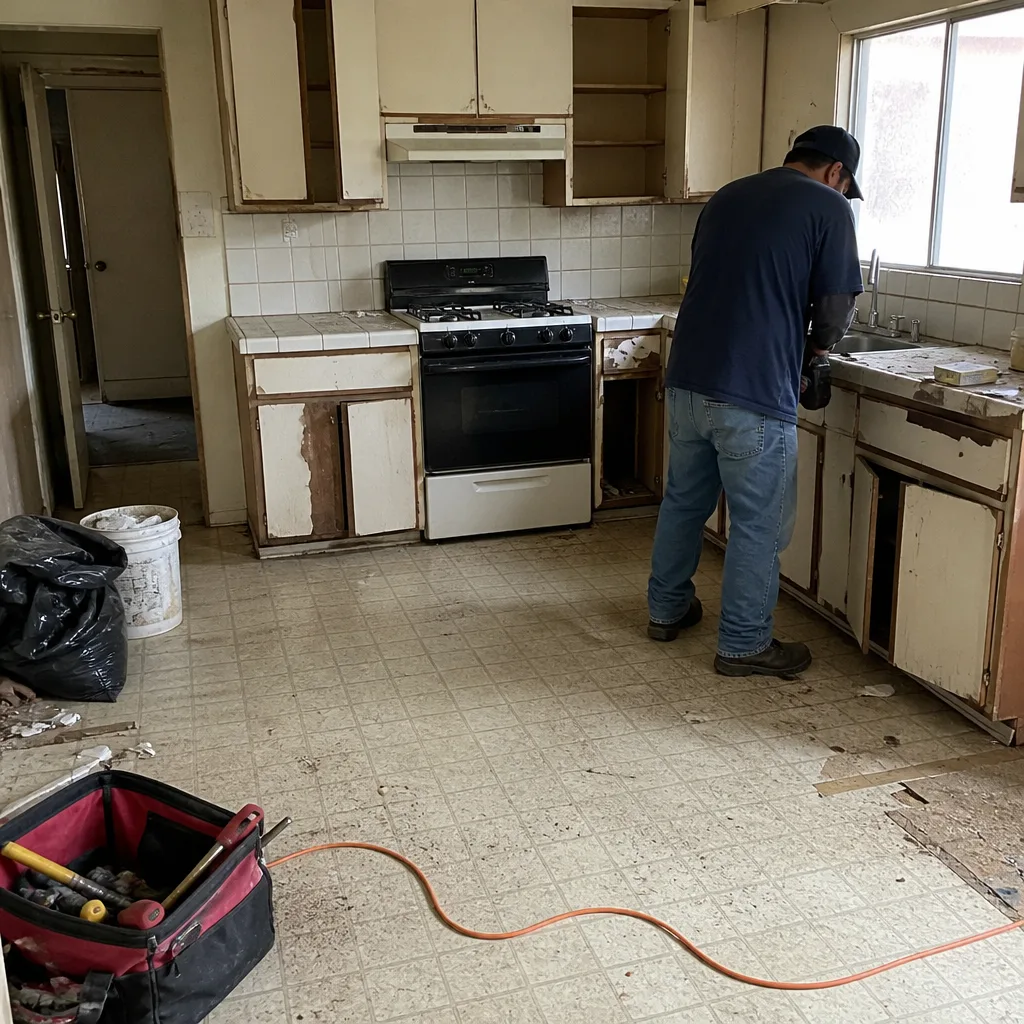 Before
 After
 Before
 After
When to Call a Professional
Some window and door work is straightforward maintenance; some is structural and energy-code territory. Call a professional when you’re replacing a full window or door assembly, when the opening size or location is changing, when you see rot, water intrusion, or stucco cracking around an opening, when a window or door sticks or fails to seal, or when you’re planning a full-house replacement that involves permits and Title 24. Spring failure, broken glass, and frame rot are all jobs that get worse when left. Groundwork Construction Co. of West Covina offers free estimates in West Covina; call (844) 662-2335 to schedule yours. Calls are answered by a live person, 24/7.
Frequently Asked Questions
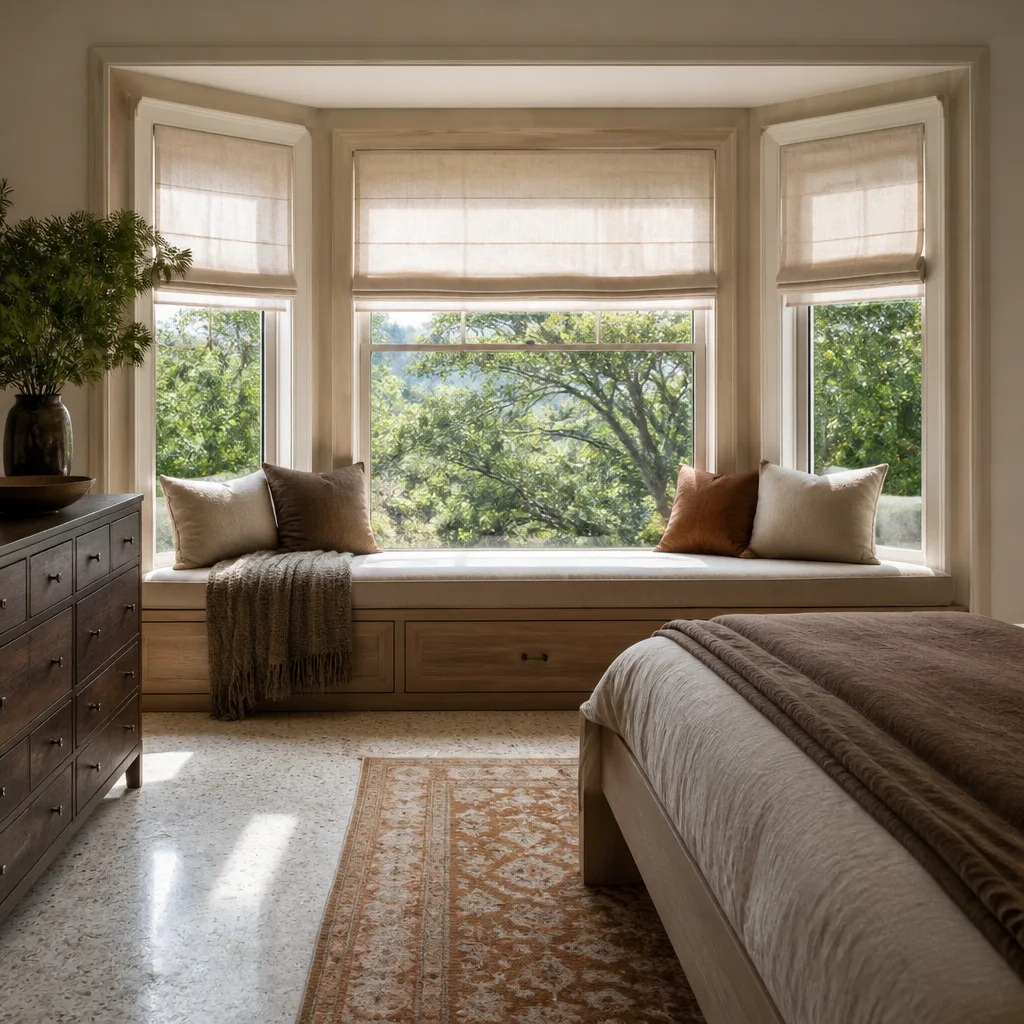
Window replacement in West Covina typically runs $450 – $850 per opening for a standard vinyl insert and $800 – $1,600 per opening for full-frame fiberglass or thermally broken aluminum with stucco patching. A full-house replacement of 12 – 20 openings lands roughly $9,000 – $28,000+ depending on material and scope. Call (844) 662-2335 for an exact quote; estimates are free.
Full-frame replacement and anything that changes an opening’s size or location in West Covina generally requires a building permit and a Title 24 compliance check; a simple like-for-like insert swap is often simpler but still has to meet the applicable energy requirements. The West Covina building department makes the final call, and a good contractor confirms the path before ordering product. Call (844) 662-2335 and we’ll tell you which path your job falls into.
Quality vinyl and fiberglass are both strong fits for West Covina’s inland heat, and thermally broken aluminum works when you want a slim architectural look; bare aluminum without a thermal break does not. The right choice depends on exposure orientation, budget, and how long you plan to stay. Call (844) 662-2335 for a free design consult.
For west and south facing windows in West Covina, aim for a solar heat gain coefficient in the low 0.20s to 0.25 range and a U-factor at or below 0.30; north-facing windows can relax the SHGC requirement. Getting SHGC right on the sun side of the house is the single most effective energy upgrade. Call (844) 662-2335 to walk your exposures with us.
Most single-door swaps complete in a single visit, while a handful of windows usually takes one to two days and a full-house replacement is a multi-day job with a schedule set in writing. Lead time for product varies by brand and configuration, and we give you the real timeline up front. Call (844) 662-2335 to schedule your free estimate.
No. We quote from a written line-item estimate and the number you see is the number you pay; if we discover something behind a wall, we tell you and get your approval before doing extra work. That’s our no-hassle upfront pricing commitment, backed by the 730-Day Done Right Promise. Call (844) 662-2335 to schedule your free estimate.
The Bottom Line
West Covina’s inland sun, temperature swings, and 1950s – 1970s housing stock mean the right window here is not the right window for a coastal buyer. Prioritize low SHGC on west and south exposures, pick a frame material that survives UV and daily movement, plan the rough-opening and stucco work into the bid, and let the permit and Title 24 process run the way it should. Get the ratings and the permit path right before you compare prices, and pick a contractor with a written guarantee. That’s how window and door work in West Covina holds up for decades, not seasons.
Ready to plan your project? Groundwork Construction Co. of West Covina offers free estimates and a design consult, written line-item quotes, and the 730-Day Done Right Promise on every job. Call (844) 662-2335 to schedule your free estimate, and take a look at our Groundwork Construction Co. of West Covina home, Driveway & Pavers in West Covina, Fence Installation in West Covina, and Home Additions & ADU in West Covina for the rest of what we do. A live person answers 24/7, and the number you see is the number you pay.
Written by the team at Groundwork Construction Co. of West Covina.