Last updated November 18, 2026


Free written scope consultation - allowances, timeline, and change-order rules on paper before a single trade is scheduled
DIY vs Professional Fence Installation: What’s Safe to Do Yourself
Digging a post hole by hand and digging it correctly are two entirely different things. That gap – between a 24-inch hole poked into West Covina clay and a properly set, concrete-footed post – is roughly 10 years of fence life. We’ve walked up to fences that were installed two seasons ago and found posts rocking in the wind, boards already twisting, and gate hardware pulling out of soft wood. Almost every one was a weekend project. This guide sorts out exactly where the DIY line sits: what you can genuinely handle with a Saturday and a few tools, and what will cost you more in the long run than hiring it out. You’ll get the West Covina permit picture, a real cost comparison, and the neighbor-boundary rules most homeowners never hear about until a dispute starts.
Quick Answer
Safe DIY fence work is limited to cosmetic and maintenance tasks: replacing individual boards, staining and sealing, swapping hardware, and adjusting a sagging gate. Post setting, panel alignment, and anything touching a property line should be handled by a licensed contractor. In West Covina, the dividing line is the ground itself – once you’re digging, mixing concrete, and pulling a permit, the DIY math stops working in your favor.
Styles & brands we work with
- Kitchen remodeling
- Bathroom remodeling
- Home additions & ADU
- Roofing
- Windows & doors
- Driveway & pavers
- Fence
Table of Contents
- What Fence Work Is Actually Safe to DIY?
- Why Post Setting Is the Technical Dividing Line
- The West Covina Permit Reality (and the Title Problem)
- The Real Cost Comparison: DIY vs Professional
- Neighbor-Shared Fences: Why DIY on a Boundary Line Is Risky
- Material Matters: What Holds Up in West Covina’s Climate
- How Long the Job Actually Takes
- The Tool Gap Nobody Warns You About
What Fence Work Is Actually Safe to DIY?
Plenty of fence maintenance is well within reach for a homeowner with basic tools and a free afternoon. The tasks we tell West Covina homeowners they can absolutely do themselves fall into four buckets:
- Board replacement. A single cracked or rotted picket can be swapped out with a pry bar, a hammer, and a few galvanized nails. Match the wood species and board width and nobody will spot the repair.
- Staining and sealing. A pump sprayer, a brush for the edges, and a dry weekend. This is the single best thing you can do to extend a wood fence’s life in West Covina’s dry-summer climate, where UV damage fades and cracks boards faster than most homeowners expect.
- Hardware swaps. Gate hinges, latches, and drop rods wear out long before the wood does. A cordless drill and a 20-minute window will get a banging gate closing quietly again.
- Minor gate adjustments. Tightening a loose hinge, planing a sticking edge, or swapping a worn spring on a self-closing gate is straightforward. If the gate has dropped more than half an inch, though, you’re looking at a post problem, not a hardware problem.
Those four tasks share a trait: none of them require you to disturb the concrete at the base of a post. The moment the repair relates to post movement, panel alignment, or the fence pulling away from the ground, the physics shift. That’s the line. More on that below.
Why Post Setting Is the Technical Dividing Line
Every YouTube tutorial about fence installation spends about 90 seconds on post setting and 12 minutes on how good the boards look at the end. That ratio is backwards. A fence is a post structure with boards attached – not a board structure with posts holding it up. Get the posts right and the fence lasts decades. Get them wrong and it doesn’t matter how precisely you spaced the pickets.
Here’s what actually has to go right with a post, and why it’s harder than it looks:
- Depth. In West Covina’s soil, a post hole needs to reach well below the frost line and below the active soil layer that swells and shrinks with seasonal moisture. A 24-inch hole feels deep when you’re standing over it with a shovel. It isn’t. Posts in shallow holes lever upward with every wind event and every winter rain cycle.
- Diameter. The hole has to be wide enough that the concrete forms a proper bell-shaped footing around the post – not a tight sleeve that pushes the post sideways as it cures.
- Concrete mix ratio. Fast-setting bagged concrete (Sakrete is a brand we work with regularly) needs the right amount of water. Too dry and it crumbles. Too wet and it loses strength. The bag says one thing; the actual working ratio depends on the ambient temperature and how you’re mixing. Guessing produces failed footings.
- Plumb. A post that’s a quarter-inch out of plumb at the base is two inches out at the top of an 8-foot fence. You can’t claw that back with board spacing. The panel looks visibly crooked and the gate will bind within a year.
- Alignment. Every post has to be in a straight line laterally and at exactly the right height vertically. String lines, laser levels, and jigs are how professionals hold that tolerance across a 150-foot run. Eye-balling it produces the “wavy fence” look you’ve seen on driveways around town.
That’s why post setting is the dividing line. It’s not that you can’t dig a hole. It’s that consistently digging the right hole, at the right depth and diameter, with the right mix, and landing every post plumb and aligned across an entire fence line requires gear and skill most homeowners don’t have and, understandably, don’t want to buy. Our technicians have up to 12 years of experience on installs, and even they treat post setting as the part of the job where you slow down and measure twice. For the full range of what proper installation involves, see our Fence Installation in West Covina page.
The West Covina Permit Reality (and the Title Problem)
This is the part of DIY fence installation almost nobody talks about, and the part that can cost you thousands at resale. Permit requirements for fences in West Covina aren’t universal, but they kick in quickly:
- Height thresholds. A fence over a certain height (typically 6 feet in residential zones, lower in front-yard setbacks) usually requires a permit and inspection. The threshold changes based on setback, corner-lot status, and whether the fence is in a front, side, or rear yard.
- Corner lots and visibility triangles. Properties on corners have sight-line requirements at intersections. A fence placed without checking these triggers a violation notice from the city.
- Retaining walls and grade changes. Any fence that sits on a retaining wall, or that involves importing fill dirt or cutting into a slope, has separate structural and grading rules.
- HOA overlay. Many West Covina neighborhoods – especially in the newer developments – have CC&Rs that restrict fence materials, height, and color independent of city code.
Here’s the title problem. When you sell a house, buyers order a property inspection. Inspectors flag unpermitted improvements – fences included – and buyers’ agents use them as price-reduction ammunition. Worse, if a fence sits on or near an easement and wasn’t inspected, you can find yourself removing it or paying to re-permit it at the close of escrow. A contractor who pulls the permits, keeps the documentation, and passes the inspection hands you a paper trail. When you sell, that paper trail is worth real money.
We pull permits and pass inspections on every West Covina fence install that requires them. If you’re unsure whether yours does, that’s one of the first questions to ask anyone you hire. Building out from a fence project into a larger yard scope? Our Driveway & Pavers in West Covina team handles grading and hardscape coordination with the same documentation discipline.
The Real Cost Comparison: DIY vs Professional
The DIY vs professional math is where most homeowners get fooled. The material cost comparison looks close on paper. The full comparison rarely is. Here’s what to actually count:
DIY fence installation – full cost stack
- Materials. Posts, boards, rails, concrete, fasteners, gate hardware. Bagged concrete runs $7-$9 per 80-lb bag at a West Covina big-box store, and a standard post footing often eats 2-3 bags. For a 100-foot, 6-foot-tall wood fence, plan on $2,200-$3,200 in materials alone.
- Tool rental. A two-person auger runs $90-$140 per day at rental yards in the San Gabriel Valley. Post-hole diggers by hand are $15 – and they’re an option only if you enjoy spending three weekends on your knees. Add a laser level ($40-$60 rental), a tamper, wheelbarrow, and mixing tub.
- Material waste. Cut mistakes on pickets, warped boards you didn’t spot at the store, extra concrete from over-digging. Realistic overage is 10-15%. That’s $250-$450 on a typical 100-foot run.
- Rework. This is the number nobody budgets for, and it’s the biggest swing. Bad post setting shows up 12-18 months later when the fence racks, gates bind, or panels pull free in the first Santa Ana wind event. Tear-out and redo on a 100-foot fence often runs $1,800-$3,000 – plus the cost of the first attempt.
- Your time. A typical DIY fence is 60-100 hours across 5-8 weekends for a first-timer. Even at a modest $25/hr internal valuation, that’s $1,500-$2,500 in labor you’re “saving.”
Professional fence installation – what you pay for
- Materials plus labor and equipment bundled into a fixed price quoted upfront. In West Covina, a 100-foot wood privacy fence typically runs $4,500-$7,500 installed, depending on height, material grade, and site conditions.
- Permits and inspections pulled and passed.
- Documentation for resale and HOA.
- A written workmanship warranty. At Groundwork Construction Co. of West Covina, every fence install is covered by our 730-Day Done Right Promise – one of the longest workmanship guarantees in the residential construction space. If it’s not done right, we make it right.
Put those two columns side by side honestly. The DIY “savings” of $1,500-$2,500 shrinks fast when you add tool rental plus waste plus the risk of rework. If the first attempt fails, DIY costs more than hiring a professional from day one. And if you’re the homeowner who values a good warranty more than a Saturday project, that column flips even further.
One more factor: we offer no-hassle upfront pricing, which means the number you see on the quote is the number you pay. No change orders halfway through, no “we found rot under the old fence” surprise invoices. That’s a very different financial experience than a multi-weekend DIY project where scope creep is built in.
Neighbor-Shared Fences: Why DIY on a Boundary Line Is Risky
California law allows a homeowner to build a “good neighbor” fence on or near a property line, but that legal framework is built for professional installs with documentation, not weekend attempts. Here’s what gets homeowners into trouble when they DIY a shared-boundary fence:
- Encroachment. A fence 6 inches over the line – easy to do when you’re eyeballing a survey from 1978 – becomes a legal problem the moment the neighbor decides to sell or refinance. Survey costs to prove (or disprove) encroachment run $600-$1,200 in this market.
- Damage to adjacent improvements. Digging a post hole can cut irrigation lines, low-voltage landscape lighting, or a neighbor’s gas line stub. We’ve seen every one of these on a West Covina install call. A licensed contractor carries insurance that covers those accidents. A DIY homeowner carries a checkbook.
- No documentation of cost-sharing. If you and the neighbor agreed verbally that you’d split the cost, and then the fence fails, you have zero recourse. A contractor’s invoice is proof – a verbal agreement isn’t.
- Liability exposure. If a neighbor’s kid gets hurt on a fence you installed without a permit, the liability question becomes legally uncomfortable. A licensed install with inspection paperwork shifts that risk where it belongs.
If your fence sits on a shared property line anywhere in West Covina, this is the point where DIY stops being a hobby and starts being a risk you didn’t sign up for. A contractor handles the survey reference, the permits, the insurance, and the paper trail. You show up to a finished fence instead of a boundary dispute.
Material Matters: What Holds Up in West Covina’s Climate
West Covina sits in the eastern San Gabriel Valley, which means hot, dry summers with extended UV exposure and cool, occasionally wet winters. That climate drives real decisions about fence materials – and it also determines how much DIY effort a fence requires over its life.
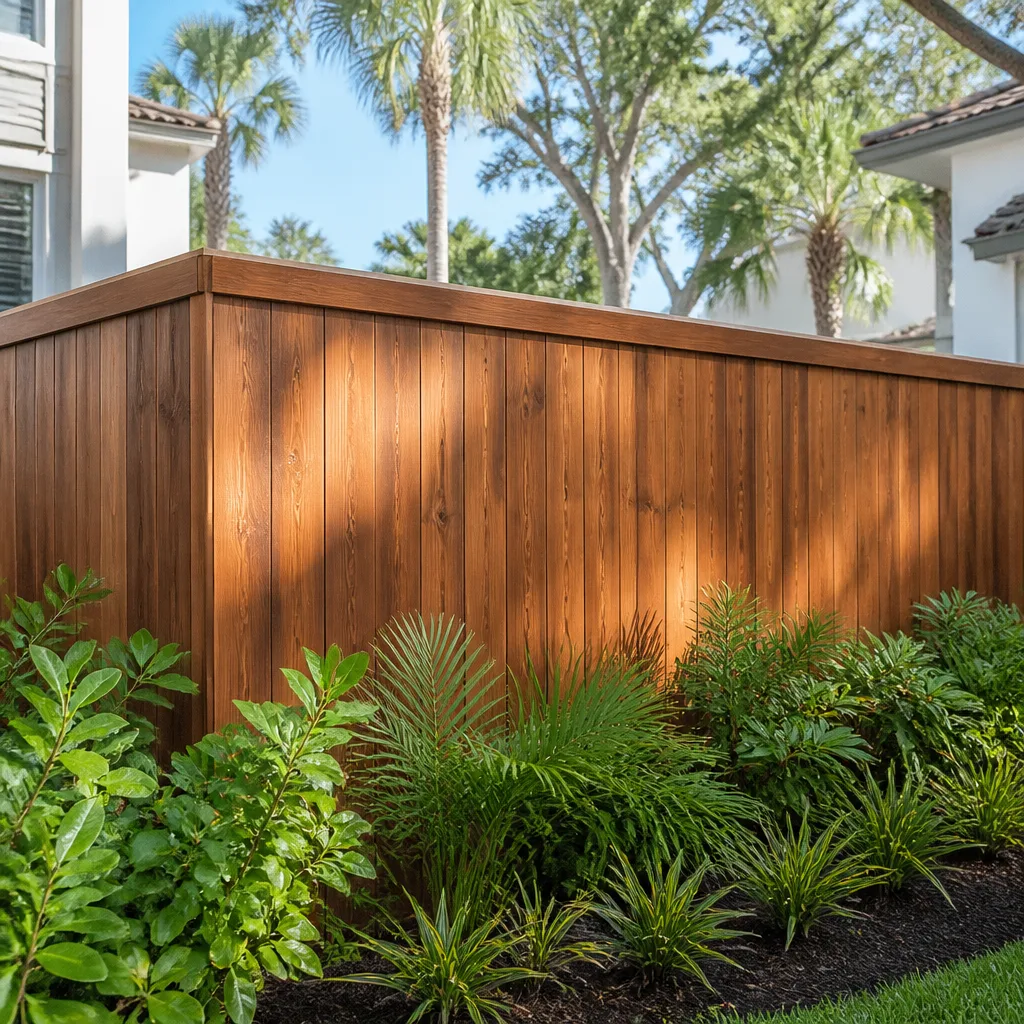
- Wood (cedar, redwood, pressure-treated pine). The classic privacy fence. Beautiful when new, but West Covina’s summer UV will fade and crack untreated wood within two seasons. Wood needs re-staining every 2-3 years. That’s a genuine DIY task – and also the reason a wood fence is the highest-maintenance option on this list.
- Vinyl. Zero maintenance in this climate. Doesn’t fade much, doesn’t warp, doesn’t need staining. Worth knowing: vinyl expands and contracts with heat, so post spacing and room for movement during installation have to be right. This is a hire-it-out material.
- Composite. Wood-look without the refinishing. Comes with a higher material cost and a post setting requirement just as demanding as wood. Compatible with the same 730-Day Done Right Promise as any install we do.
- Chain link with privacy slats. Practical for side yards and dog runs. Individual slats are DIY-replaceable. Post footing and tension wire need professional installation to avoid sag.
- Wrought iron and ornamental steel. Premium look, decades of life, requires welded or bolted anchor points into concrete footings. Not a DIY job.
Whichever material you pick, the West Covina soil and sun are going to test it. A fence that’s installed on a proper concrete footing with correct depth handles seasonal soil movement without flexing. A fence on shallow holes looks great for one summer and starts telling on itself by the second. If you’re weighing a fence against other yard-scope decisions like paving or a gate side-yard redesign, our Groundwork Construction Co. of West Covina home page lays out the full range of what we build, and our Home Additions & ADU in West Covina team regularly coordinates fence lines with new-structure work – including ADU projects where fence placement matters for privacy and access.
How Long the Job Actually Takes
Time is the hidden cost of DIY fence installation, and it’s where the honest comparison gets lopsided. Here’s what a 100-foot, 6-foot-tall wood privacy fence looks like on both sides:
DIY timeline (typical first-timer)
- Week 1-2: Planning, measuring, permit research, HOA review, material sourcing. 8-12 hours.
- Week 3: Demo of the old fence, hauling to the dump. 6-10 hours plus dump fees.
- Week 4-5: Post hole digging. This is the killer – 25-40 post holes at 20-40 minutes each when hand-digging around West Covina’s clay-heavy spots, plus shopping for or renting an auger when the hand-dig plan collapses.
- Week 6: Setting posts in concrete, waiting for cure times. 6-8 hours of actual work plus 2-3 days of cure.
- Week 7-8: Rails, boards, gate, hardware, cleanup. 15-25 hours.
Realistically: 5-8 weekends, or 60-100 hours of active work. Some of it will happen in the middle of the rainy season because that’s when the schedule lands, and wet concrete sets differently than dry. Some of it will happen in a heat advisory weekend in August because that’s the only Saturday you had free.
Professional timeline
Most jobs are completed in a single visit or over 1-2 days. Crews arrive with equipment, set posts in a single day with the right auger and the right mix, and have the fence boarded and gates hung with the concrete set overnight. The install itself is the visible work. The reason it moves quickly is that all the gear and setup and post-setting knowledge that takes a DIY homeowner weeks to accumulate is already in the hands of the crew at the start of the day.
That speed advantage is real, but it’s not why you hire a pro. You hire a pro because the timeline differences reflect what’s actually happening under the ground – and the pro installs a fence that will still be standing plumb in a decade.
The Tool Gap Nobody Warns You About
Pinterest-level DIY content makes fence installation look like a drill, a hammer, and a level. The full tool stack for a correct install is longer – and either you buy it, rent it, or improvise badly:
- Two-person power auger (or a one-person auger plus a lot of patience) – $90-$140/day rental
- Post-hole digger for cleanup – $20 purchase
- Laser level for post alignment – $40-$60/day rental
- String line, spikes, tape measure – $30 total
- Wheelbarrow and mixing tub – $80-$120 purchase if you don’t own them
- Tamper for post backfill – $40 rental
- Circular saw or miter saw for board cuts – assumes you own one; a decent one is $150-$250 purchase
- Cordless impact driver for hardware – another purchase if you don’t own one
- Concrete mixing tools – hoe, shovel, and a lot of physical effort per post
You don’t need all of those to replace a board, adjust a gate, or stain the fence. You need every single one of them to set posts correctly, and the equipment alone runs $300-$500 in rental and purchase costs for a first-time project. That’s before materials, before waste, before the cost of your weekends. Add these to your DIY budget and the “DIY is cheaper” math stops being obvious at all.
Common Mistakes to Avoid
- Skipping the permit because “everyone does” on your street. Unpermitted fence work in West Covina shows up in the seller’s inspection report and can derail escrow or force a price reduction. It’s the easiest mistake to avoid and the most expensive to unwind.
- Digging post holes too shallow for the soil type. The 24-inch depth recommended online is a rough average from elsewhere in the country. West Covina’s soil-and-climate combination requires deeper footings to survive seasonal soil movement and Santa Ana wind loads.
- Mixing concrete too wet. A sloppy, watery mix feels easier to pour but cures weak. Posts set in weak concrete wobble within 18 months. Sakrete and other bagged concrete brands all specify a working water ratio – respect it.
- Eyeballing the post line instead of string-lining it. A fence installed “by eye” looks straight when you’re standing at one end and obviously wavy from the street. String-line and laser-check every post before the concrete cures.
- Installing without checking HOA CC&Rs first. Many West Covina neighborhoods restrict fence height, color, and material. Skipping that check turns a permitted install into an HOA violation notice and, in some cases, a forced removal.
- Building on a shared line without written agreement. California good-neighbor fence law assumes documentation. Verbal agreements don’t hold up when a neighbor sells or refinances.
- Underestimating West Covina’s UV exposure. Untreated wood fencing in this climate fades and cracks within two summers. Staining is a DIY-appropriate task, but only if you actually do it – defer it a year and you’re adding board replacement to your maintenance list.
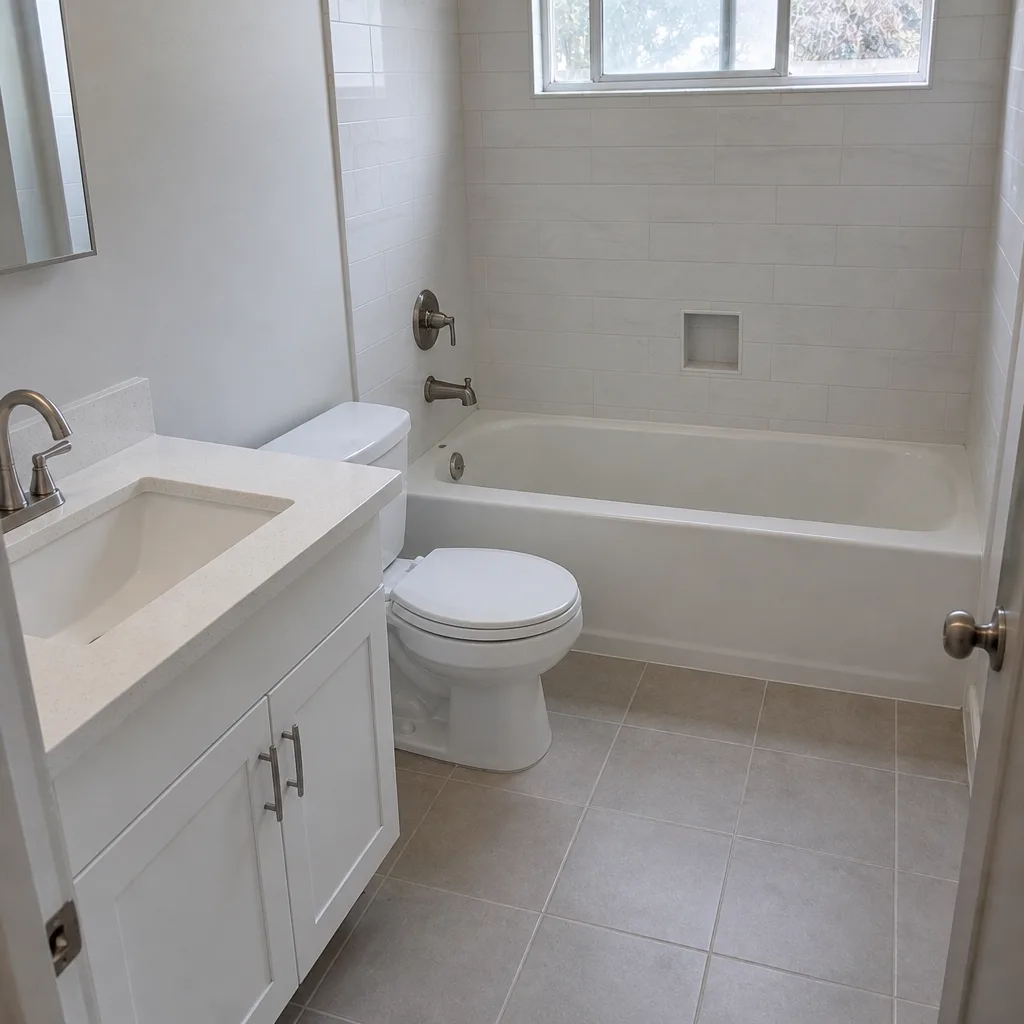
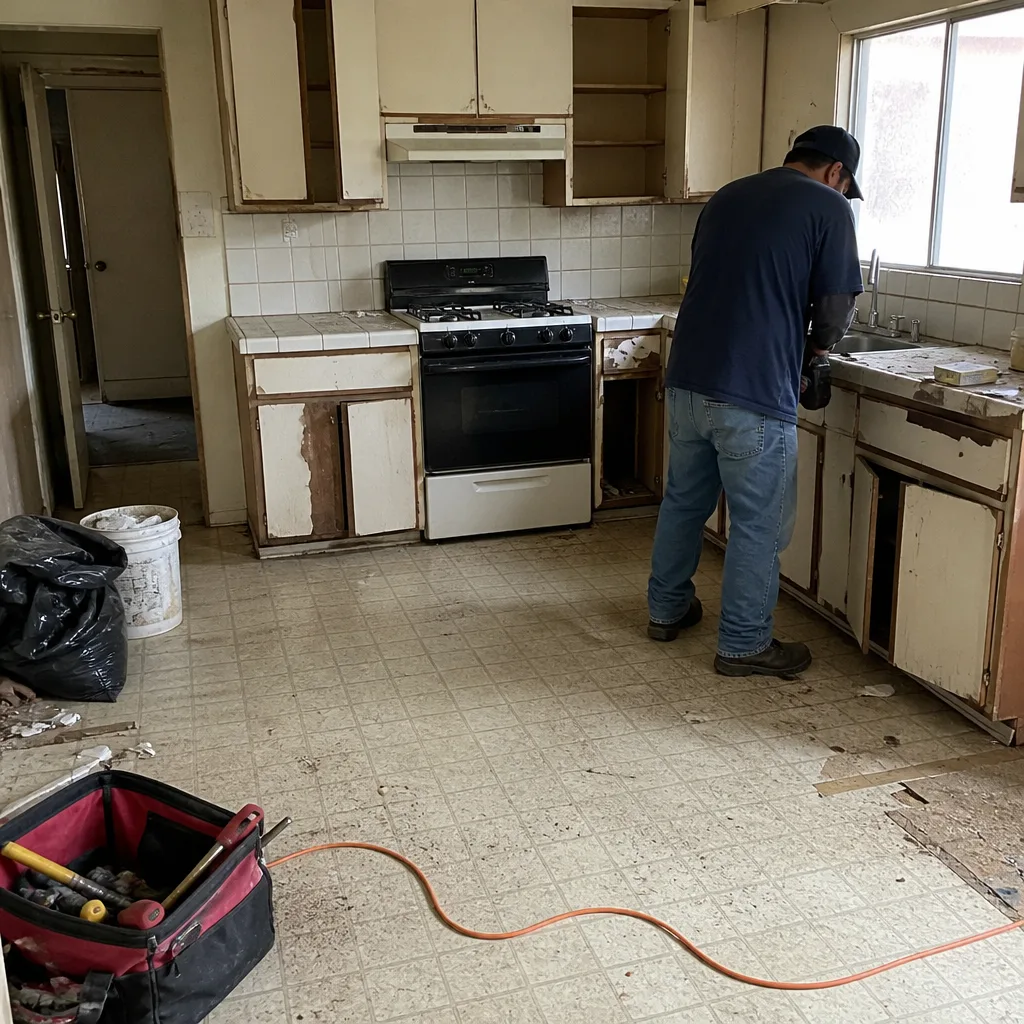
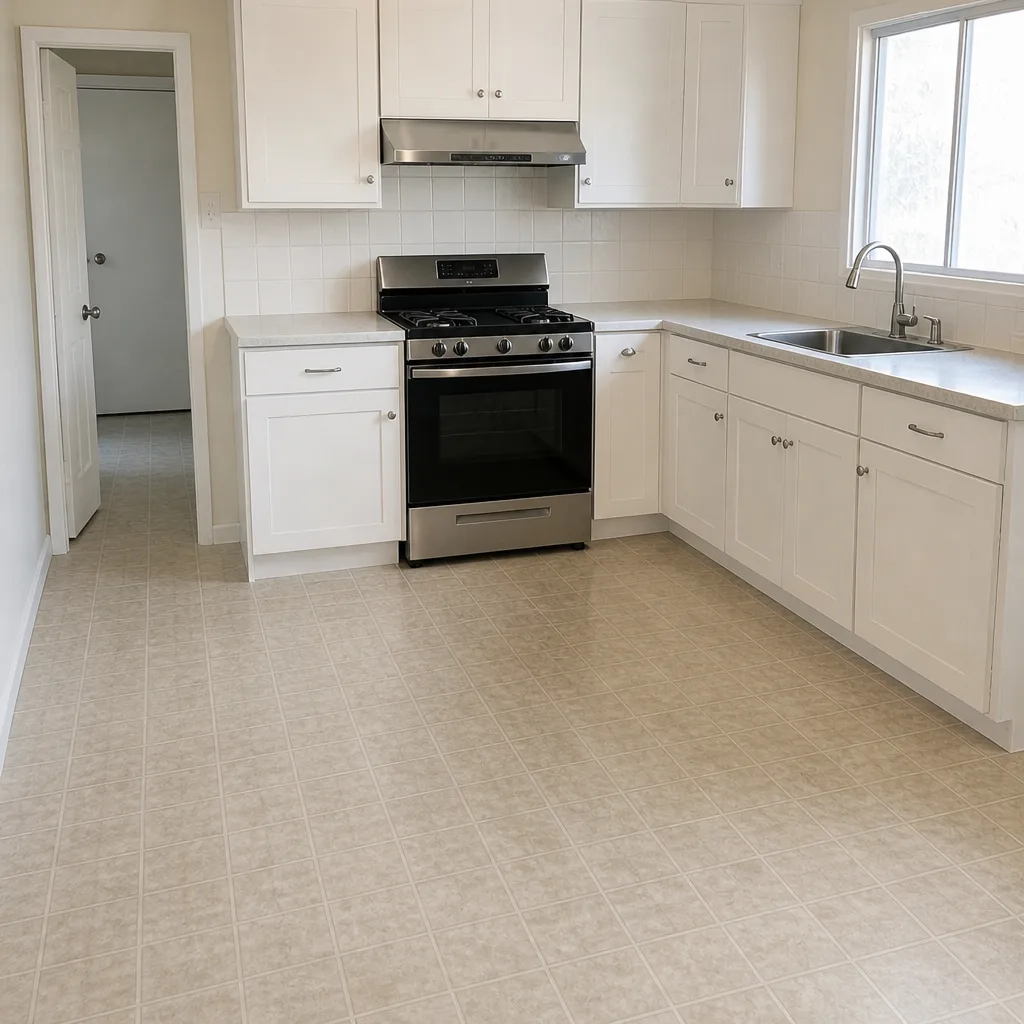
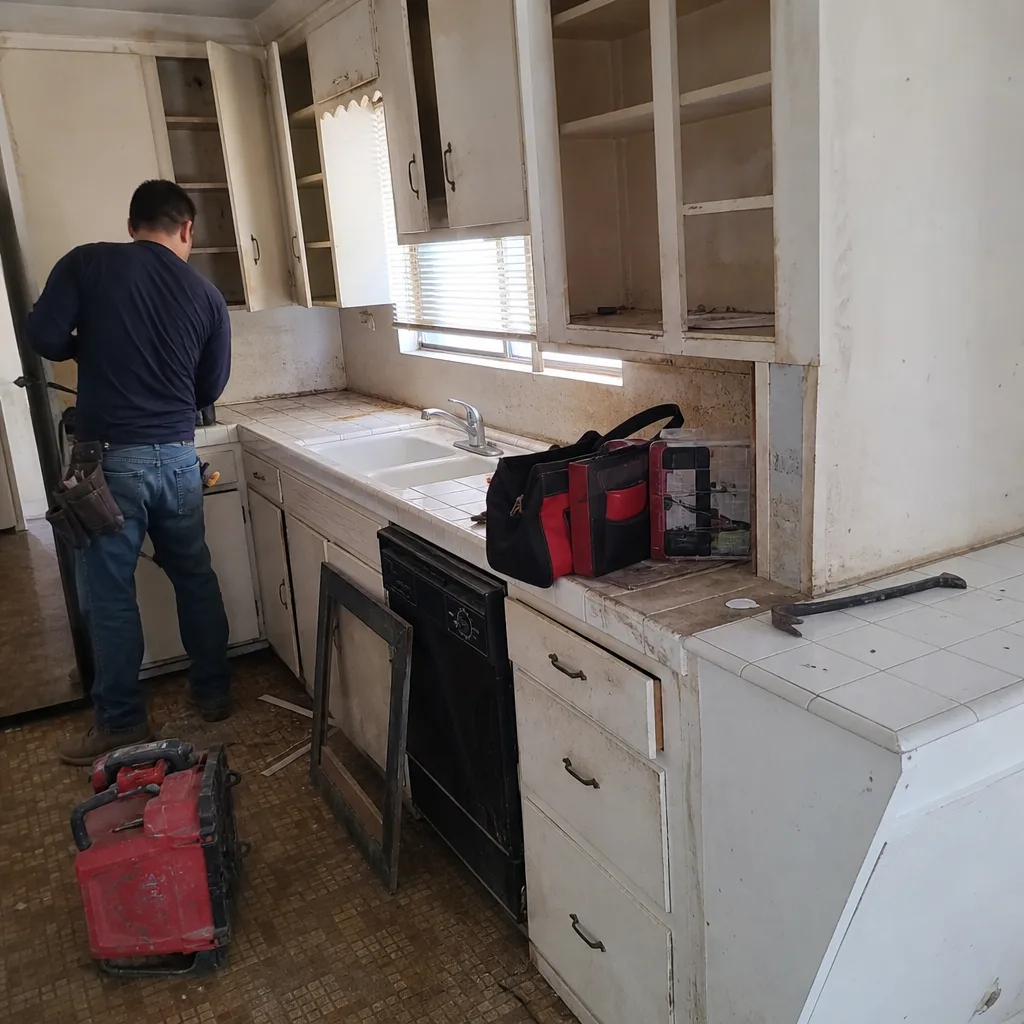
See the difference
 Before
 After
 Before
 After
 Before
 After
When to Call a Professional
Call a professional for any of the following: the property line is shared, the fence is over 6 feet tall or in a front-yard setback, the site involves a slope or retaining wall, the installation requires a permit or HOA approval, the material is composite, vinyl, or metal, or you’re installing a full new fence rather than repairing an existing one. Those scenarios either require permits, equipment, or liability coverage that a homeowner-installed fence doesn’t provide. If any one of those conditions is true, DIY stops being worth the risk. The true DIY scope is maintenance and repair on an existing fence that was installed correctly to begin with.
Groundwork Construction Co. of West Covina offers free estimates in West Covina – call (844) 662-2335. We pull permits, pass inspections, provide written line-item quotes with no surprise costs, and back every install with our 730-Day Done Right Promise. Live person answers, 24 hours a day, 7 days a week – no voicemail black holes.
Frequently Asked Questions
You can safely replace individual boards, stain and seal, swap hardware, and adjust a gate yourself – those are legitimate DIY tasks. Full fence installation in West Covina typically requires post footings set below the active soil layer, permits and inspections for fences over certain heights, and alignment tools most homeowners don’t own. Attempting the full install is legal in many cases, but the failure rate when done without proper equipment is high.
Often yes – especially for fences over 6 feet tall, corner-lot fences near visibility triangles, or fences on retaining walls. West Covina’s rules vary by yard position and HOA overlay, so the answer depends on your specific property. Call (844) 662-2335 and we’ll tell you whether your scope triggers a permit, free of charge.
A 100-foot, 6-foot-tall wood privacy fence typically runs $4,500-$7,500 installed in West Covina, depending on material grade and site conditions. Vinyl and composite run higher. A DIY attempt on the same fence runs $2,200-$3,200 in materials plus $300-$500 in tool rental, plus material waste, plus the risk of tear-out if posts fail within 18 months. We quote fixed pricing upfront with no change orders – the number you see is the number you pay.
No. Our no-hassle upfront pricing means the number on your written quote is the number you pay. We survey the site, confirm scope, and lock the price before we start. If we find something we couldn’t see during the estimate – hidden utilities, unexpected rot – we talk to you before touching anything. No surprise invoices halfway through the job.
Most jobs are completed in a single visit or over 1-2 days. Post setting and concrete cure dictate the floor; above-ground install is fast once posts are correctly placed. That’s a very different timeline from a first-time DIY install, which realistically runs 5-8 weekends across 60-100 hours of active work.
California’s good neighbor fence law allows shared cost and maintenance, but the framework assumes documentation – written agreements, contractor invoices, permits. In a dispute, the homeowner with a licensed contractor’s paperwork is on solid ground; the homeowner with a verbal agreement and an unpermitted DIY install is exposed. If a boundary fence is in play, hire licensed, hire documented. Call us and we’ll walk you through the documentation process.
The Bottom Line
The DIY line on fence work is clear once you know where it sits: above ground is yours, below ground isn’t. Board swaps, staining, hardware, and minor gate adjustments are honest DIY tasks that save you real money and take a few hours. Post setting, panel alignment, permits, and shared-boundary installations are where DIY math breaks down – not because you can’t physically do the work, but because the equipment, the permit process, and the failure modes all compound in ways that inflate the true cost past what a professional install would have been from the start. In West Covina, the combination of clay-heavy soil, high UV exposure, and HOA overlays makes a properly documented install the cheaper choice over a 10-year horizon.
If your fence project sits in the professional column, that’s exactly what we do. Call (844) 662-2335 to schedule your free project estimate and design consult in West Covina. We’ll pull the permits, pass the inspections, and back the install with our 730-Day Done Right Promise – if it’s not done right, we make it right. We also offer 0% financing for 18 months and $1,000 off projects over $10,000, so if the fence is part of a bigger yard or home project, we can put the full scope on the same upfront-price contract. Live person answers around the clock, and every technician is background-checked, arrives in uniform, and leaves a written workmanship guarantee behind. From foundation to finish line, that’s how we build.
Written by the team at Groundwork Construction Co. of West Covina.