Last updated November 18, 2026
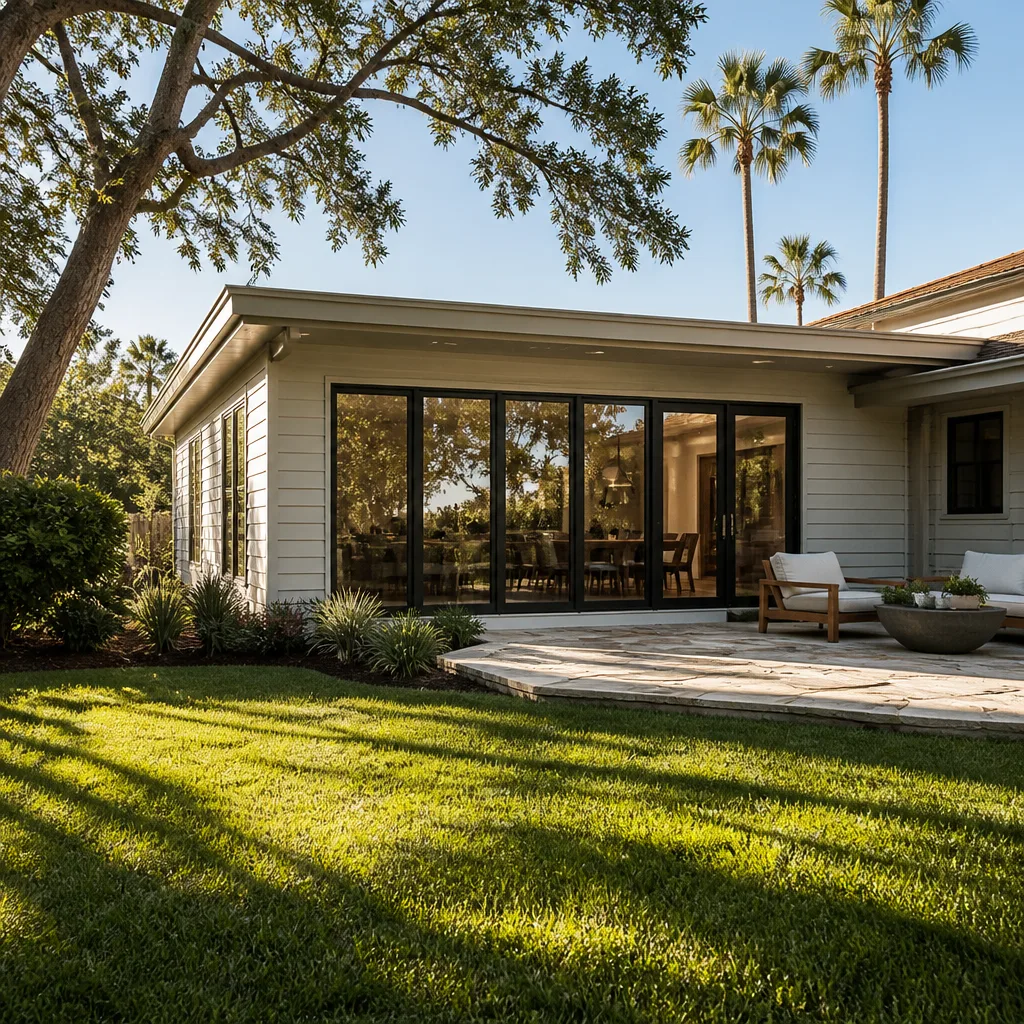
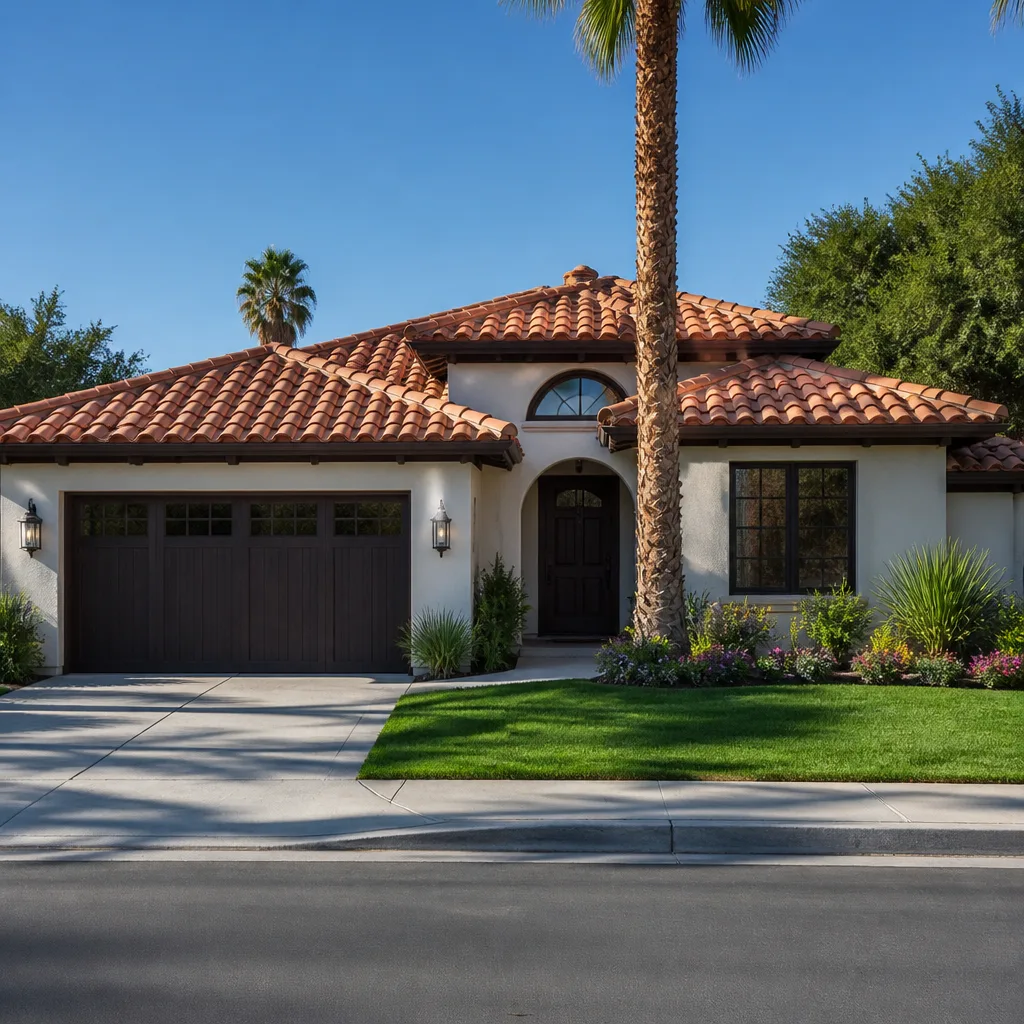

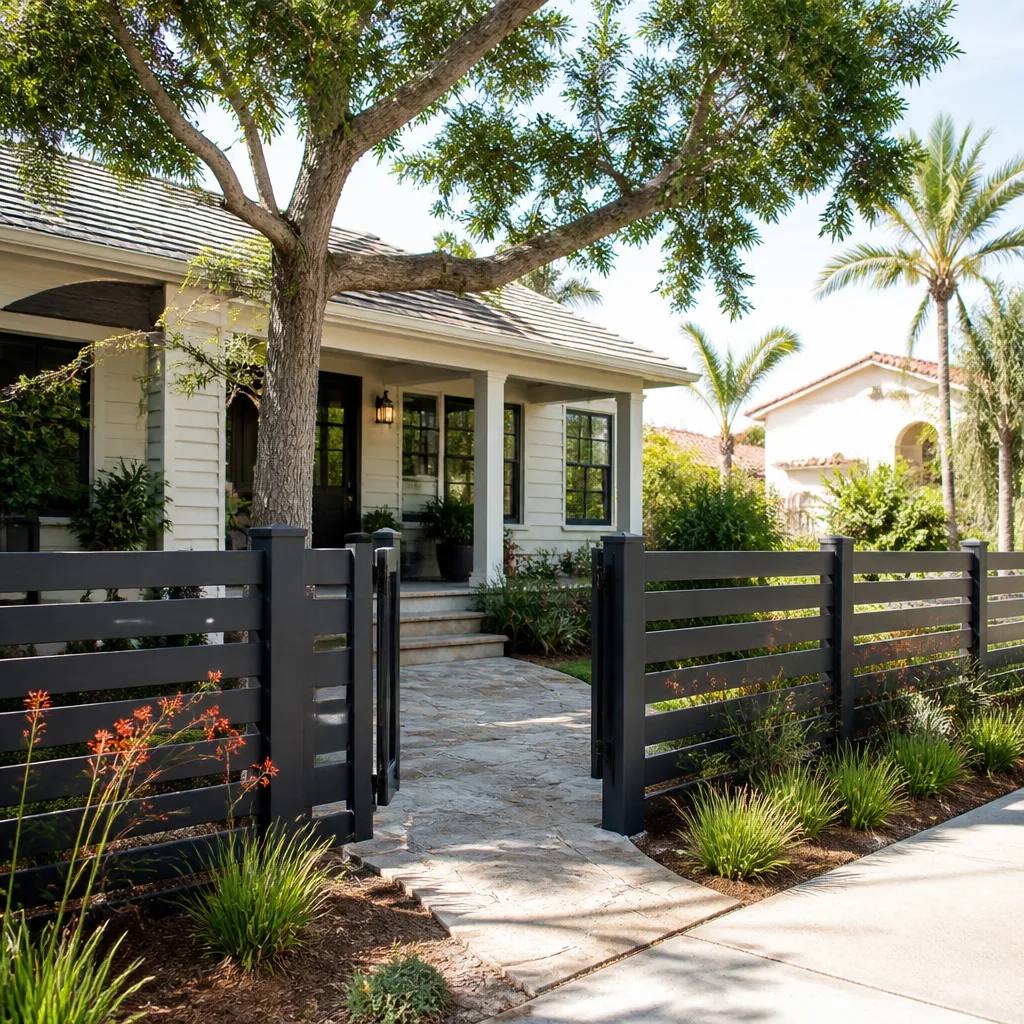
Free written scope consultation - allowances, timeline, and change-order rules on paper before a single trade is scheduled
Seasonal Construction Care for West Covina: Year-Round Homeowner’s Guide
The window between October and December is when West Covina homes quietly absorb the most long-term damage. Not from violent storms, but from a rapid humidity swing after months of dry heat that cracks caulk joints, shifts concrete pavers, and exposes drainage flaws that stayed invisible all summer. West Covina doesn’t have dramatic seasons, but it does have distinct stress cycles: punishing UV summers, a brief but intense rain window, and a dry autumn that quietly works against concrete, wood, and grading. This guide treats your home’s exterior like infrastructure with a maintenance schedule, not a cosmetic checklist. You’ll learn what to inspect each season, what surface changes signal a bigger problem, and how to build a rolling log that makes contractor conversations faster and your property history documentable at resale.
Quick Answer
West Covina homeowners should inspect concrete flatwork and wood framing in early fall after peak UV months, clear and seal drainage before the November rain window, and document every crack and shift with photos and dates. Spring is for batching small winter fixes into one summer project rather than chasing every hairline crack. A rolling 12-month maintenance log keeps your property history clean and speeds up any future contractor estimate.
Table of Contents
- What to Inspect After Summer’s UV Season
- Pre-Rain Season Checklist for West Covina
- How to Assess Post-Rain Damage Without Panic
- Spring Prep: What Winter Actually Revealed
- West Covina’s Soil, Grade, and Drainage Reality
- Materials That Survive the Cycles
- Building Your Rolling 12-Month Maintenance Log
- When to Call a Professional
What to Inspect After Summer’s UV Season
By late September, West Covina concrete and wood have taken three to four months of hard UV exposure and almost no moisture. The damage doesn’t show up as dramatic cracks. It shows up as subtle shifts you have to know where to look for. Here’s what we’ve watched for on job sites across West Covina after a long dry summer.
Concrete flatwork. Walk your driveway, walkways, and patio slab in the morning when shadows are long. Look for:
- Hairline map cracking on the surface (fine spider-web lines). Usually cosmetic, but if you can catch a fingernail in the crack, it’s worth a photo and a measurement.
- Separation at control joints. Control joints are supposed to crack. What matters is whether the gap is widening evenly or opening more on one side, which hints at slab movement underneath.
- Chalky or dusting surface. A slab that crumbles slightly underfoot or leaves a white haze on your shoes is losing its top layer, a sign of surface scaling from heat and sun.
- Ponding stains even though it hasn’t rained. Darker patches that don’t fully dry, especially near the garage apron, point to poor slope and trapped moisture.
- Heaved or rocked pavers. If a paver rocks when you step on it, the sand base under it has shifted. A single rocking paver in September usually becomes a 3- to 4-paver settlement zone by January.
Wood framing and trim. On older West Covina homes, fascia boards, window trim, and porch posts take the sun on the south and west sides. Sun-baked wood pulls away from caulk joints and opens tiny checks (lengthwise cracks) that fill with water in the rain season. Run a finger along the caulk line at window and door frames. If the caulk pulls away in a rubbery strip or shows gaps wider than a business card, that seal has failed and needs re-packing before rain.
What surface changes signal subsurface problems. Look for the difference between surface wear and structural tell-tales. Surface wear is even and predictable. Subsurface problems are irregular: a slab corner that’s lower than the rest, a crack that stays wet long after other areas dry, a paver path that now dips in the middle. Those point to base failure, drainage undermining, or a tree root pushing up from below. Any of those deserve a professional look before you spend money on cosmetic repairs.
Pre-Rain Season Checklist for West Covina
Our rain window in West Covina runs roughly November through March, but the damage happens fast because the ground has dried hard for months. Hard, hydrophobic soil sheds water before it absorbs it. That means the first big storm pushes water sideways, into foundations, under pavers, and against retaining walls before the soil ever softens. The pre-rain checklist matters more here than it does in wetter climates.
Work through this in October and early November:
- Clear every gutter and downspout. West Covina gutters collect dry-season dust, palm fronds, and leaf litter. When the first rain hits, a clogged gutter sends water sheeting down the fascia and behind the siding.
- Test downspout discharge. A downspout should empty at least 3 to 4 feet away from the foundation, and discharge should flow away from the house, not pool at the base. Add a splash block or extension if yours dumps straight down at the footing.
- Seal exterior caulk joints. Window frames, door thresholds, and any penetration through stucco or siding. Use exterior-grade sealant rated for movement; a rigid caulk on a 90°F-to-45°F swing cracks the first cold night.
- Regrade low spots against the house. The ground within 6 feet of the foundation should slope away at roughly 1 inch per foot. If you’ve added soil, mulch, or a new bed against the house over the summer, you may have accidentally created a pond against the wall.
- Check retainers and hardscape joints. Retaining walls need their weep holes cleared so water inside the soil can escape. Paver joints that have lost sand need refilling (polymeric joint sand holds up best in our climate).
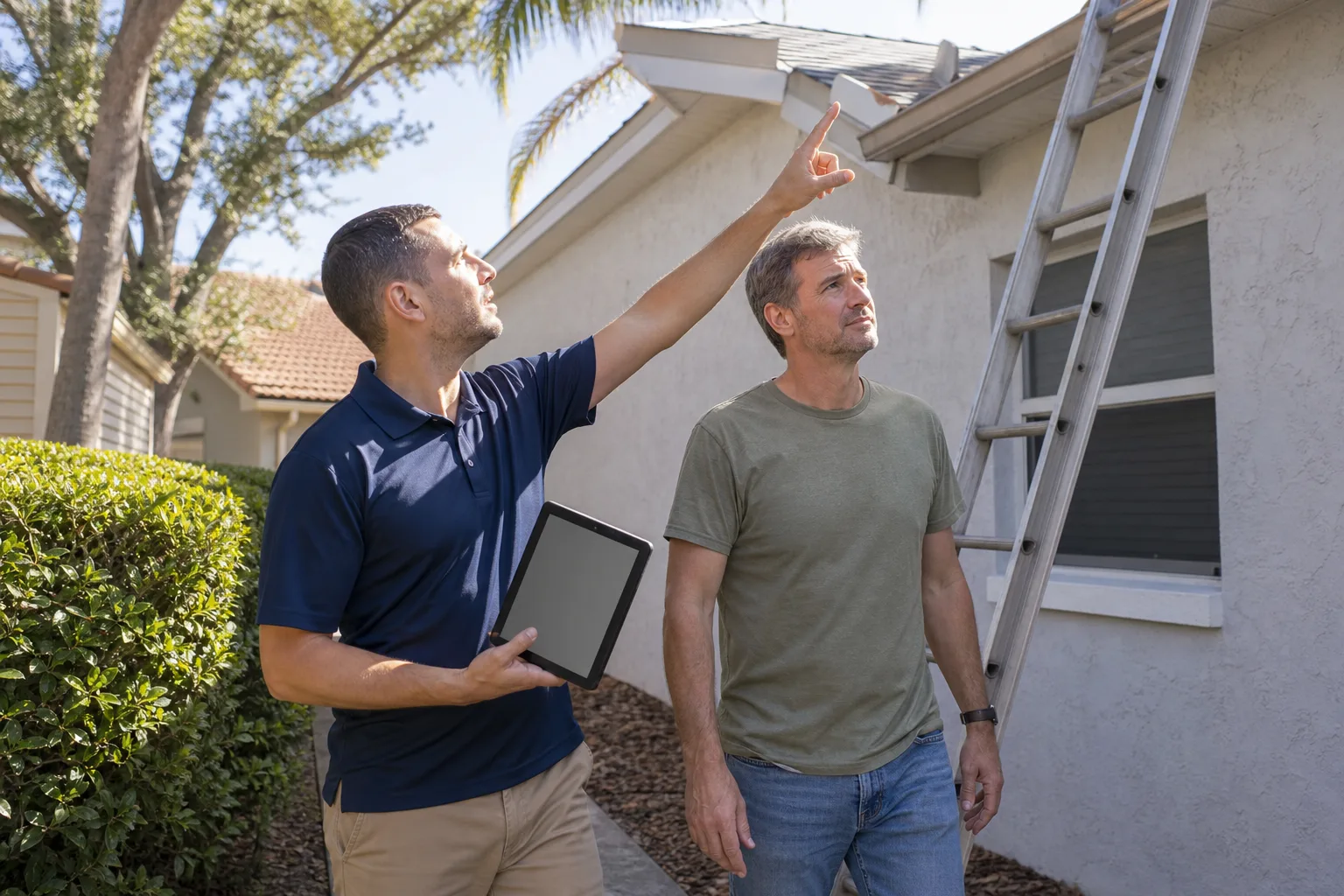
- Inspect the roof from the ground. Binoculars work fine. Look for lifted shingles, missing ridge caps, and granule piles in the gutter. Granules shedding off asphalt shingles after 12 to 15 years of West Covina UV is a normal wear signal; missing tabs after a single season is not.
- Clear the perimeter at grade. Vegetation, mulch, and stored items should stay at least 6 to 8 inches away from stucco and siding. Wood mulch held against a wall keeps moisture there year-round.
Do these seven tasks and you’ll catch the majority of avoidable water intrusion. If your driveway and yard were designed well and any trees haven’t grown into the drainage path, that’s often the whole job. If not, we’ve seen homes in West Covina where a batched driveway and drainage repair done in October would have saved a foundation repair by February.
How to Assess Post-Rain Damage Without Panic
After a big storm, every homeowner walks outside and finds a new crack, a heaved paver, or a soft spot in the lawn. The instinct is to call a contractor immediately, or worse, to ignore it and hope it closes back up. Neither is right. Here’s how to triage what you find so you can separate cosmetic changes from structural ones.
Walk the property 24 to 48 hours after the rain stops. Wait a day. Most cosmetic wet-season changes look dramatic when wet and settle visually once dried. Take photos during and after so you can compare.
Look for these three damage types and match them to response:
- Hairline cracks in concrete: cosmetic. Photo them and re-check next rain. If the width changes noticeably season to season, that’s worth a professional look.
- Widened joints or offset slab (one side higher than the other): this is a slip or settlement issue. A driveway slab that’s dropped more than a quarter inch needs attention before it becomes a trip hazard and before the garage apron takes water under the door.
- Soft spots in lawn or soil near the foundation: usually an underground leak or drainage concentration. Worth investigating promptly.
Retaining walls. Check for bulging, leaning, or rust-colored stains along the wall face after rain. Stains that appear only during the rain season mean water is passing through the wall and not draining around it. Weeping holes clogged with roots or silt should be cleared. Any wall leaning more than a fifth of its thickness over a straight edge should get a professional assessment, since retaining failures often worsen quickly once the soil behind the wall becomes saturated.
Foundations. Look for new cracks in stucco within a foot of the slab line, especially at corners and near door frames. Diagonal cracks radiating from door and window corners often signal differential settlement. Cracks up to about 1/16 inch wide are commonly non-structural and cosmetic in West Covina’s expansive clay and adobe-adjacent soils. Cracks wider than an eighth inch, or cracks that have grown since last season, warrant an inspection.
What to photograph: every change, with a coin or ruler for scale and the date. Contractors reading photos with scale and date are far more accurate in their estimates than ones reading “a crack appeared in the driveway.”
Spring Prep: What Winter Actually Revealed
The best spring projects are the ones winter already outlined for you. Rather than inventing new tasks, spring is the time to catalog what the rain season exposed and decide which fixes are urgent versus which can be batched into one summer project. Here’s how we recommend West Covina homeowners sort it out.
Urgent (fix in the next 4 to 8 weeks):
- Any active water intrusion (damp spots inside the house, water stains after rain).
- Roof damage that leaves a direct path for water: missing or lifted shingles, torn flashing.
- Any paver or slab offset more than 1/4 inch that’s a trip hazard.
- Fence posts that are leaning or rotted at the base after rain saturation.
Batch into a single summer project:
- Worn caulk lines around windows and doors, if replaced properly they can be done in one day.
- Minor surface scaling on a driveway slab that still slopes correctly.
- Cosmetic stucco repairs at locations where no active water is present.
- Resurfacing or color-refreshing pavers where the base is stable.
Watch and re-check in October:
- Hairline cracks that haven’t widened or offset.
- Anything that appears only after the biggest storms, not after smaller ones.
Batching is the single biggest cost-avoidance move. If you call five separate specialists for five separate items, you pay five mobilization fees. If you hire one contractor for a coordinated project – say, a driveway and paver refresh plus a fence repair plus some exterior caulking – you get one mobilization, one material order, and one schedule. The cost difference can run into the thousands on a modest scope.
Spring is also the best time to plan material selections with lead times in mind. Hardie siding, Andersen windows, and Cambria countertops take a few weeks to a few months to arrive depending on the specific product, so selecting in spring keeps your summer project from slipping. We see West Covina clients start to price in February and March so the work is in the ground by May, before the UV season peaks. Call Groundwork Construction Co. of West Covina home for a free estimate and we’ll walk through what your property needs batched versus urgent.
West Covina’s Soil, Grade, and Drainage Reality
West Covina sits where the San Gabriel Valley floor meets the alluvial fans at the base of the foothills. That gives us two distinct soil conditions: heavier, expansive clay in the flatter streets inside the valley, and more permeable, gravel-and-sand-mixed alluvium toward the foothill edges. The difference matters enormously for how fast water absorbs after a storm and what cracks look like on a driveway or foundation.
Clay areas. Water sits on the surface. Concrete slabs on clay take more stress from the swelling and shrinking cycle that follows West Covina’s dry spring and fall. That’s why a driveway in a heavier-clay neighborhood can show a new crack almost every year, while a driveway a half-mile away on better-drained soil stays stable for a decade. Not every crack is a problem, but cracks in clay areas deserve a closer look than cracks in sandy zones.
Foothill areas. Water absorbs faster, which sounds great until you realize it travels through the profile and emerges at retaining walls, foundations, and behind pavers. Retaining walls on slopes need functioning weep holes and drainage rock behind them. We’ve seen walls in the West Covina foothills where a new patio above the wall changed the water path and pushed saturation into a wall that had been fine for 20 years.
Grade to plan for. Aim for roughly 1 inch of fall per foot of horizontal distance away from the house for the first 6 feet. That’s the baseline everywhere. In West Covina, because the first storms hit dry, hydrophobic ground, we recommend the first few inches of fall transition smoothly from the wall to avoid any ponding right at the base of stucco.
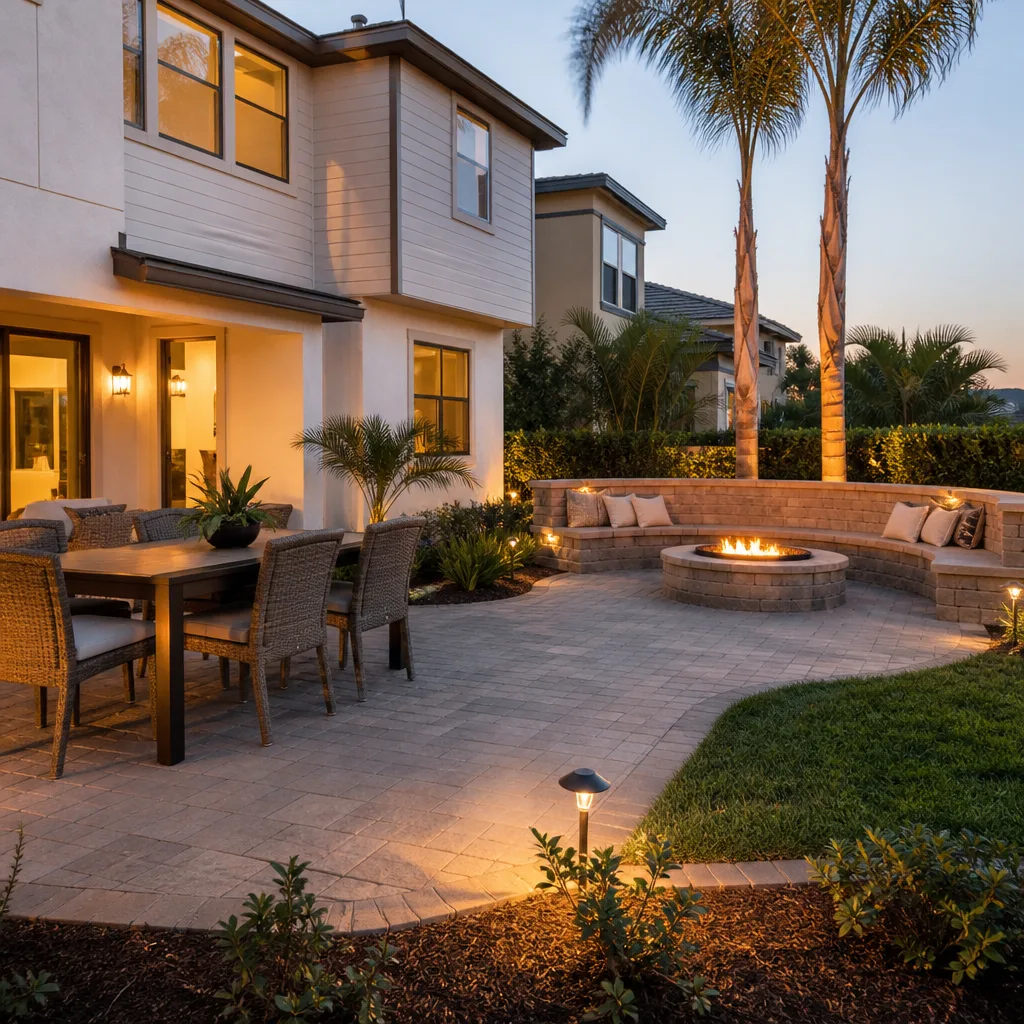
This is also the season where our Driveway & Pavers in West Covina team spends time on base preparation. The visible dollar in a paver job is the surface; the lasting dollar is the base and the slope underneath it. If the base and slope aren’t right, no surface material in the world stays flat.
Materials That Survive the Cycles
West Covina’s material wear pattern is specific: high UV months, low humidity most of the year, a concentrated rain window, then a dry fall. Materials built for wetter or colder climates don’t always serve here, and materials rated for high heat sometimes take color fade faster than homeowners expect. Here’s what we specify most often, and why.
- Roofing. Asphalt shingles with a high UV-rated granule layer, like GAF or CertainTeed products, hold color longer in our sun than budget-tier shingles. On West Covina roofs with sun exposure to the west and south, we also recommend checking attic ventilation, since heat buildup shortens shingle life from the underside.
- Siding and trim. James Hardie fiber cement is common on West Covina exteriors for good reason: it doesn’t feed termites, resists rot after the rain season, and holds paint far longer under UV than wood. Wood trim gets detailed caulk and repaint attention every 5 to 7 years.
- Windows and doors. Andersen and Pella windows offer strong low-E glass options that cut interior solar gain, which matters in a West Covina August. Window replacement here often pays back partly in reduced cooling costs and partly in exterior paint longevity.
- Hardscape. Pavers with a tight joint design (or polymeric joint sand) shed water cleanly. Belgard pavers and concrete with a high cement content hold up well to our UV.
- Interior surfaces exposed to sun. If your kitchen or bathroom project has west-facing glazing, quartz surfaces like Cambria, Silestone, and Caesarstone all resist UV-induced fading on surfaces better than natural stone, which can yellow slightly in extreme sun exposure.
- Fixtures. Kohler finishes hold up well against the mineral content in West Covina area water, which runs moderately hard. What looks like fixture wear is often scale, not the finish itself.
The common thread: choose materials rated for high sun and seasonal moisture swings, and buy them through verified brand partners. The brands above are ones we’ve put into West Covina homes repeatedly and can stand behind with our 730-Day Done Right Promise – if it’s not done right, we make it right. Built to last, backed in writing.
Building Your Rolling 12-Month Maintenance Log
The most useful thing a homeowner can carry to a contractor conversation is a dated photo log. It turns “I think the driveway has been cracking for a year or two” into “here are photos from March and October for three years; the crack on slab 2 grew from a hairline to 1/8 inch in the last 12 months.” Contractors can quote accurately when they have that history. Without it, everyone guesses.
Here’s how to build one that’s actually maintainable:
- Create a single digital folder per property with subfolders for roof, hardscape, exterior trim, drainage, and interior. Take photos with your phone; the timestamp is automatic.
- Set a seasonal reminder. Two dates matter: the first week of October (pre-rain) and the last week of March (post-rain). Walk the property both times, every year, and photograph the same 10 to 20 reference locations.
- Log every purchase and repair – material name, brand, date, contractor, and invoice total. If your roof replacement is a GAF system with a specific warranty, that name matters to any future buyer.
- Track crack widths with a measurable reference. Place a coin or ruler next to the crack and photo it. A quarter is 0.955 inches wide, so it’s a good scale.
- Note weather events. A quick “3 inches of rain in two days” note after a big storm tells a future contractor whether a problem is a one-time event or a pattern.
- Record what you’ve already fixed and when. This is gold at resale. A documented exterior maintenance history lowers buyer anxiety and supports a higher asking price.
Two years of consistent photos is enough to start getting better contractor estimates. Five years is enough to be a real asset at sale. This is also a natural companion to any larger project – if you’re planning a Home Additions & ADU in West Covina, the logbook becomes the due-diligence file that supports pulling permits and planning around existing site conditions.
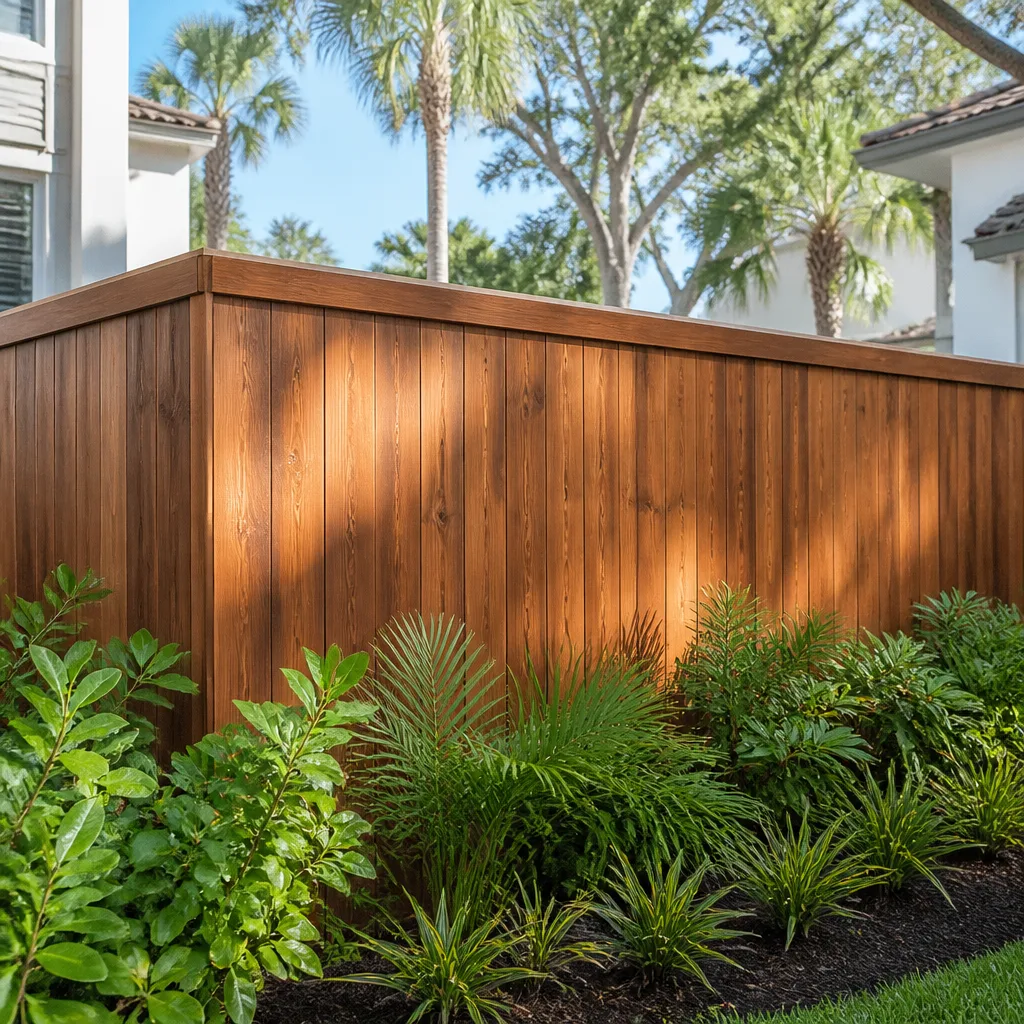
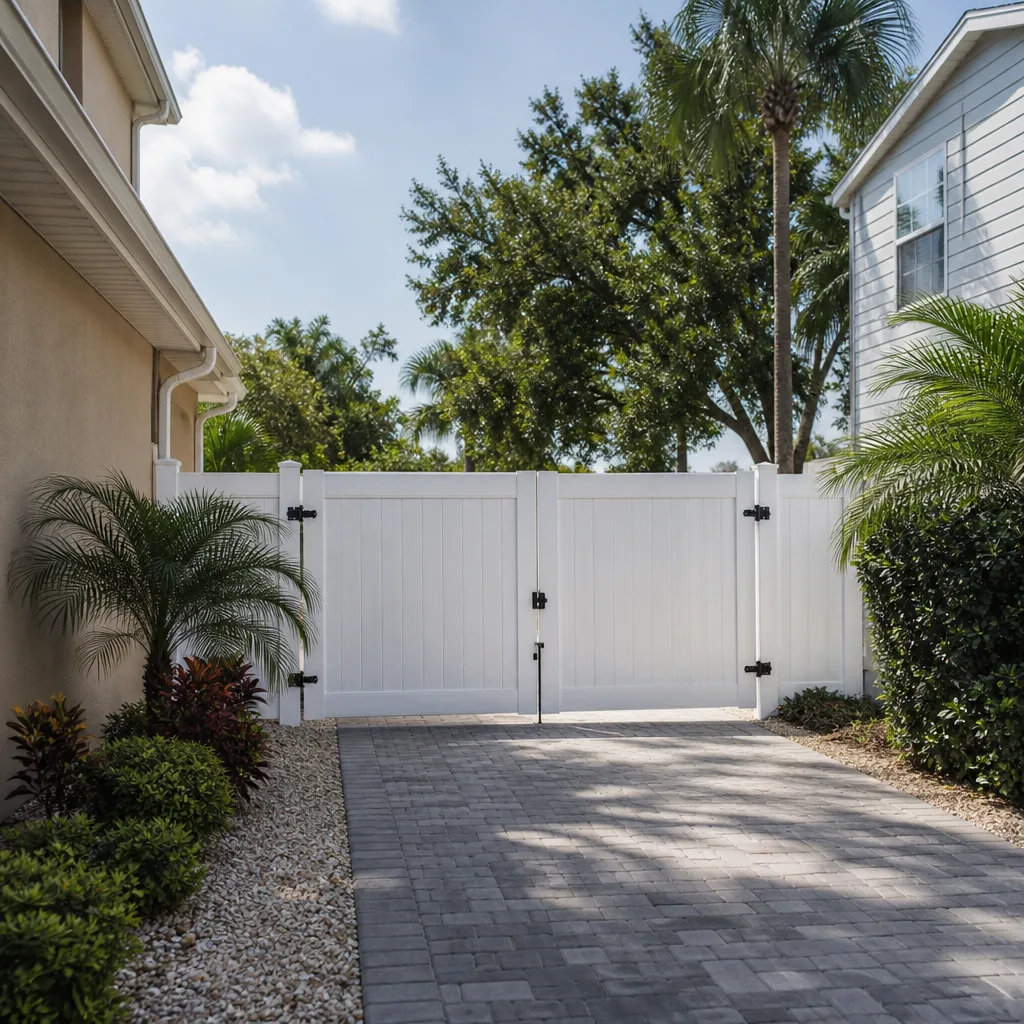
Your fencing deserves a separate entry in the log too. Wood fences in West Covina take the worst of the sun on the west-facing sides and the worst of the moisture at the base after rain. A dated log of post replacements and stain cycles makes it obvious when the whole run is due for replacement rather than another patch. If you’re deciding between repair and replacement, our Fence Installation in West Covina team can walk you through the call.
Common Mistakes to Avoid
- Sealing your driveway before addressing cracks and slope. Sealant traps moisture and hides the very condition you need to see. Fix cracks first, correct grade second, seal third – never the other way around.
- Caulking in summer at the hottest part of the day. Caulk applied to hot stucco or vinyl stretches while it cures, then cracks the first cool night. Apply in the morning, below about 80°F, when the substrate is stable.
- Adding soil or mulch against the house without regrading. A fresh layer of soil or mulch can change the slope you already had. Every time you add material against the house, re-check the fall away from the wall.
- Treating an offset slab as a cosmetic issue. A 1/4-inch vertical offset in a paver or concrete flatwork is both a trip hazard and a catch point for water. Ignoring it costs more in the long term than fixing it, especially on a West Covina walkway that sees daily foot traffic.
- Pressure-washing the entire stucco exterior. Stucco is porous; high-pressure water drives moisture into the wall cavity. Low-pressure wash with a mild detergent is all stucco should ever see from a homeowner.
- Skipping the pre-rain checklist because it “didn’t rain last year.” In West Covina, a dry year doesn’t reset the soil. Dry ground is actually more hydrophobic, so the first rain after a dry year causes more dramatic runoff than the first rain after a wet year.
- Batting small jobs one at a time. Five scopes to five separate contractors means five mobilization fees, five scheduling headaches, and no single party accountable. Grouping them keeps cost down and accountability clean.
Styles & brands we work with
- Kitchen remodeling
- Bathroom remodeling
- Home additions & ADU
- Roofing
- Windows & doors
- Driveway & pavers
- Fence
When to Call a Professional
Some of this work belongs to you and a Saturday morning. Some of it belongs to a licensed contractor. Call a professional when you see any of the following in West Covina:
- Active water intrusion into the house after rain, or a water stain on the interior ceiling or wall.
- Roof damage from the ground inspection – lifted shingles, missing ridge caps, torn flashing, or exposed underlayment.
- Any retaining wall showing lean, bulge, or a pattern of stains that only appears during rain.
- Foundation cracks wider than an eighth inch, or diagonal cracks radiating from door and window corners.
- Slab offsets in driveways or walkways that create genuine trip hazards.
- Any paver or hardscape area where the failure runs under more than a 3-by-3-foot patch, since that’s usually a base problem not a surface problem.
The 730-Day Done Right Promise is behind every project we take on – if it’s not done right, we make it right. Groundwork Construction Co. of West Covina offers free estimates in West Covina. Call (844) 662-2335, and a live person answers, 24/7. Upfront pricing, no surprises, and a written line-item scope on every estimate.
See the difference
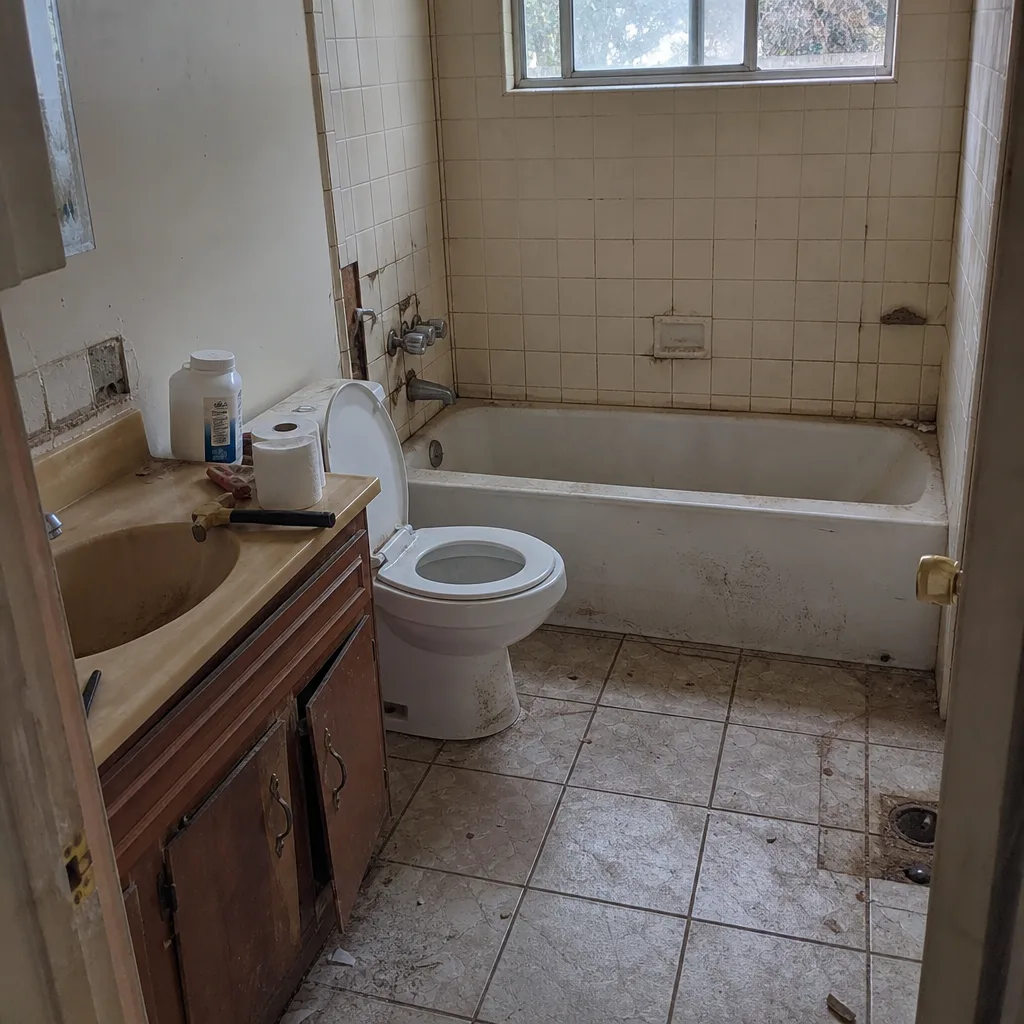 Before
 After
 Before
 After
 Before
 After
Frequently Asked Questions
Most West Covina homeowners spend roughly $300 to $900 per year on preventive exterior maintenance when they do the seasonal work themselves, or roughly $1,200 to $2,500 per year if they hire help for caulking, gutter cleaning, and inspection. Major fixes – a driveway replacement, retaining wall repair, roof replacement – run far above that, which is why catching problems early matters. Call (844) 662-2335 for an exact quote on your property – estimates are free.
The best window for driveway repair in West Covina is late spring through early autumn, ideally May through September, when the ground is dry and pavers and concrete cure predictably. Small fixes like paver re-sanding or crack sealing can be done in fall, but a full replacement should be scheduled before October so the work is fully cured and sealed before the rain window.
Fence height, setback from property lines, and driveway widening all have permit thresholds in West Covina, and requirements can differ by lot and by HOA. As a rule of thumb, fence repairs of existing posts and panels usually don’t need a permit, but a new fence line, a driveway widening, or a retaining wall above a certain height often does. We pull permits and pass inspections on projects that need them, and we’ll tell you upfront whether your scope triggers one. Call (844) 662-2335 for a free estimate and scope review.
Cracks up to about 1/16 inch that appear at control joints and stay flat are usually cosmetic. Cracks that widen season after season, cracks with vertical offset, or diagonal cracks radiating from a corner are worth a professional assessment. Photograph the crack next to a ruler every October and March; if the width growth is more than about 1/32 inch per year, get it looked at.
No. We quote a written line-item price upfront, and that’s the number you pay on the scope we agreed on. The only time the price changes is if you change the scope mid-project, and we’ll put any change in writing before doing the work. That’s the standard behind our 730-Day Done Right Promise – if it’s not done right, we make it right. Call (844) 662-2335 for a free estimate.
Most preventive maintenance scopes finish in a single day – exterior caulking, gutter work, paver re-sanding, and minor hardscape repair together usually run under eight hours. Larger batched projects like a driveway replacement with a paver walkway and fence repair typically run three to five days once materials are on site. Roof replacement scopes generally run one to three days depending on the roof’s size and complexity. We’ll give you a written schedule with the estimate so you can plan your week. Call (844) 662-2335 to schedule your free estimate.
The Bottom Line
West Covina doesn’t punish homes with dramatic storms. It punishes them with cycles: harsh UV summers, hydrophobic dry soil, a brief intense rain window, and a dry autumn that quietly widens every crack. The homeowners who come out ahead are the ones treating the exterior like infrastructure with a maintenance schedule – inspecting concrete and wood every fall, clearing and sealing before the rain window, documenting everything with dated photos and measurements. Keep a rolling 12-month log, batch winter fixes into one summer project, and choose materials rated for high sun and moisture swings. It’s the difference between a house that needs a couple of small fixes a year and a house that needs a foundation repair.
Groundwork Construction Co. of West Covina handles all of these scopes – from fence installation to driveways and pavers to home additions and ADUs – with upfront pricing, no surprises, and background-checked, uniformed technicians on every job. To schedule a free estimate and design consult, call (844) 662-2335. A live person answers the phone, 24/7. We serve West Covina and the surrounding communities with a single-accountability scope from foundation to finish line, backed by the 730-Day Done Right Promise.
Written by the team at Groundwork Construction Co. of West Covina.