Last updated November 18, 2026


Free written scope consultation - allowances, timeline, and change-order rules on paper before a single trade is scheduled
How to Hire a Construction Contractor in West Covina: A Step-by-Step Guide
An active license from the California Contractors State License Board tells you one thing: the state hasn’t revoked it. It does not tell you whether that contractor has ever walked a set of plans through the West Covina permit counter, knows which inspections get scheduled together in this city, or has a subcontractor base that actually shows up in the San Gabriel Valley. In our experience, most homeowners who end up with a bad build aren’t naive. They just never knew which questions to ask. This guide walks through the exact pressure points: permit history, the five contract clauses that matter, realistic timelines, and the red flags that are legal but should still send you running.
Quick Answer
To hire a construction contractor in West Covina, verify the license on the CSLB site, then check the contractor’s actual permit history through the city’s building department before you look at a single portfolio photo. Get three written bids with line-item scope, confirm who pulls the permit and who pays for re-inspection, and refuse to sign anything without a lien waiver clause, a change order cap, and a written warranty. A contractor who can’t answer basic questions about West Covina permits and inspection sequencing will cost you months, not days.
Table of Contents
- 1
- 2
- 3
- 4
- 5
- 6
- 7
- 8
Why West Covina Permit History Matters More Than the License Lookup
The CSLB lookup is table stakes. It confirms the license is active, the classification matches the work (B for general building, C-39 for roofing, C-36 for plumbing), and the bond is on file. Every contractor you’re considering will pass that check, which is exactly why it doesn’t separate anyone.
What the license check won’t show you is whether that contractor has pulled a permit in West Covina in the last five years. That gap matters because West Covina’s building department has its own rhythm. Plan check timelines shift based on the project type. A kitchen remodel that involves moving a load-bearing wall goes through a different review path than a straight cabinet swap. Roof replacements in this city require specific documentation tied to the 2022 California Building Energy Efficiency Standards, which changed how contractors document roof assemblies and ventilation. A contractor who’s never pulled a permit here will learn those details on your dime, with your inspection dates slipping week by week.
The geography matters too. West Covina sits in the eastern San Gabriel Valley, where summer heat regularly pushes past 95 degrees and the Santa Ana winds in fall accelerate roof and fence wear. A contractor who pulls most of their permits in coastal cities is working in a different climate and a different set of inspection schedules. Local permit history is a proxy for local competence. It’s not conclusive, but it’s the fastest filter you have. Claiming otherwise is how homeowners end up with an unpermitted ADU and a stop-work order from the city.
How to Verify a Contractor’s West Covina Permit Record Step by Step
Here’s the part most guides skip. You can pull a contractor’s permit history in West Covina without any special access, and it takes about thirty minutes per contractor. Do this before you invite them to your property.
- Start with the CSLB license lookup. Enter the license number and confirm it’s active, matches the classification for your project, and the bond is current. Screenshot the page.
- Call the West Covina Building & Safety Division. Ask how to submit a public records request for permits pulled under a specific contractor license number. The staff will tell you the process and any fees.
- Request the permit history by license number. Ask for the last three to five years of permits pulled in West Covina, including permit type, address (this may be redacted), date issued, and final inspection status.
- Compare the closer dates. If the contractor has pulled permits in West Covina within the last two years, that’s a strong signal they know the counter. If the only permits are from five or more years ago, they may be relearning this city’s current process.
- Check the inspection outcomes. The building department can tell you whether permits closed out with a passing final inspection, or sat open. Open permits from three years ago are a genuine red flag. They mean the contractor walked away before final inspection.
- Cross-reference with the CSLB complaint history. Look at the record of any formal complaints filed against the license. A single complaint from a difficult client is normal. A pattern over two years is a pattern.
- Ask the contractor directly. In the interview, ask: “Have you pulled a permit in West Covina in the last twelve months, and can you name the plan check reviewer your projects typically go through?” A contractor who genuinely works here will answer quickly. One who doesn’t will pivot to their portfolio.
This process works. It also tells the contractor you called that you’re a homeowner who asks real questions. That single piece of information shifts the entire relationship.
The Five Contract Clauses That Protect West Covina Homeowners
Most residential construction contracts favor the contractor. That’s not necessarily a scam; it’s the way the industry defaults. But there are five clauses every West Covina homeowner should have in writing before signing. If a contractor pushes back on any of them, that’s your answer about whether they’ll protect you on the back end of a project.
1. Lien waiver clause (also called a conditional release)
The lien waiver protects you from a subcontractor or material supplier filing a mechanics lien on your property because the general contractor didn’t pay them. California Civil Code Section 8424 allows a supplier to file a lien within 90 days of the last day of work, even if you already paid the general contractor in full. The contract must require the general contractor to collect signed lien waivers from every sub and every material supplier at each payment milestone. Get the signed waivers in your hand before you release each payment. No waiver, no check.
2. Change order cap
A change order cap limits how much a project can increase in price from changes you didn’t request. A reasonable cap is 10% of the contract total, with anything beyond requiring your signed approval on a line-item change order. Without this clause, “surprise” change orders – the hidden rotted subfloor, the “code upgrade” – can inflate a $40,000 kitchen to $60,000 with no conversation. The cap doesn’t prevent legitimate change orders. It prevents surprise ones.
3. Inspection hold points
A hold point is a moment in the project where work stops until an inspector signs off. The contract should specify which inspections are required, who schedules them, and – importantly – who pays for re-inspection if the first inspection fails. In West Covina, framing, rough electrical, rough plumbing, drywall, and final inspections are common hold points. Requiring the contractor to cover re-inspection fees when the failure is their fault is standard for legitimate contractors. Contractors who want the homeowner to eat re-inspection fees are telling you something about how they work.
4. Payment schedule
California law restricts how much contractors can collect as a down payment on residential projects. A typical payment schedule in West Covina looks like this: 10% at signing, 25% at material delivery, 30% at rough framing completion, 20% at drywall, 10% at final inspection passing, and 5% released at your 30-day walkthrough. The final 5% is your leverage. Never release it until you’ve lived in the finished space for at least thirty days.
5. Warranty terms
The contract must state the workmanship warranty in writing, in plain language, and specify what it does and doesn’t cover. A workmanship warranty covers labor defects (a leak at a pipe the contractor installed, a door that doesn’t close because the frame was hung out of square). A manufacturer warranty covers the product itself (the shingle, the window). Both should be in the contract. What matters is what the contractor commits to when something fails, and how quickly they respond.
What a Real West Covina Project Timeline Looks Like
A lowball bid often comes with a lowball timeline. A kitchen remodel that a real West Covina contractor will quote at six to nine weeks gets quoted at four weeks to win the bid, then renegotiates once the demo reveals rotted subfloor or a wall that isn’t where the plans said it was. The renegotiation is the lowball’s real business model.
Here’s what realistic timelines look like for common projects in this city, assuming the contractor pulls permits and West Covina building department plan check runs at a normal pace. These aren’t guarantees. They’re what to expect when things go correctly.
| Project Type | Plan Check | Construction | Total |
|---|---|---|---|
| Bathroom remodel (no layout change) | 2-3 weeks | 3-4 weeks | 5-7 weeks |
| Kitchen remodel (layout change) | 3-5 weeks | 6-9 weeks | 9-14 weeks |
| Roof replacement | 1-2 weeks | 3-5 days | 2-3 weeks |
| Attached ADU (600-900 sq ft) | 8-12 weeks | 4-6 months | 6-9 months |
| Detached ADU (600-900 sq ft) | 10-14 weeks | 5-7 months | 7-10 months |
If a contractor’s quoted timeline is significantly shorter than these ranges – a kitchen in three weeks, an ADU in three months – ask why. In our experience, the answer is usually that they’re skipping a permit, or they’re assuming the plan check will go smoothly in a way that West Covina plan check rarely does on first submittal. Neither assumption holds up under pressure. For larger additions, the timeline story gets longer; you can read more about scope and sequencing on our Home Additions & ADU in West Covina page.
How to Evaluate a Contractor’s Subcontractor Relationships
Every general contractor uses subcontractors for the licensed trades – electrical, plumbing, HVAC, roofing. The quality of the general contractor’s sub relationships is where good builds get lost. A general who’s worked with the same electrician for eight years has leverage to demand quality. A general who found the electrician on a subcontractor marketplace last Tuesday doesn’t.
You can’t inspect the subcontractor network directly, but you can ask questions that reveal it.
- “Who’s the electrical sub on this project, and how long have you worked with them?” Legitimate contractors will name the sub. If they can’t name the sub before the contract is signed, that means the sub isn’t yet locked in – a sign the project may start with whatever crew is available.
- “Will the same electrical sub be on this project from rough-in through final inspection?” The answer should be yes. When the rough-in sub and the final-inspection sub are different people, punch list items get dropped between them.
- “Are your subs licensed and insured separately, and can I see their CSLB records?” Every sub who does licensed work should be individually licensed with the CSLB. The general’s insurance is not a substitute for the sub’s own license.
- “How do you handle a sub who does work that fails inspection?” The answer will tell you everything. A general who eats the re-inspection cost and back-charges the sub is one who controls quality. A general who forwards the bill to the homeowner is transferring risk to you.
- “Do you have a written subcontractor agreement that includes my project’s warranty terms passing through to the sub?” Legitimate contractors have one. The warranty you got from the general should flow through to the sub who did the work.
In West Covina, where drive times to other job sites can eat half a day, the geography of a contractor’s sub base matters too. A general whose subcontractors all live in the Valley has different scheduling flexibility than one whose subs are fifteen minutes away. That’s a real conversation to have: how quickly can a sub be on site if something fails after the fact?
How to Compare Bids Without Getting Played by the Lowball
Three bids, all different, is normal. What matters is comparing them on the same scope, not just the bottom line. The lowball bid almost always wins if you compare prices alone; it almost always loses if you compare what’s actually included.
Here’s how to evaluate three bids side by side.
- Match the scope line by line. Make a spreadsheet with each line item from each bid – demolition, framing, drywall, electrical, plumbing, finishes, cleanup – and fill in what each contractor includes. Gaps and “TBD” entries are the most common source of lowball inflation.
- Look for the “excluded” list. Every bid should have one. The items that get excluded – permit fees, hauling, disposal, dumpster rental, painting, finish hardware – are where the number grows once work starts.
- Verify what materials are specified. A bid that says “roofing shingles” is different from one that says “Owens Corning Duration or equivalent.” Ask what “or equivalent” means in practice. The contractor should specify a brand-tier commitment, not a material category. Curated brand partnerships – Owens Corning, IKO, Tamko and similar – usually mean the specified material is actually what shows up.
- Check the permit line. The bid should state clearly whether the permit fee is included, and whether the contractor is pulling the permit under their own license or asking you to pull a homeowner permit. Homeowner permits shift the inspection liability to you and may void certain warranties.
- Look at the change order process in each bid. A bid with a written change order process and a cap has a plan for surprises. A bid with a verbal “we’ll talk about it” has no plan.
- Ask each contractor what their worst-scope surprise was in the last year. Legitimate contractors will answer. The story tells you how they handle the inevitable surprises, and whether they blame the client or own the process.
- Compare the warranty language. The warranty length and exclusions should be in every bid. If it’s not, ask for it in writing before you sign anything.
For exterior work in West Covina – roofs, driveways, fences – the same bid-comparison rules apply, but the warranty language matters even more because the sun and wind will test the work fast. Our Driveway & Pavers in West Covina page and Fence Installation in West Covina page go deeper on what to look for on those specific projects.
Red Flags That Are Legal But Should Still Disqualify Them
The most expensive problems in construction aren’t illegal. They’re legal. Contractors who operate within the letter of the law but in ways that leave you holding the bag. Here’s what to watch for.
- No local references you can actually call. Every contractor will provide references. The question is whether any of those references are from West Covina or a neighboring city – Covina, Glendora, Baldwin Park, La Puente, West Puente Valley. If every reference is from fifty miles away, the local permit-counter experience may be thin.
- Verbal-only change order process. “You just call me and we’ll work it out” is the most expensive sentence in construction. Every change order should be a written document with a line-item price and your signed approval before work proceeds. No exceptions.
- Vague scope language in the proposal. “Bathroom remodel, up to code” tells you nothing. A real scope describes demolition, materials, dimensions, fixture allowances, and finish standards. Every vague phrase becomes a negotiation point later.
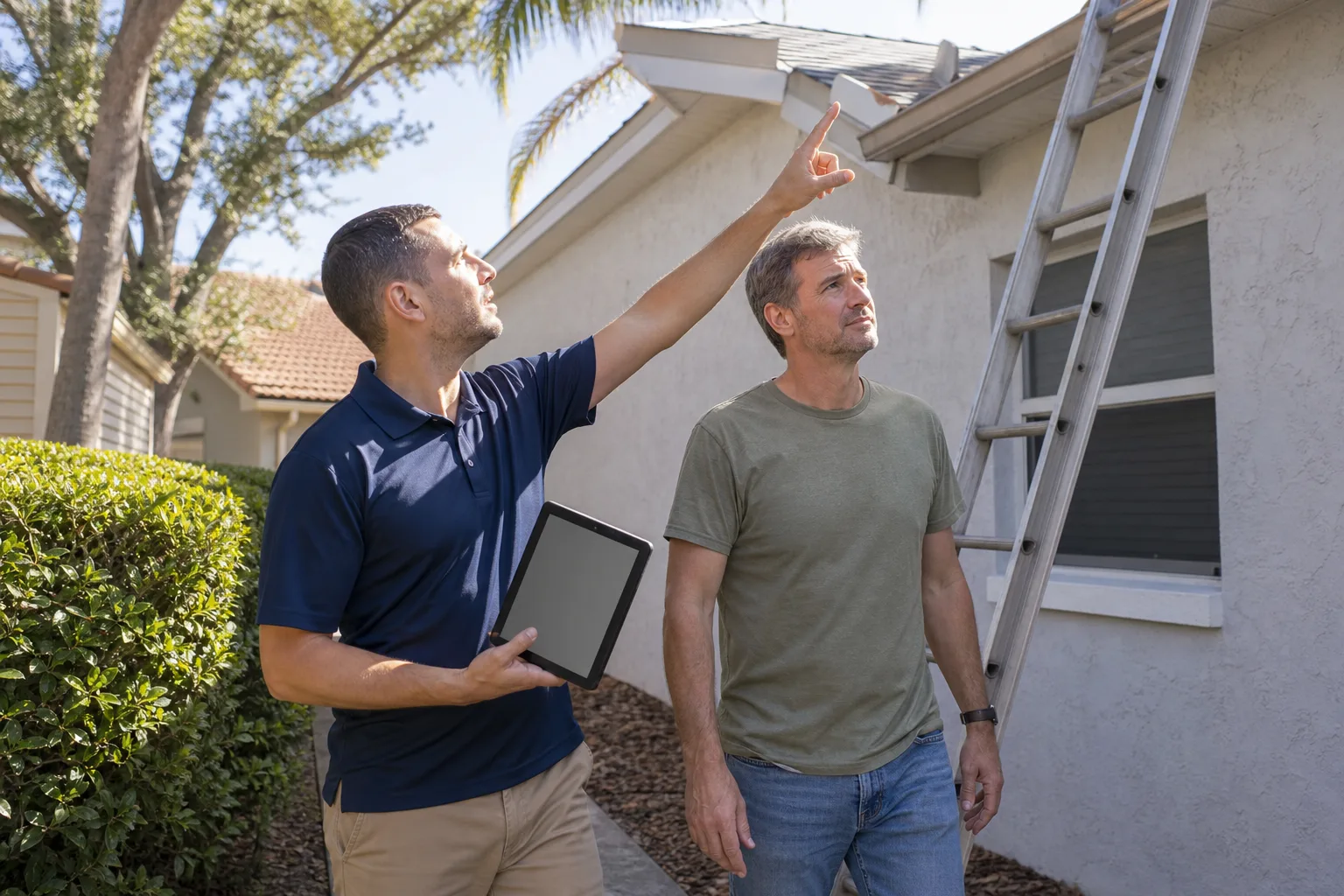
- They haven’t read your house’s plan set. If a contractor quotes a project without reviewing the property’s existing plans or doing a site walk, the number is not real. It’s an anchor. Ask to see the calculator.
- Warranty fine print that excludes most common failures. “Warranty covers workmanship only” combined with an exclusion list that covers water intrusion, settling, and normal wear can leave you with a warranty that covers basically nothing. Read the exclusions before you sign.
- They push to close the deal today. “This price is only good through tomorrow” is a sales tactic, not a construction reality. A real contractor will let you take a week to compare bids. If they won’t, the price wasn’t real.
- They can’t name their last three West Covina projects. “We’ve done a lot of work in West Covina” is not an answer. Specific addresses or neighborhoods – a house in South Hills, an addition off Azusa Avenue, a roof replacement near the West Covina mall – is.
The Final Walkthrough and Warranty: What to Expect
The walkthrough is the moment the project either becomes a finished build or becomes a punch list that never ends. Bring a written punch list to the walkthrough – it’s a legal document in the state of California once you and the contractor sign off. Every item on the list should have a target completion date.
What to check at the walkthrough:
- Every door, window, and cabinet opens, closes, and latches cleanly.
- Every plumbing fixture runs hot and cold, drains without gurgling, and doesn’t leak at the connection.
- Every electrical outlet is wired to code, tests correctly with a circuit tester, and is properly grounded.
- Every painted and installed surface is inspected under daylight and a work light. Fill and finish defects only show up under direct light.
- Every warranty document – manufacturer and workmanship – is in your hand, in writing, with terms stated in plain language.
- The building department has issued a final inspection sign-off. If the project is not finaled, the project is not finished.
What to expect after the walkthrough: a warranty period – usually one year at a minimum, longer on premium workmanship guarantees – during which defects get fixed at the contractor’s cost, not yours. Re-read the warranty terms at the walkthrough. Note the response time commitments and the point of contact for warranty work. Then wait thirty days, live in the space, and file any new punch list items with the contractor in writing.
Common Mistakes to Avoid
- Hiring before checking West Covina permit history. A contractor with an active license and a clean CSLB record can still have three open permits in West Covina from two years ago. Call the building department before you call the contractor to your property.
- Comparing bids by the bottom line alone. The cheapest bid is almost always the one with the biggest “excluded” list and the loosest “or equivalent” language. Compare line items, not totals.
- Skipping the lien waiver clause in the contract. California law allows subs and suppliers to file a mechanics lien on your property within 90 days of the last work day, even after you’ve paid the general contractor in full. Demand a signed conditional release at every payment milestone.
- Letting the final payment go before final inspection. The last payment and the final inspection sign-off are one transaction. If the building department hasn’t closed the permit, the project isn’t finished, and the contractor shouldn’t have the final check.
- Accepting verbal change orders. A verbal change order is an unwritten debt. Every price change, every scope change, every materials swap should be on paper, signed, and priced before the work moves forward.
- Ignoring the subcontractor relationship question. A strong general contractor with weak subs is a thinly-hedged bet. Ask who’s doing the licensed work and how long they’ve worked with that person.
- Skipping the site walk on the quote. A quote without a site walk and plan review is a guess dressed up as a number. Ask the contractor to walk the property before they quote.
Styles & brands we work with
- Kitchen remodeling
- Bathroom remodeling
- Home additions & ADU
- Roofing
- Windows & doors
- Driveway & pavers
- Fence
When to Call a Professional
Some projects you can DIY. Many you shouldn’t. Anything that touches electrical, plumbing, load-bearing structure, roofing overhead, gas lines, or permits is a project for a licensed, insured contractor who pulls the permit under their own license. In West Covina specifically, roof replacements after Santa Ana wind events, kitchen and bath remodels that move walls, attached or detached ADUs, and anything that requires an inspection hold point belong in the hands of a professional. Doing structural or permitted work yourself – or hiring an unlicensed handyman – can void your homeowner’s insurance and create a disclosure problem when you sell.
At Groundwork Construction Co. of West Covina home, we quote every project with line-item scope, pull permits under our license, and stand behind workmanship in writing. Our technicians have up to 12 years of experience. Free estimates in West Covina – call (844) 662-2335 to schedule.
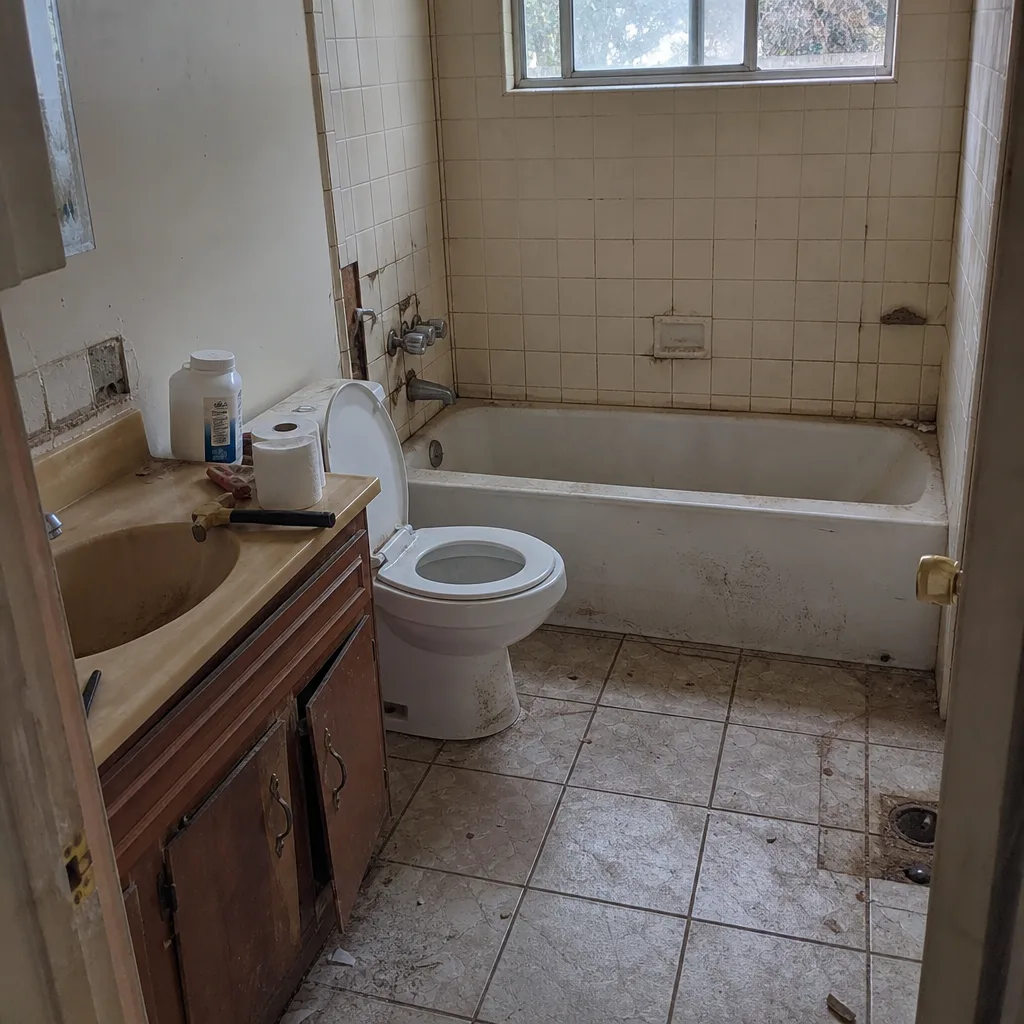
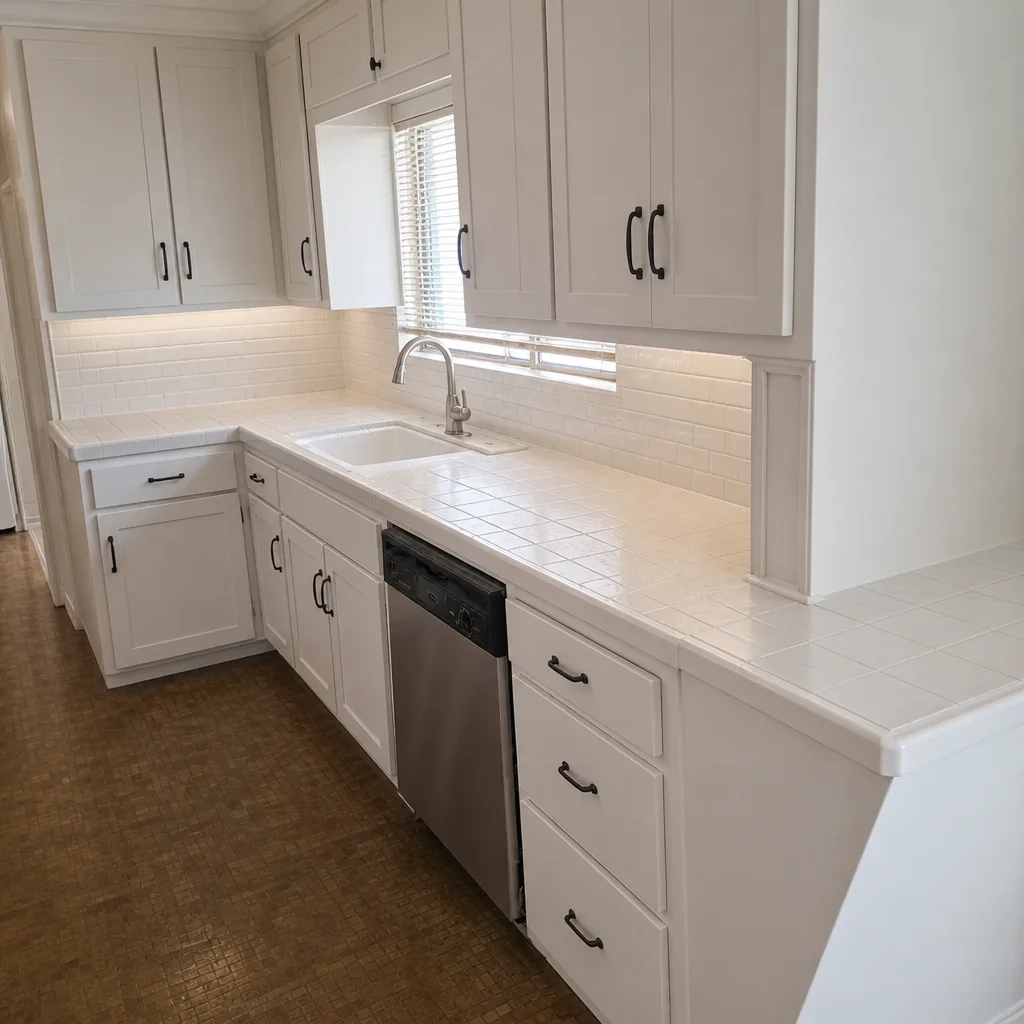
See the difference
 Before
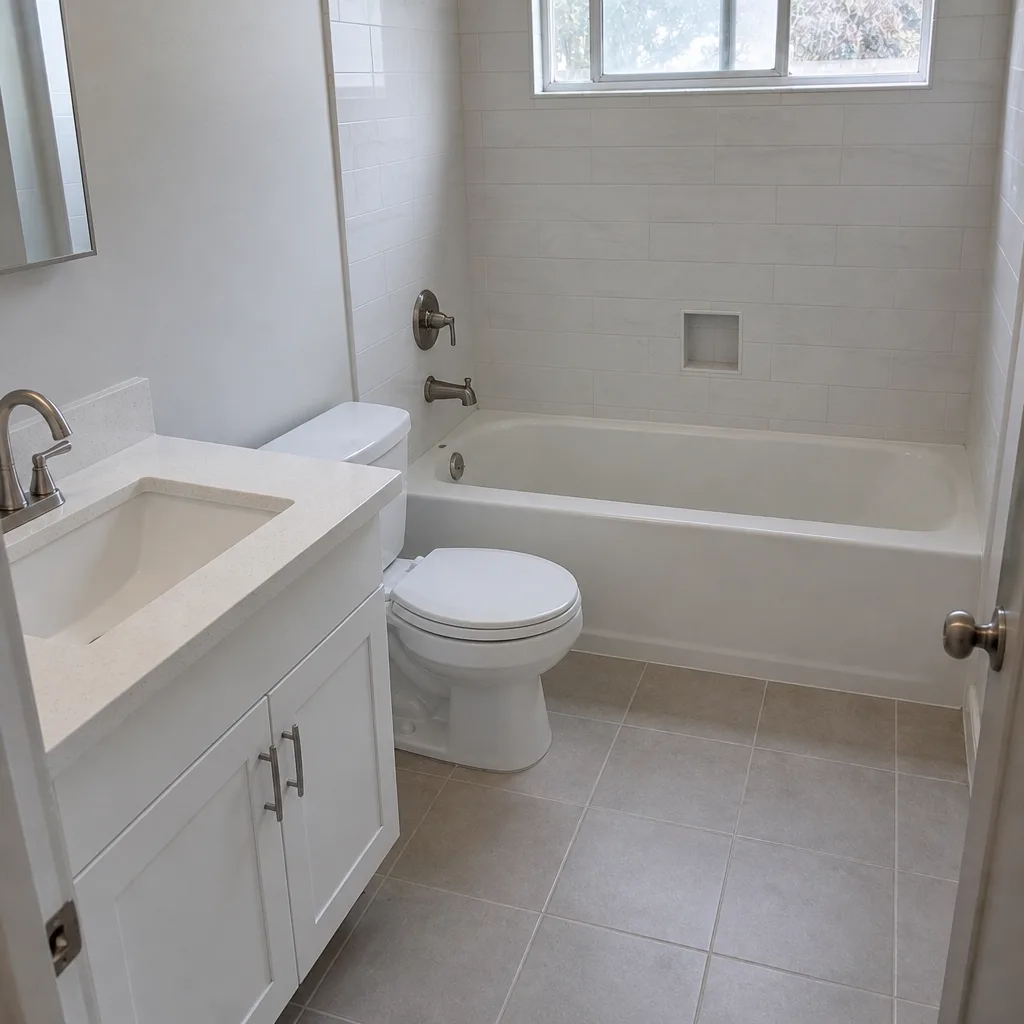 After
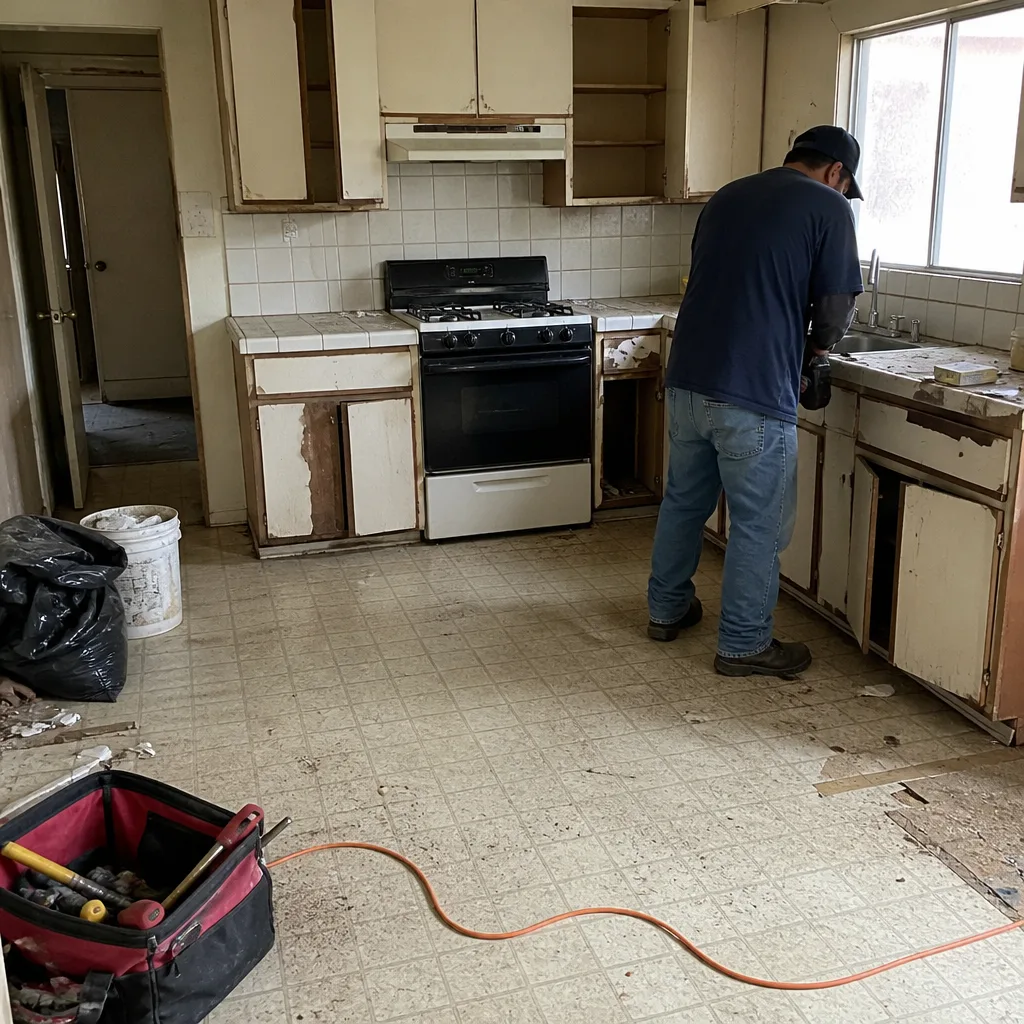 Before
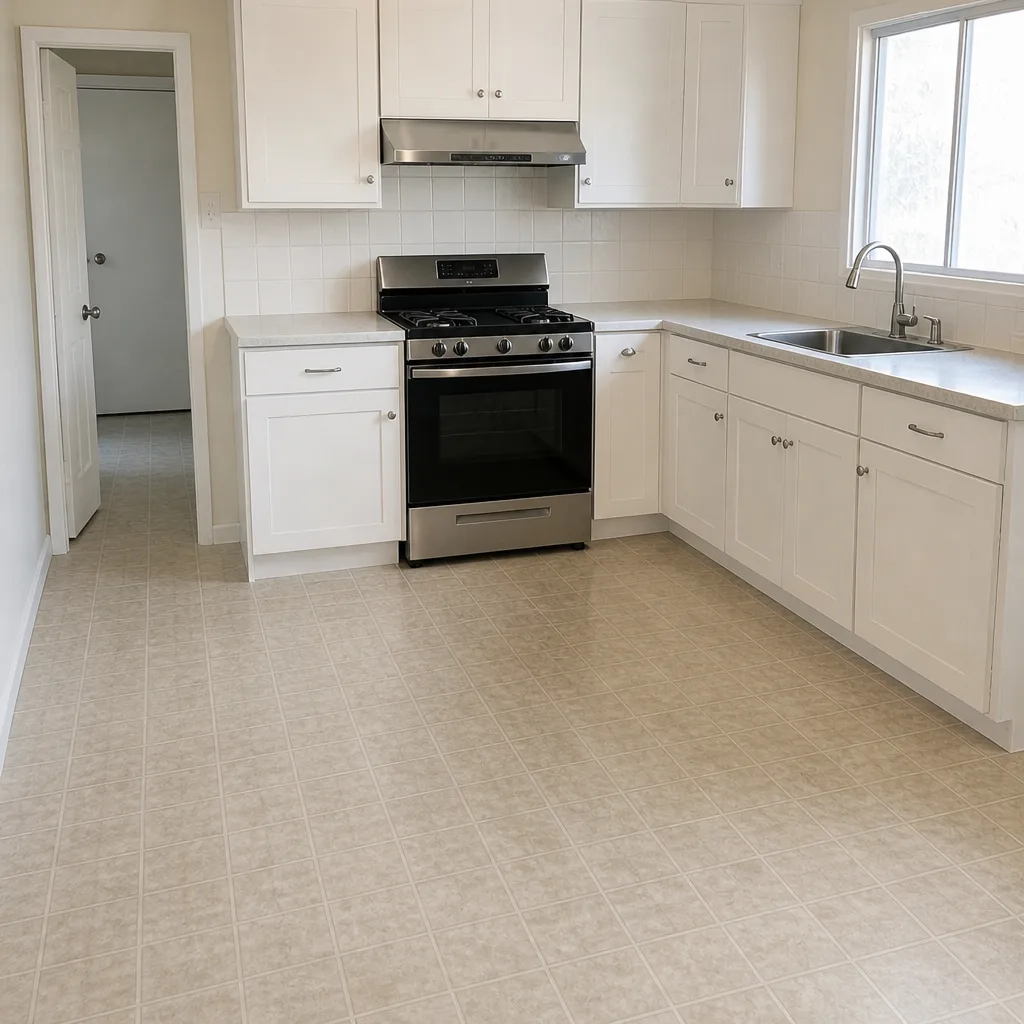 After
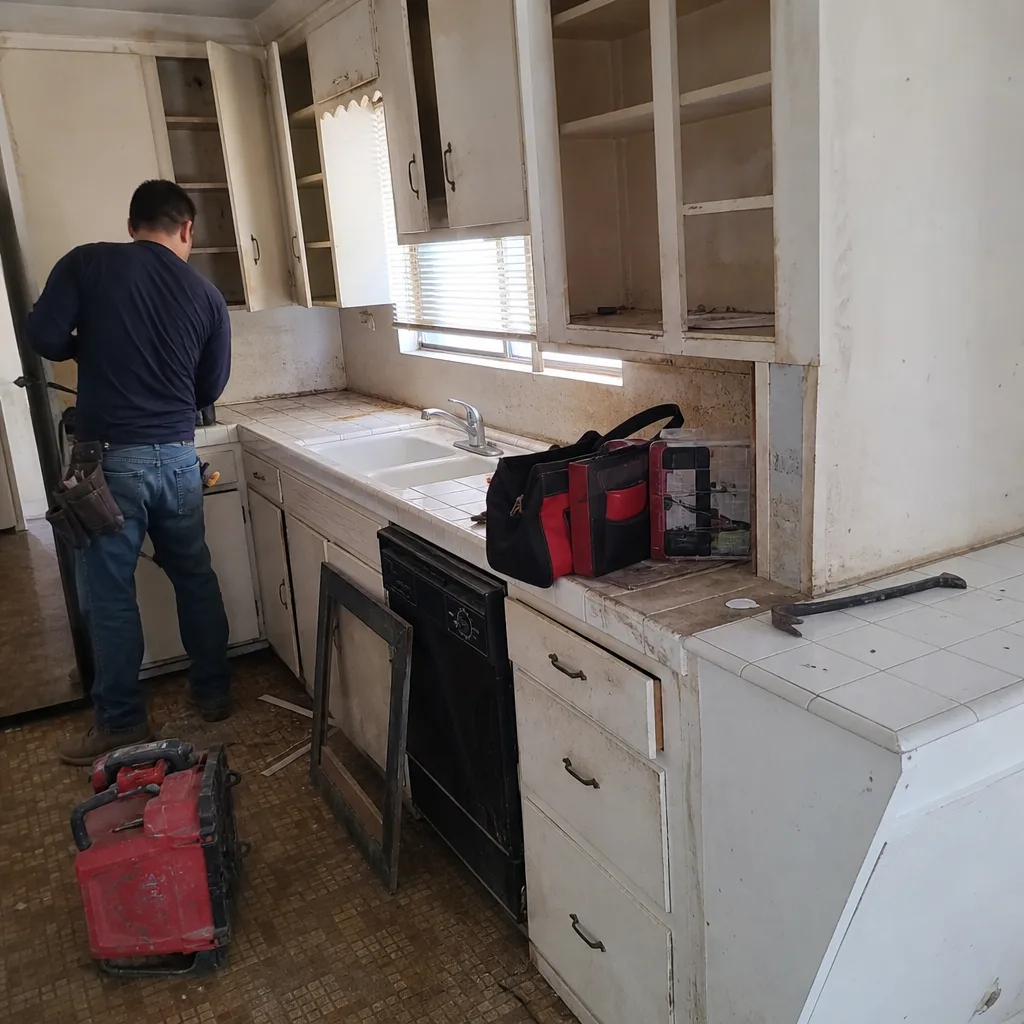 Before
 After
Frequently Asked Questions
Call the West Covina Building & Safety Division and submit a public records request by the contractor’s CSLB license number. Ask for permits pulled in the last three to five years, including permit type, date issued, and final inspection status. Open permits from several years ago are the clearest red flag – they mean the contractor walked off before final inspection. For an exact quote and a permit-history conversation on your specific project, call (844) 662-2335.
Every West Covina construction contract should include a lien waiver clause (also called a conditional release), a change order cap tied to your written approval, inspection hold points with a clear schedule for who pays re-inspection fees, a milestone-based payment schedule, and written warranty terms stated in plain language. If any of the five clauses is missing, ask for it in writing before you sign. Call (844) 662-2335 to walk through a sample contract with a real contractor.
A West Covina kitchen remodel with a layout change typically takes nine to fourteen weeks total: three to five weeks of plan check at the West Covina building department, then six to nine weeks of construction including inspection hold points. If a contractor quotes three weeks, ask them to walk you through how the plan check is scheduled, because that timeline usually means they’re skipping permits. Call (844) 662-2335 for a realistic timeline on your specific kitchen.
Yes. Any bathroom remodel that moves plumbing fixtures, electrical, or walls requires a permit from the West Covina building department. A cosmetic refresh – paint, cabinets, sink swap in the same location – may not require a permit, but any change to the rough plumbing or electrical does. Pulling the permit under your contractor’s license is the standard approach. Call (844) 662-2335 to confirm what your project needs.
A reasonable workmanship warranty in West Covina runs at least one year on labor and longer on premium-scope projects. Anything shorter than one year leaves you exposed to failures from normal settling and seasonal heat expansion that only show up in the second summer. Read the exclusions line by line before you sign. Call (844) 662-2335 to see our written warranty terms for your project.
Ask the contractor to name the electrical, plumbing, and HVAC subs before the contract is signed, and confirm each sub has their own CSLB license and insurance. A legitimate contractor will name them without hesitation and can confirm how long they’ve worked together. If the contractor can’t name the subs, the sub network is a variable on your project. Call (844) 662-2335 to talk through how we manage sub relationships on West Covina jobs.
The Bottom Line
Hiring a contractor in West Covina comes down to five things: verify the permit history through the building department, not just the CSLB license; insist on the five contract clauses that protect you specifically (lien waiver, change order cap, inspection hold points, payment schedule, warranty terms); compare bids line by line instead of by the bottom line; ask about the subcontractor network before the contract is signed; and never release the final payment before the final inspection closes out. The homeowners who get burned aren’t the ones who didn’t do research. They’re the ones who didn’t know which questions to ask. Now you know.
Ready for a real conversation? Groundwork Construction Co. of West Covina pulls permits under our license, writes line-item scope into every contract, and backs workmanship in writing through the 730-Day Done Right Promise. Calls are answered by a live person 24/7 – no voicemail, no waiting until Monday. Upfront pricing, no surprises. Call (844) 662-2335 to schedule a free estimate and design consult.
Written by the team at Groundwork Construction Co. of West Covina.